To Re-do a Green 1840s dress

This december I will attend a 19th century christmas party and since I don’t own anything remotley chrismasy I needed to make myself something to wear. After thinking long and hard, I decided to try my hands at mid century 1840-1860s dressmaking.

I found this image and imediatly fell in love with the simplicity and elegance of the dress. I also liked the fact that is wasn’t a “Pretty Princes dress” but something a lady of my age and income wold have worn back in the days.

107101297358915514_aCE87gwt_c

I already had the perfect fabric for it.

IMG_2832

It is a bedsheet I bougt for 50 Sek (5 Usd) at goodwill a while ago. I’ve picked it up thinking it would be perfect for some les fancy dress. And since the bedsheet was so big, when I ripped the seams open and ironed it out, I got 1,5 x 4m of soft cotton fabric. That means I pay about 12 Sek per metre. Yay!

Then I remembered the 24th HSF Challenge: Re-do. You should Re-do any of the prevous challenge from the HSF 2013. So wich one would suit my dress the best – Green of course!

Then I got to work.

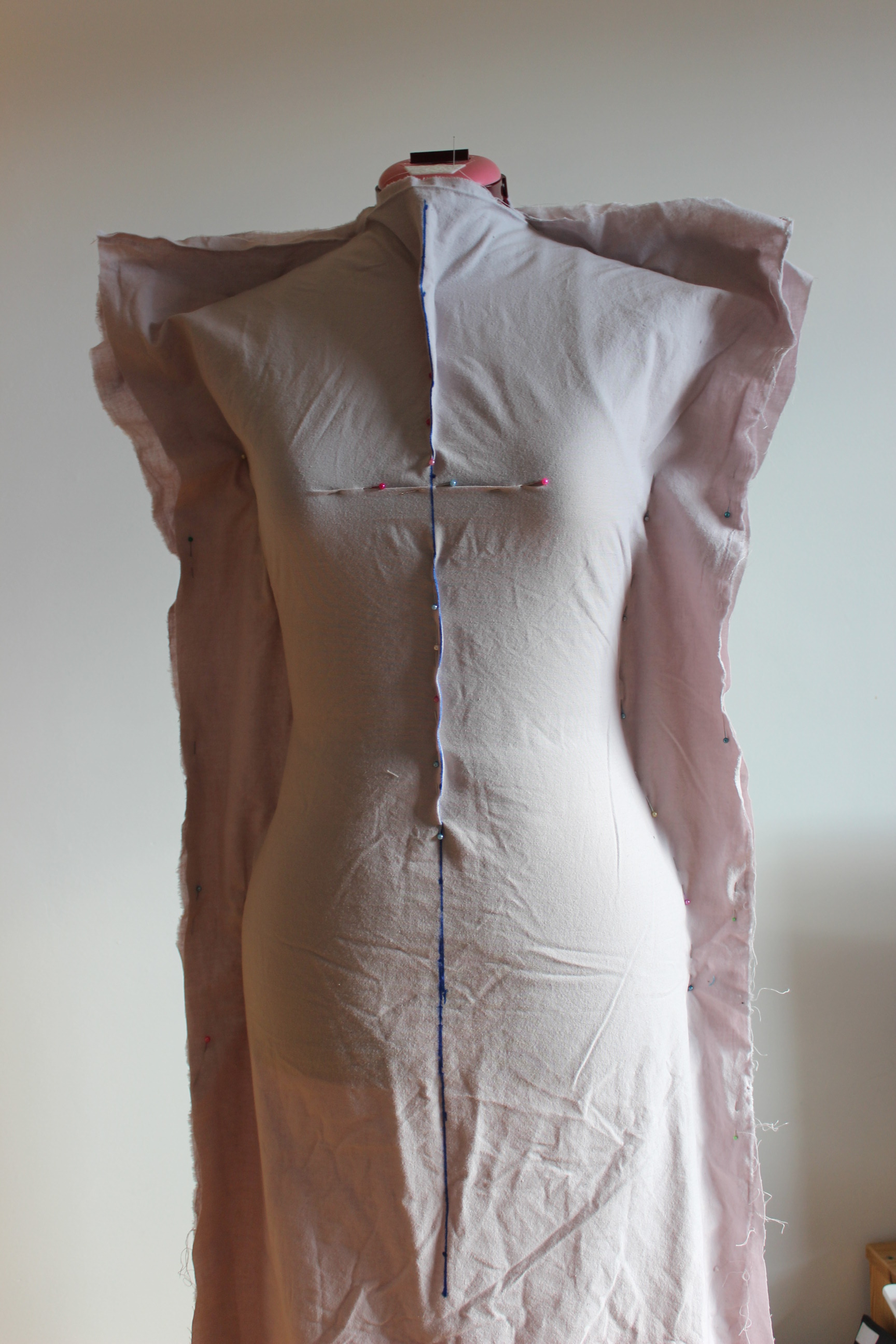
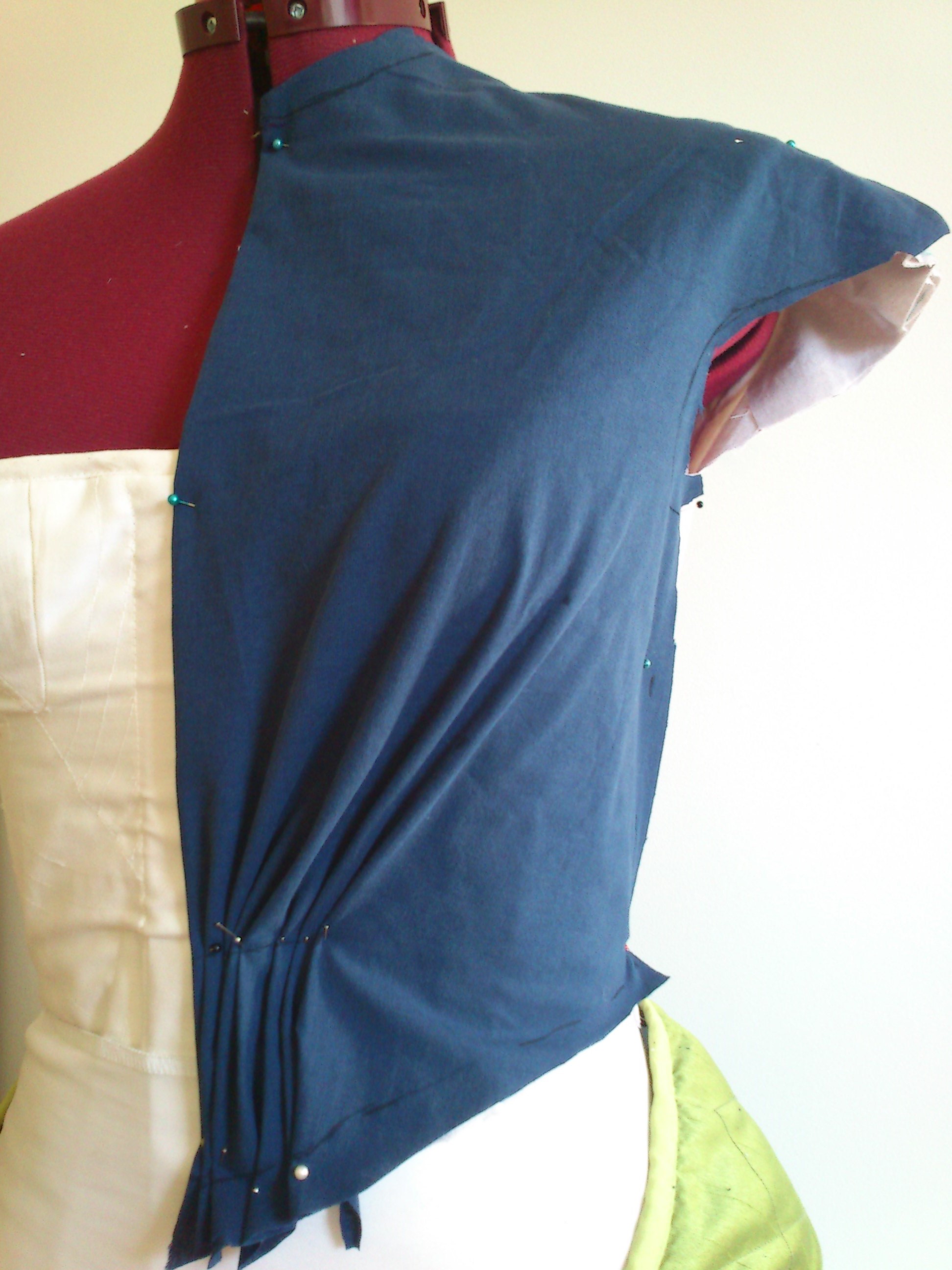
Draping the bodice lining on the dressform. Pinning and cuting away the excess fabric.
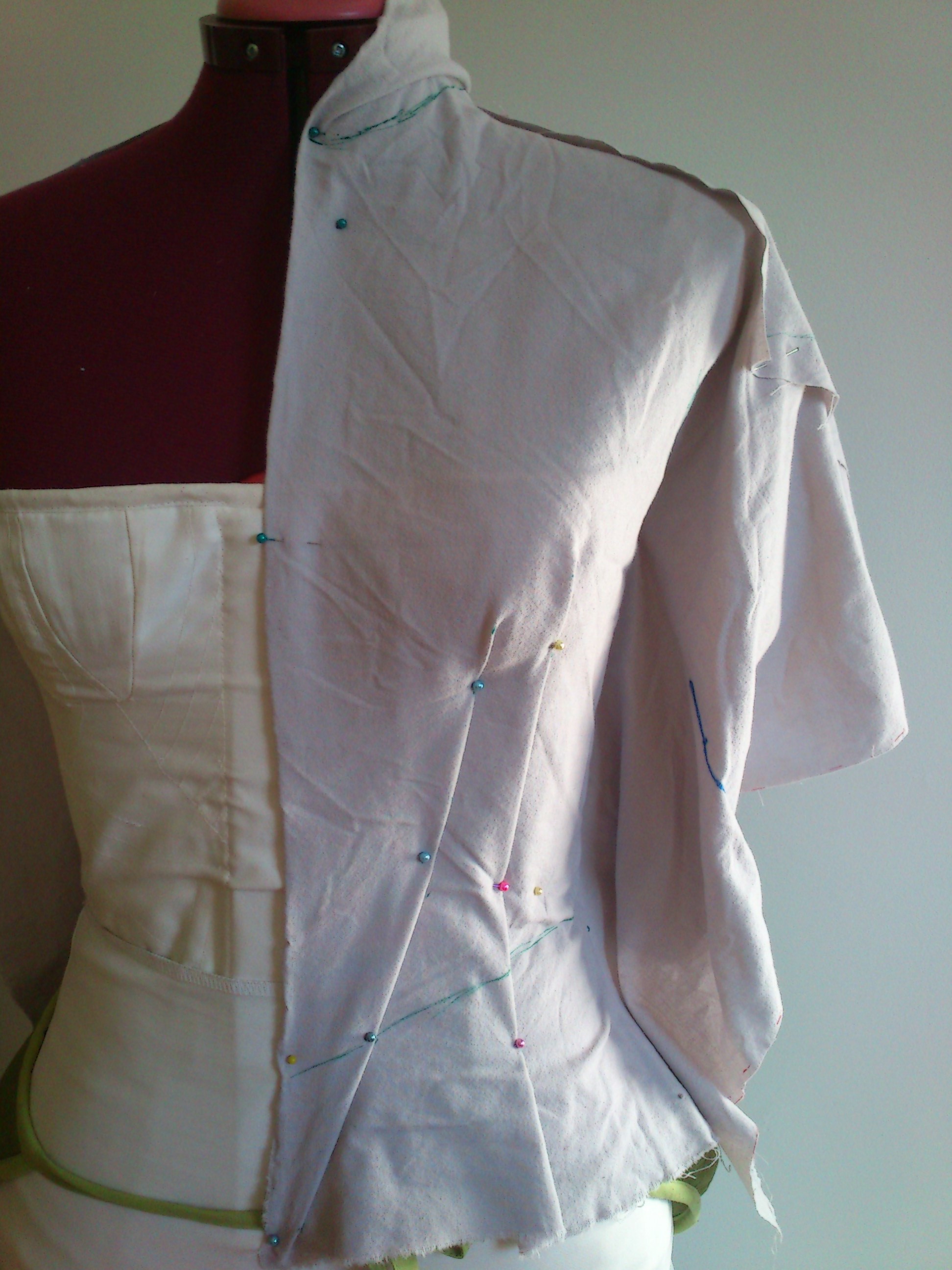
2013-10-13 15.08.502013-10-13 15.16.49

2013-10-13 15.17.052013-10-13 15.16.56

Then I draped the outer fabric of the bodice.
2013-10-13 15.40.30

I cut and made a mock-up, which I then tried on.

IMG_3915

It did need some alterations like moving the shoulder seam, and spreeding the front piece to get some more drape.

IMG_3921IMG_3923

Then I cut the fashion fabric and got to work interlining and sewing boning chanels to the bodice, basting it togeter to get a idea of how the draping would look.
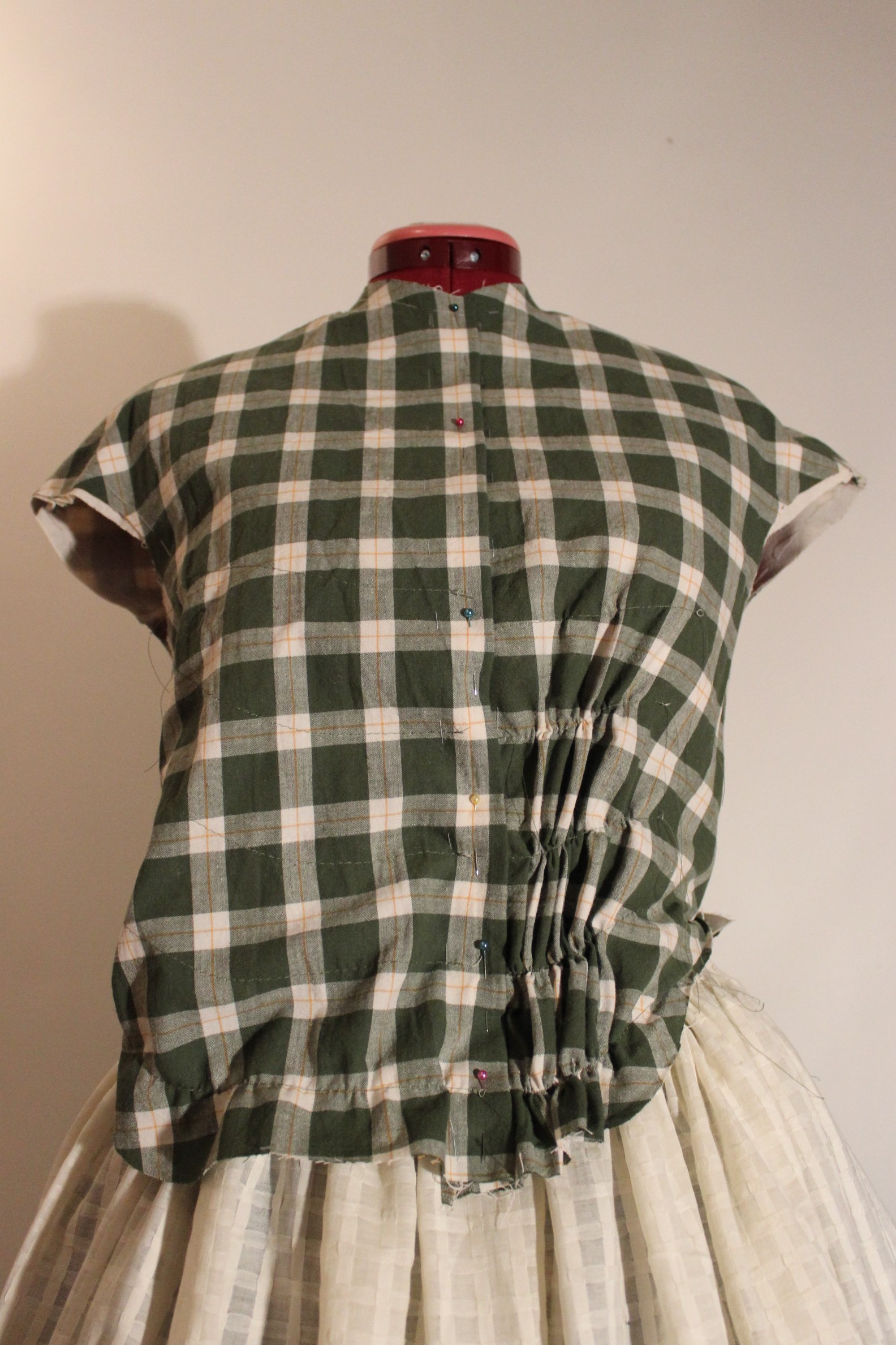
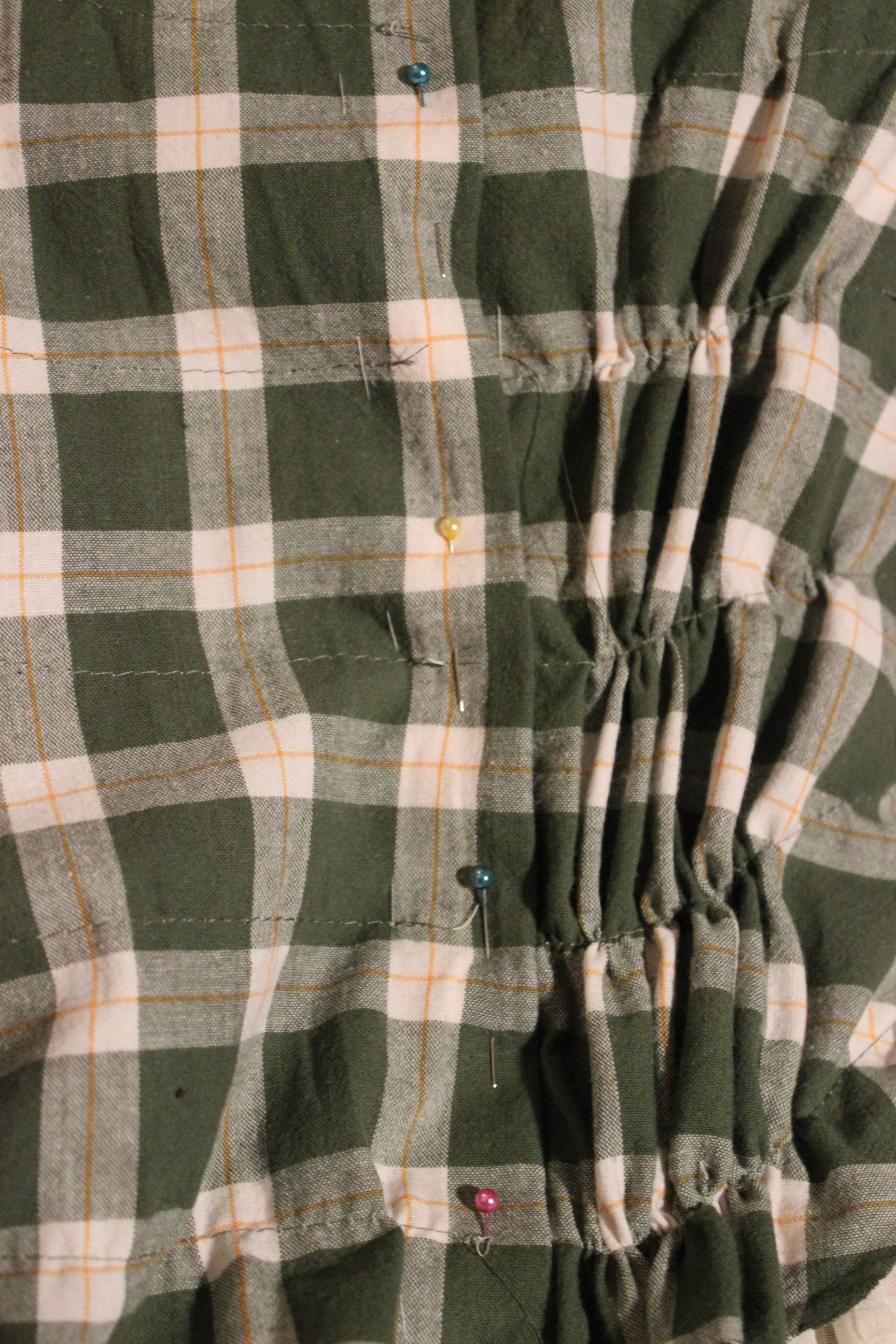
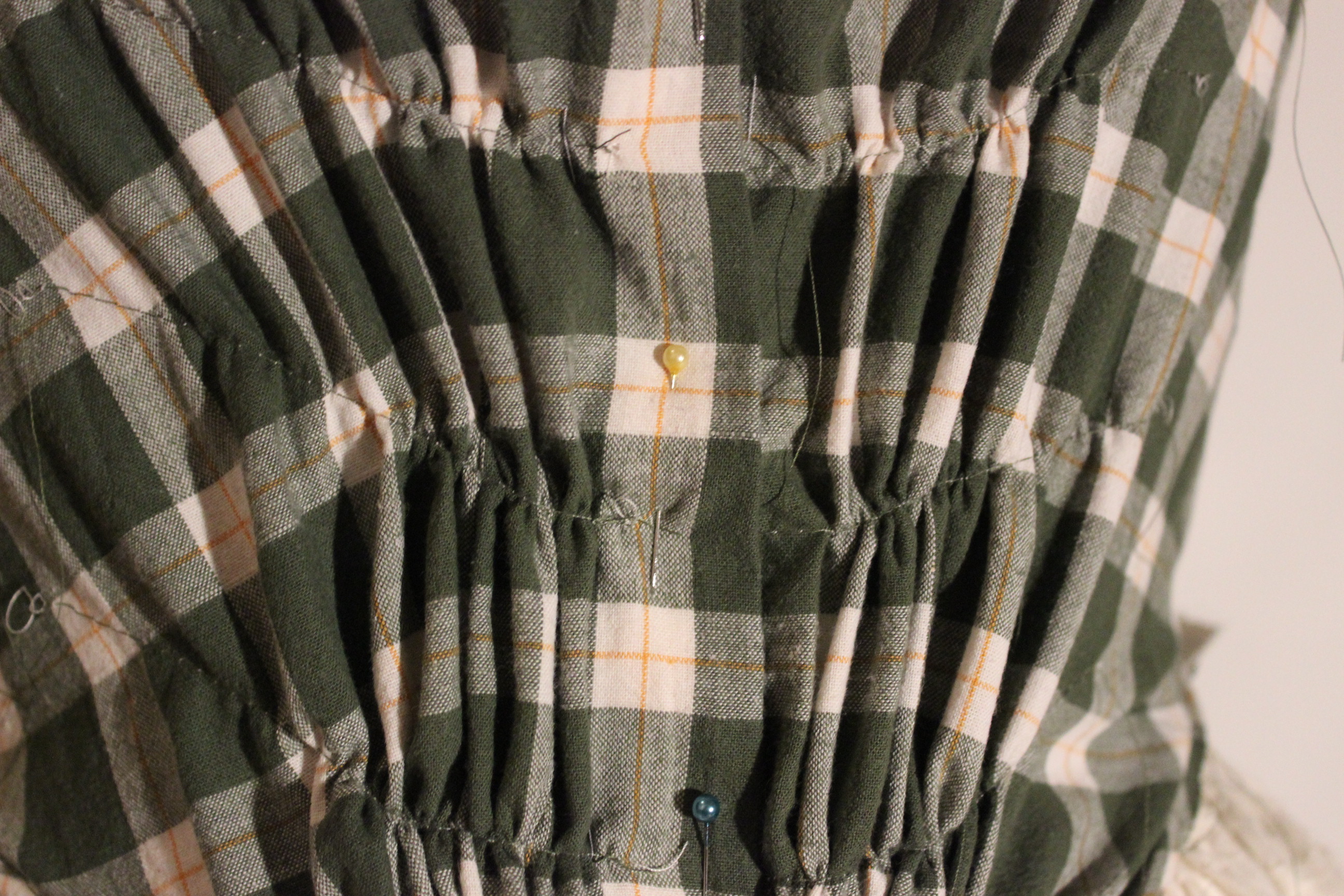
IMG_3964IMG_3972Draping left side, using 4 rows of gathered thread.

IMG_3977IMG_3978And both sides gathered.

Then I did a second fitting.

IMG_4013IMG_4011

The bodice needed some changing in the neck and shoulders. I also needed to shorten the waist a bit in the back.

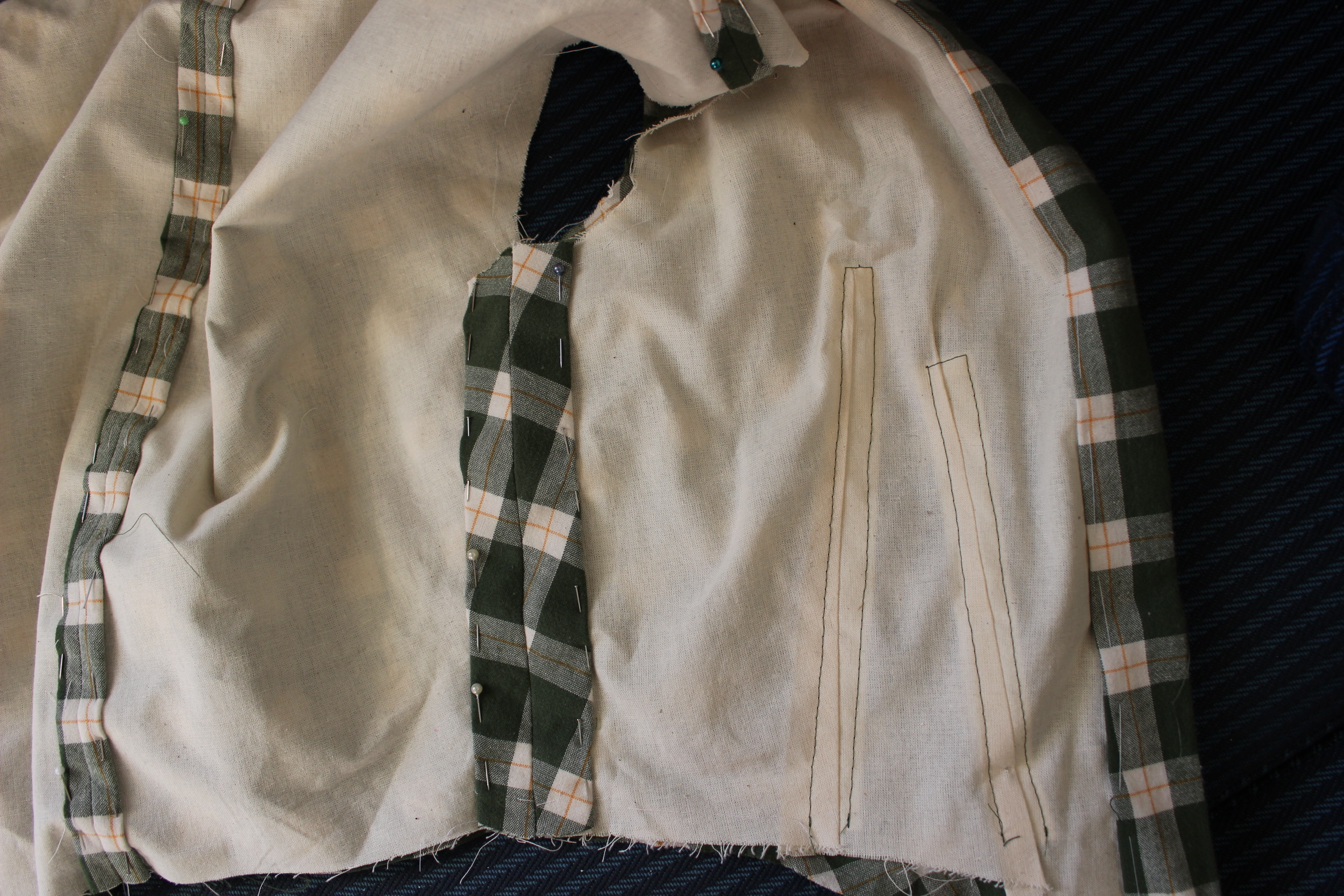
After making the adjustments I continued the asembeling of the sleeves and bodice. Tucking all the raw edges and sewing on some boning channels.
IMG_4043

IMG_4100

IMG_4108

I decided to make the skirt seperate to make the fitting and closing of the dress esier.

The skirt is made out of two widhts of fabric sewn together and gattered at the waist, closed by a hook and eye at the left side.

IMG_4094

IMG_4095

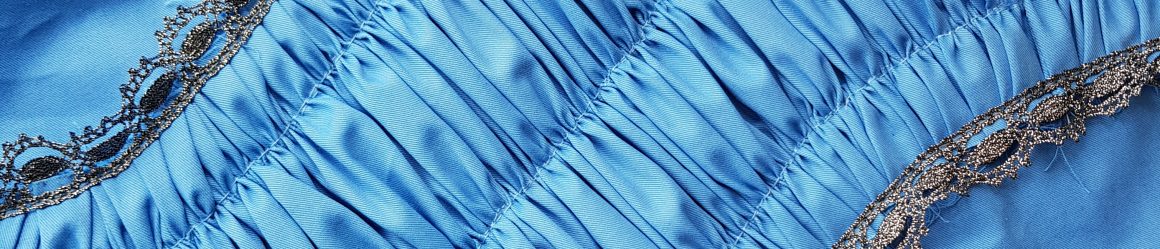
I gattered the sleeves into the sleevecap and made 3 decorative rows of gattering on each sleeve.

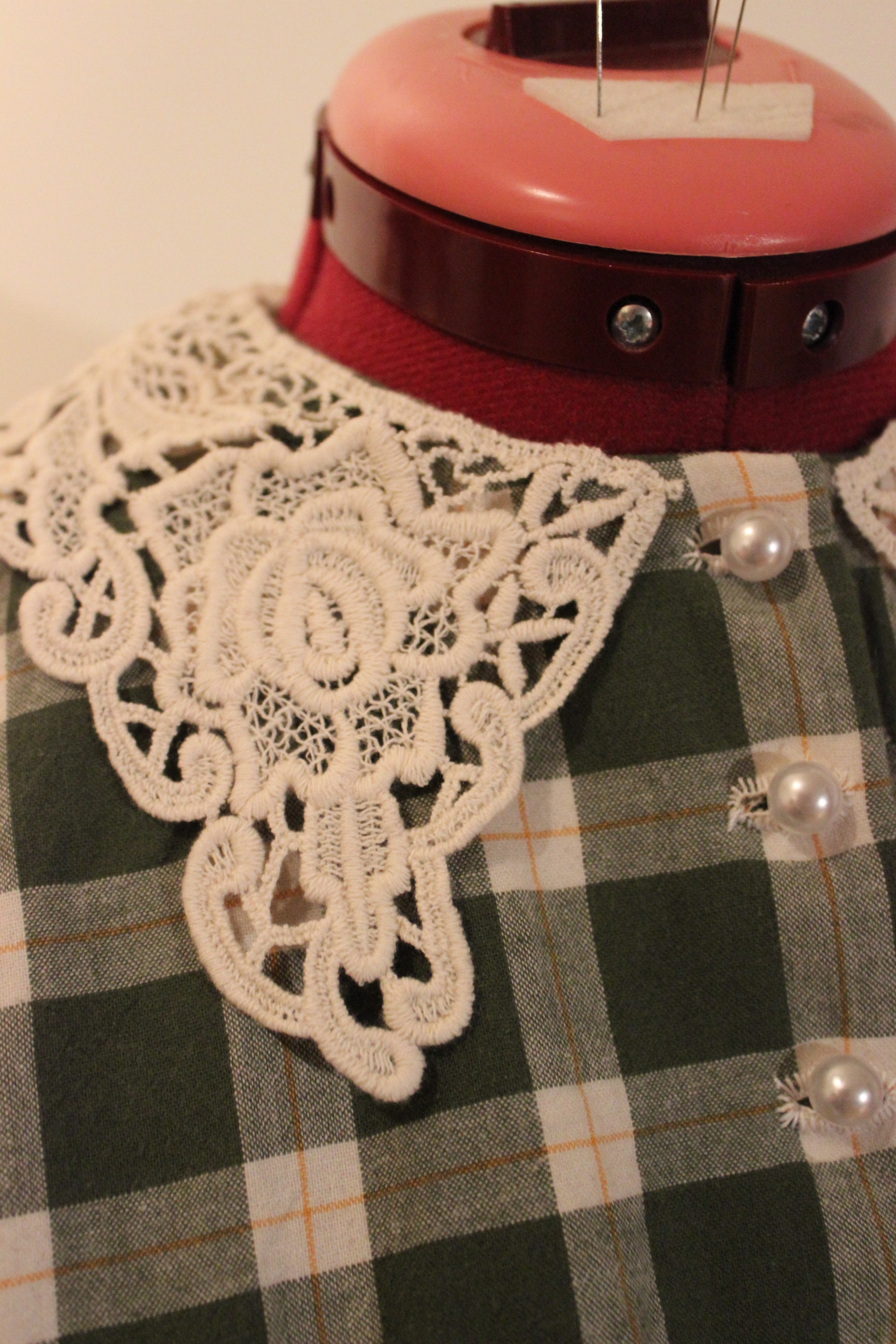
Then I bought some pearl butttons and worked the button holes by hand, placing them (as on the inspirational dress) only on the white parts of the center front.

IMG_4104

I also decided to put on a crocketed lace collar I’ve had in my stash for ages.

IMG_4116

I’m so happy with how it turned out, and think I manadged to use the inspiration to its fullest yet put my own touch to it.

Can’t wait until I got to wear it…

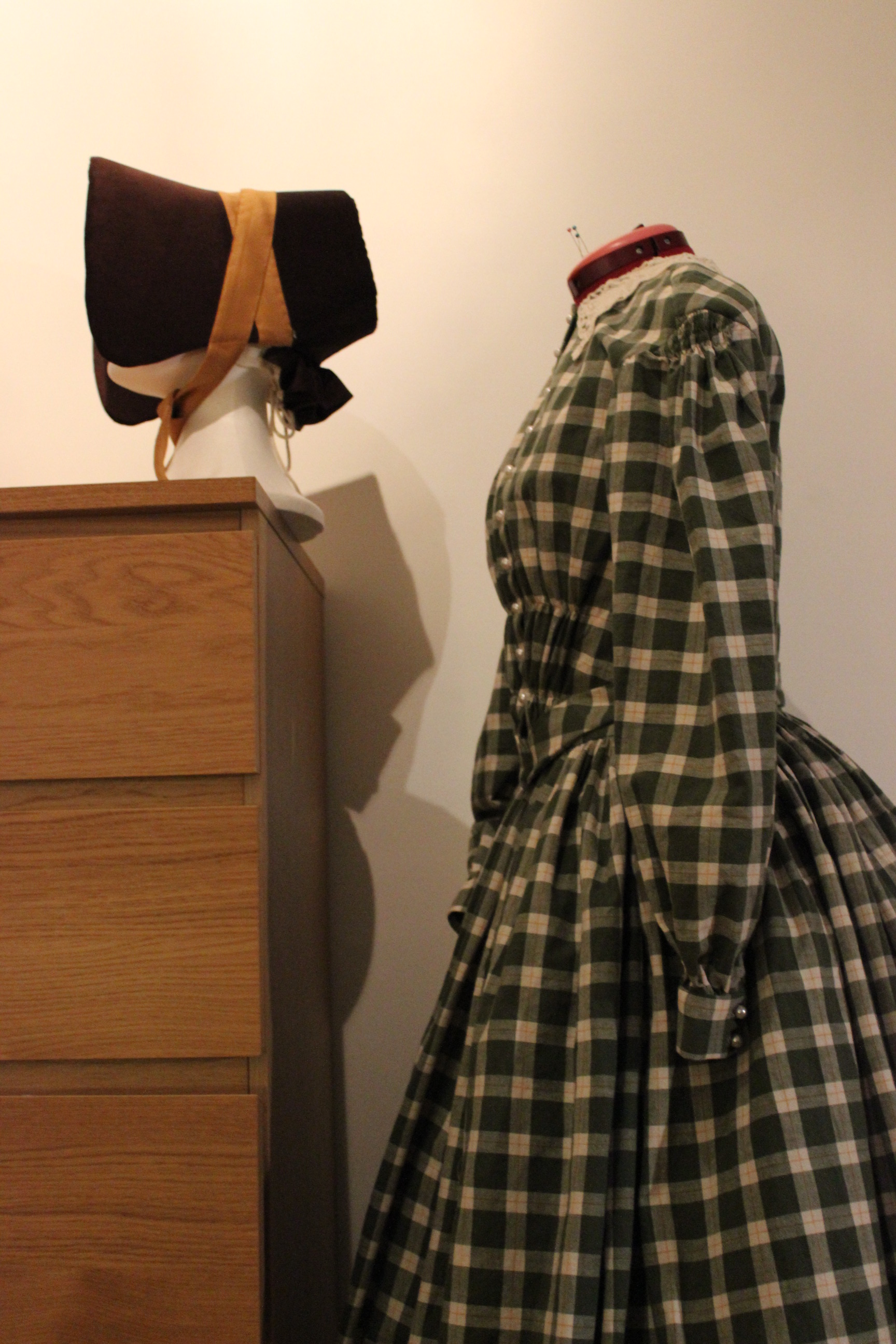
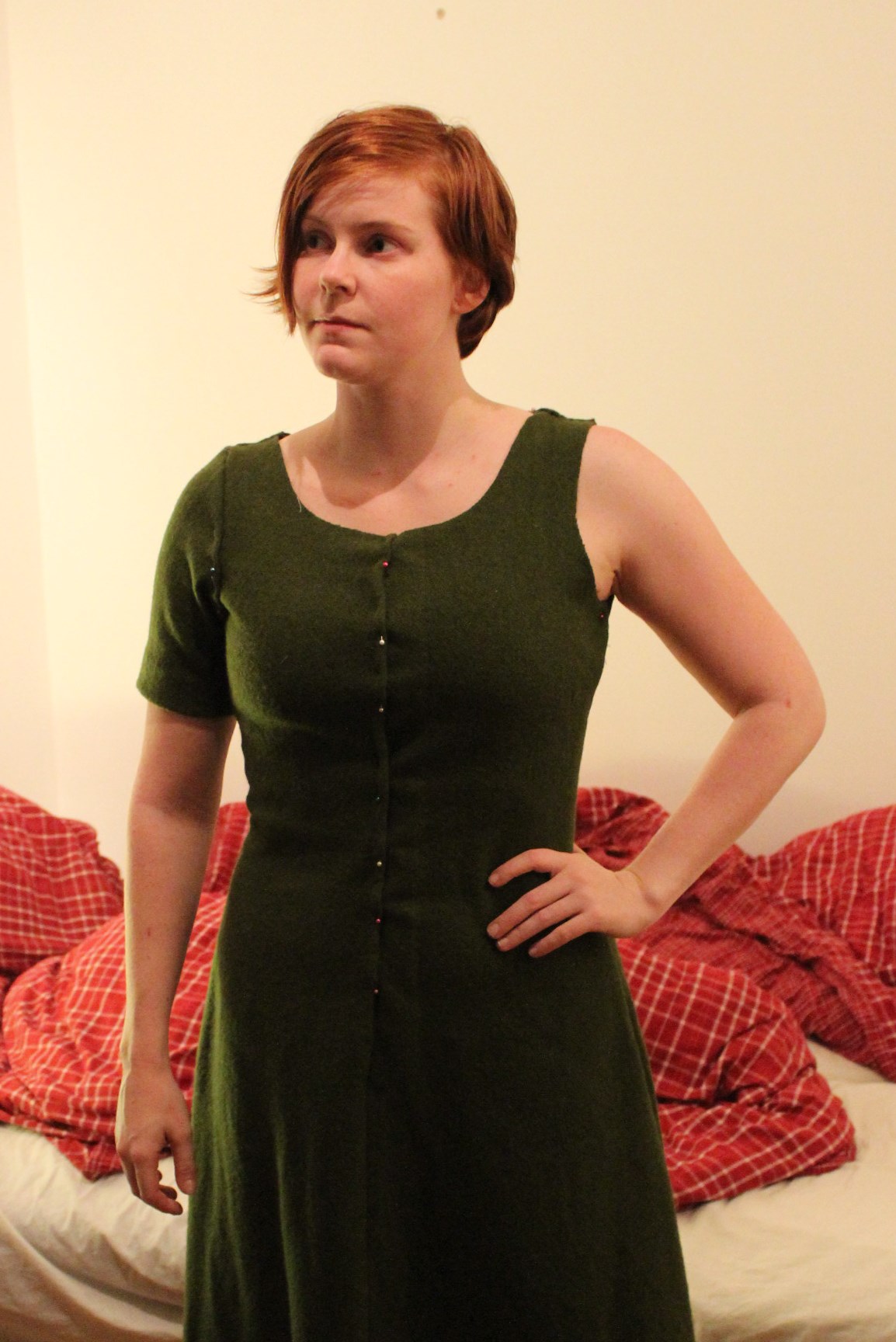
The finished dress:

IMG_4109

IMG_4118

IMG_4132

IMG_4125

IMG_4117

IMG_4131

IMG_4112

IMG_4121

Just the facts:

Challenge: nr 24 Re-do – Challenge 21 Green

What: A green/white checkerd dress

Year: 1840-1850s

Pattern: I draped my own.

Fabric: 1 checkered bed-sheet (1,5 x 4 m) and 0,5 m cotton for interlining.

Notions: Thread, 14 buttons, hooks and eyes and a lace collar.

How Historical Accurate: The dress is mostly done by machine and with modern techniques, but the fabric and the look of it is about right. Maybe 6/10

Time: About 15 hours.

Cost: 200 Sek (22 Usd) (150 for the buttons, ouch!).

First worn: Will be on dec 14th at a 19th century christmas party.

***

And as it will be worn on the event, with apron, bonnet and shawl.

IMG_4115

IMG_4133

Embelish a 16th century Shirt

I knew I wanted to push my bounderys with the 4th HSF Challenge: Embelishment, last spring.

Since I’m not much for the over-the-top, decorated things, I decided to make something quite stylished yet advanced.

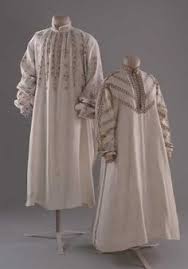
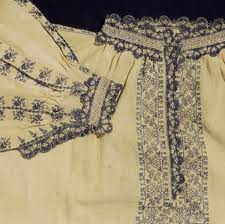
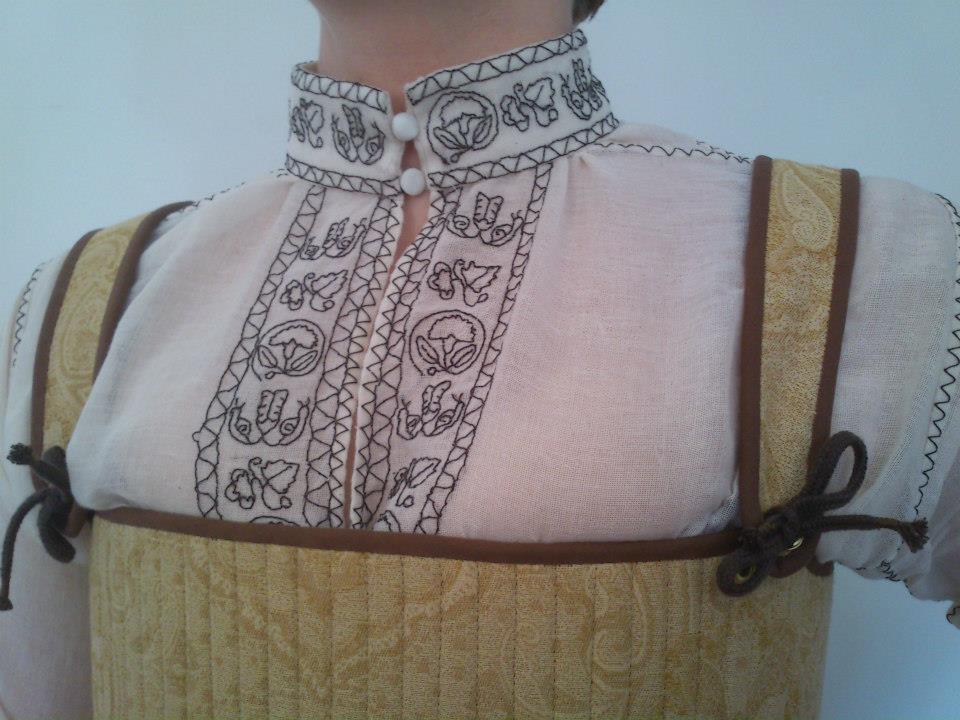
I’ve been wanting to make one of these shirts, decorated with an embrodery technique called blackwork, for a long time. And this seamed to be the time to make it.

images

hämta

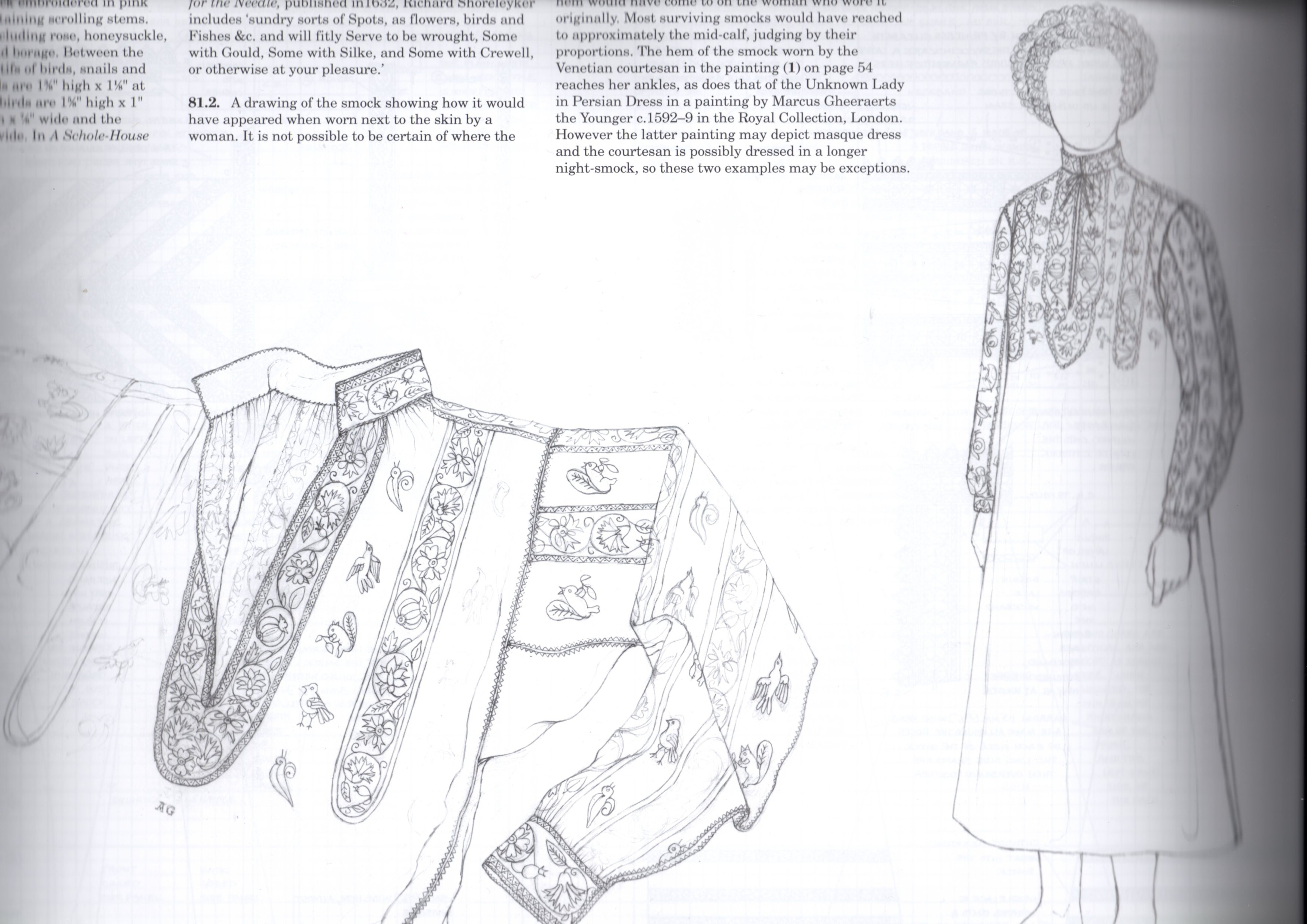
I used Janet Arnolds “Patterns of Fashion nr 1” as a reference.img303

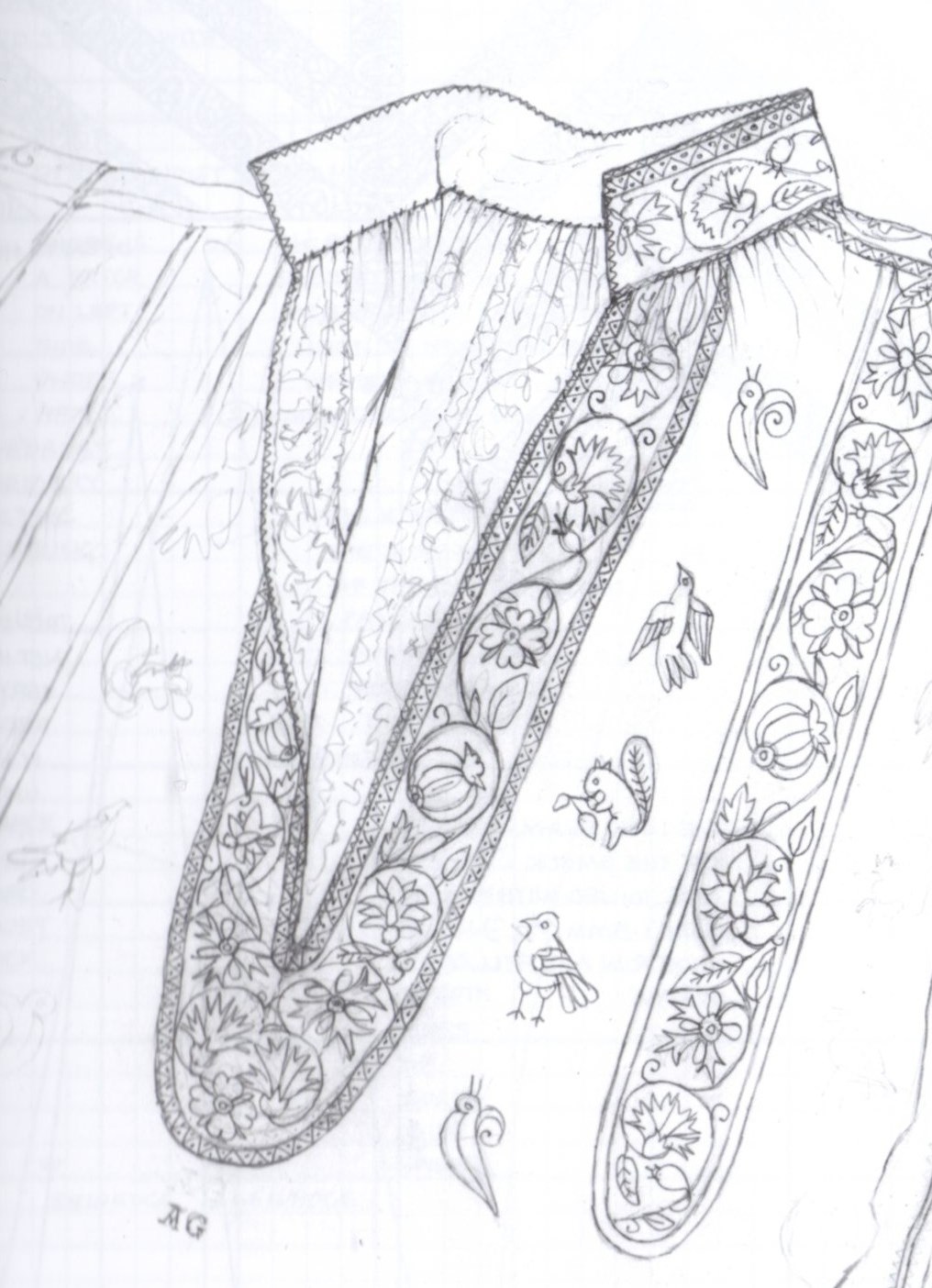
And designed my pattern of flowers and shapes.img303 - Kopia

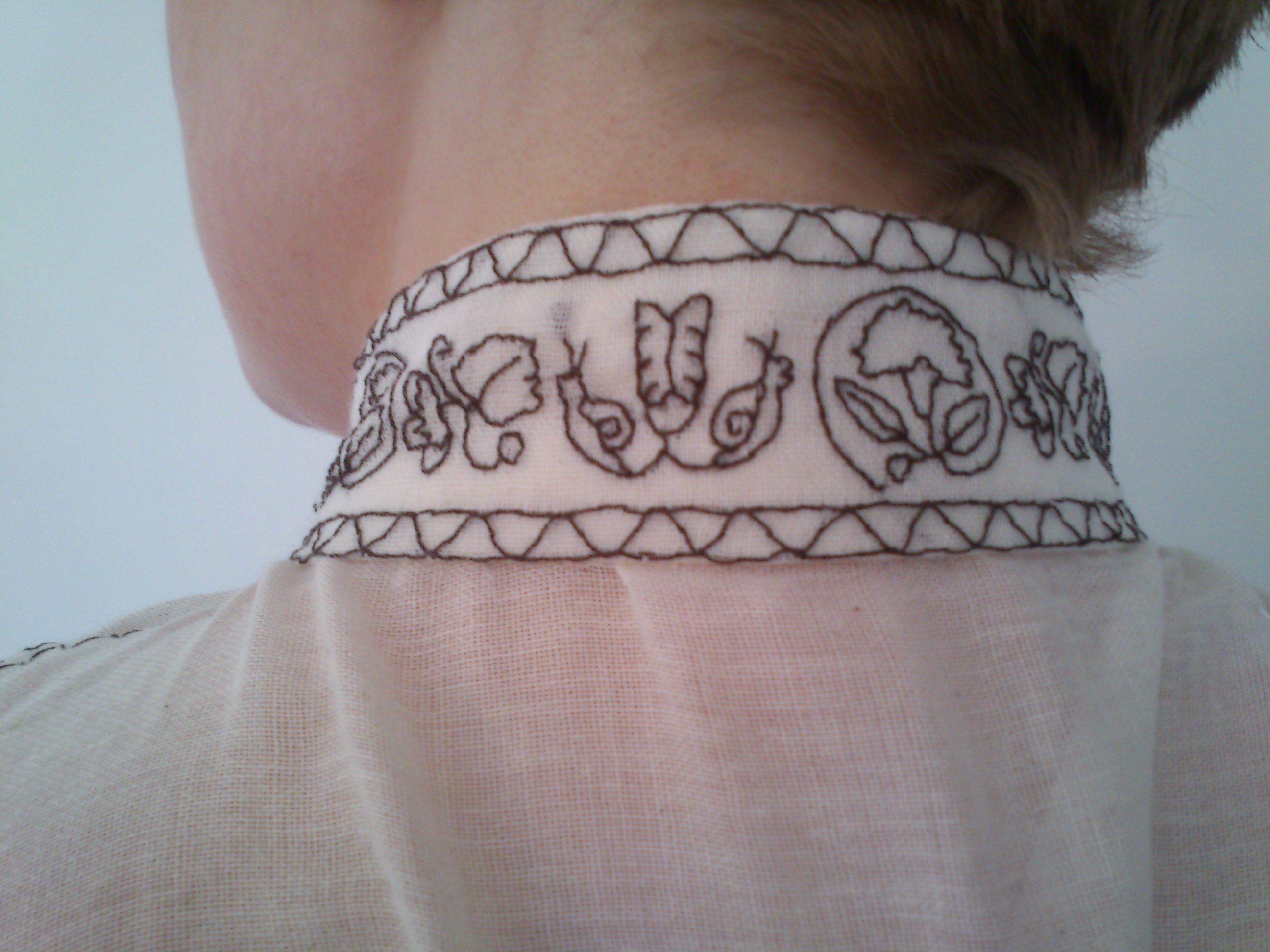
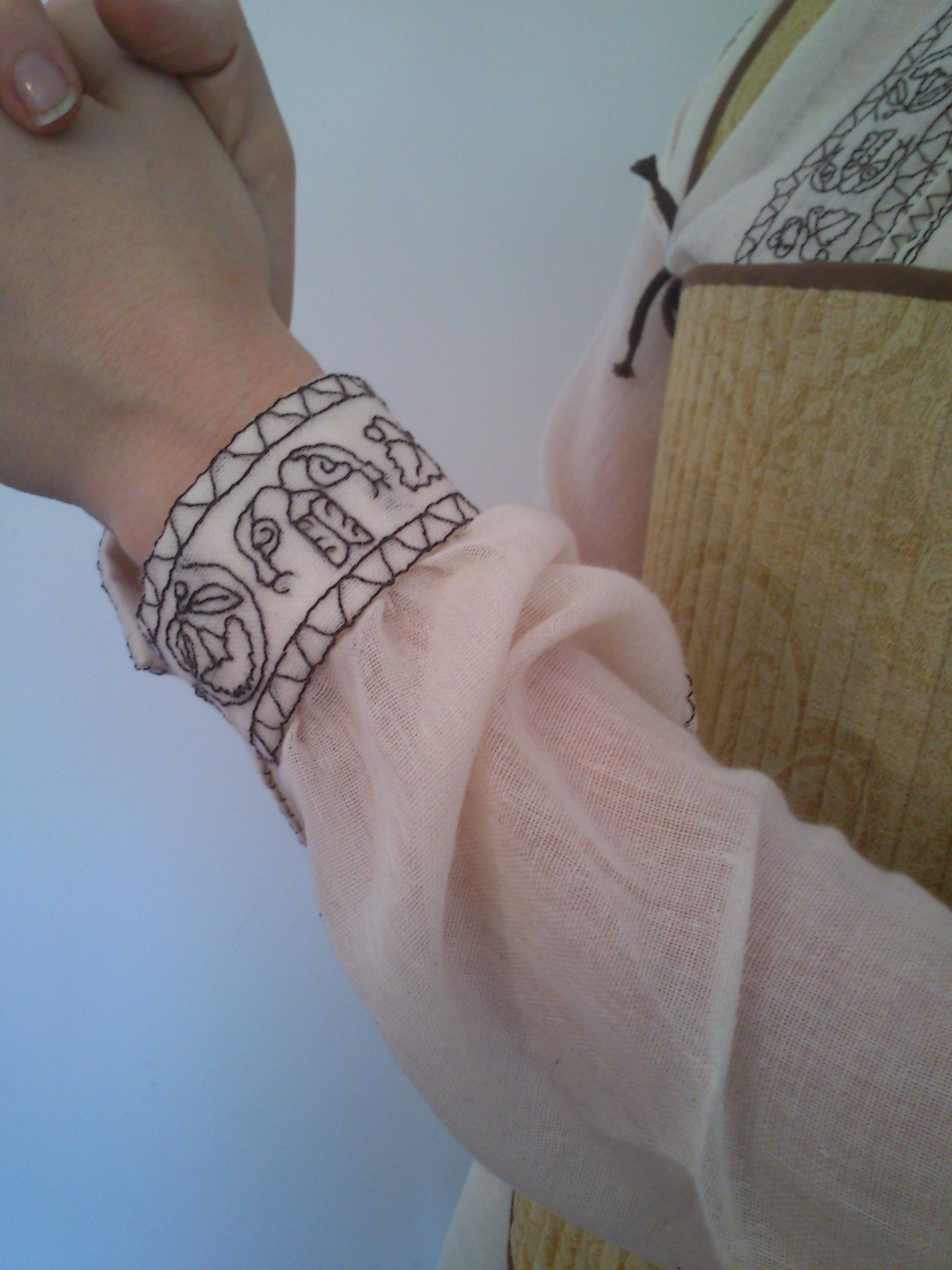
I drew a design of 3 diferent flower/animal shapes and traced them to the sheer linen fabric. Then I used a heawy buttonhole thread to work the embrodery.

I knew it would take some time to embroder the shirt, but I was shocked to discover exactly HOW slow it went. Each little flower took about 45-55 min and each row of rick-rack took 2 hours.

This slow paste made me change the original plan of embroder the whole shirt, to only doing the cuffs, collar, neck border and rick-rack on the seams.

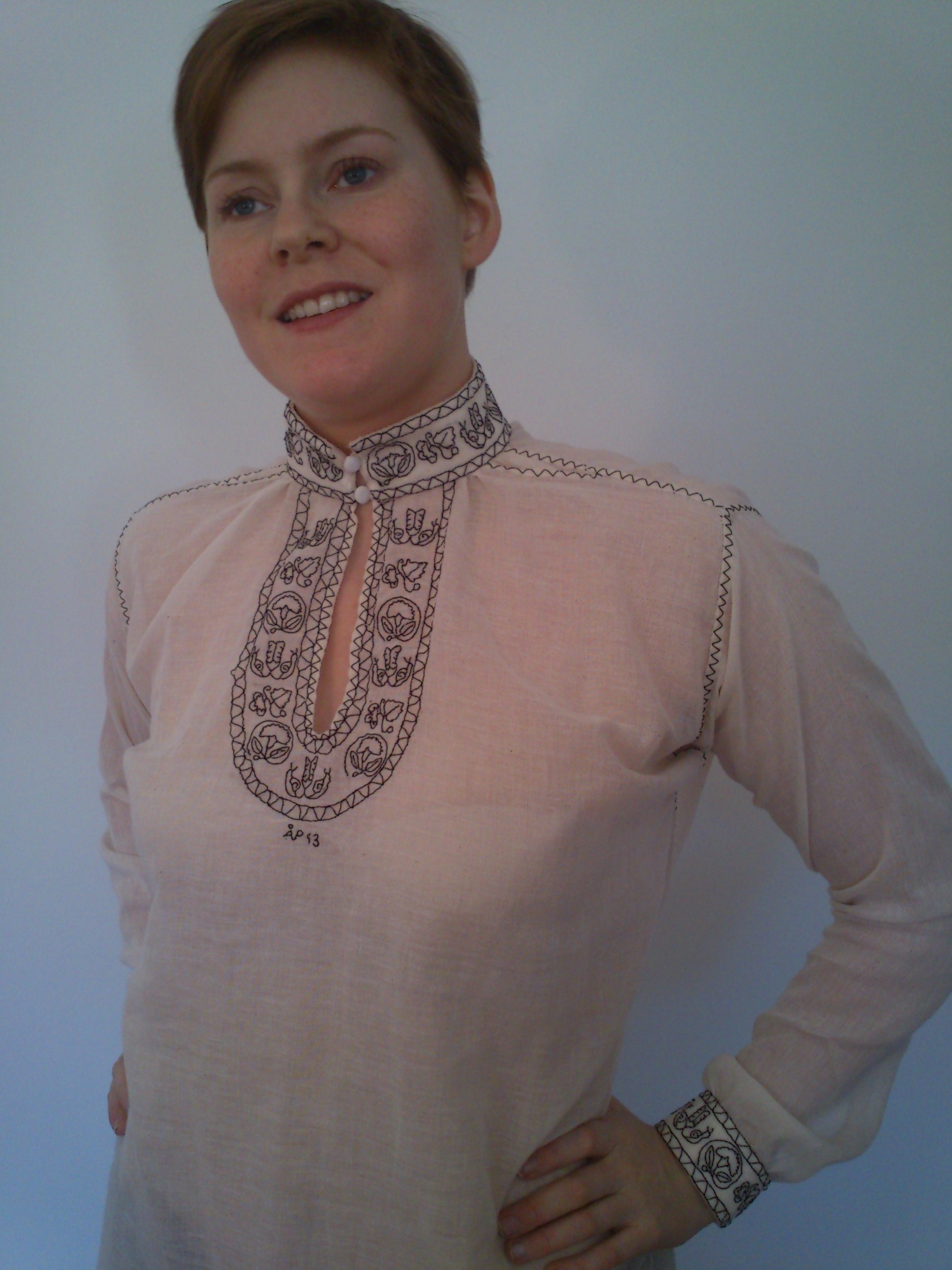
Sadly I seem to have lost all my in progress shoots, but here are some of the finished shirt.

2013-03-01 14.41.06

2013-03-01 14.33.45

2013-03-01 14.34.51

2013-03-01 14.32.22

2013-03-01 14.35.30

63268_10200634023514639_769913574_n

2013-03-01 14.33.57

Just the facts:

Challenge: nr 4 Emelishment.

What: A 1550-1600s shirt.

Pattern: Janet Arnolds “Patterns of Fashion nr 1”

Fabric: 1,5m of sheer soft linnen.

Notions: white sewing thread, 2 spols of brown buttonhole thread and 4 buttons.

How historical accurate: Pretty good, except the terrible quality of my stiching, and the fact that it will be worn by a woman. But it is totaly hand sewn and have the right look of it. So mabe 7/10.

Time: (Way to long) About 100 hours.
Cost: about 100 Sek (11Usd)
Fist worn: For a photoshoot in mars 2013.

16th century Corset & Shirt

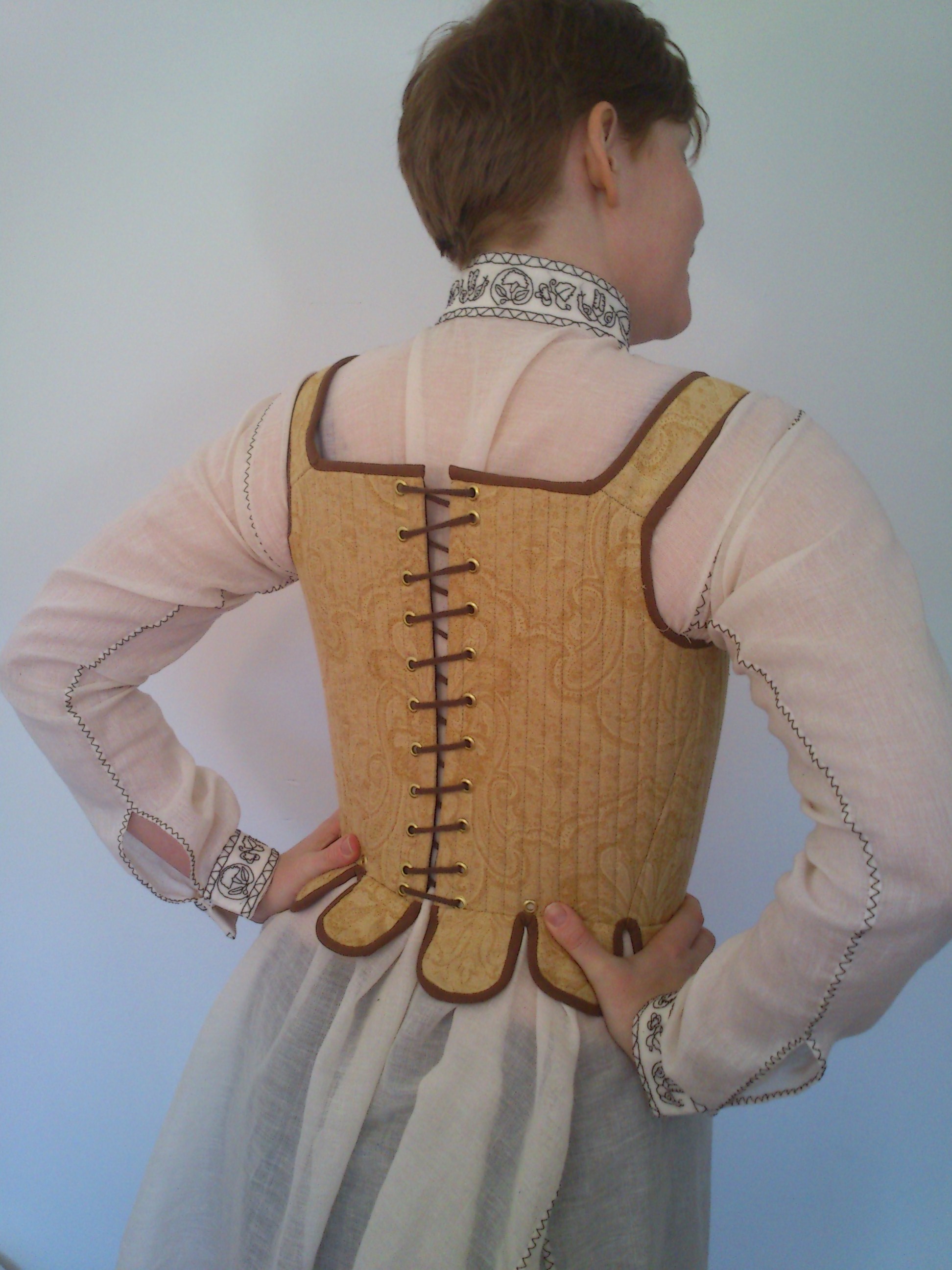
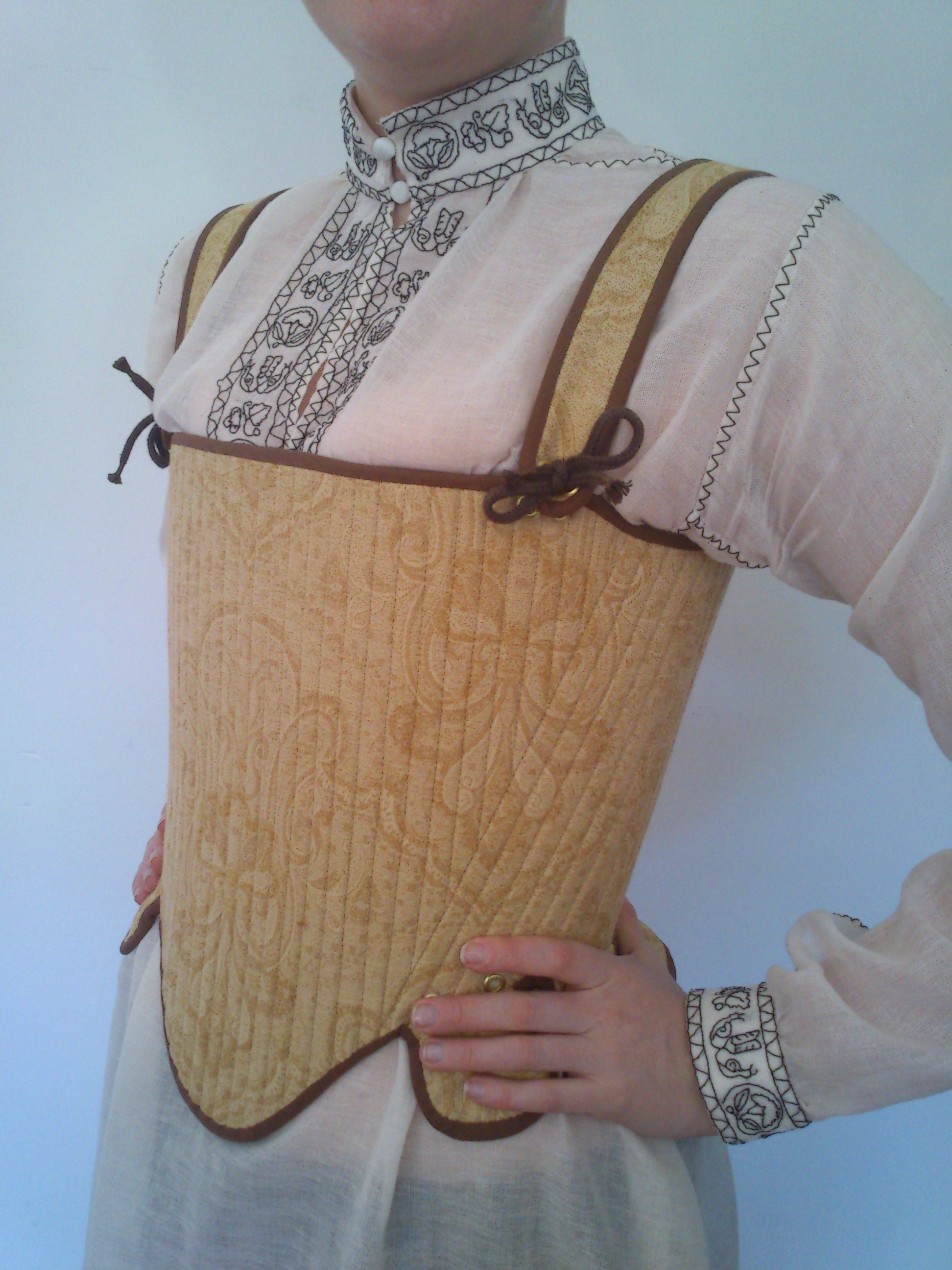
For the HSF Challenge 3: Under It All, back in february, I decided to start the foundation on my planed 1550s dress (which I still haven’t gotten around to make).

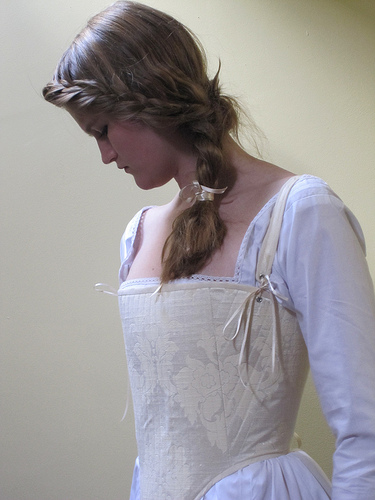
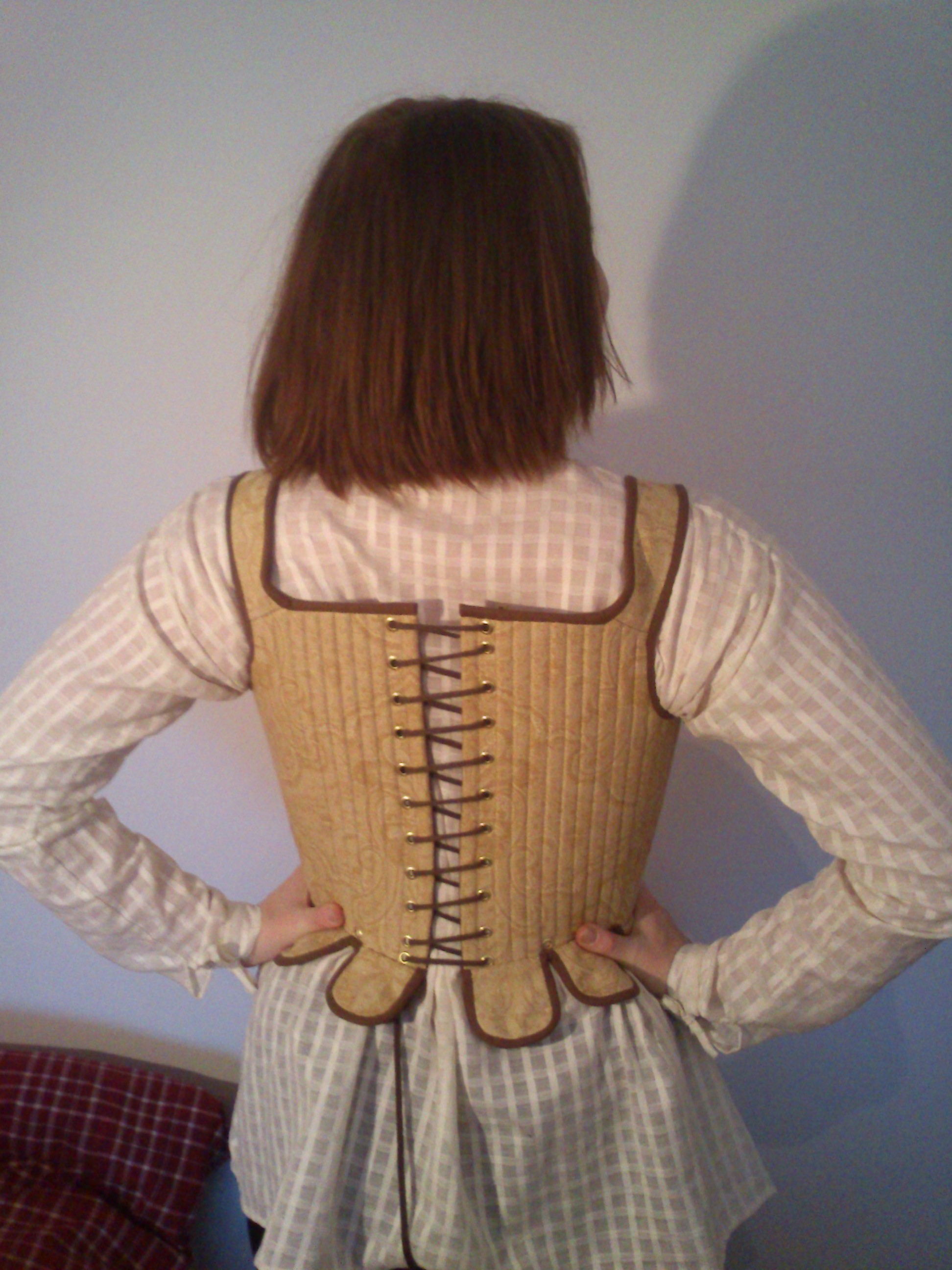
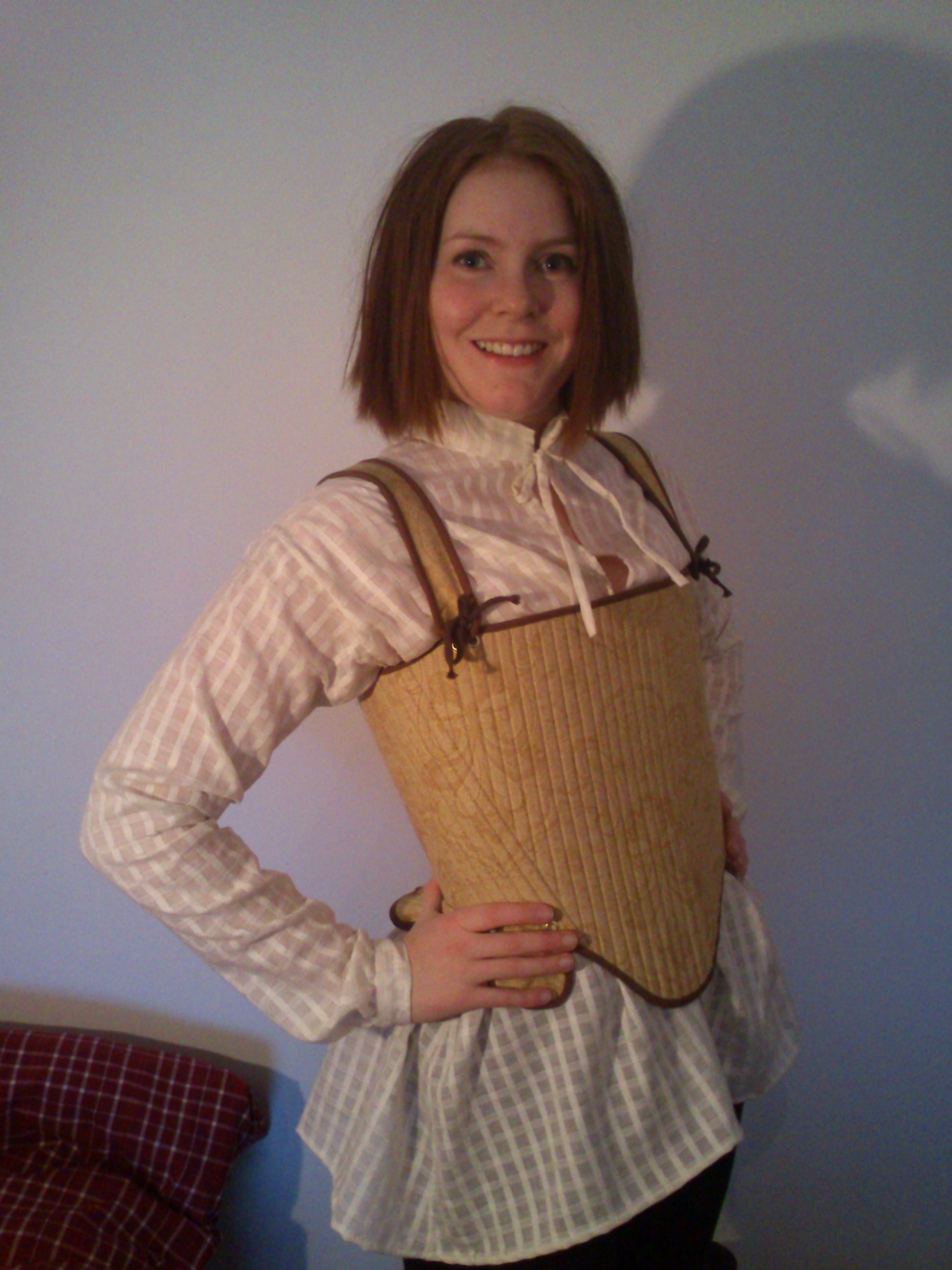
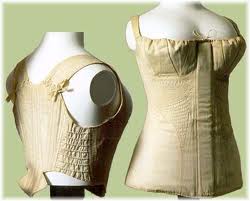
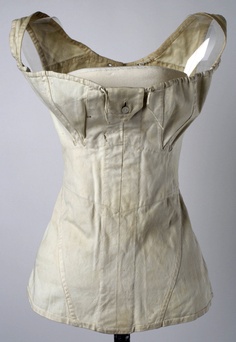
So I decided to make a corset similar to theese two.

MG_7070

4538806930_7ed18b9605

Using the corset pattern from “The Tudor Tailor”. I printed the pattern and made some changes to match my mesurments.

500%-förstorad

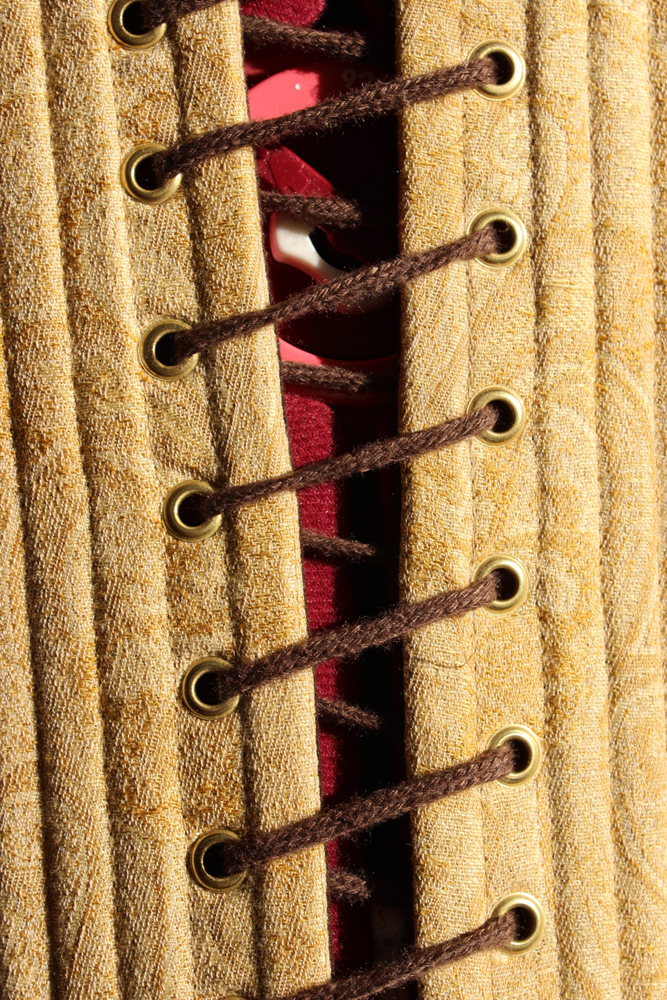
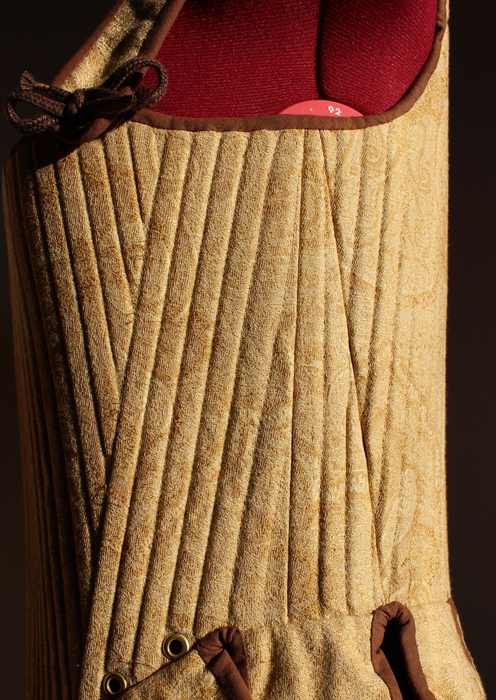
Then I cut the fabric, interlined it, and stiched the corset compleatly on the machine. I inserted the bonning, set the gromets and sewed on the bias-tape.

Unfortanly I didn’t think of documenting the steps while sewing (this was before my bloging days) so there are no construction photos.

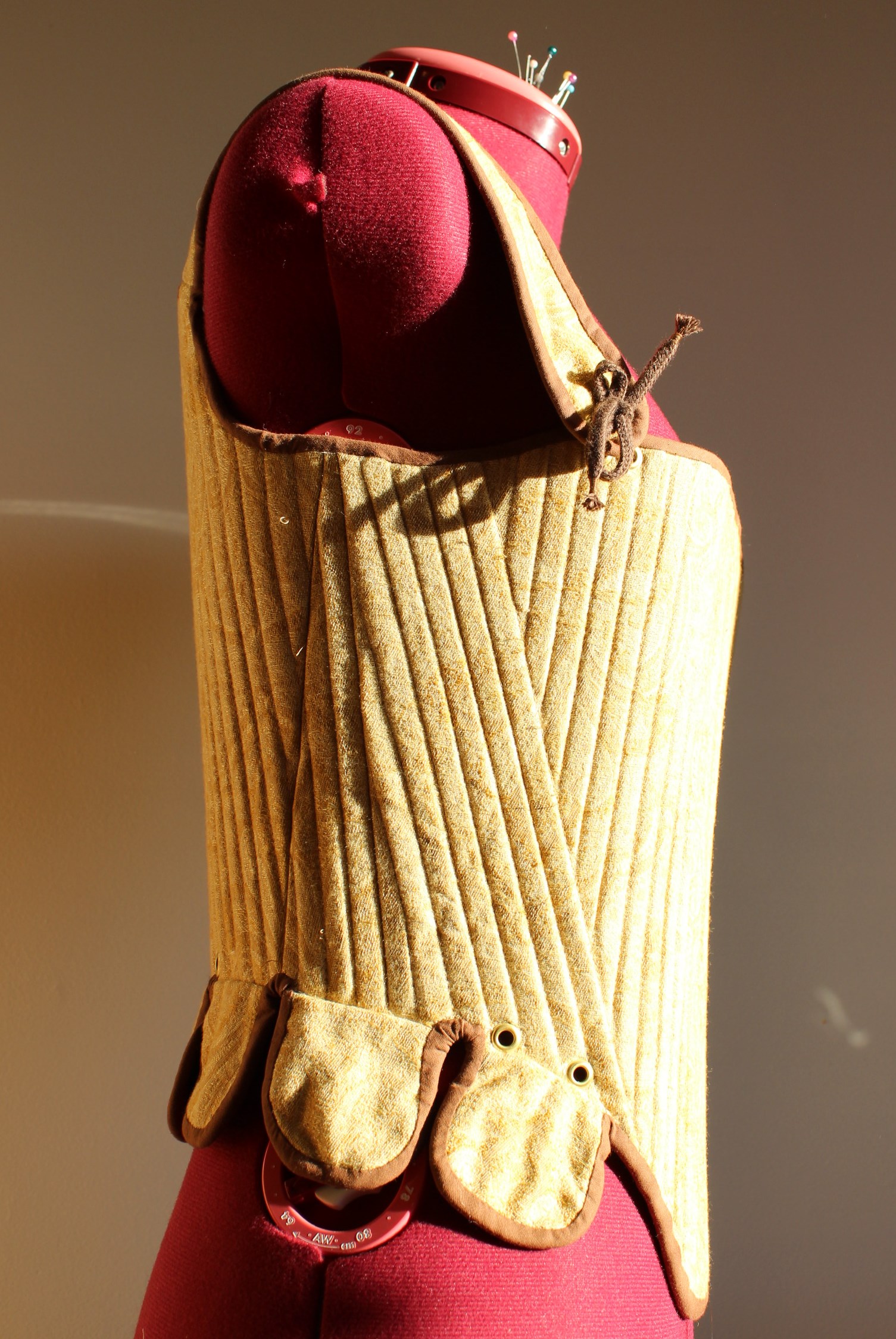
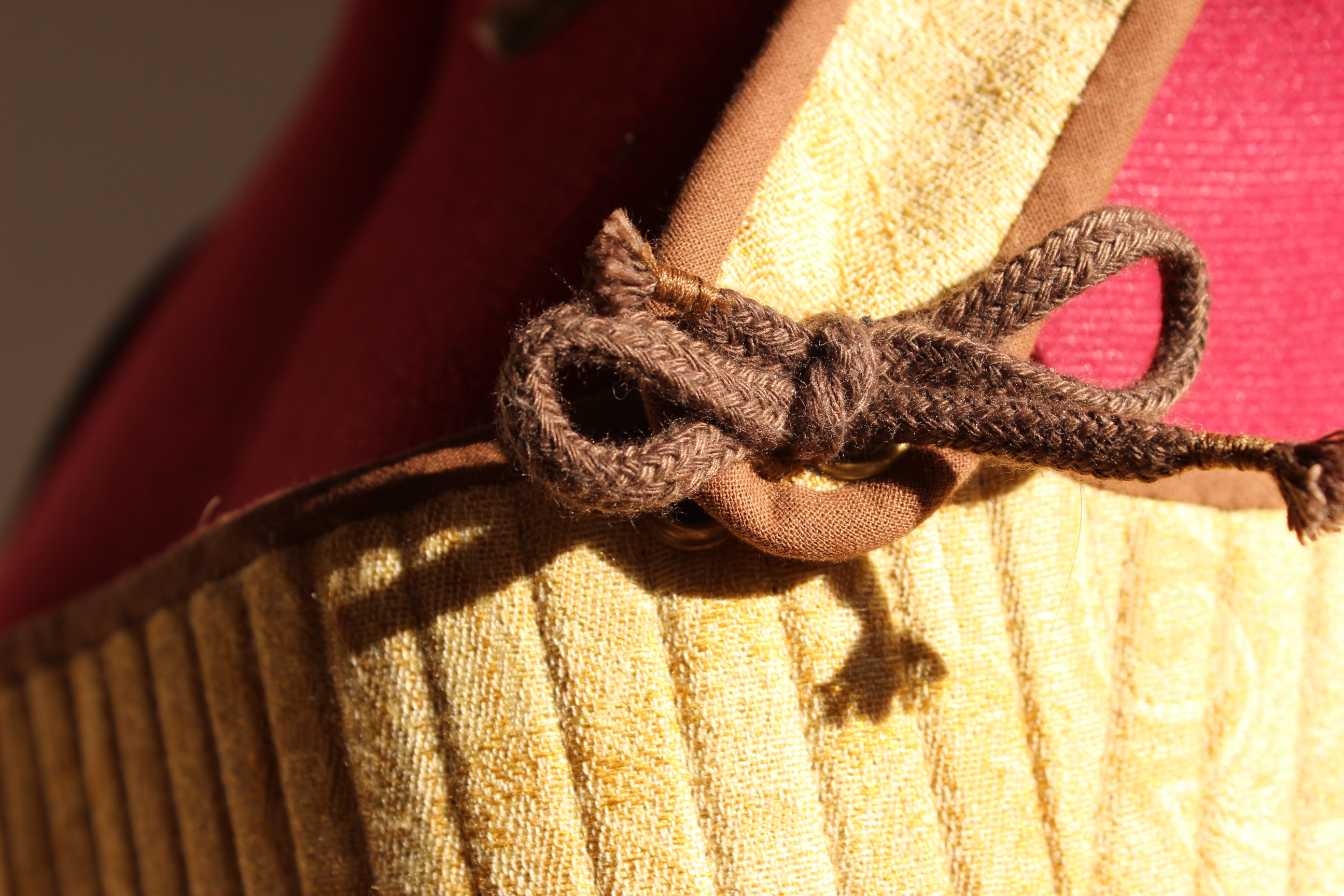
But there are finished ones.

IMG_4026IMG_4032

IMG_4027

IMG_4036

IMG_4033

One thing I didn’t accounted for was the amount of fabric the bonning would “eat”. While inserting the bonning the corset shrunk quite a bit, and I ended up needing to do some piecing to make it fit properly.

IMG_4039

When the corset was finished I decided to also make a shirt to wear underneath.

images[4]

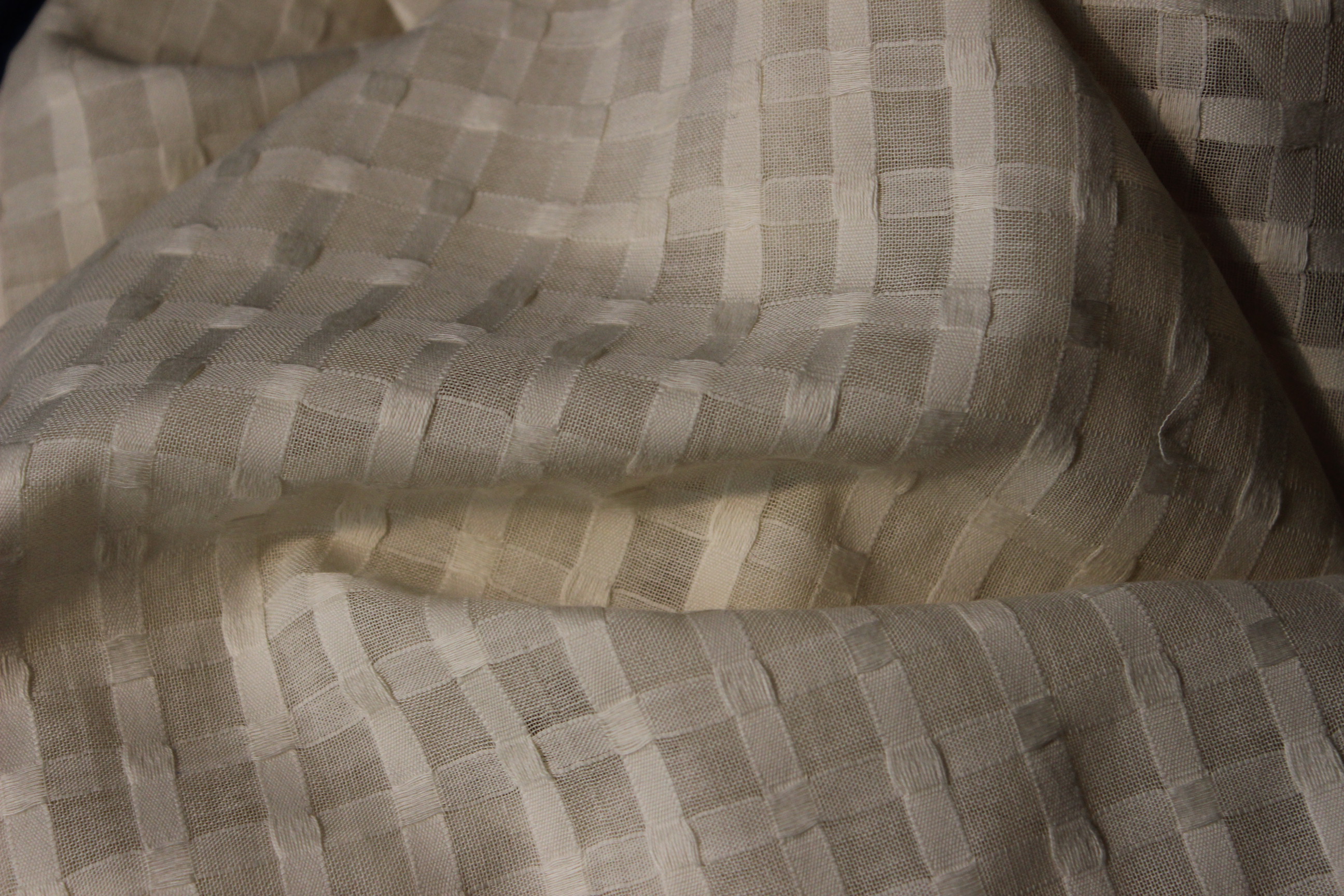
I used a lovely cotton voile, and sewed the shirt compleatly by hand (and still didn’t take any construction photos).

IMG_4023

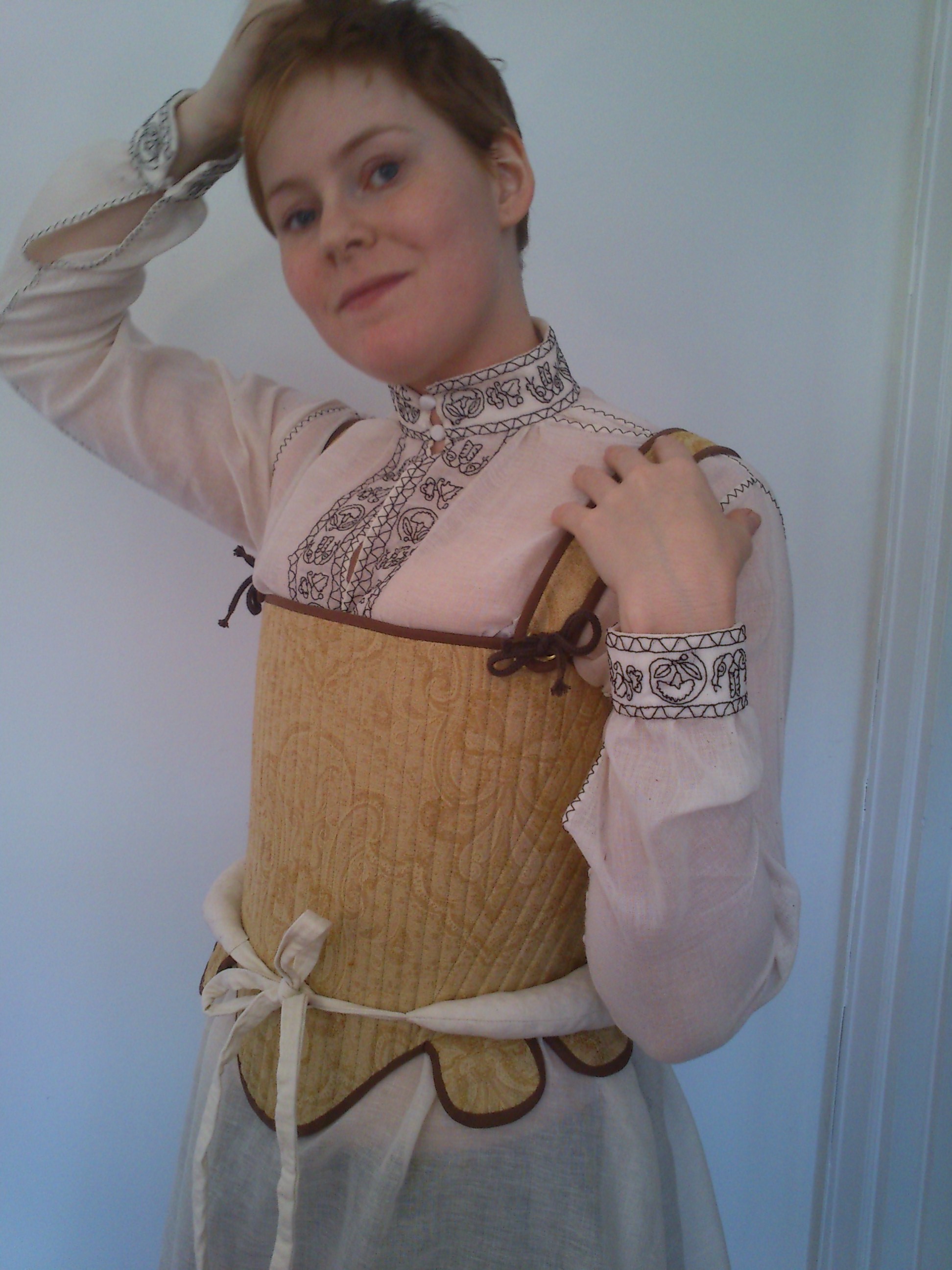
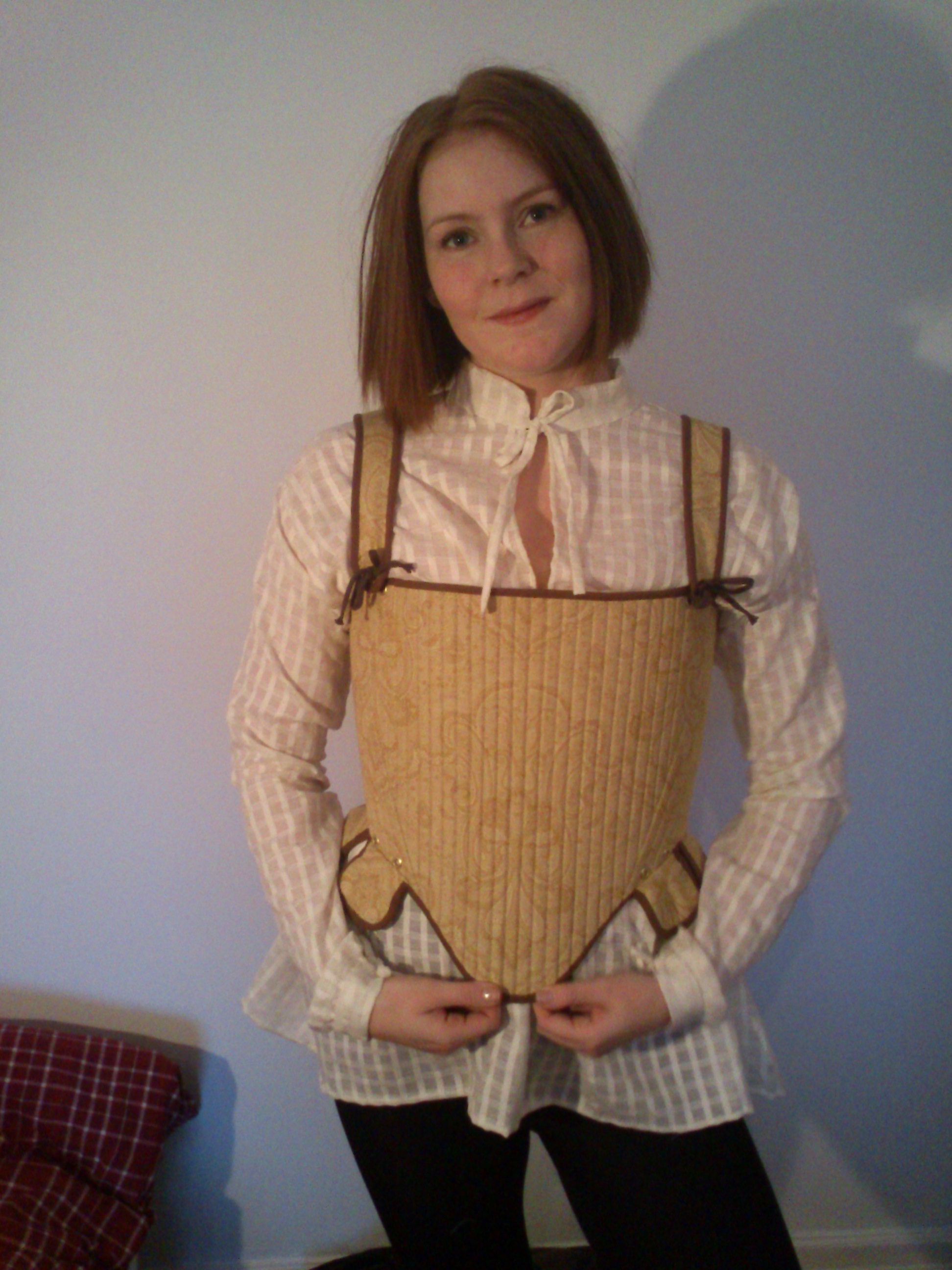
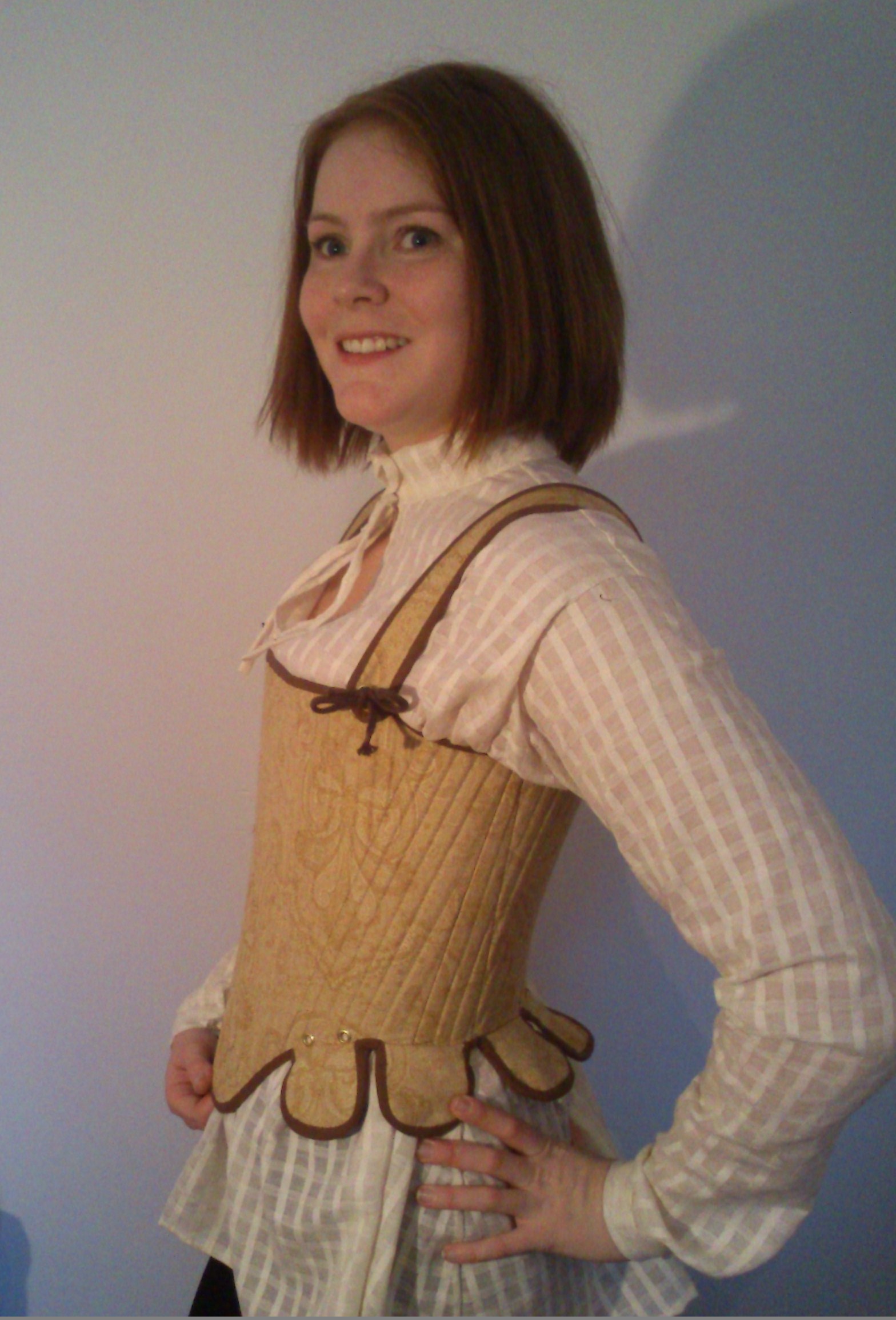
Finished Shirt and Corset.

2013-02-09 15.45.57

2013-02-09 15.46.02

2013-02-09 15.46.25

2013-02-09 15.46.30

Just the facts:

Challenge: Nr 3 Under it All

What: A 1550s Corset and Shirt

Pattern: Shirt – Janet Arnold “Patterns of Fashion 4 – c.1600-1610 smock. Corset – “The Tudor tailor” Dorothean bodies.

Fabric: Shirt – 2 m of checkered cotton voile. Corset – 0,5 m of leftover golden/yellow curtan-fabric, 1 m brown cotton for lining and interlining.

Notions: Shirt – Thread. Corset – Thread, Bias-tape, gromets, boning and lacing cord.

How Historical Accurate: Shirt – Completly hand sewn, but the cotton tread and fabric is not correct for the period. Corset – Not realy. The achived shape is just about right, but all the sewing and material is modern.

Time: Shirt – about 8 hours. Corset – 3 Days of work.

Cost: Shirt – 150Sek (16Usd). Corset –  300 Sek (40Usd).

First worn: Only at photoshoots so far.

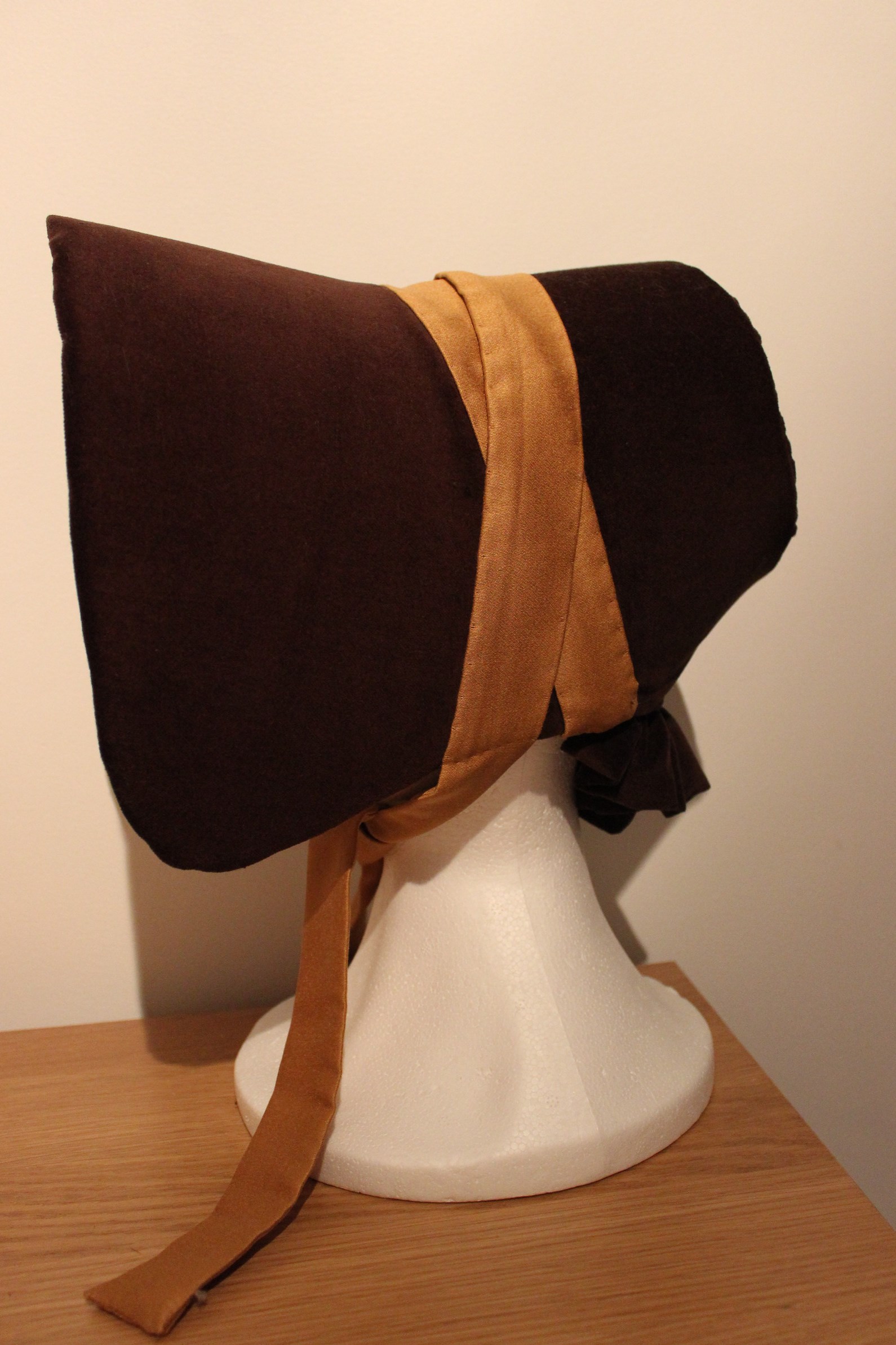
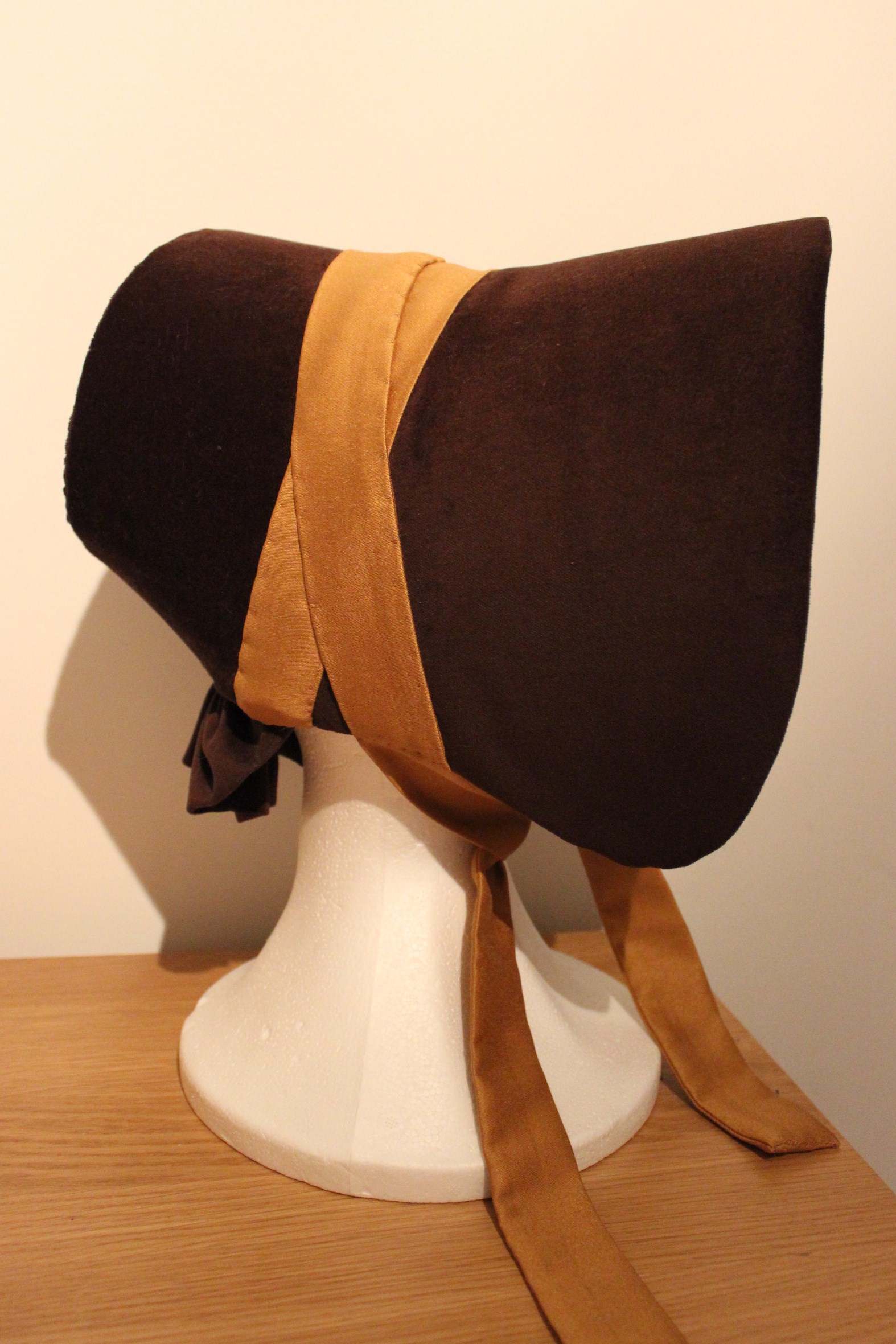
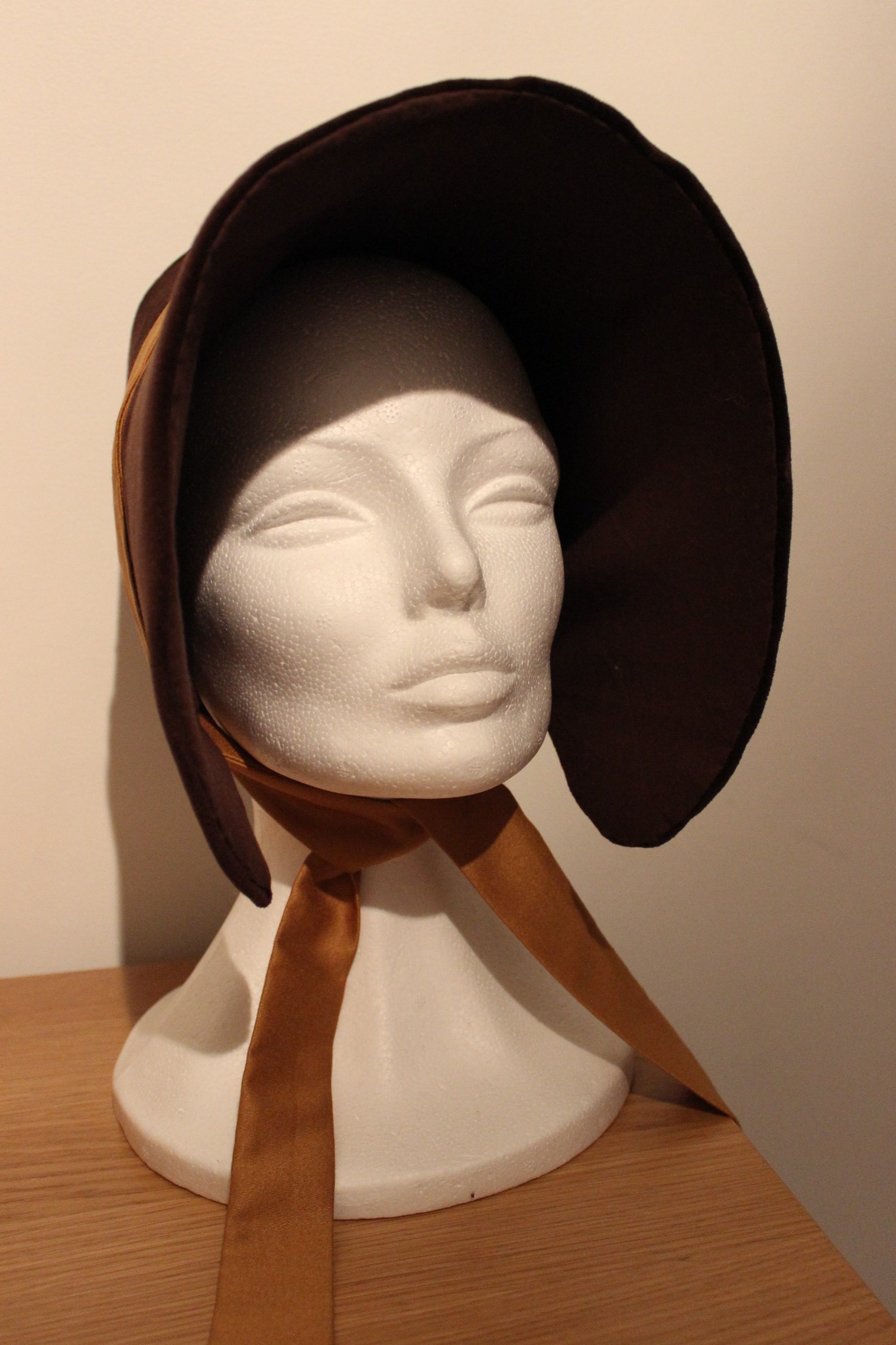
1840s bonnet (Gratetude)

As my entry for the HSF Challenge 23 Gratetude, I decided to make a 1840s bonnet.

This desicion was made based on multiple things: I wanted to make something I never done before in a tecnique I never tried, and keeping myself outside the comfort zone.

And I think the early Victorian headwear are both pretty, interesting and would provide a suitable challenge because of the millenery parts.

I also really need to make myself some 1840-1850s headwear to wear to an upcoming event.

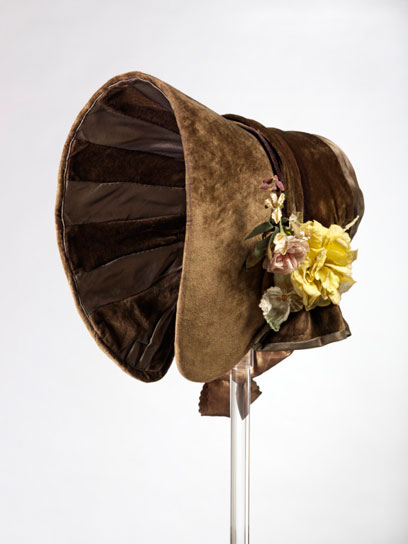
This is what I whant to accomplish.

56809-large

I found this great and informative blogpost on how to make a bonnet by Susan Biscoe. This post gave me the curage to give it a try.

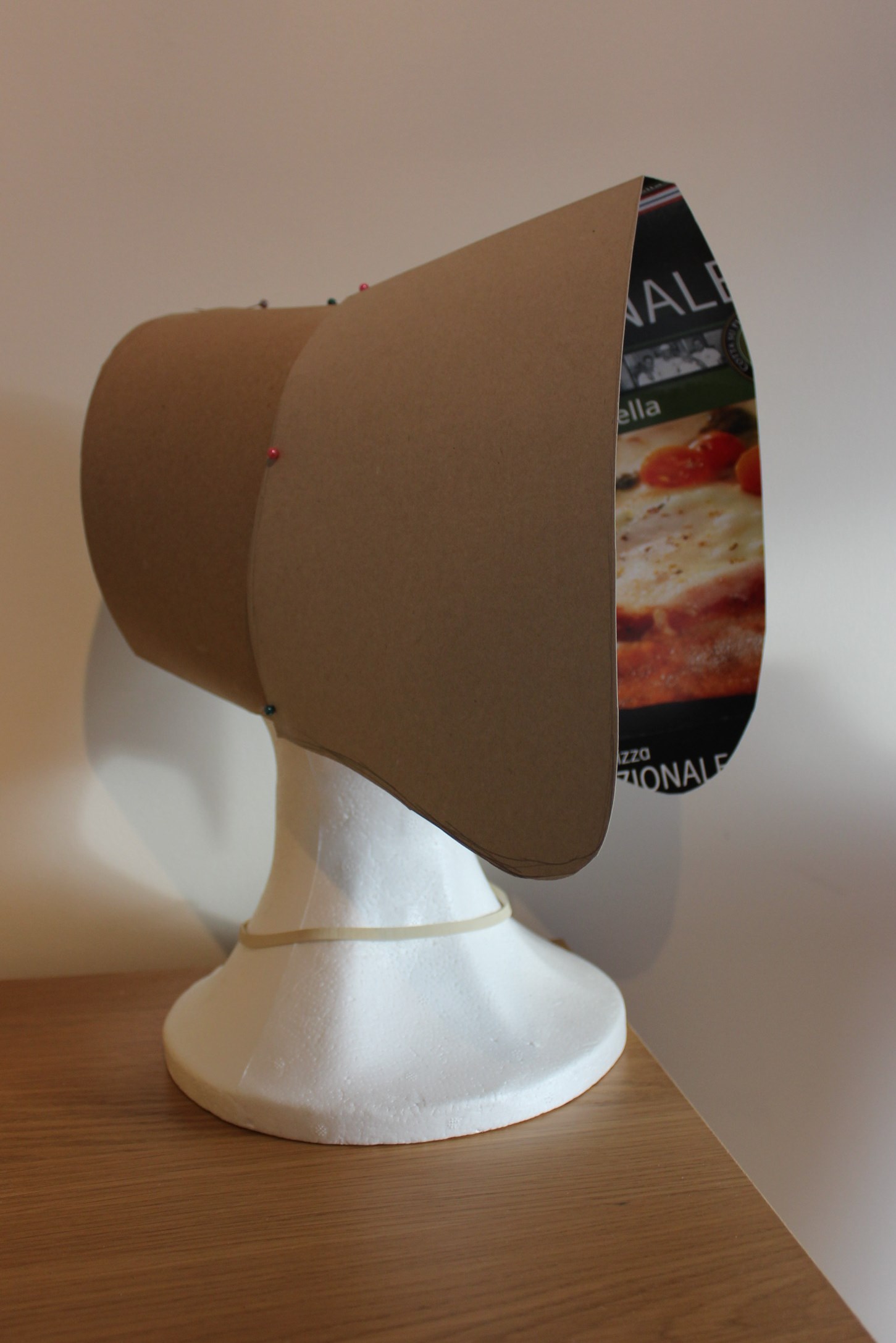
So I started by draping a pattern.

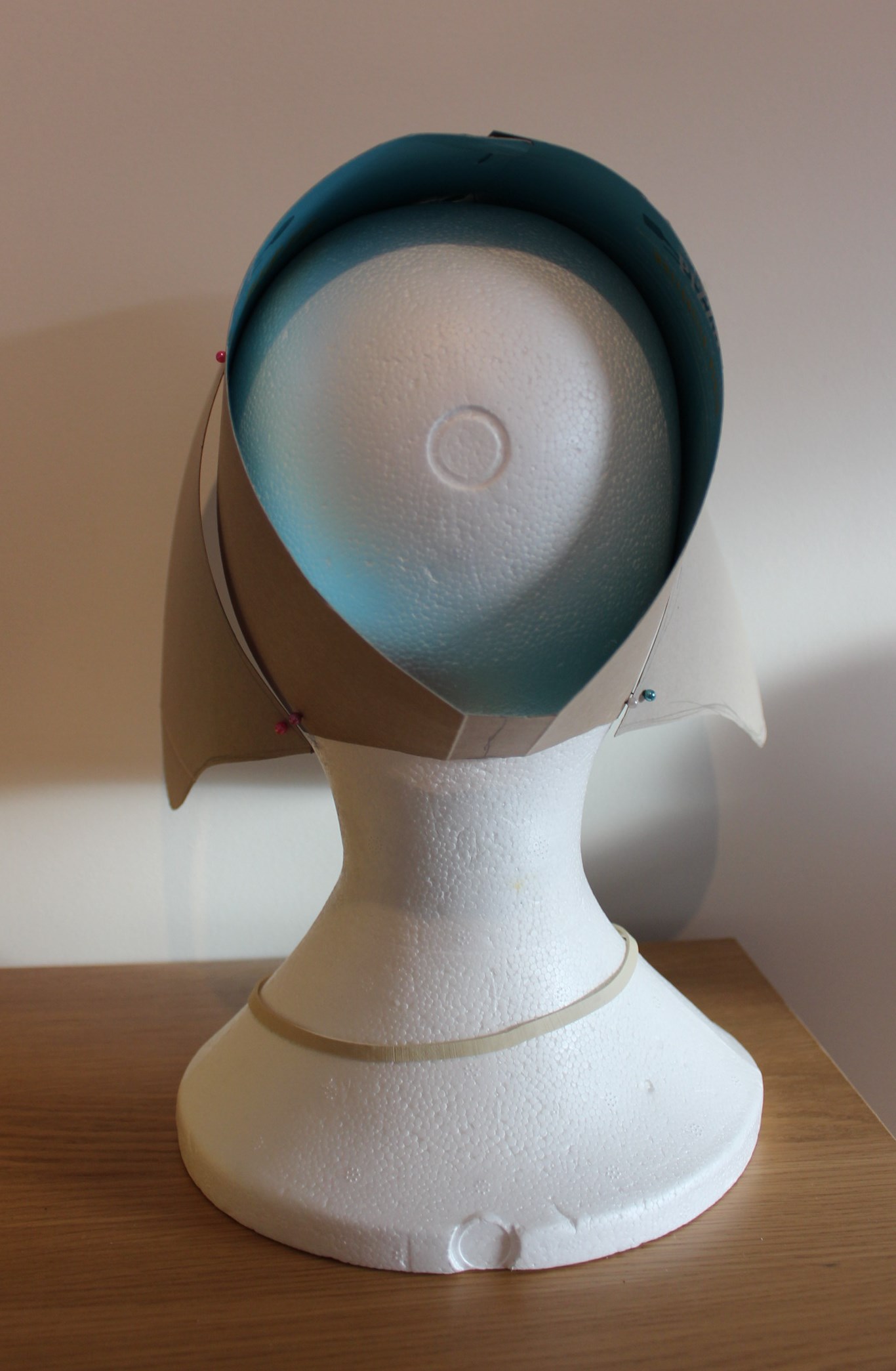
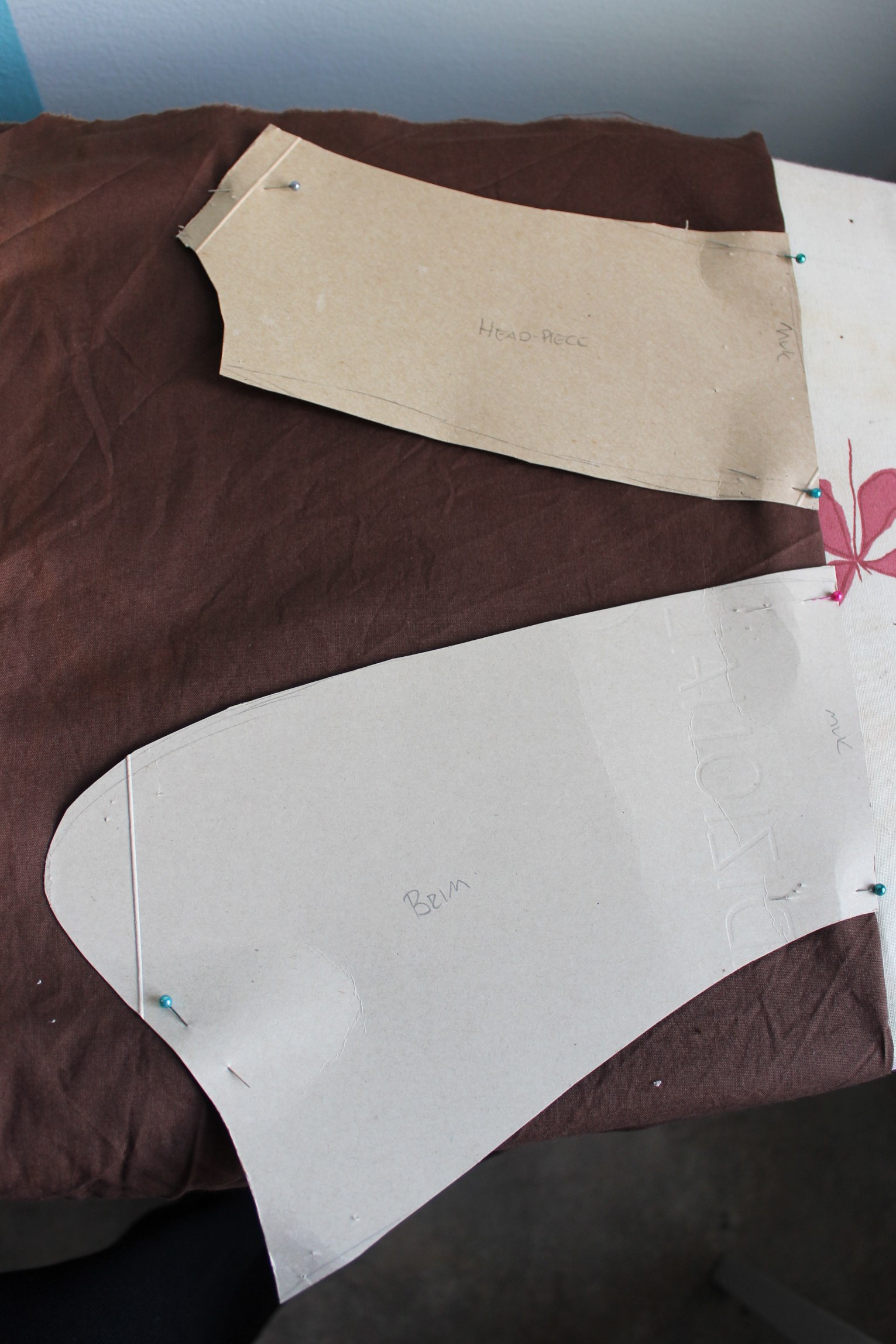
IMG_3825IMG_3822

I used the left-over velvet fabric of the Masquerade cape, and started to cut the multiple layers.

IMG_3831

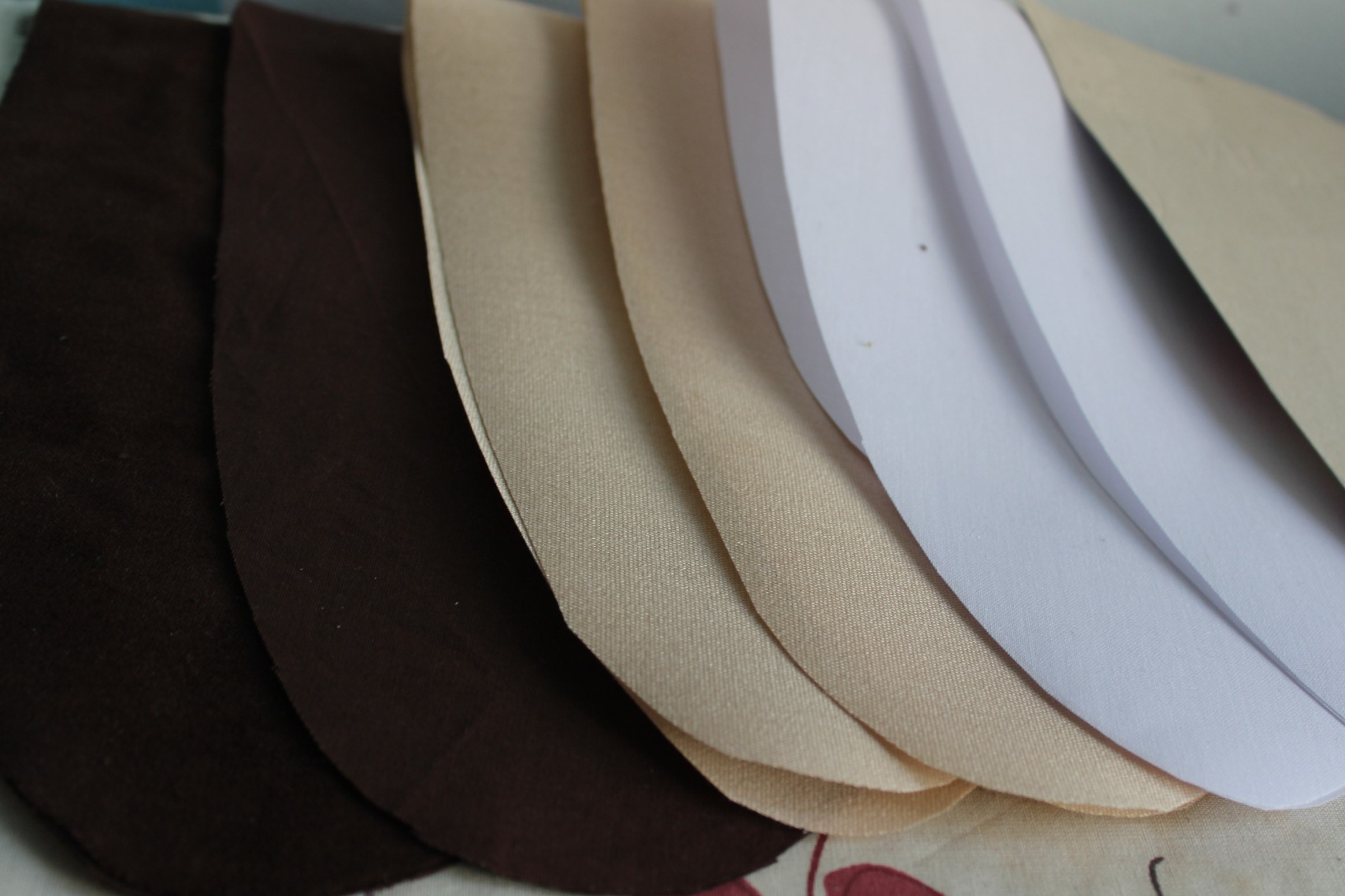
All the pieces cut out. From left to right: Velvet, cotton lining, interlining, intefacing and the pattern piece. (I later decided to only use one layers each of the interlining and interfacing).IMG_3836

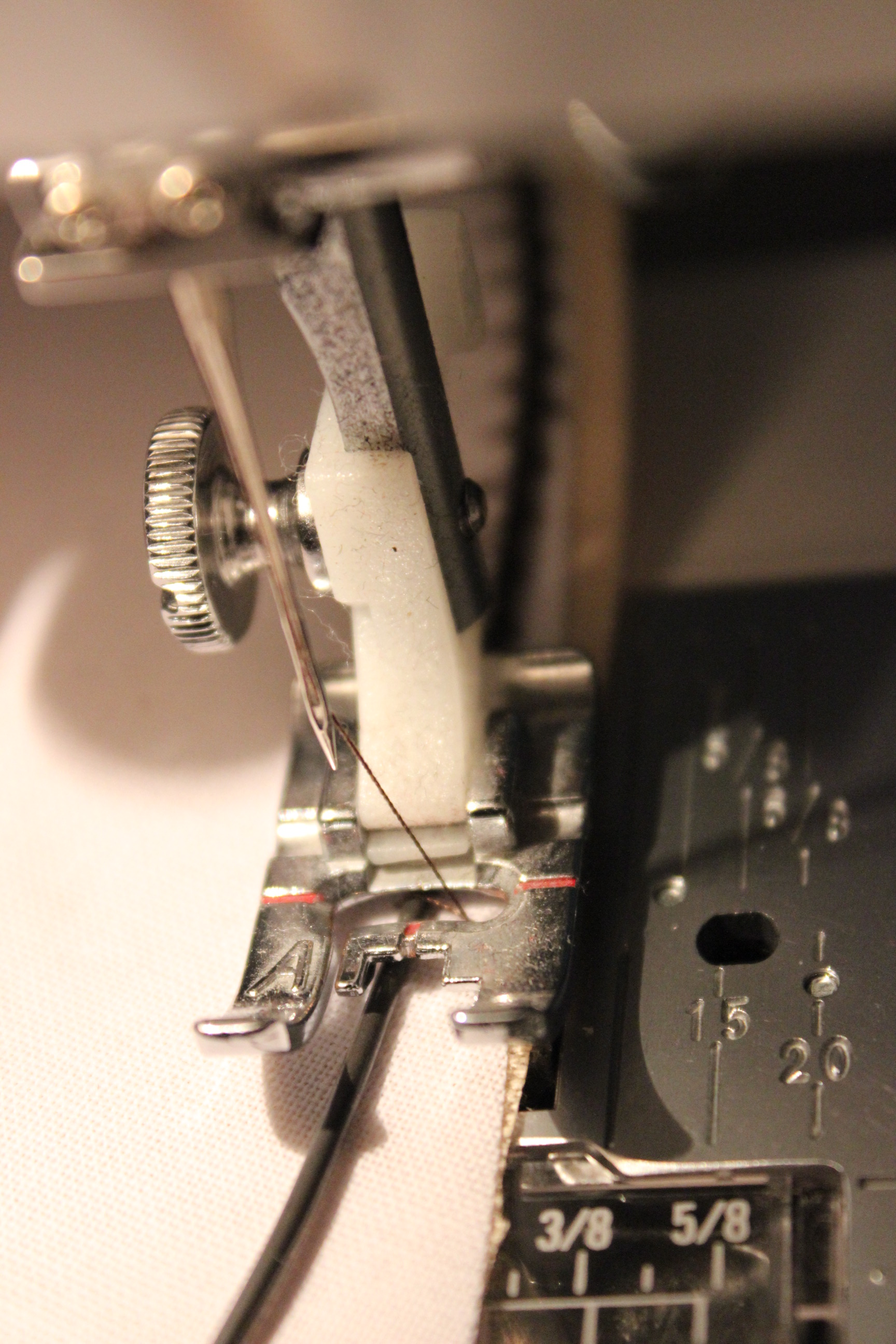
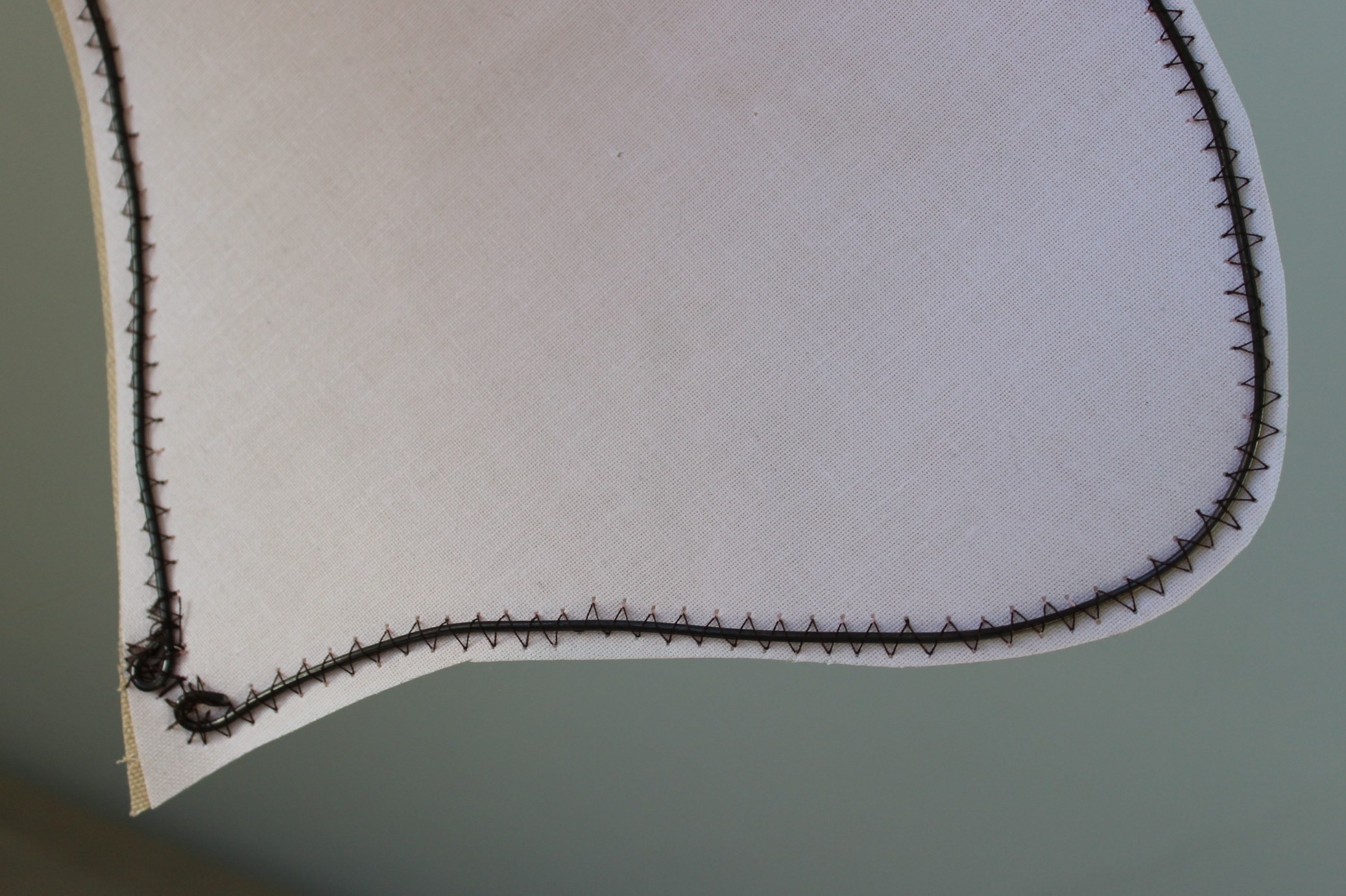
Using a sick-sack stich to attach the wire to the pattern pieces.IMG_3842

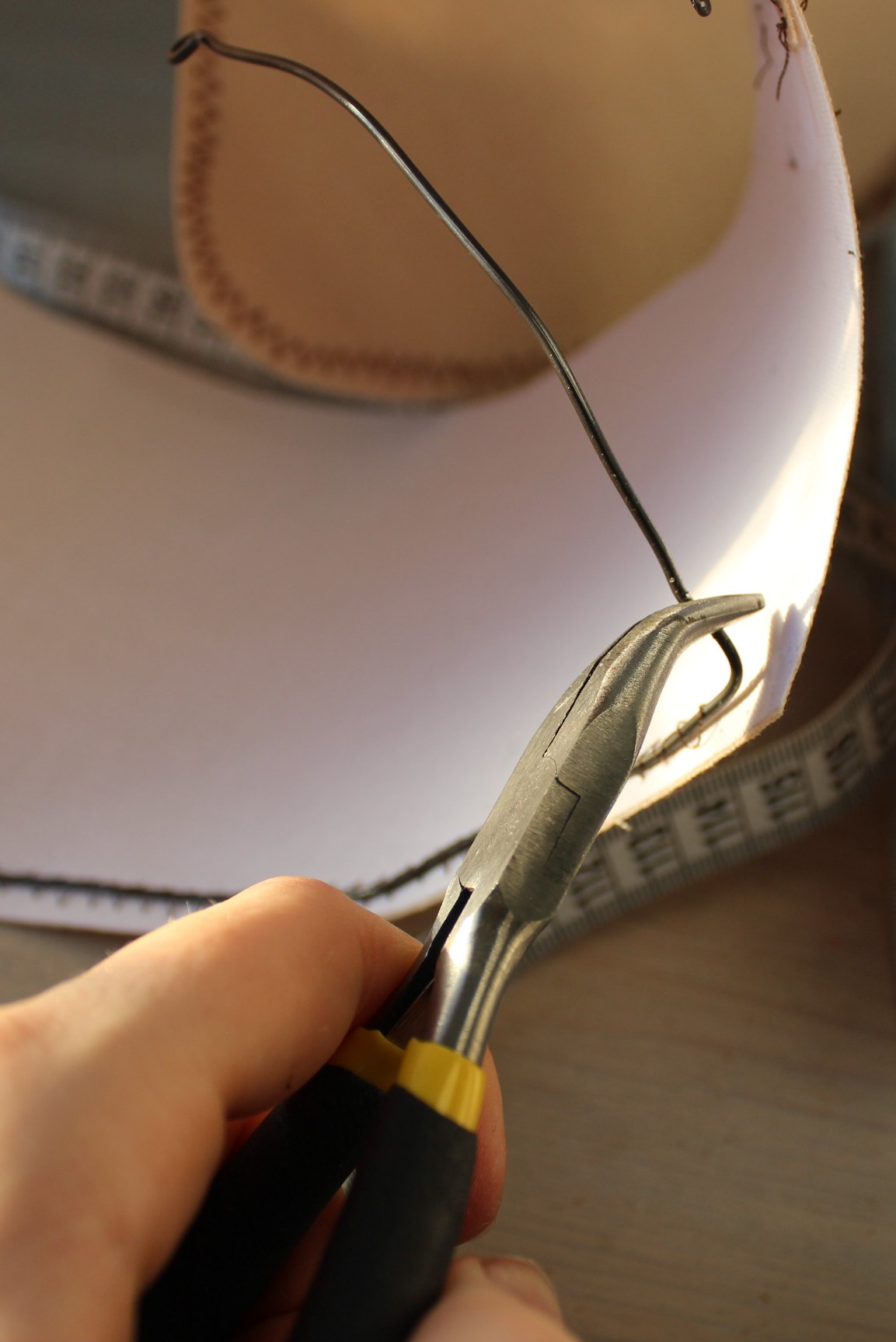
I used a plier to bend the wire into shape.IMG_3846

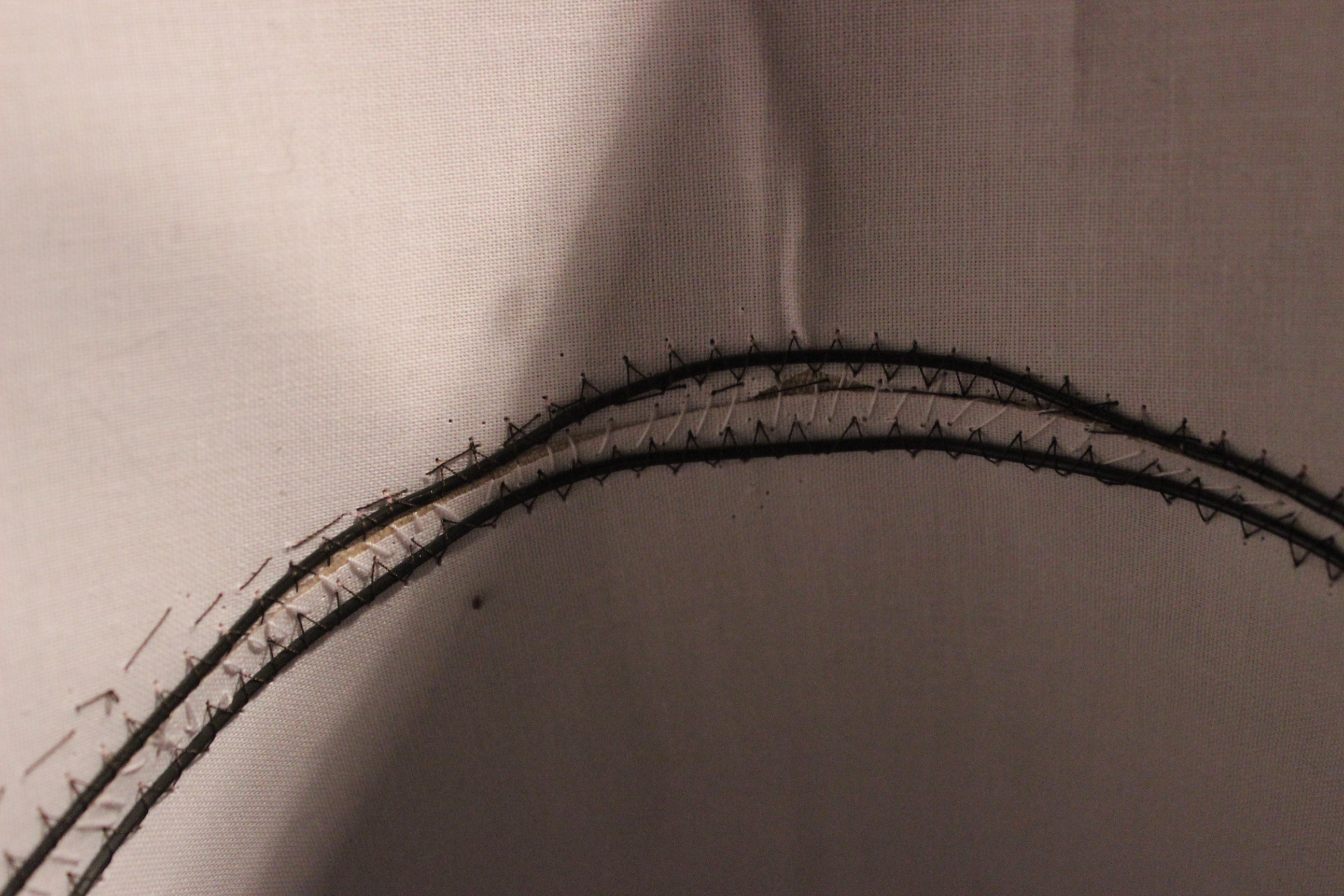
All wired brim piece.IMG_3851

The crown being attached.IMG_3855And the inside.IMG_3864

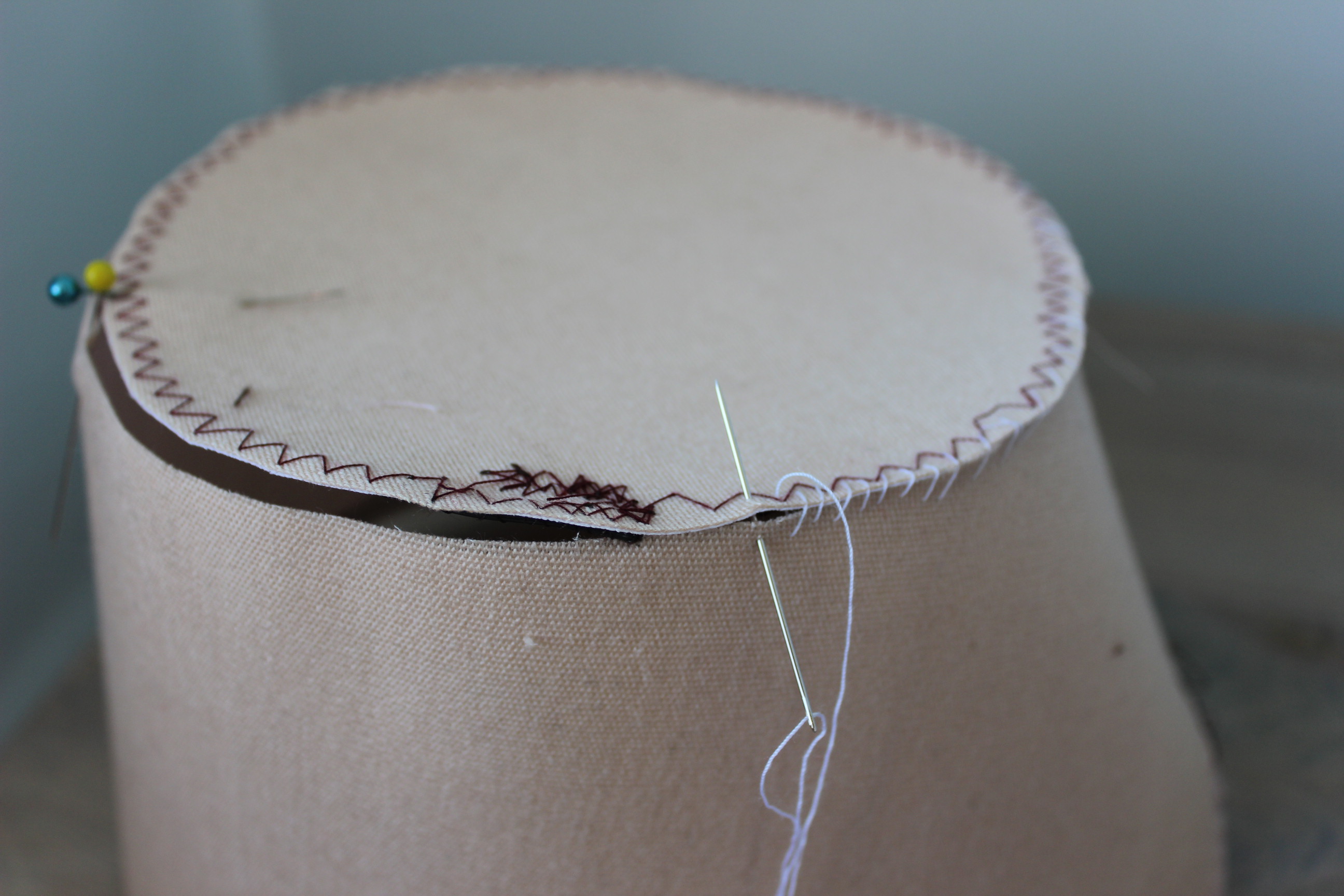
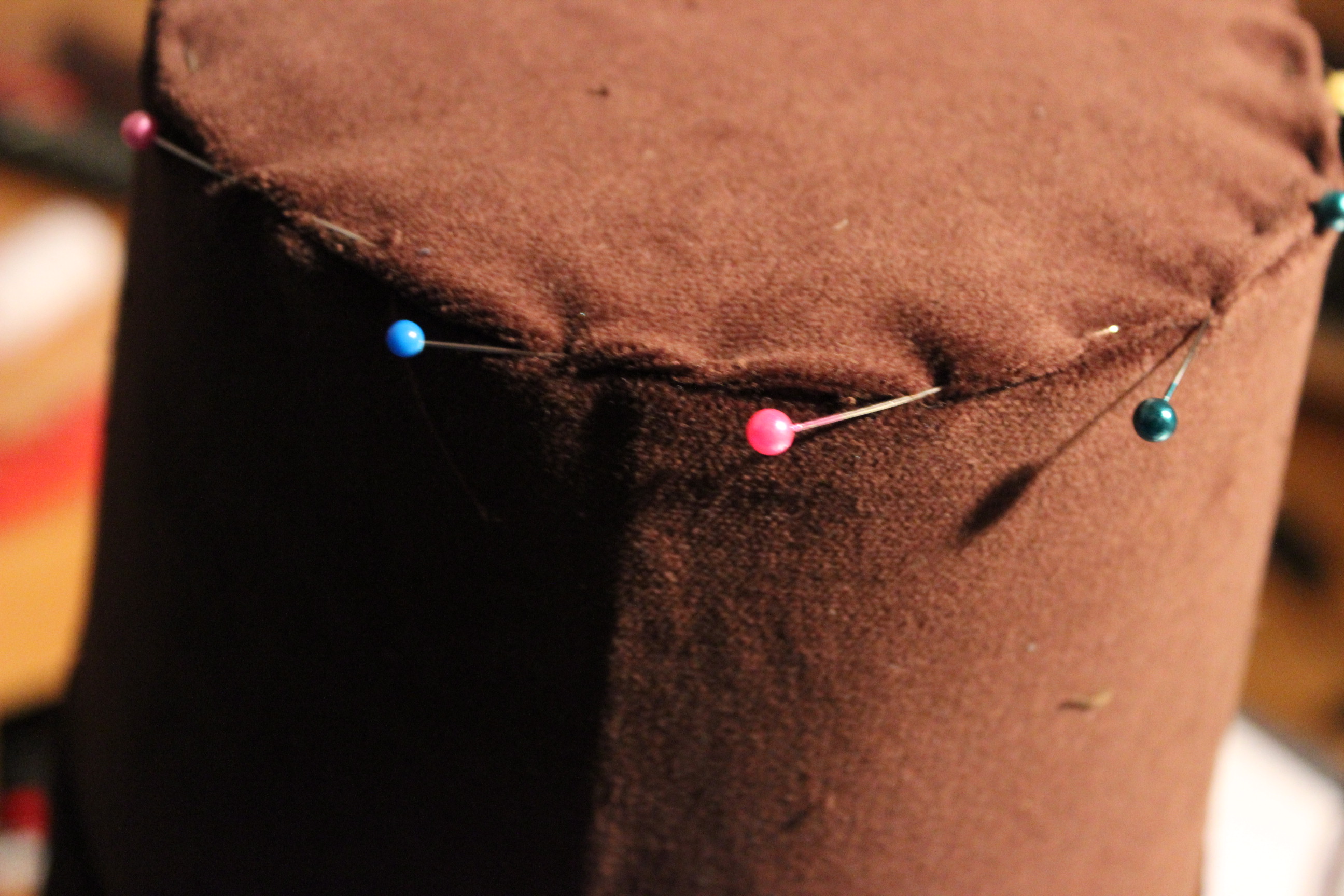
Sewing the velvet to the crown.

IMG_3867IMG_3881IMG_3877

IMG_3869

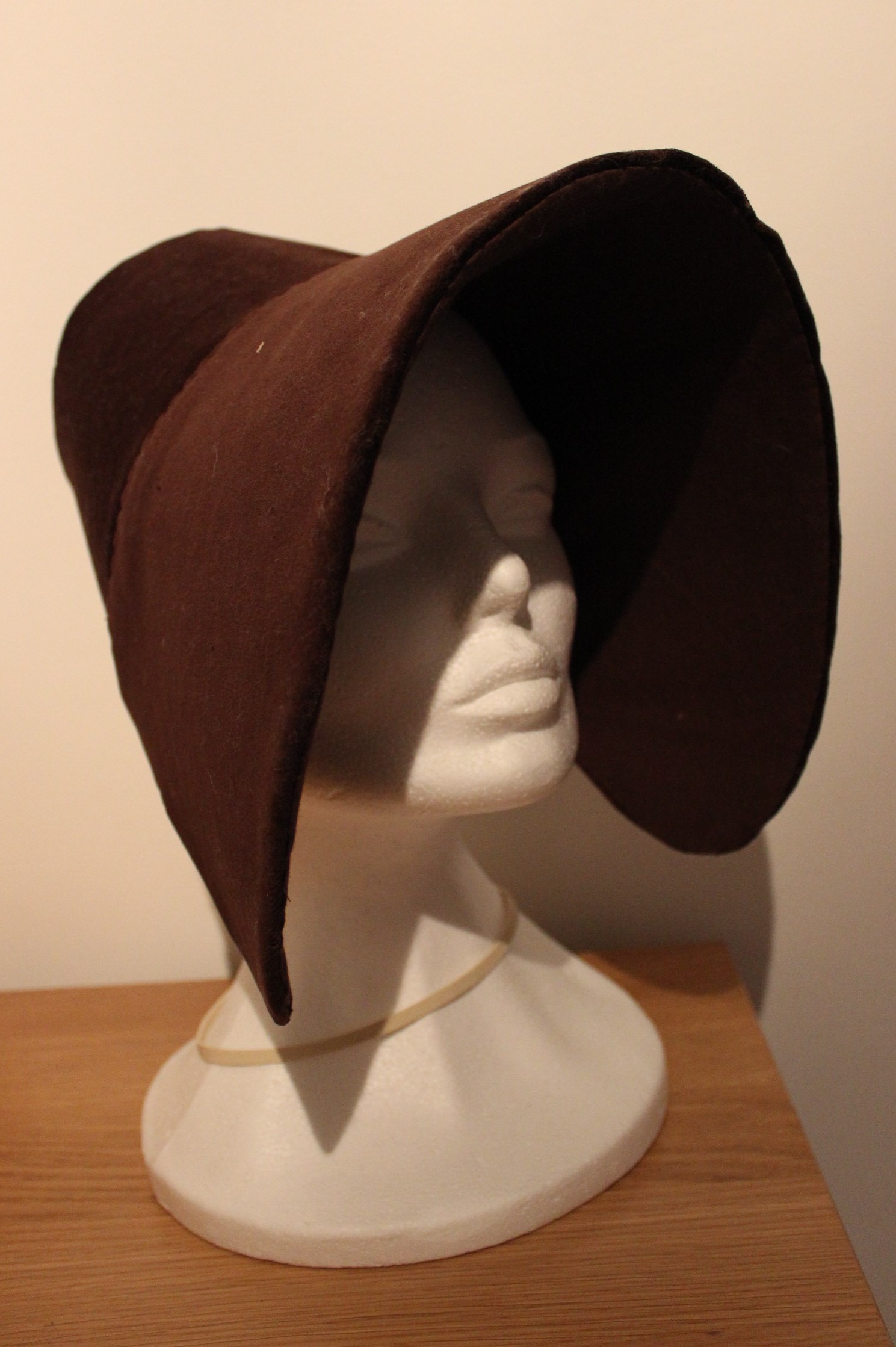
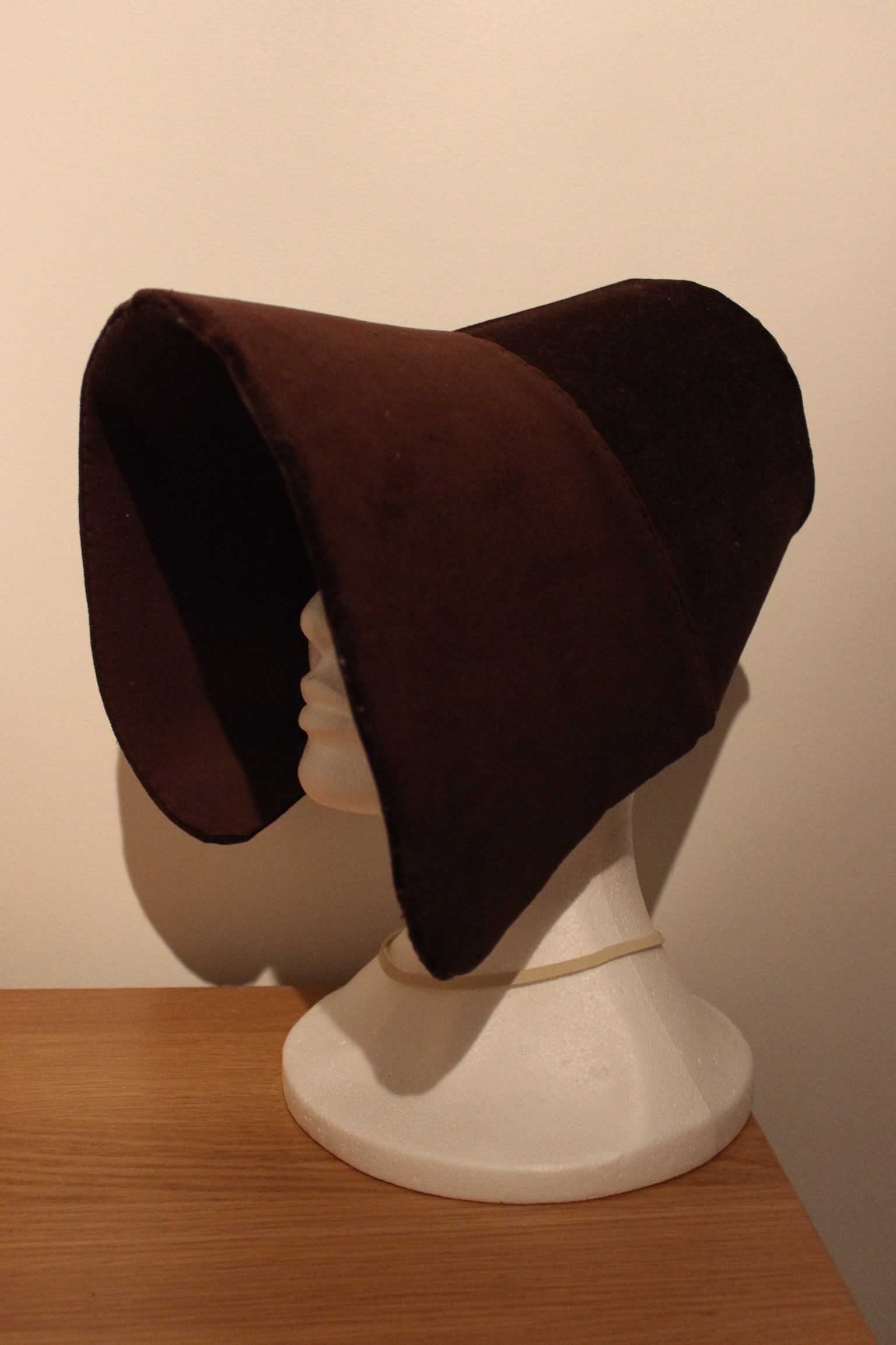
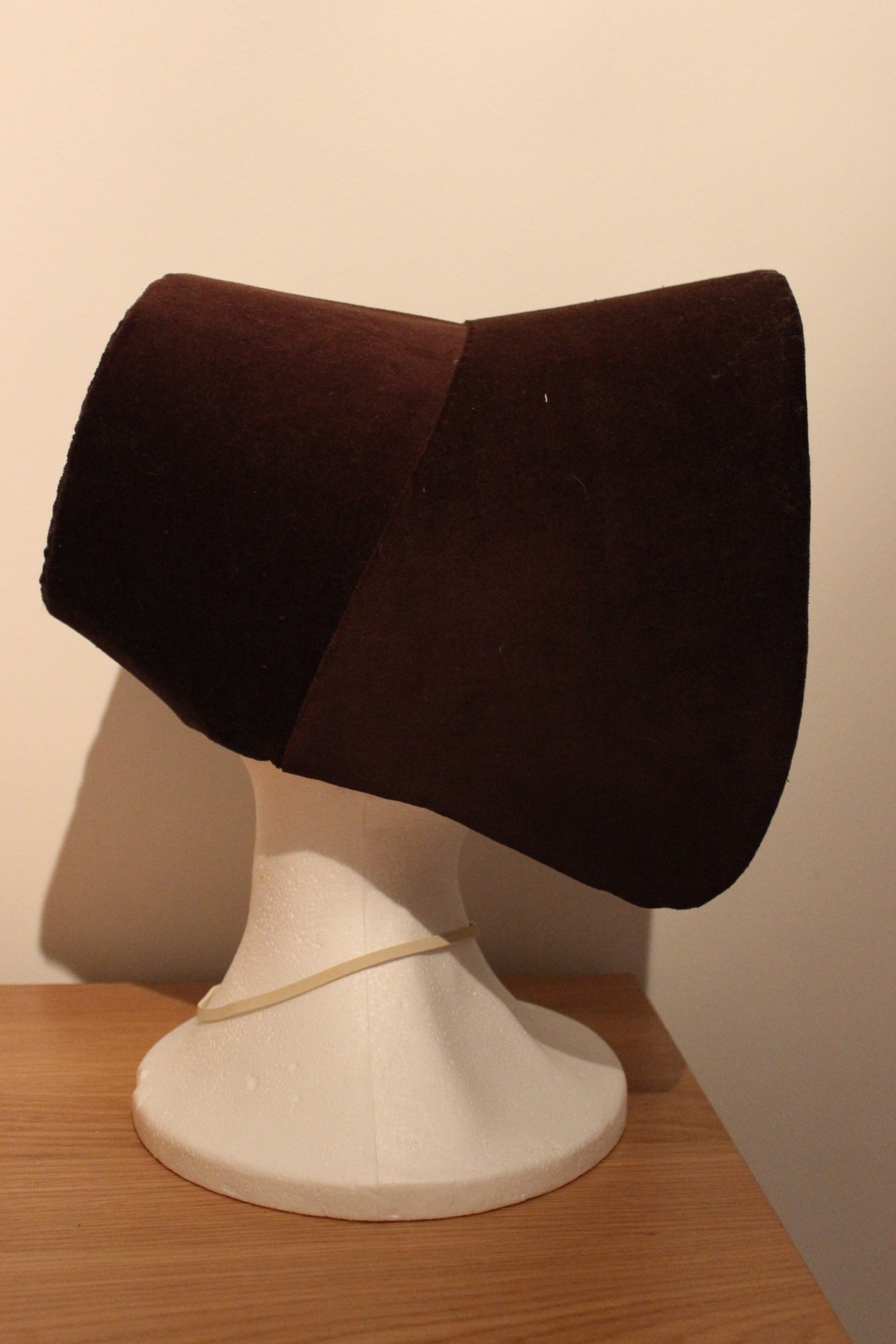
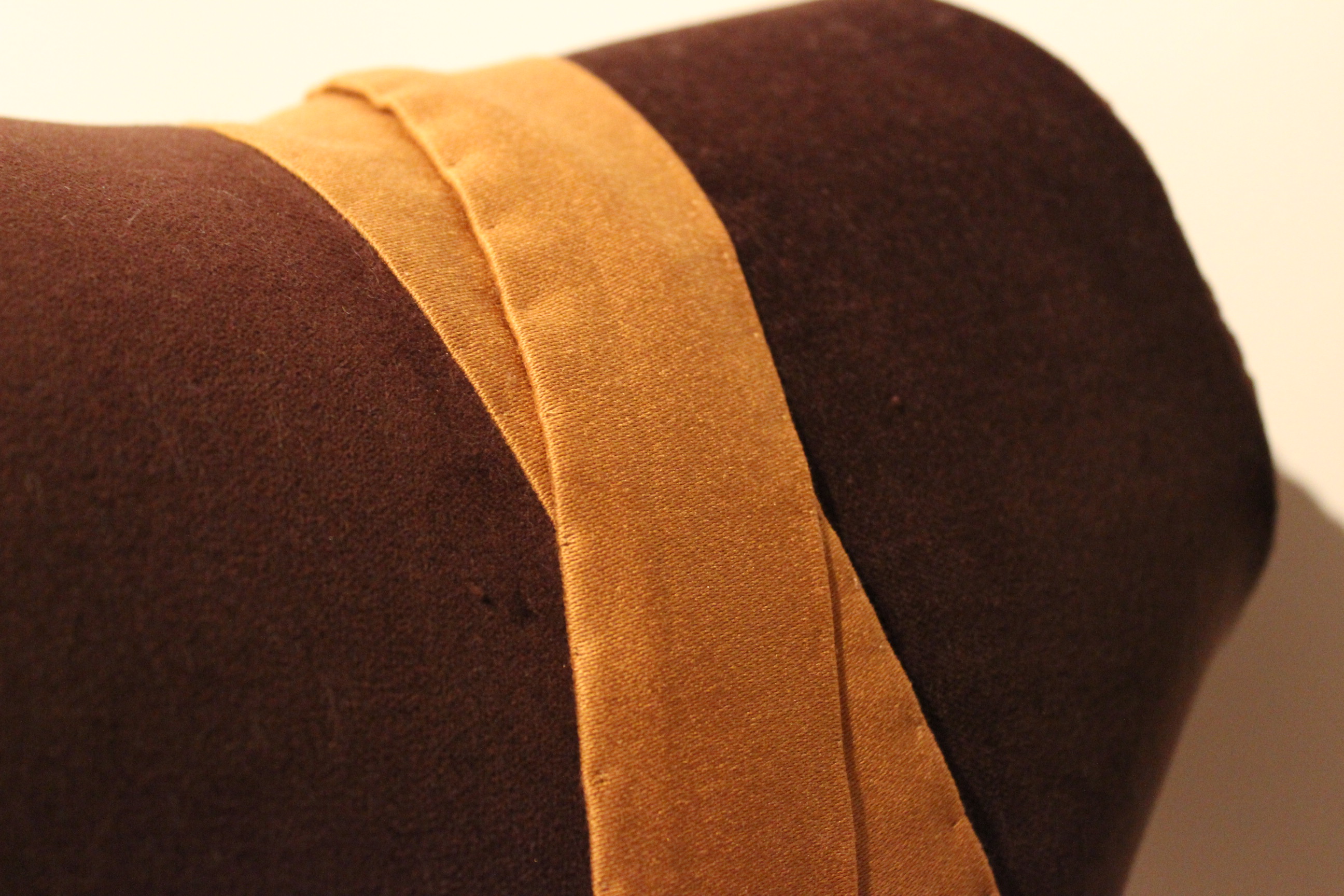
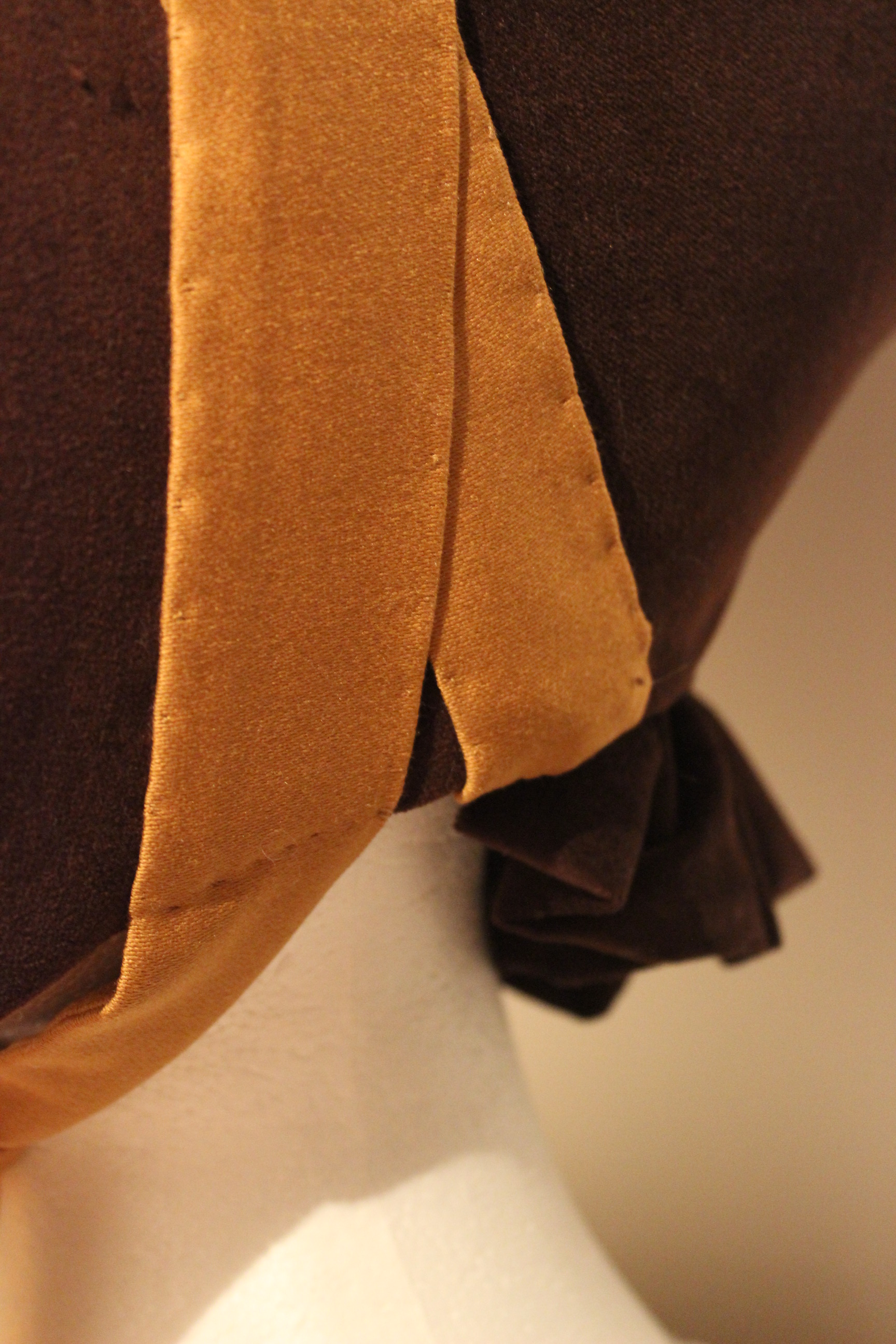
And finished with the trimings attached.

IMG_3895IMG_3885

IMG_3891

IMG_3892

IMG_3883

Just the facts:

Challenge: 23 – Gratetude

What: A 1840s bonnet

Pattern: I draped and drafted my own.

Fabric: 0,4 m of: brown cotton velvet, brown cotton lawn, heavy upholstery fabric and 0,2 m of golden satin.

Notions: Thread, heavy interfacing and steel wire.

How Historical Accurat: The shape is pretty good but the construction and sewing are modern, even though it is mostly hand sewn.

Time: 10 hours.

Cost: About 100 Sek (11 Usd)

First worn: Not yet, but will be on dec 16th for a 19th century Christmas party.

Thanks to: First of all I whant to thank the whole costuming comunity, and all the help and support you can find there. You are all great!

A special thanks goes to Leomoni of “the Dreamstress” who got me interested in historic costuming, and through the HSF made me inspired to continue to make historic clothes this past year.

Then I whant to thank Susan Briscoe for the great blogpost who made it look so simple (to make a bonnet) and thous gave me the currage to give it a try.

Last thoughts: I really loved making this bonnet and are already thinking about making an other one. Mabye I should venture deeper in to millenery…

A Green Medieval Cote

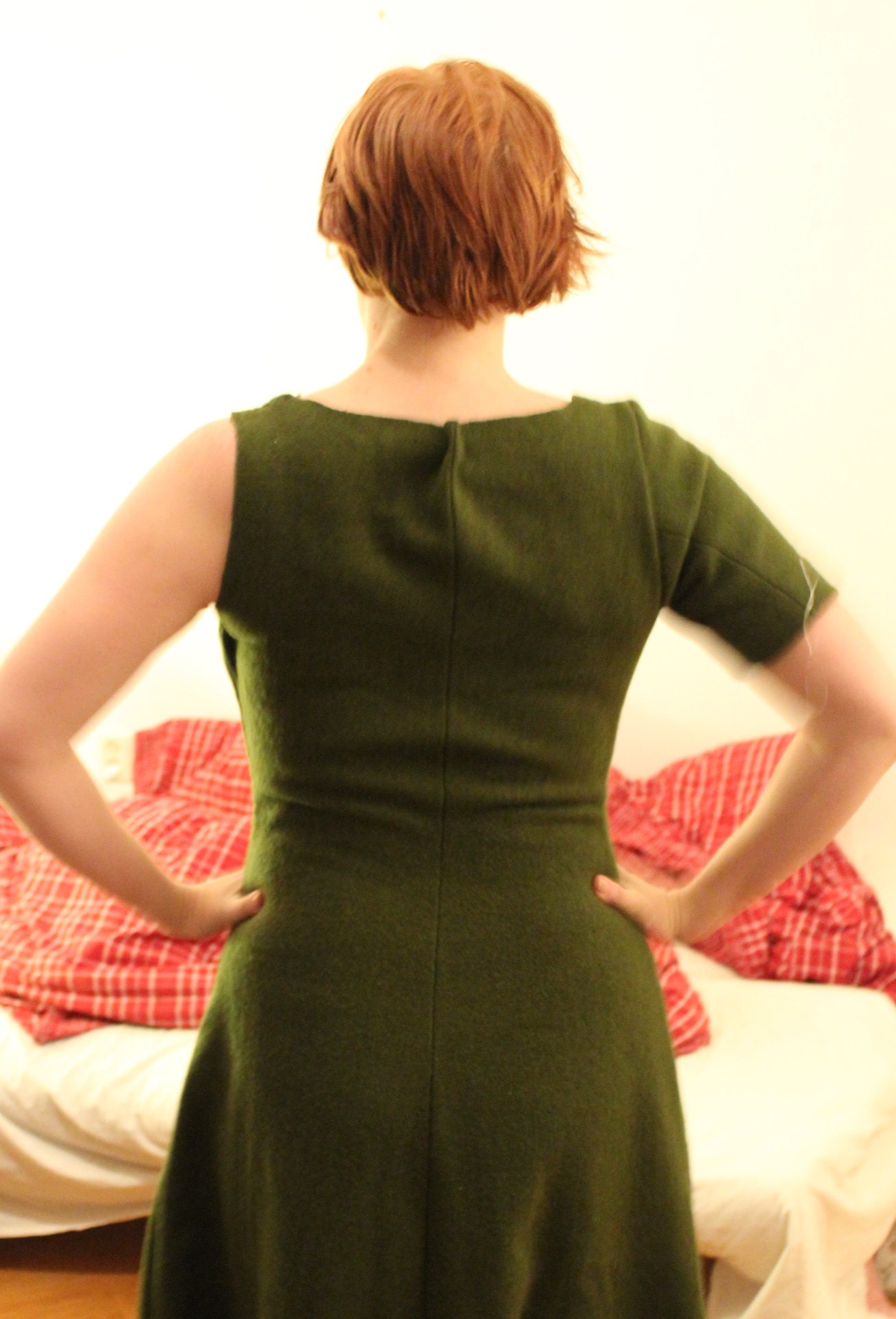
My entry for the HSF challenge 21: Green, is a medieval dress called a Cotiehardie. Its a outer gown which is ment to be worn over a kirtle and a chemise.

medieval4My inspiration pic.

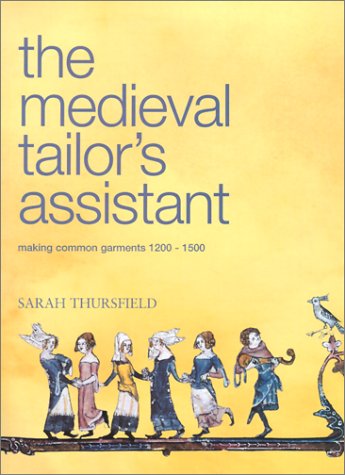
I used the “Medieval Tailor’s Assistant” as a guide, and did my patten from the basic pattern block, and toile I’ve previously made from the book.

51K1J4FC5GLIMG_2348

IMG_2766I used a thick green woolen fabric, and cut and basted the dress together for a fitting.

IMG_2725IMG_2727

I needed to adjust the sleeve and neck a bit. So I took it apart and made the alterations.

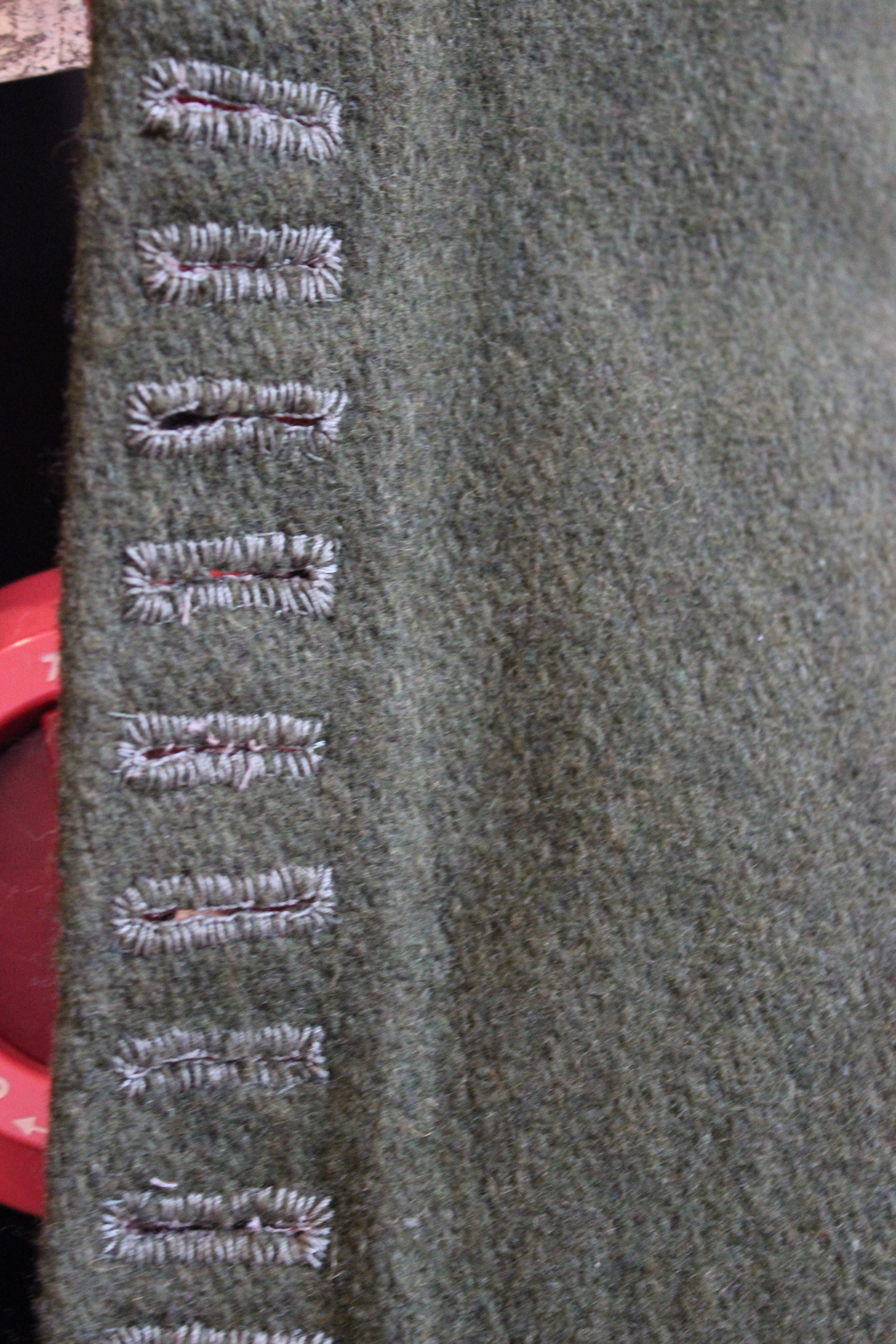
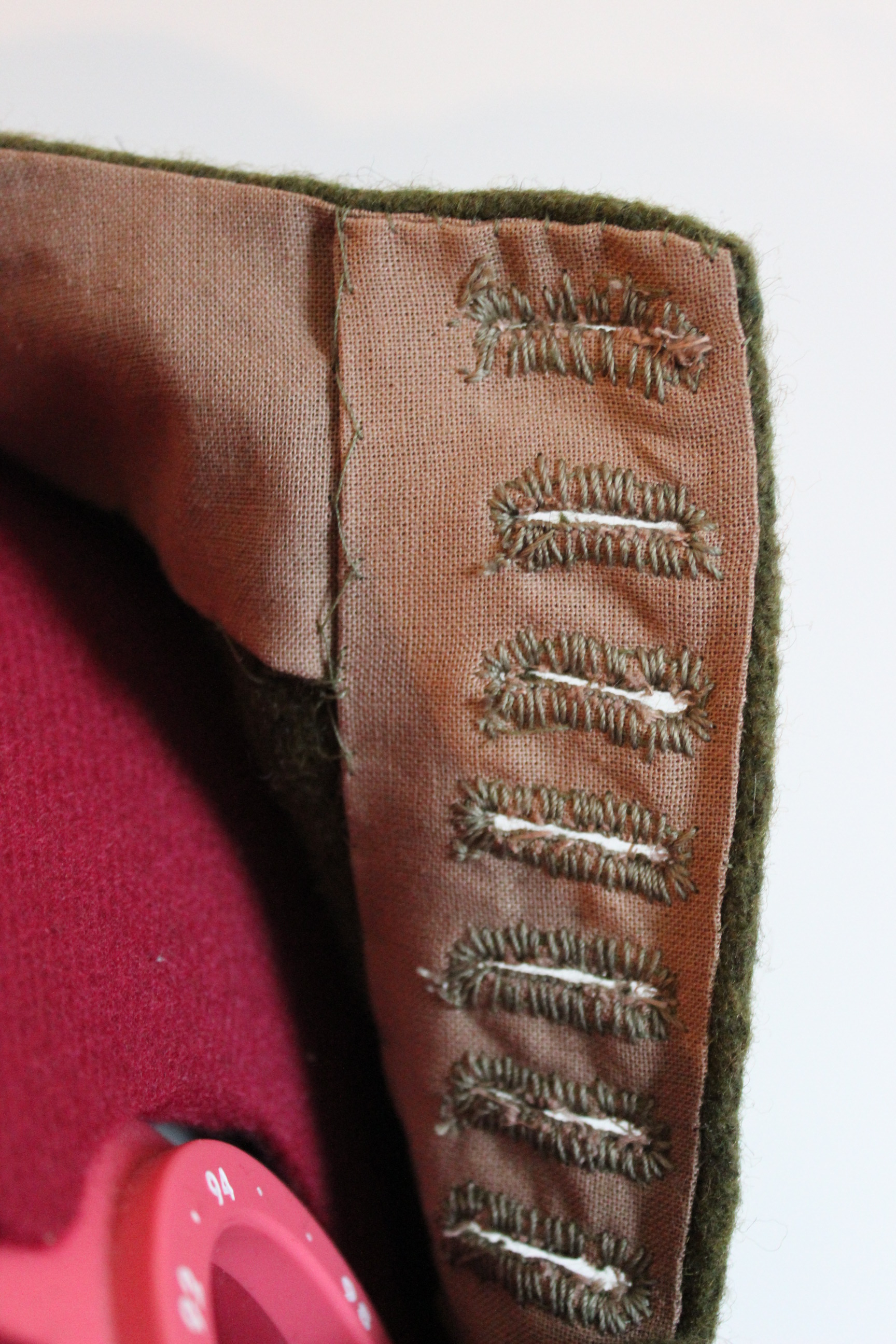
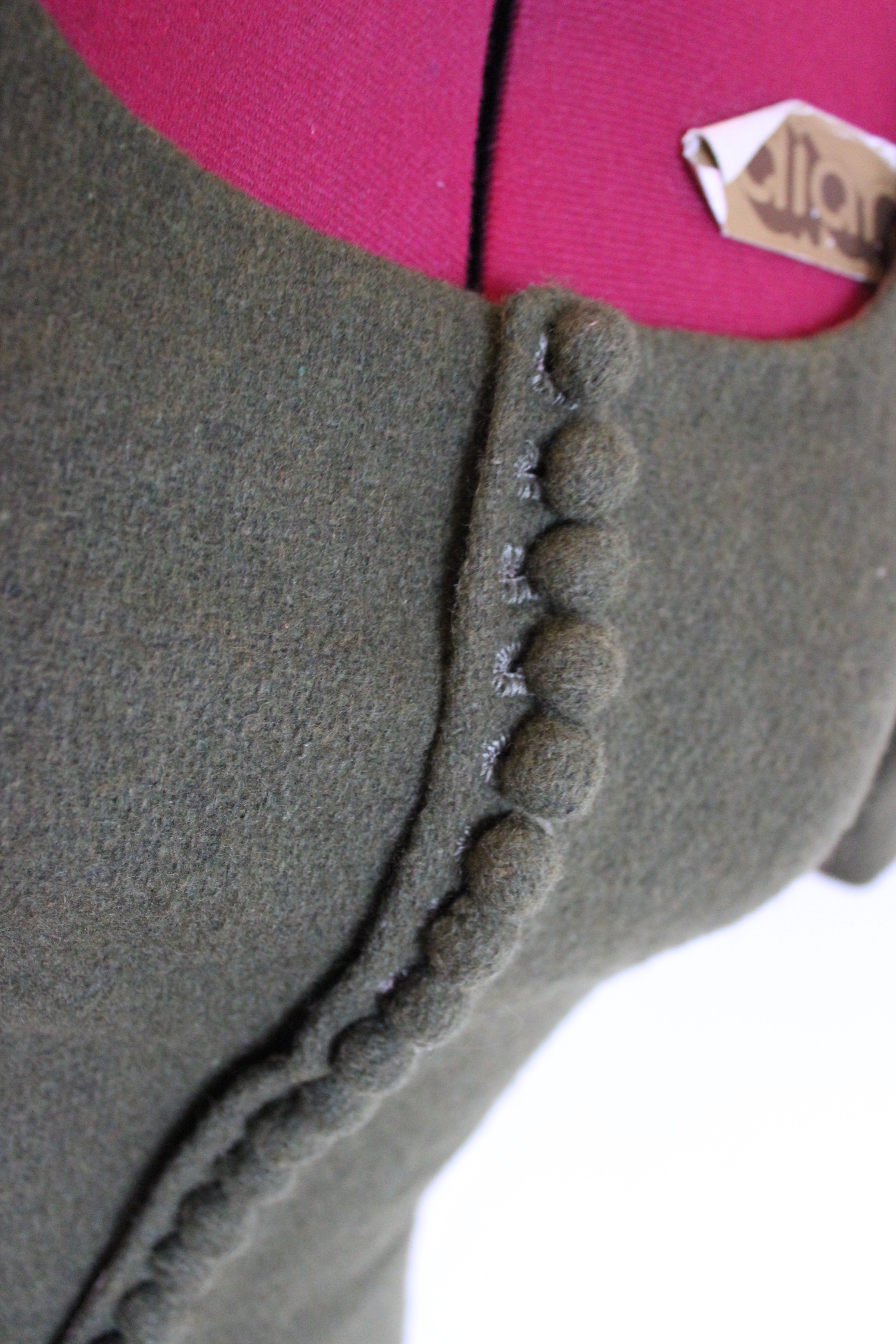
IMG_2738Then I started the time consuming task of working about 30 button-holes.

IMG_2740I’ve already compleated the buttons in advance and sewed them on the outer edge of the right front piece.

IMG_2745I’ve used some cotton leftover as facing in the neck and as a buttonhole stand.

Then I sewed the rest of the dress together – did the gores, side seams and sewed on the sleeves.

IMG_2791

IMG_2759

IMG_2787

IMG_2776

IMG_2767

IMG_2765

IMG_2792

Just the facts:

Challenge: 21 – Green

What: A medieval cotehardie.

Year: 1350 -1400.

Pattern: Drafted my own based on the “Cotehardie” pattern from “The Medieval Tailor’s Assistant”.

Fabric: 3m of green wool and some cotton scraps.

Notions: Thread and buttonhole thread.

How historical accurate: Pretty good. The dress is compleatly hand sewn, with historical methodes. I do however think the fabric is a bit thick for this type of dress. 7/10

Time: About 30 hours

Cost: 400 sek (44 Usd)

First worn: Not yet, but will be on the Medieval dinner party my dance group is hosting on 9th of nov.

Medieval Sleeves as Outerwear

As the deadline for the HSF challenge 20: Outerwear, drew closer I needed to decide what to make. The time was pressing and I had a couple of other costuming deadlines lurking close by, so I know I needed to make it an easy and quick one.

So why not make something I could use for the up-coming medieval event my dance group are hosting.

I knew that I wouldn’t be able to make the whole medieval outfit from the inside out, so I needed to prioritate. The gown will be made in time for the “Green” challenge, and as “Outerwear” I will make a pair of lose sleeves.

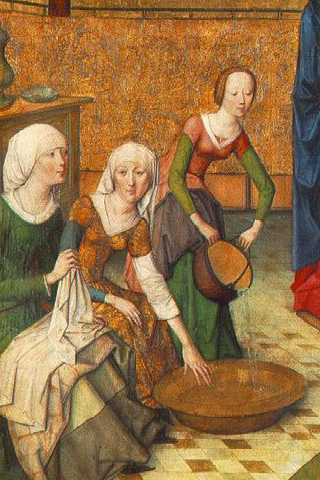
birth_of_mary_gr“The Birth of Mary” shows a servant with one of her lose sleeves taken of.

Technically they don’t count as outerwear as they will be worn under the short sleeve of the cotehardie, but as they are separate they can also be worn together with a sleeveles kirtle over a shift – thus becoming outerwear…

I bought a light brown/beige colored wool with a soft feel to it.

IMG_2556

I the drafted the pattern, using “The Medieval Tailor Assistance” diagram for –  a Kirtles fitted sleeve.

IMG_2561

I didn’t make a mock-up, but cut and basted one sleeve togheter and then fitted it to my arm. It needed some taking in across the upper and lower arm.

I stiched and felled the seams, reinforced the buttonhole stand and the wrist with some brown cotton..

Then it was time to make the buttons.

2013-10-05 18.12.19

Cutting about 30 circles of fabric, and sewing the buttons when ever I got some spair time, really saved me a lots of time and effort.

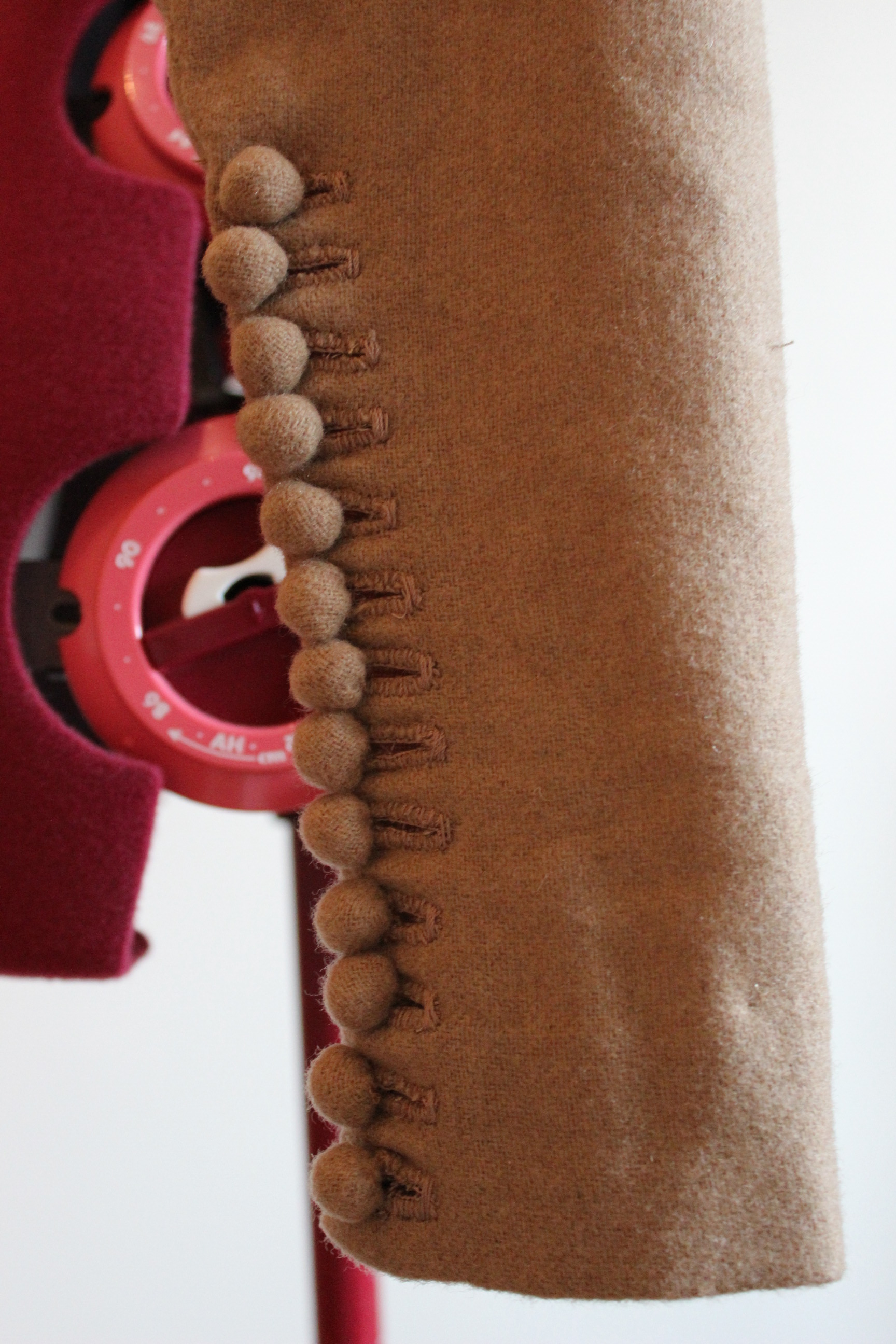
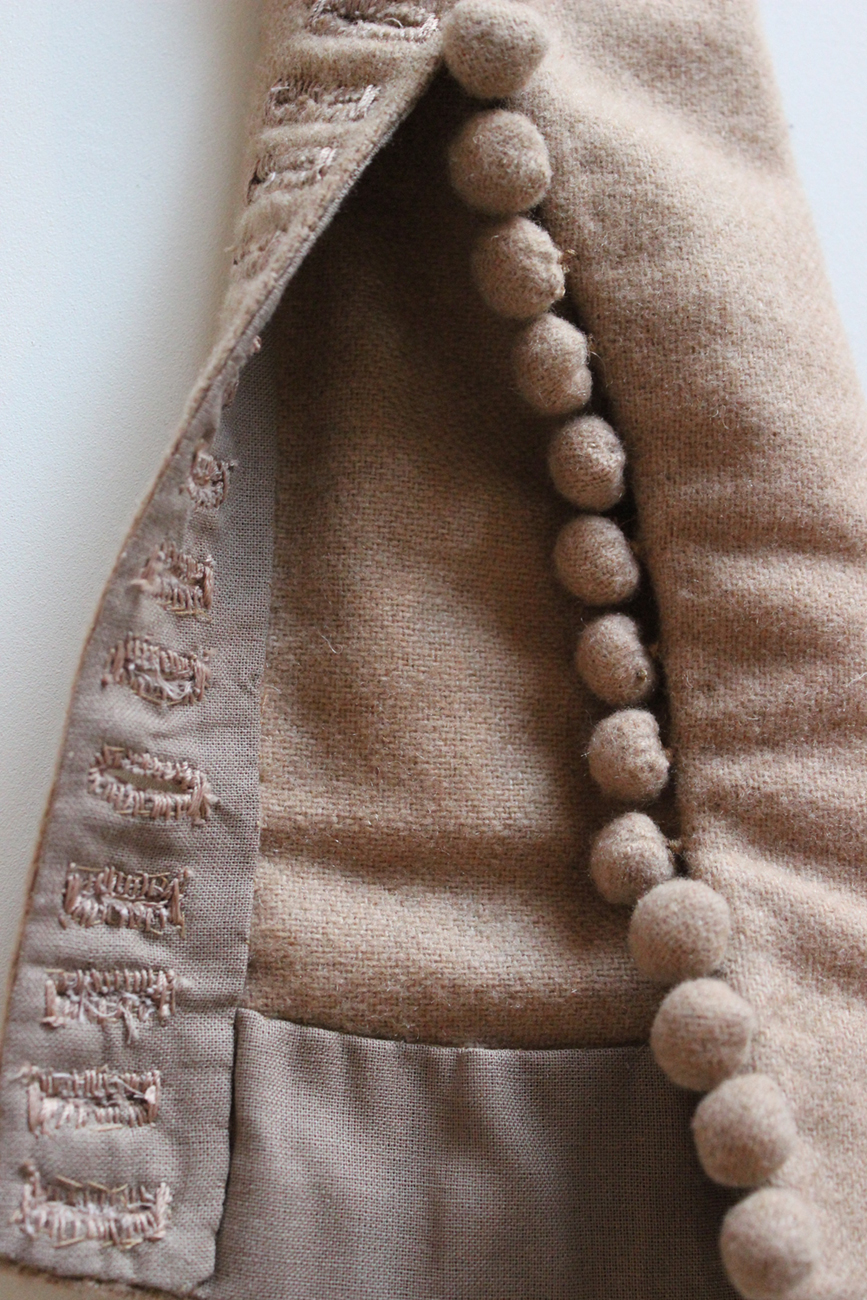
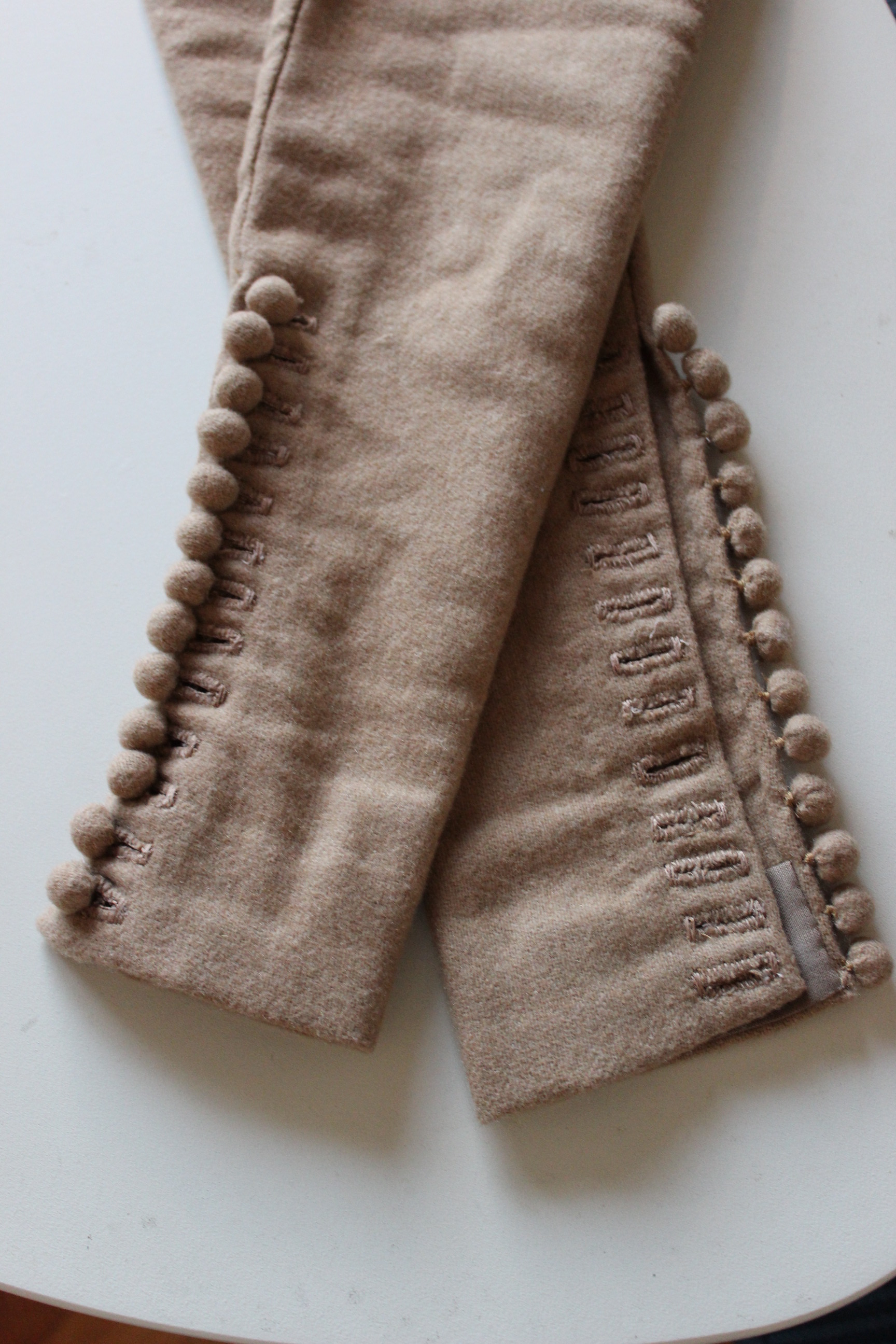
I sewed the finished buttons on to the sleeves, putting them close togheter.

IMG_2543

Then I made all the buttonholes, using a buttonhole-thread and all of my patience and determination to get them finished in time.

2013-10-06 20.46.22

IMG_2542

IMG_2553

And the finished sleeves.

IMG_2540

IMG_2534

IMG_2538

IMG_2552

IMG_2545

And being worn, paired with my Peasant Kirtle.

IMG_2463

IMG_2446

IMG_2447

IMG_2489

IMG_2487

IMG_2523

IMG_2514

IMG_2490“Knitta please” are maching my outfit

Just the facts:

Challenge: 20 outerwear.

What: A pair of lose sleeves.

Year: 1300 -1450

Pattern: Drafted from “The Medieval Tailor Assistent” – Kirtle, fitted sleeve.

Fabric: 1 m thin light brown wool.

Notions: Thread

How historical accurate: Pretty good. The fabric, thread and methodes where all used during the time. I give them 8/10.

Time: About 15 hours (the button-holes took like forever).

Cost: 150 Sek (16 Usd)

First worn: On the photoshoot begining okt.

Final toughts: The sleeve cap is a bit low, and needs to be either raised a bit or tied to a very firm shoulder-strap that won’t slipp of the shoulder.

Wood, Metal and Corsets

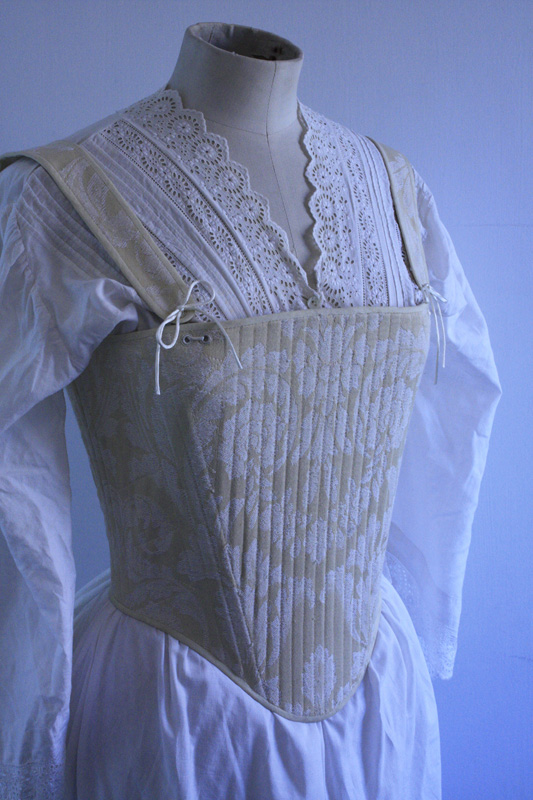
As the 19th HSF challenge Wood, Metal and Bone past by I feelt I needed to make something a bit more challenging then the Suffragett brosches I finished just in time.

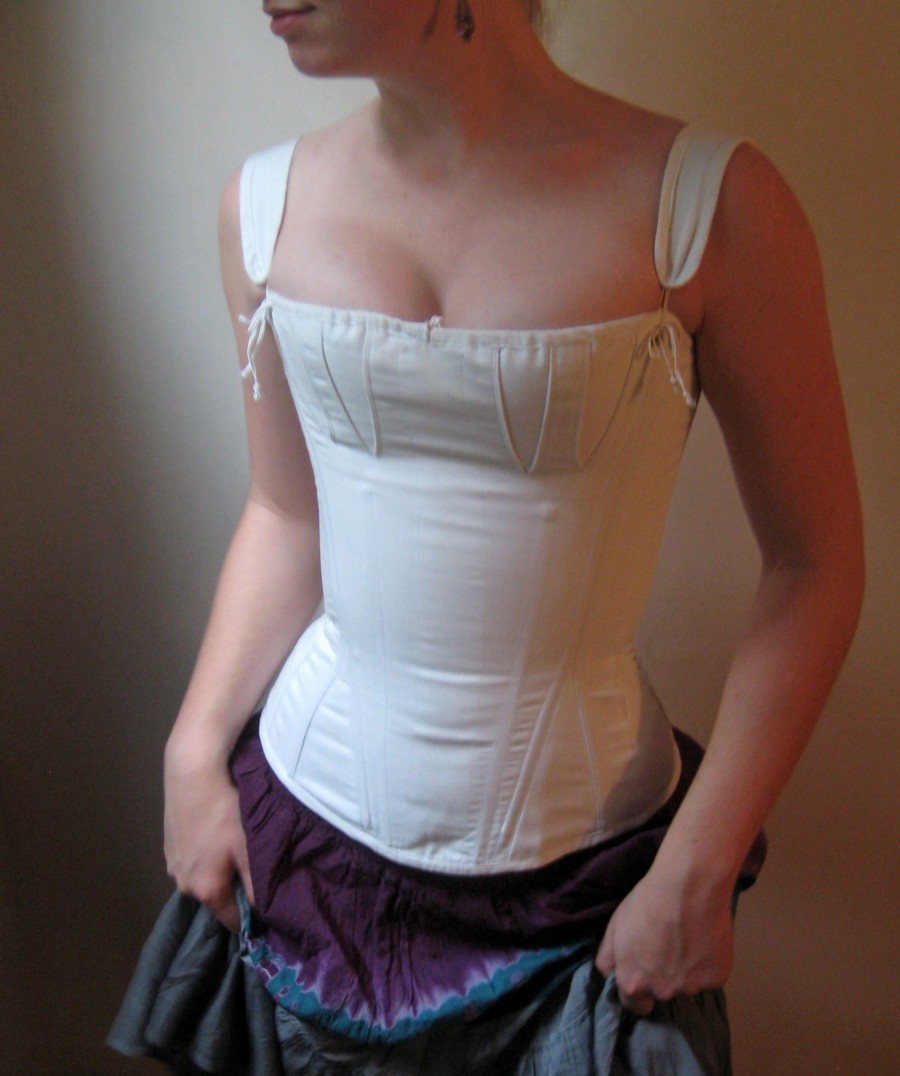
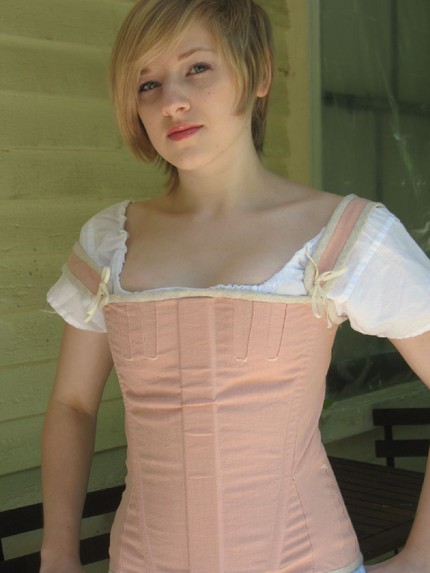
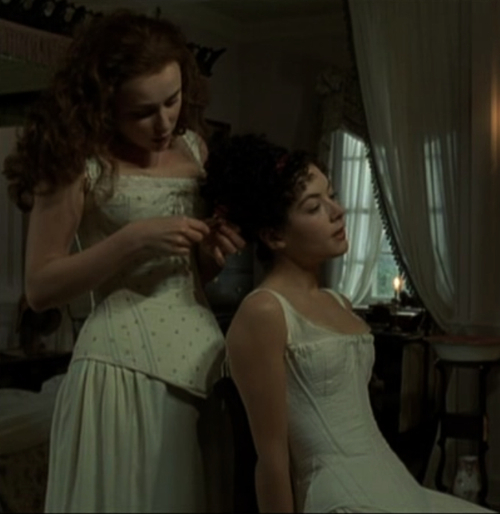
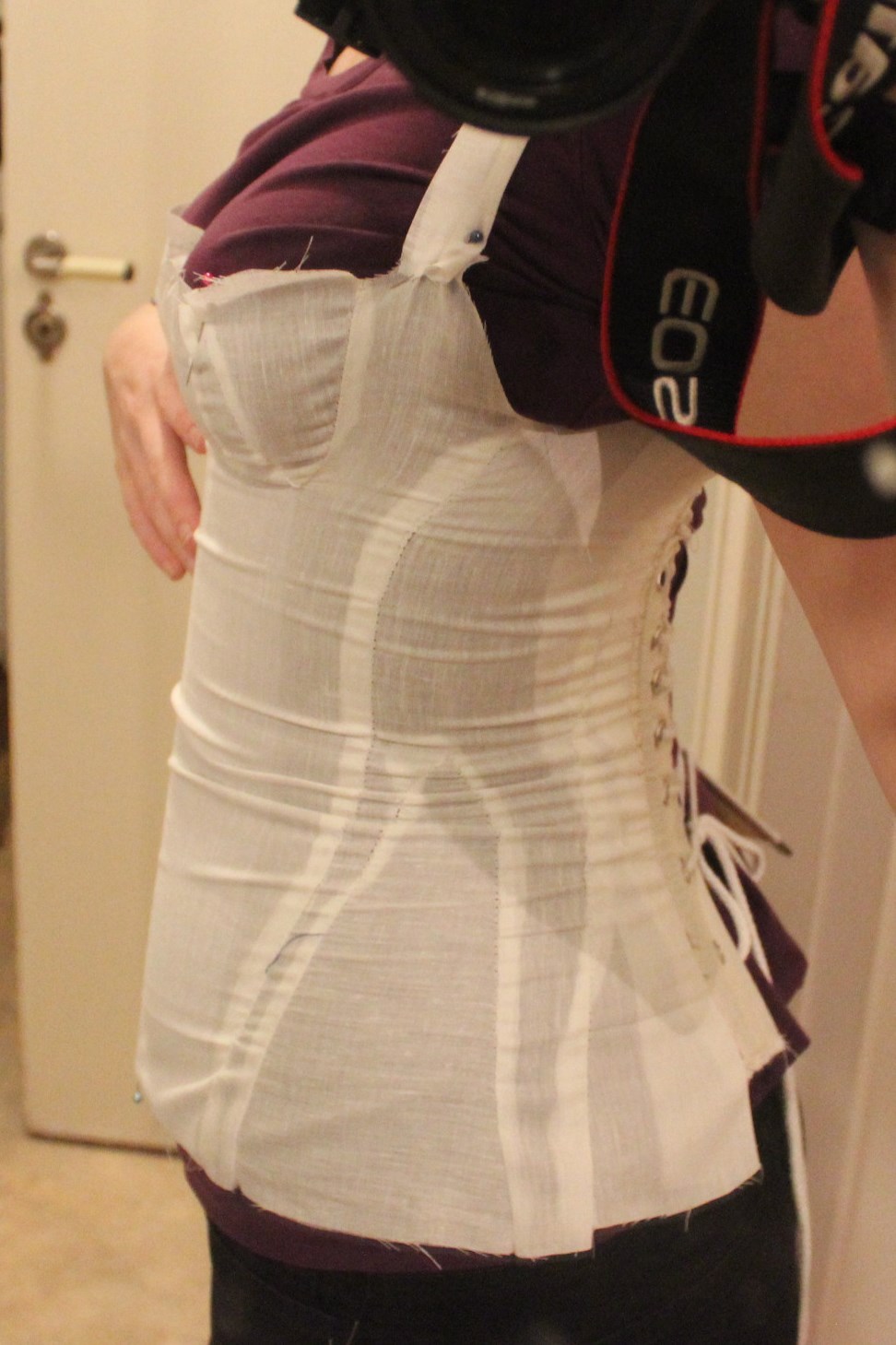
An with a regency event coming up swifty, I decided it was time to make myself the 1820s corset I’ve been wanting since I bought a wooden busk half a year ago.

Here are some inspiration pictures:

hämta

a-wedding-corset-74890

ba8694ee1bdaa03c315f43bd2f88fb65

corset-49100

il_fullxfull_116590212

OLYMPUS DIGITAL CAMERA

regency stays estabrooksdesign

Wives%20and%20Daughters%20stays

And the pattern comes from the trusted Norah Waughs “Corset and Crinolines” – A 1820s corset.

1820 waugh

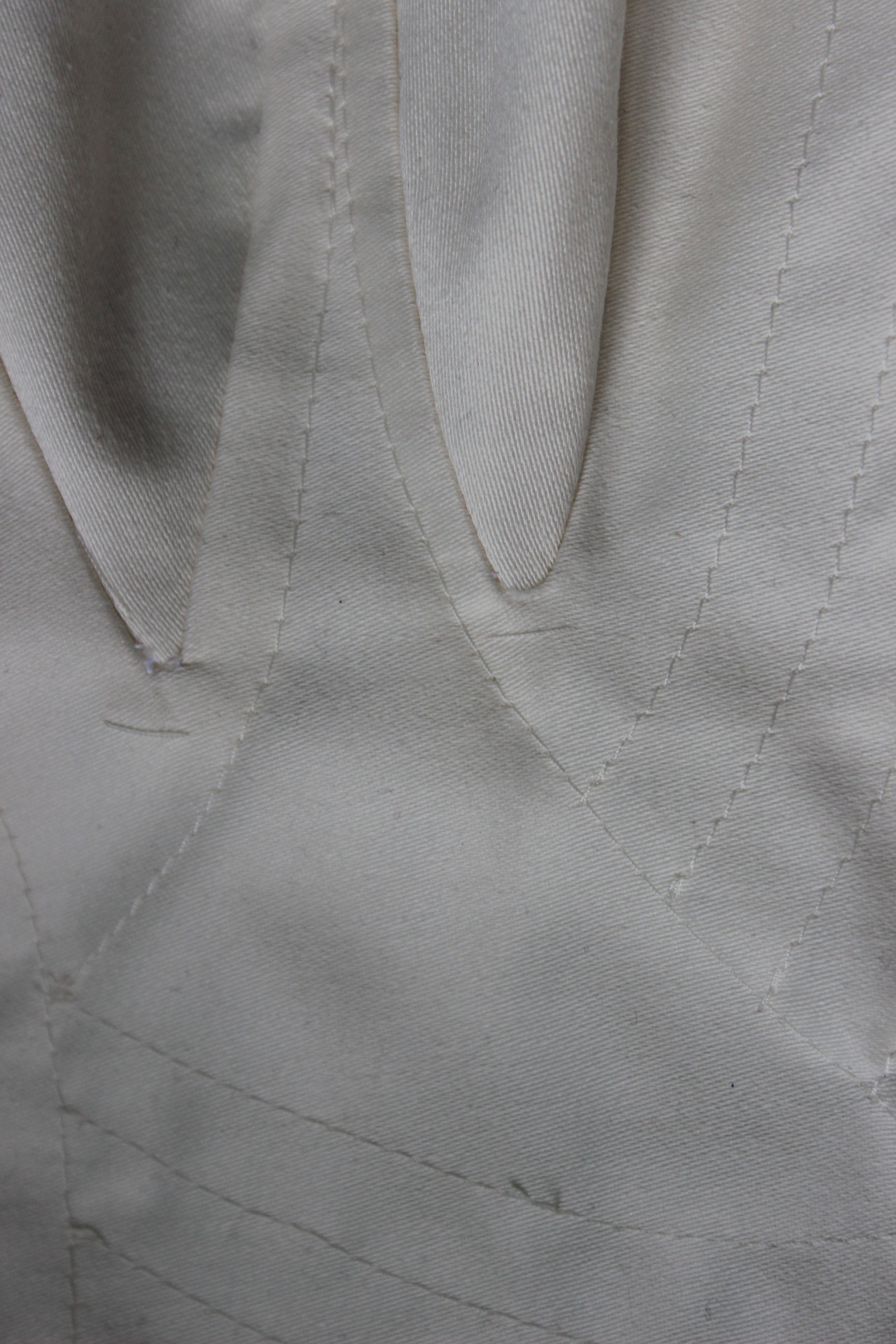
I bought 0,5m of cream colored cotton sateen, and found some plain cotton sheet for the linnig and interlinning in my stash.

I dafted the patten, made some changes to the sizing and made a mock-up.

IMG_2179IMG_2185

I needed to raise the cups 1,5 cm and take them in 2cm a the top. And lenghten the shoulder straps.

IMG_2181I also needed to add 4-5 cm to the back pieces.

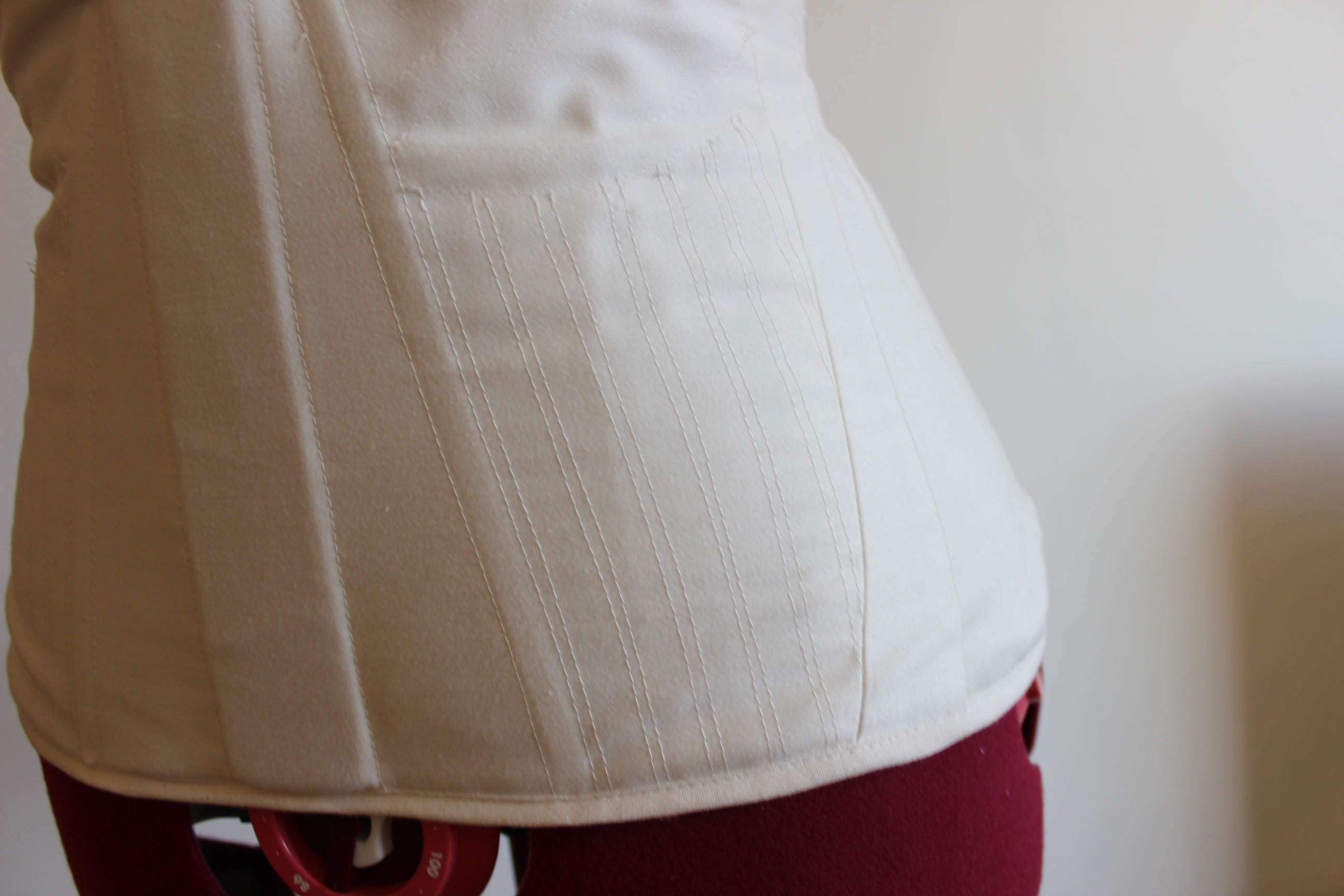
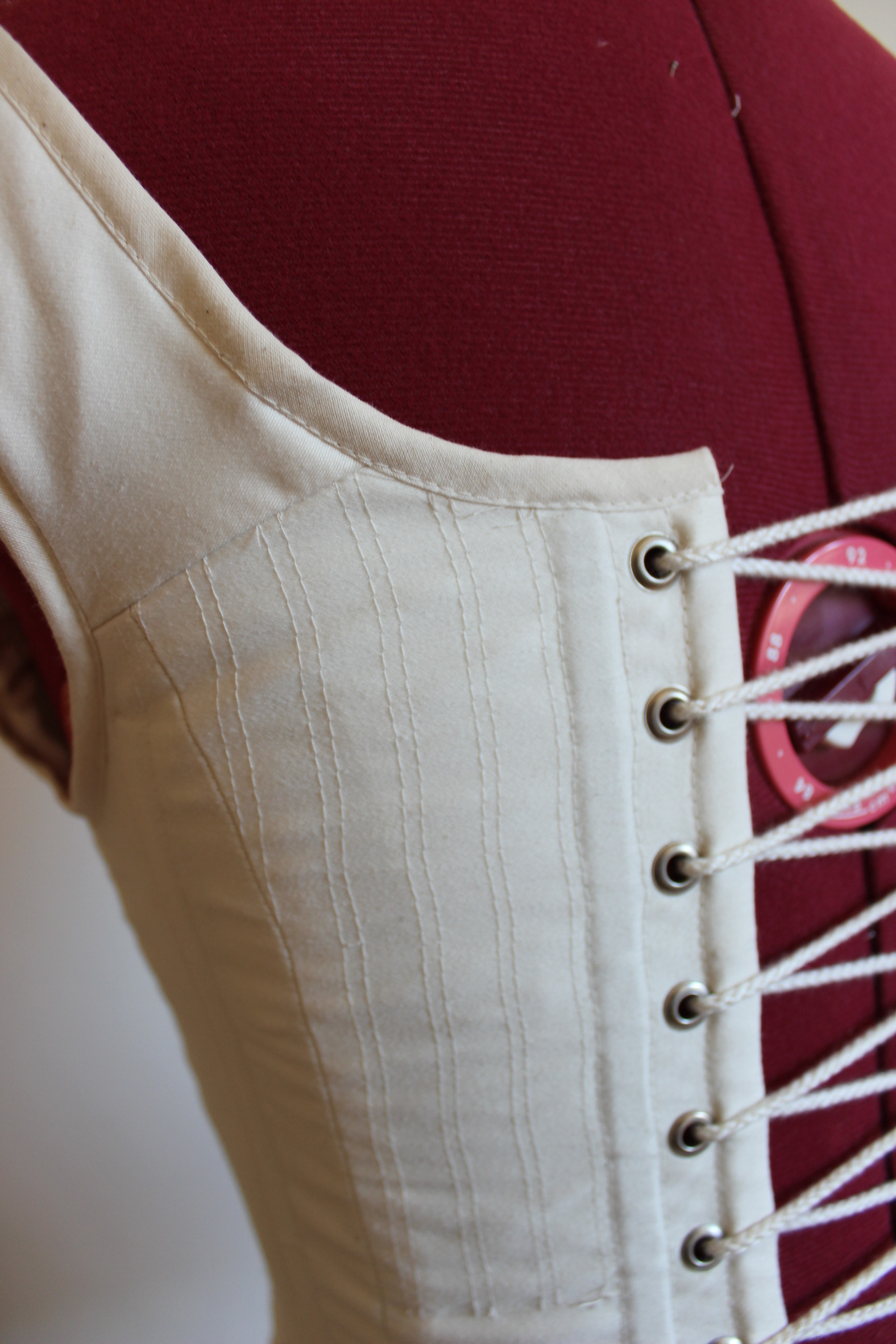
After drafting the alterations on the pattern, I cut and interlined all of the pieces.

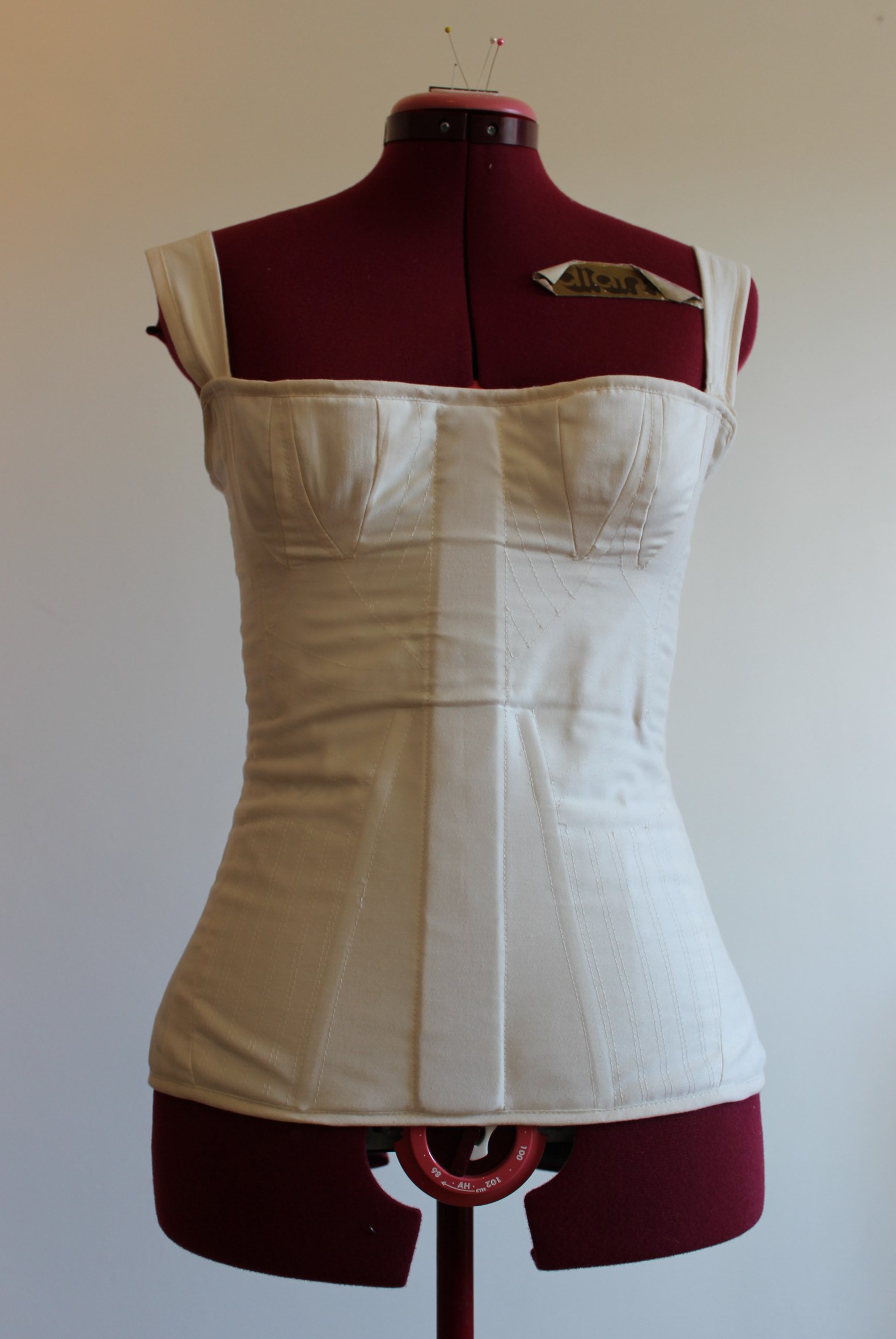
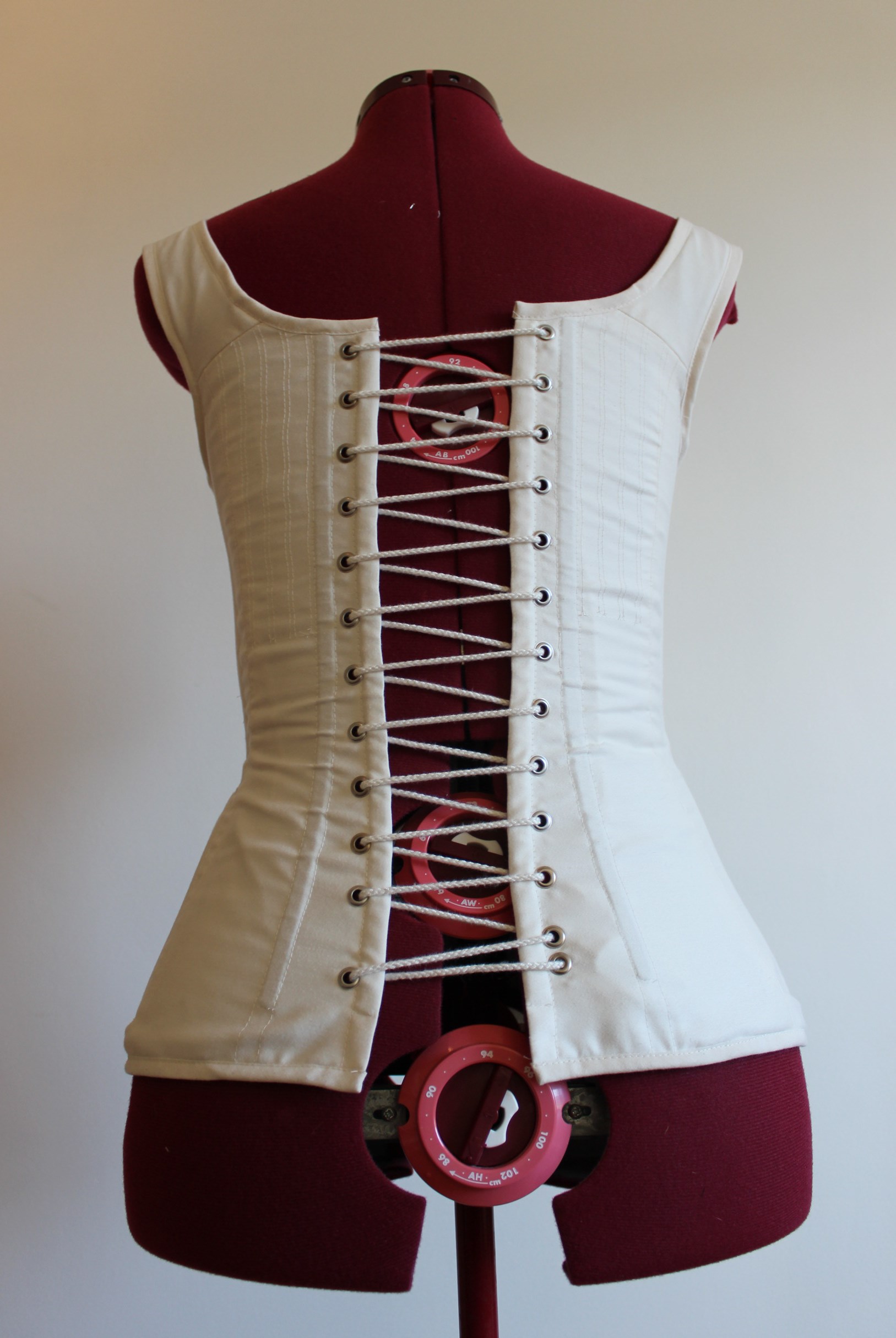
I sewed the bust and hip gores, the boning chanels and set the gromets on the back pieces.

IMG_2198

Then I started on the decoration.

IMG_2193

By now I feelt I was running out of time (this was just a couple of hours before the event) and I needed to decide which ones of the decoration seams was the most neccessary – regarding both prettynes and function, though to the strengtening quality of the stiching.

IMG_2200

Then I made and attached the lining and putt the boning in to the chanels. I used bias-tape to bind the edges, and put a drawstring into the bias-casing in the front of the corset. Making it adjustable over the bust.

I finished sewing just in time, since I straight away needed to hurry to get dressed and on my way.

IMG_2284

IMG_2299

IMG_2292

IMG_2396

IMG_2404

IMG_2402

IMG_2399

IMG_2400

IMG_2412

IMG_2407

Just the facts:

Challenge: 19 – Wood, Metal and Bone.

What: A regency corset

Year: 1800 – 1830s

Pattern: Nora Waughs “Corset and Crinolines” – a 1920s corset.

Fabrics: 0,5 m of cream cotton sateen, 1 m of white cotton sheet.

Notions: One wooden busk, bias tape, thread, gromets, boning (cable-tie and plastic whalebone), lacing-cord and ribbon.

How historical accurate: Machine made with gromets and polyester thread. Butt the pattern, shape and the color are correct. Mabye 5/10.

Time: 10 hours (the evening before and the same morning as the event).

Cost: 200 Sek (22 Usd)(50 Sek, not counting stash).

First worn: On 28 sep “Mickelsmäss” (celebration of the harwest) where I was part of the dancing entertainment.

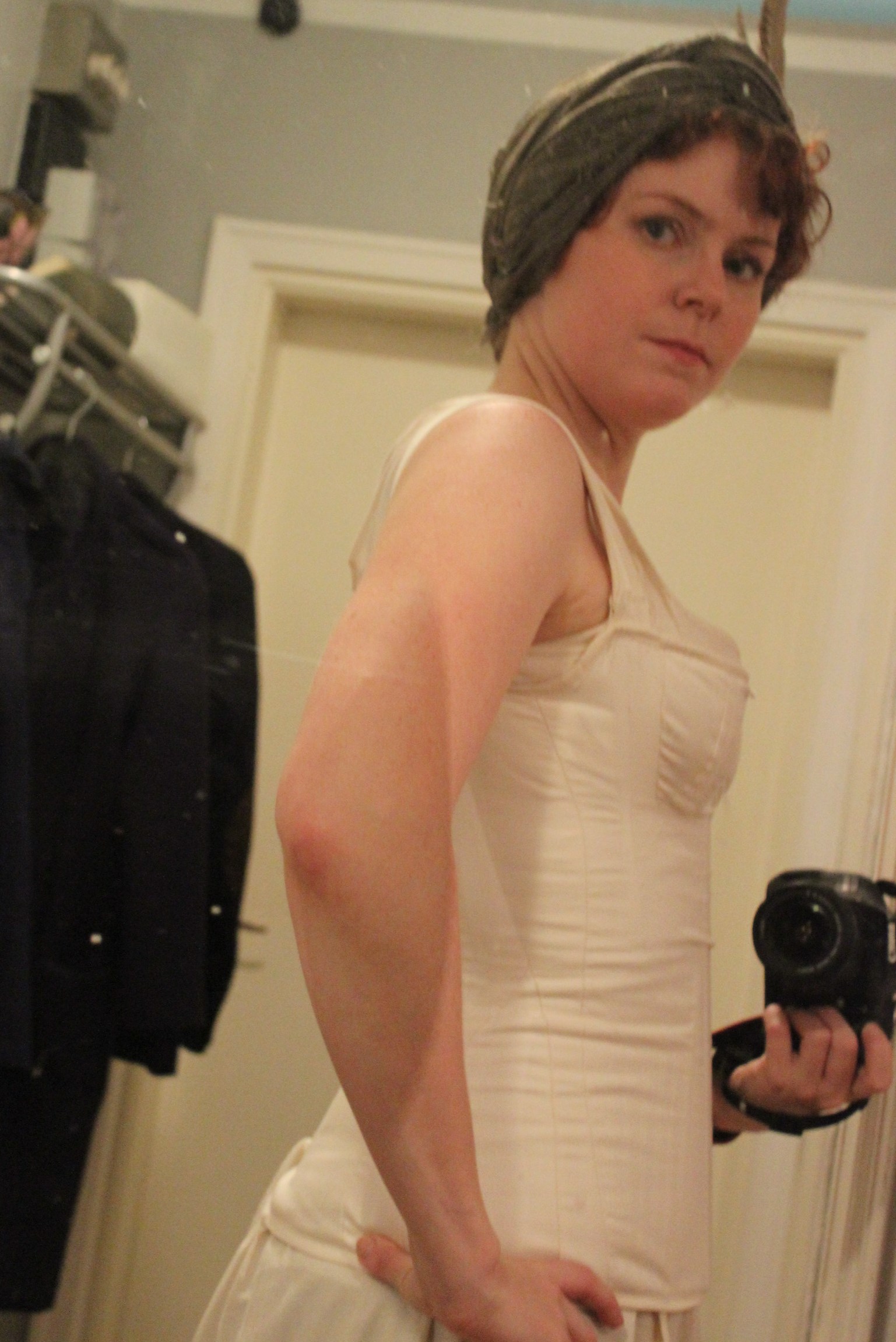
Final toughts: The corset do what it is supposed to (bust-wise), but I’ts not that comfortable. I almost got a cramp in my side/waist sitting in it for two hours. Mabye I need to change the fit.

Suffragett Metal Brosches

For the HSFs 19 challenge: Metal, wood and bone I decided to make yet another simple piece.

I’ve been in need of some Suffragett symbols and ribbons, to wear to an upcoming event.

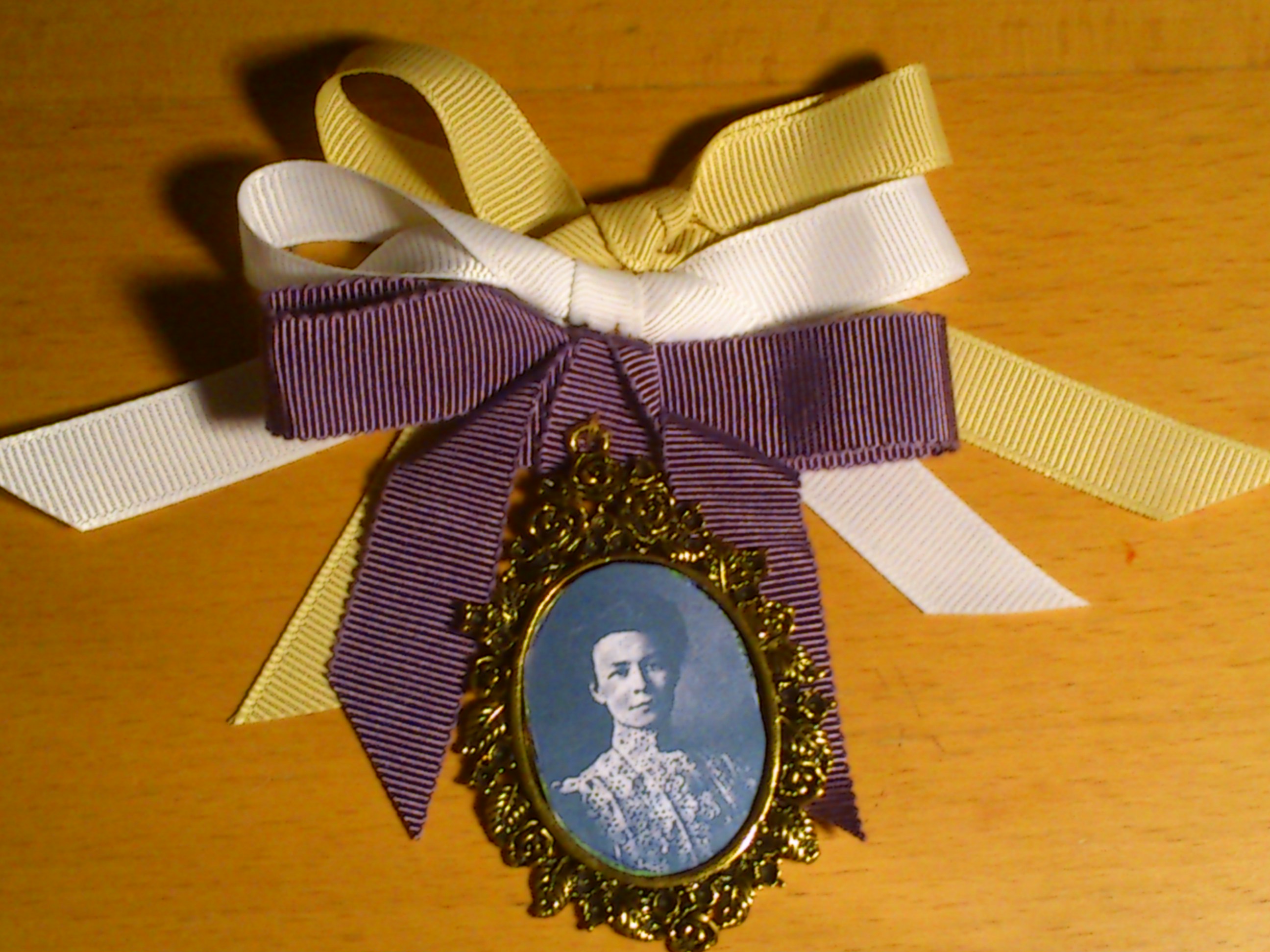
So I searched the internet and fell in love with these beautiful suffragett brosches. images

Portrait_Badge_of_Emmeline_Pankhurst_-_c1909_-_Museum_of_London

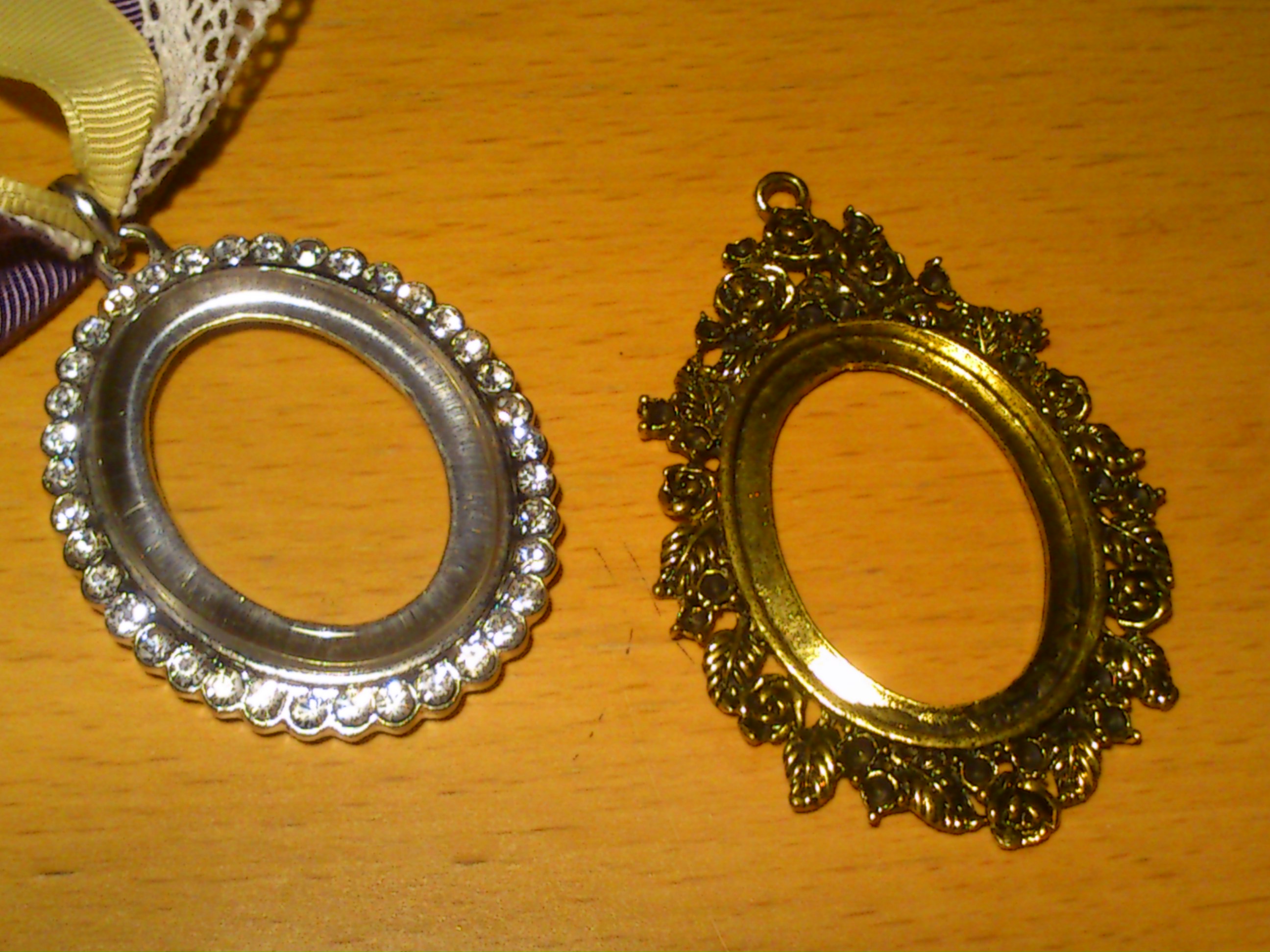
So I bought three frames from the local craft store. 2013-09-23 22.05.35

I also got some ribbon (violet, green, yellow, white and lace) and started to tie rosettes.

Once by my computer I searched and found some fascinating Swedish women who fought for the rights of women in the beginning of the century.

442px-Signe_Bergman

carlberg2

Rösträttsvykort. Anna Wicksell

I printed and glued the pictures into the frames, and then sewed the ribbons to the frames. So simple.2013-09-23 22.47.33

2013-09-23 22.46.28

2013-09-23 22.46.01

I think they look lovely, although I do not know if this was something who actually was being worn by the women’s rights movements at the time, or a more recent invention.

Just the facts:

Challenge: 19 Wood, metal and bone

Year: 1900-1920s

What: Womens rights brosches

Fabric: None

Notions: metal frames, ribbons, glue, hot glue, paper, thread.

Historical accuracy: I have no idea, but ribbons in violet, white and green/yellow was the symbol of the movement.

Time: 1 hour

Cost: 100Sek (11 USD)

First worn: Not yet, but will be on the 5 okt for a Suffragett brunch.

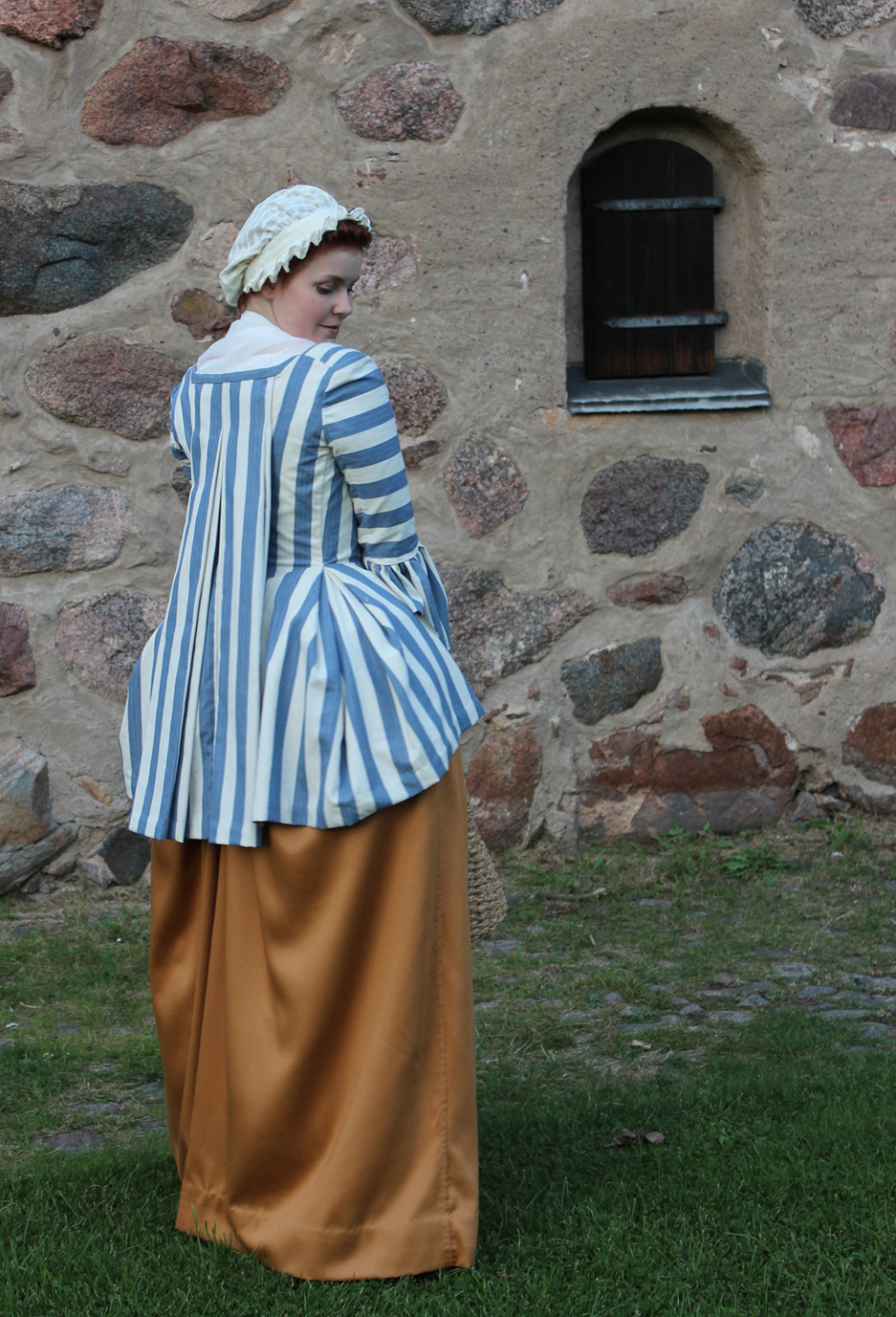
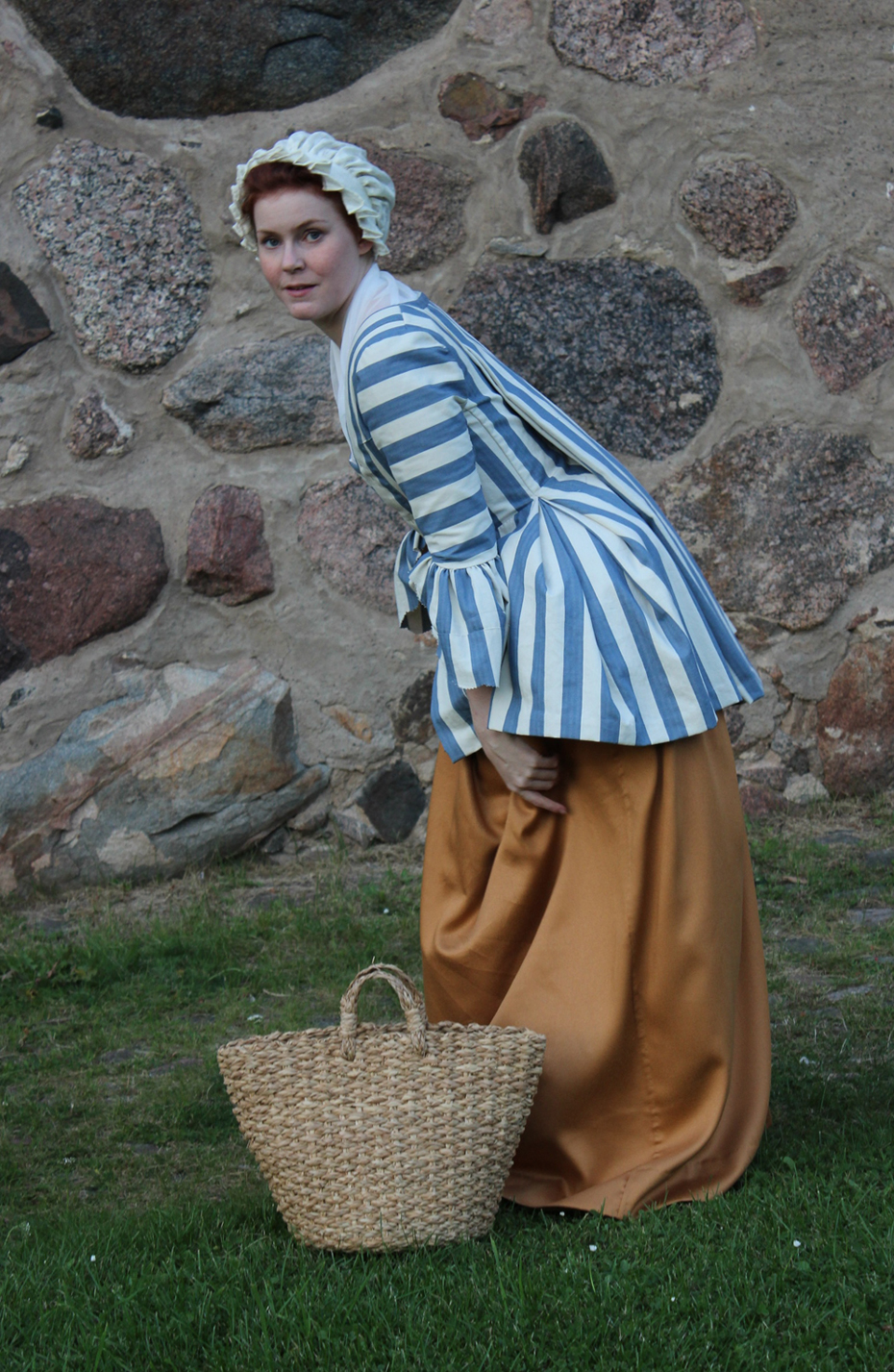
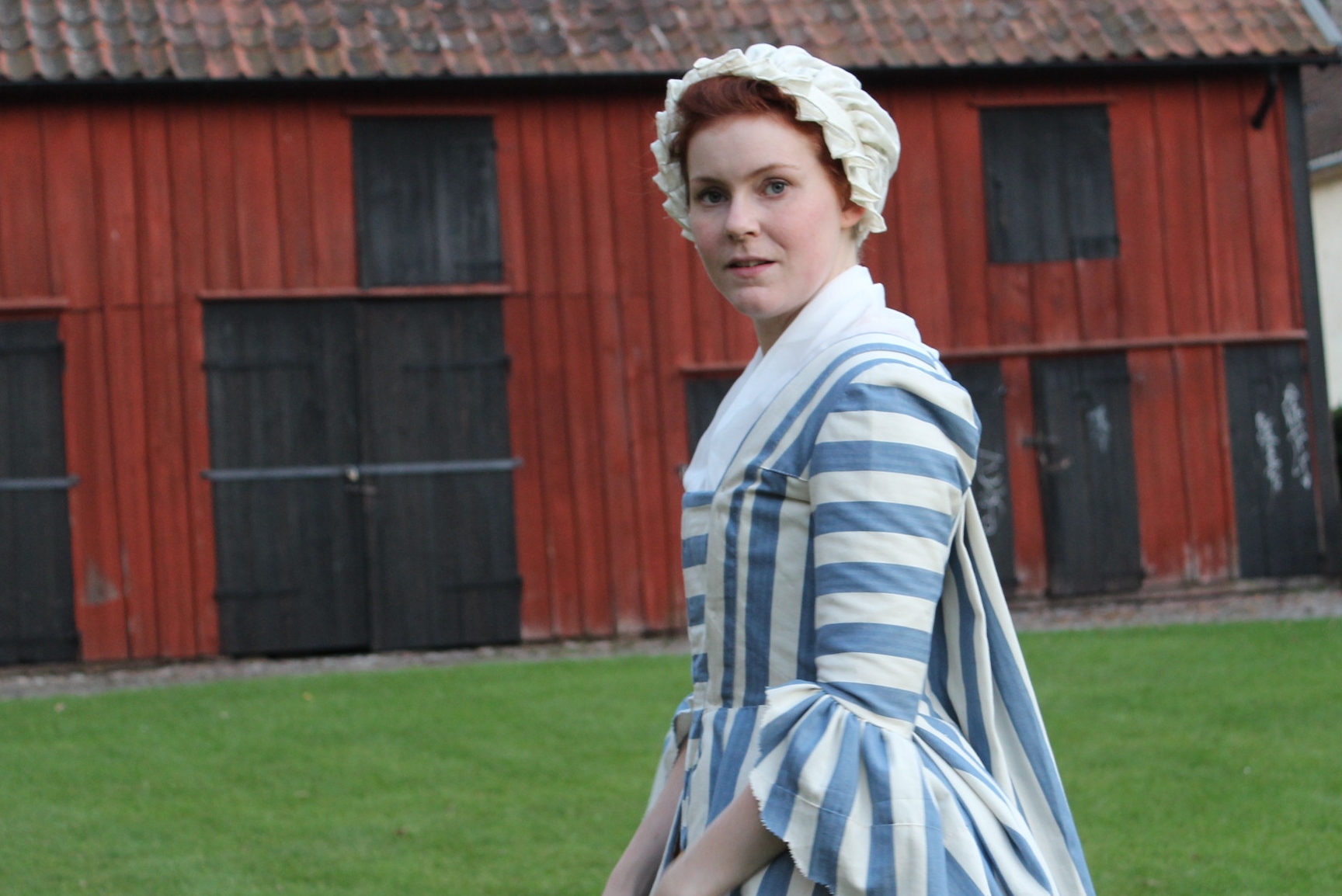
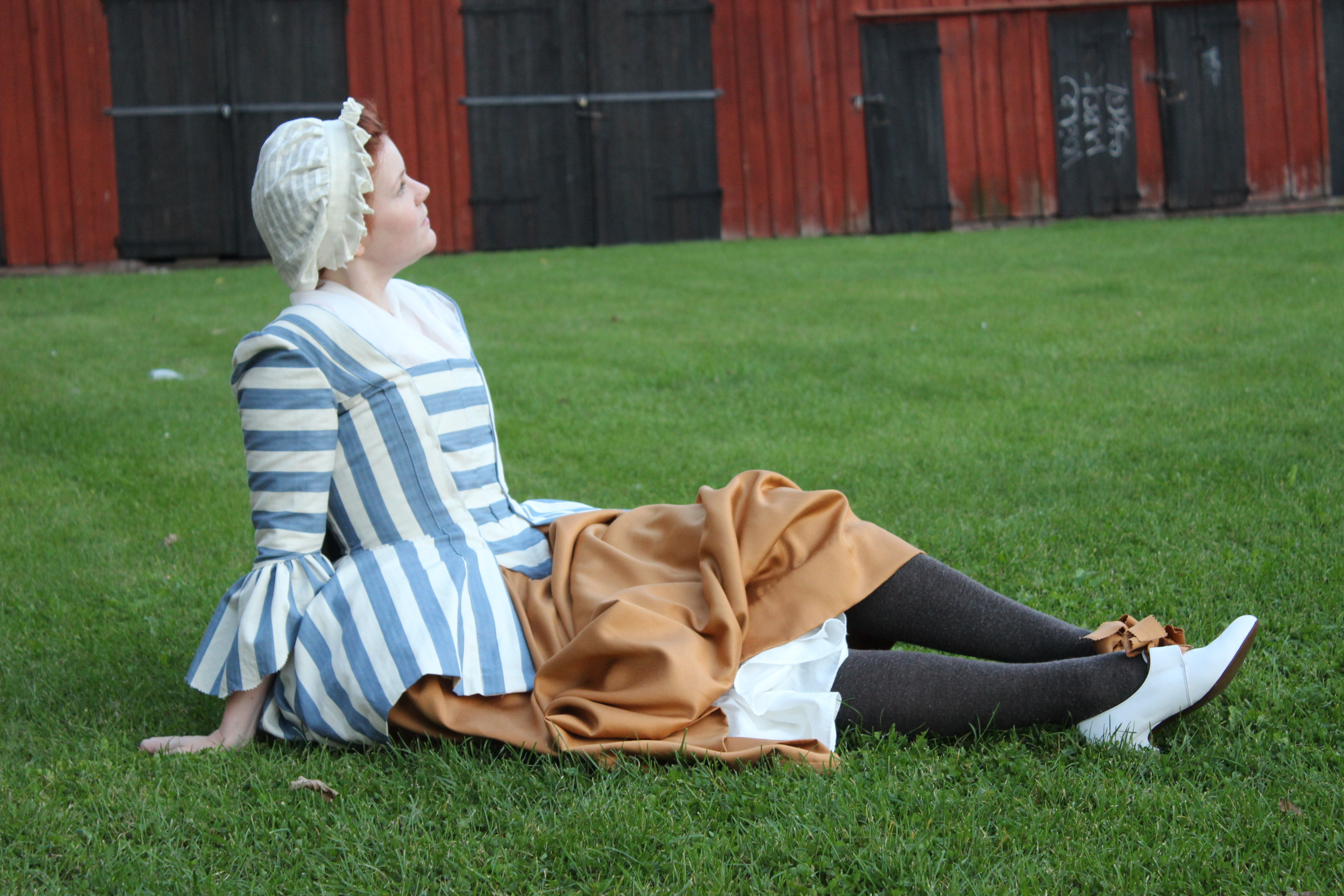
a Separate Robe – Photoshoot

Since I was already running late with both the 16th and the 17th challenge for the HSF, I decided to wait to photograp the skirt, and instead do a combined photoshoot when both items was ready.

So this weekend me and my sister went for a walk, and shoot some pictures at a couple of beautifully historical location close to my home.

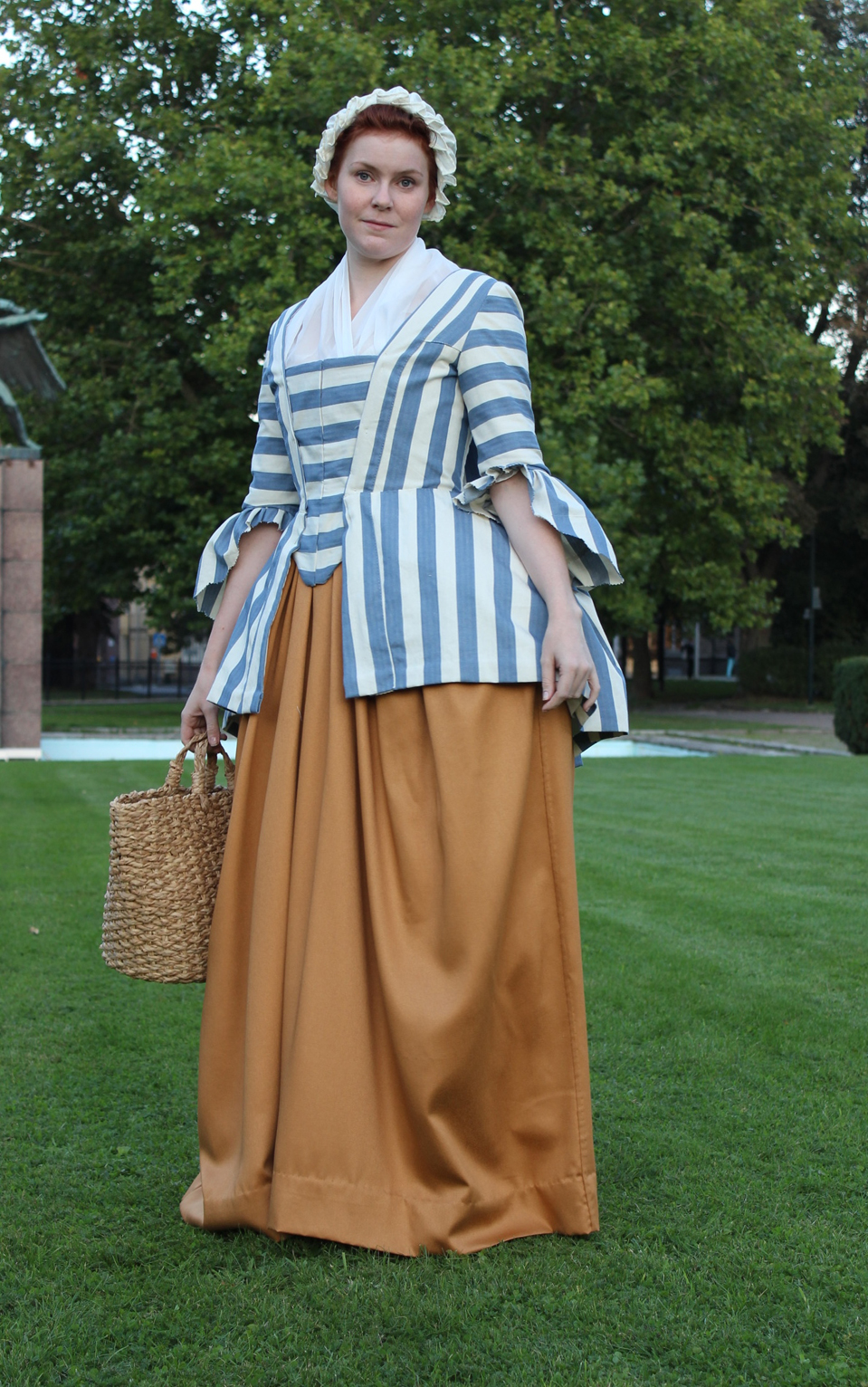
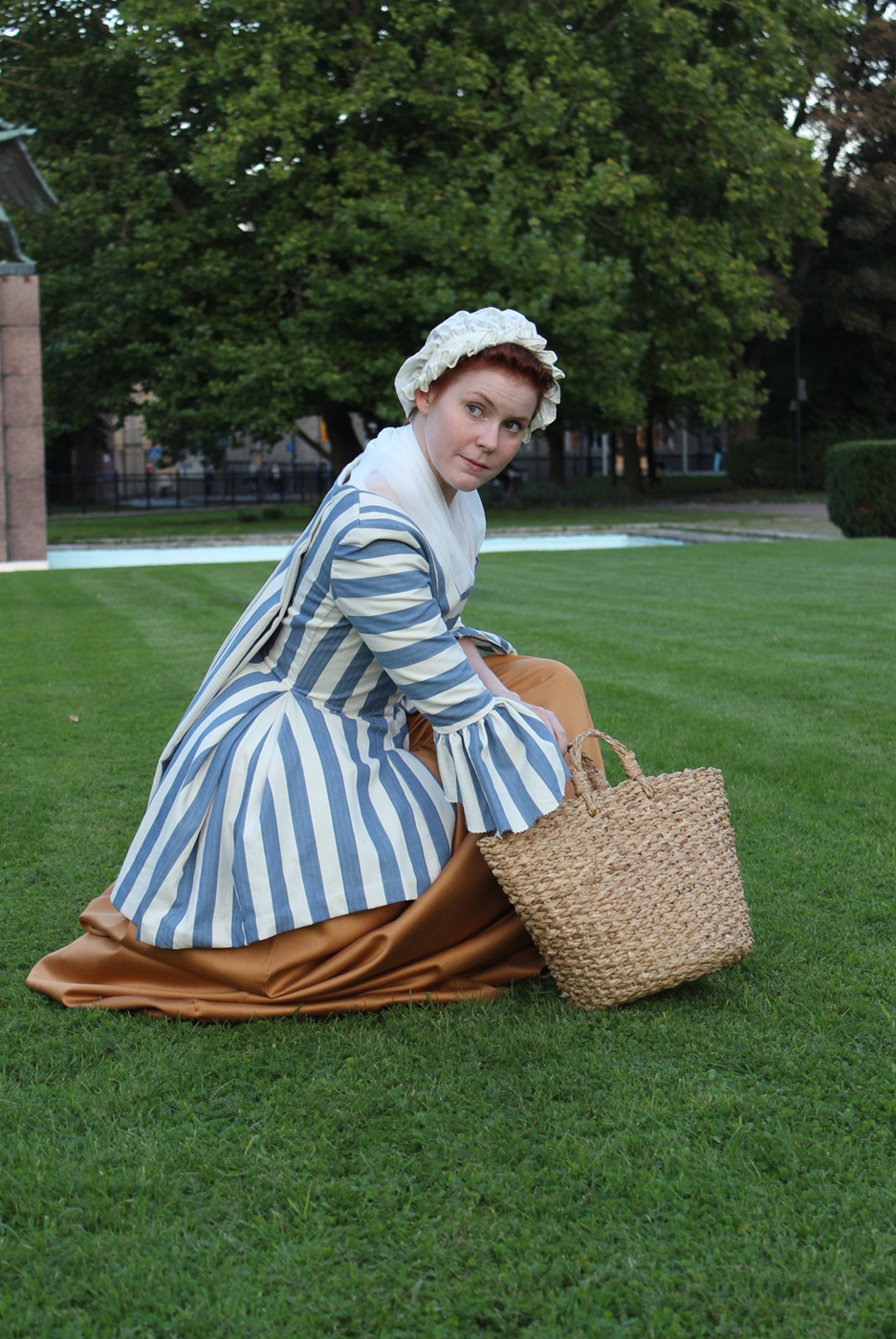
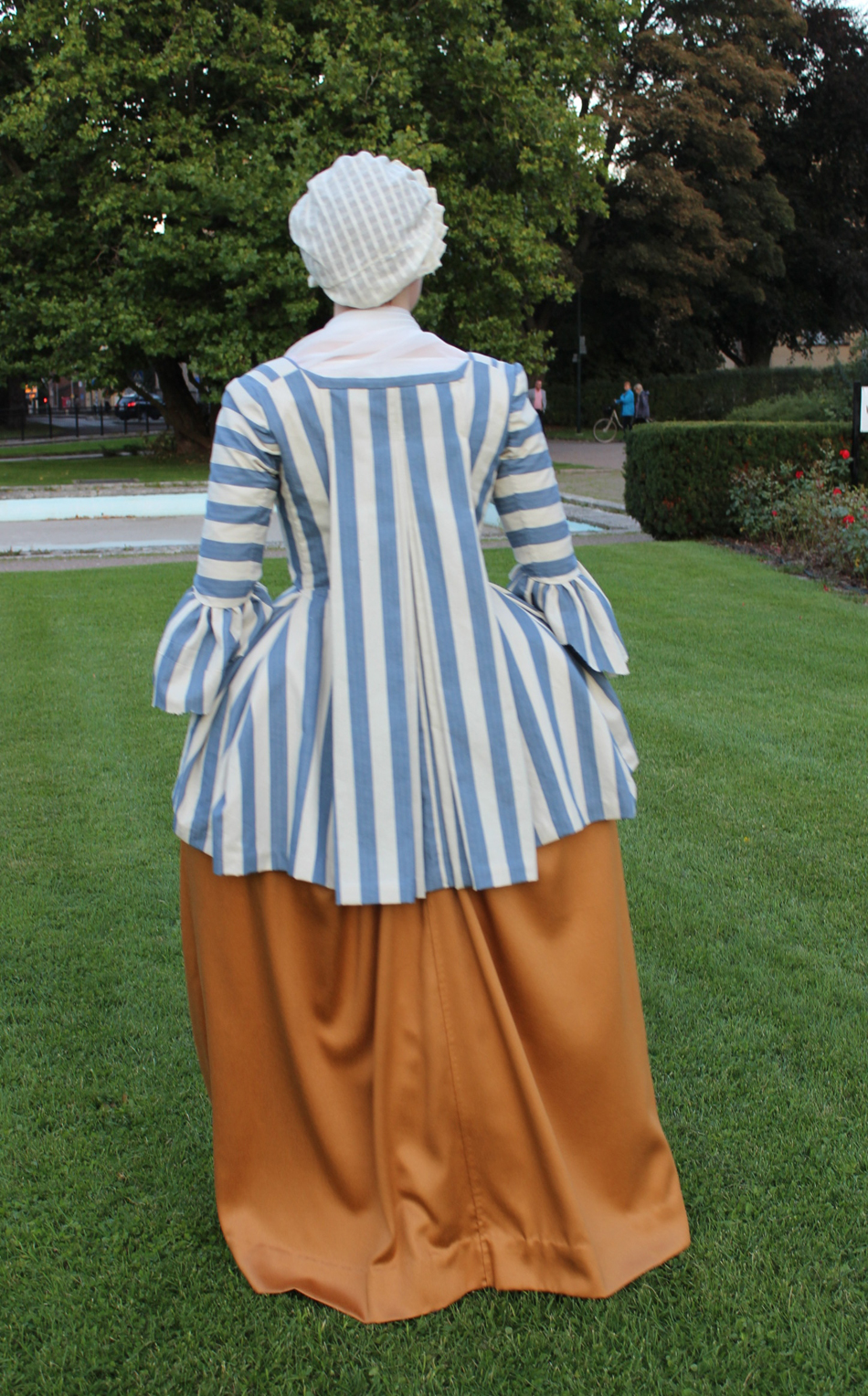
The only truble was the swedish fast fading autumn light. For this photoshoot I wanted to show the versatility of the garmnents, and styled the jacket and skirt in two different ways, using only accessories.

The towns woman: IMG_1594

IMG_1598

IMG_1617

IMG_1630

IMG_1647

IMG_1650

IMG_1664

IMG_1667

IMG_1728

IMG_1705

IMG_1742

The court lady:

IMG_1801

IMG_1751

IMG_1756

IMG_1824

IMG_1876

IMG_1784Foto: Maria Petersson

Robes and Robings

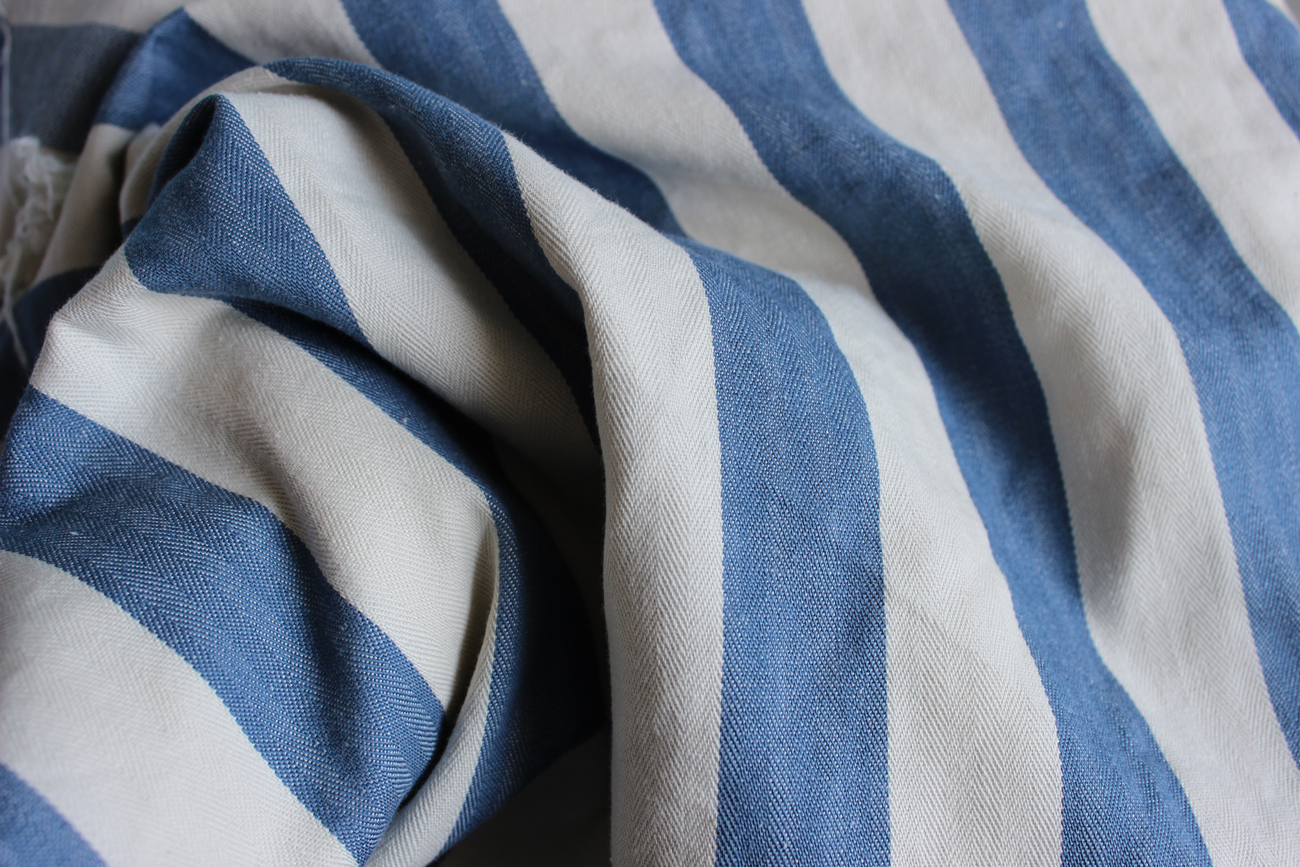
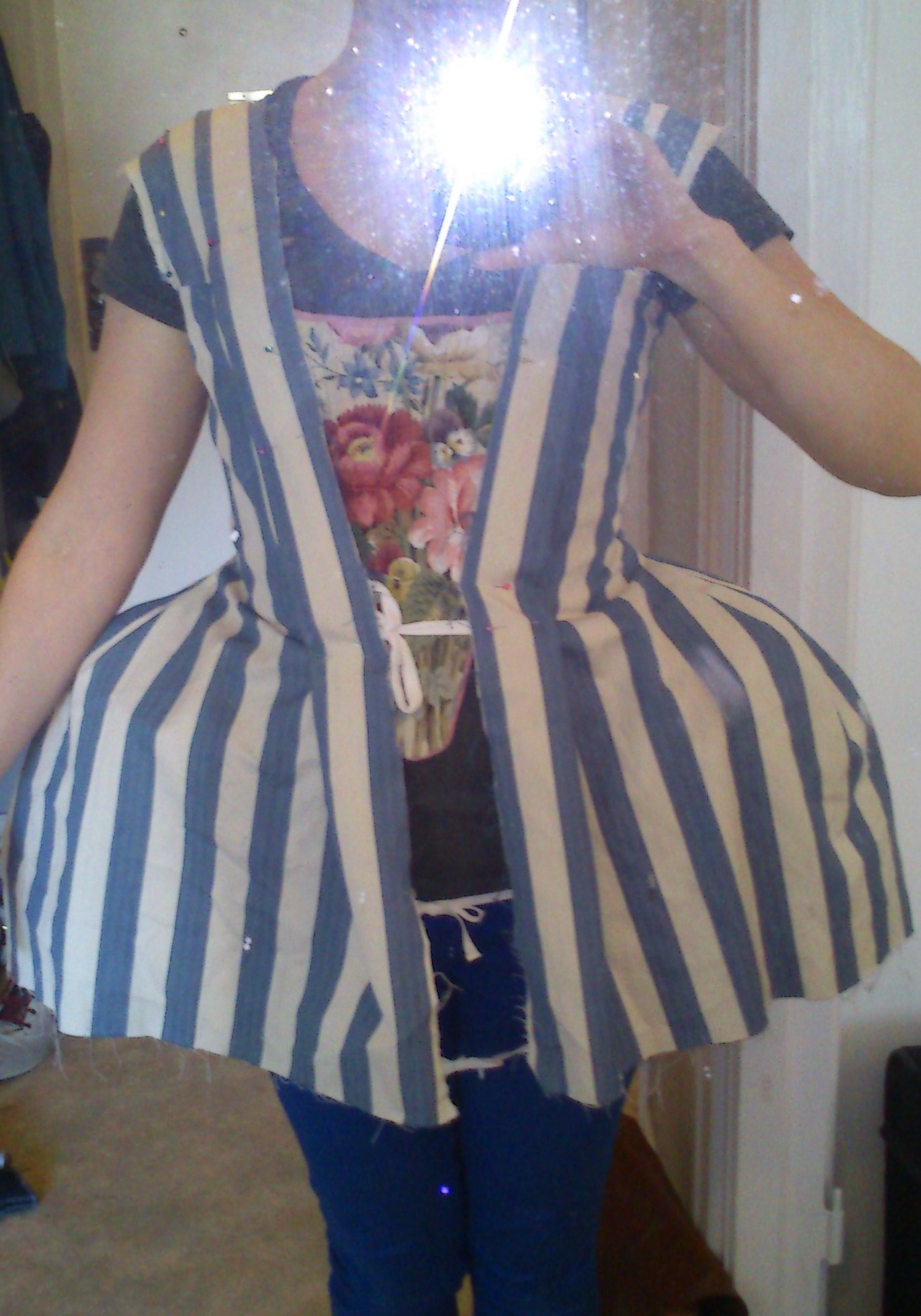
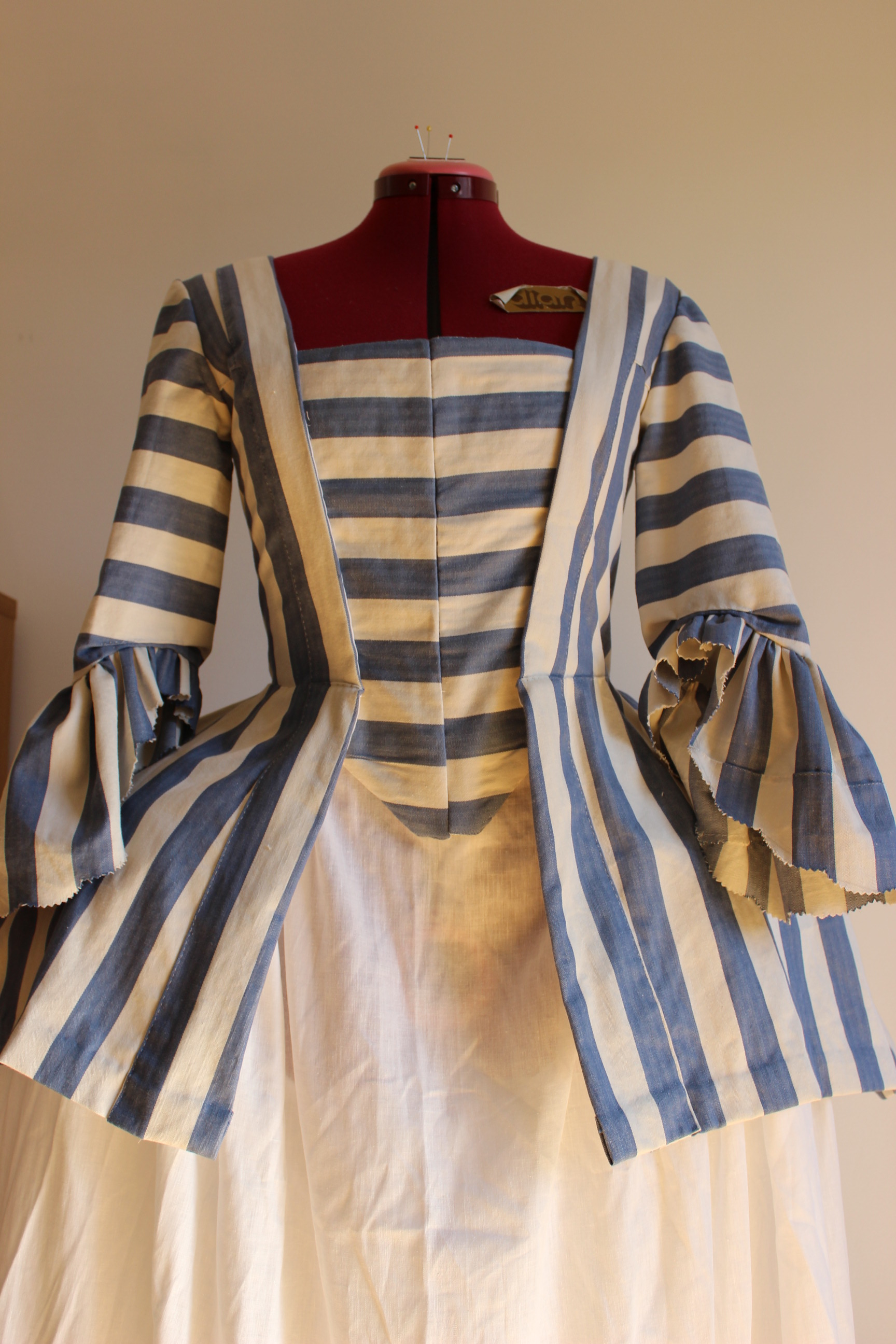
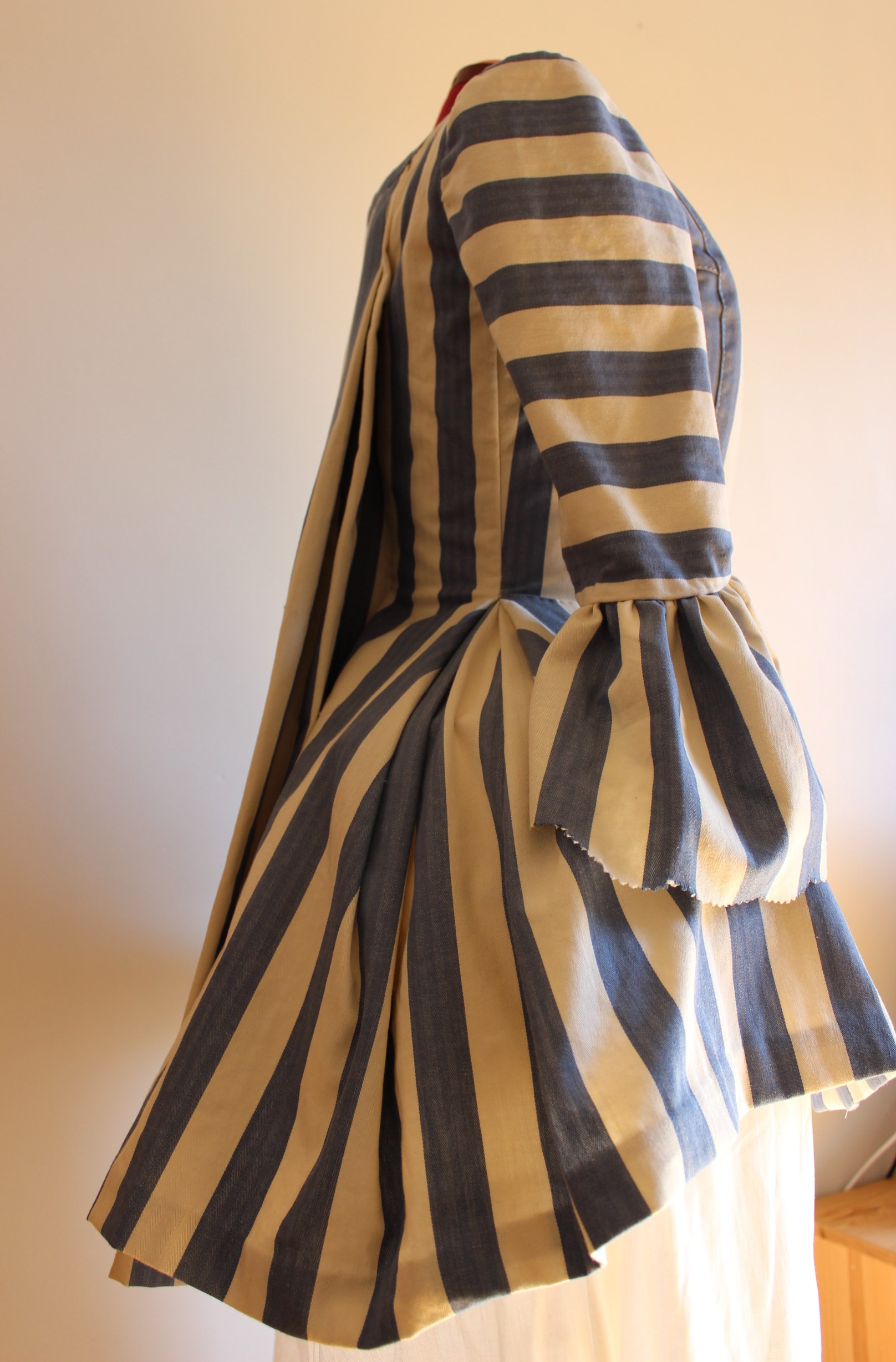
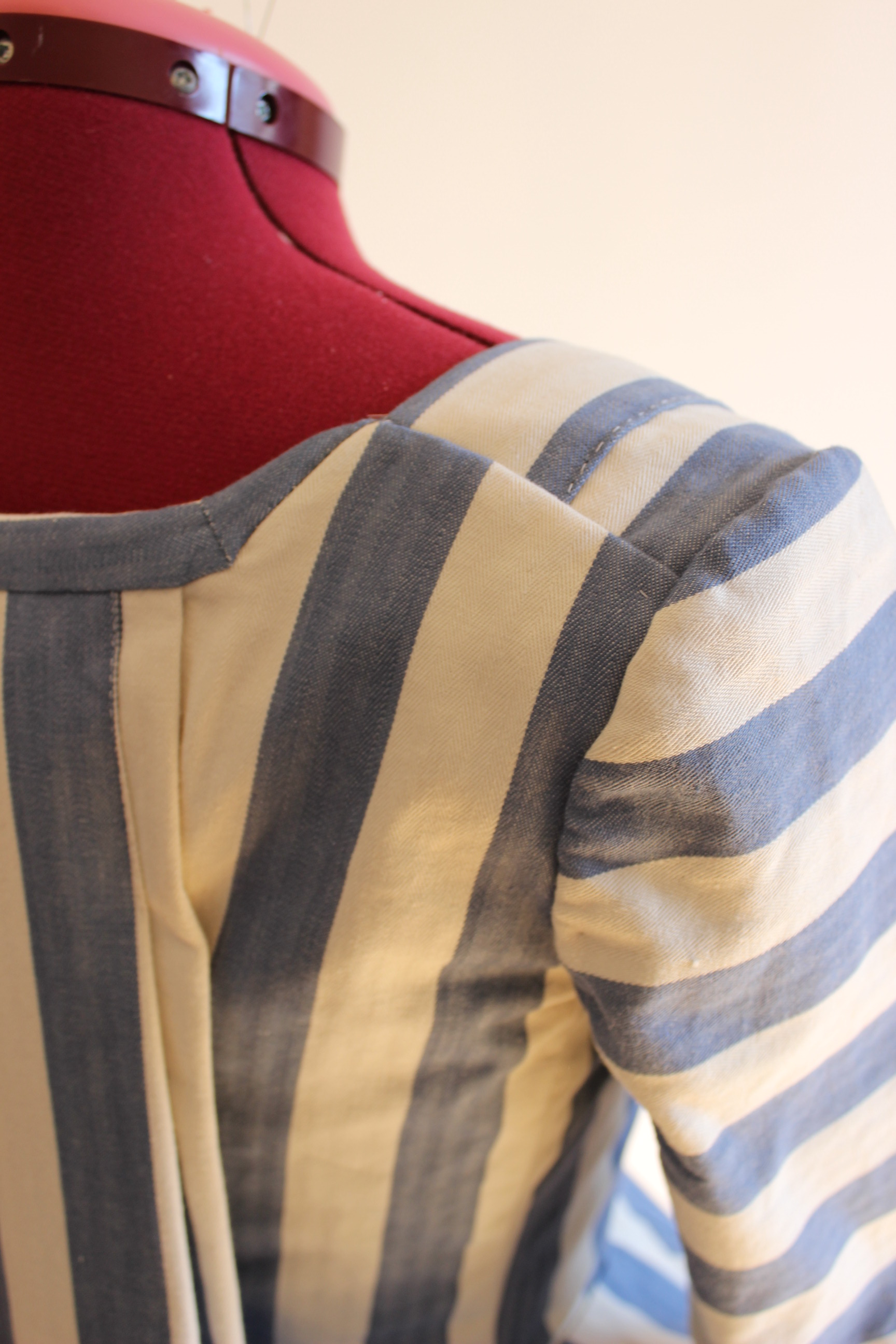
I bought this blue and white striped cotton for 15 Sek/m a while back, and since it was the last 2,5m on the bolt I decided it would make a perfect 18th or 19th century jacket.

IMG_0026

So when the 17th HSF challenge was announced as – Robes and Robings, it was the perfect opportunity to use the fabric.

“And what are robings?  They were also called robins and round robins.  Basically they are the trimming round the neck and down the front of 18th and early 19th century gowns and pelisses.” quote from the Dreamstress in her annoncement of the challenge.

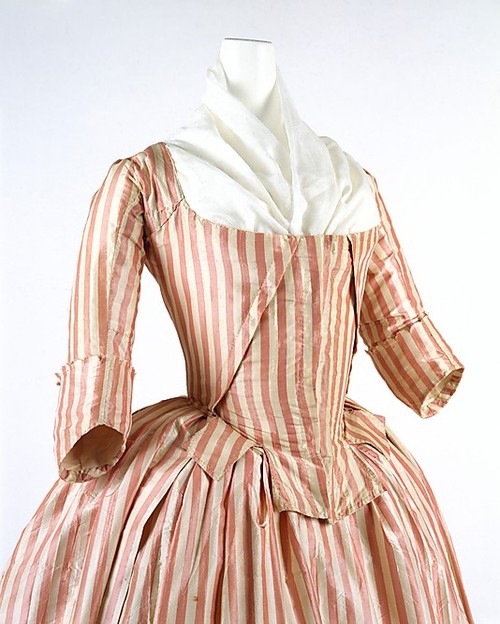
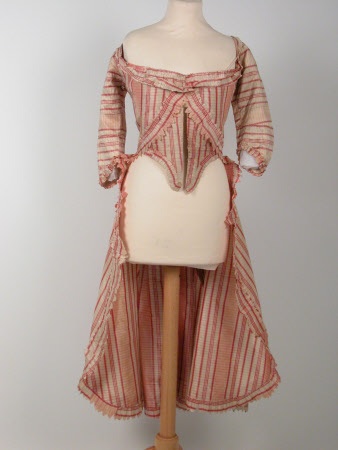
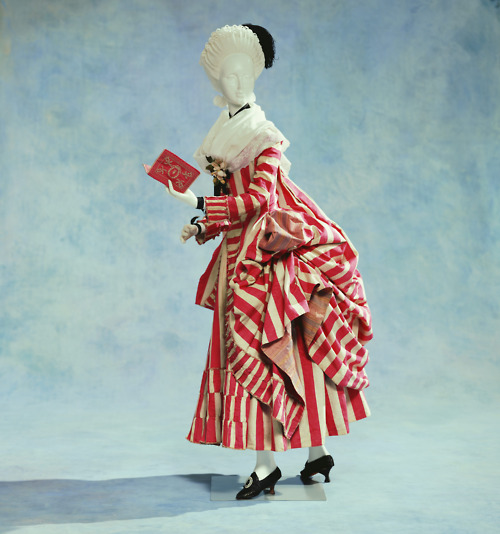
As usual I started with some inspirations pictures.

tumblr_m7dx481rUn1r7jdxuo3_500

Killerton-Kil-W-04253

Kyoto red stripe(quite a pink-orama)

As pattern for the jacket I turned to Janet Arnold, and her beautiful 1750s pet-en-l’aire (jacket).

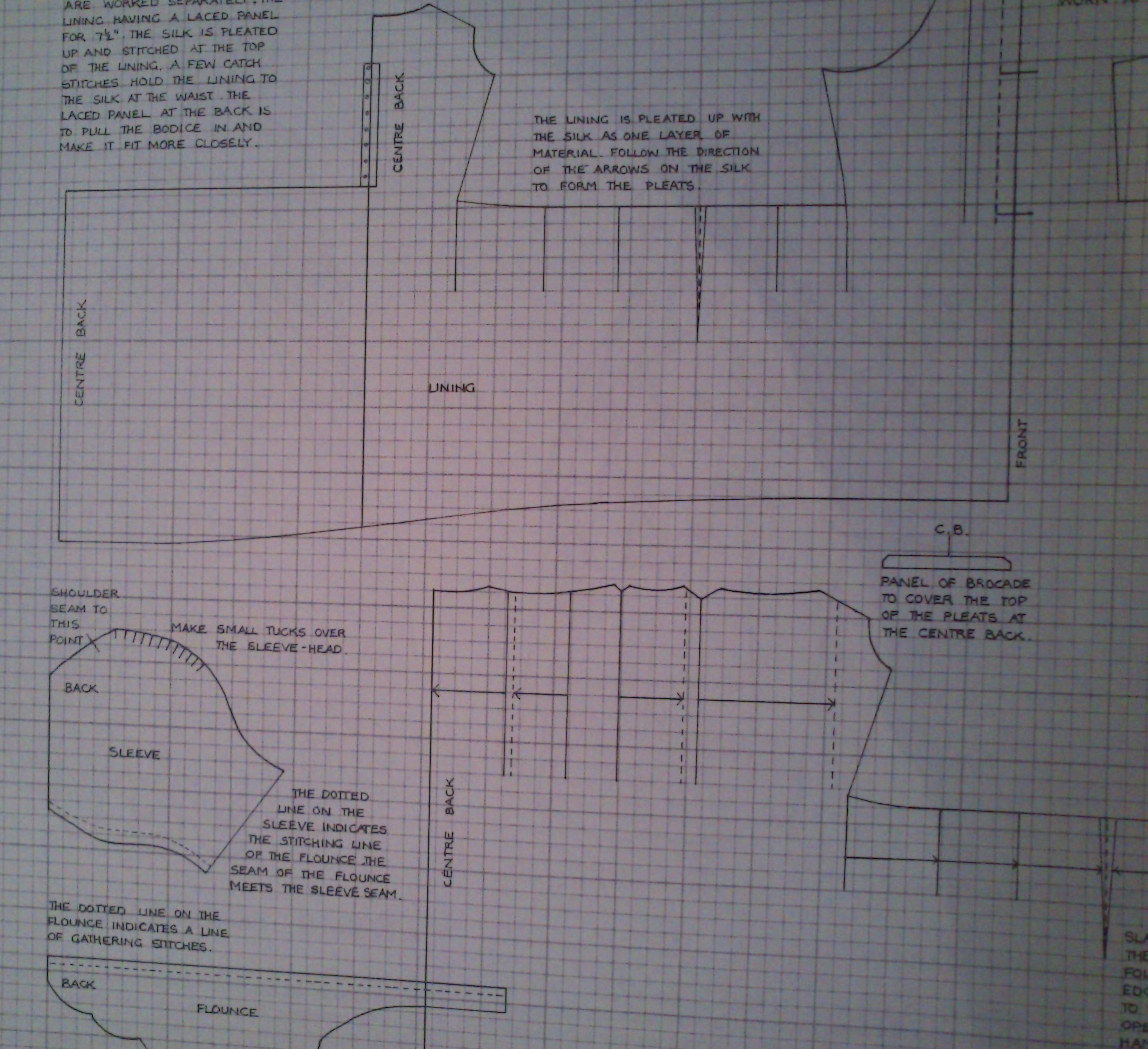
2013-09-14 16.42.23

2013-09-14 16.44.11

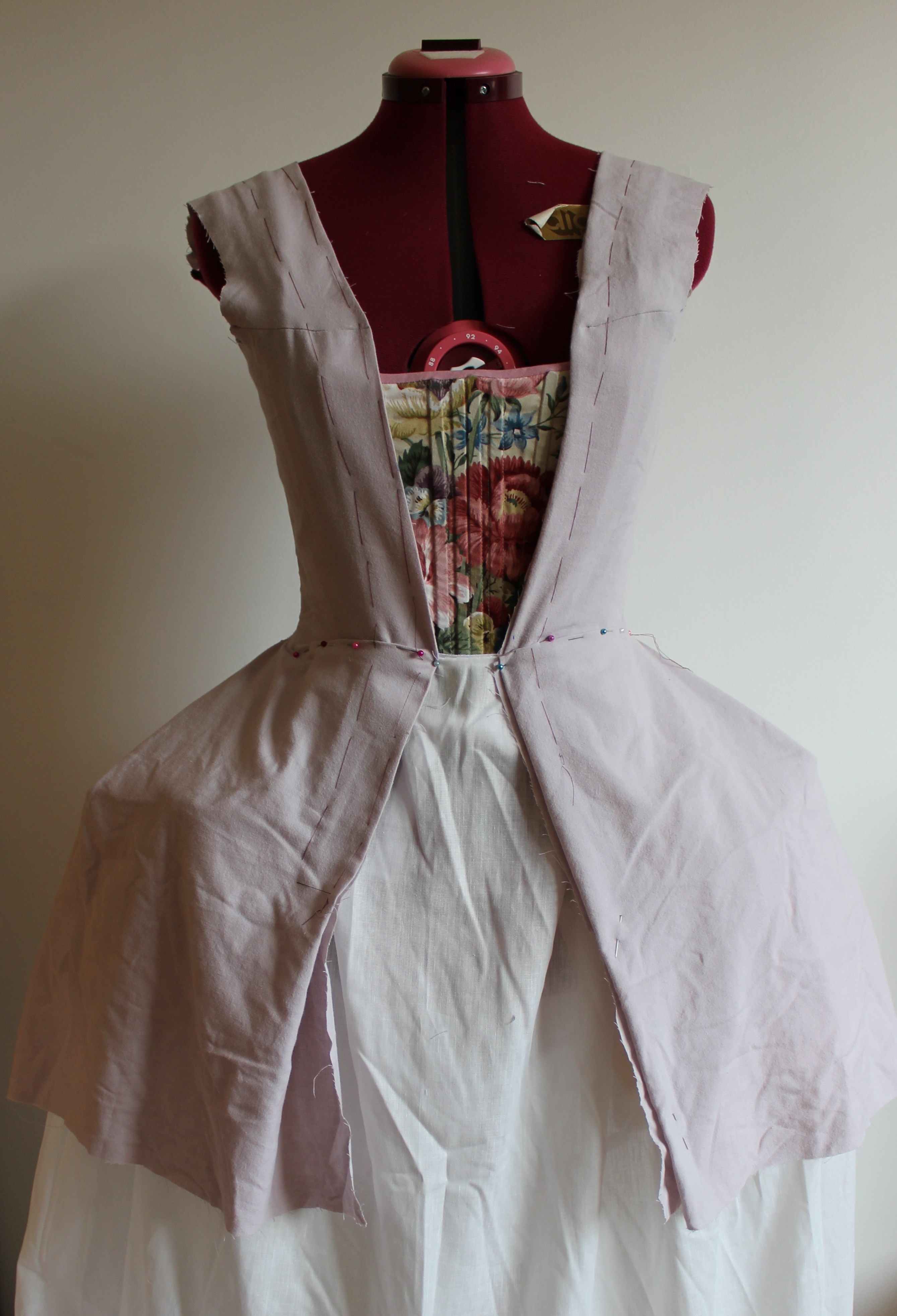
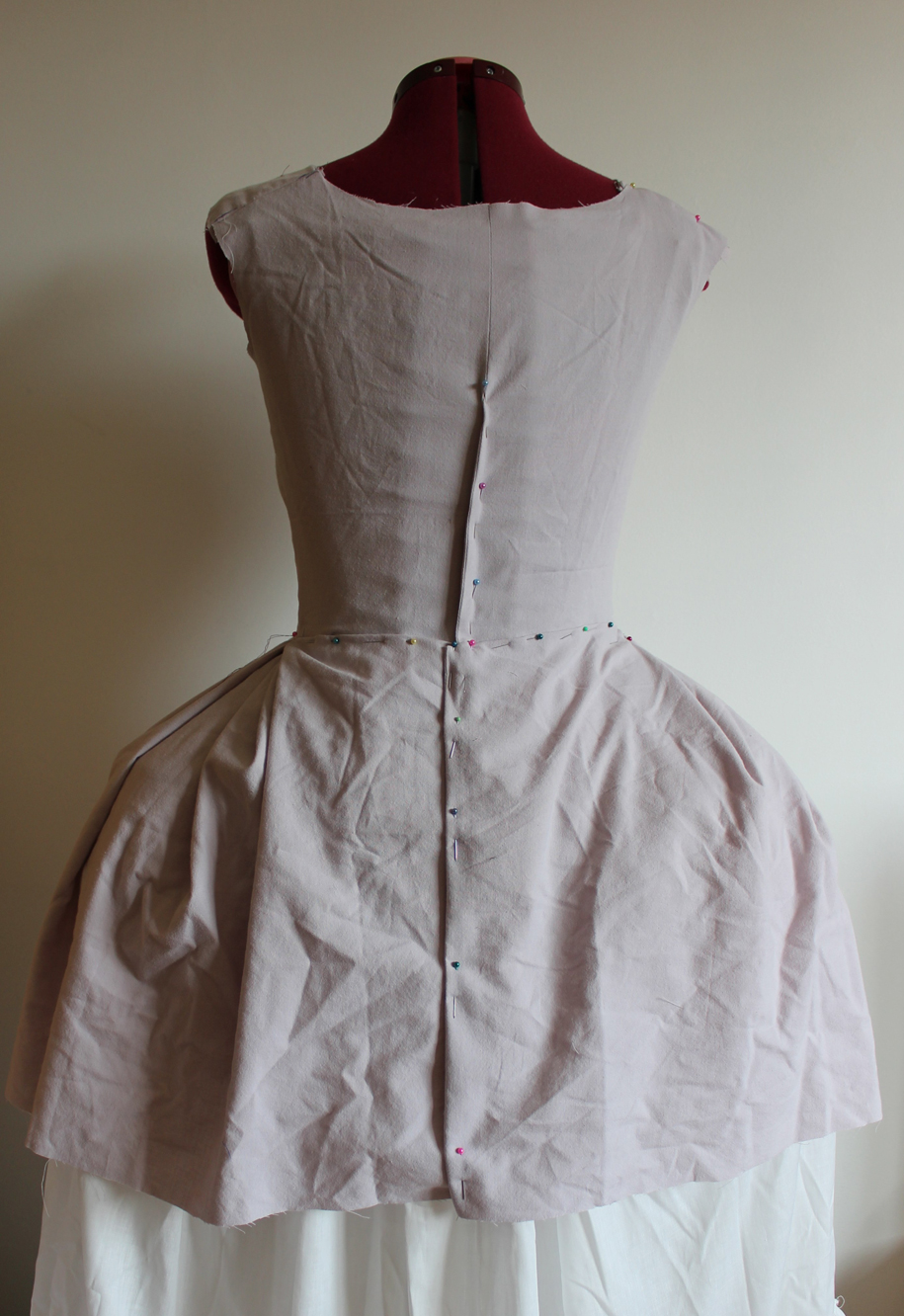
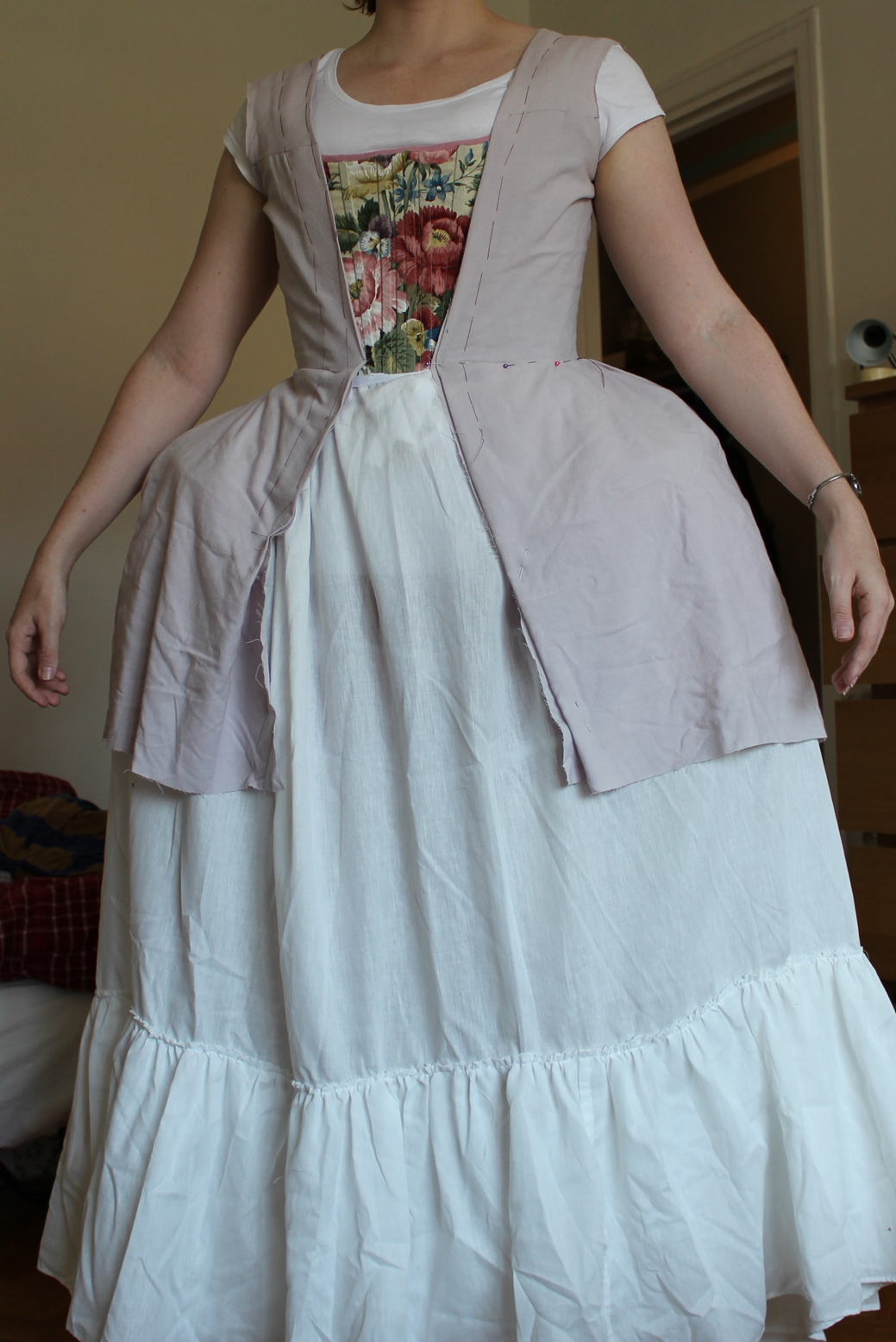
So I put the corset and pocket-hoops on my dressform and started to drape a pattern.

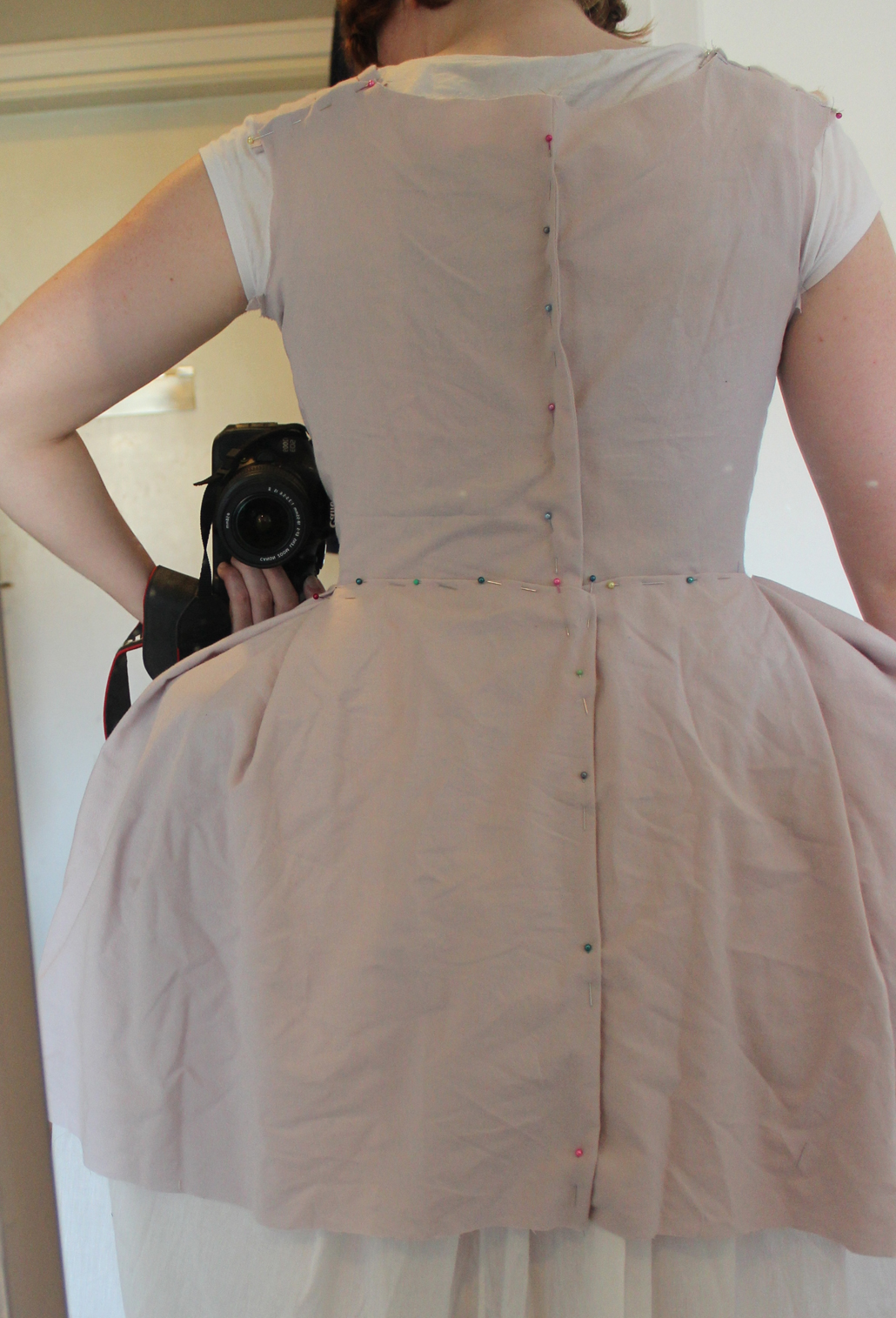
IMG_0794IMG_0793

IMG_0797

Then I removed it, sewed and tried it on as a mock-up.

IMG_0803IMG_0805

IMG_0811

After a few alterations it was time to cut the fabric.

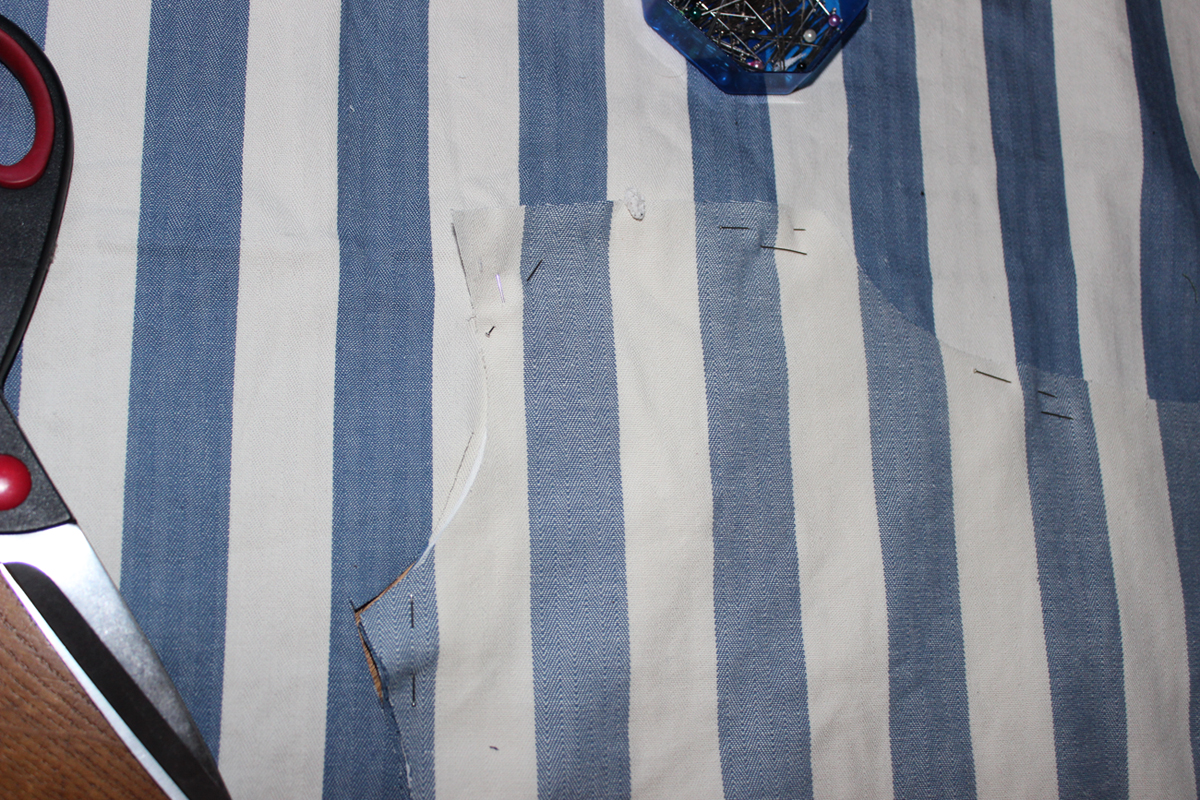
IMG_0826 left and right sides being cut separatly so to mach the stipes perfectly.

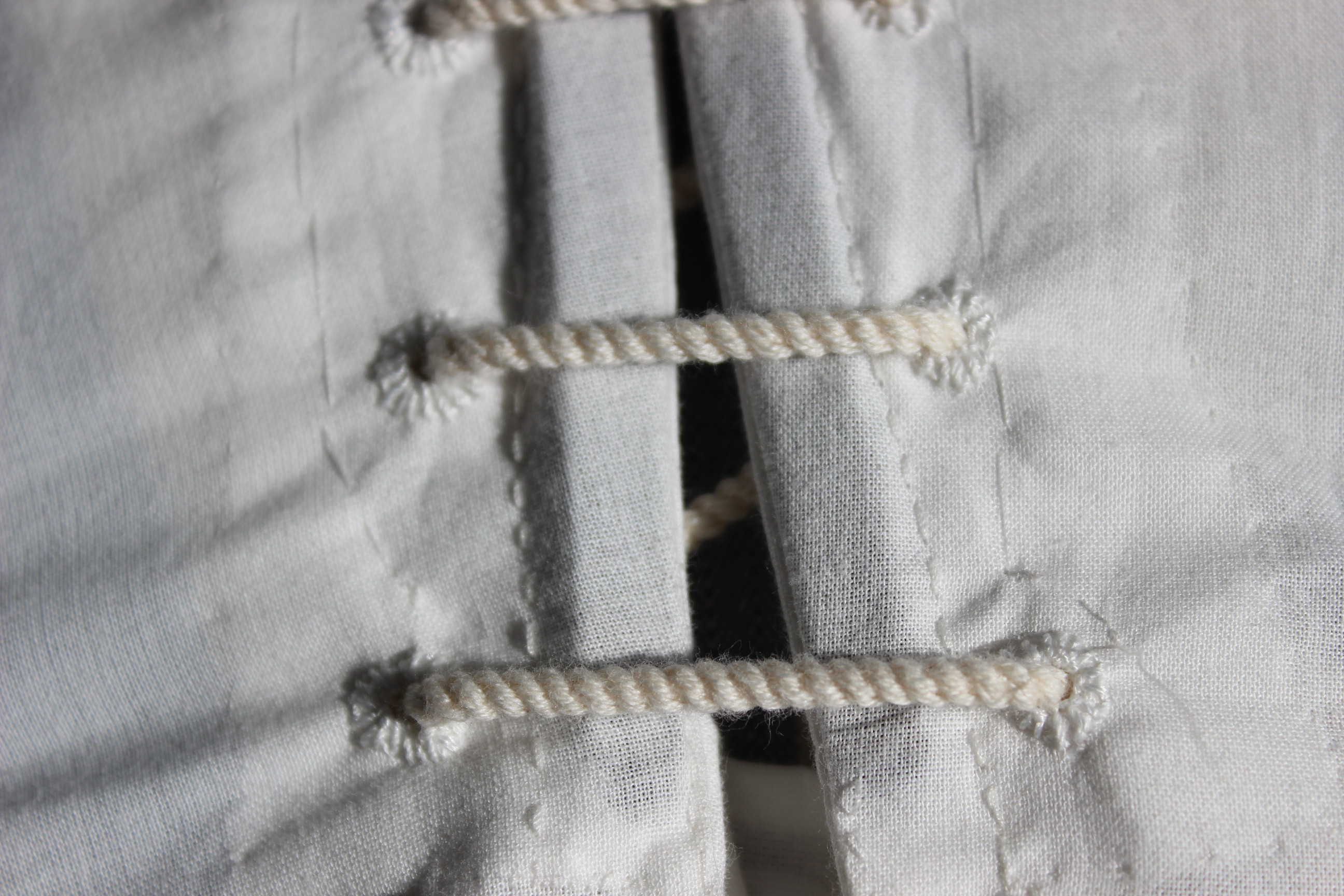
I used plain white cotton as lining, and started the handsewing by working the eyelets into the back of the linning.

IMG_1549IMG_1542

I basted the lining to the striped fabric as a interlining.

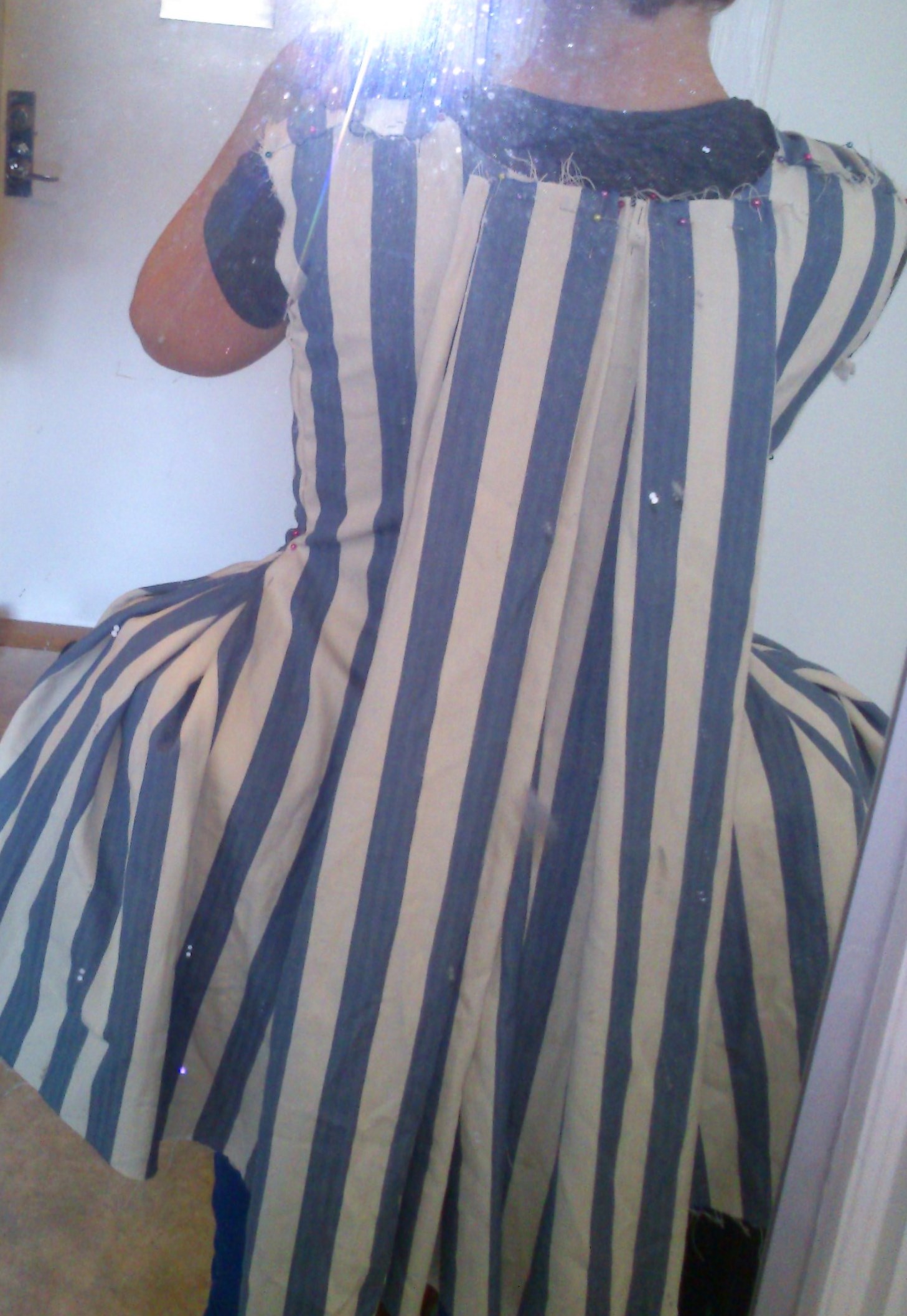
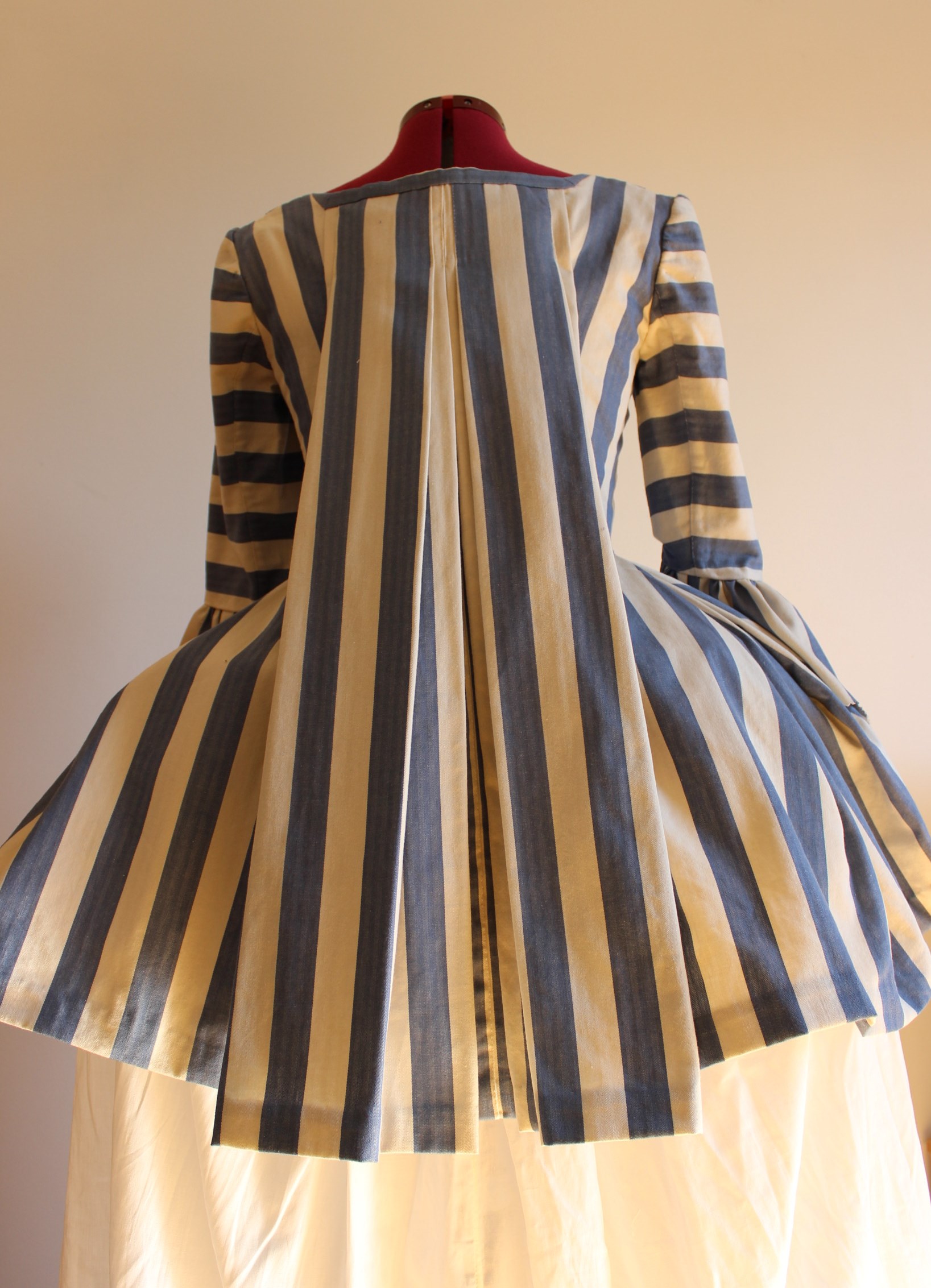
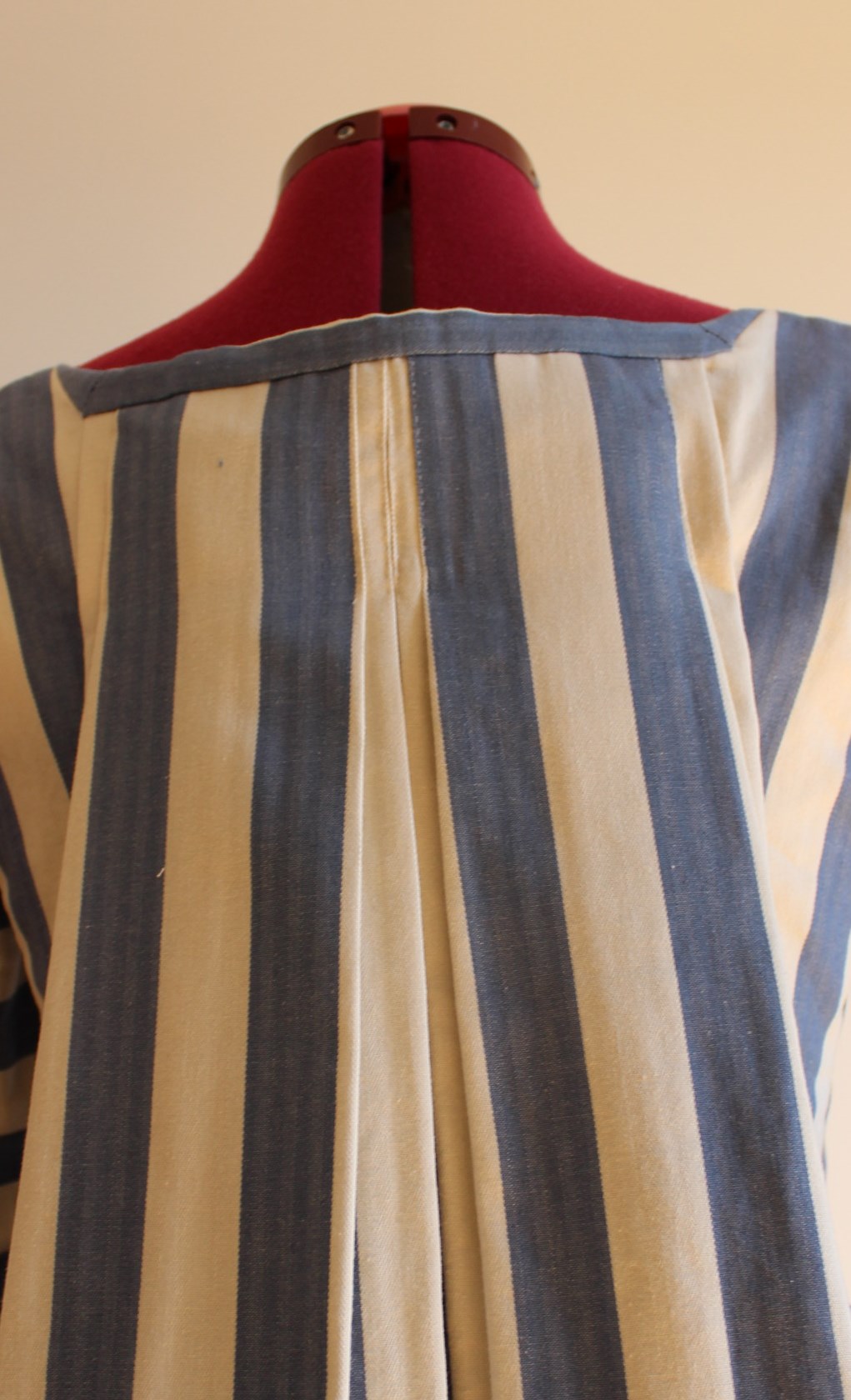
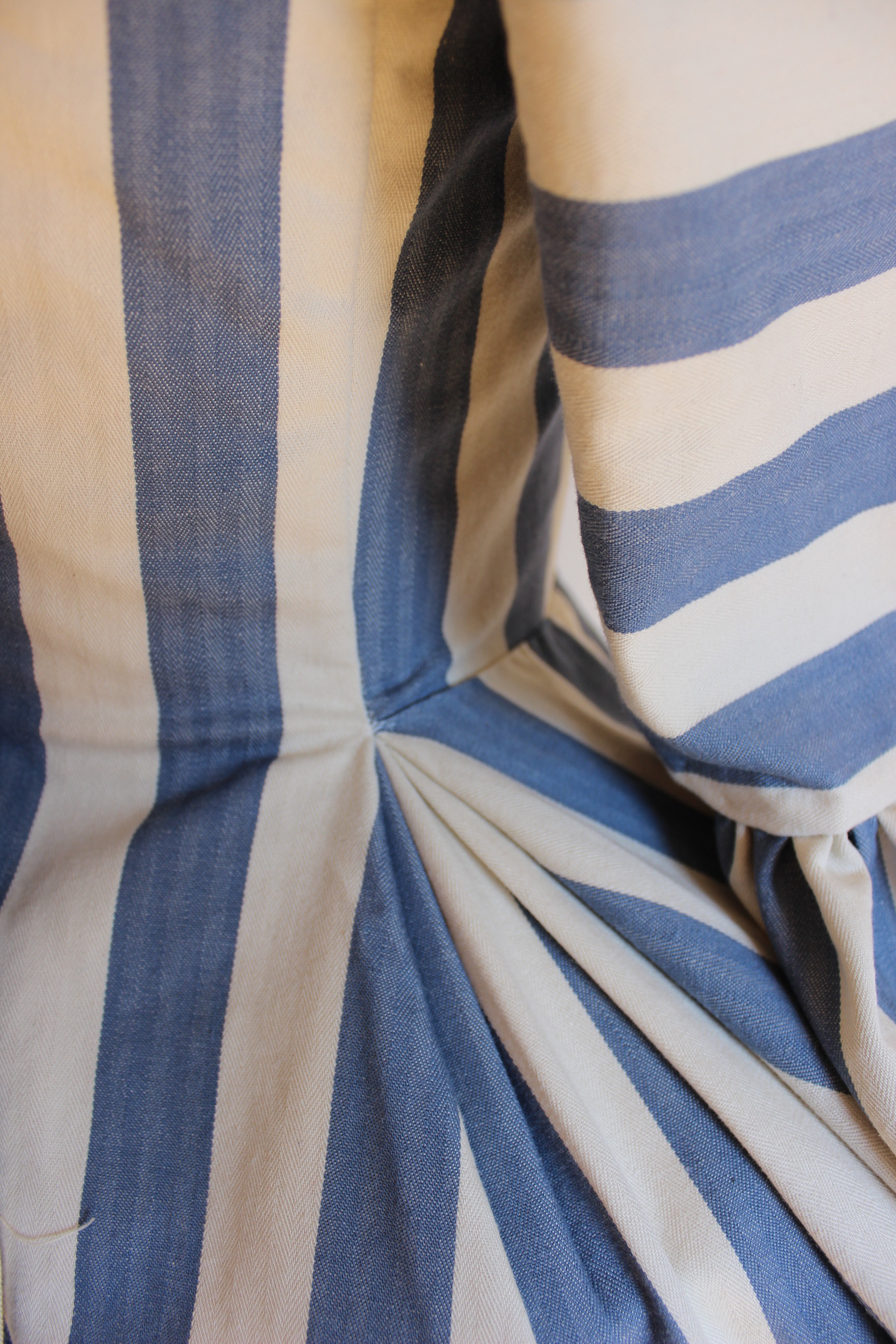
Now it was time to arrange the backpleats. Something that took a bit of time and carefull forcing of the fabric.

Then everything went pretty fast, and I sewed the shoulders, the hip-pleats and the side seams. And I tried it on for further adjustments.

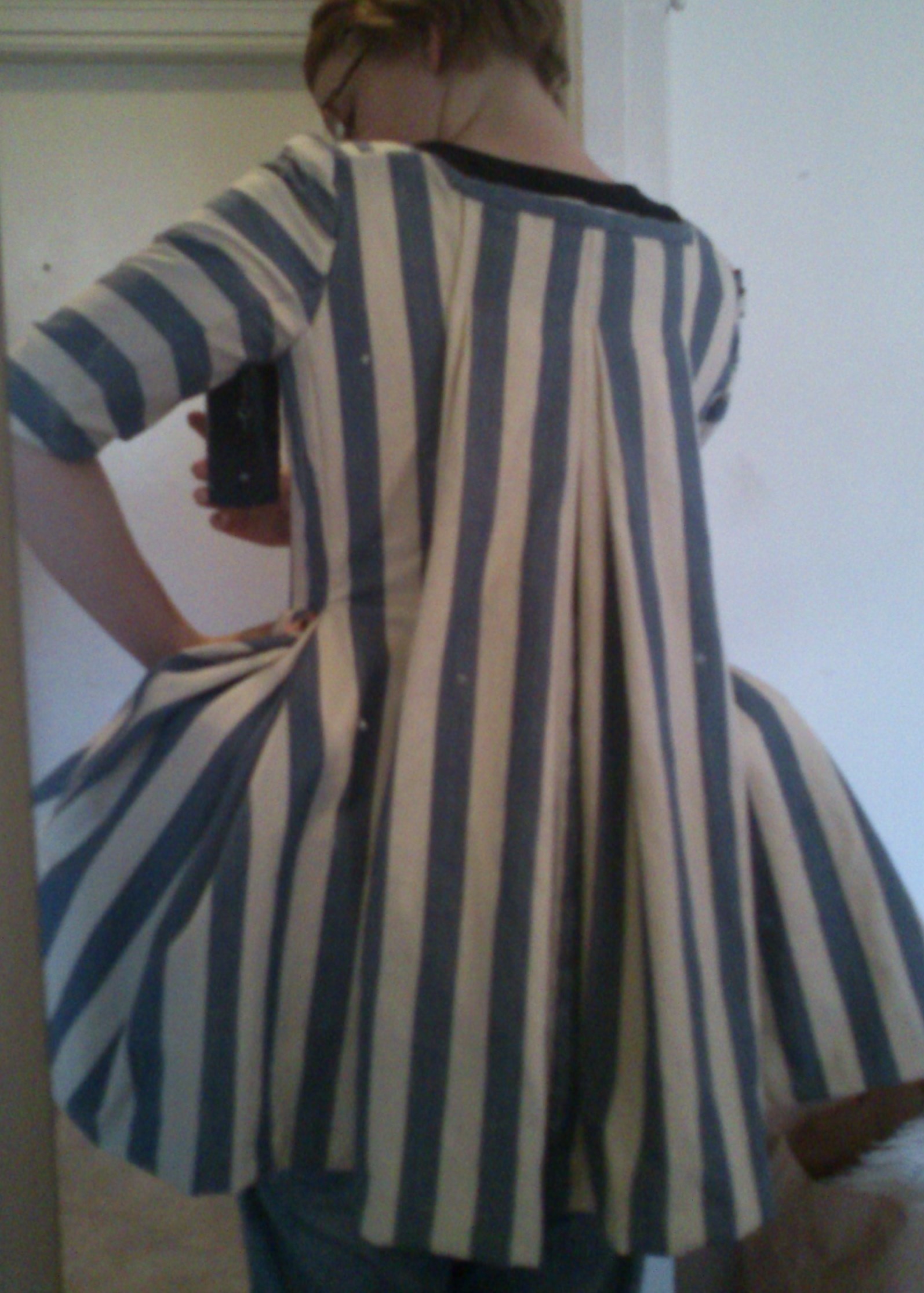
2013-08-25 16.24.522013-08-25 16.26.28

2013-08-25 16.25.35

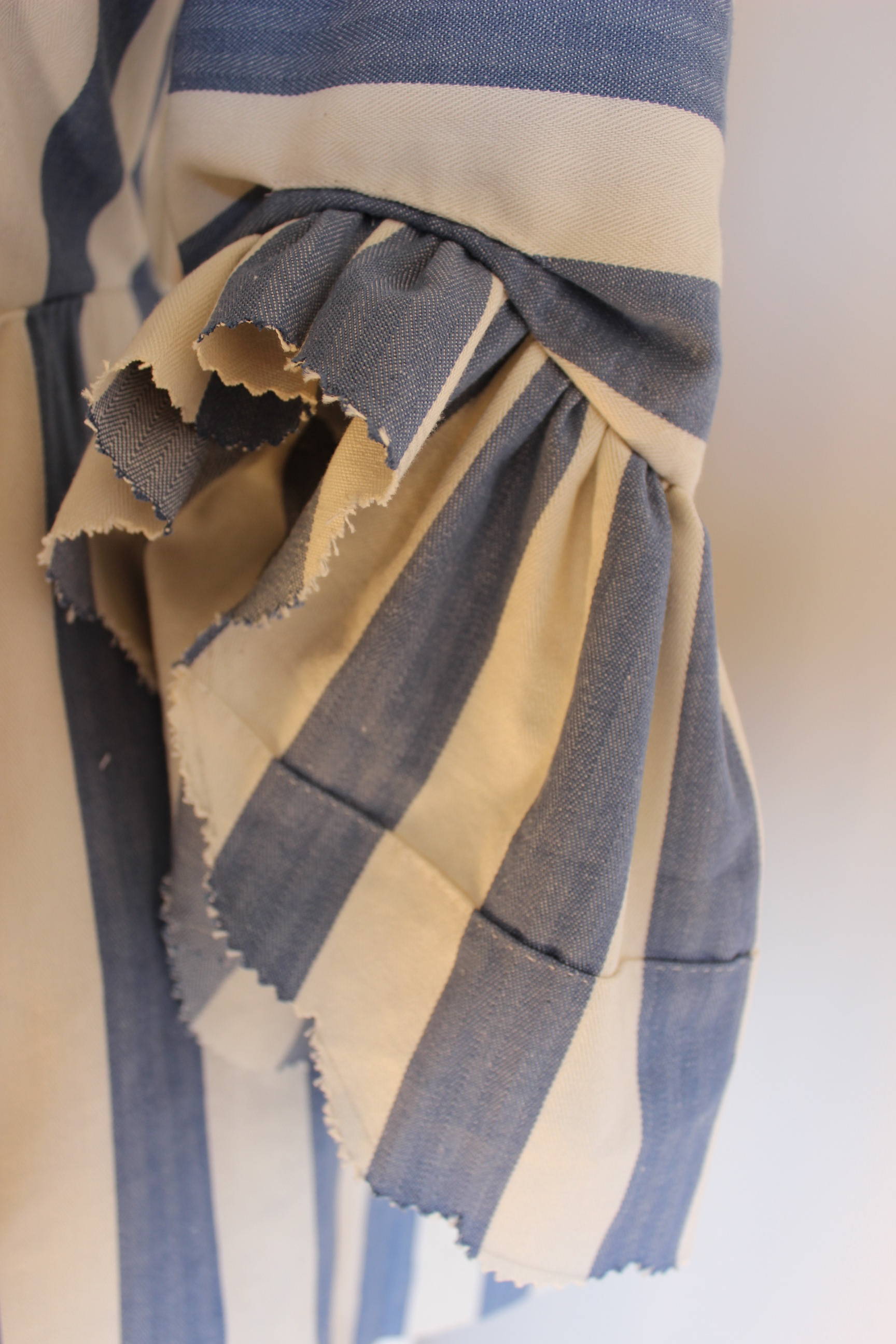
I needed to make a few alterations and then I continued by folding and hemming the layers seperatly, and cut and turned under all the seam-allowences. I attached the sleeves and made the elbow flounce.

2013-09-02 18.31.262013-09-02 18.32.08

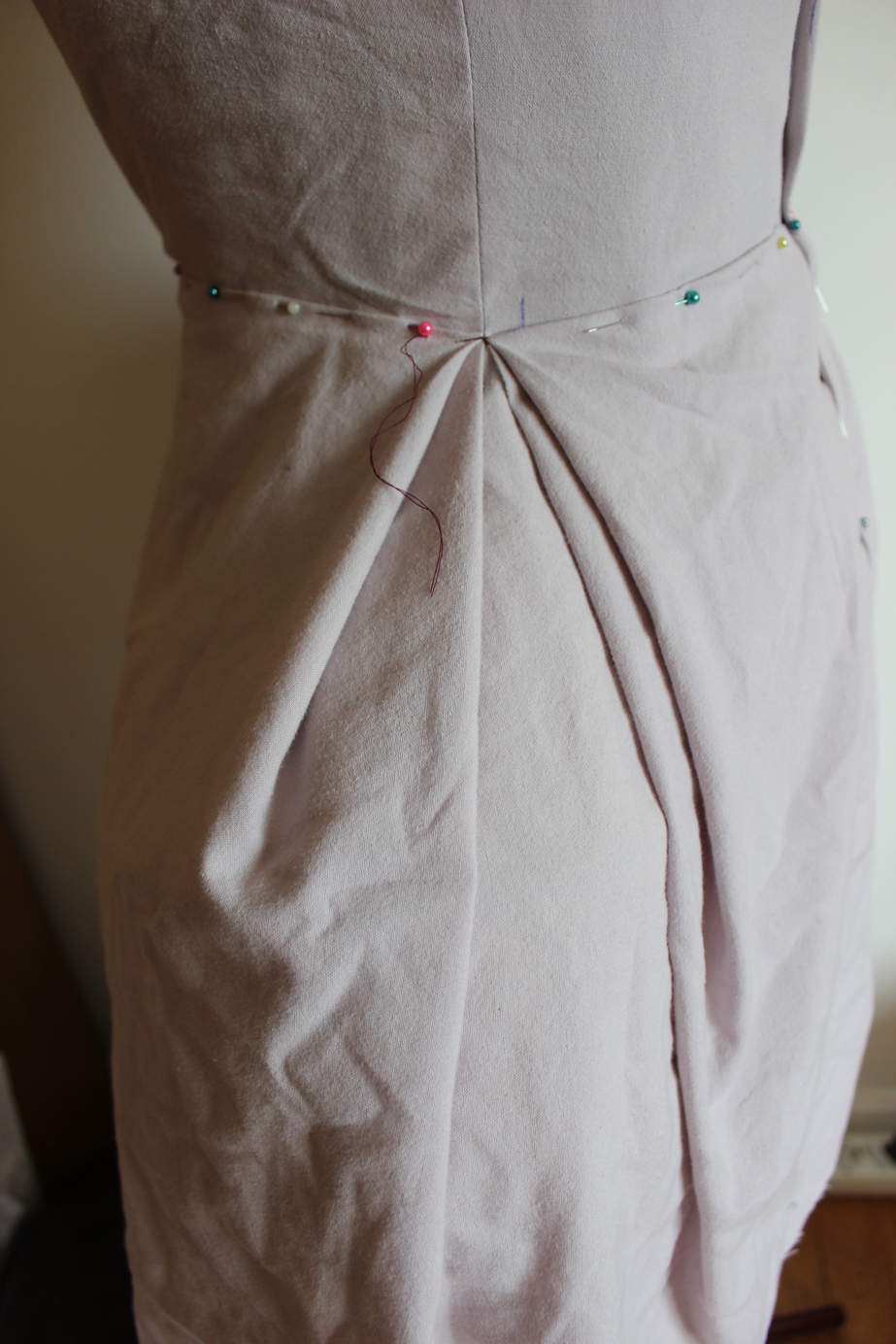
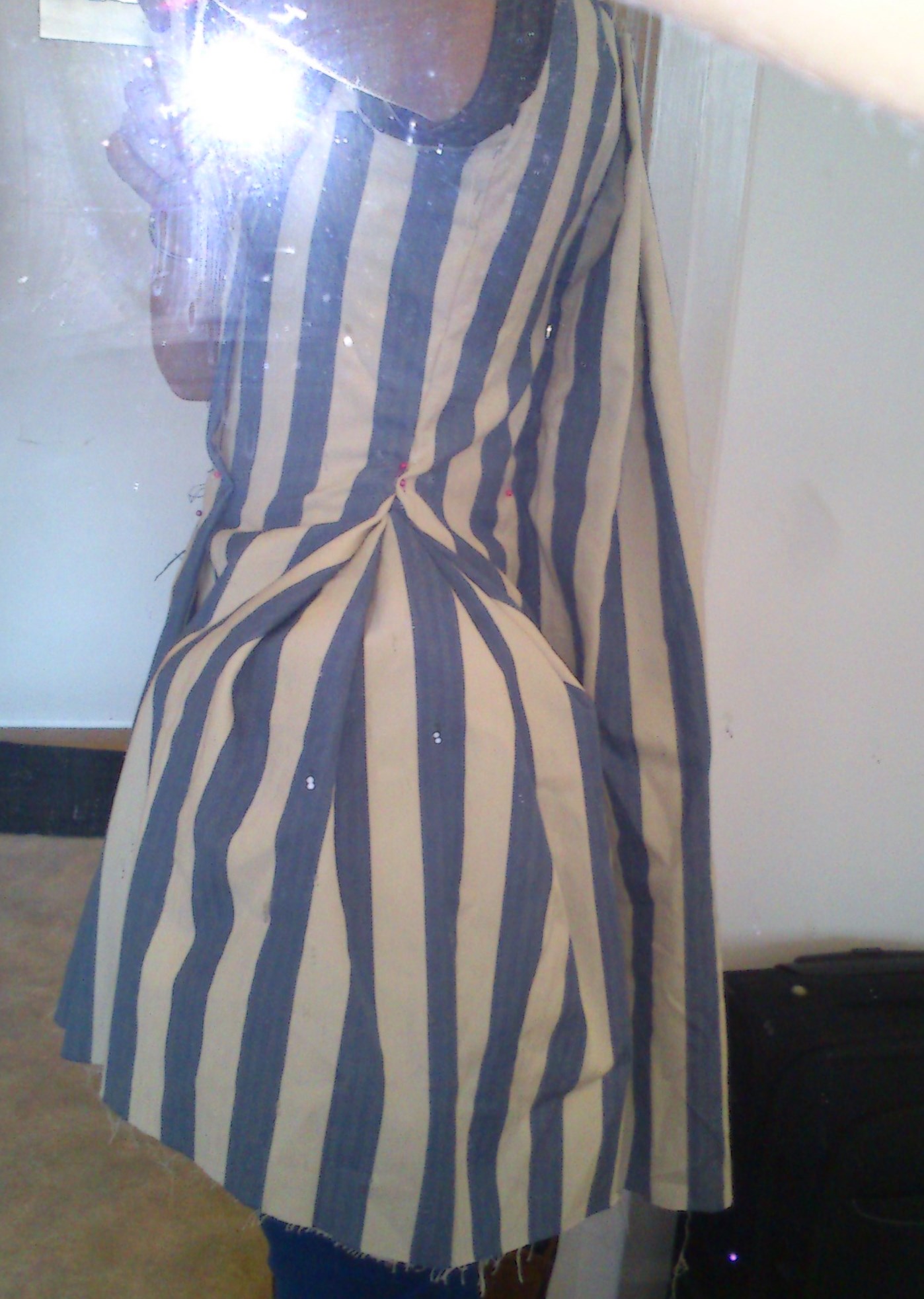
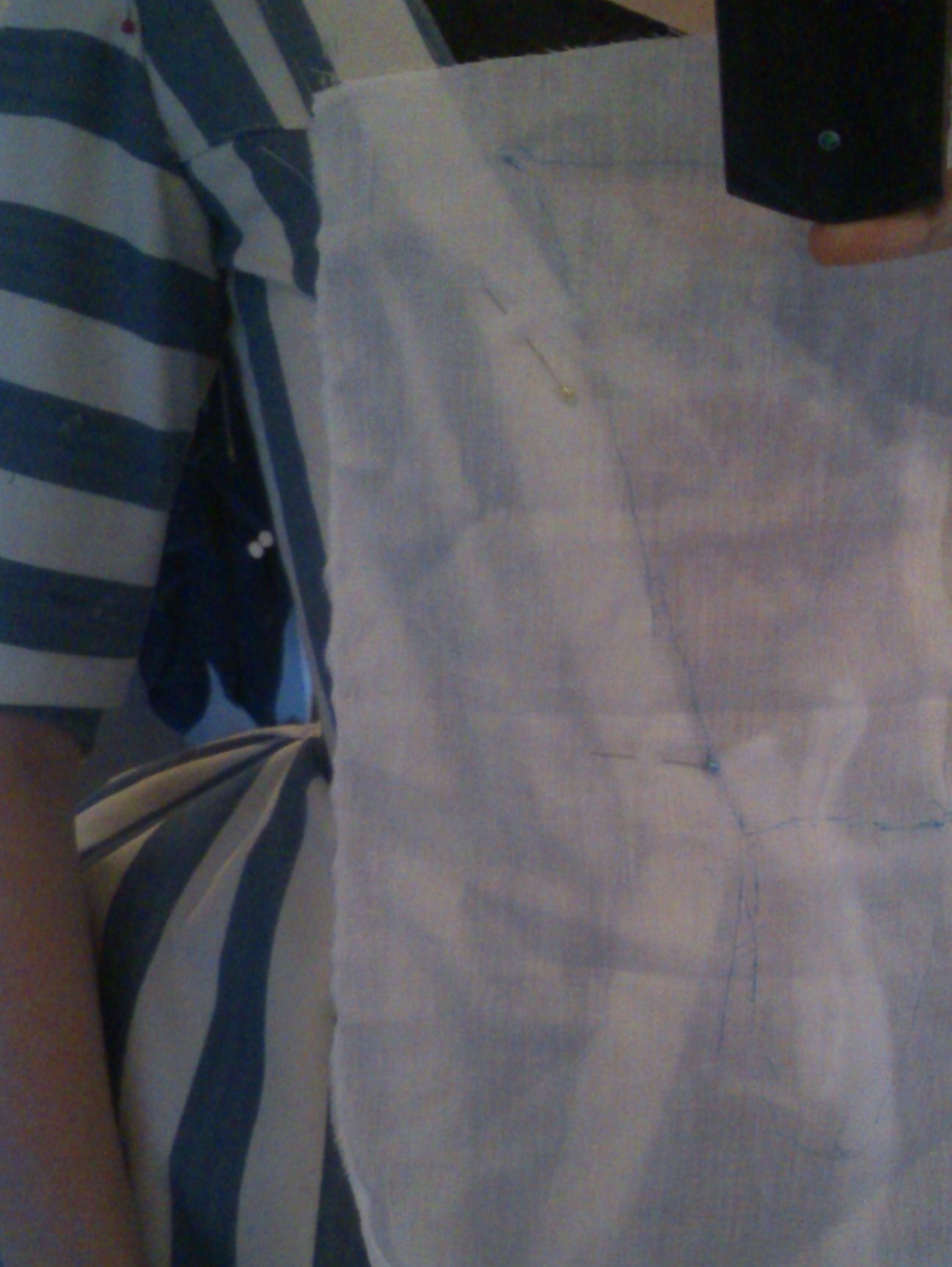
I’m a bit worried by the wrinkles in the waist. I had hoped to be able to make the jacket without a waist seam. But I had to give in to the wrinkles and decided to sew them down as they lay, creating a false seam.

2013-09-02 18.30.53

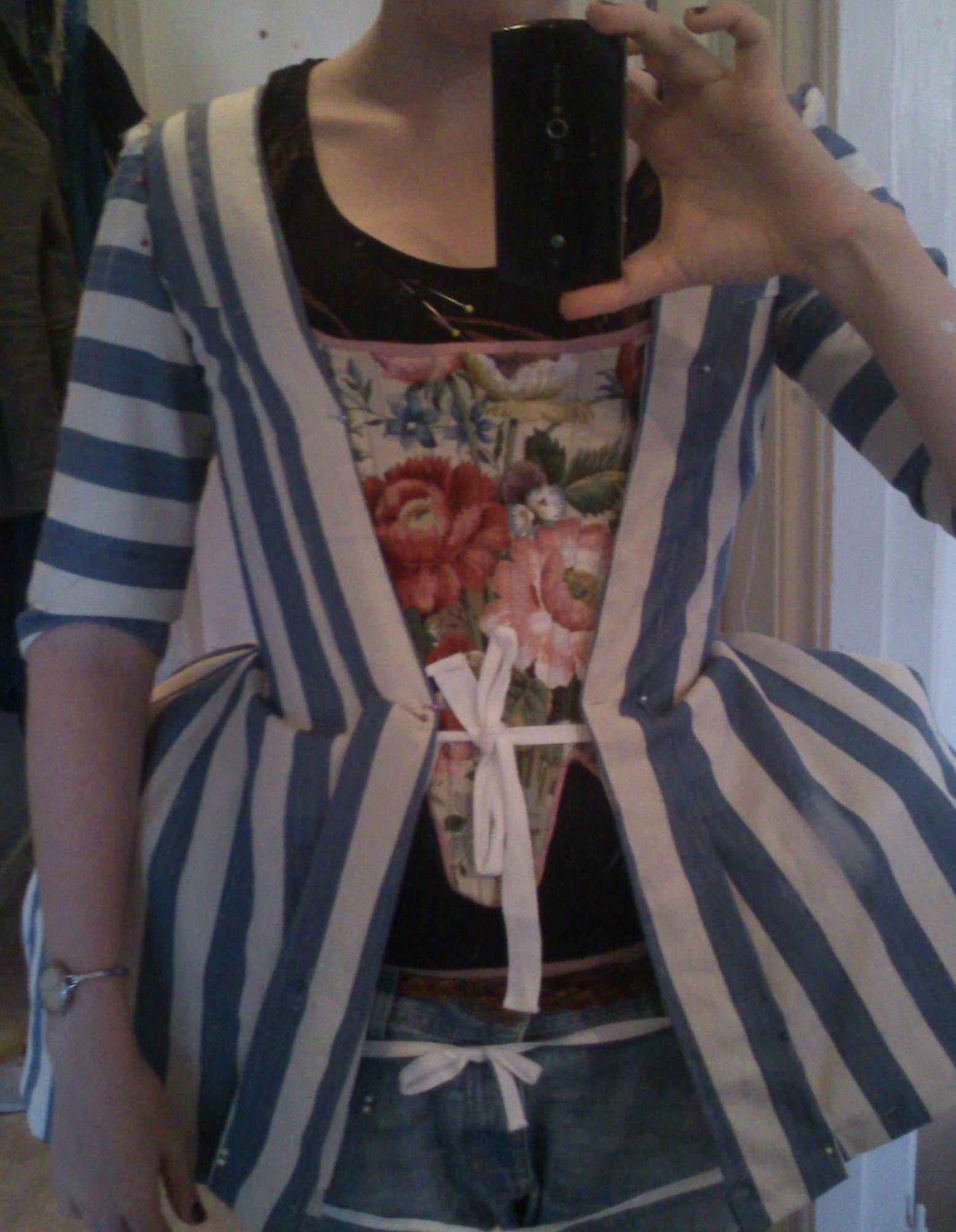
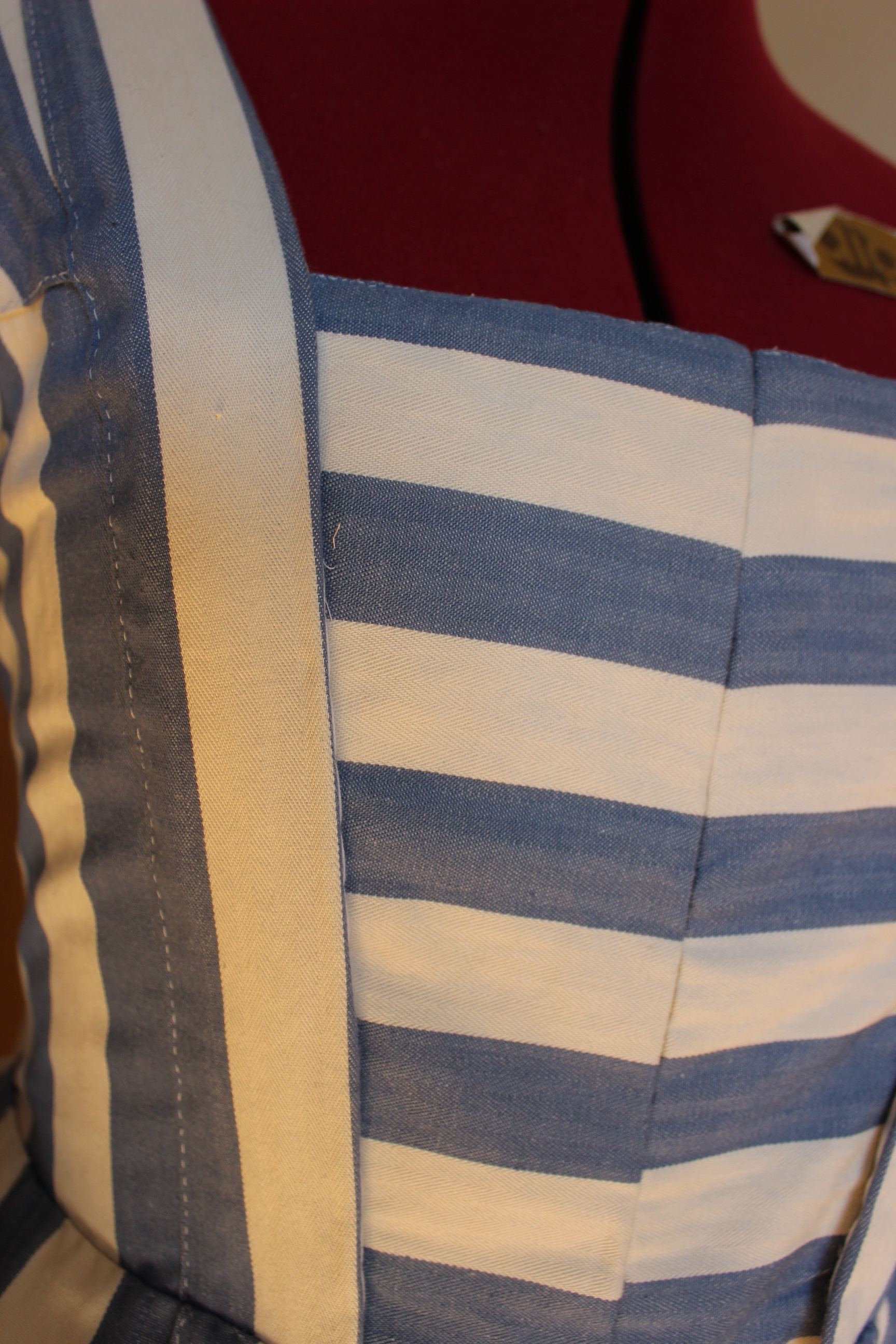
I draped the stomacher straight to the body when wearing the jacket, to get the opening and sizing right. I cut the stomacher in two parts, who closes at center front by hooks and eyes.

The hole jacket are compleatly handsewn and I’m very proud of it. I used up every single piece of the fabric and manadge to only piece it in one place – the left sleeve flounce.

And thisweekend me and my sister had a photoshoot of the jacket paired with the separate skirt, that I will show you pictures of in my next post.

Some finished pictures on the dressform.

IMG_1561

IMG_1565

IMG_1564

IMG_1575

IMG_1567

IMG_1573

IMG_1578

IMG_1570

Just the facts:

Challenge 17. Robe and Robbings

What: A pet-en-l’air (Jacket)

Year: 1745-1755.

Pattern: Janet Arnolds “Pattern of Fahsion 1” A pet-en-l’air

Fabric: 2,5 m of striped cotton, and 2,5 m white cotton-sheet for lining.

Notions: Thread, hooks and eyes, lacing cord, plastic boning for the stomacher and lacing.

How historical accurate: My closest yet. Compleatly handsewn with period stiching, pattern and cutting methods. I’d say about 90%.

Time: 25 hours

Cost: 100 Sek (11USD)

First worn: On the photoshoot mid sep.