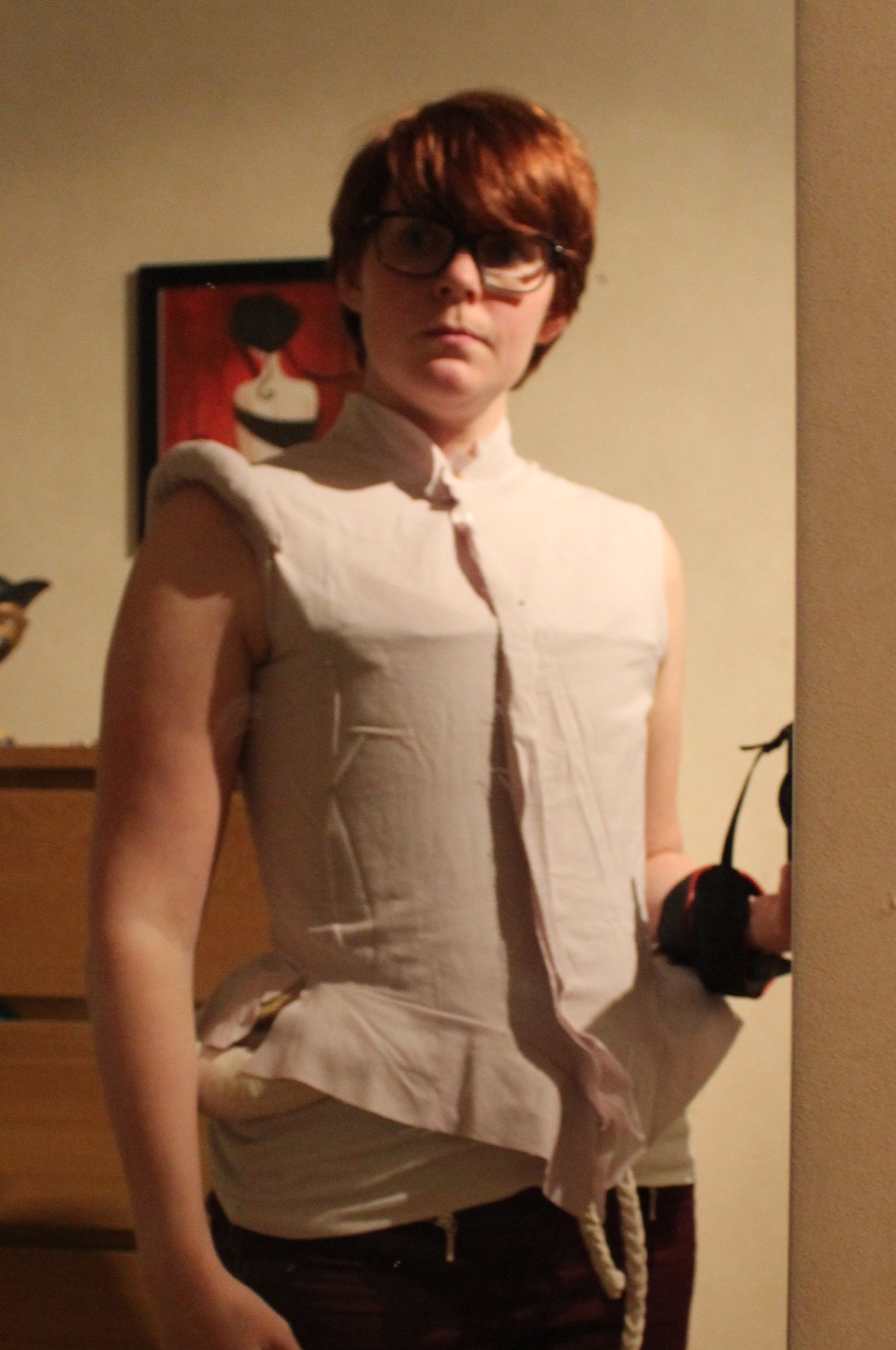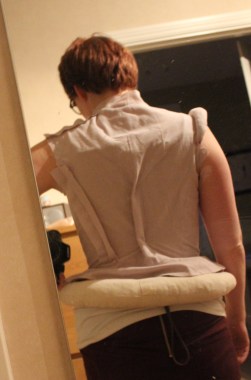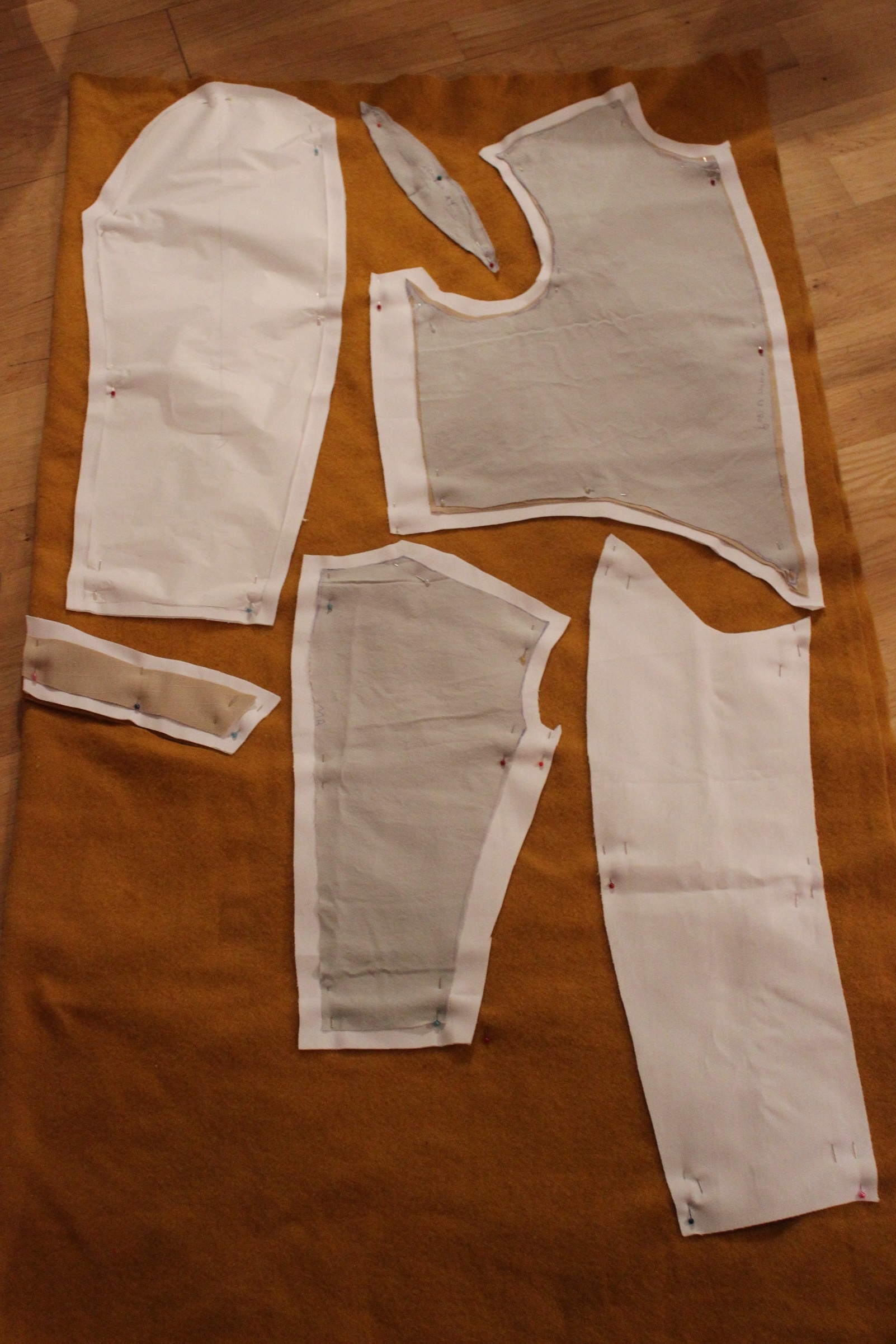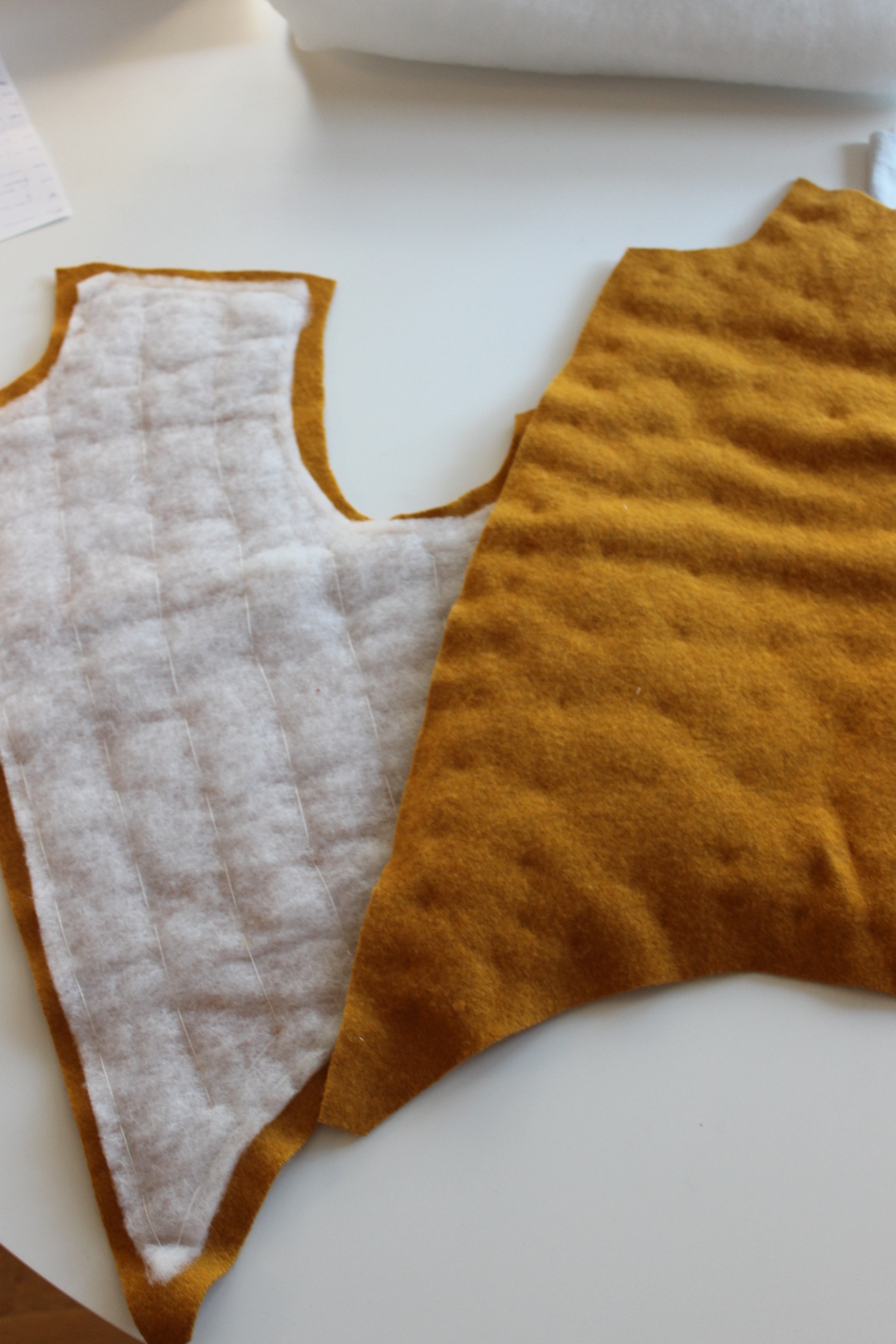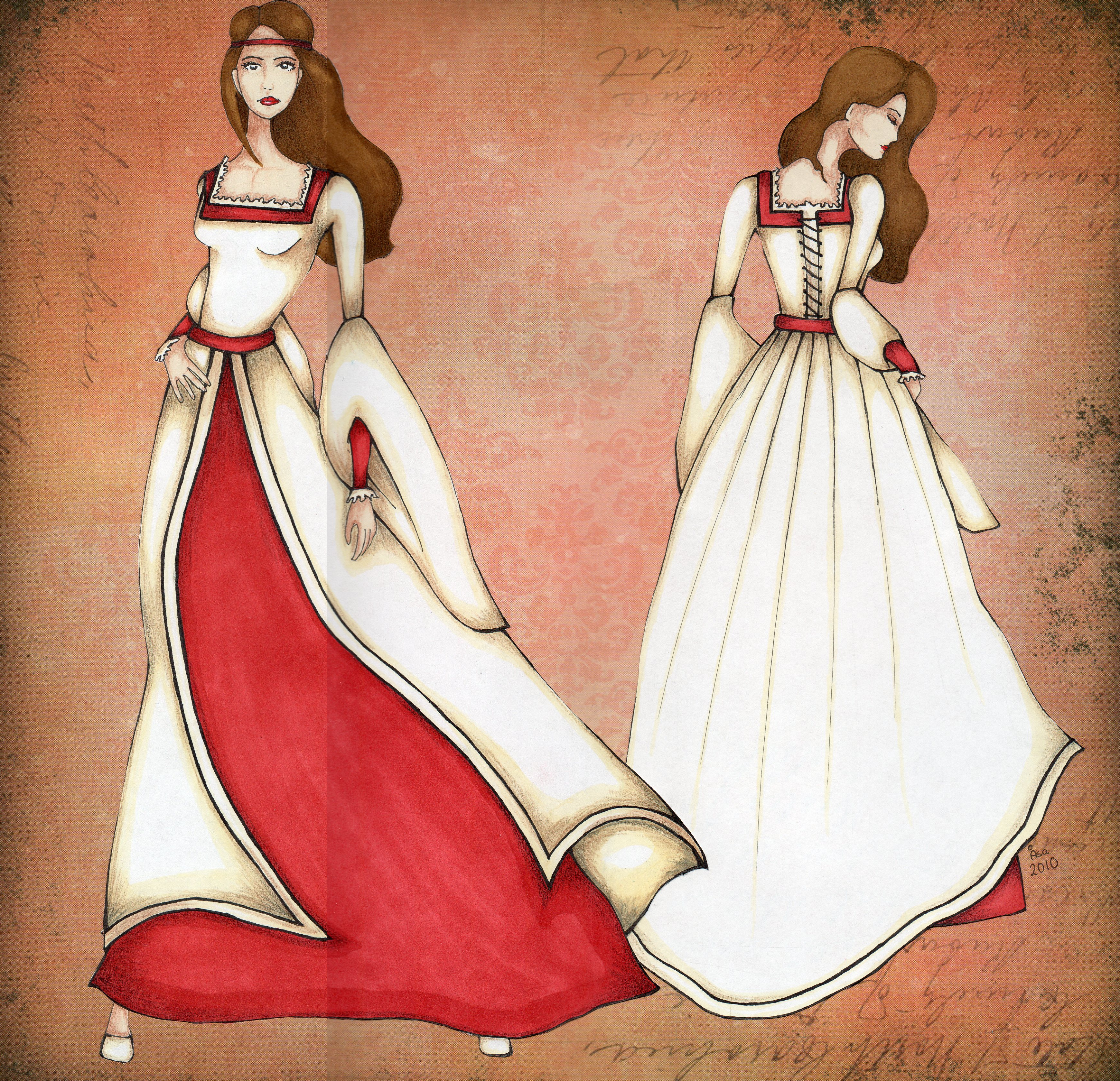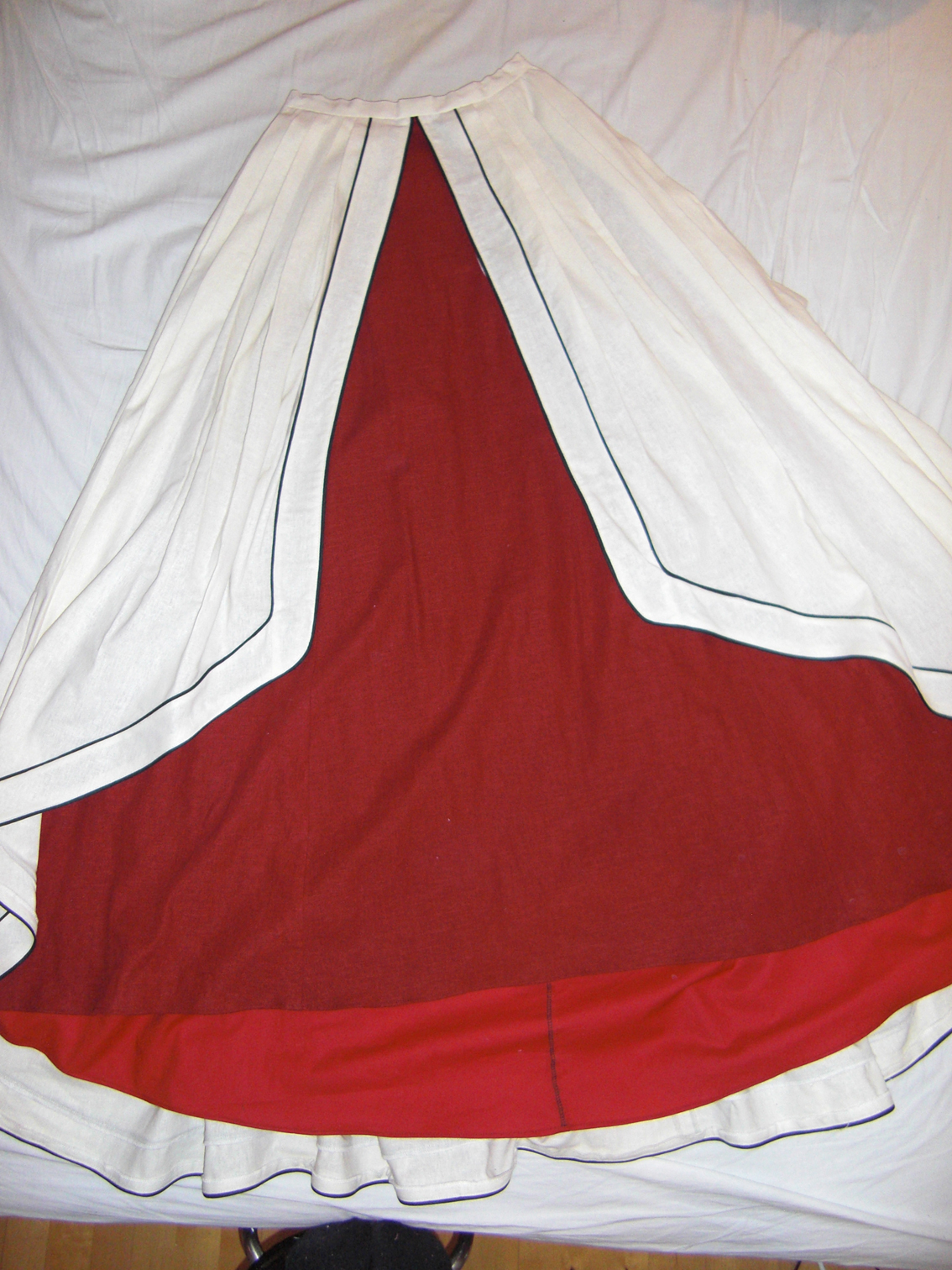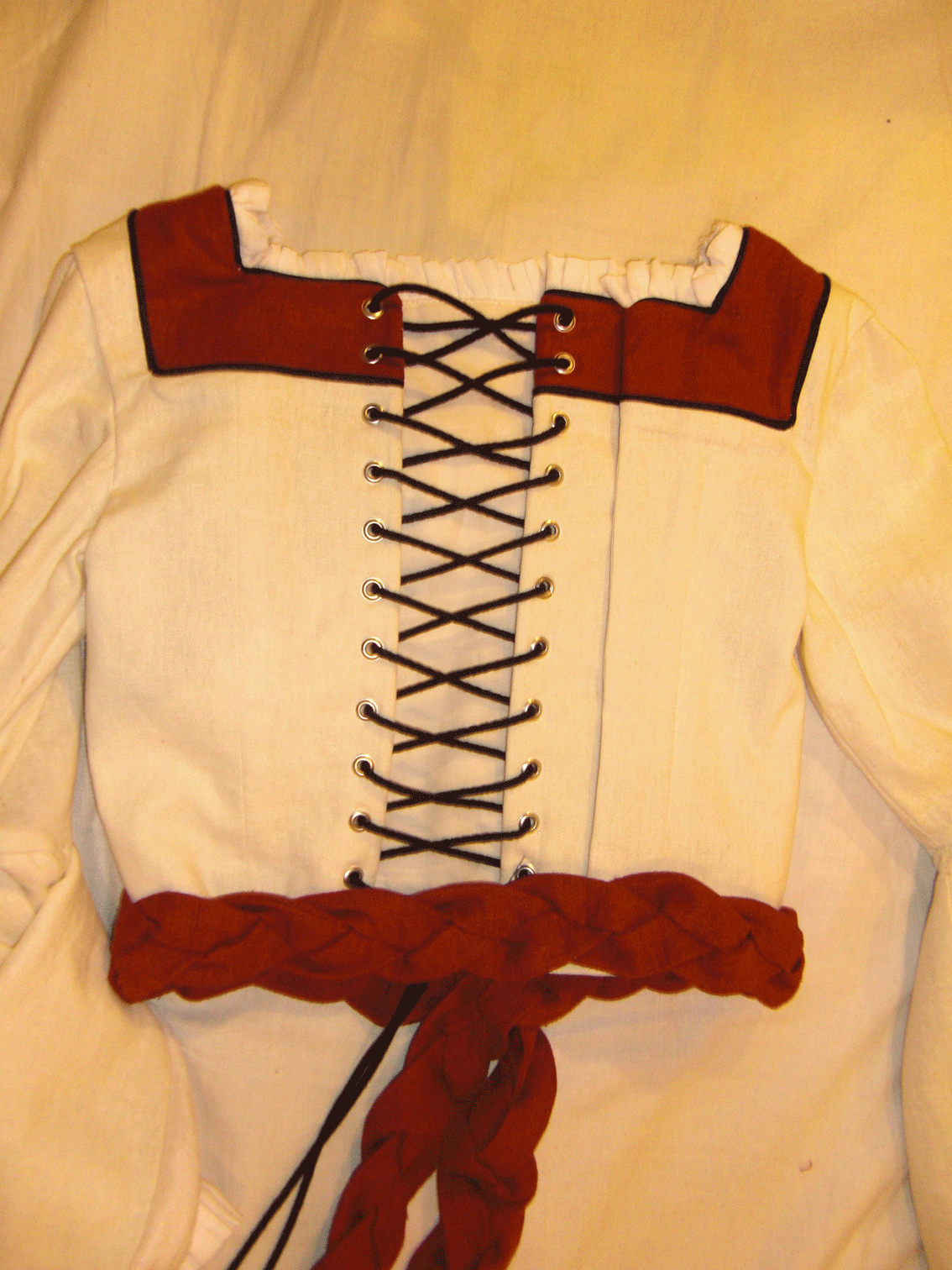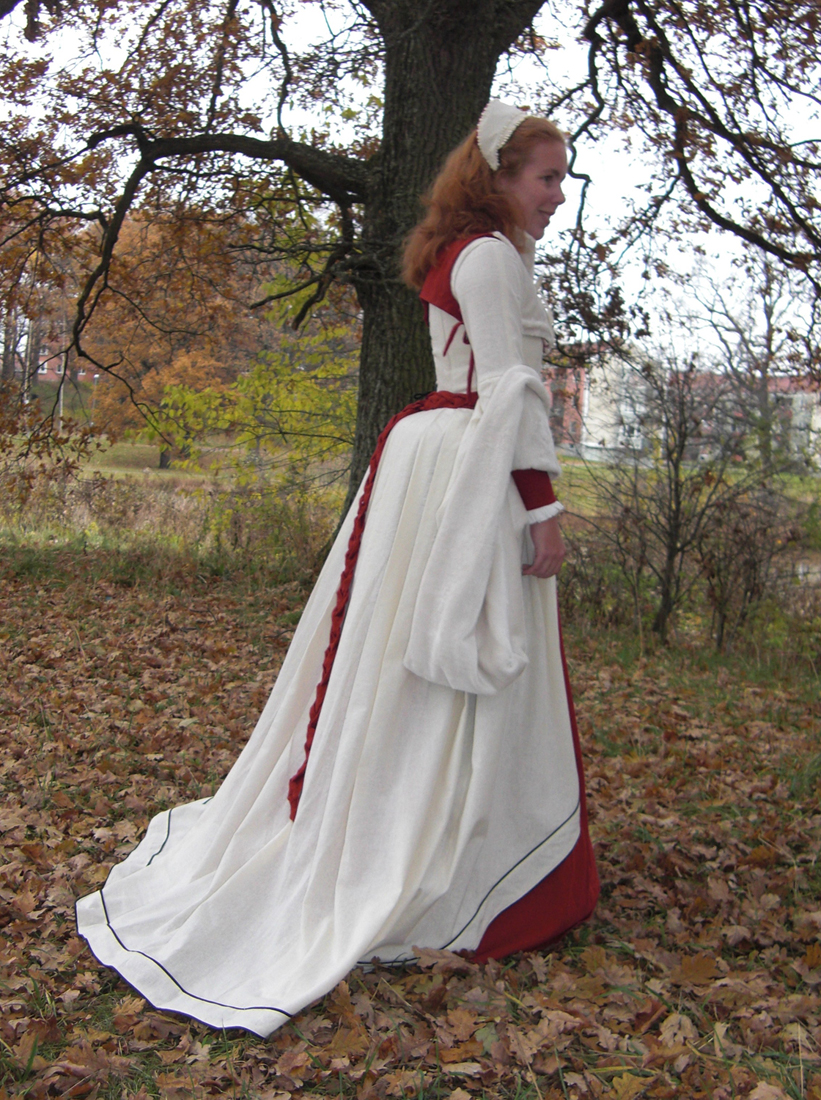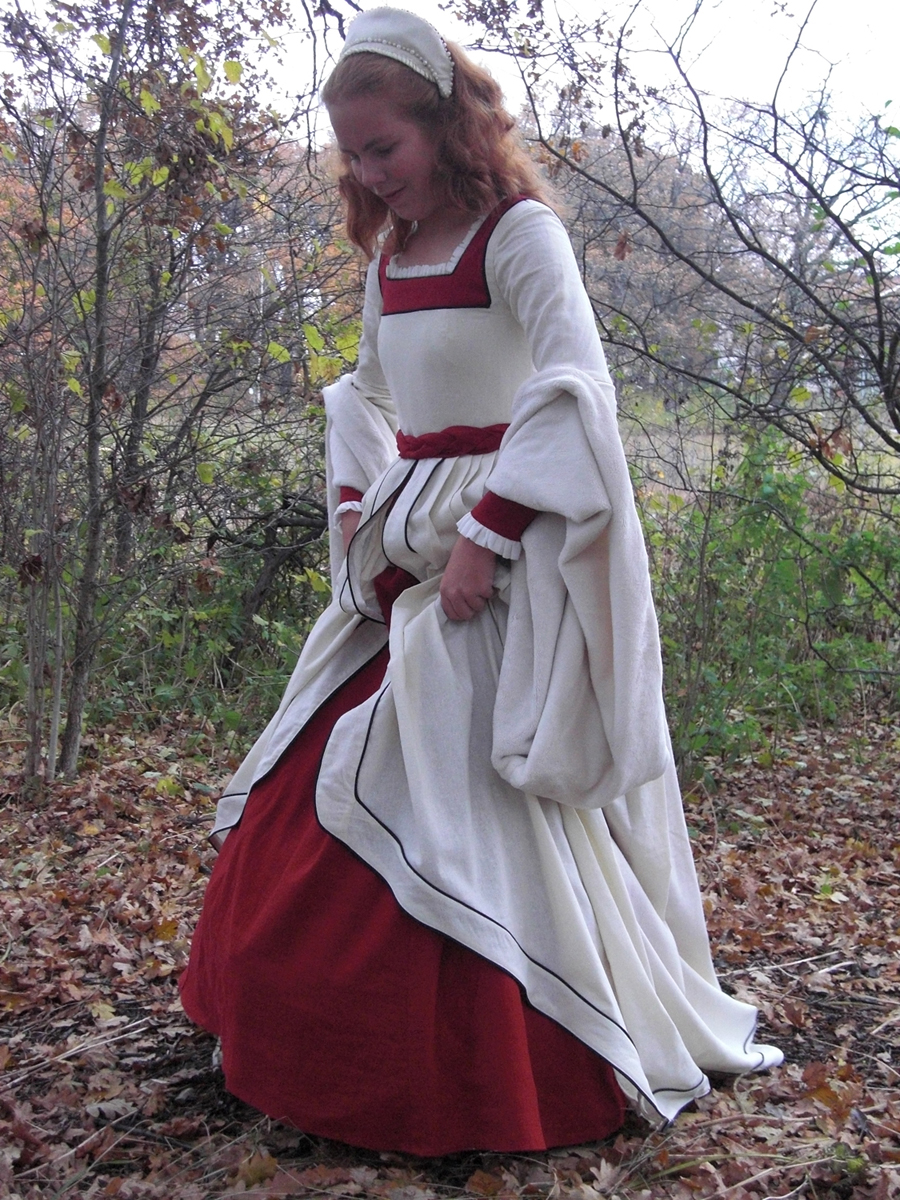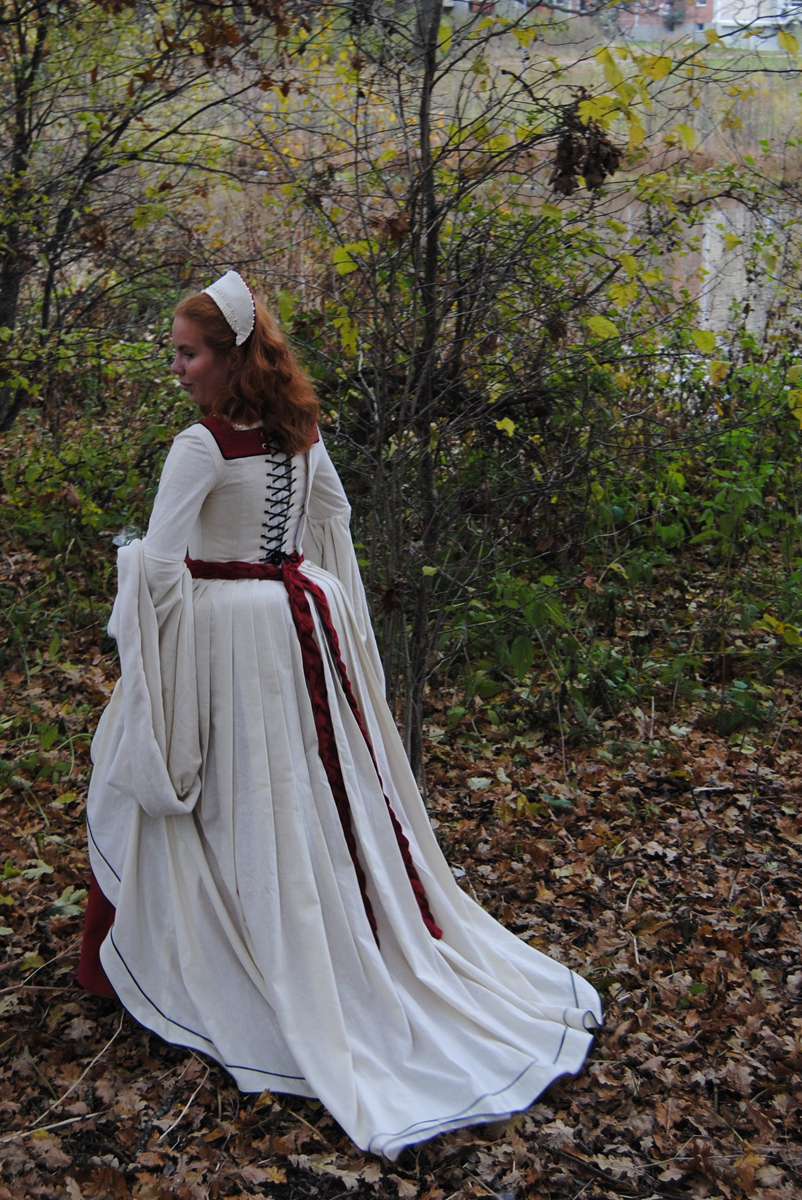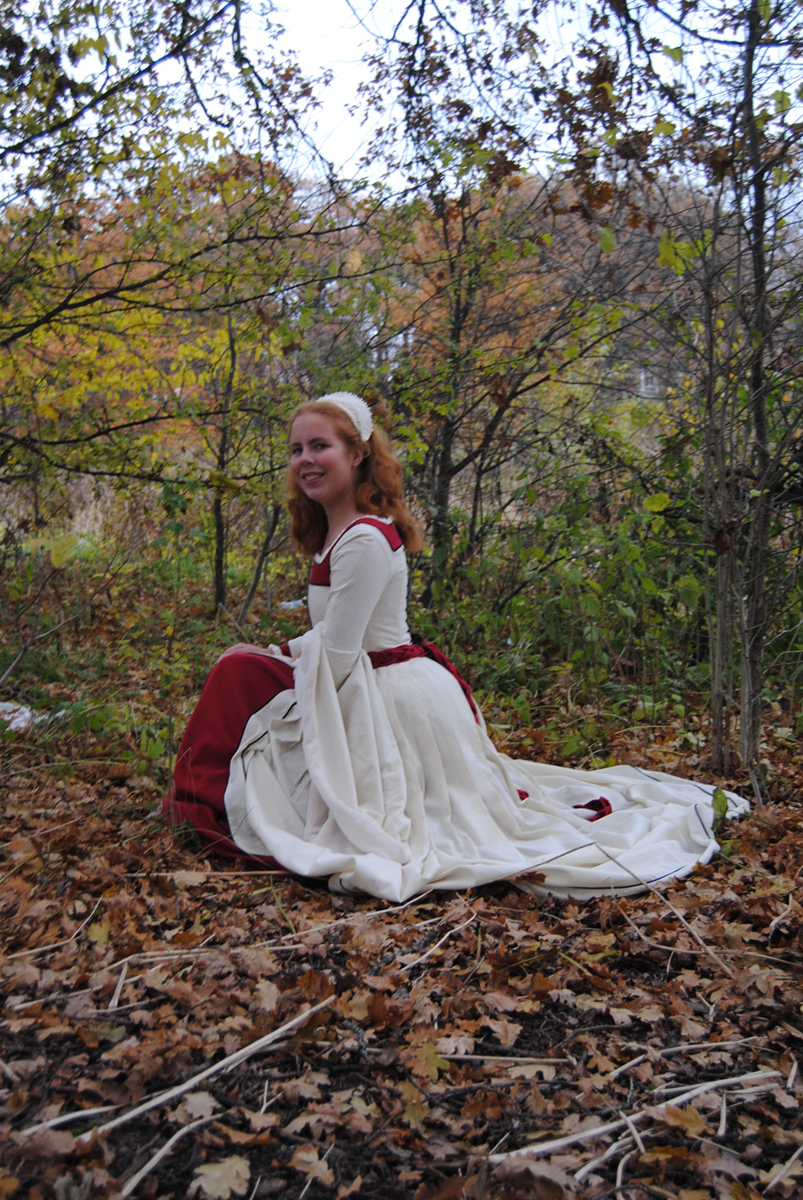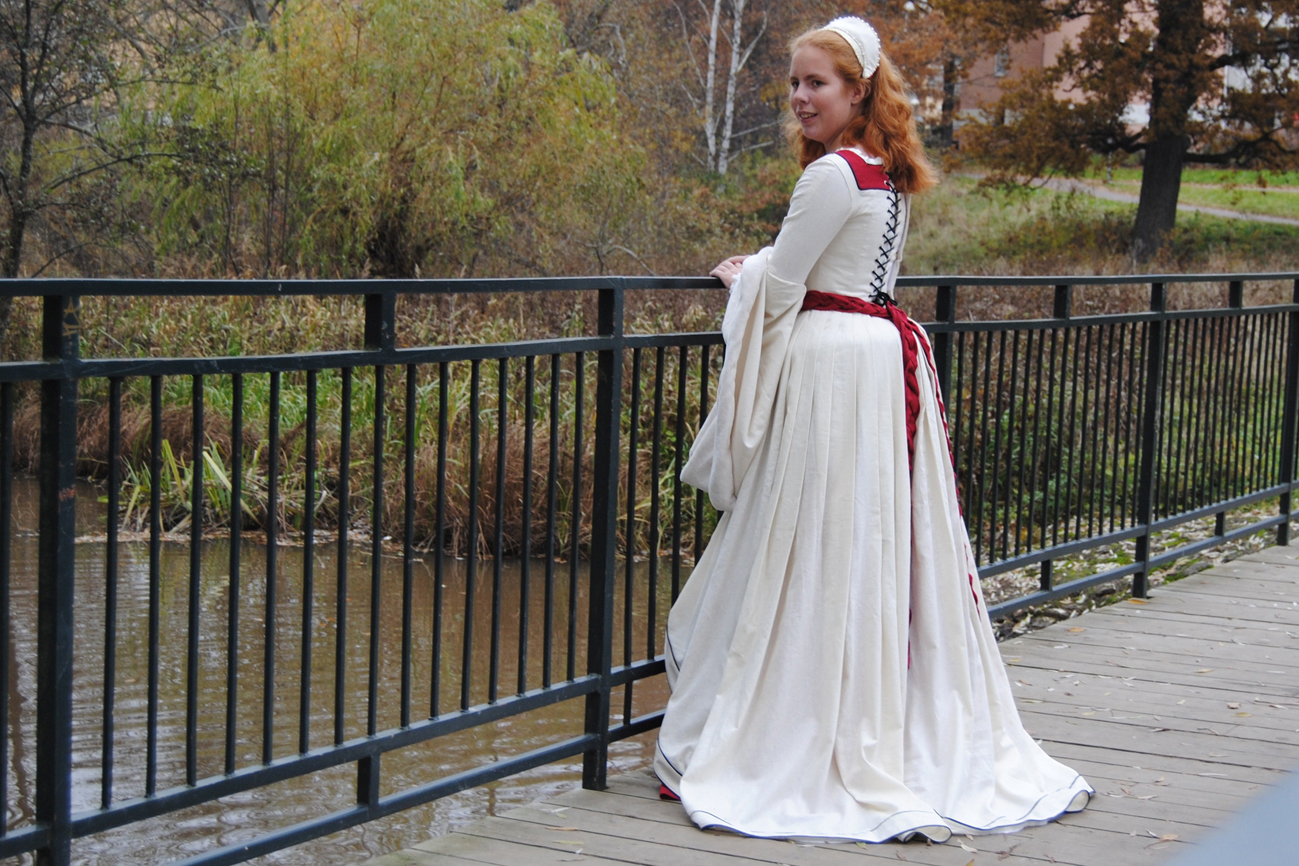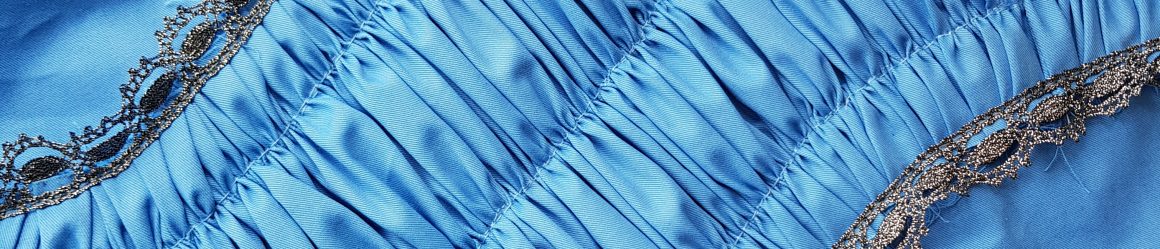
1490s Borgia dress – costume study

Have you seen the Showtime series “The Borgias”?
(I know it’s a few years old but I don’t care)
Bildresultat för the borgiasIt’s a wonderful series About the 15th century pop Alexander VI and it’s full of betrails, sex, murder but most of all gorgeous costumes.
As far as history is concerned the show does lack a bit (inspired by the life of Alexander, would be a more accurate description), but costume wise they pretty much nailed it. And it looks beautiful.

Some real inspiration:
italian-venetian-fashion-clothing-16-century-early-modernThe left one is one of my favorite dresses and totally on my “to-do” list.

203bb1db73b4a51e70e789ae5d6ed138

800px-Italienischer_Meister_des_15._Jahrhunderts_001

And some of my favorites from the show:
3cd2ea0214797f20930e14c3e08edfee

02371b35816f5326e04ffde344686ad8

holiday-grangier-borgias-tvfash-1-325

large

The-Borgias-the-borgias-20483609-2000-2000

Pretty, Yes?

And before you have to ask, of course I wanted to make my own Italian dress.

After some thinking I narrowed it down to two main inspiration dresses from the series

Dress nr 1 The-Borgias-the-borgias-19420145-375-500I know he is gorgeous but lets try to focus on the dress…

tumblr_mumap5hf8M1qib0lto1_500Lovely light blue and gold coloring. I also love the lacing on the bodice and the sheerness of the chemise.

b39be5f92f6e0fc969a67e14e268f1fe

6e469769c298f469f20c55f72f55103dpretty profile

Dress nr 2;tumblr_lt0cgyMJUB1qiu1coo3_400

tumblr_mc079qPab21r4sg4ao2_250Perfection

While studying the pics I noticed that they actually reused the dress above in season 2 with a few alterations (new sleeves).holiday-grangier-borgias-tvfash-3-325

I actually think it is pretty great that they re-used the dress. No one, no mater how rich you where, could afford a new dress every day and to newer up-cycle your old favorite styles to the current fashion.

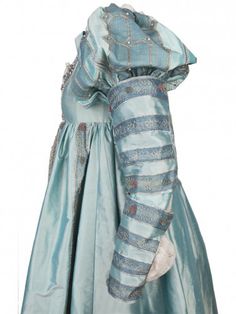
I also got tipped of that Showtime was offering this exact dress up for sale on their website.

Caption:
“Lucrezia Borgia, played by Holliday Grainger wears a sky blue embroidered gown in Season 2 of The Borgias during the baptism of her son, Giovanni. Includes the sleeves later added to the gown.

The gown is impeccably tailored with a full lining. The details are never ending, with each little turn revealing another pristine element. The piece was designed and constructed by expert period costume designer Gabriella Pescucci and worn by Holliday Grainger on set. The dress corset-laces up the back with the outer layer fastening by hook and eye.”00466503-959462_1000

cdb1e10373bdf8e918811e1e8b441d6c

The Borgias Lucrezia Borgia's Blue Dress with Sleeves

Did I mention these dresses are BEAUTIFUL… 😉
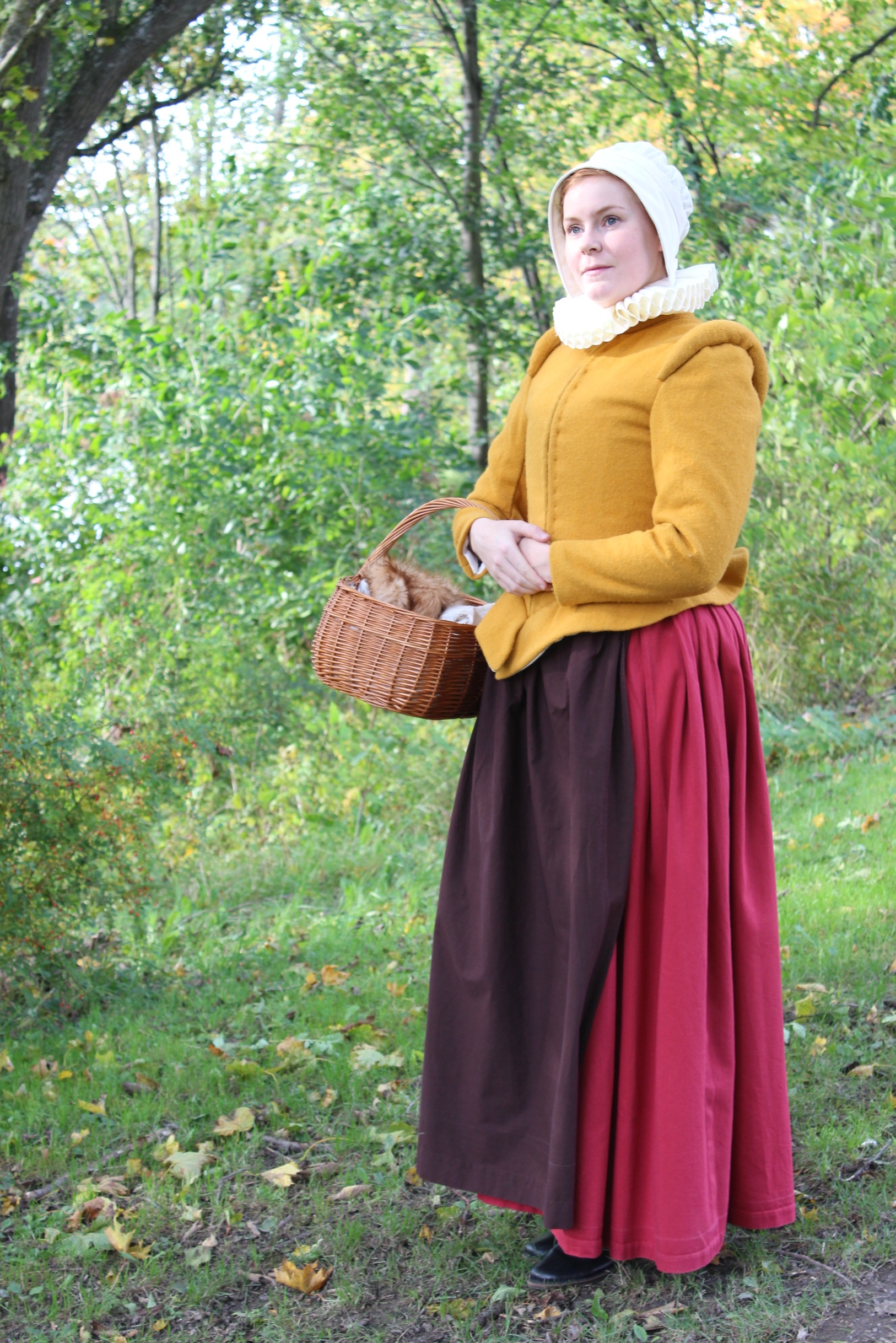
 

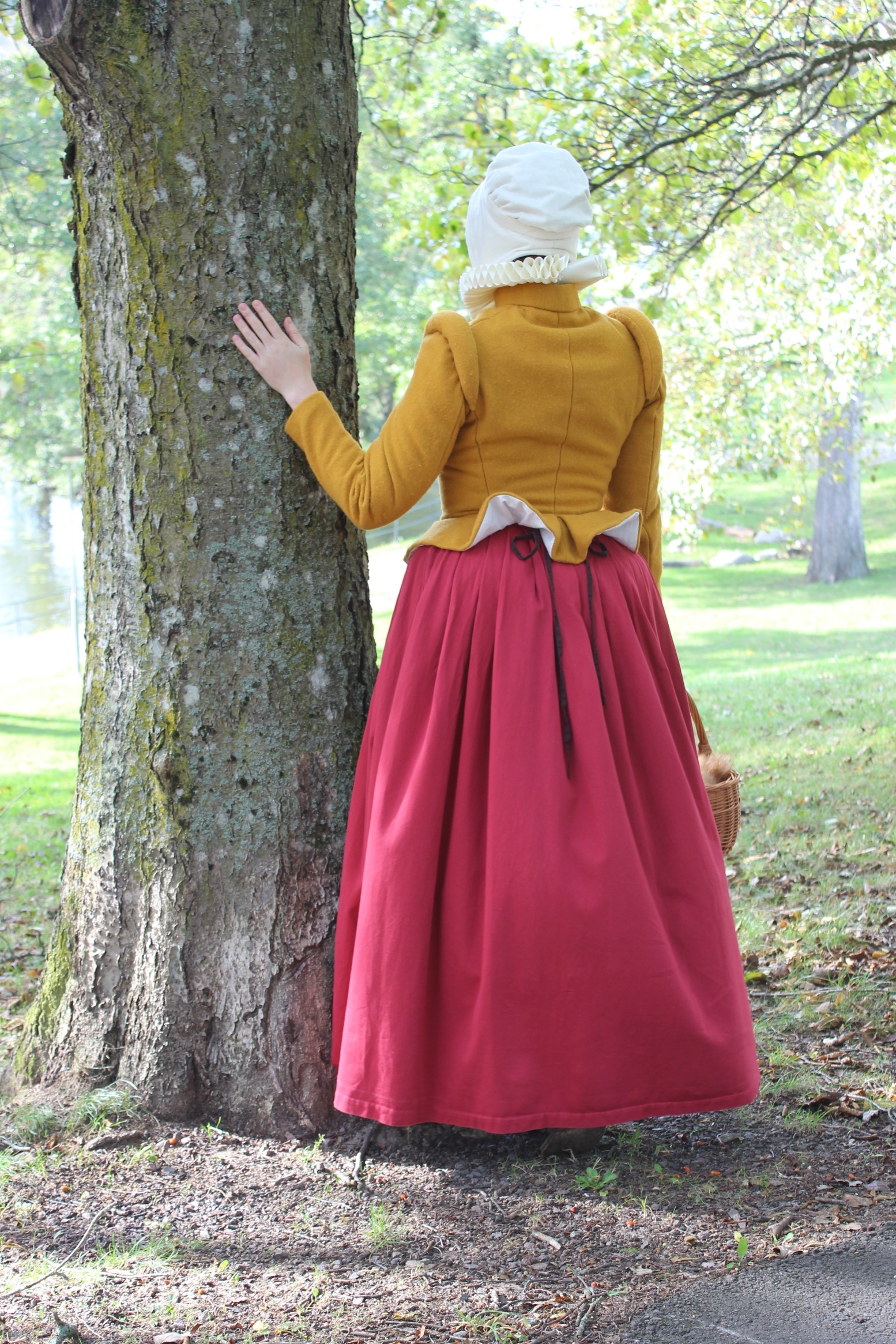
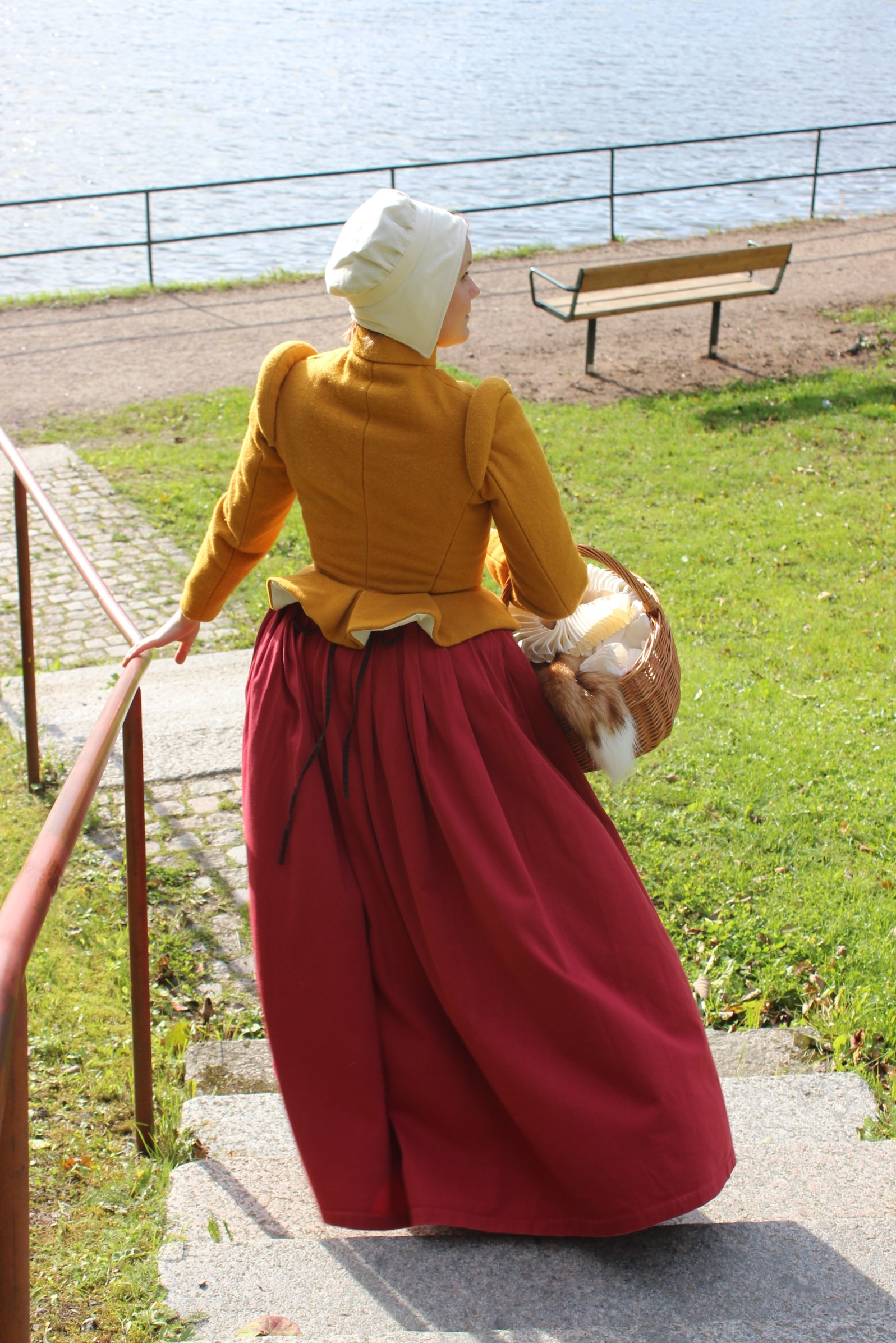
Yellow 16th century Doublet – photoshoot

Yesterday I talked my sister into helping me with yet another photoshoot.

It was really windy outside, and I constantly needed to re-arrange my apron and bonnet. But I think we got some nice shoots anyway.

IMG_2843

IMG_2846

IMG_2847

IMG_2864

IMG_2874

IMG_2879

IMG_2894

IMG_2897

IMG_2924

IMG_2919

IMG_2932

IMG_2936

IMG_2938

IMG_2947

IMG_2951

IMG_2969

IMG_2982

IMG_2975Photo: Maria Petersson

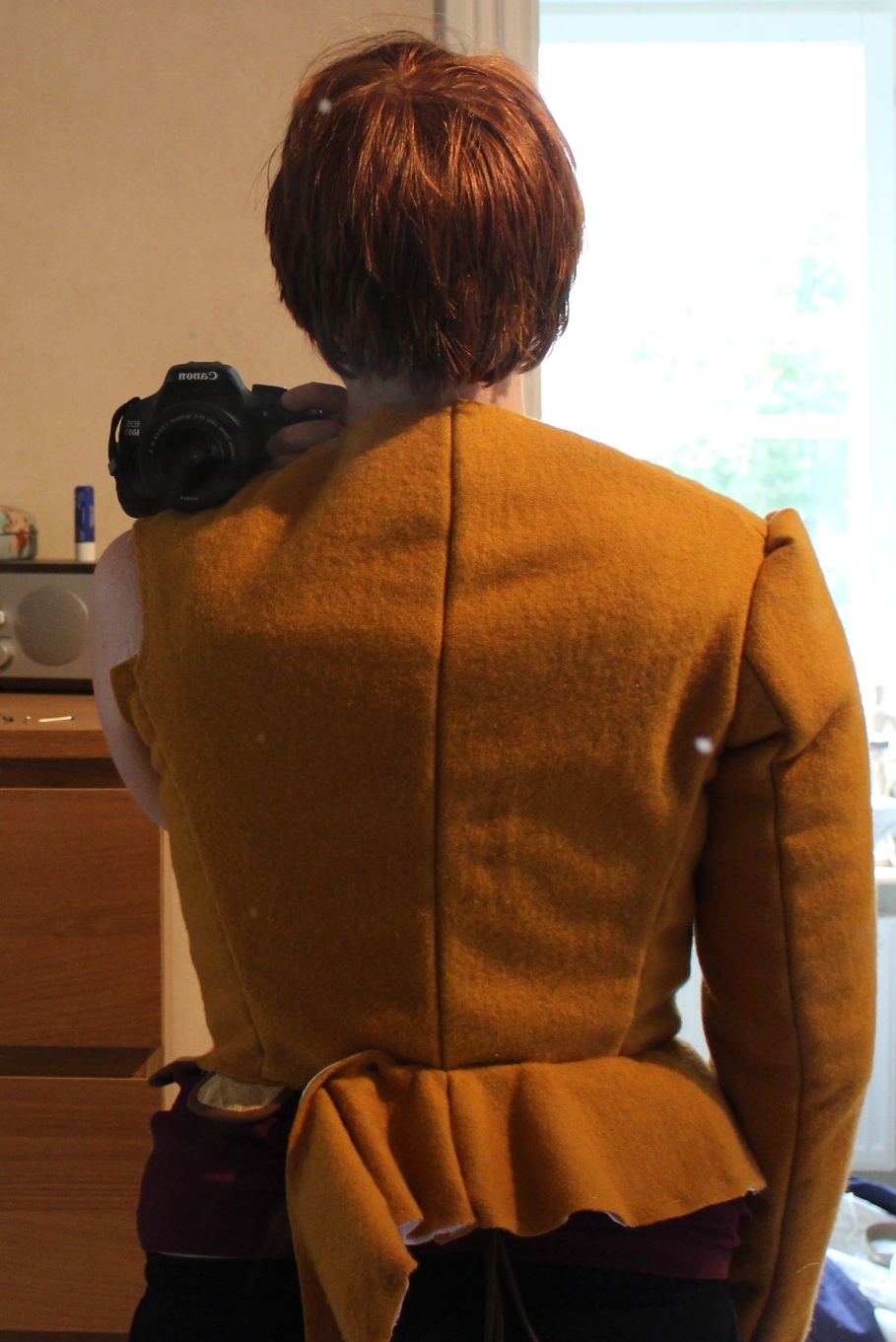
And yes, the doublet are a bit to smal for me, and I really need to press the pleats on the peplum down.

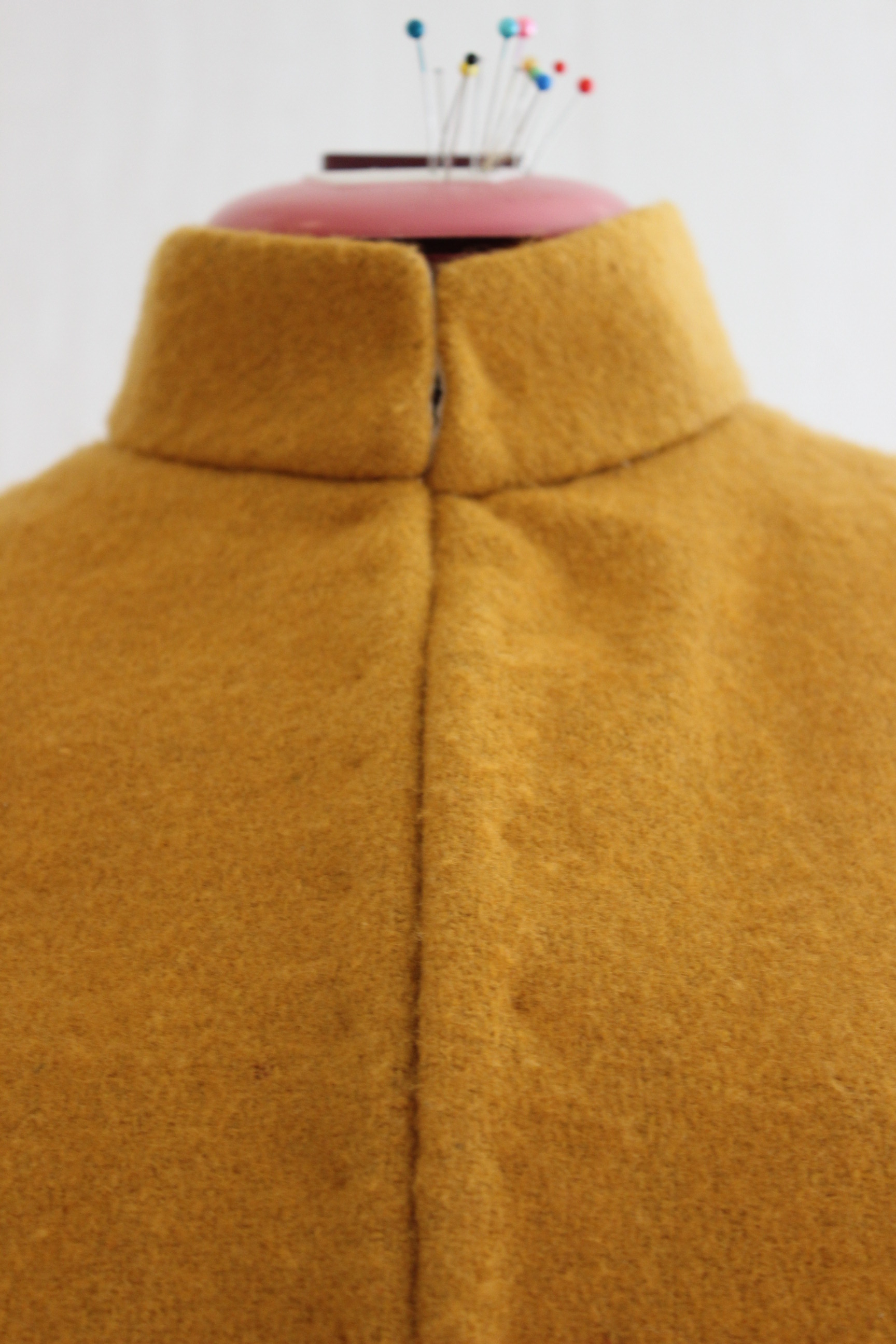
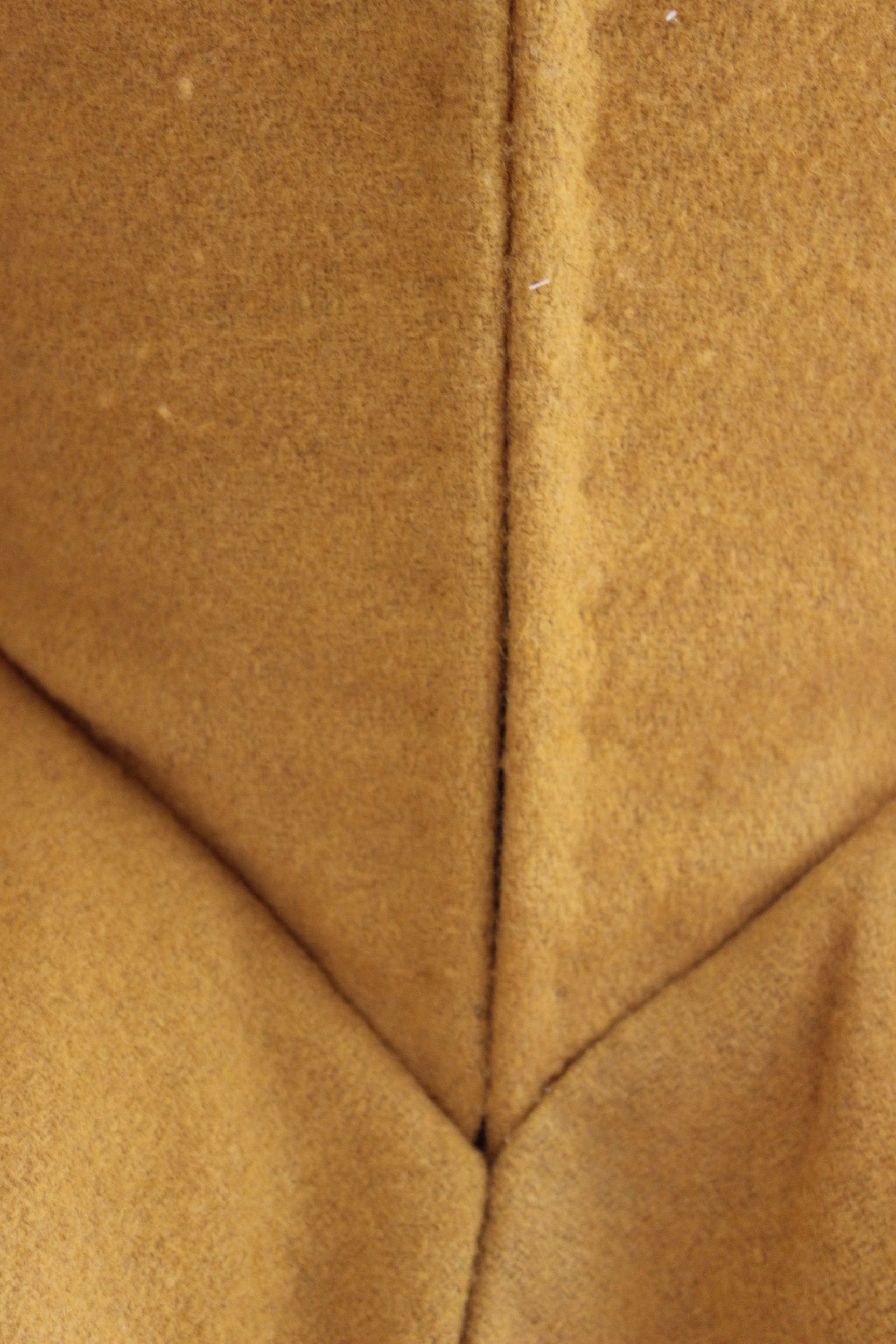
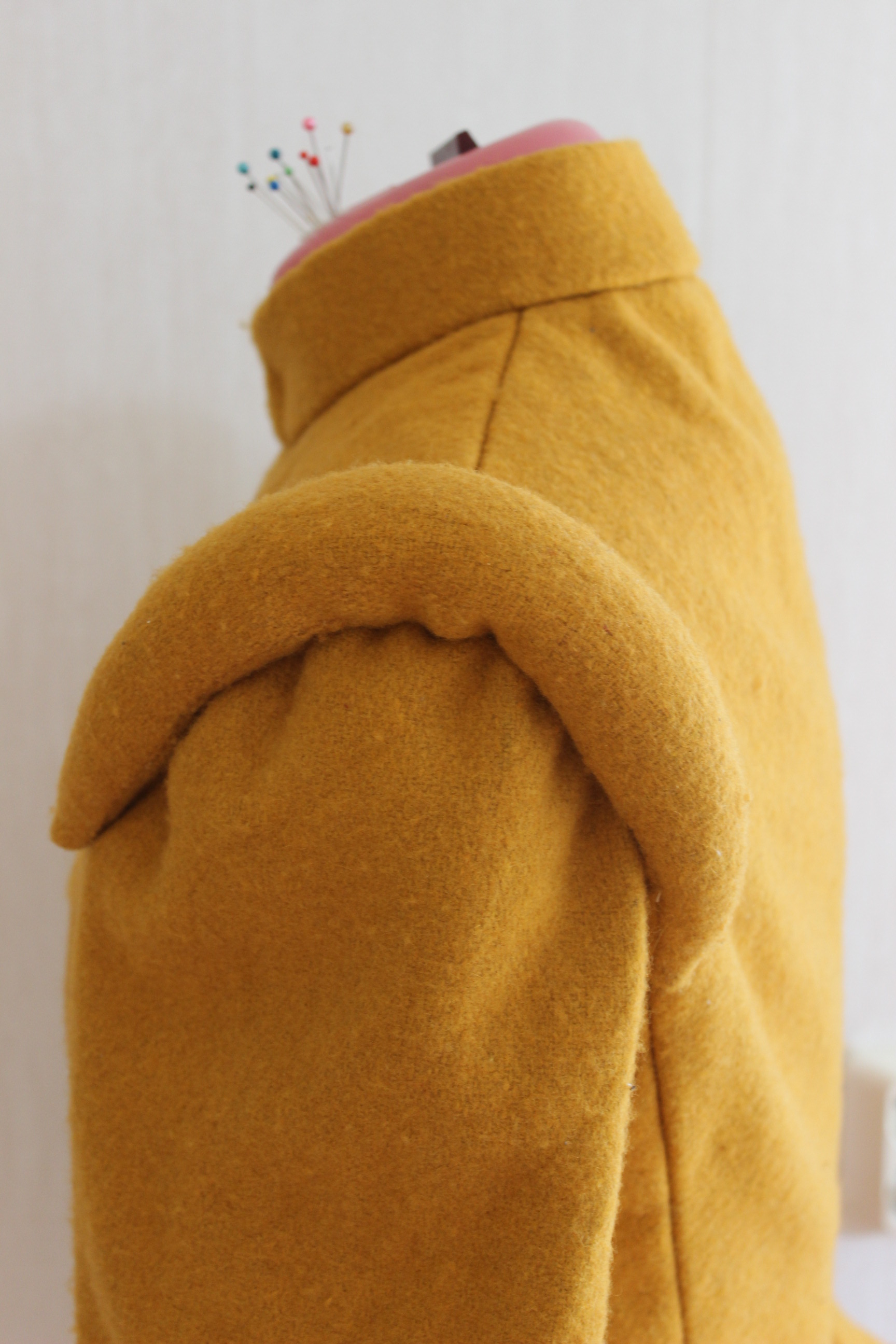
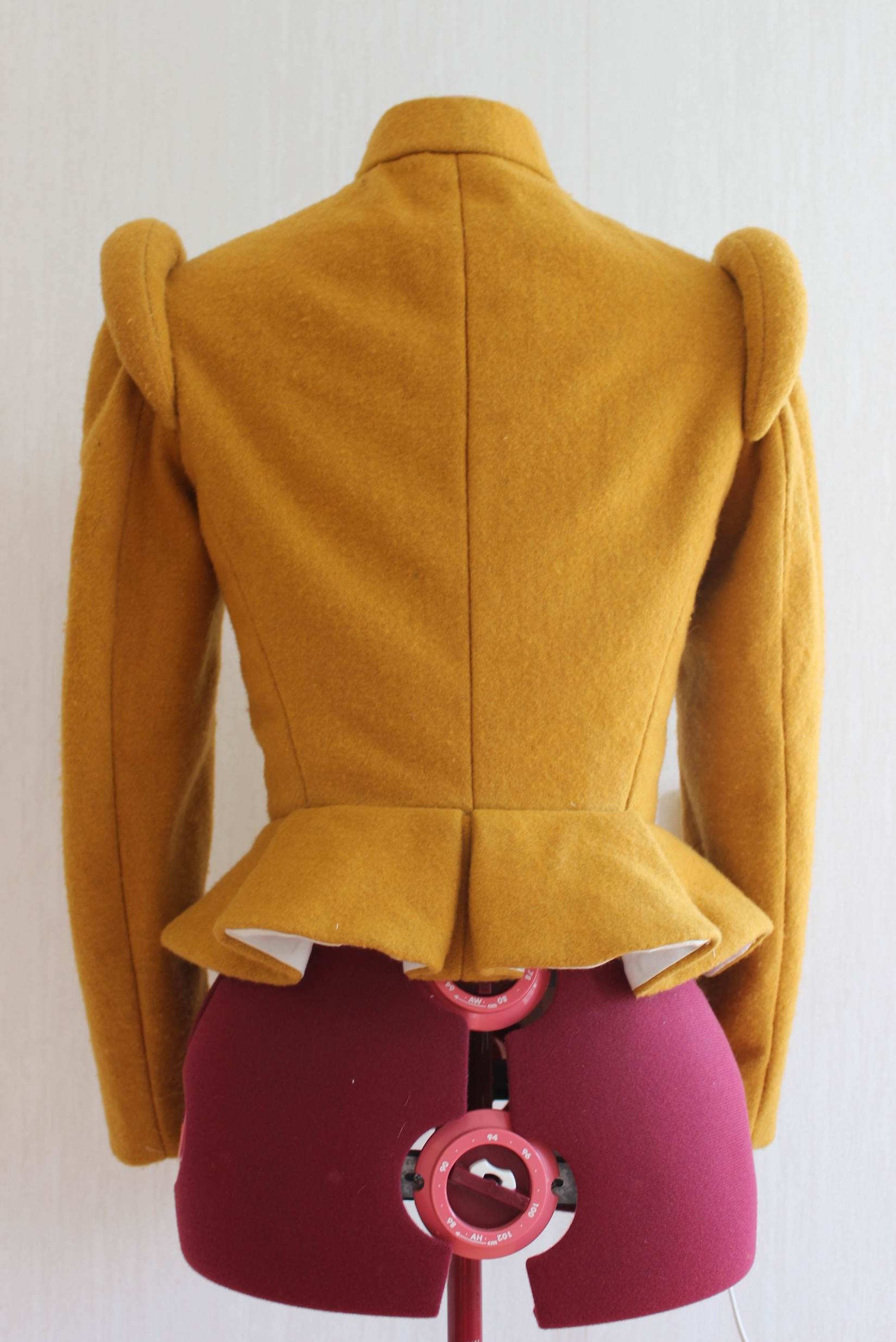
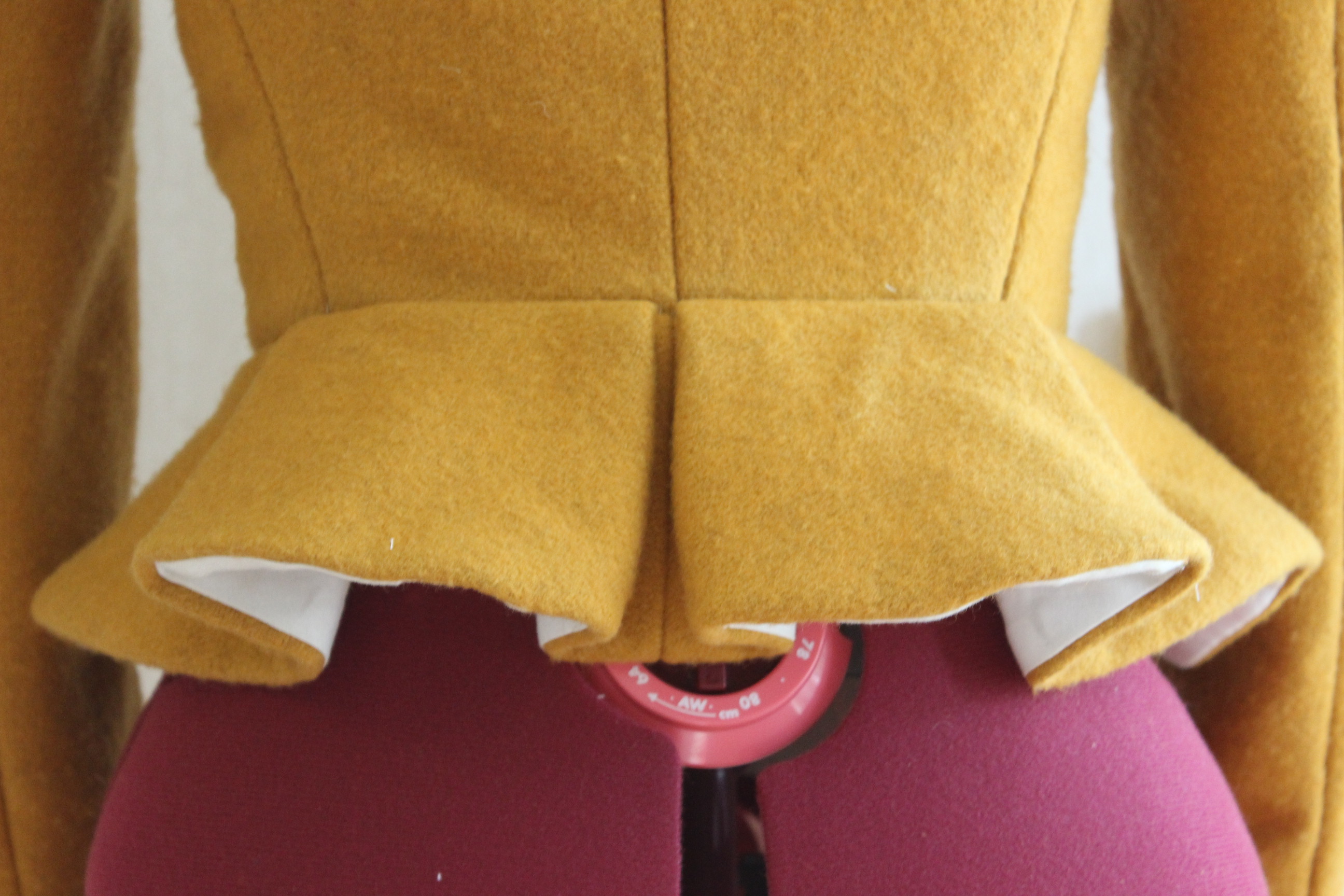
A Yellow 16th century Doublet

I’ve been trying to slow things down a bit lately.
The intense stress level at work (planing 3 big theater premiers in 3 weeks), combined with the pressure to whip something new up every fortnight are beginning to take its toll. I’m always tired and have lost some of the joy I’ve used to find in sewing. I realize I need to slow down and let some of the self imposed pressure of my back.

So for the first time I’m actually proud to admit I’m late finishing the HSF nr 17 – Yellow. (and probably will be late with a couple more upcoming challenges this fall).

Anyhow here is the write-up on the challenge.

I had several alternative ideas for this challenge (regency spencer, open robe or pelise just to mention a few), but the moment I found this lovely yellow wool at the medieval fair, I knew exactly what I wanted to make.

A 16th century Doublet.IMG_6562Pattern and design idea from “The Tudor Tailor”.

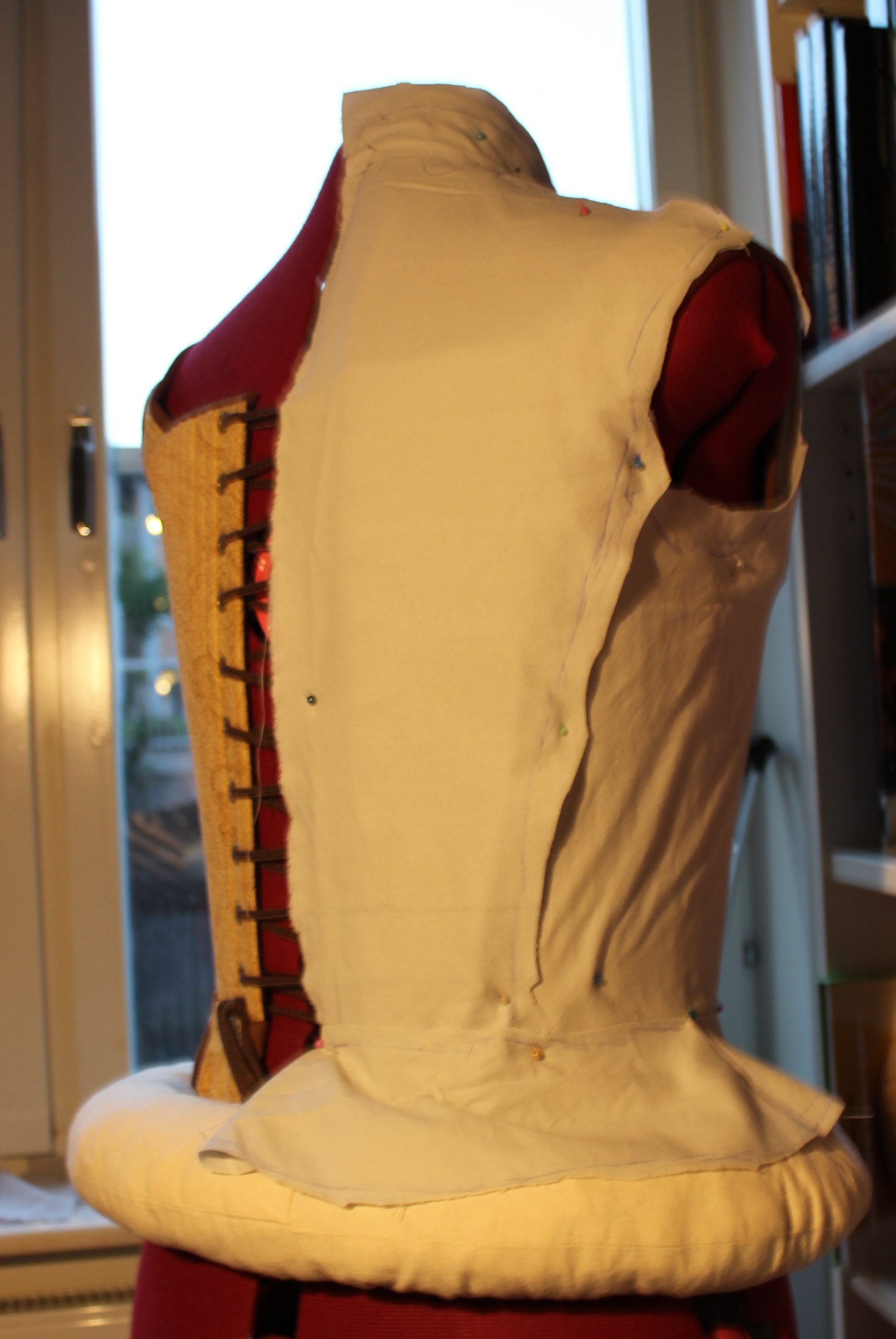
So I put my Elizabethan corset and bum-roll on my dress-form and started to work on the pattern.
IMG_2307 IMG_2306

And made the mock-up.
IMG_2313 IMG_2321
I needed to take it in a bit at the center back and make some smaller alteration to the collar.

Then I cut the pieces in cotton (for lining) and the yellow wool.IMG_2325

The piece for the peplum was basically a semi circle. IMG_2360

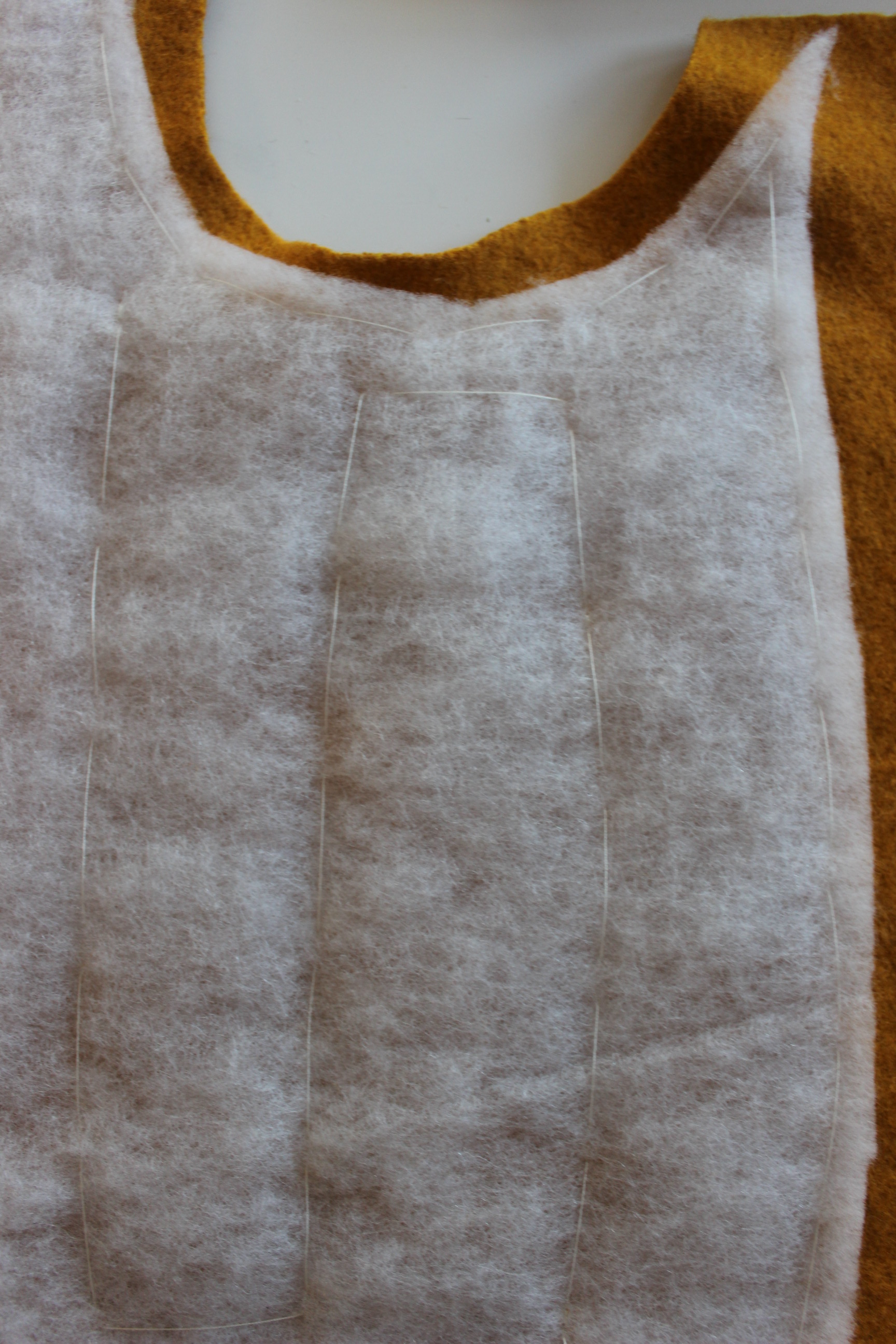
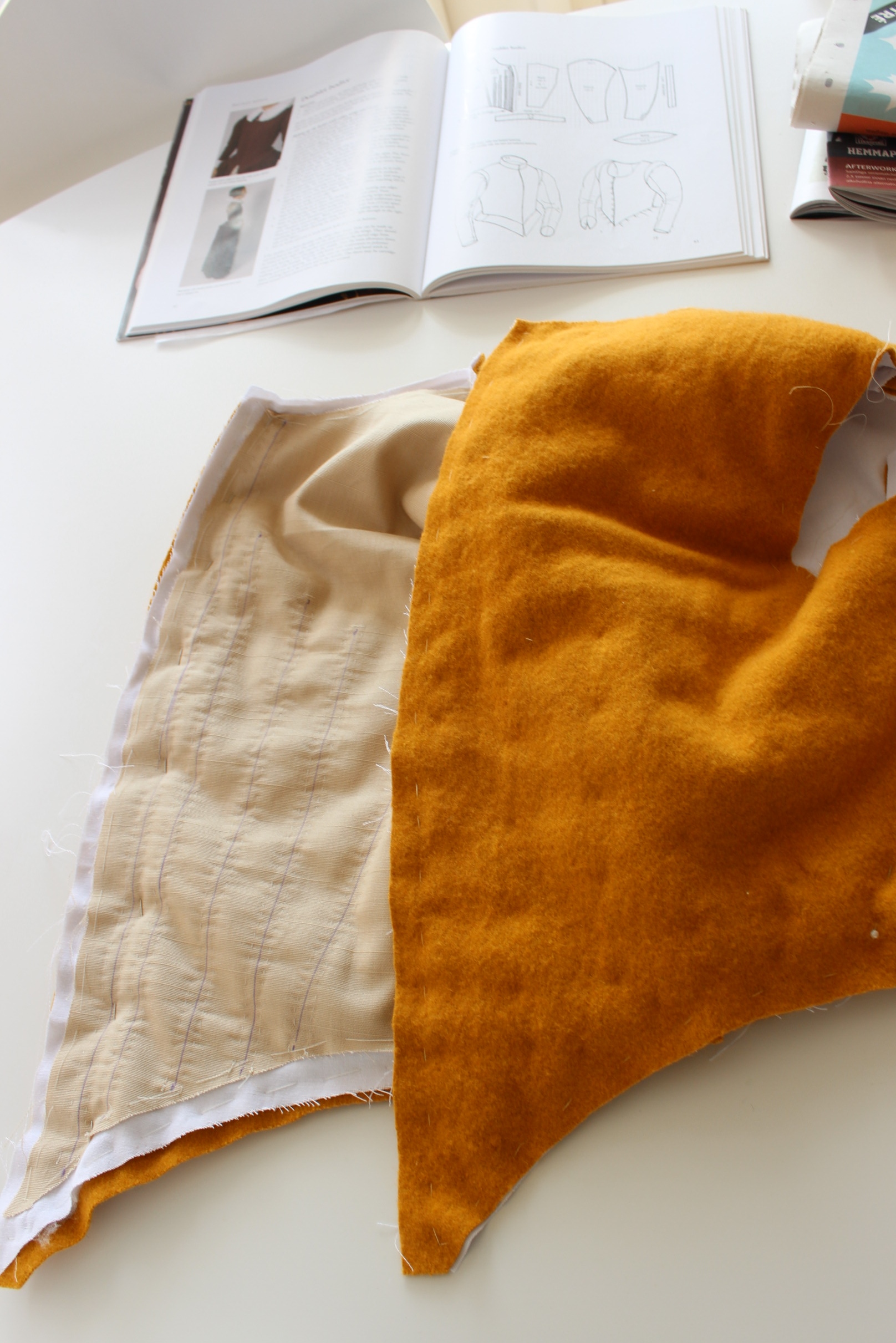
Then I cut and pad stitched wadding to the front pieces.IMG_2426Unfortanly the minimal stitches shows through as small dots on the outside.IMG_2428Close-up of the stitches.

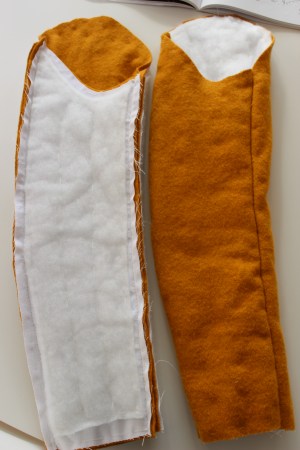
I also put the padding in the sleeves, following the instructions from “The Tudor Tailor”. IMG_2500

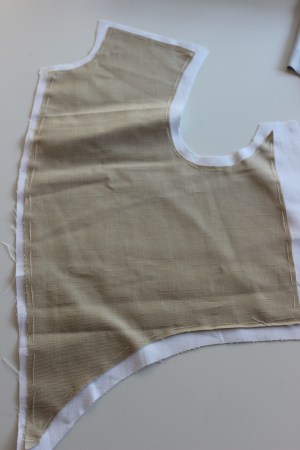
Then I started on the interlining for the bodice front.IMG_2430Using white cotton twill, and heavy linen to give it shape.
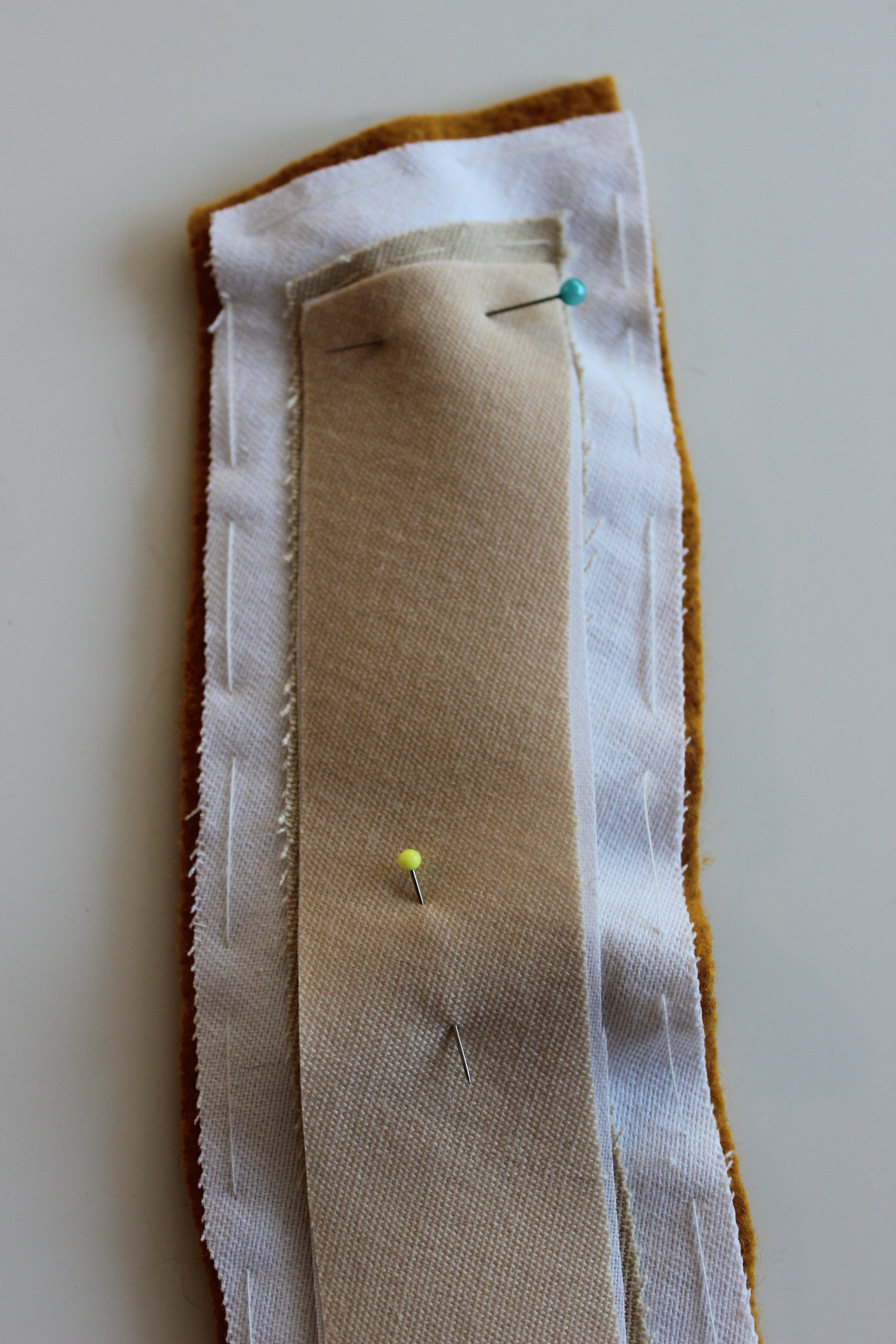
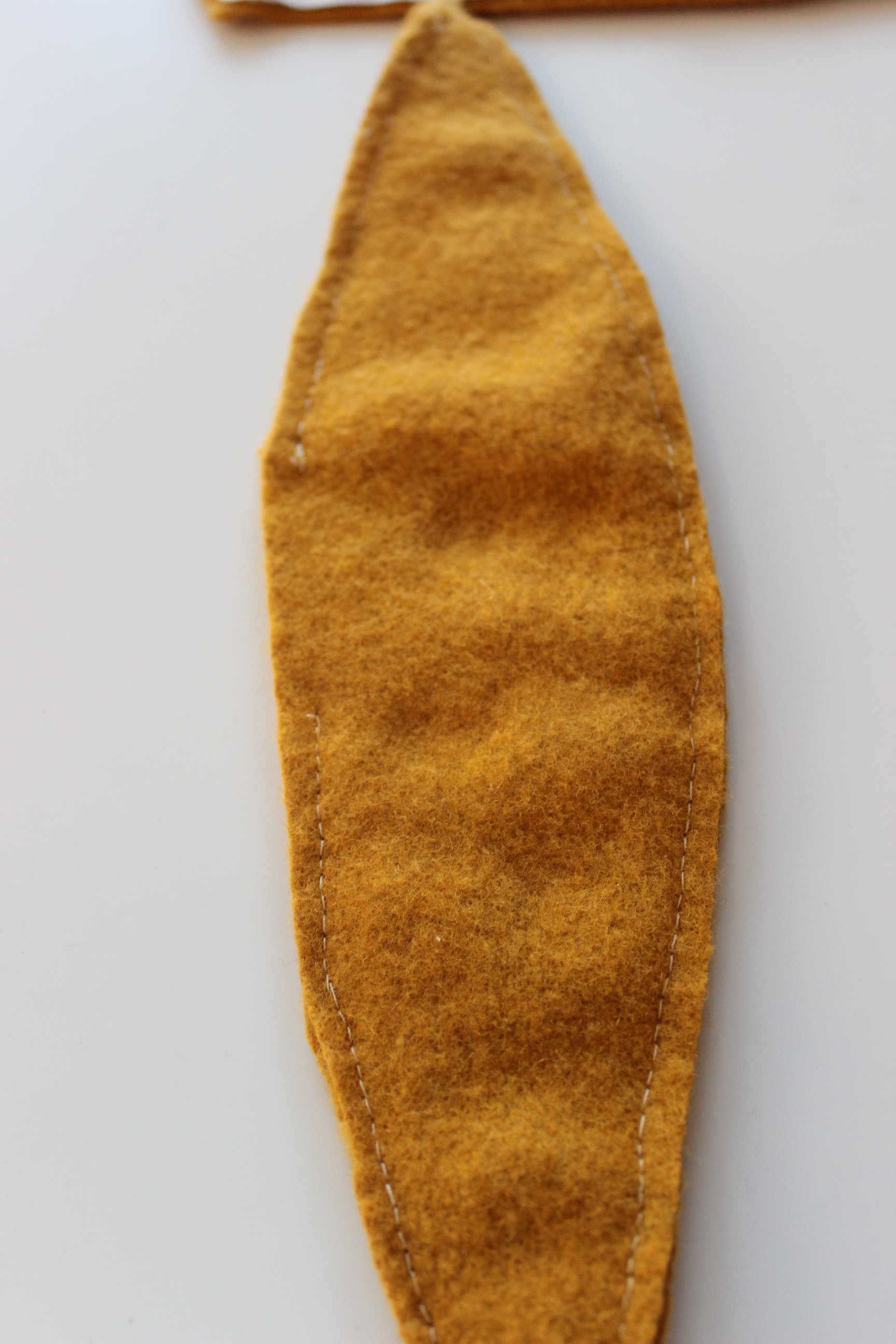
And did the same for the collar.IMG_2431

I stitched the shoulder rolls, and stuffed them with leftover padding.IMG_2433

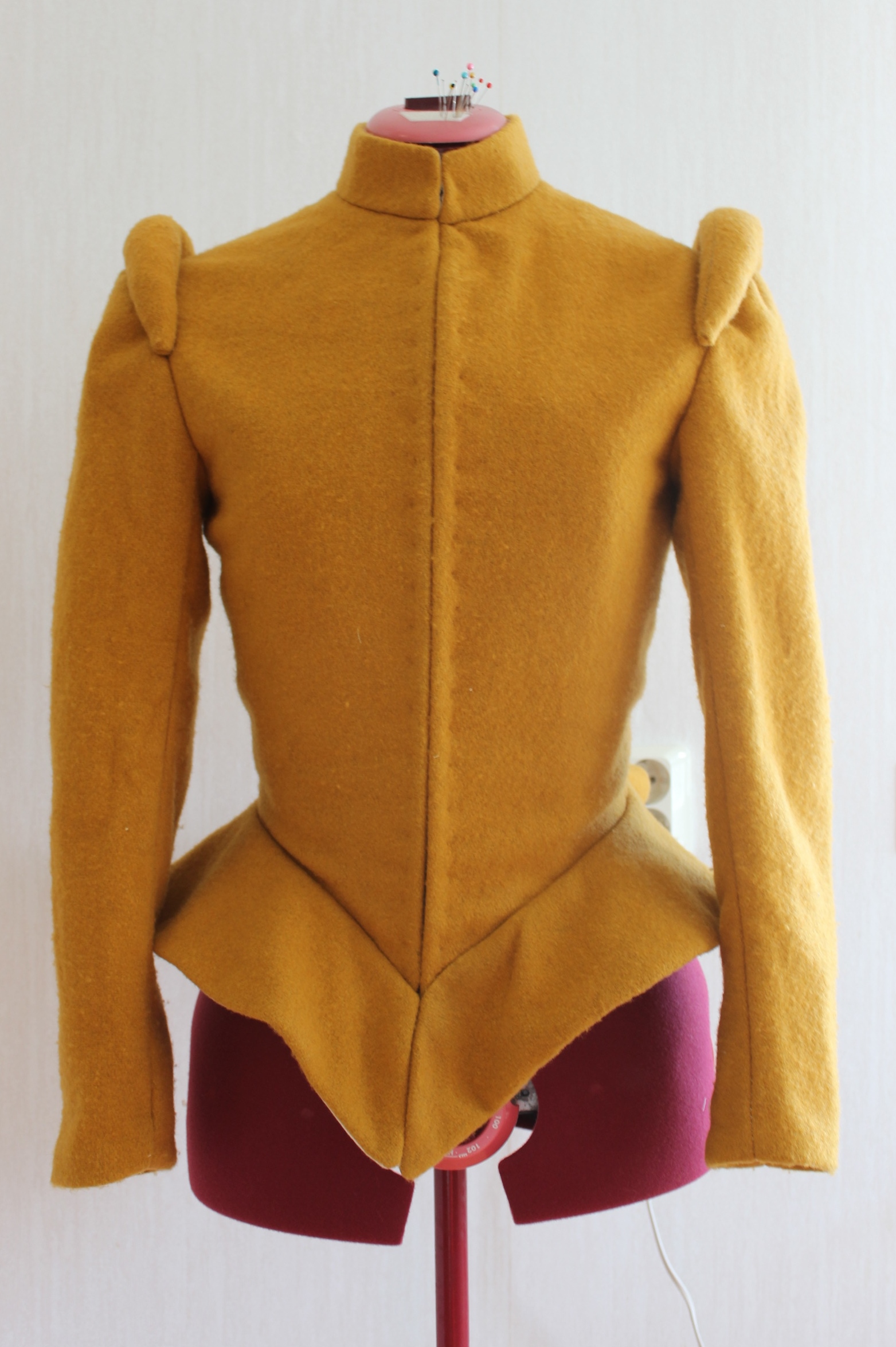
Then I basted all the pieces together, and put it on my dress form to get an idea of how it would look.IMG_2471Pretty nice, right.

Time to try it on.
IMG_2476IMG_2486
I didn’t like it at all.
Even though it fit pretty good, I felt really boxy and didn’t get the tapered look I was after.

So I decided to get rid of the padding.IMG_2499That meant taking the interlining of and unpicking all the pad-stitching on both bodice and sleeves. I also needed to redo the boning chanels in the interlining.

After that was done everything went pretty smooth.
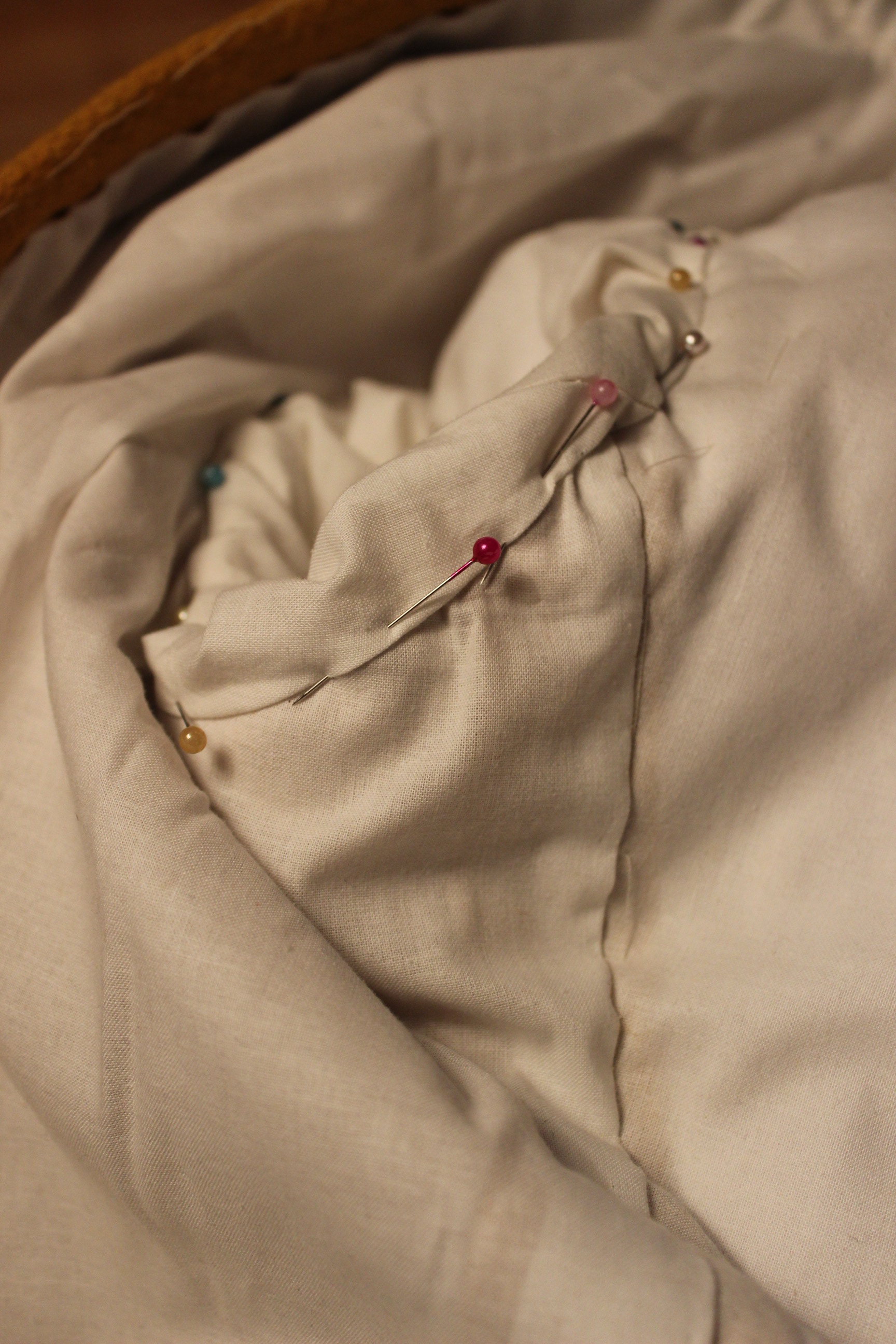
I stitched the bodice together, added the collar, the boning, put the sleeves in and attached the lining.IMG_2800Pinning the sleeve lining to the arm hole.

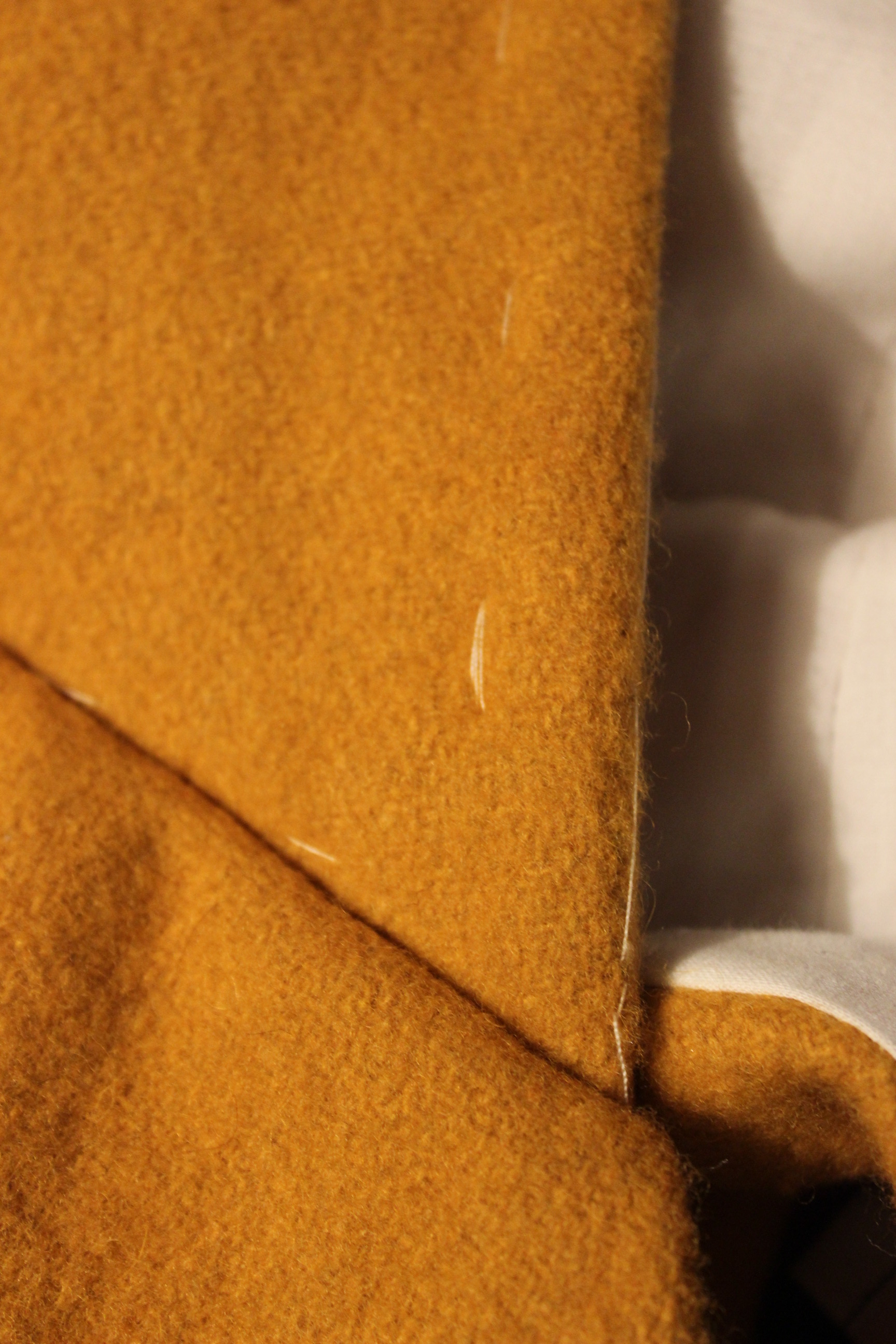
Finally I unpicked all the basting thread and stitched on the hook and eyes close to the front edge.IMG_2802

Finished:IMG_2805

IMG_2810

IMG_2809

IMG_2811

IMG_2808

IMG_2812

IMG_2815

IMG_2819

IMG_2813

IMG_2816

IMG_2817

IMG_2820

IMG_2822

IMG_2825


Just the facts:

Challenge: 17 Yellow.

What: a 16th century women doublet.

Pattern: I draped my own, using “Elizabethan Doublet pattern” from “the Tudor Tailor” as a guide.

Fabric: 1, 4 m of yellow wool, 1,4 m of white cotton for lining, 1,4 of twill and 0,5 m of heavy linen for interlining.

Notions: Thread, 3 m of plastic whalebone, 13 pairs of hooks and eyes.

How historical accurate: So so, the look and material are kind of okey (cotton wasn’t used until later, but I didn’t had any linen to use for the lining), but the wool are pretty accurate. The entire garment ate hand sewn but I’m not sure about the historic techniques so I just winged it.

Time: About 30 hours

Cost: I would say 200 Sek (32 Usd).

First worn: End of September for photos.

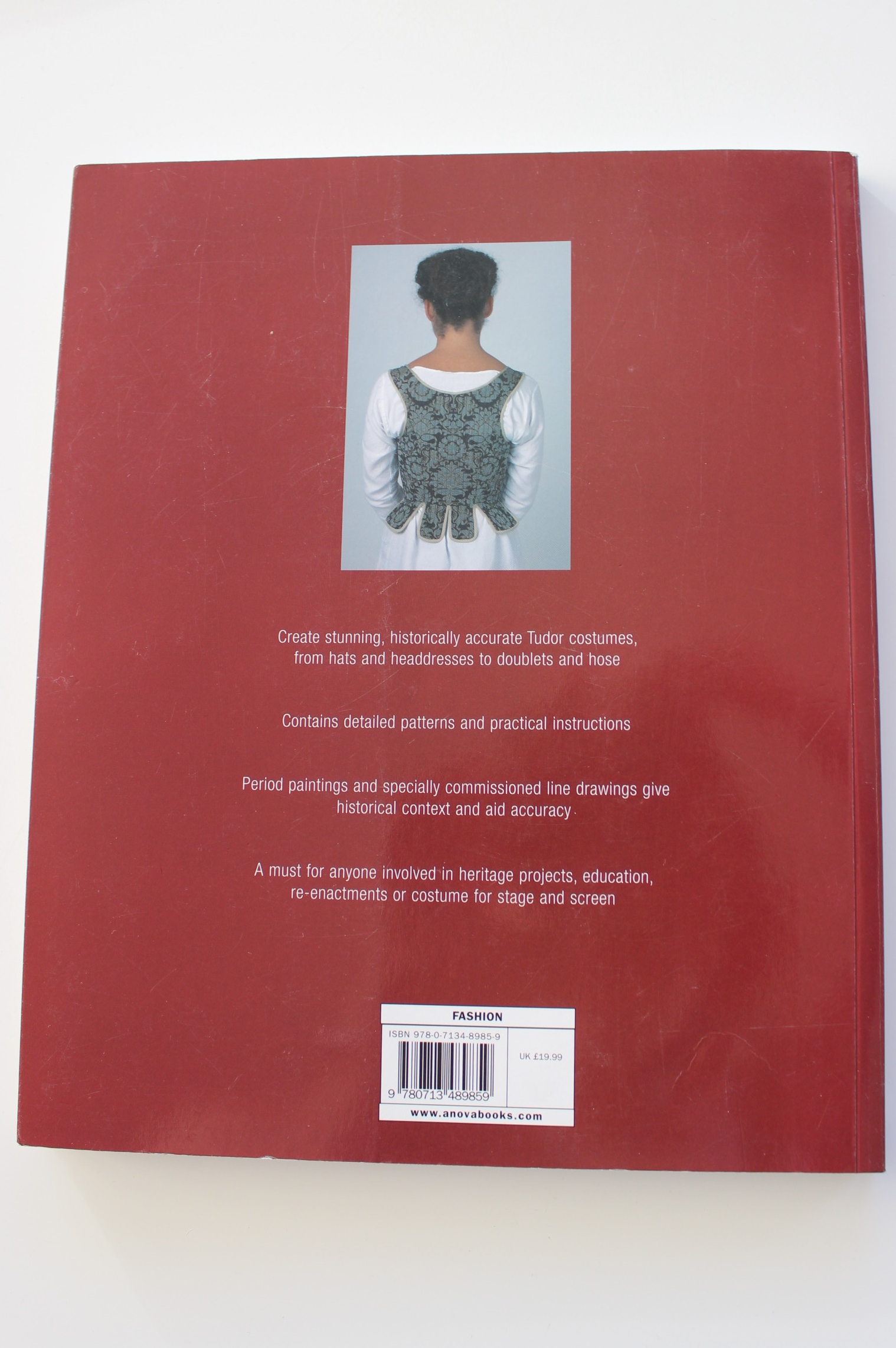
Book Review – the Tudor Tailor

As this was one of my first costuming books, I must admit I’m a bit biased to this book.

I bought it about 6 years ago when I first started to get interested in historical costumes. And since I had fallen in love with the beautiful costumes in the movie “The Other Boleyn Girl”, and later “The Tudors” i had decided I needed to make myself one of the dresses.

The attempt was a futile one (which you can read more about here), but it did spark my intress in historical costumes, so I wouldn’t say it was a total waist.

But on to the book:

The Tudor Tailor by Ninya Mikhaila And Jane Malcolm-Davies.

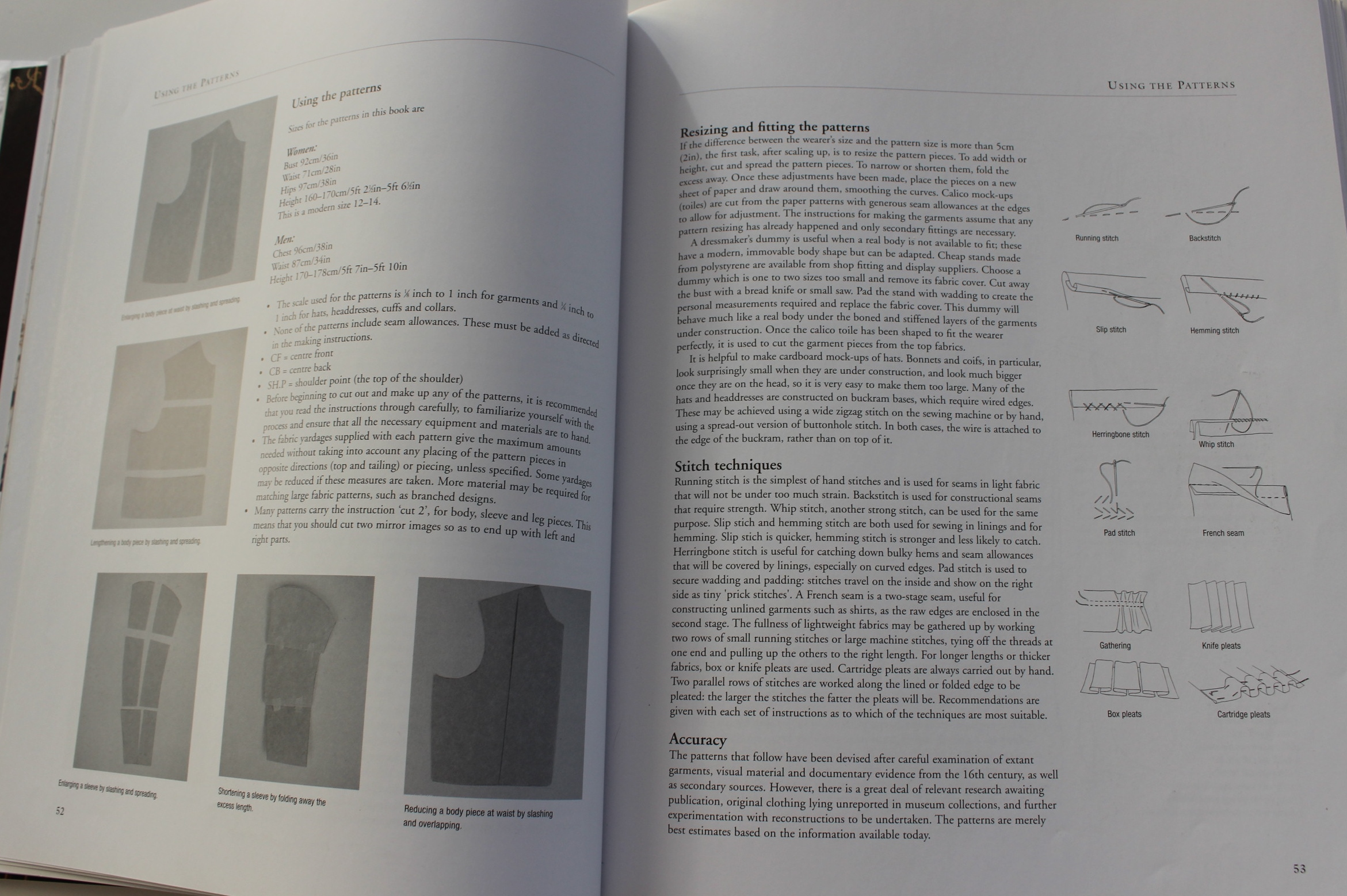
IMG_6555

About:

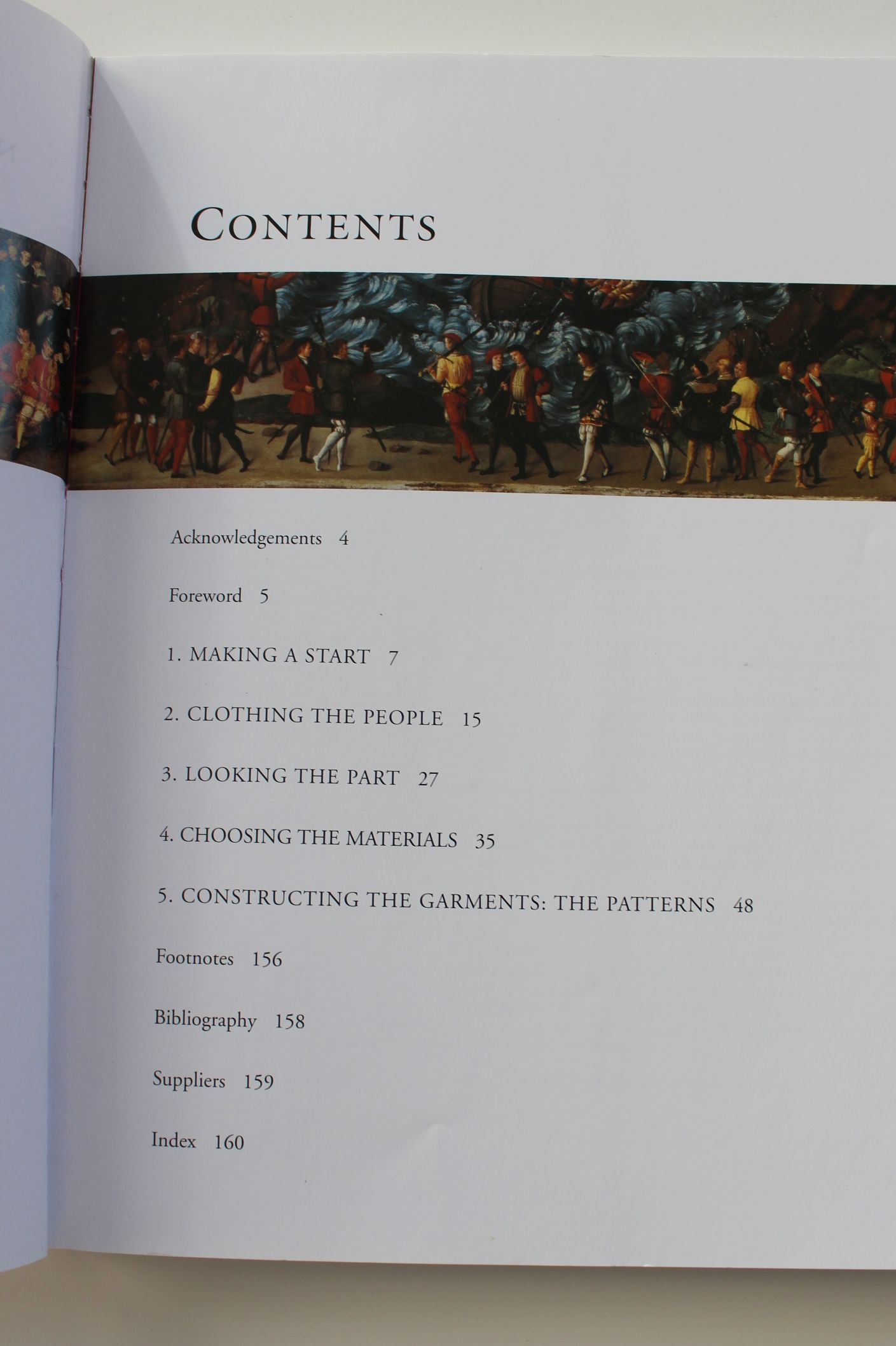
The book includes lots of interesting information about the actual fashions and clothing construction of the 16th century.
The firs 50 pages describes the styles, fabrics and methods used during the 16th hundreds, and gives you a great over view of the different garments and accessories needed to complete the costume.

IMG_6557

It also contains lots of patterns for both men (9) and women (12), and have a nice spread of “pore peoples” dress and court dress alike, besides underwear (9), outerwear (6) and headwear (14).

IMG_6559

Pros:

I love the wide range of patterns in the book. which give you an opportunity to design and combine your own costume from the different styles, with the help of the informative research pages. IMG_6558

And every pattern can be altered to several different styles and variations.
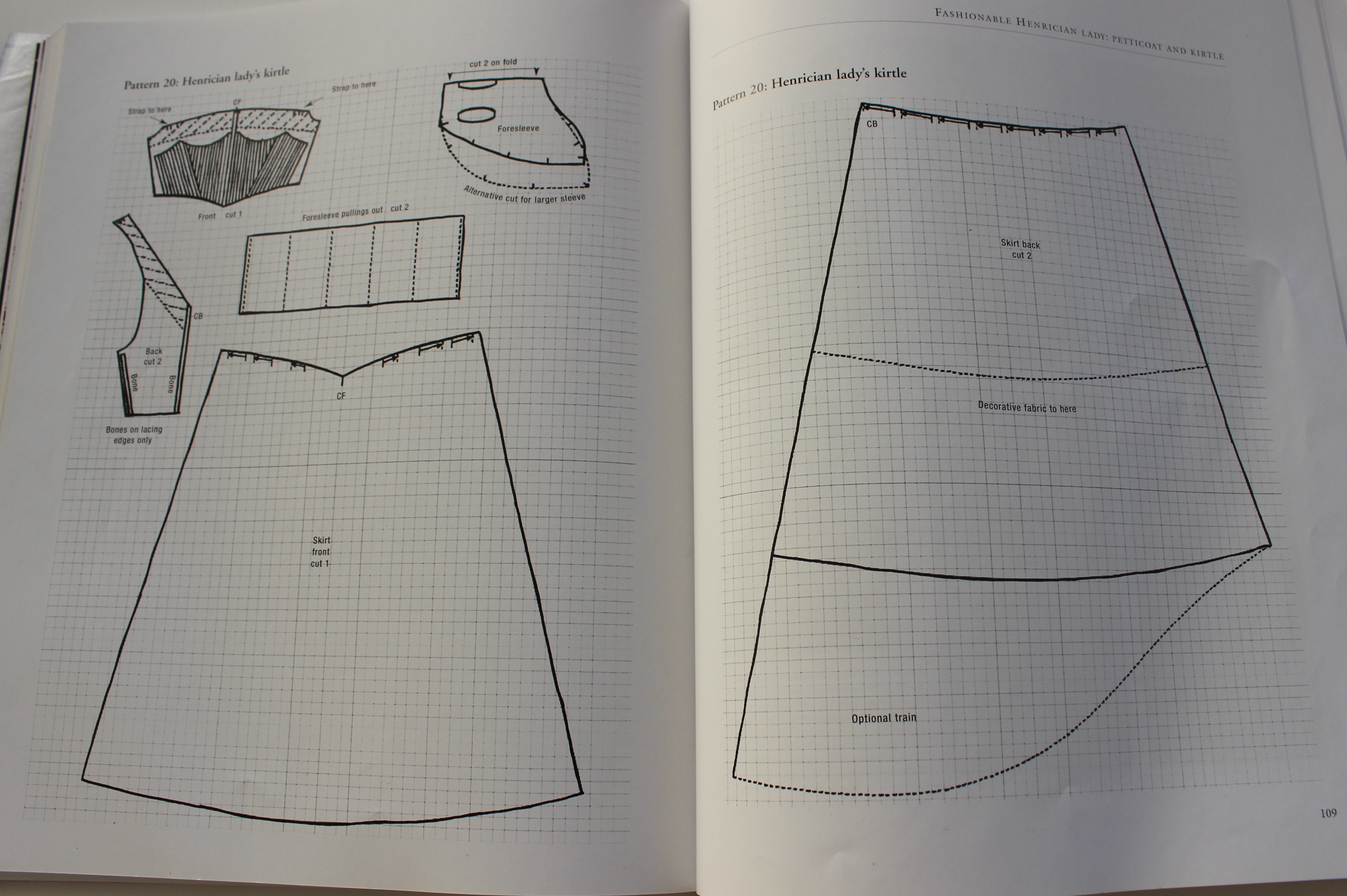
Like the the “Henrican Kirtle” who can be made and worn in lots of different ways.IMG_6560

sidan-sol I used the pattern for a front laced kirtle, with straight back, and no sleeves.
IMG_6563

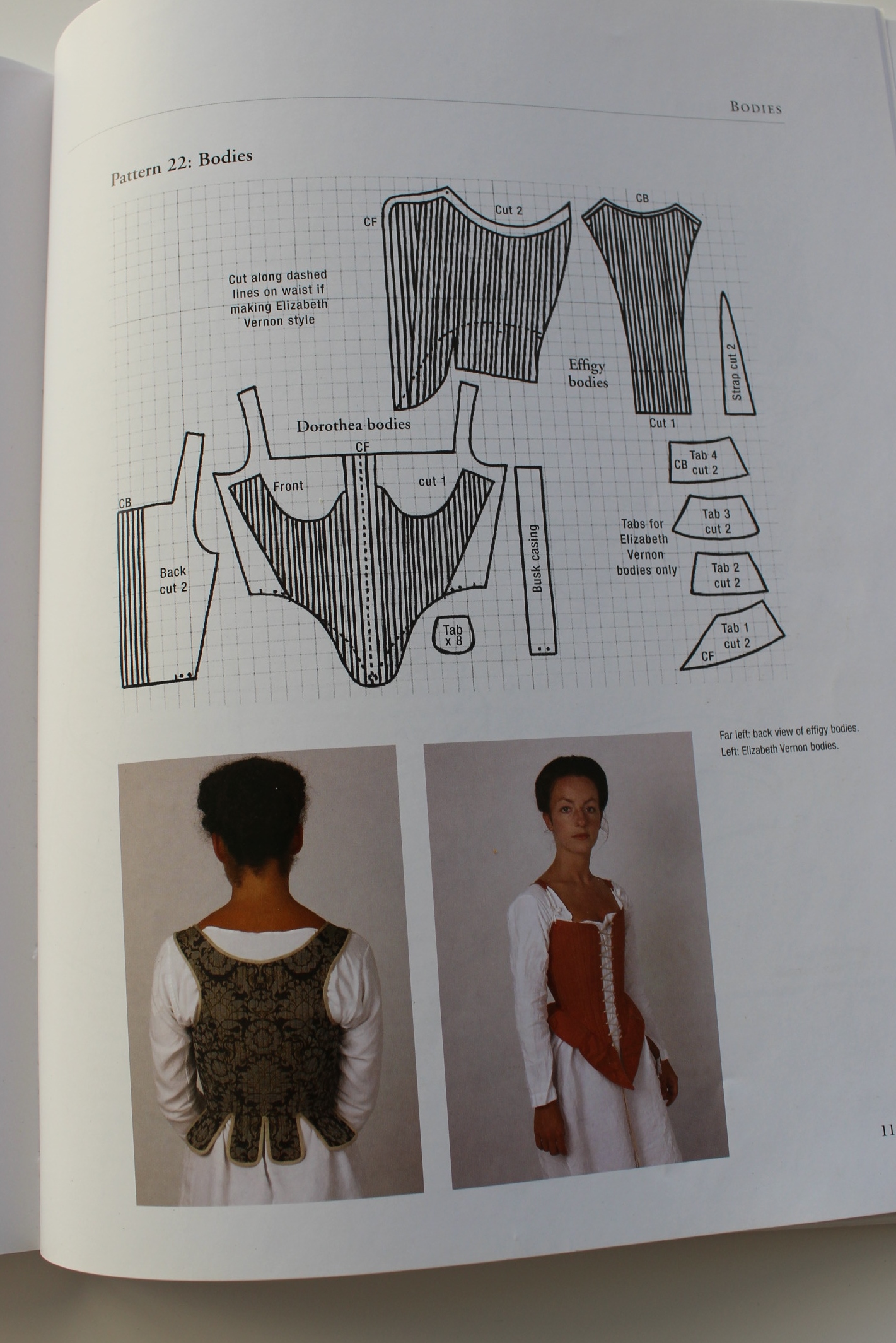
As far as I can tell (and I’m in no way an expert) the patterns are good, and represent the Tudor and Elizabethan era in a nice and accurate way. IMG_65672013-02-09 15.46.02My corset‘s made from the “Dorthean bodice” pattern.

The patterns are easy to scale – using either the scanning/printer system, or drawing it up on paper. (I’ve tried both)

IMG_6562This one is my latest project – which I draped insted of scaled.

I also find the instructions, which follows with each pattern, a good way to get help with the accurate way to assemble the clothing.IMG_1912

Cons:

Although good, the instructions may be a bit to hard to follow, if you’re not used to historic (16th century) clothing constructions.

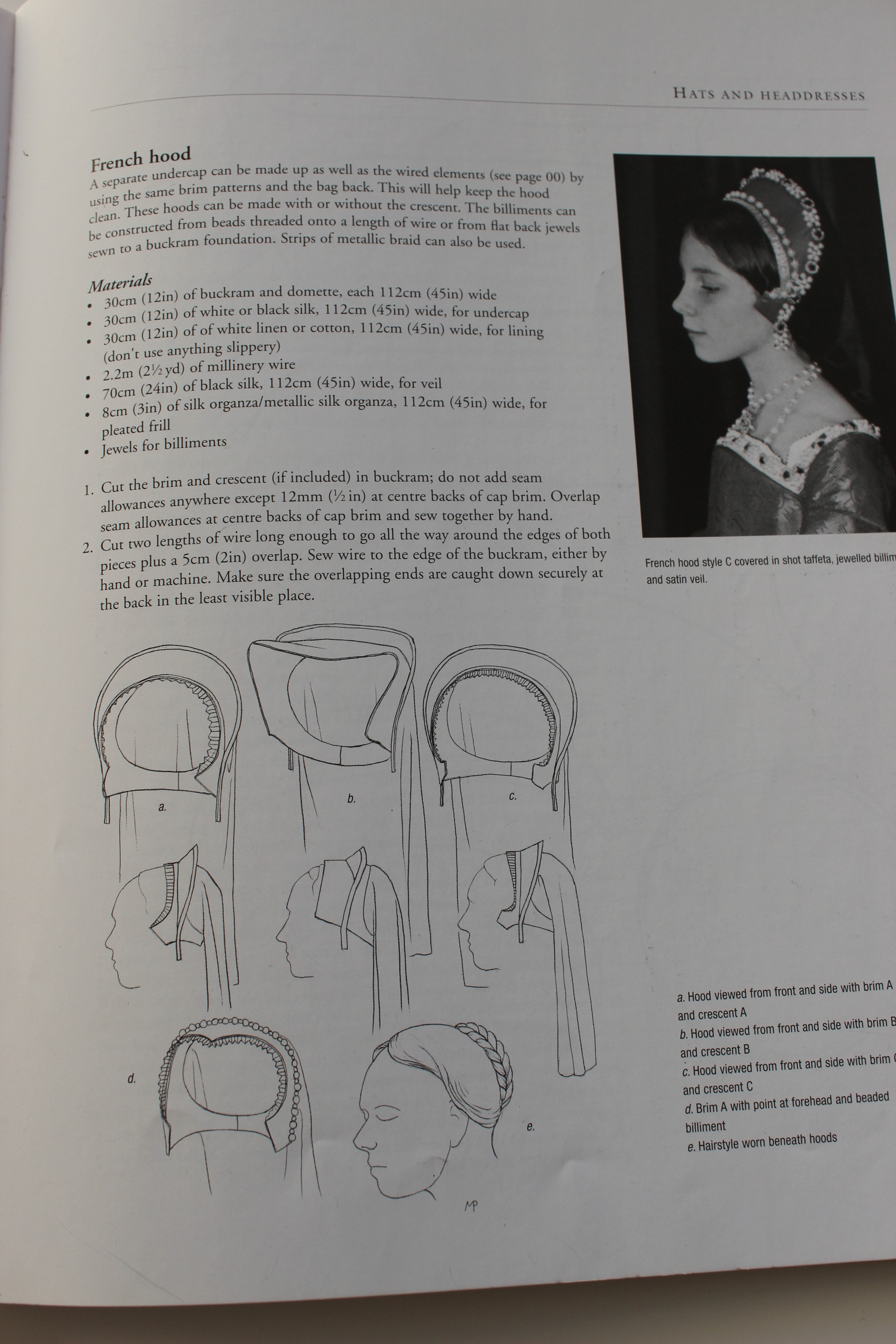
I had a pretty hard time doing my first “French hood”.IMG_6569I didn’t understand what a lots of the words ment, or how the pieces was supposed to go together.

The second was much easier, even though it ended up a bit to small.CIMG3175

Would I recommend it?

IMG_6565

I think this book is wonderful, and should be in ever theater seamstress or historical re-enactors bookshelf.

I personally have had lots of use of it and hopes to someday make all the patterns in the book.

IMG_6556

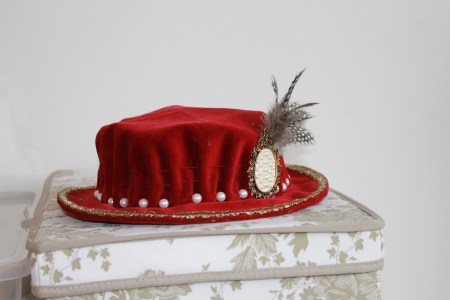
A Renessaince bonnet

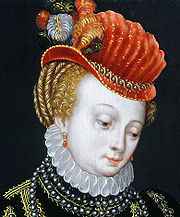
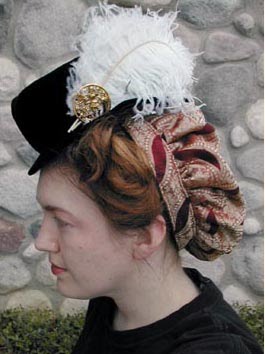
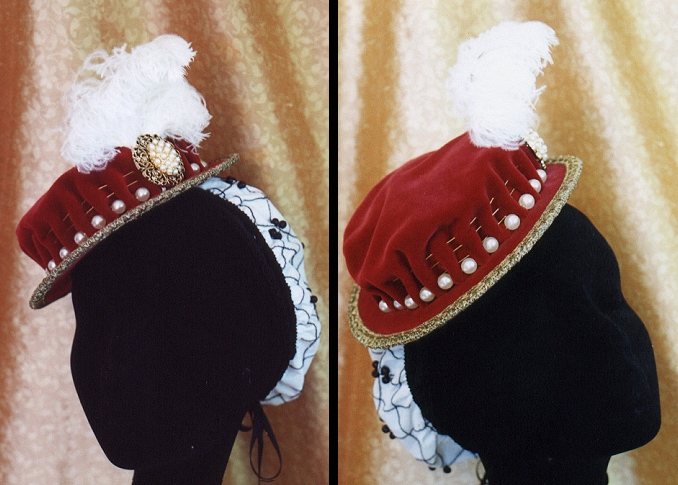
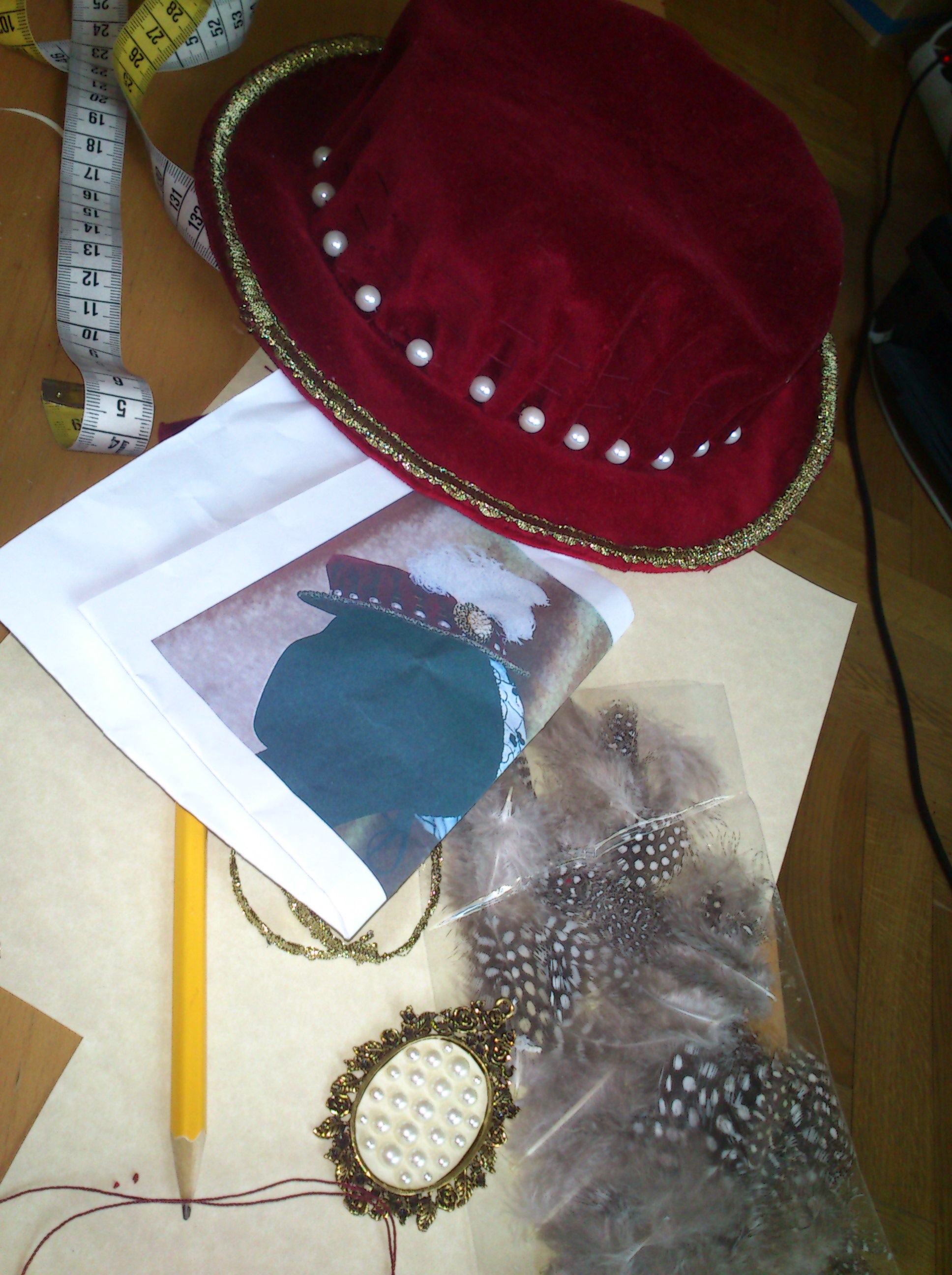
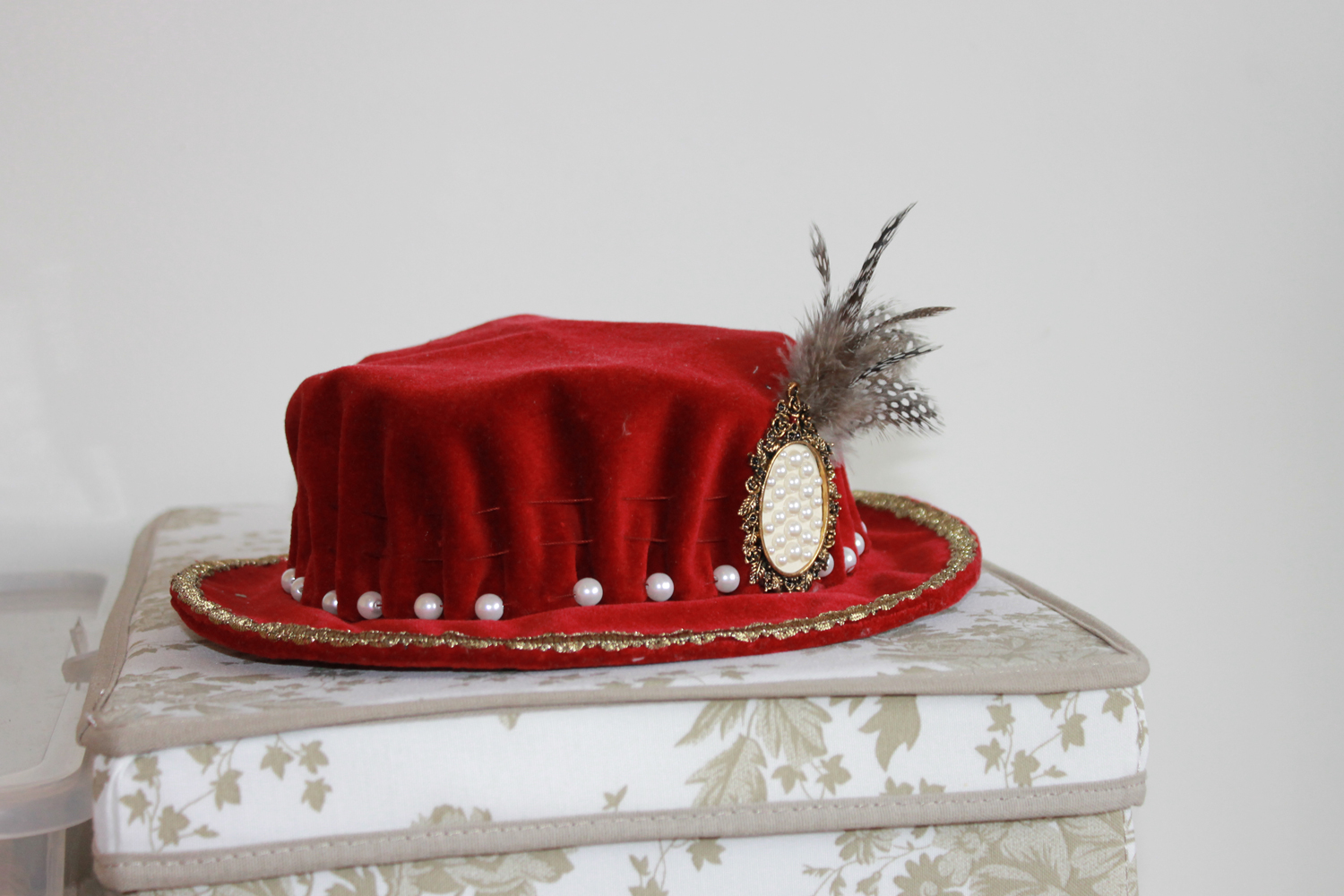
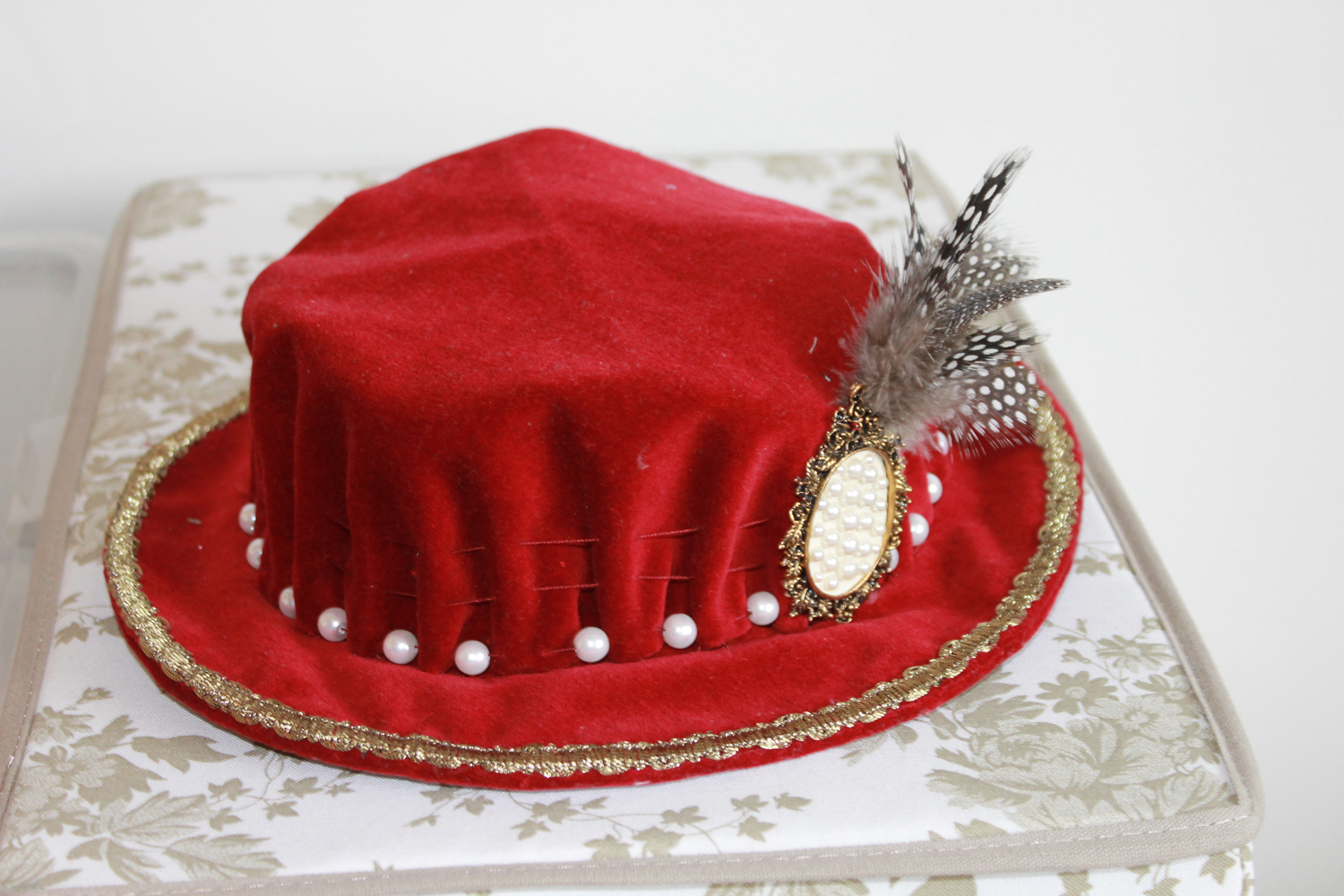
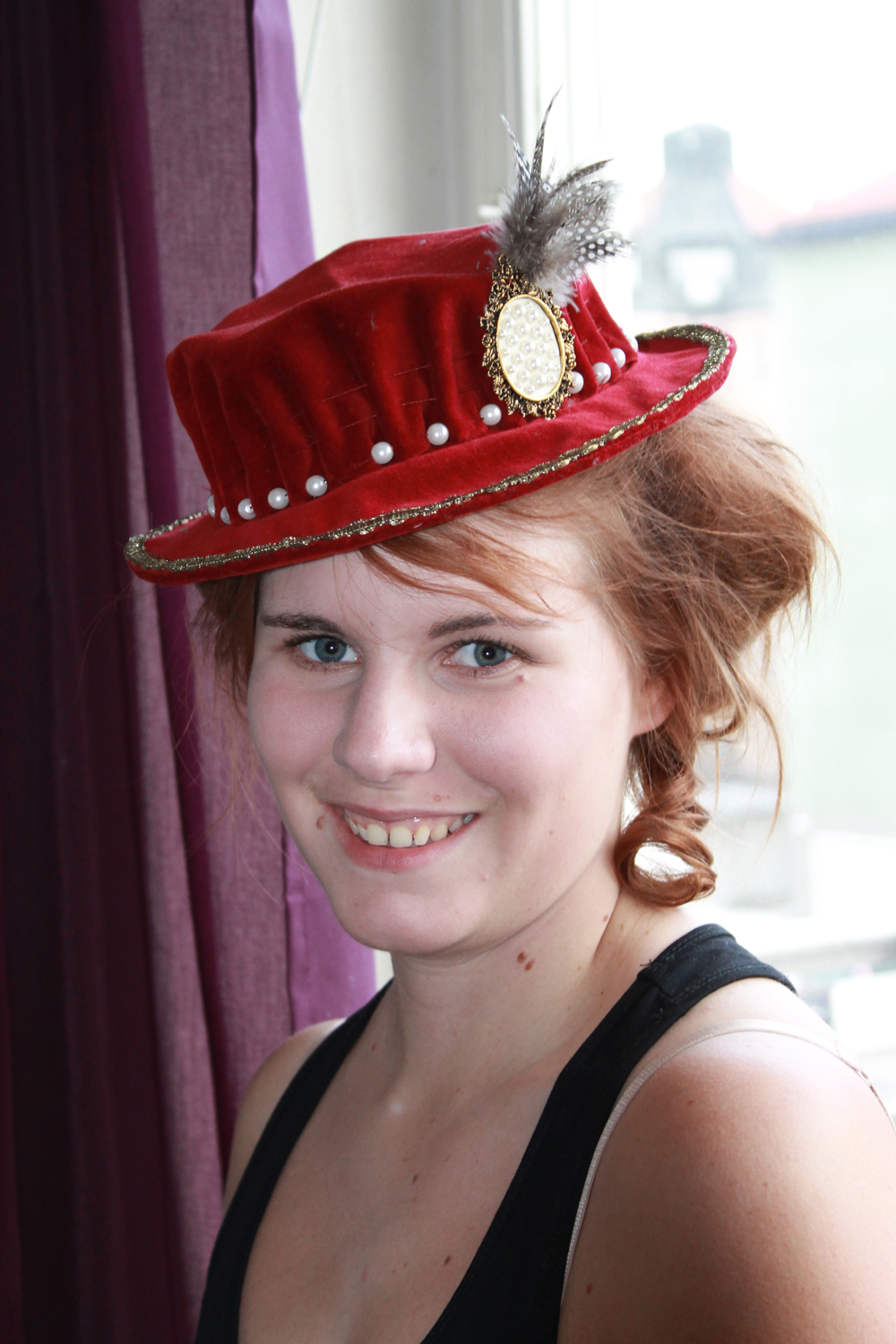
One evening (quite a while ago), I decided to make myself a 16th century hat. I’ve been craving a renessainse gown for a long time, and now I decided to make some head wear to go with it (when ever I make one).

After some internet inspiration searching I found just the one, or a couple.

180px-Circle_of_benson_st_cecilia_detail

hat

redhatLove this one!

So I brought out some velvet scraps and my copie of “The Tudor Tailor” and got to work.

2013-03-22 16.17.23It was quite easy, and after just two evenings of sewing in front of the television I had made a cute little hat.

IMG_1912

IMG_1910

IMG_1898Maybe it is time to start on that dress soon…

Embelish a 16th century Shirt

I knew I wanted to push my bounderys with the 4th HSF Challenge: Embelishment, last spring.

Since I’m not much for the over-the-top, decorated things, I decided to make something quite stylished yet advanced.

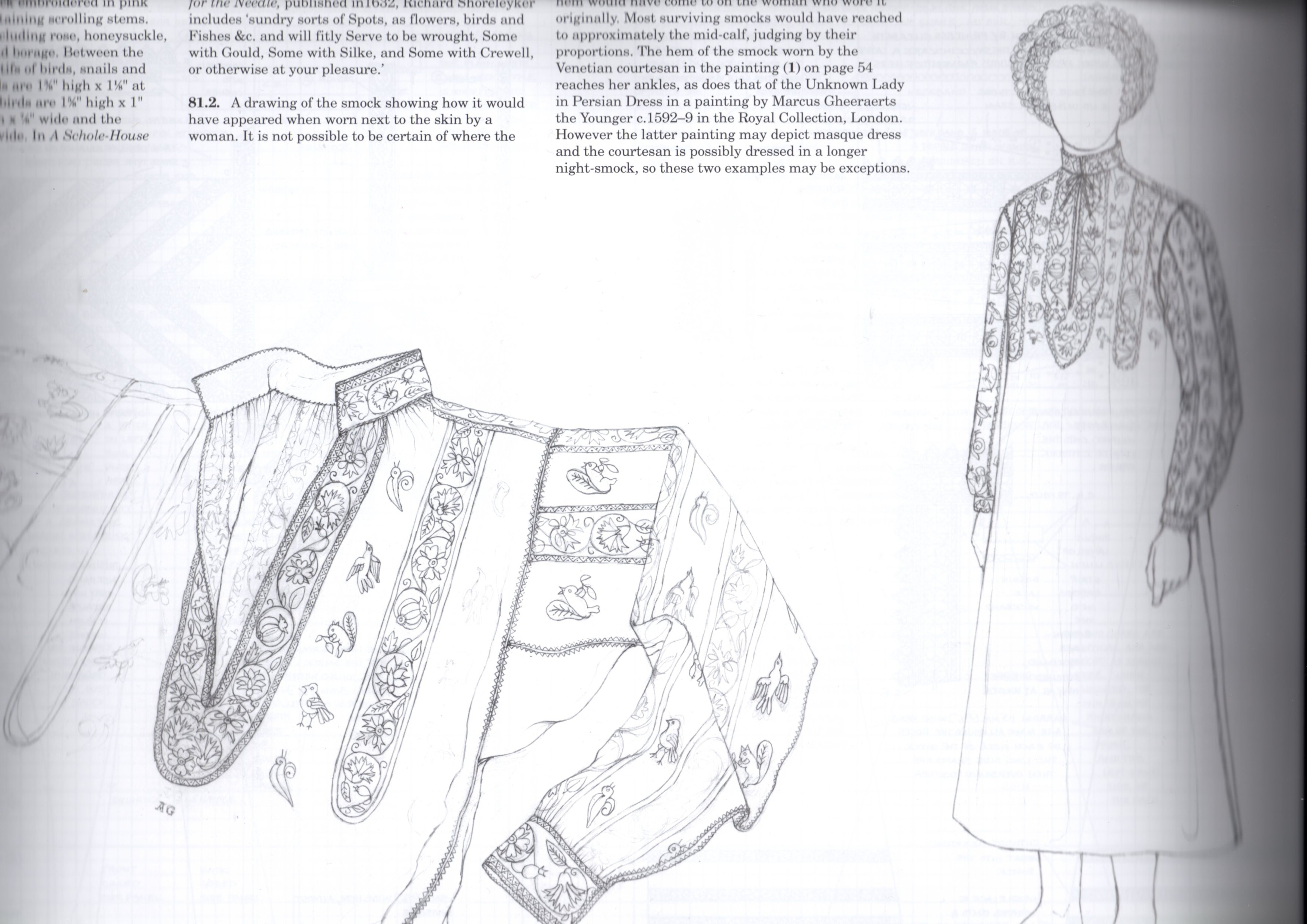
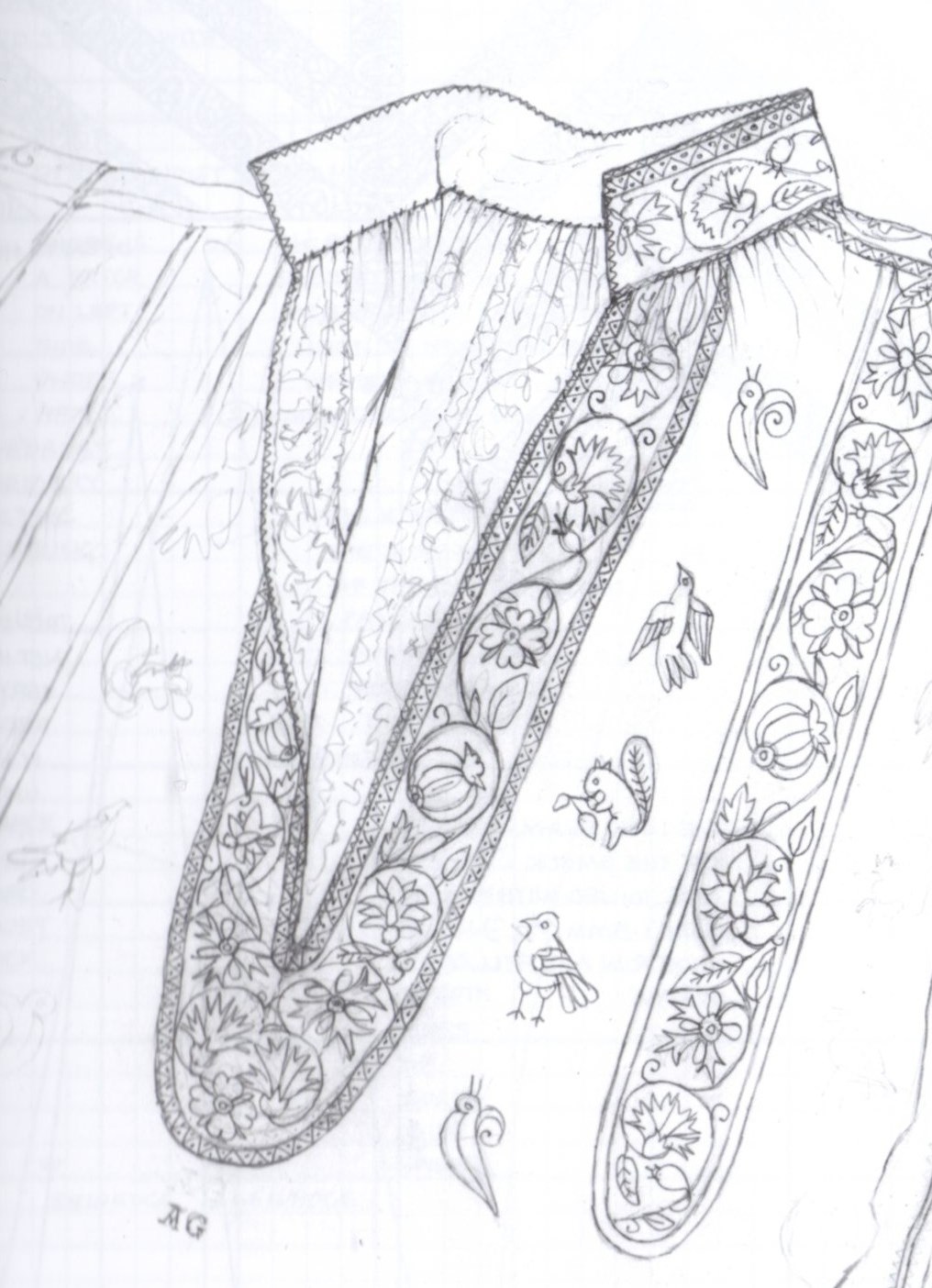
I’ve been wanting to make one of these shirts, decorated with an embrodery technique called blackwork, for a long time. And this seamed to be the time to make it.

images

hämta

I used Janet Arnolds “Patterns of Fashion nr 1” as a reference.img303

And designed my pattern of flowers and shapes.img303 - Kopia

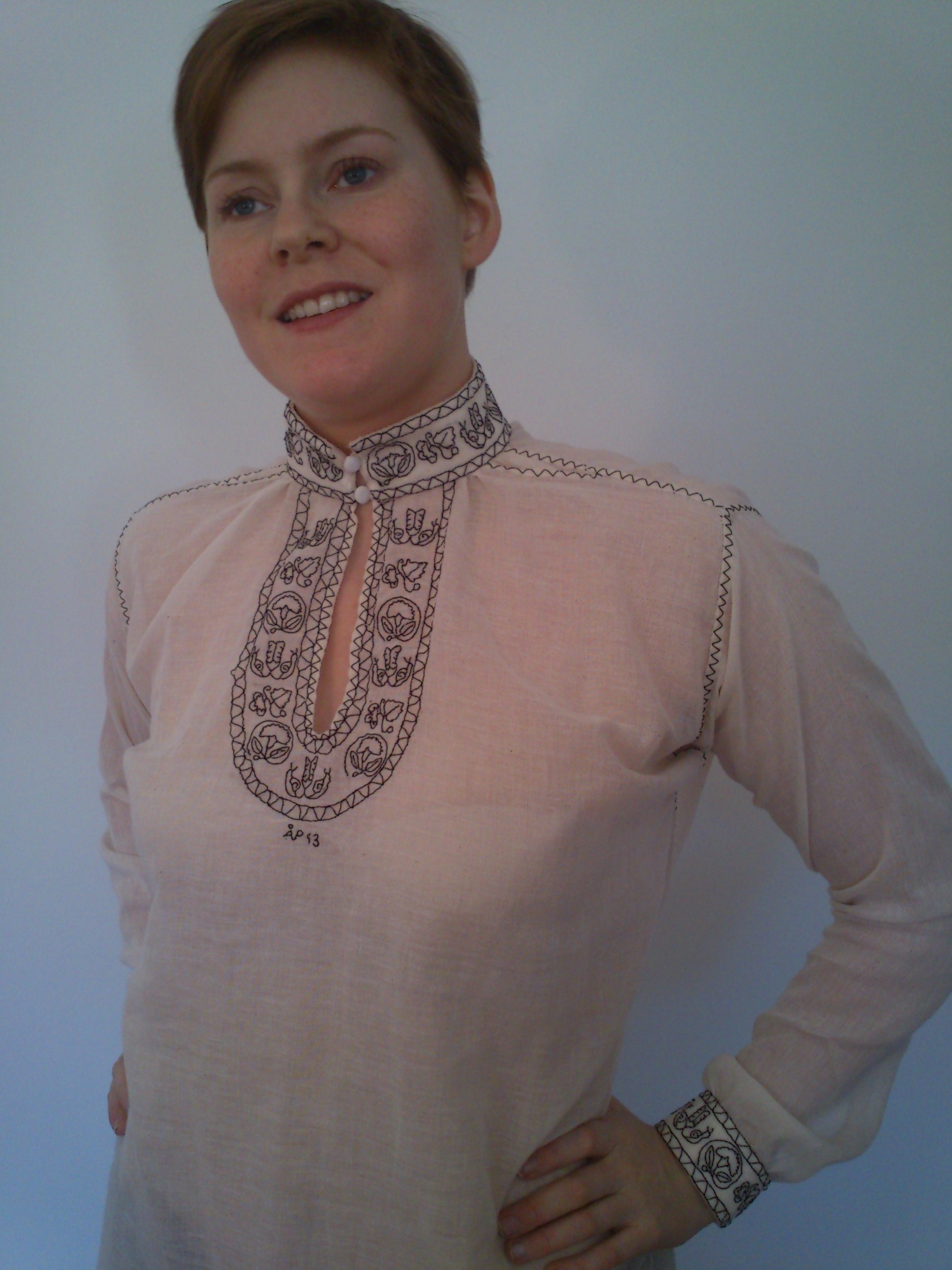
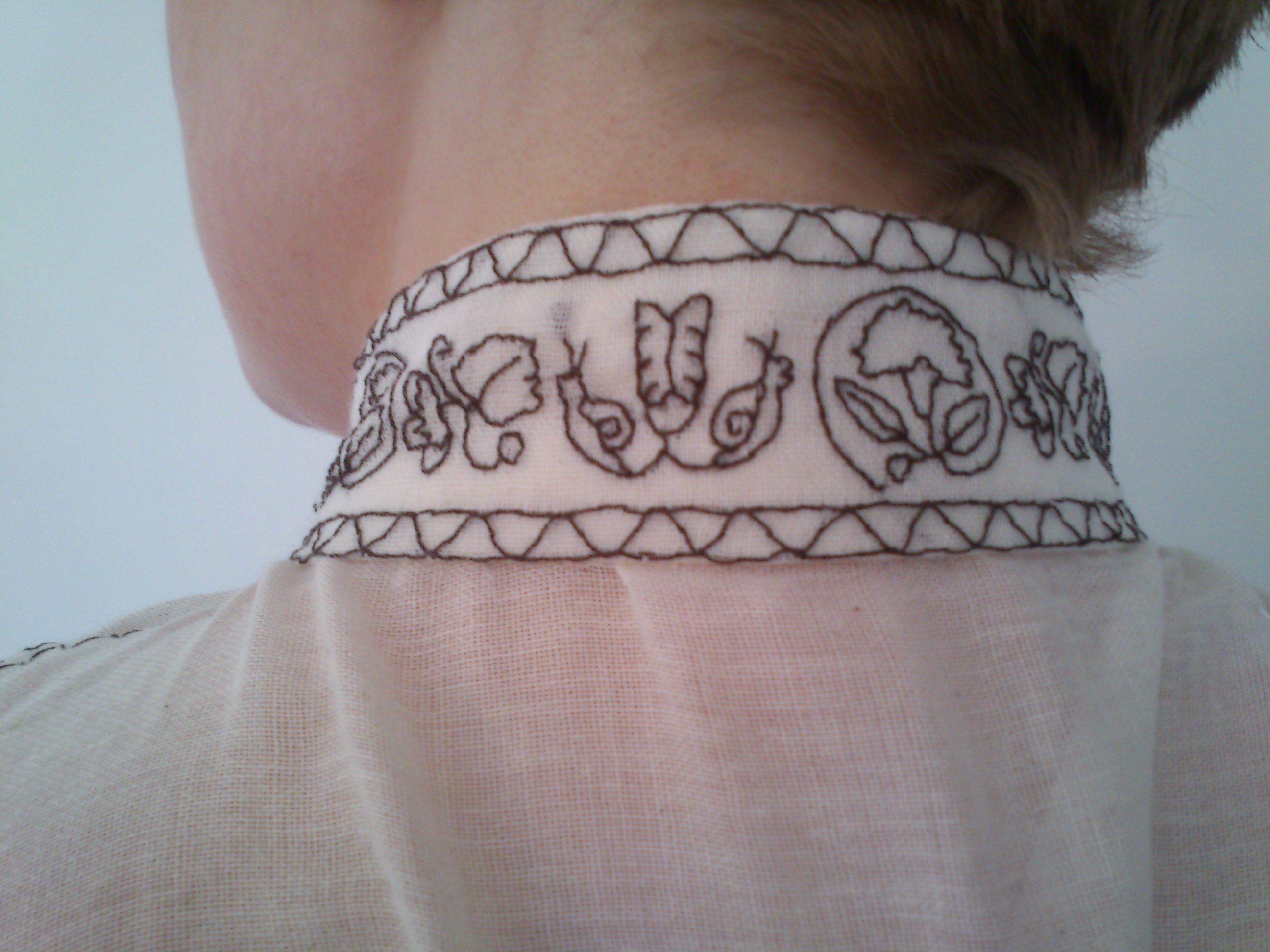
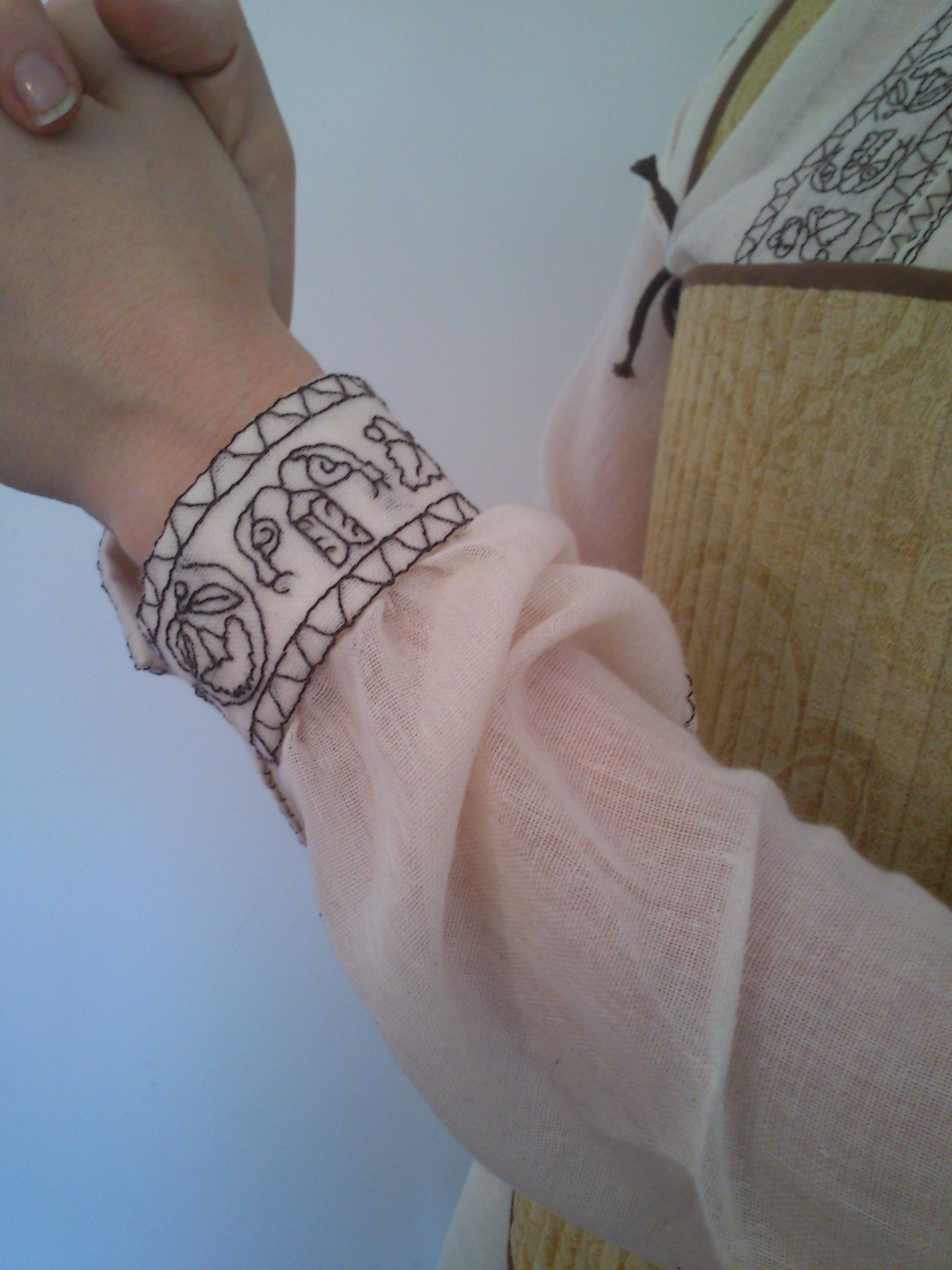
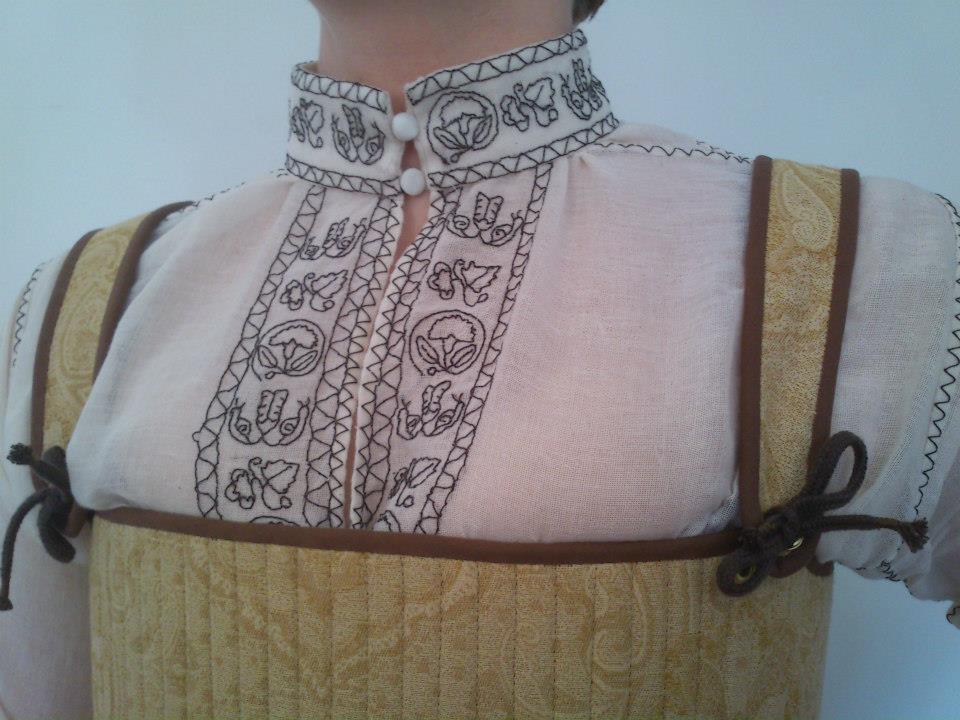
I drew a design of 3 diferent flower/animal shapes and traced them to the sheer linen fabric. Then I used a heawy buttonhole thread to work the embrodery.

I knew it would take some time to embroder the shirt, but I was shocked to discover exactly HOW slow it went. Each little flower took about 45-55 min and each row of rick-rack took 2 hours.

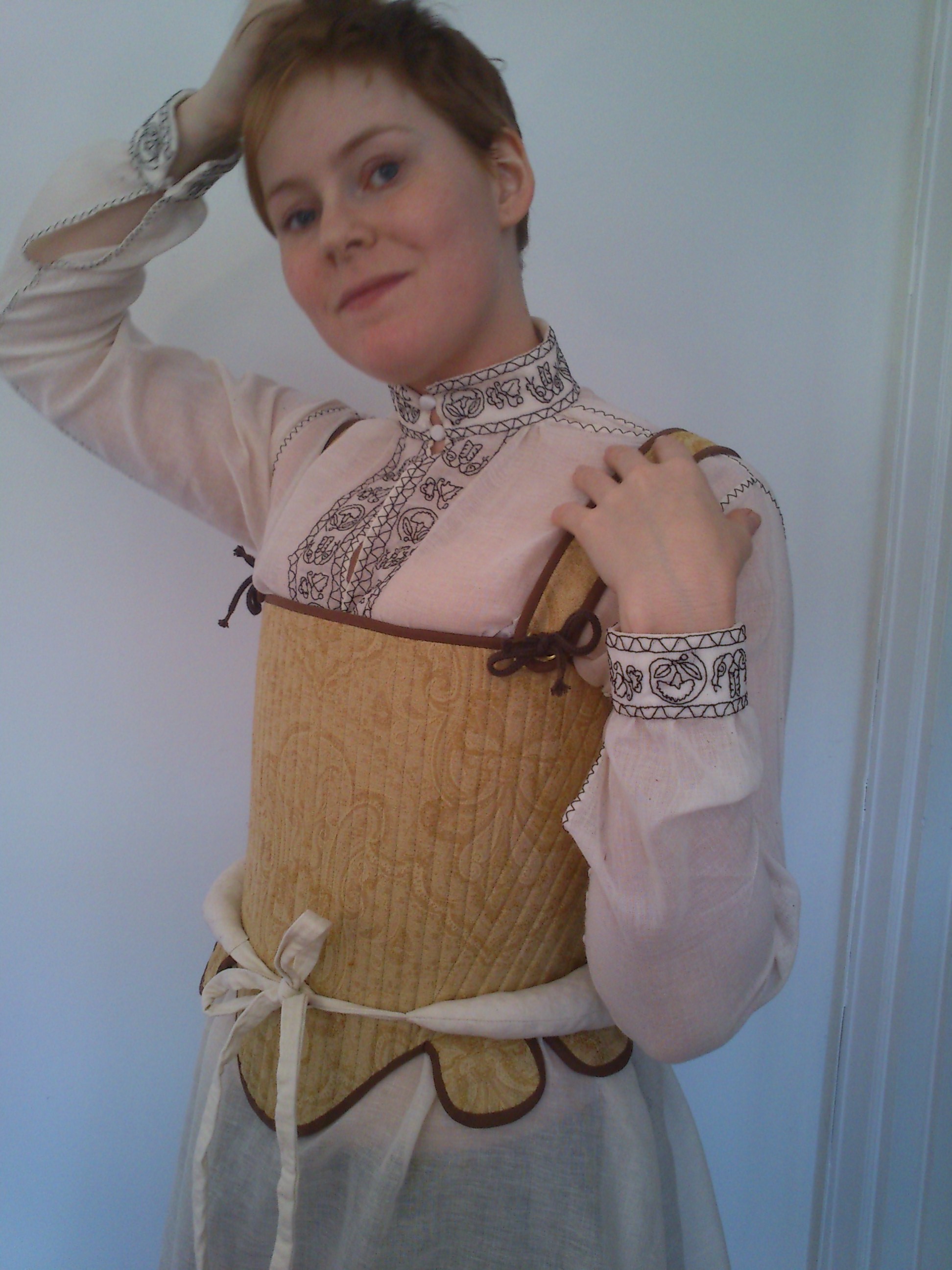
This slow paste made me change the original plan of embroder the whole shirt, to only doing the cuffs, collar, neck border and rick-rack on the seams.

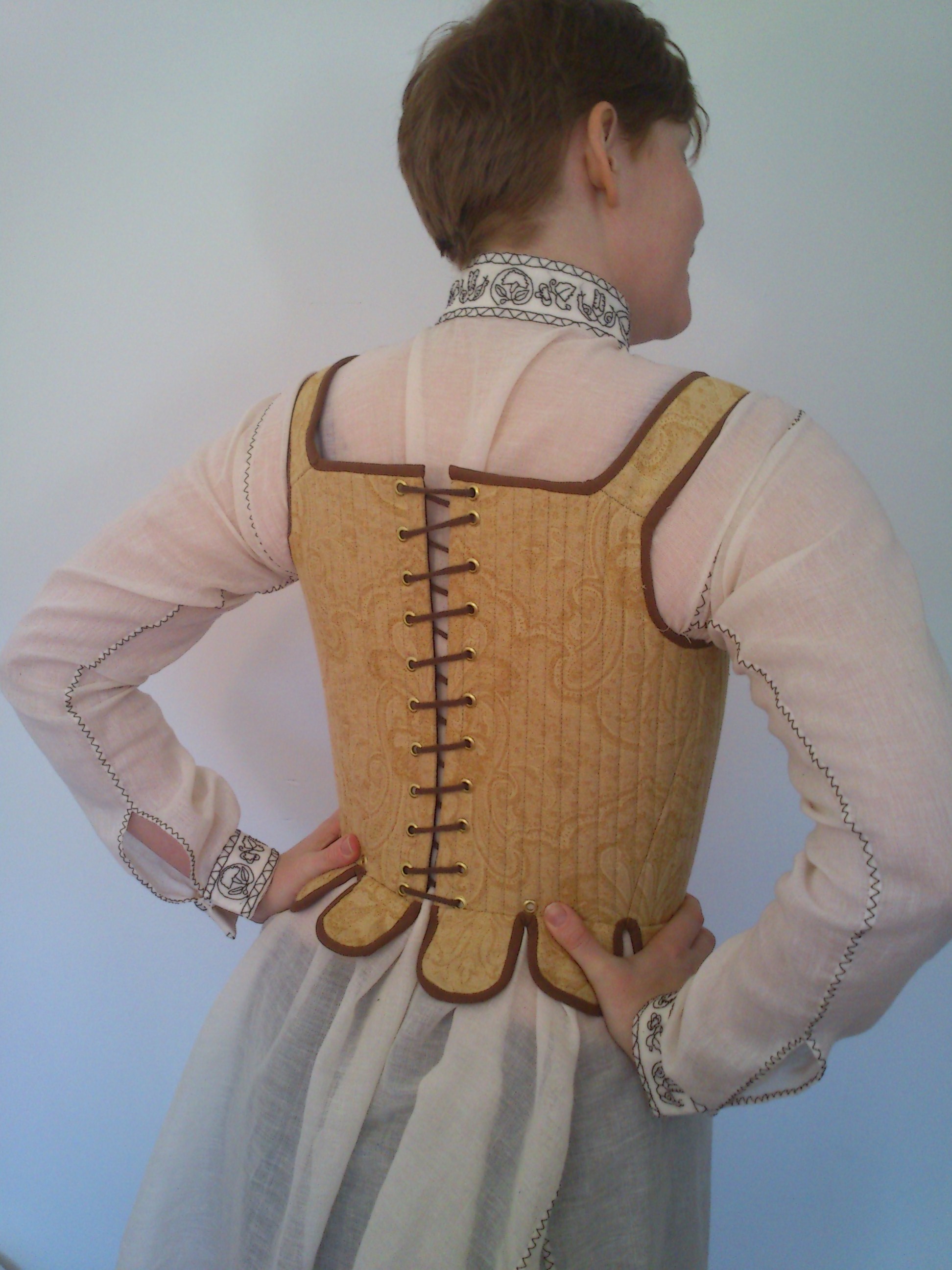
Sadly I seem to have lost all my in progress shoots, but here are some of the finished shirt.

2013-03-01 14.41.06

2013-03-01 14.33.45

2013-03-01 14.34.51

2013-03-01 14.32.22

2013-03-01 14.35.30

63268_10200634023514639_769913574_n

2013-03-01 14.33.57

Just the facts:

Challenge: nr 4 Emelishment.

What: A 1550-1600s shirt.

Pattern: Janet Arnolds “Patterns of Fashion nr 1”

Fabric: 1,5m of sheer soft linnen.

Notions: white sewing thread, 2 spols of brown buttonhole thread and 4 buttons.

How historical accurate: Pretty good, except the terrible quality of my stiching, and the fact that it will be worn by a woman. But it is totaly hand sewn and have the right look of it. So mabe 7/10.

Time: (Way to long) About 100 hours.

Cost: about 100 Sek (11Usd)

Fist worn: For a photoshoot in mars 2013.

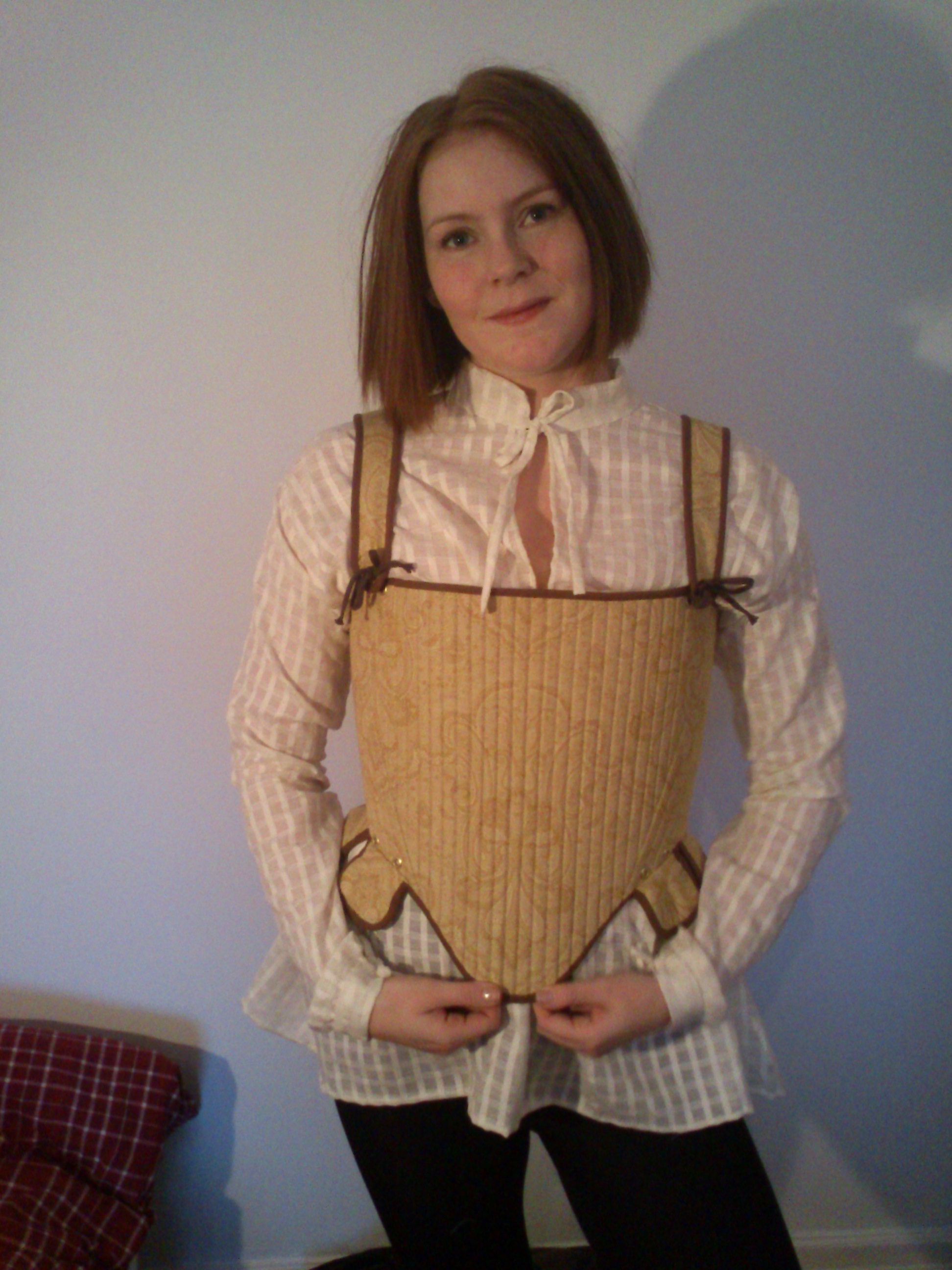
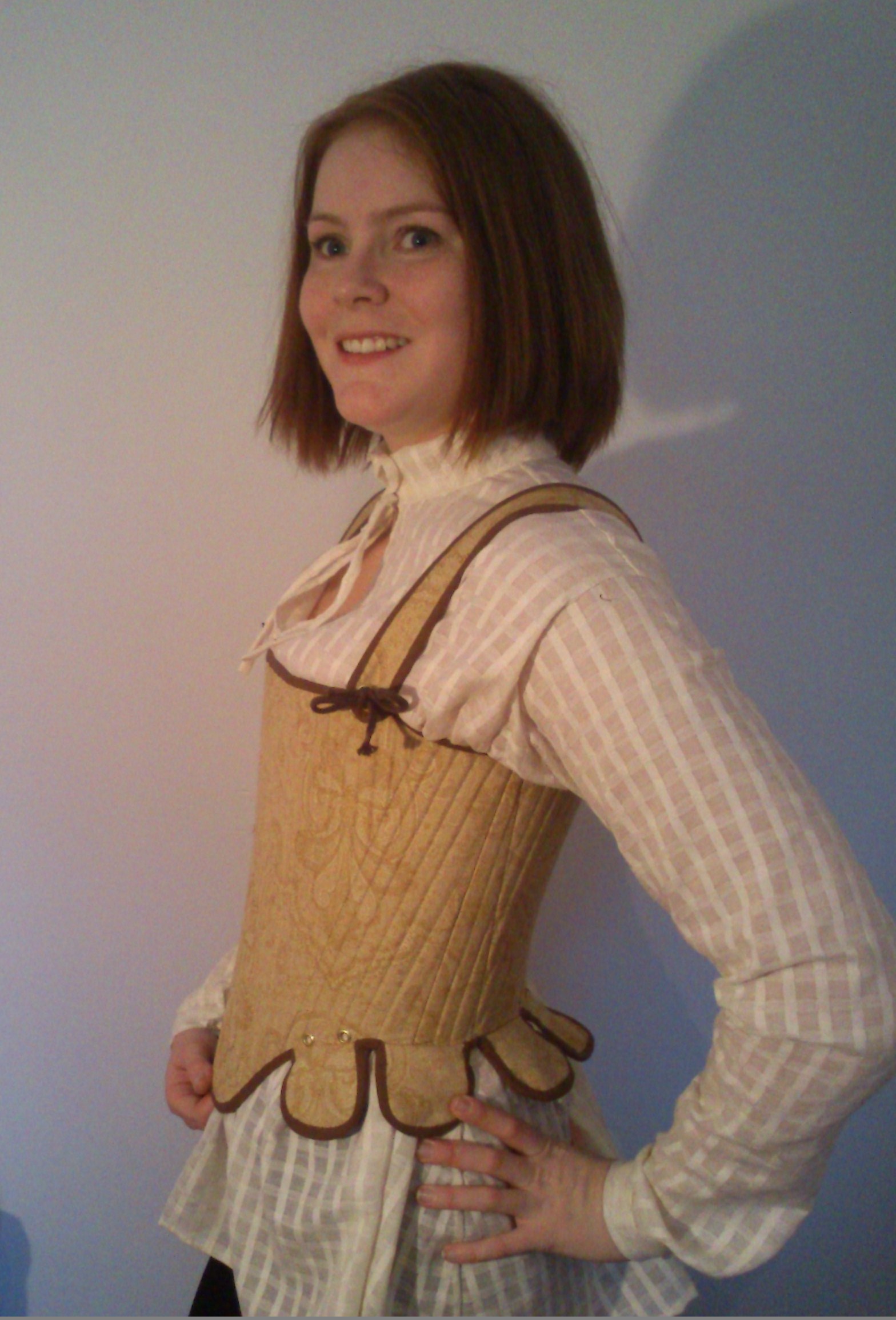
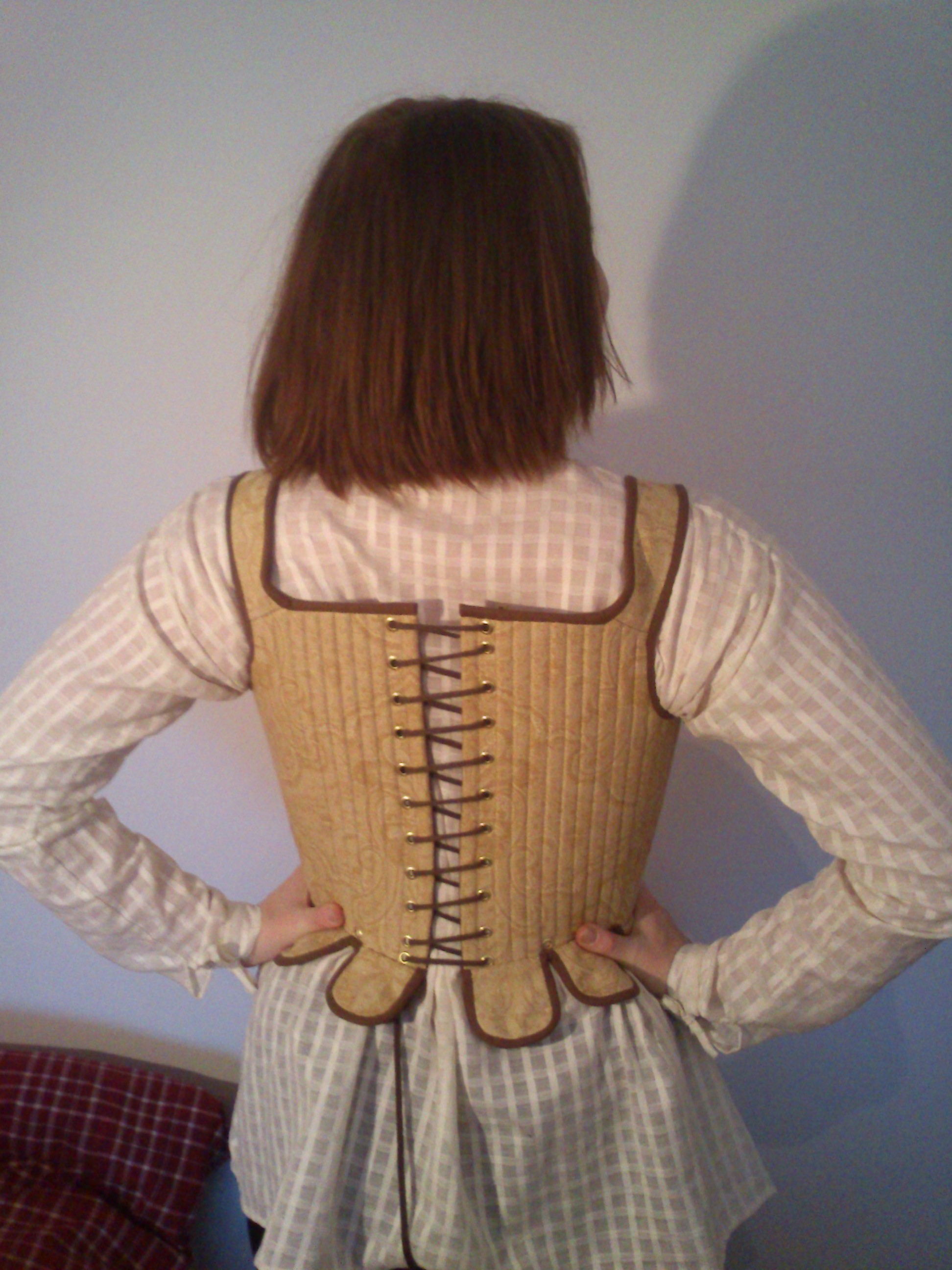
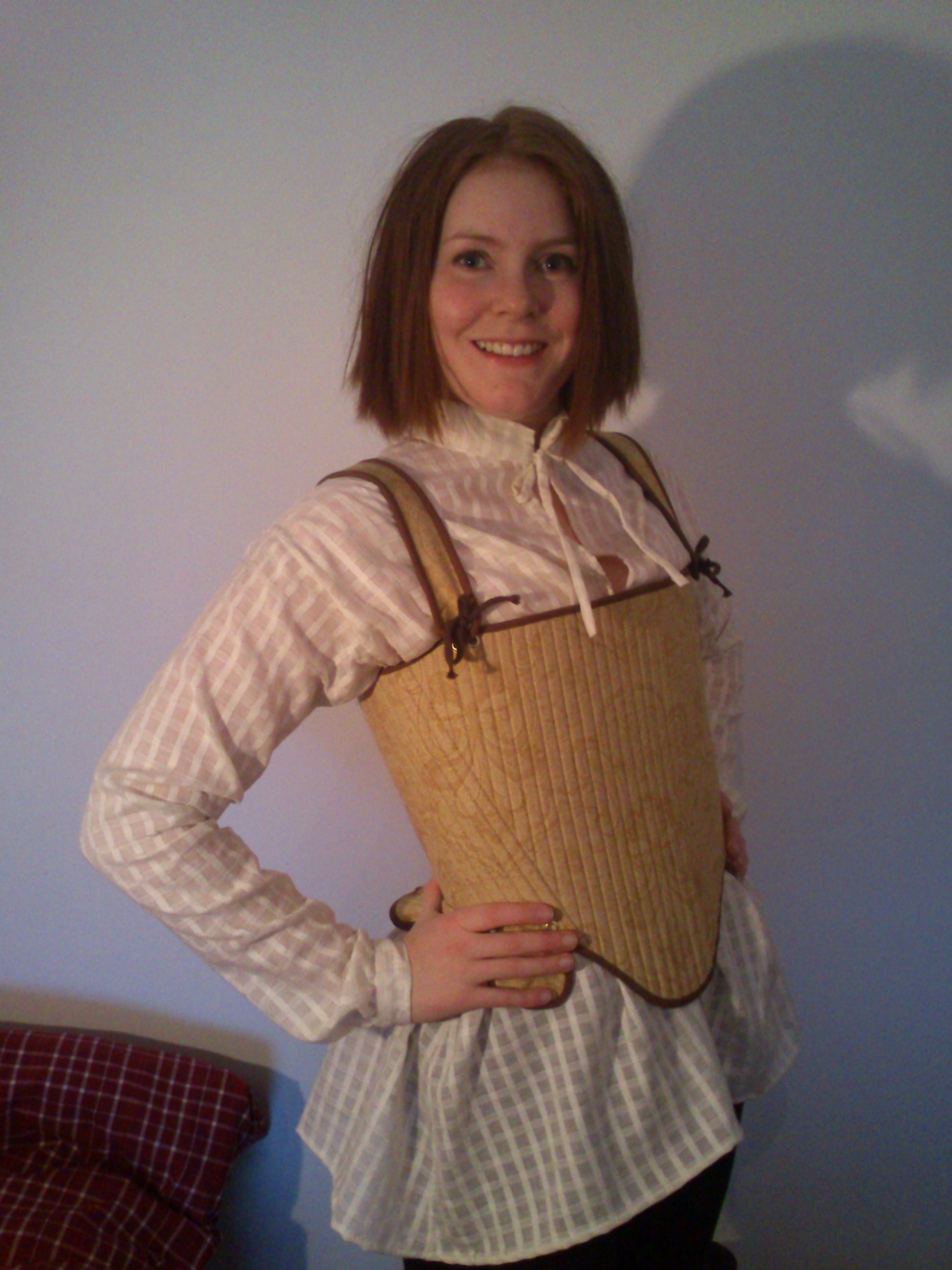
16th century Corset & Shirt

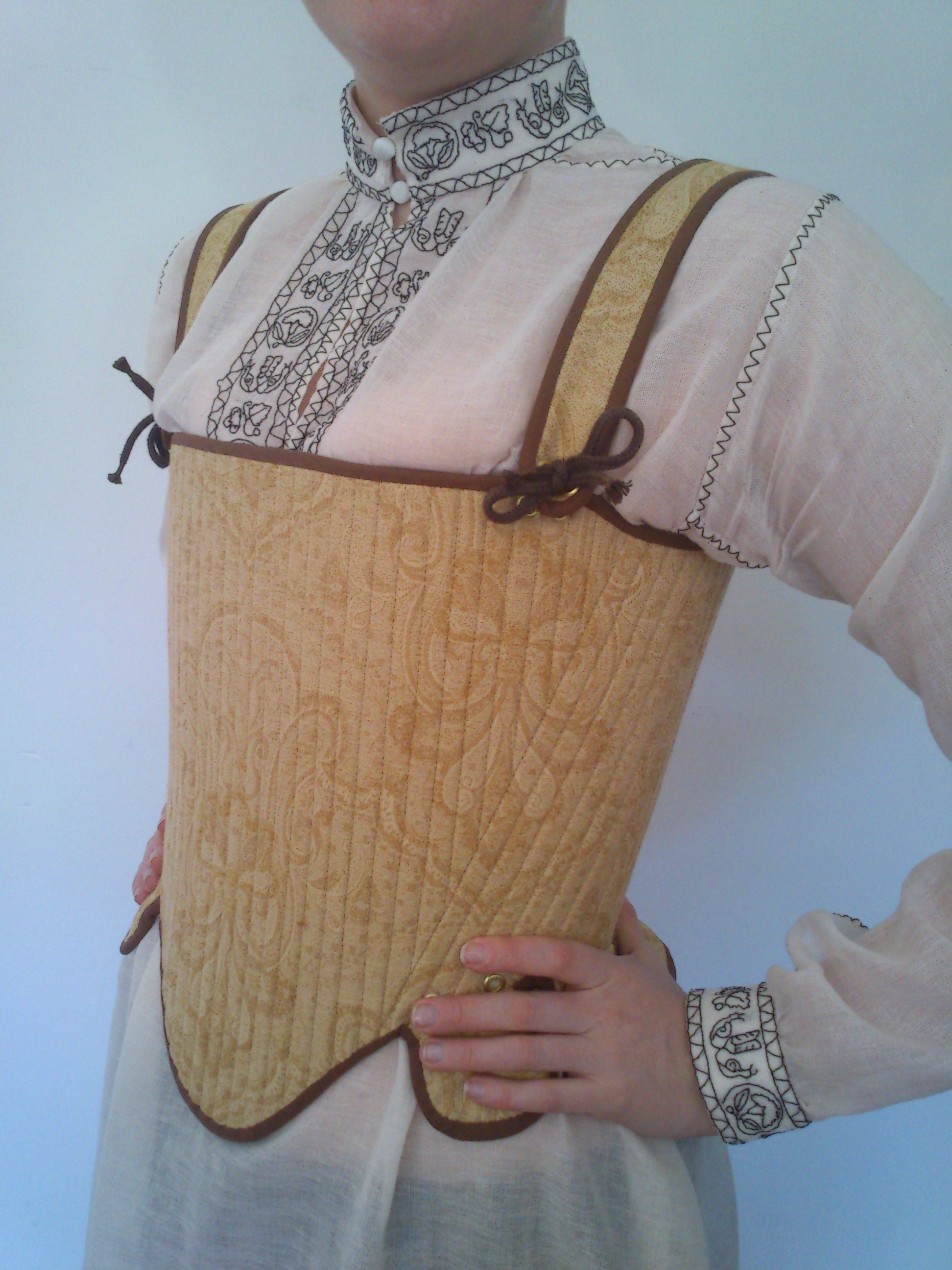
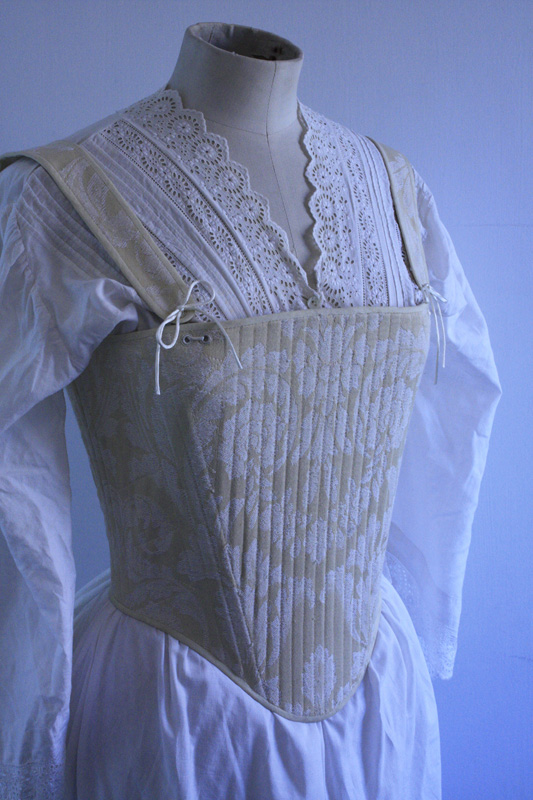
For the HSF Challenge 3: Under It All, back in february, I decided to start the foundation on my planed 1550s dress (which I still haven’t gotten around to make).

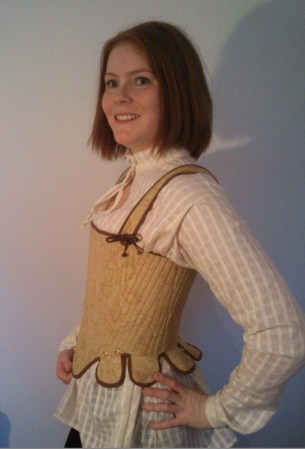
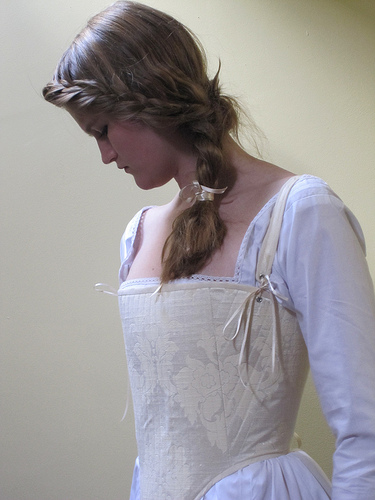
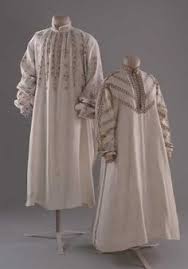
So I decided to make a corset similar to theese two.

MG_7070

4538806930_7ed18b9605

Using the corset pattern from “The Tudor Tailor”. I printed the pattern and made some changes to match my mesurments.

500%-förstorad

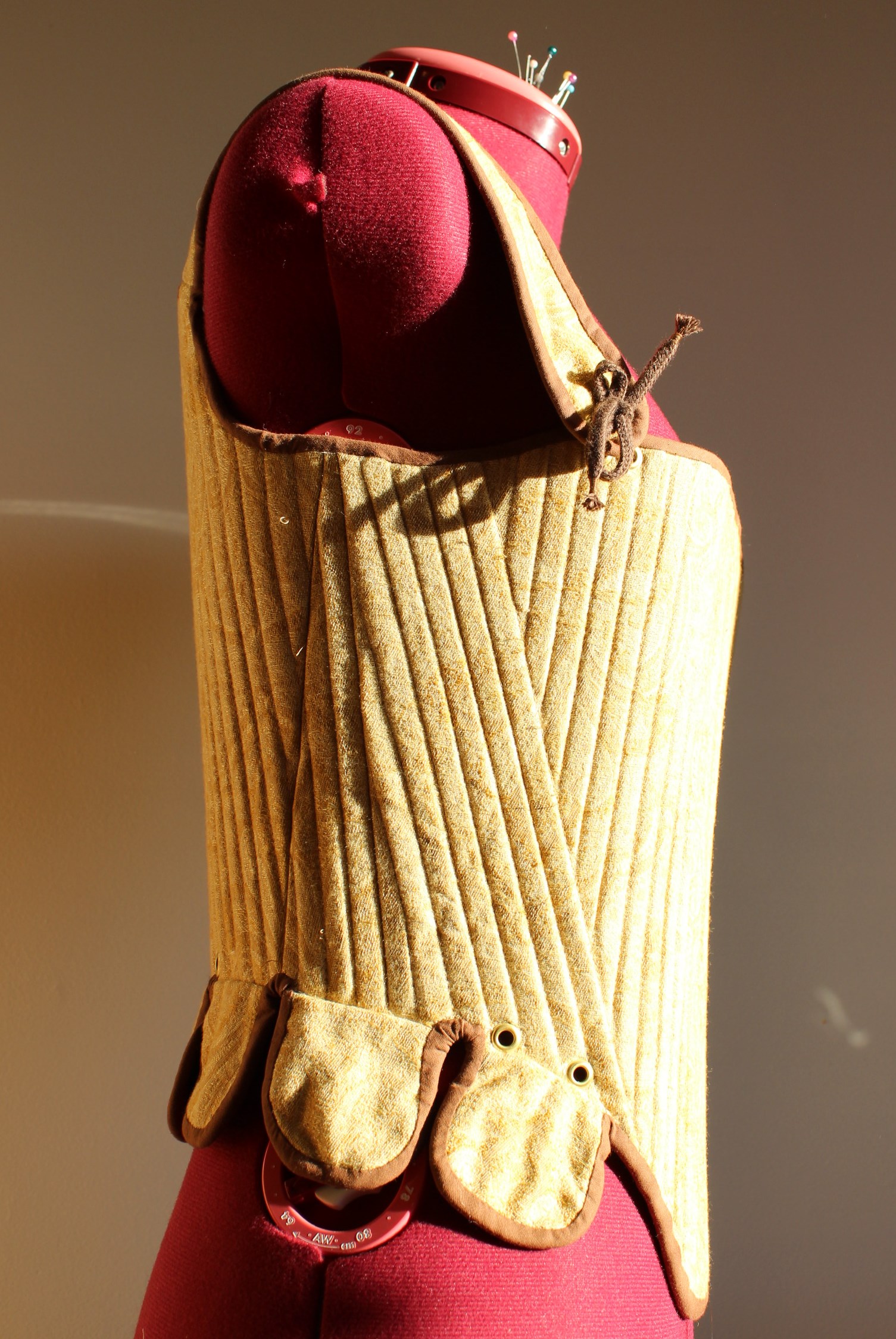
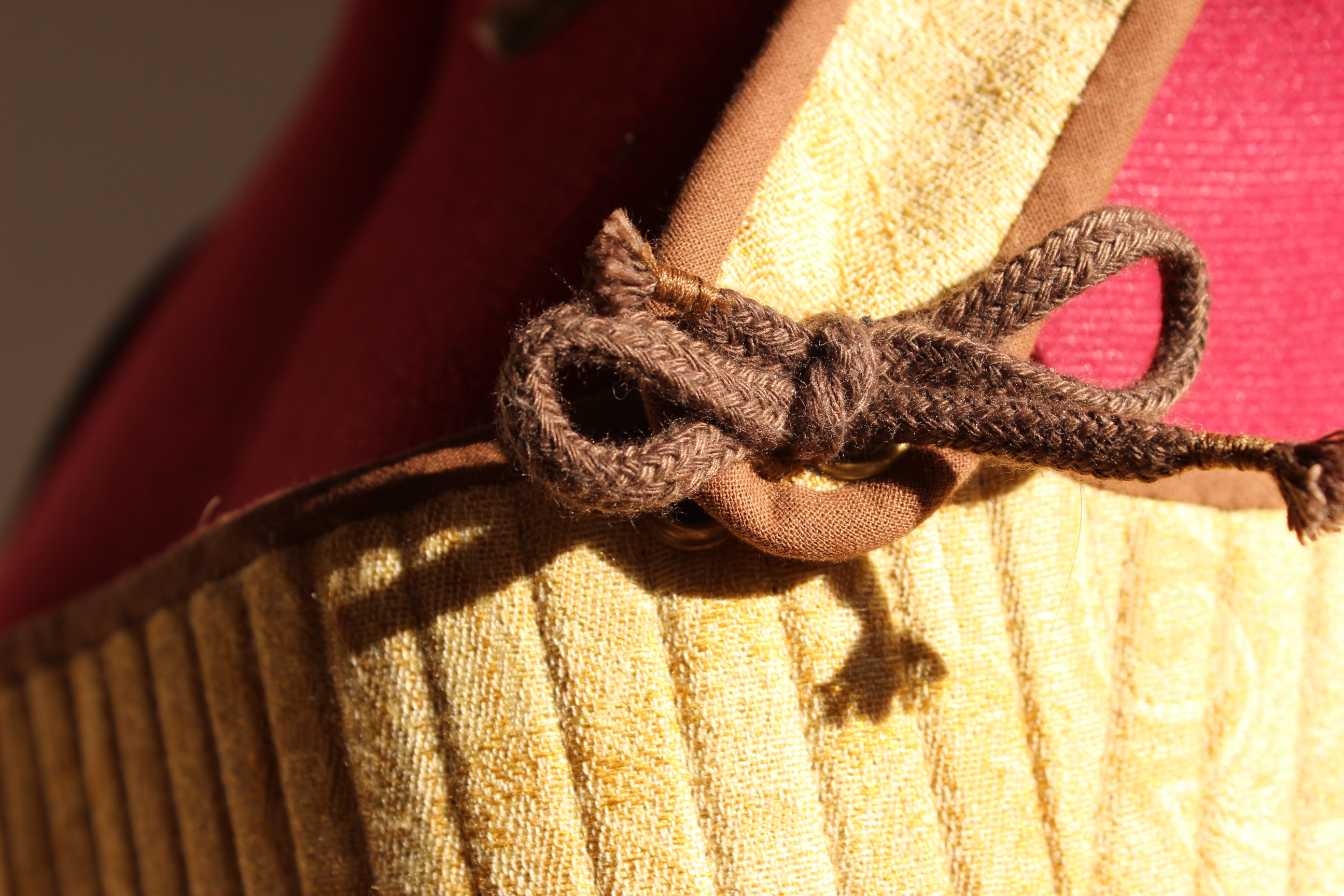
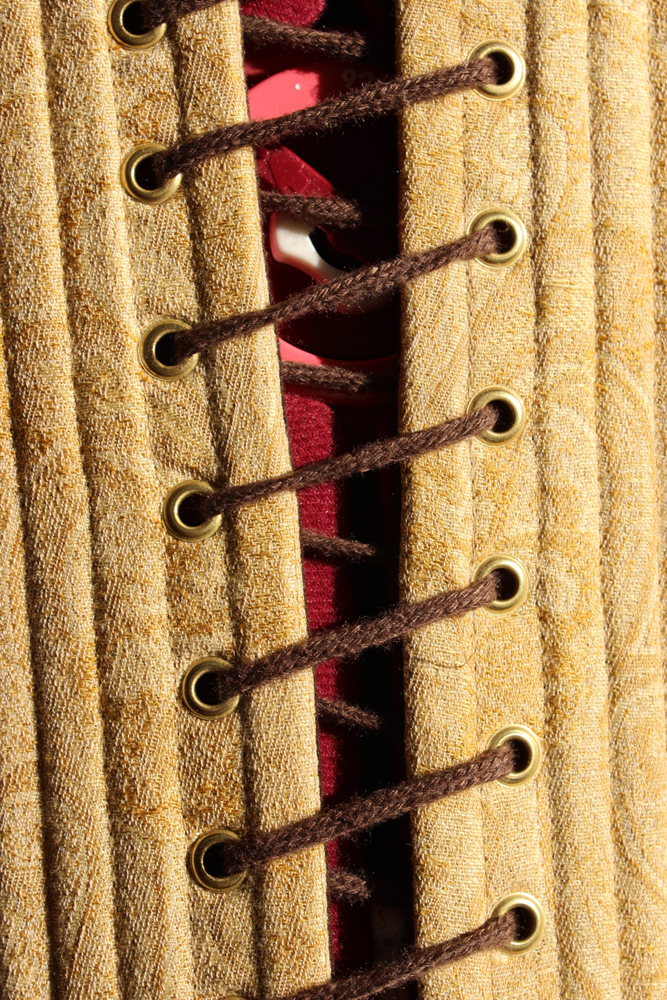
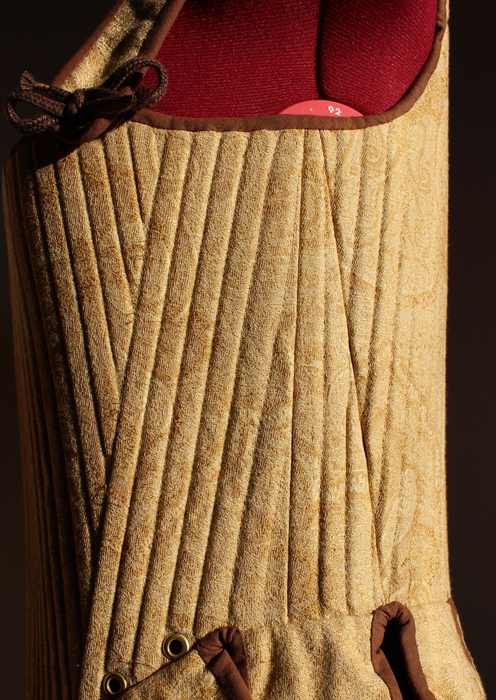
Then I cut the fabric, interlined it, and stiched the corset compleatly on the machine. I inserted the bonning, set the gromets and sewed on the bias-tape.

Unfortanly I didn’t think of documenting the steps while sewing (this was before my bloging days) so there are no construction photos.

But there are finished ones.

IMG_4026IMG_4032

IMG_4027

IMG_4036

IMG_4033

One thing I didn’t accounted for was the amount of fabric the bonning would “eat”. While inserting the bonning the corset shrunk quite a bit, and I ended up needing to do some piecing to make it fit properly.

IMG_4039

When the corset was finished I decided to also make a shirt to wear underneath.

images[4]

I used a lovely cotton voile, and sewed the shirt compleatly by hand (and still didn’t take any construction photos).

IMG_4023

Finished Shirt and Corset.

2013-02-09 15.45.57

2013-02-09 15.46.02

2013-02-09 15.46.25

2013-02-09 15.46.30

Just the facts:

Challenge: Nr 3 Under it All

What: A 1550s Corset and Shirt

Pattern: Shirt – Janet Arnold “Patterns of Fashion 4 – c.1600-1610 smock. Corset – “The Tudor tailor” Dorothean bodies.

Fabric: Shirt – 2 m of checkered cotton voile. Corset – 0,5 m of leftover golden/yellow curtan-fabric, 1 m brown cotton for lining and interlining.

Notions: Shirt – Thread. Corset – Thread, Bias-tape, gromets, boning and lacing cord.

How Historical Accurate: Shirt – Completly hand sewn, but the cotton tread and fabric is not correct for the period. Corset – Not realy. The achived shape is just about right, but all the sewing and material is modern.

Time: Shirt – about 8 hours. Corset – 3 Days of work.

Cost: Shirt – 150Sek (16Usd). Corset –  300 Sek (40Usd).

First worn: Only at photoshoots so far.

Past Halloween Costumes – Renessance / Elizabeth I

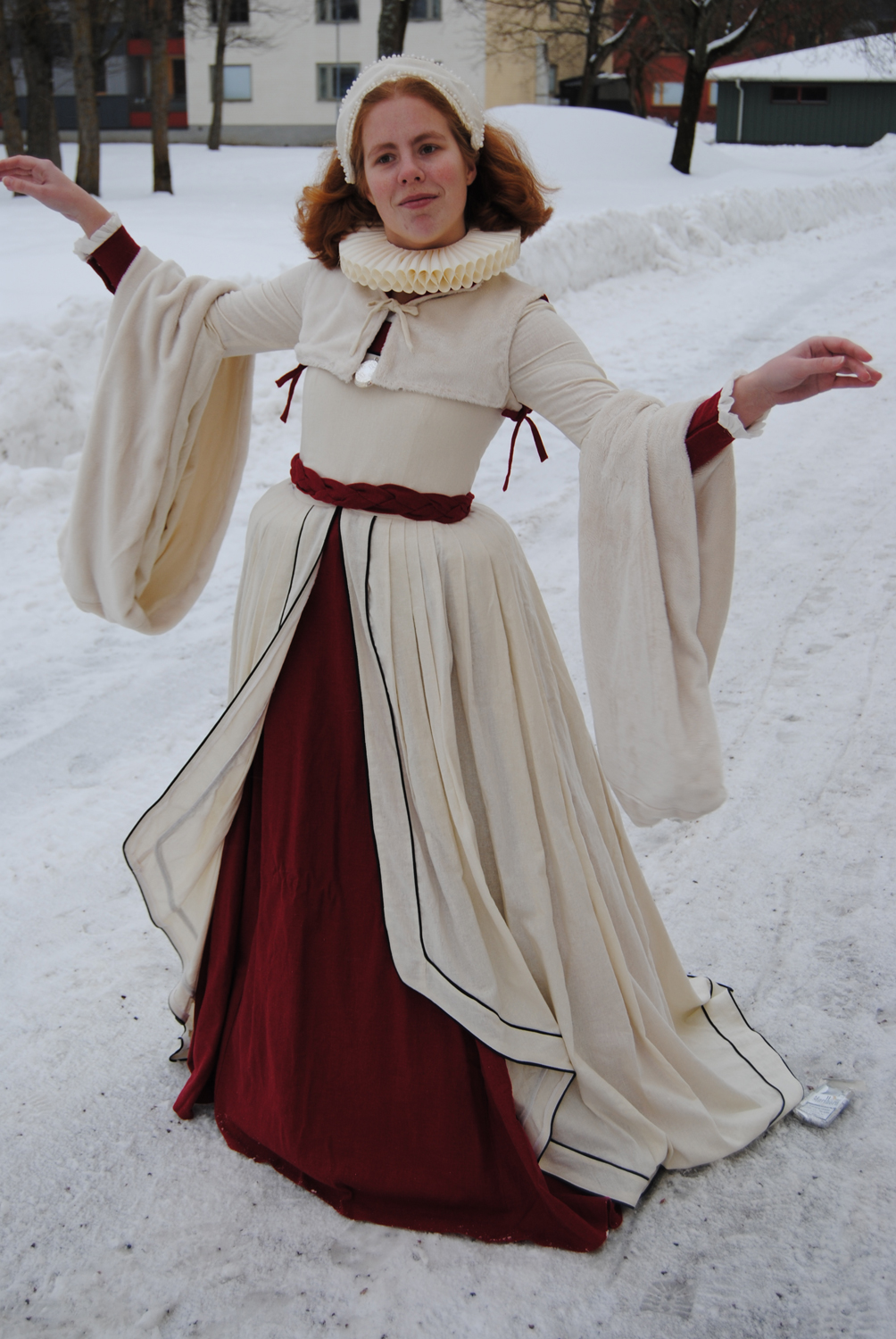
When my sister told me she was going to a big halloween party last year, we immediately sat down to decide on what to make. Since the time was tight we both decided to re-make one of her old costumes.

Since I’ve haven’t gotten around to write about the “old” costume yet, I will start there and then show you the alterations we did for halloween 2012.

***

2010 I took a class in costume design, and was asked to design and make a costume to fit one of the caracters in Shakespeares “The Tempest”.

Being a sucker for beautyful renessance gowns, I choose the one female character in the play – Miranda, the daughter of the king, who’s been living on a deserted island until a prince comes and rescues her.

Stormen MirandaMy caracter design

All items were to be made in theatrical fashion – super easy to both get on and of.

So I made the open skirt with the forepart as one.

CIMG3085

And the bodice with the big sleeves sewed on, and a opening in the back next to the lacing which closed with snaps.

CIMG3121CIMG3126

I also made a partlet, a bumroll, a belt and a french hood.

Then me and my sister whent outside and took some photos.

CIMG3141

DSC_0446

DSC_0436

CIMG3175

CIMG3263

CIMG3185

DSC_0481

DSC_0507

DSC_0575

DSC_0593

***

Then, two years later, we dugg the dress out from it’s box and got to work.

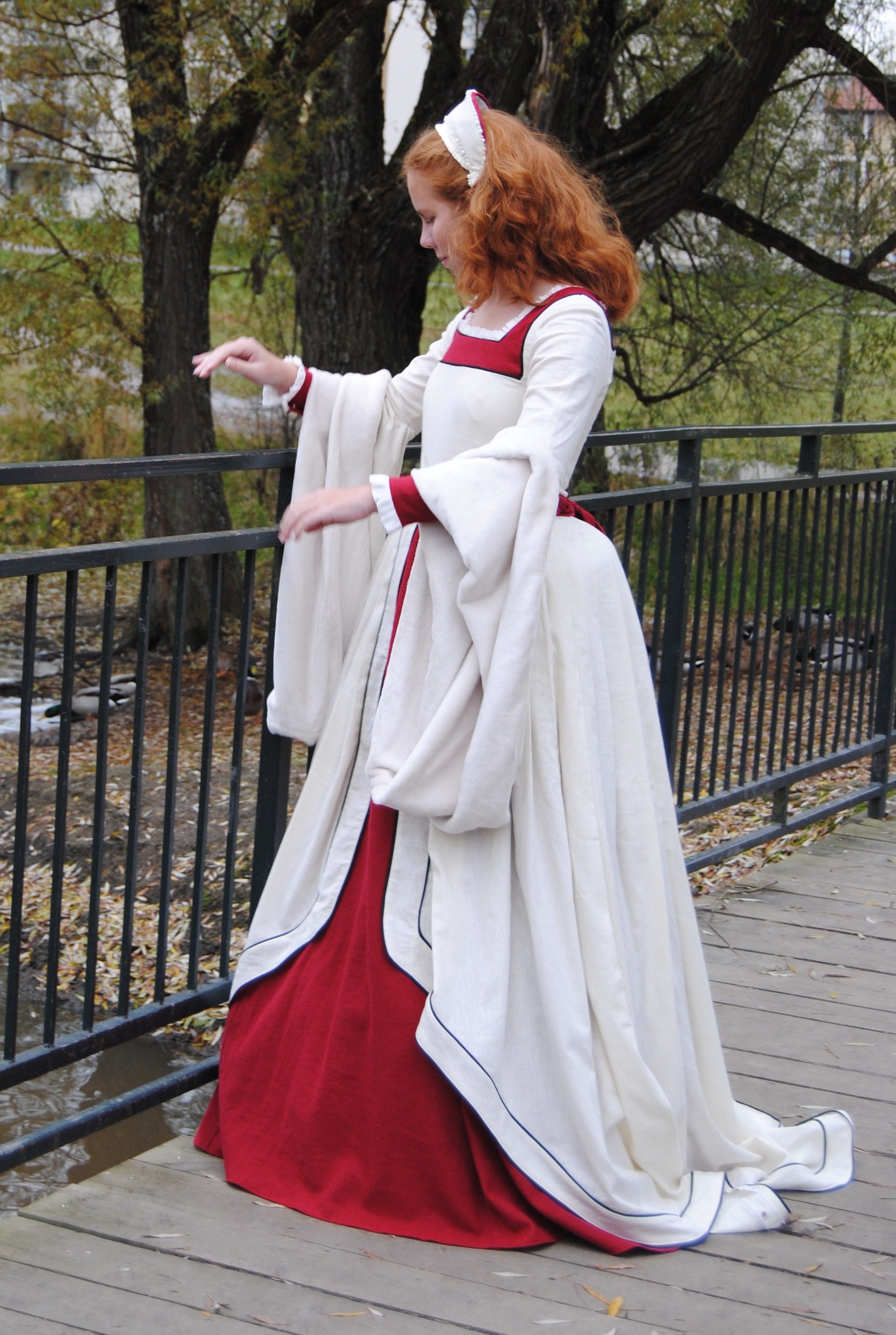
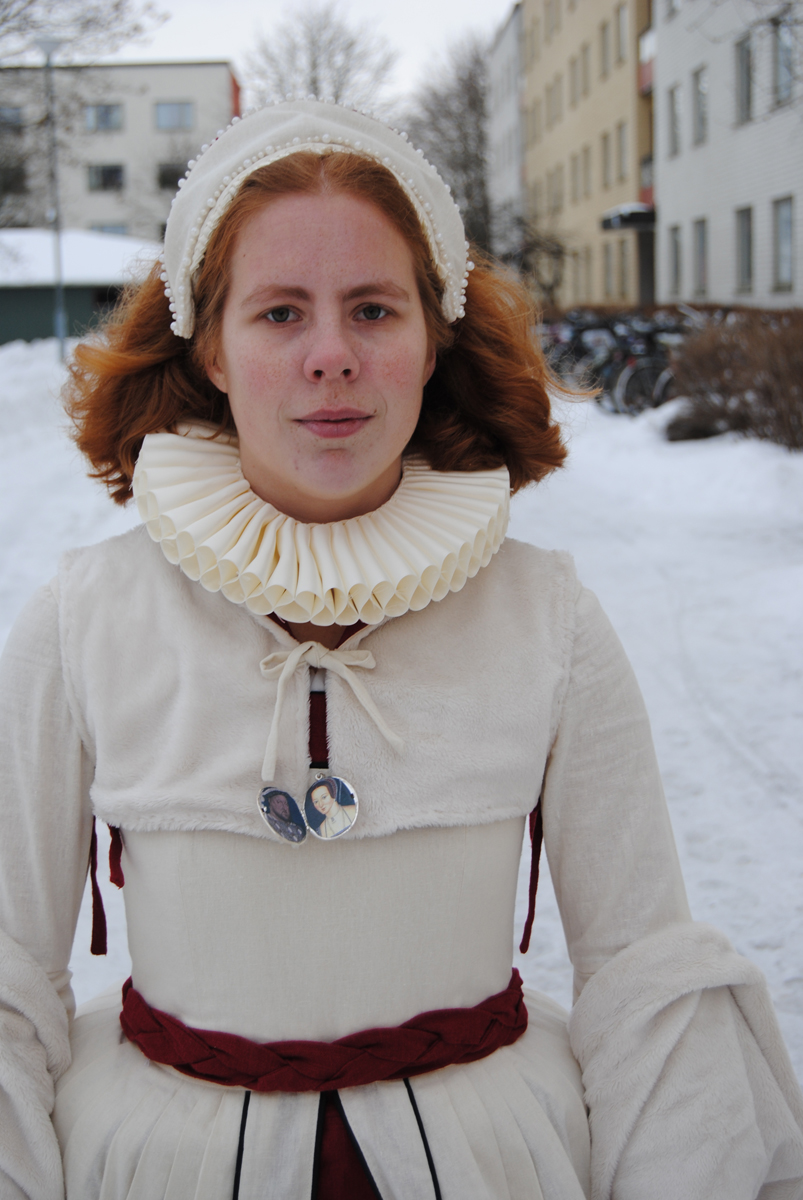
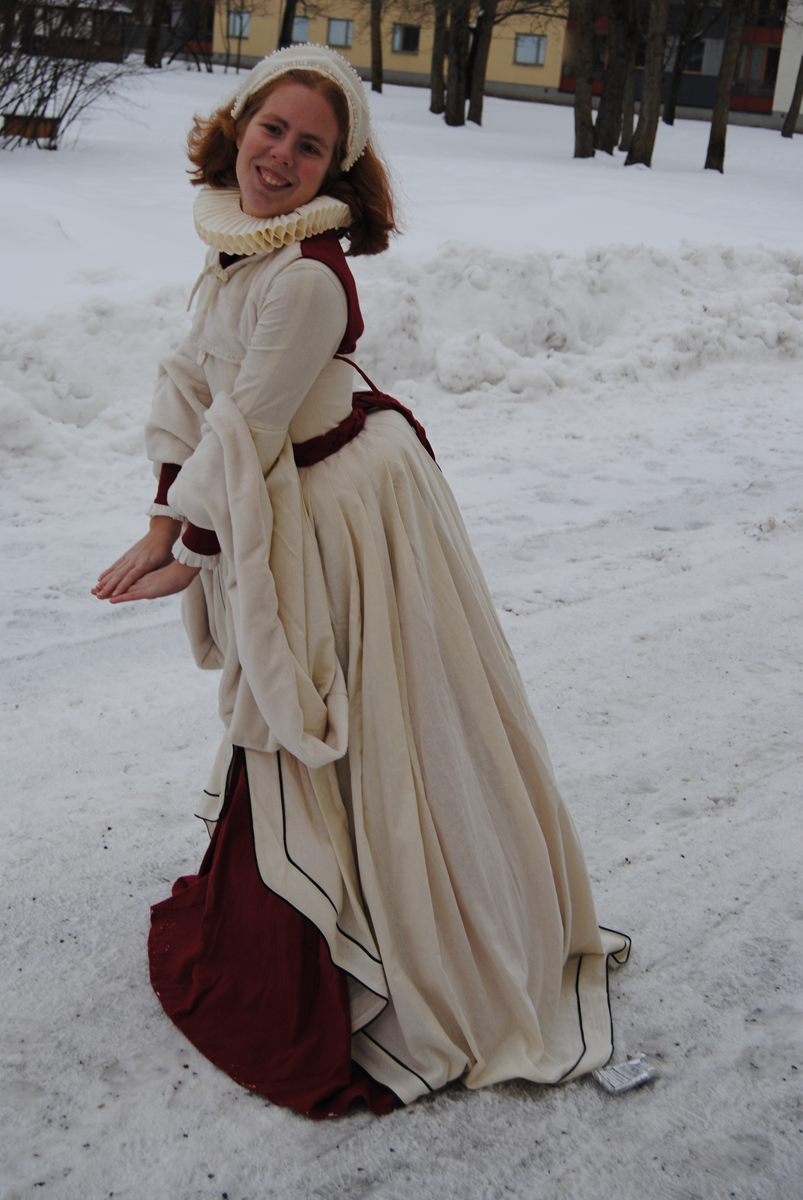
This time it was going to be transformed to something fit a young queen Elizabeth I.

First we needed to lenghten the bodice (to get a better fit), and then we made the skirt and bodice connect by sewing on hooks and eyes.

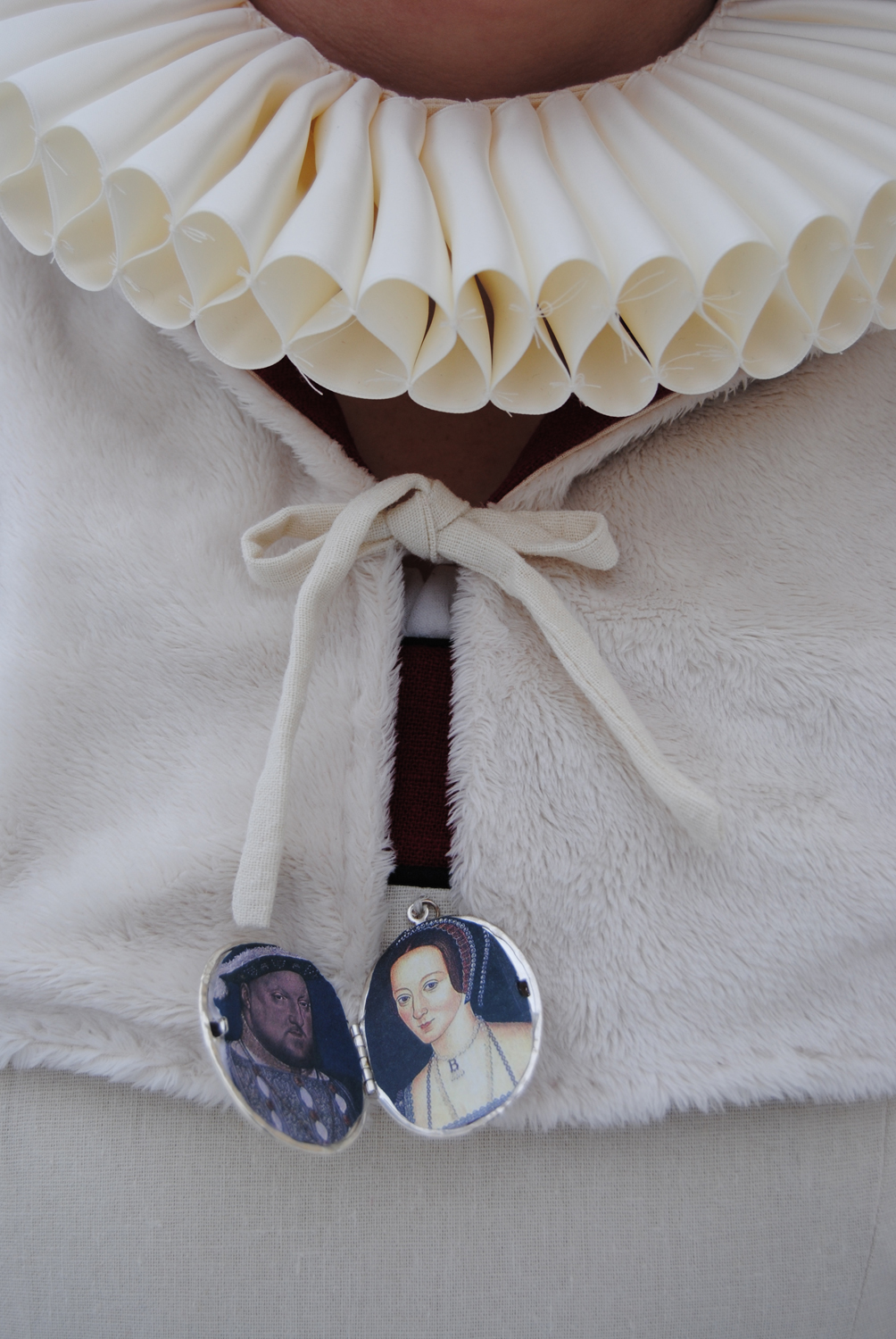
I also made a simple ruff to wear around the neck, and put some pictures of King Henry IIIV and Anne Boleyn in a amulet.

halloj-061

This time we din’t have the time to take good pictures but I still managed to snap a few shoots of the ensamble.

halloj-062

halloj-042

halloj-073

halloj-069

16th century Peasant

One of the challenges in the HSF I found the most interesting was the nr 5 Peasants and Pioneres back in Mars. Since I’m obviosly a “princess” when it comes to historical costuming, I found it verry educative to force myself down the heraldic scale to the common people.

I serced my books and the internet, and pretty soon found the pictures to use as my inspiration.

peasant

It is a painting of dancing towns-people in the 16th century England, from the book “The Tudor Tailor”. A book who also had some suiting patter for the costumes.

img302

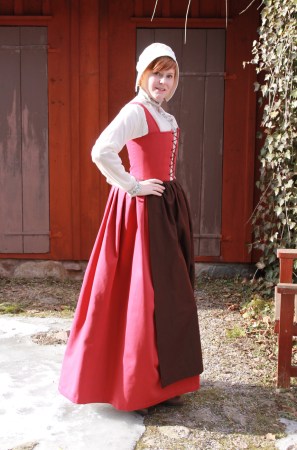
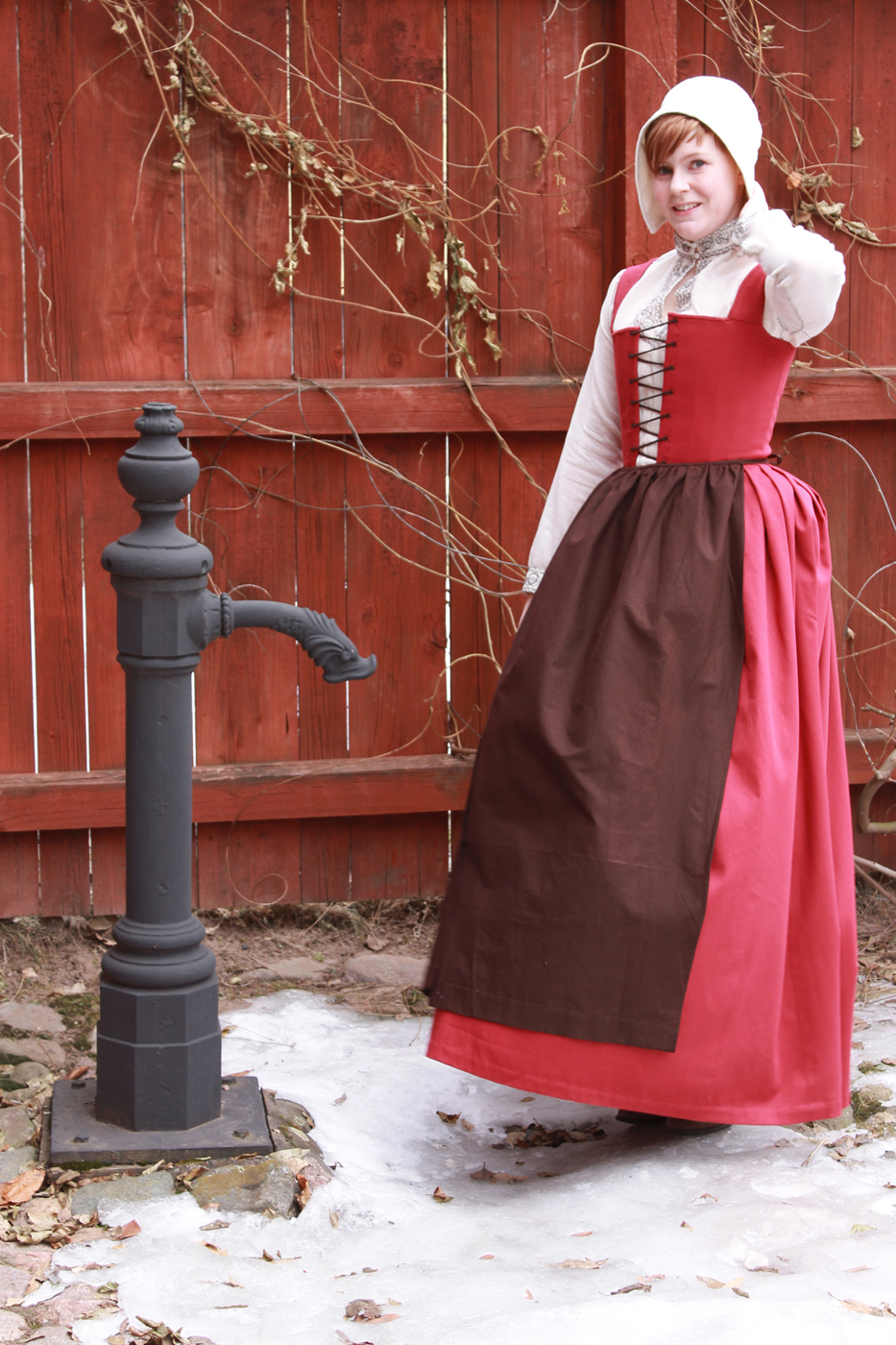
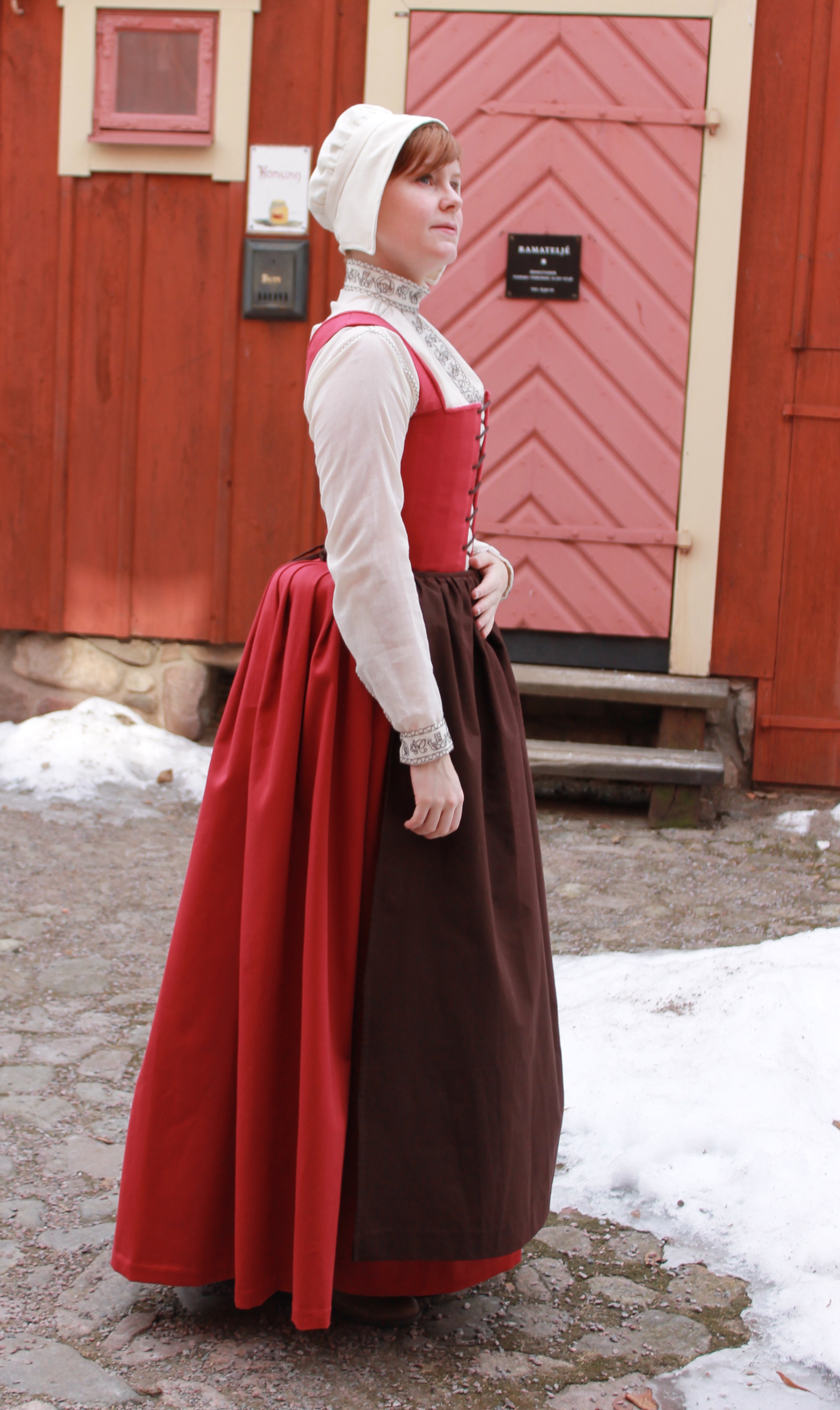
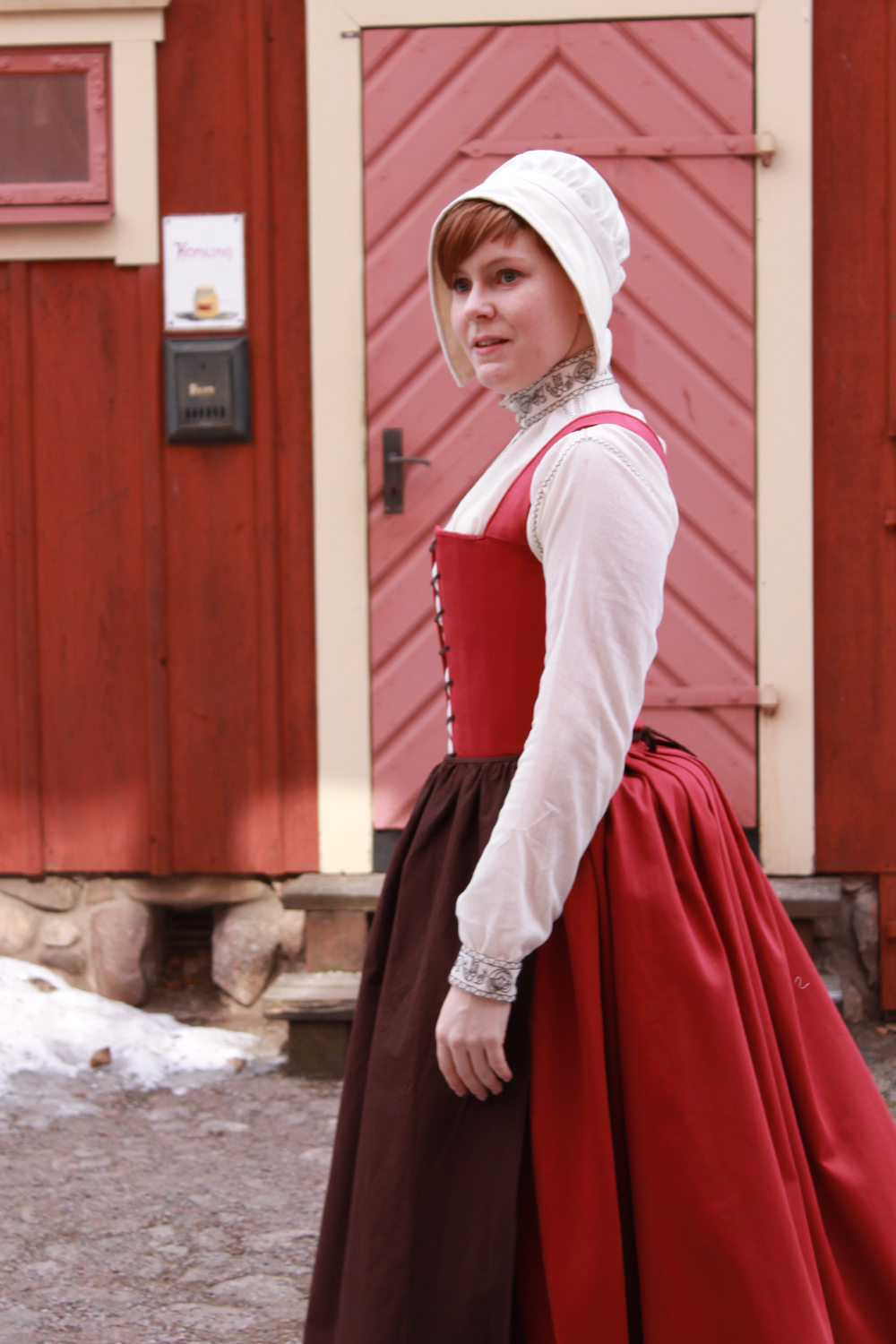
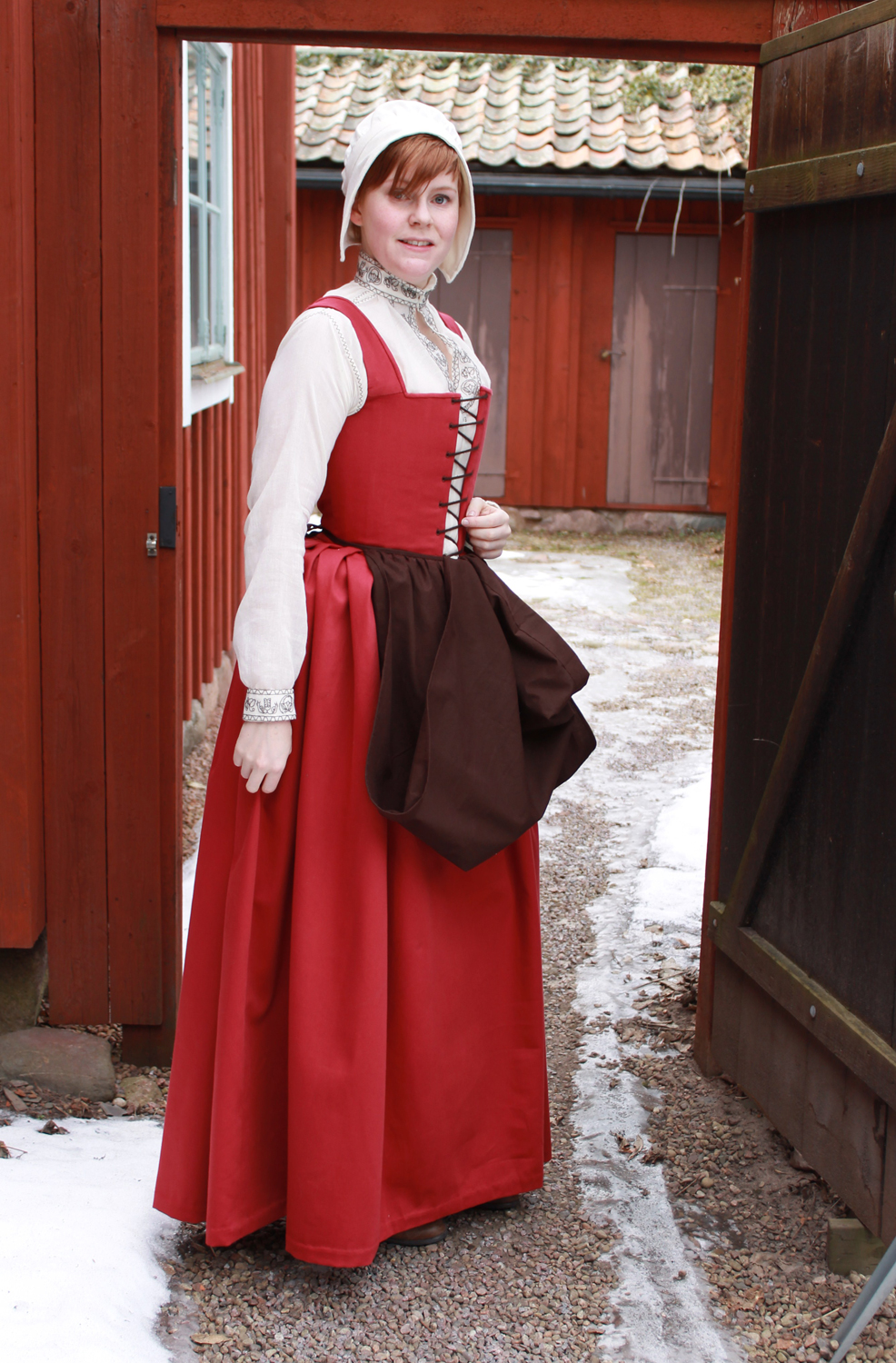
I decided on the pattern for the Kirtle (or underdress) with a front lacing and room for a smal bumroll. The fabric used where a red cotton twill.

The Kirtle went together pretty easy and I boned the bodice with some cable-ties, and handsewed all the lacing holes with brown button-hole thread. I pleated the skirt to the bodice and left an open slit in the front for size adjustments.

2013-03-03 18.37.38Pay no attention to the white sick-sack thread – For some reason I started to gather the skirt. But then I came to my sences and pleated it, as is the proper 16 th century way of doing this.

For the apron I used a brown cotton sheet from my stash and made the pattern as a rektangel gathered to a waistband.

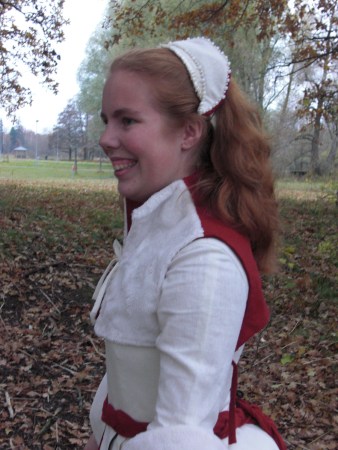
I also needed to make some headwear, both out of decency and to cover my own short hairdo. I used the pattern for a Henrican coif in the same book. And made it out of some pieces of white cotton and some wire.
img301

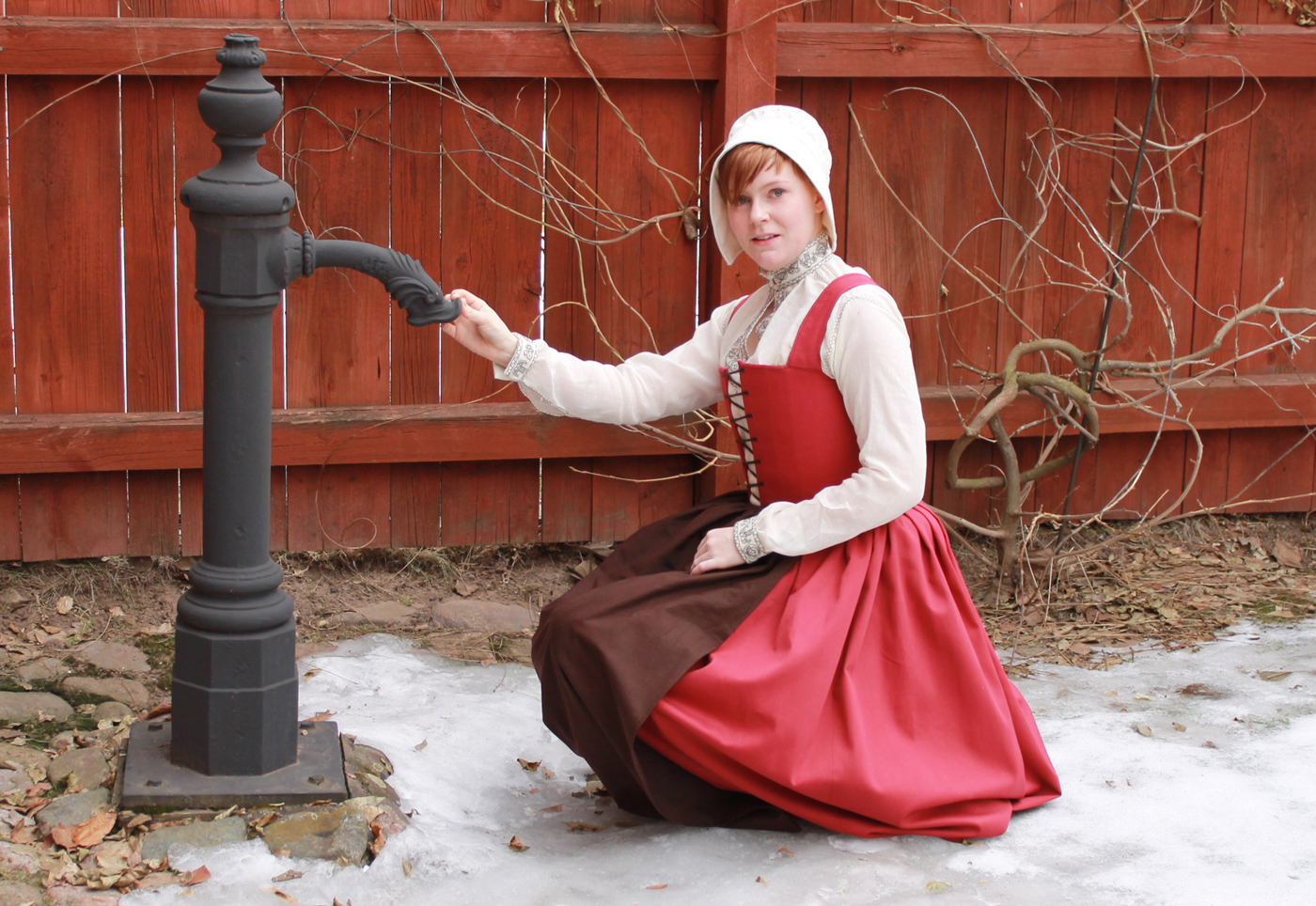
When finished, me and one of my sisters went to my favourite location to shoot some nice pictures. I’m wearing the kirtle, a bumroll, the coif and apron, and an embroided shirt from a previous challenge.

Some finished Pictures.

pump-stå

IMG_1339

IMG_1340

IMG_1350

IMG_1414

IMG_1418

IMG_1361

IMG_1406

IMG_1397

pump-sitt

sidan-solPhoto: Elin Petersson

Just the facts:

Challenge nr 5: Peasent and Pioneer

What: Early 16th century handmaiden, – Kirtle, apron and coif.

Fabric: Kirtle – 3m of red cotton twill. Apron – 1m of brown cotton. Coif – 40 cm of white/ivory cotton.

Pattern: Kirtle – “The Tudor Tailor” Basic women´s clothing – kirtle and petticoats. Apron – none. Coife – “The Tudor Tailor” Hats and headwear – Henrician coif with plane brim.

Notion: Kirtle – brown buttonhole-thread for the handmade eyelets, plastic bonning in the front, and brown cord for the front clouser. Apron – Brown thread. Coif – White thread, thin steal wire(?) for the shaping.

Historical accurate: Pretty good (exept for the cotton fabrics, which should have been wool and linnen). Lots of handsewing and historical methodes where used. The Apron and Coif are totaly handmade, and so are all the visual seams on the Kirtle.

Hours: About 20 for everything (3 hours each on the apron and coif).

Total cost: About 35 USD.First worn: On this photoshoot. But I would love too wear it again on some event, or even whitout one…

Green Boleyn disaster

About 5 years ago I decided to try my hands at historic costuming for the first time.

I’ve always loved historical movies and don’t really care about the plott or the actors performance as long as you can look at some beautiful costumes.

So when the movie “The Other Boleyn Girl” came out I fell in love with the beautiful costumes the leading actresses wore. I must say I still think they are lovely even though I now realize they in no way resembles what women of the time realy wore.

I decided that I really wanted to make the green dress Anne Boleyn/Natalie Portman wears when she reurns from France and starts to seduce the king (Henry VIII/Eric Bana).

poster7

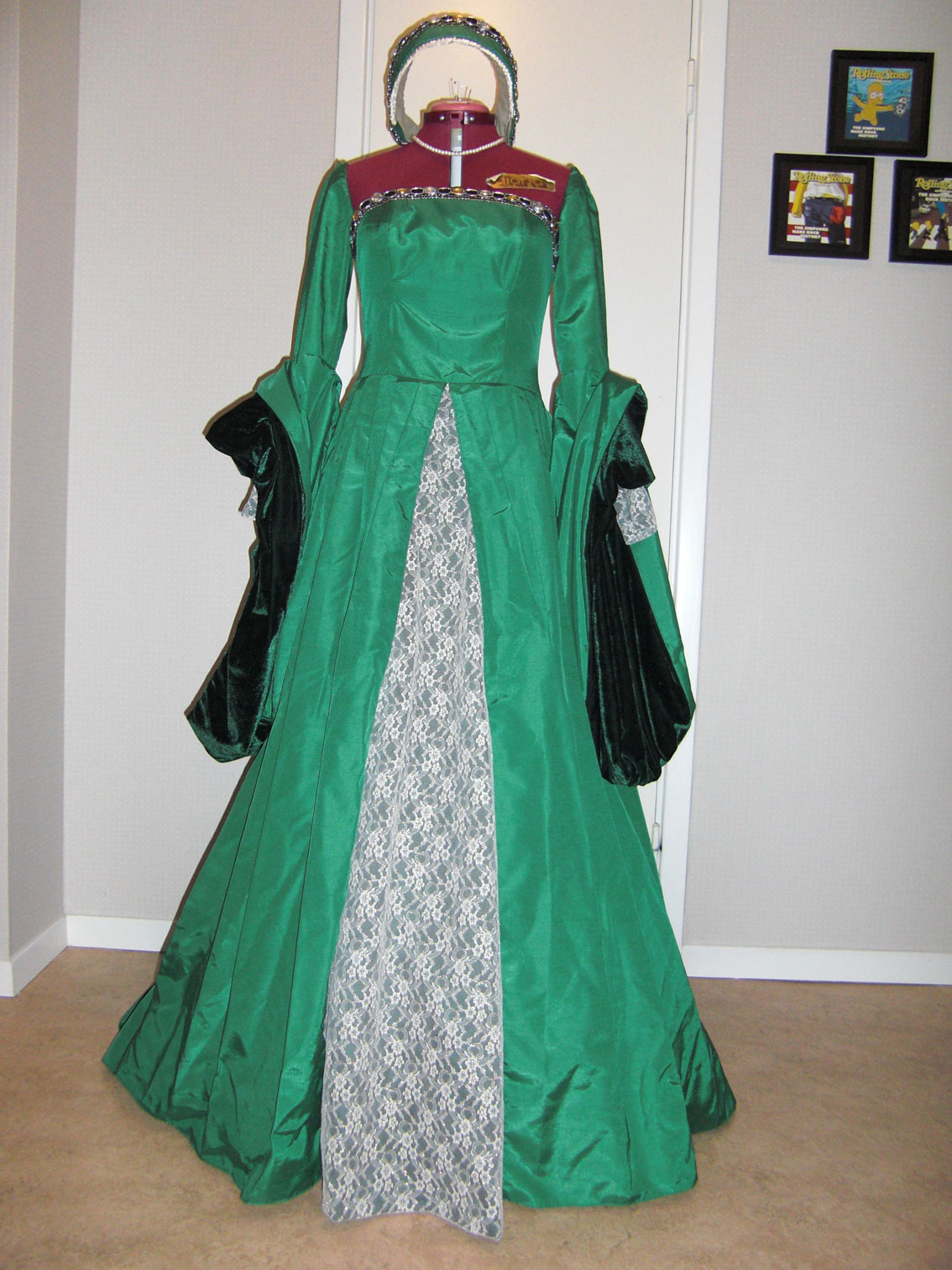
 I bought 5 m of emerald green taffeta, some dark green velvet and some lace – all of course in polyester. Back then I knew nothing about historical pattern-making and the importance of foundation wear, but realied on my “skills” at modern pattern making.

After studying pictures from the movie and the exibition of the costumes I started drafting the pattern.

green1

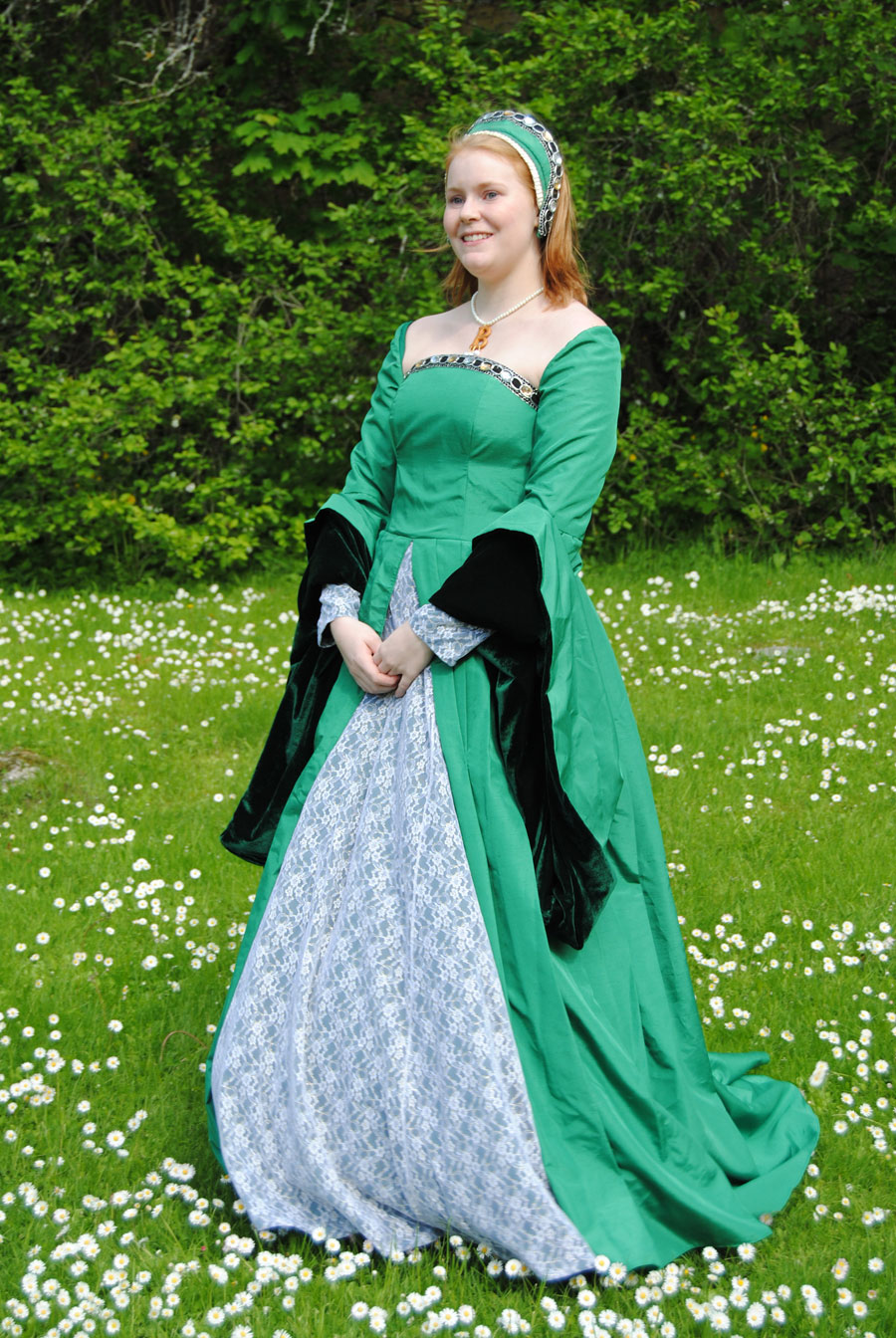
I made the bodice as an sleeveless gown with a higher back and the sleeves attached only at the armpitt. It closes in the back with a zipper. The lower parts of the sleeves consists of a big rectangel lined with the velvet, sewn into the elbow seam.

I cut the skirt as two rektangles and pleated them to the waist of the bodice. The “petticoat” is also sewn to the waistband and runs from the sideseams in the front. The whole dress are lined with green polysester lining, and decorated with a ribbon with plastic gemstones.

I also made the “french hood” and the “Boleyn necklace” to go with the dress.

This is what it looked like on my dressform.

fram

And at the phothoshootCIMG2308

DSC_0189At the time I vas really proude of the dress and tought it was beautiful.

A couple of years later (when I learnt a bit more about historic clothes) I really hated it, and decided to redo it.

So i ripped the skirt from the bodice and re-pleated it to a waistband, and made the petticoat as a separate piece. I also made sure the skirt would fitt over a bumrole and petticoat.

I ripped the bodice opened and got rid of the curved bust seams, boned the front and cut some shoulder straps to attach the sleeves on. I also took out the zipper in the back and replaced it with lacing.

I changed the decoration-band on the front and hood to a velvet ribbon and sewed on smal gemstones.

This time the dress looked much better, unfortanly I din’t had enough fabric (or knowlage) too make all the changes that was needed to make it really good. (And the hem of the petticoat is way too short worn with heels and a bumrole.)

DSC_0297

DSC_0307

I will probably try to redo this dress again some day, or at least re-use the fabric as I still think the colour is wounderful.

And now I must admit that I found the perfect opurtunity to pull it out once more…