A Renessaince bonnet

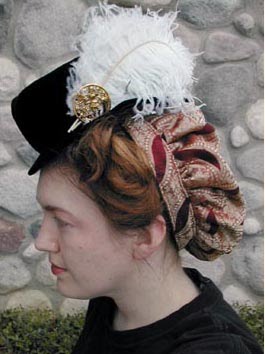
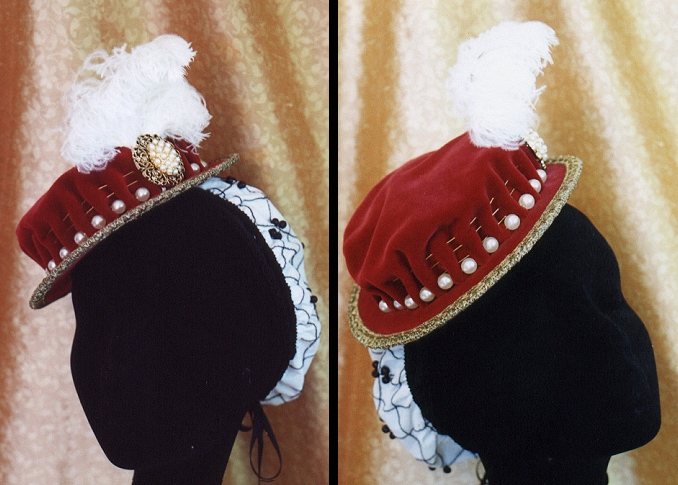
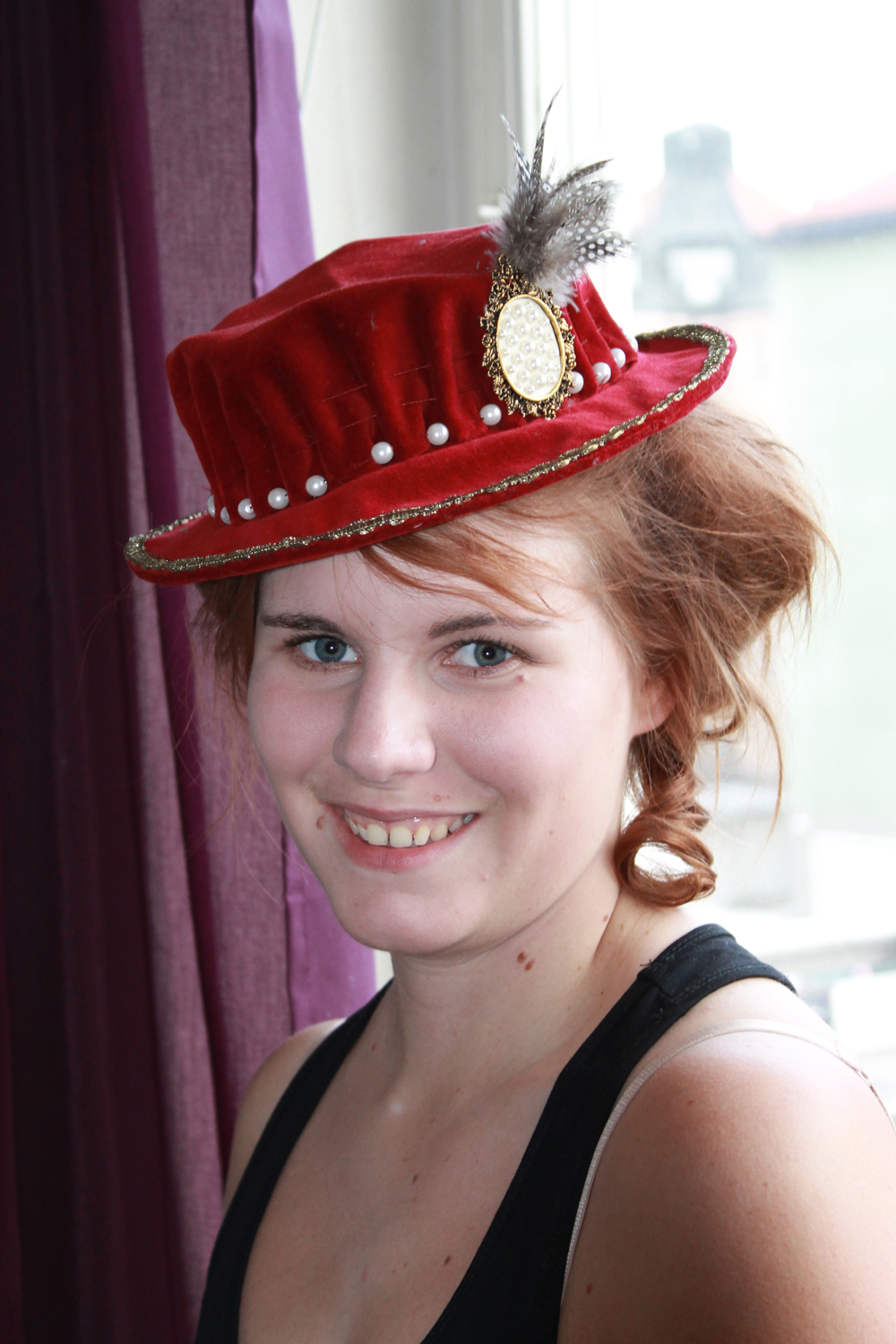
One evening (quite a while ago), I decided to make myself a 16th century hat. I’ve been craving a renessainse gown for a long time, and now I decided to make some head wear to go with it (when ever I make one).

After some internet inspiration searching I found just the one, or a couple.

180px-Circle_of_benson_st_cecilia_detail

hat

redhatLove this one!

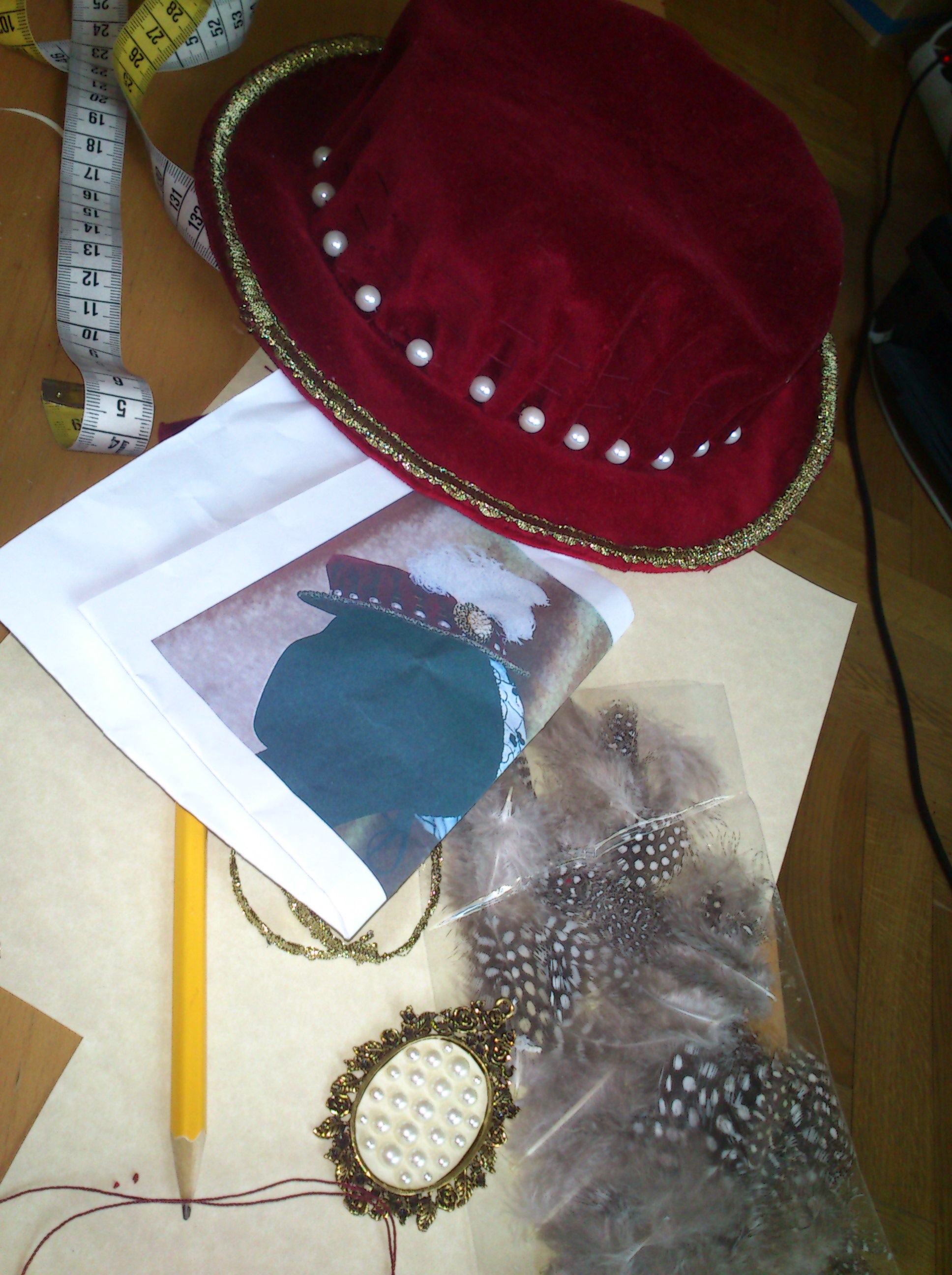
So I brought out some velvet scraps and my copie of “The Tudor Tailor” and got to work.

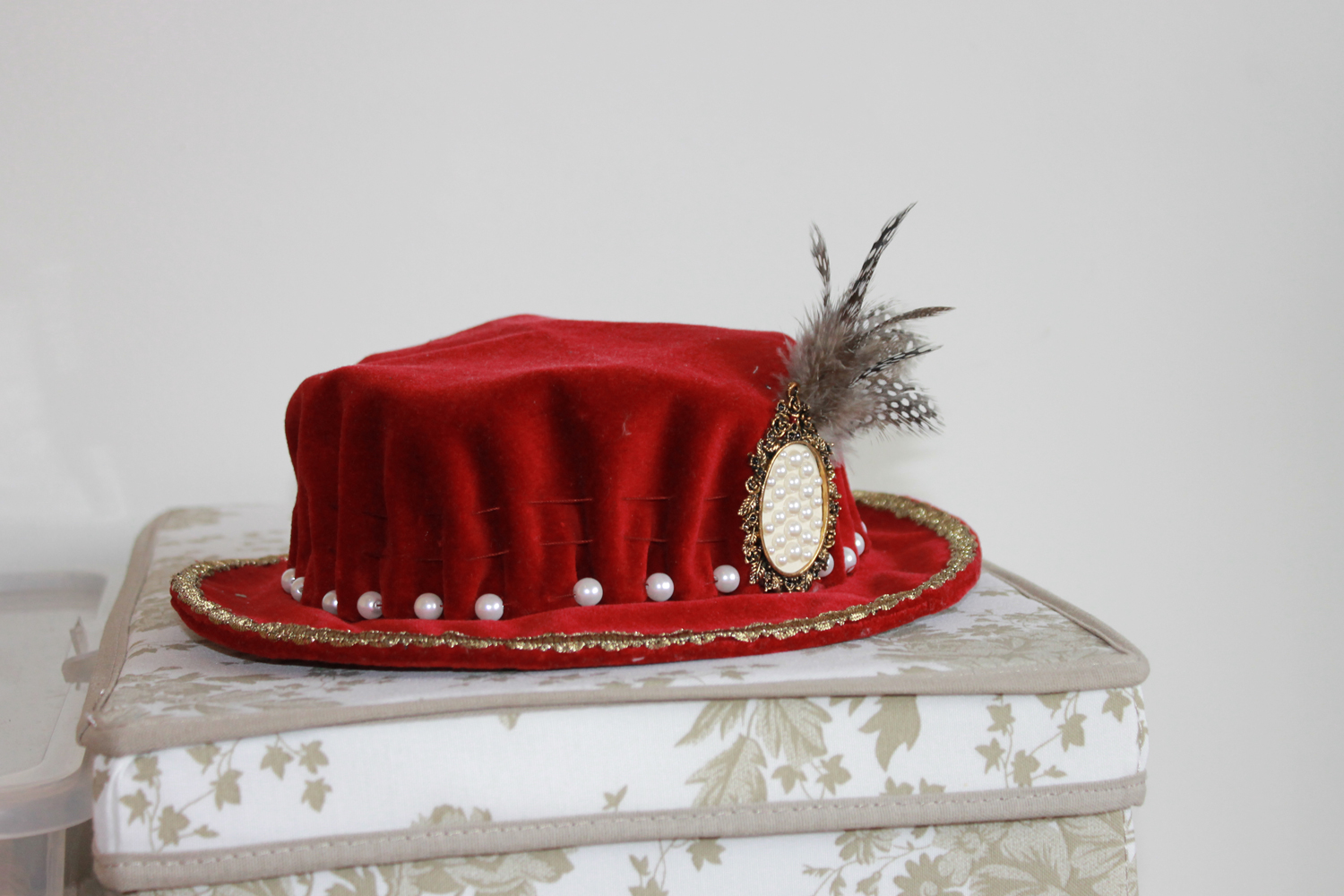
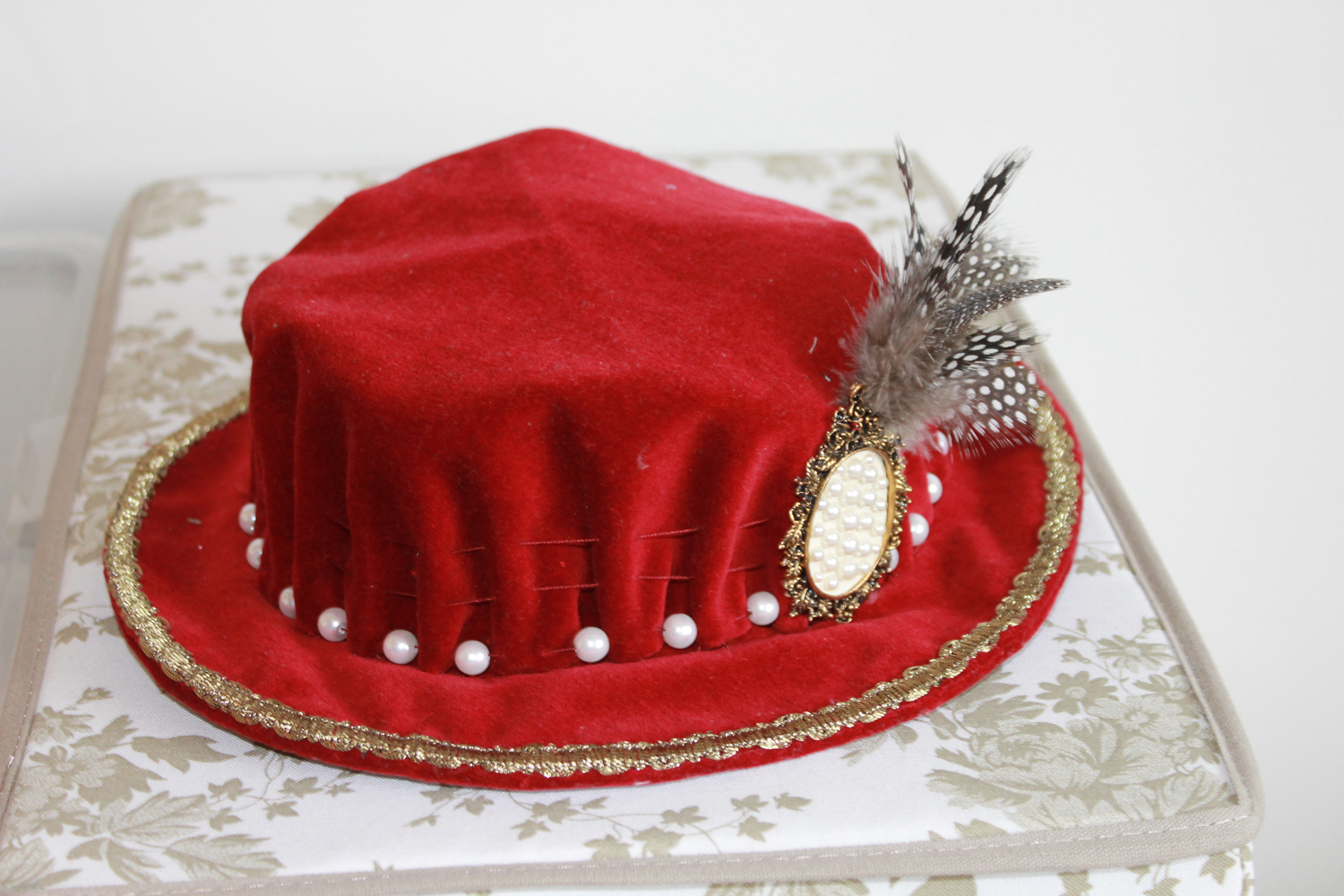
2013-03-22 16.17.23It was quite easy, and after just two evenings of sewing in front of the television I had made a cute little hat.

IMG_1912

IMG_1910

IMG_1898Maybe it is time to start on that dress soon…

Bal a la Turque

So, last Friday it was finally time for the Bal a la Turque.
I left early from work to catch the train to the capital, went to our apartment, dressed and headed to the party.IMG_2434

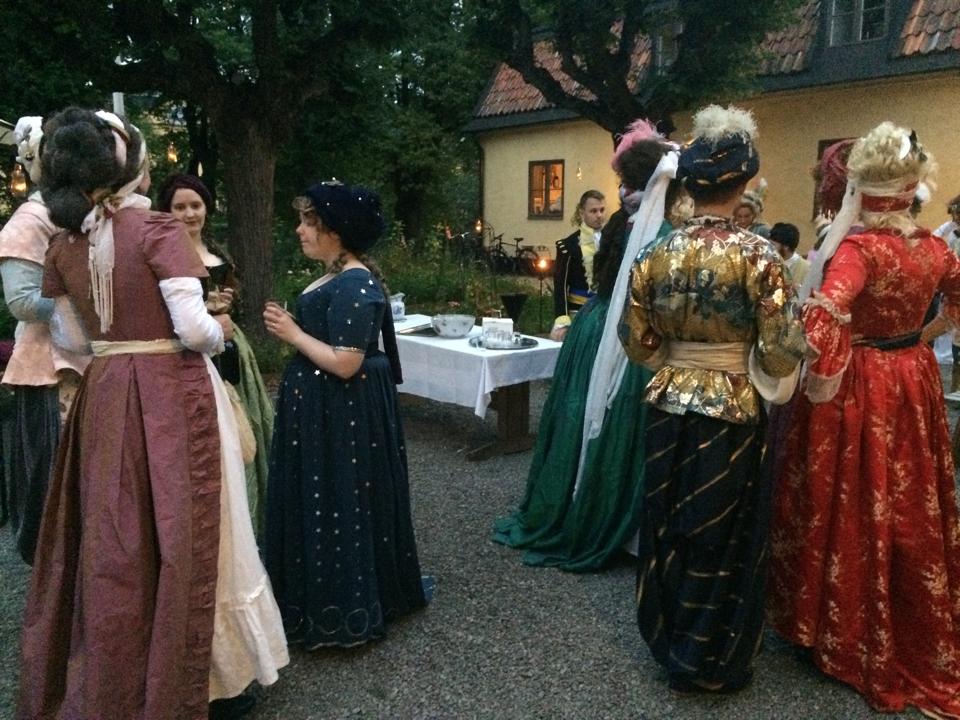
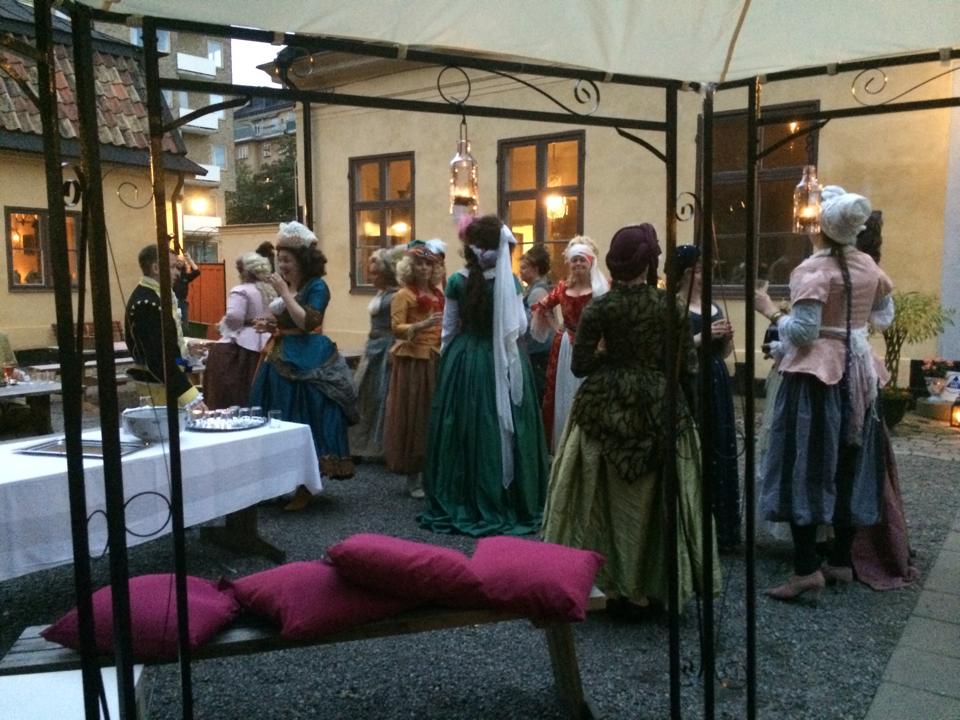
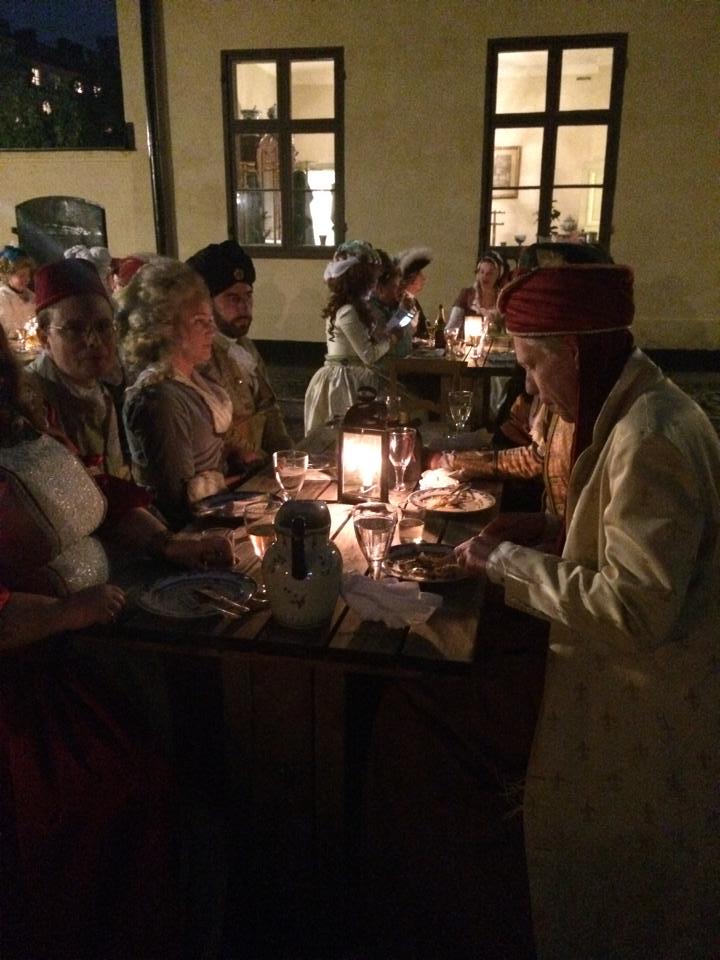
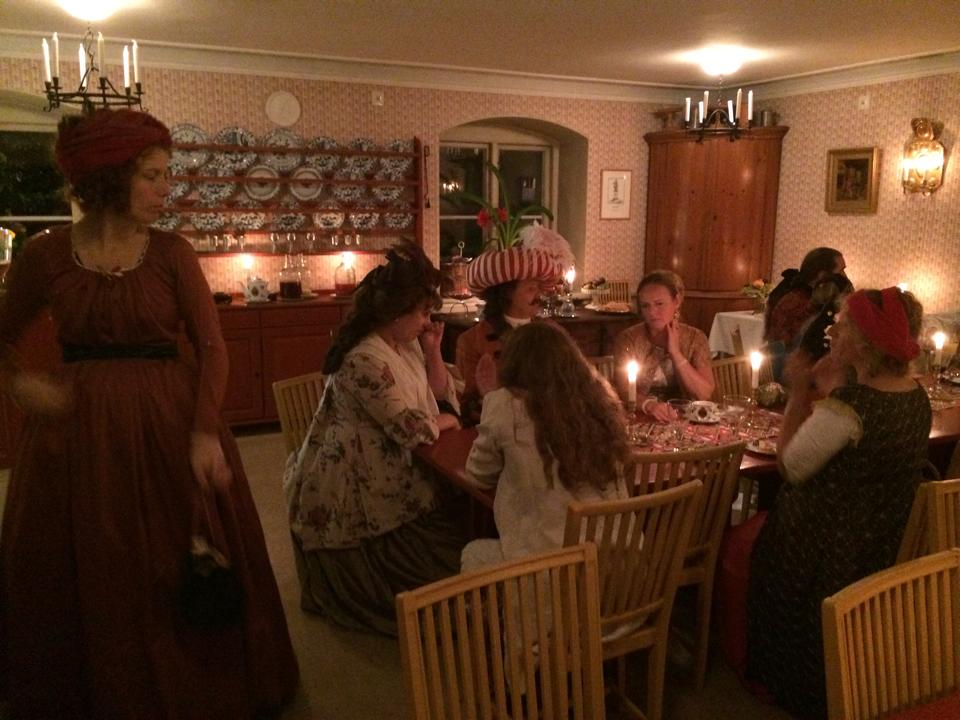
The party itself was located at some beautiful old buildings complete with dining room an dance hall. The guests were all dressed to their teeth in 18th century Turkish fashion, and everyone looked wonderful.

All party pictures are courtesy of Jennifer Garnier, who graciously allowed me to post them here. Enjoy.Jenifer garnier 2

Jenifer garnier 3

Jenifer garnier 4

Jenifer garnier 5

Jenifer garnier

Jenifer garnier 7

Jenifer garnier 6

And I just have to show you these masterpieces, one of the girls took at the end of the evening.
If you look fast you can actually kind of see the three of us posing… 
IMG_2467IMG_2468

Robe a la Turque – photoshoot

OK, first I feel I need to apologize to anyone who might be offended by these past posts very non political correct use of the word Turque.
I’m sorry, and please know that I do not mean anything by it, but simply uses the word as a name of the Turkish influences in fashion and society in 18th century.

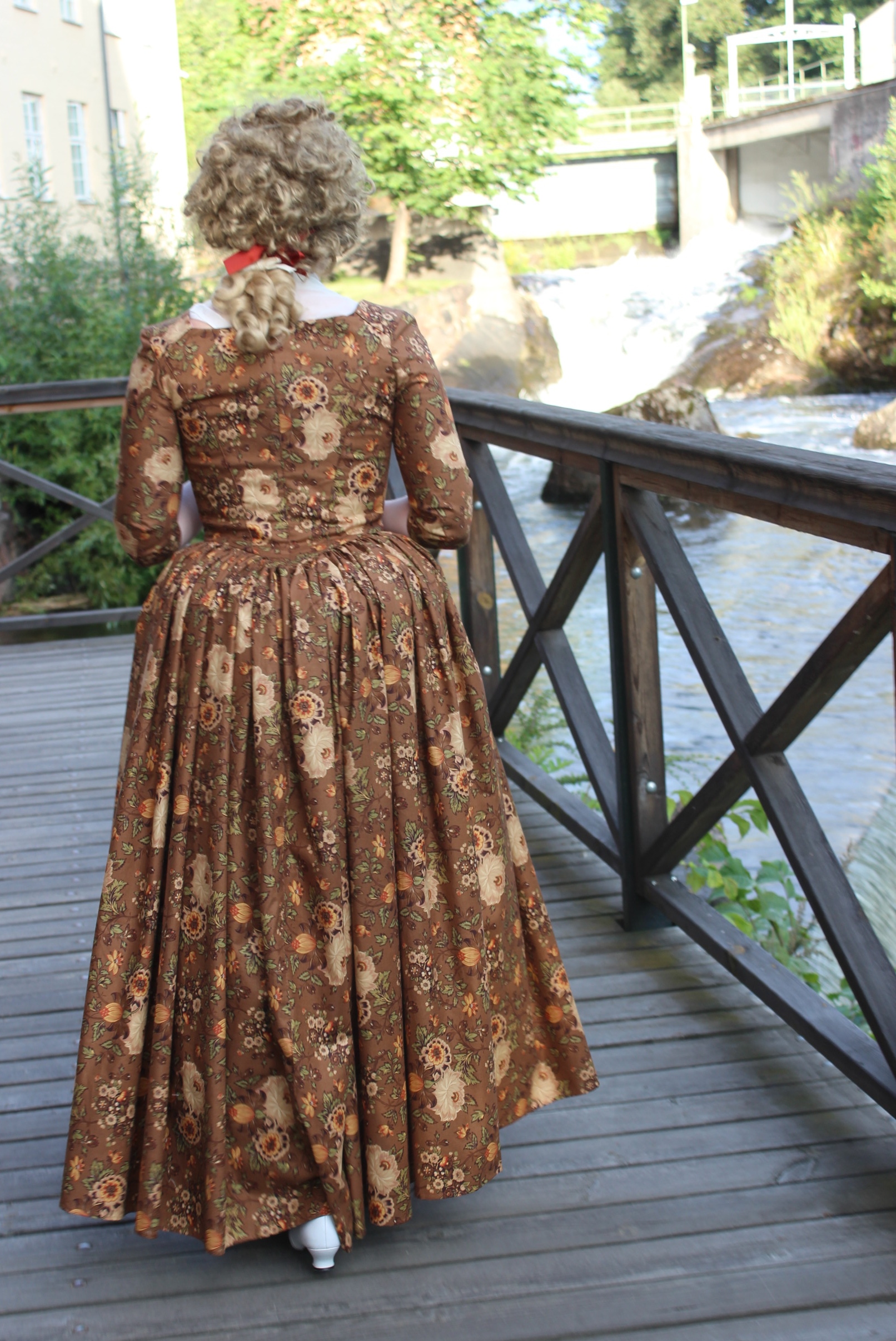
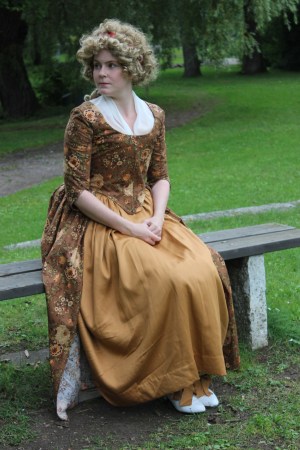
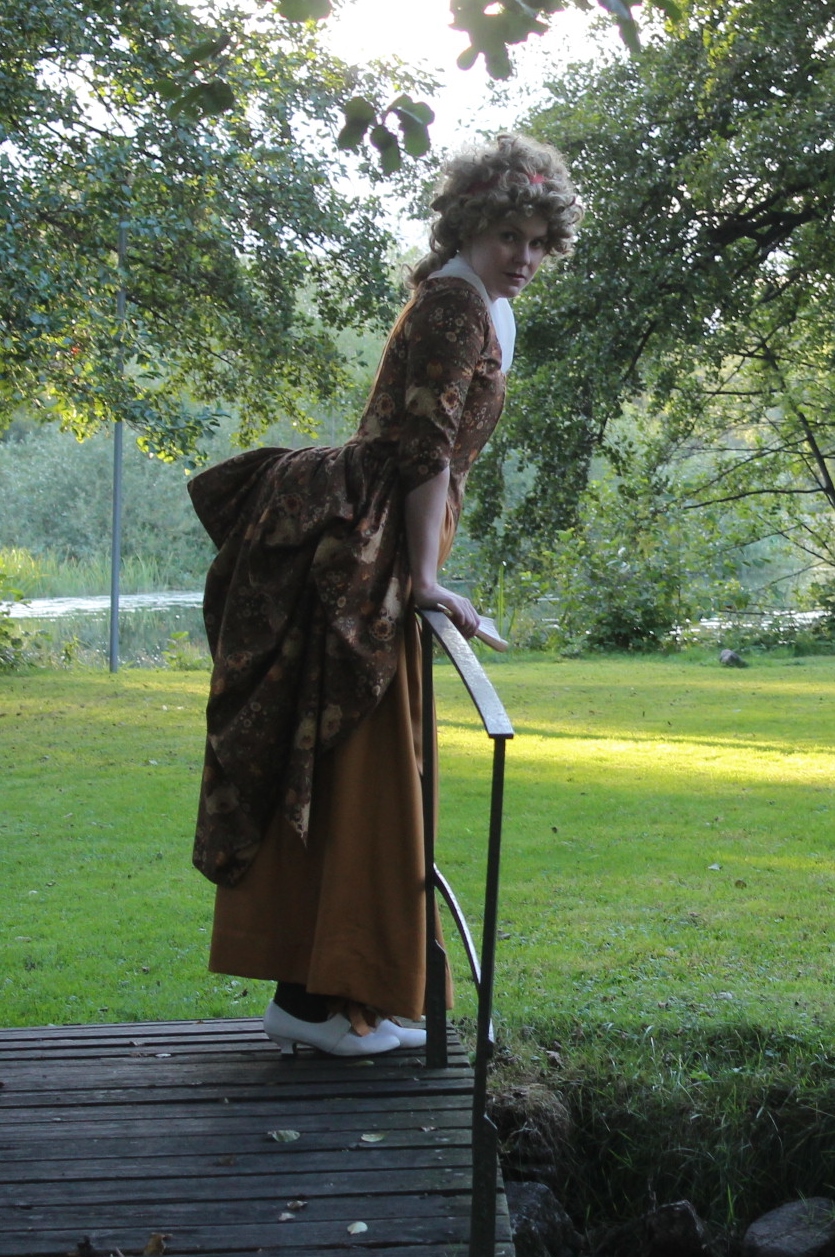
And here are some pics of the outfit now known as “Robe a la Turque”

IMG_2510

IMG_2508

IMG_2543

IMG_2527

IMG_2522

IMG_2530

IMG_2536

IMG_2552

IMG_2551

IMG_2533

IMG_2553

IMG_2534


My Artistic Robe the Turque (sort of..)

With the Bal a la Turque just one week away I finally decided what to sew – Nothing!

I will not make a thing, I will however do some alterations on a previous costume and add some new accessories.

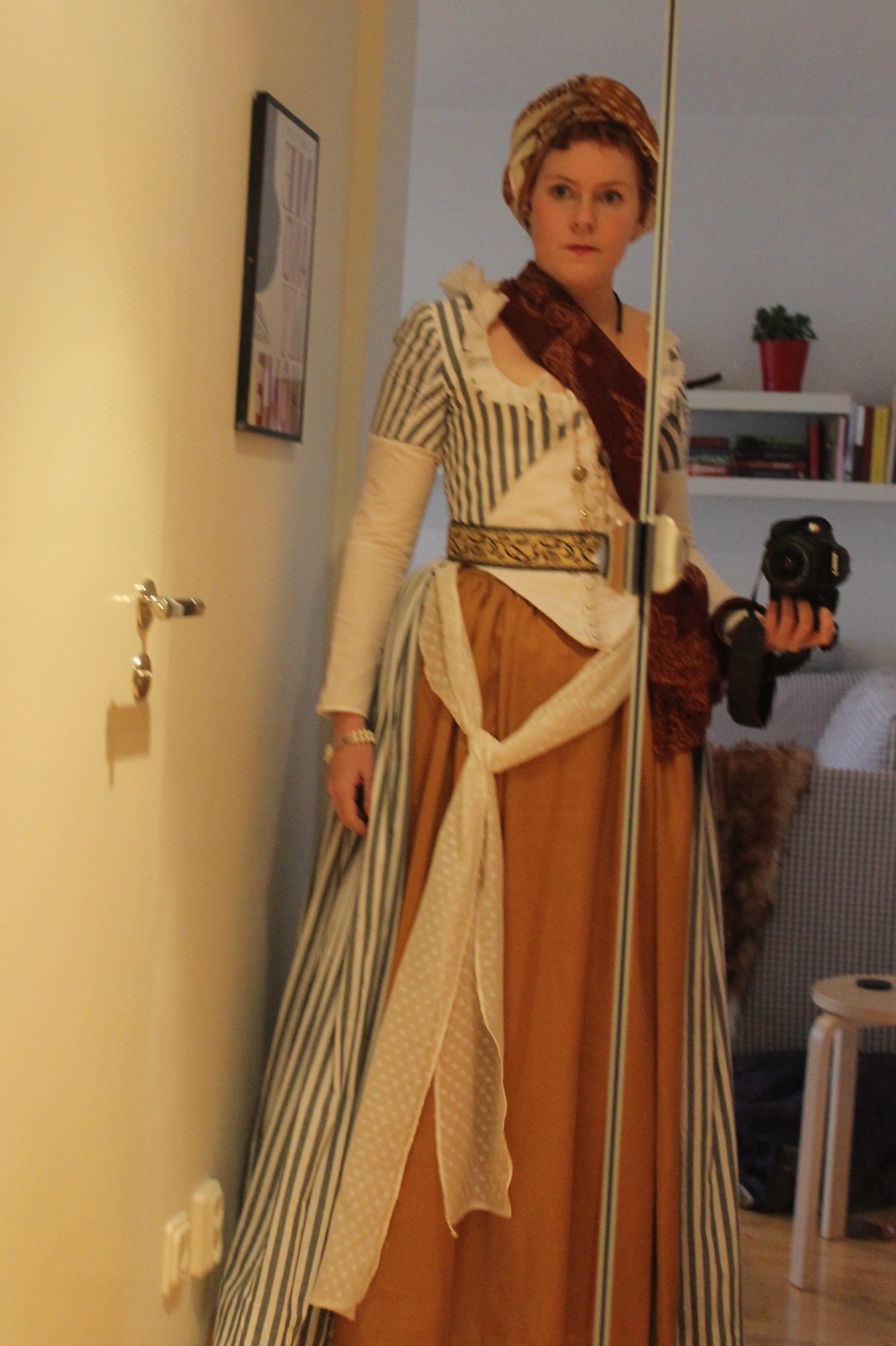
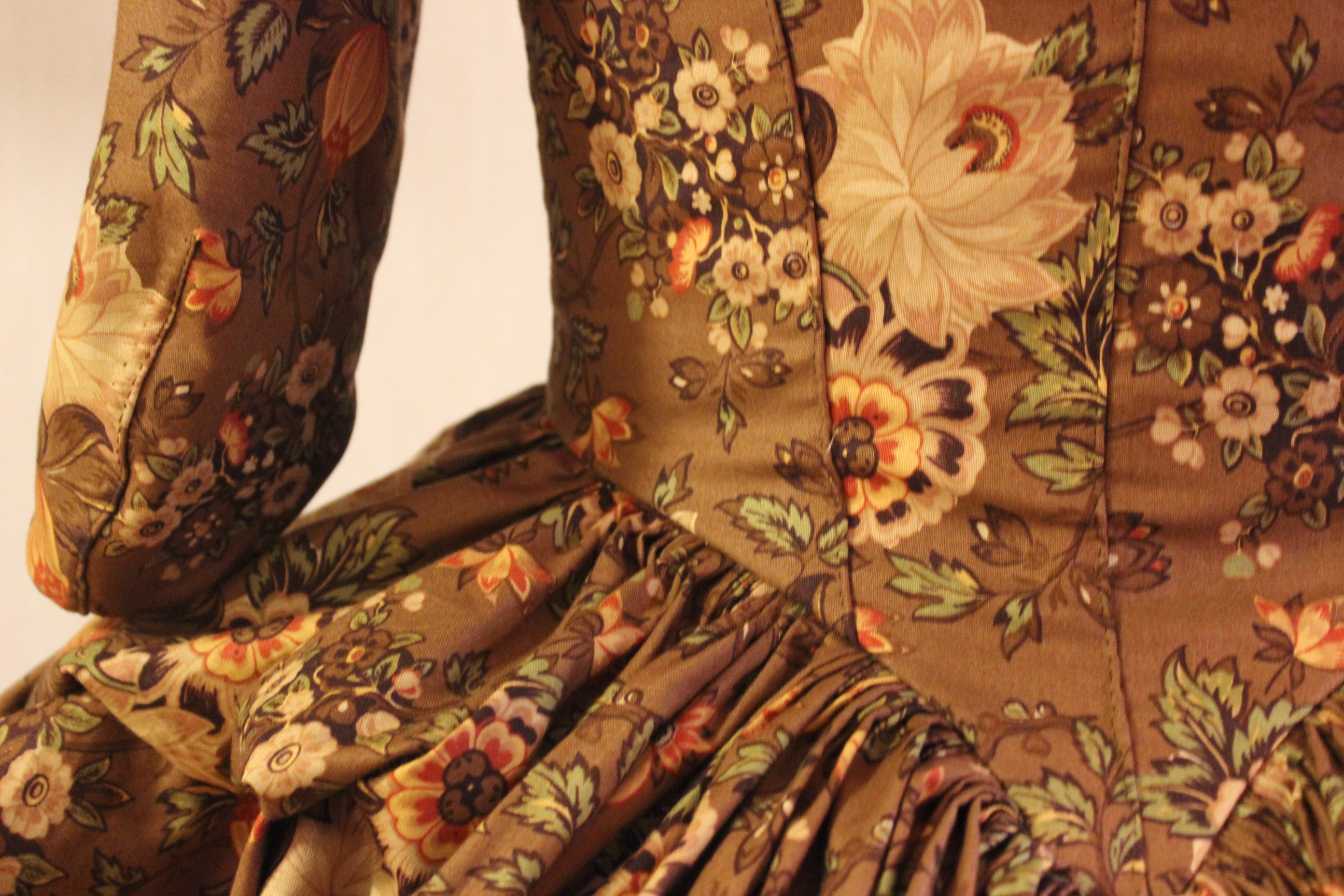
When looking at the inspirational pics I really liked the flowing, layer on layer type of look, but also the more stylished robe a la Turque. Then I  realized I had just the dress – made only three months ago.

My striped Zone front Anglaise.IMG_8760

A couple of quick sketches later I knew exactly what I wanted to do, and started on the alterations:

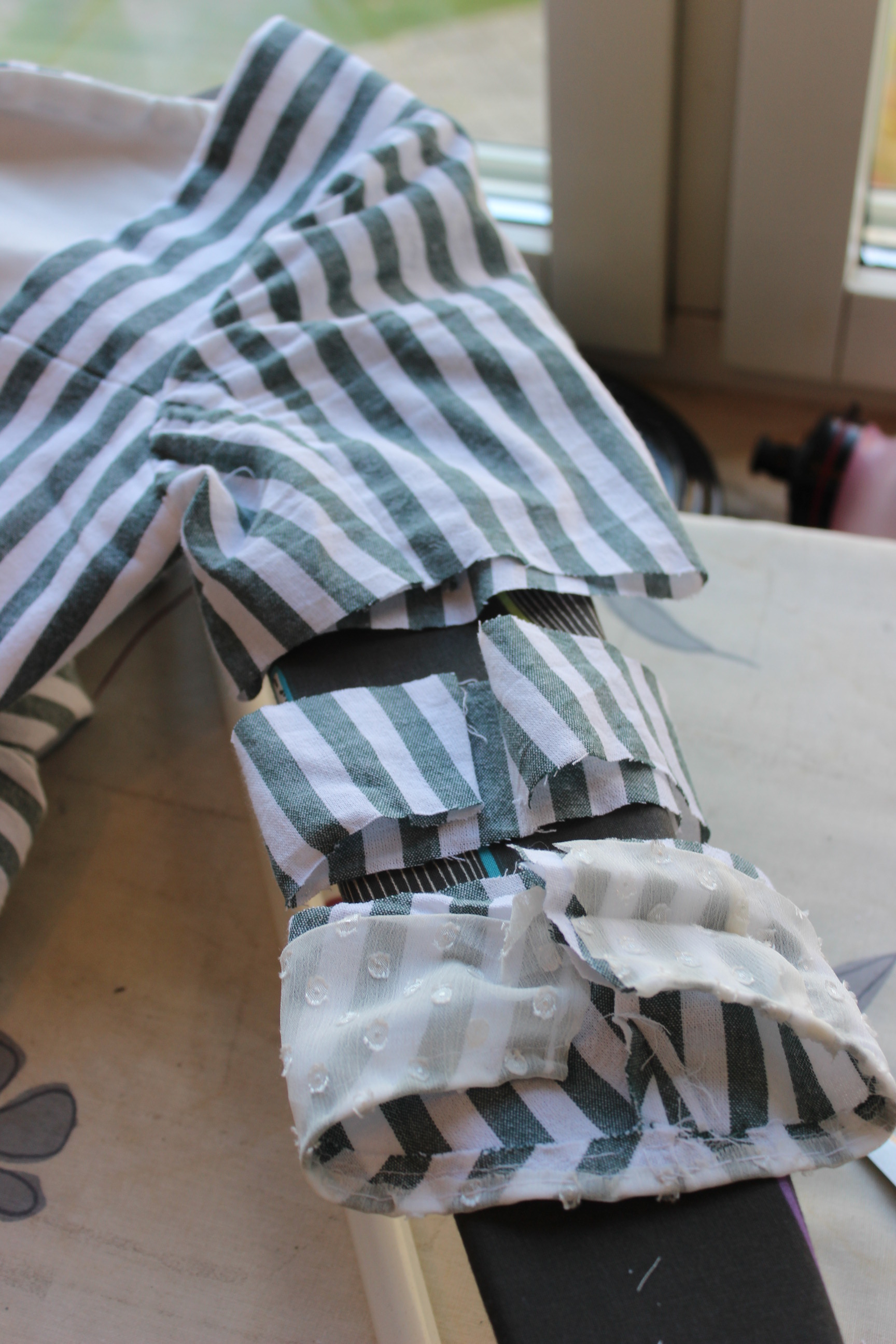
Beginning by shortening the sleeves.IMG_2369Cutting and hemming at a flattering new lenght.

Then I made a pattern for the extra under sleeves,IMG_2364 cut them in a white leftover linen I found in my stash.

Then I stitched them together and hemmed the wrists.IMG_2370

And basted them to the armhole.IMG_2380

Then it was time for the ruffle.
I drew a circle on a paper, IMG_2362And cut it out in double cotton voile from stash.IMG_2365IMG_2367

I gathered the edge and stitched it to a bias strip.IMG_2368

And finally I basted the ruffle to the neckline, and trimmed it down using pinking sheers.IMG_2384

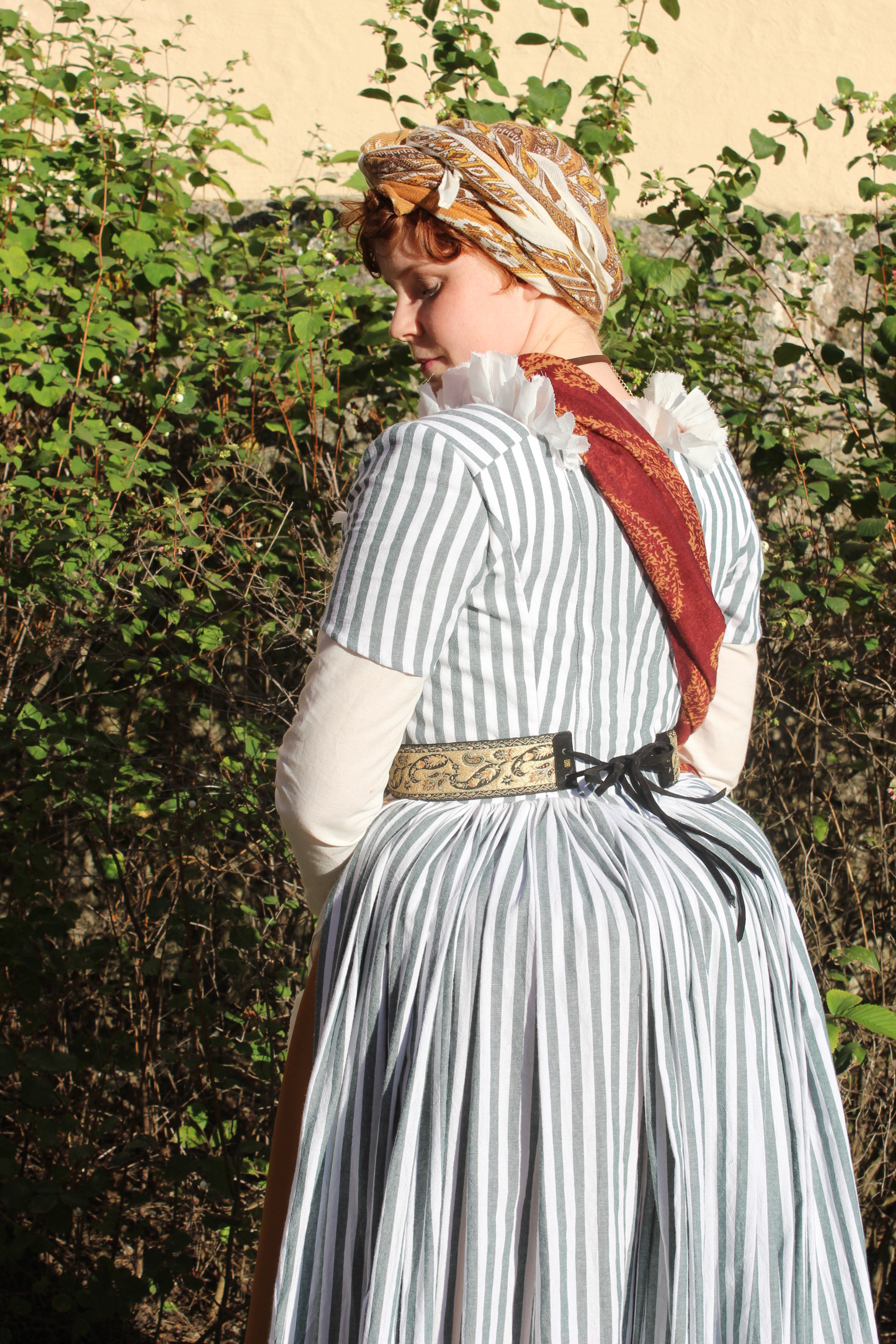
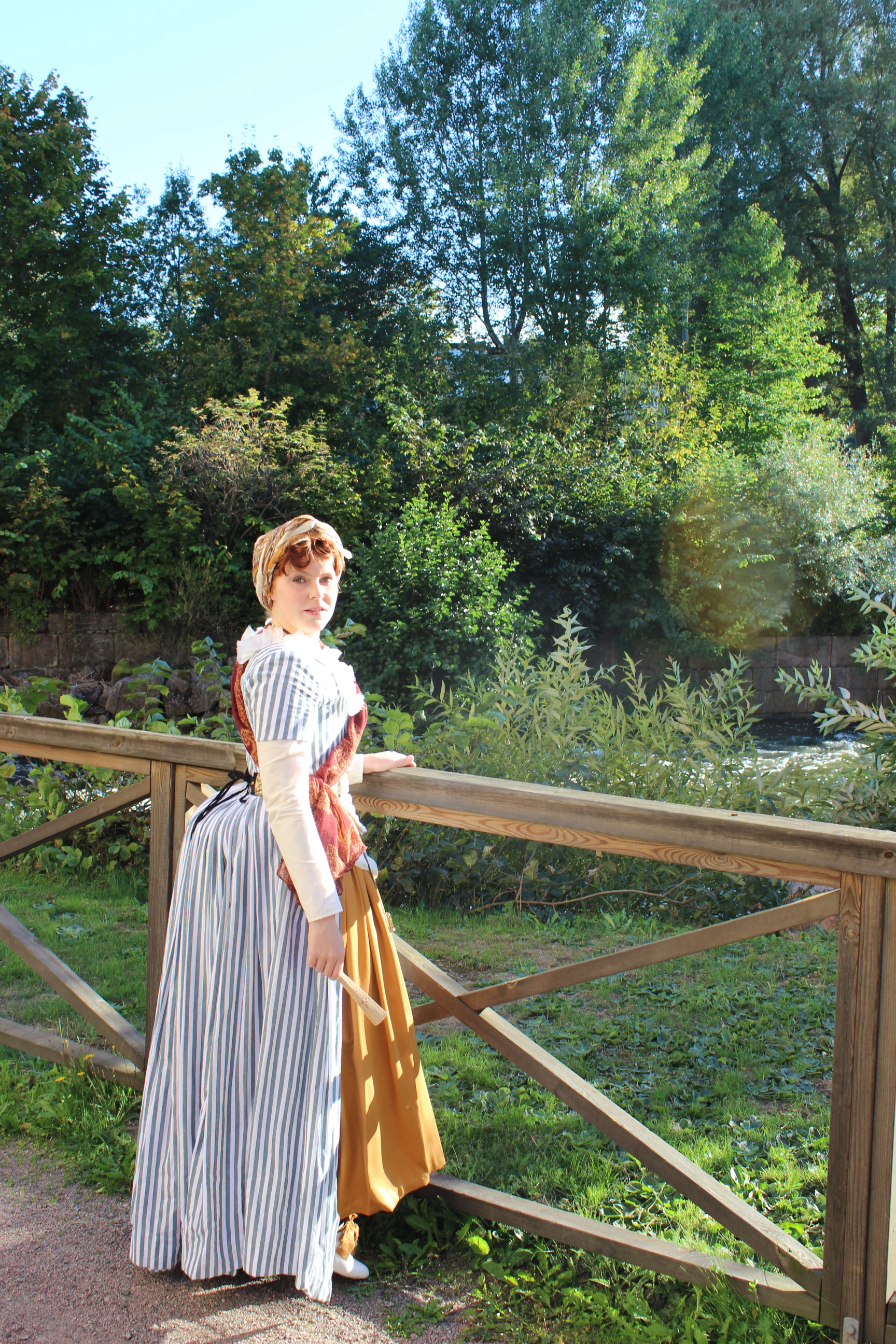
The new Robe a la Turque:IMG_2388

IMG_2394

IMG_2403

IMG_2390I love how the makeover turned out.
I think both the ruffle and the new style of sleeves make it look really good, and helps enhance the pretty crispness of the white on the stripes.

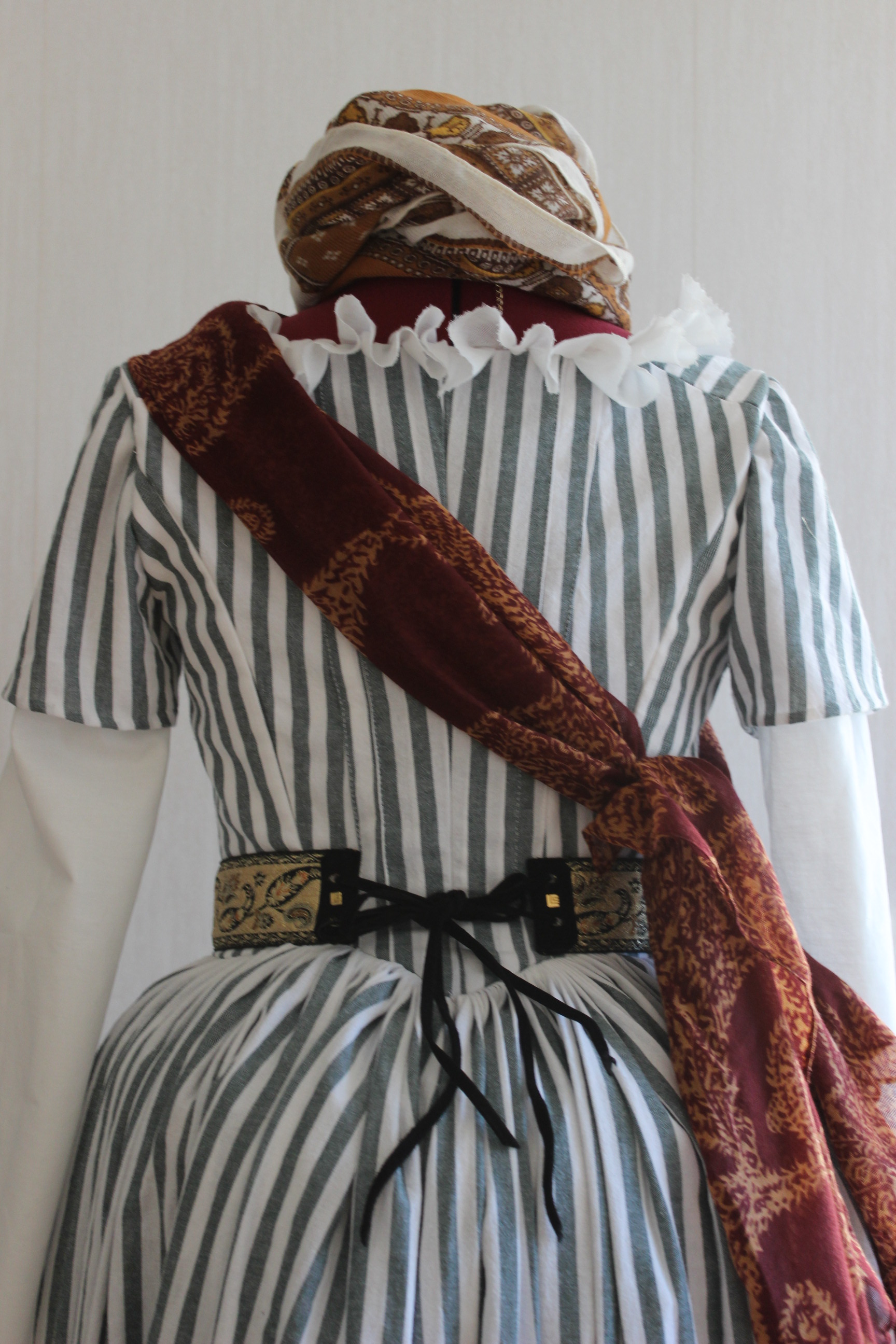
But the dress alone don’t make a “Turque” – It’s all about the accessories…

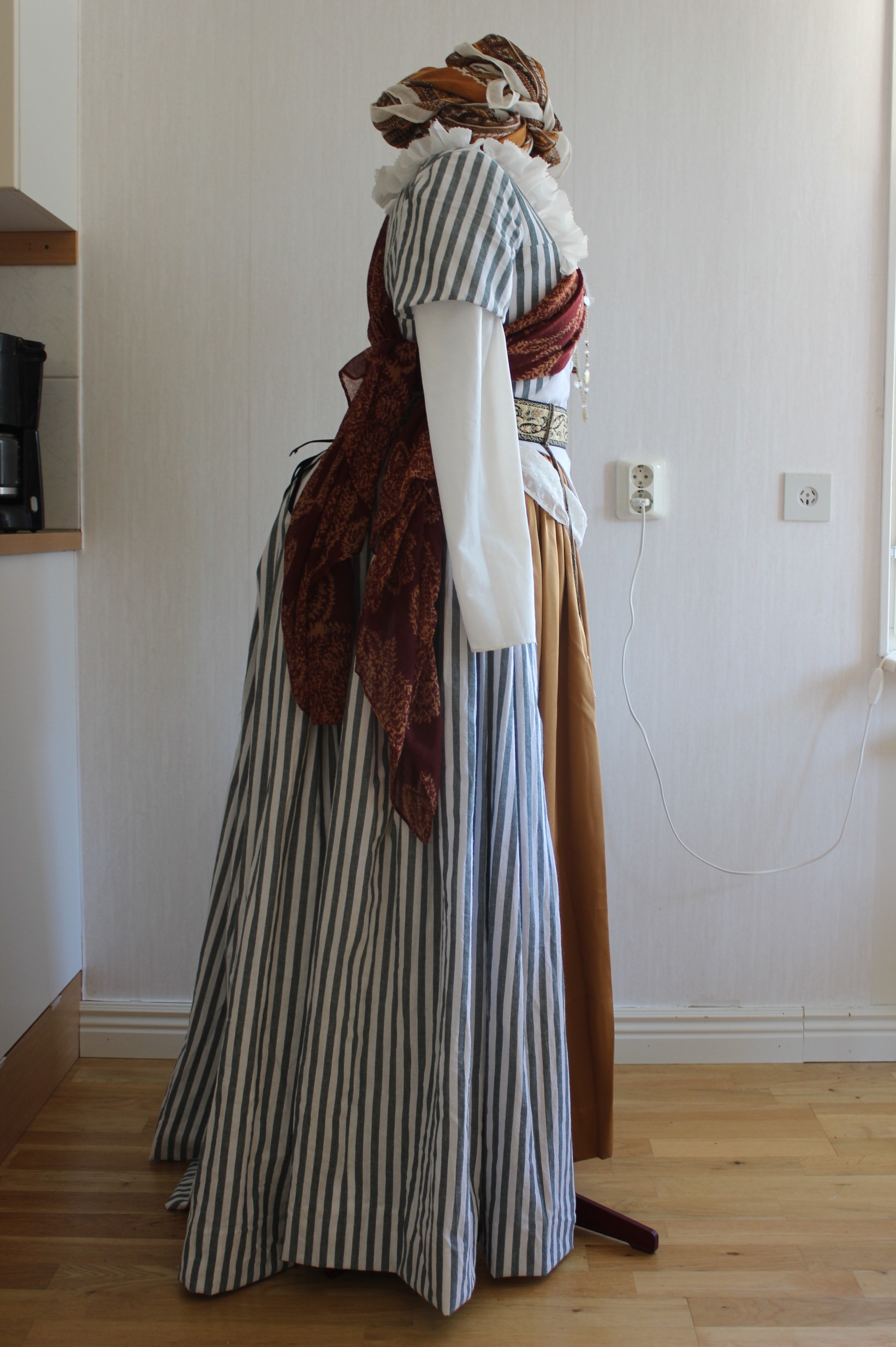
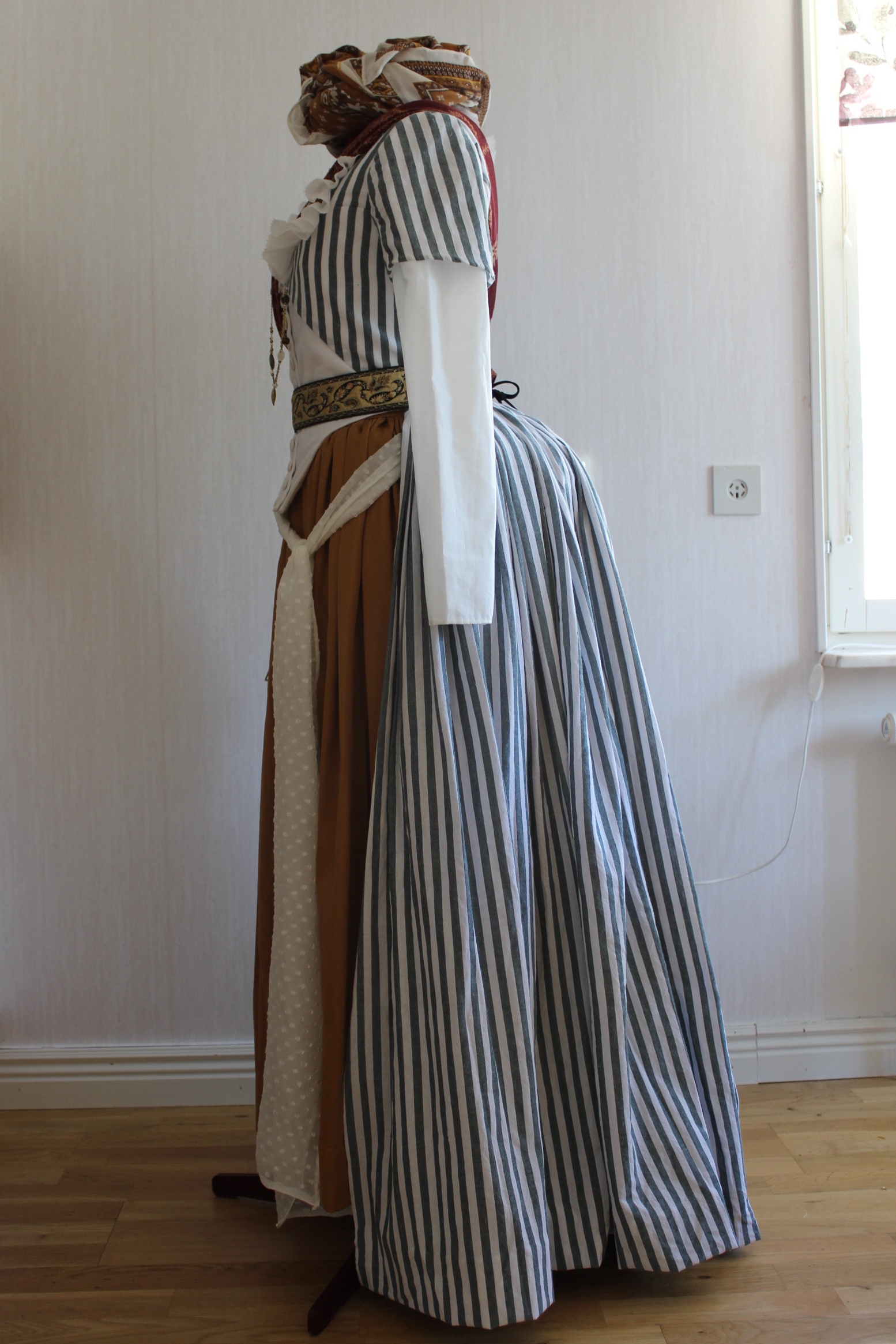
I decided to change the original white petticoat, in favor for the recently shortened golden one to give the outfit more color.IMG_1495

I used the sash from my white 1900s Ariel dress and tied it around the skirt at hip level, securing it with safety pins. To mimic the mandtory white Turque sash.

And of course I also needed a belt, which I bought in a thrift shop not long ago.IMG_1561

And not to forget some shawls and jewelry.IMG_1571 IMG_1569

The finished outfit styled and ready:IMG_2405

IMG_2407

IMG_2411

IMG_2409

IMG_2413

IMG_2415

IMG_2416

IMG_2417

IMG_2418

IMG_2420

IMG_2421

IMG_2423Over all I think I came up with a pretty nice looking (sort of) Robe a la Turque, using only stash fabrics and old pieces.

Now its of to the bal…

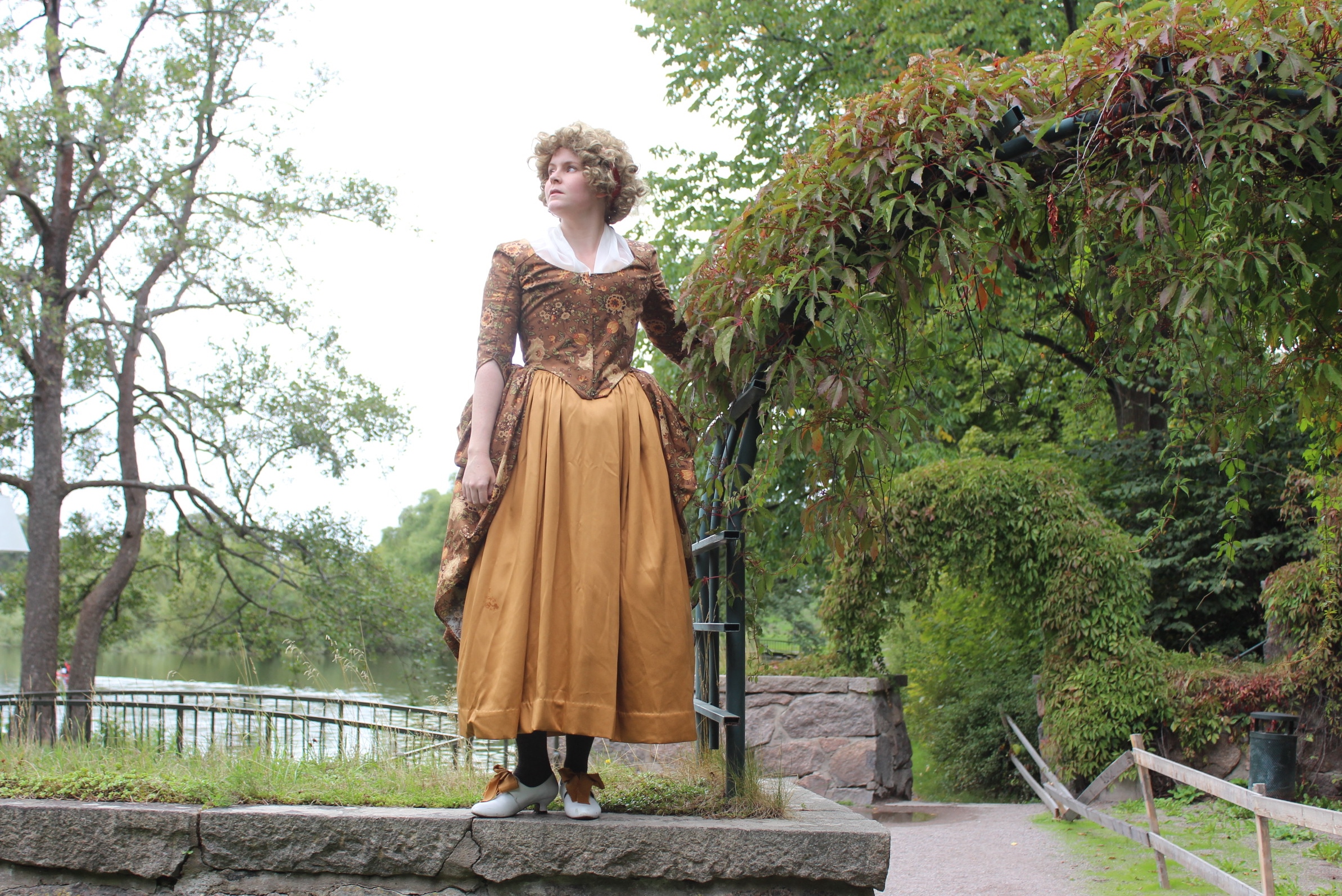
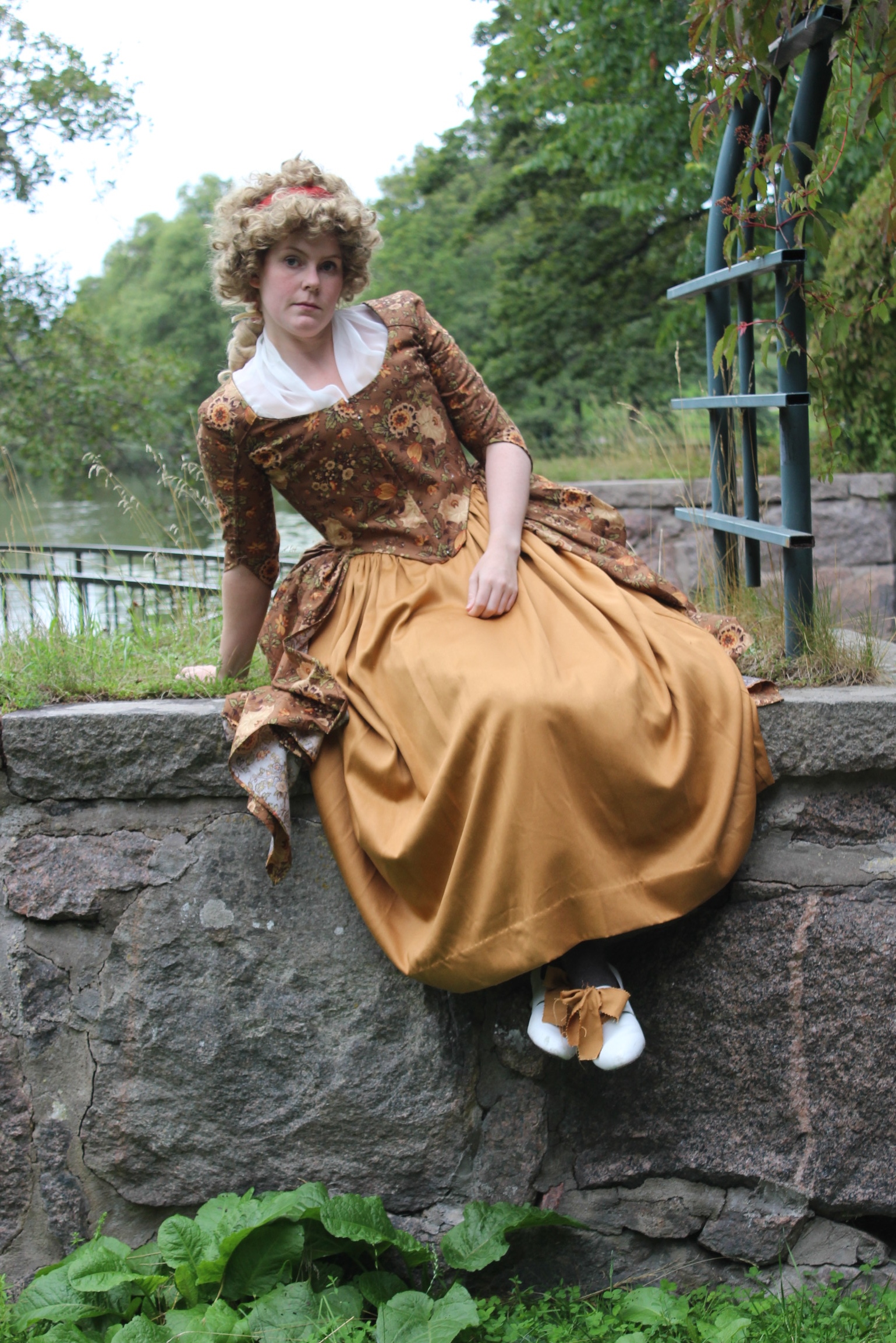
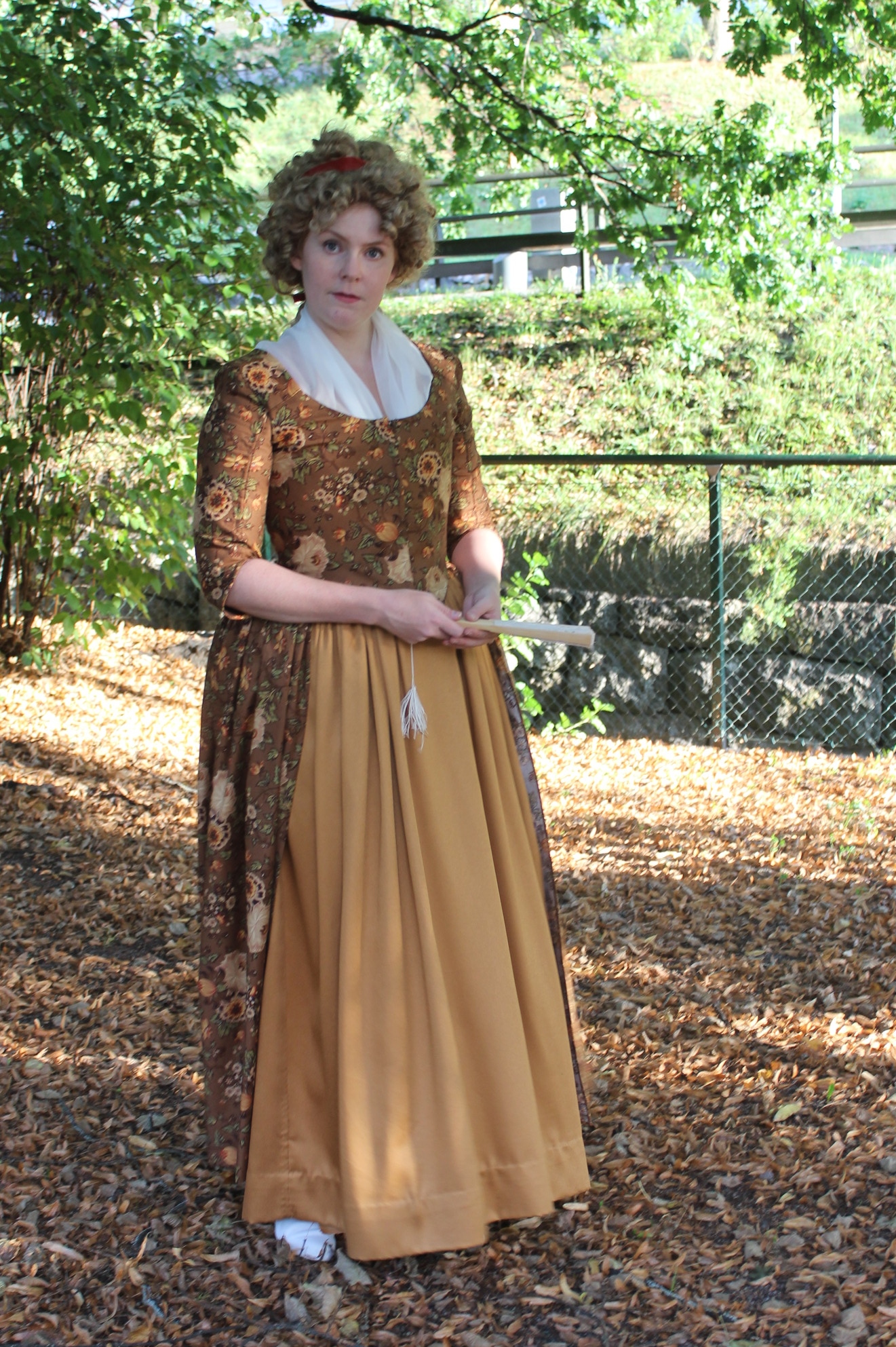
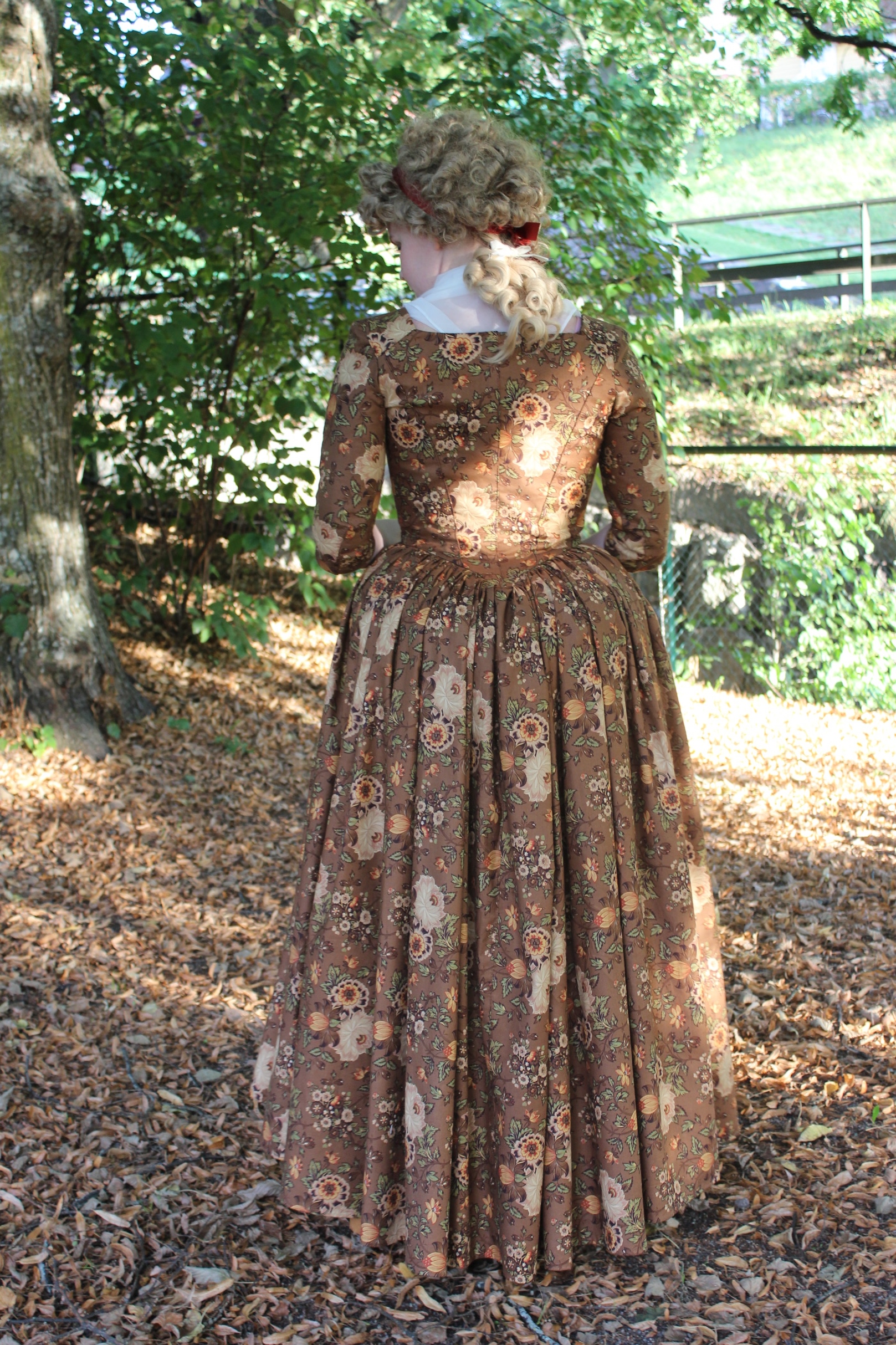
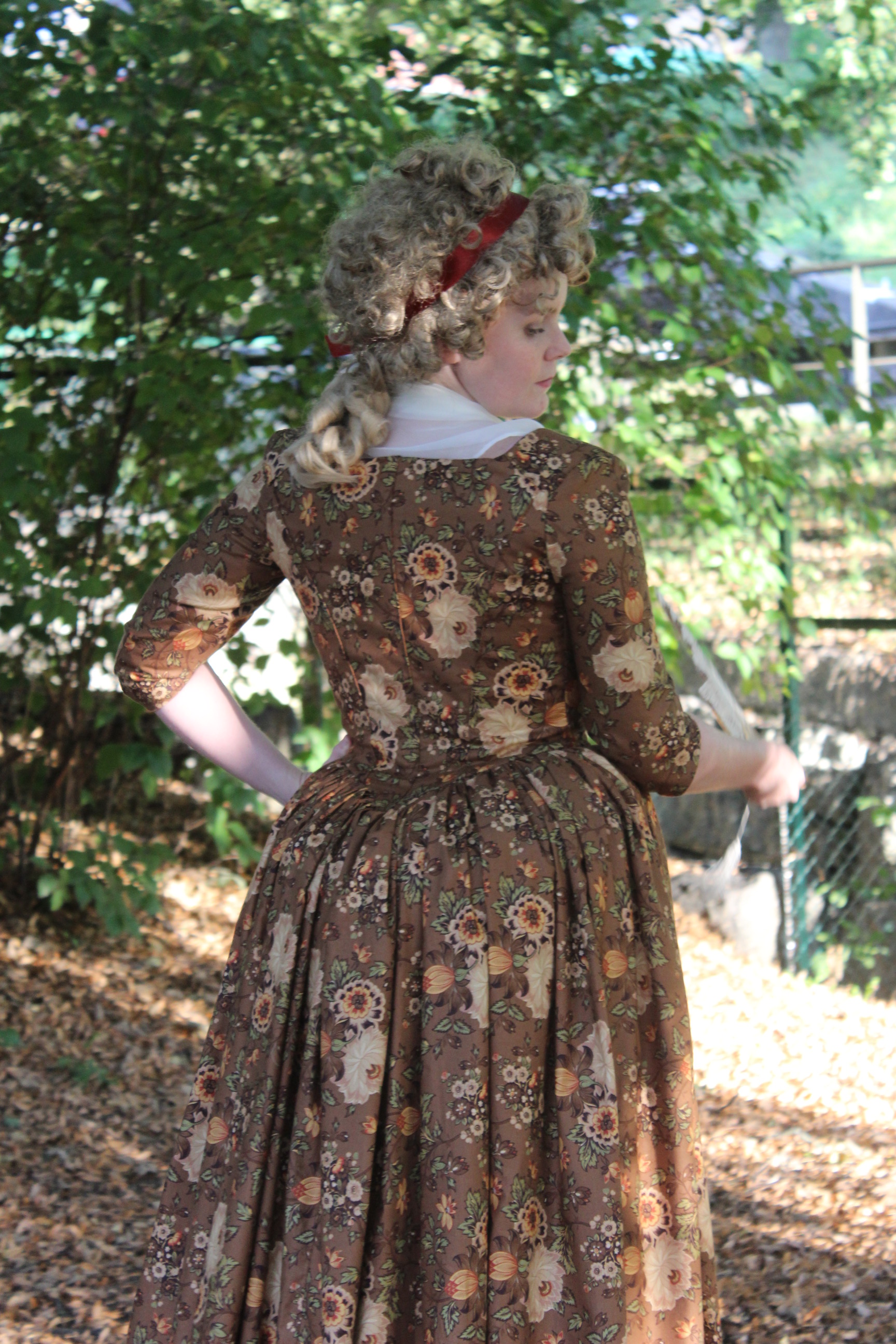
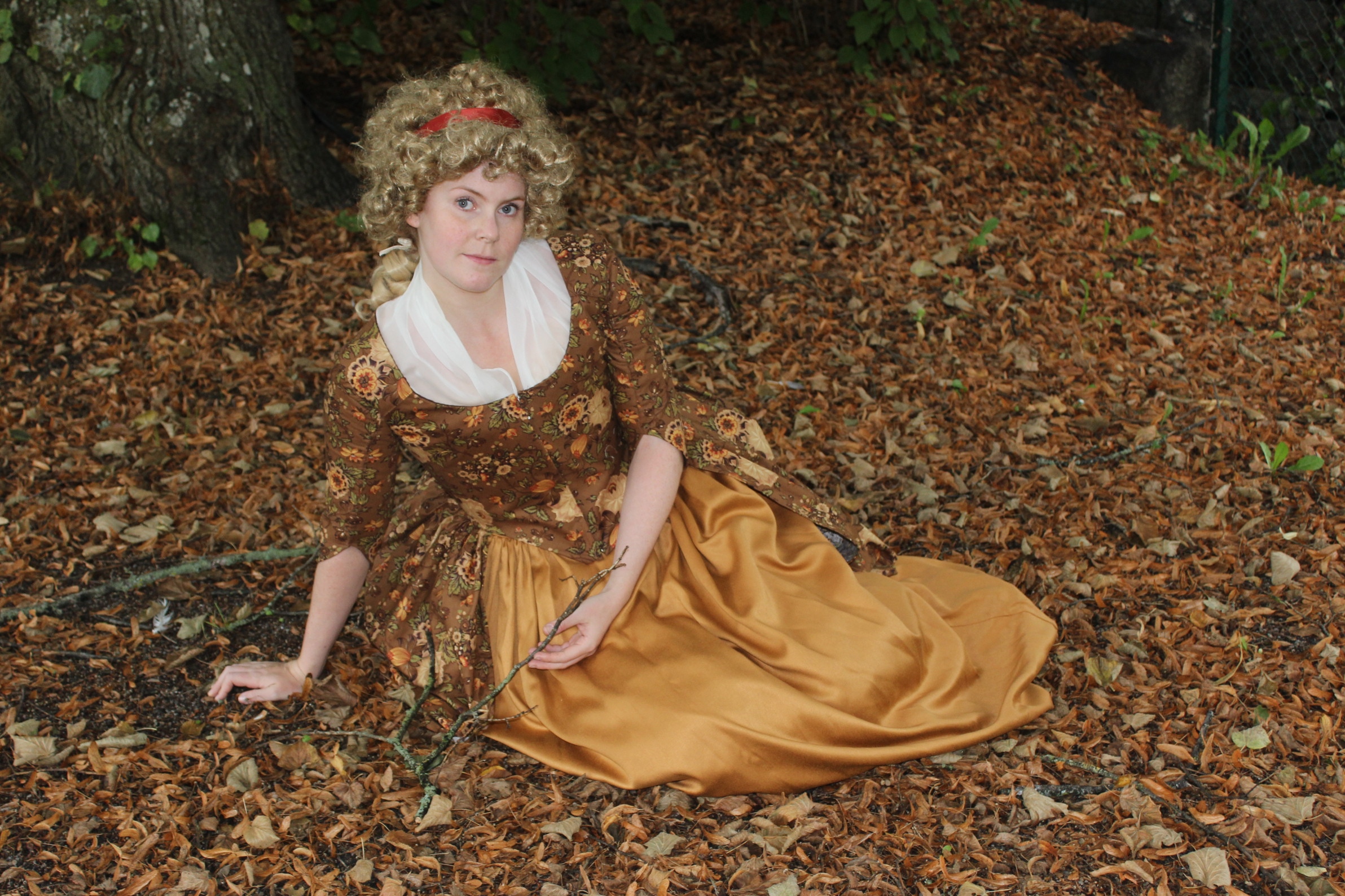
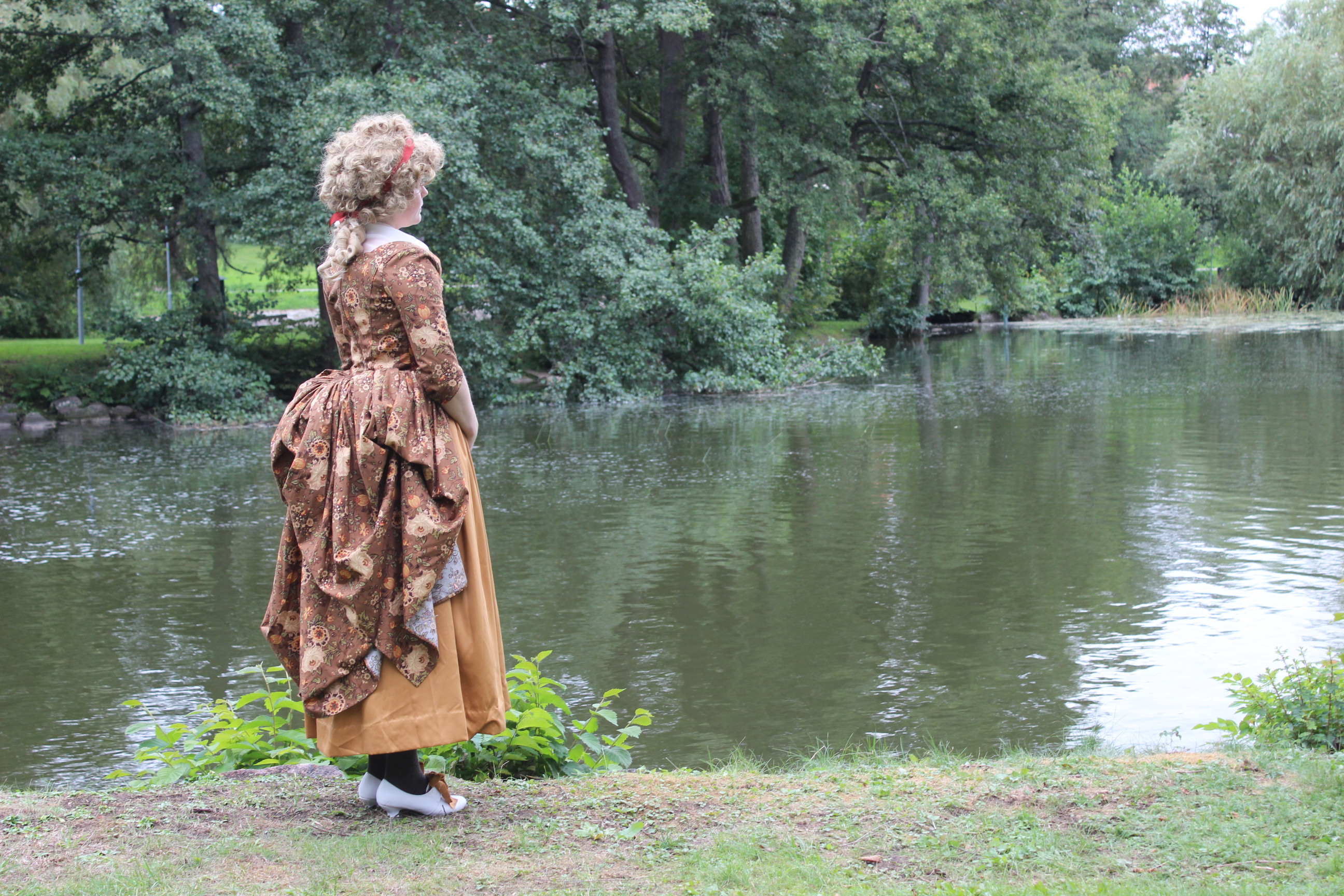
(Sport)Autumn Anglaise – Photoshoot

This picture post contains even more photos then usually, since I insisted on a second photshoot after I’d properly shortened the petticoat. You can actually see the skirts different lengths in many of these photos.

And once again a big thanks sis, for always helping me photograph and never complaining (even when I get frustrated at my own lack in modeling skills, and crappy wig work ;-)) I really appreciate it.

IMG_2017

IMG_2025

IMG_2031

IMG_1186

IMG_2127

IMG_1305

IMG_1300

IMG_1220

IMG_1228

IMG_1231

IMG_2072

IMG_2107

IMG_2048

IMG_1276

IMG_1284

IMG_1352

IMG_1318

IMG_1324

IMG_1375Photos: Maria Petersson

The Sport Anglaise finishing up

Iv’e been sewing a lot lately, crossing several new and a few old projects of my list.

One of those “old” projects was the “Sport- Anglaise” which I’ve started in January. Then in Mars I gave you an update, and last week I managed to finish and photograph it properly.

I stated, when first starting this project – I will only sew, while my boyfriend watches sport on our Television.
Well that didn’t last very long…
I had way to much to do during the spring, and there was no way I could set aside all the other projects just because there was some game playing in the other room.
But to my defense this year I’ve endured both an Olympics and a World Championchip in football, so I’m pretty sure the dress would have been finished long ago if I’d stucked to the plan.

Anyhow, lets take a look at my final construction notes and finished pictures:

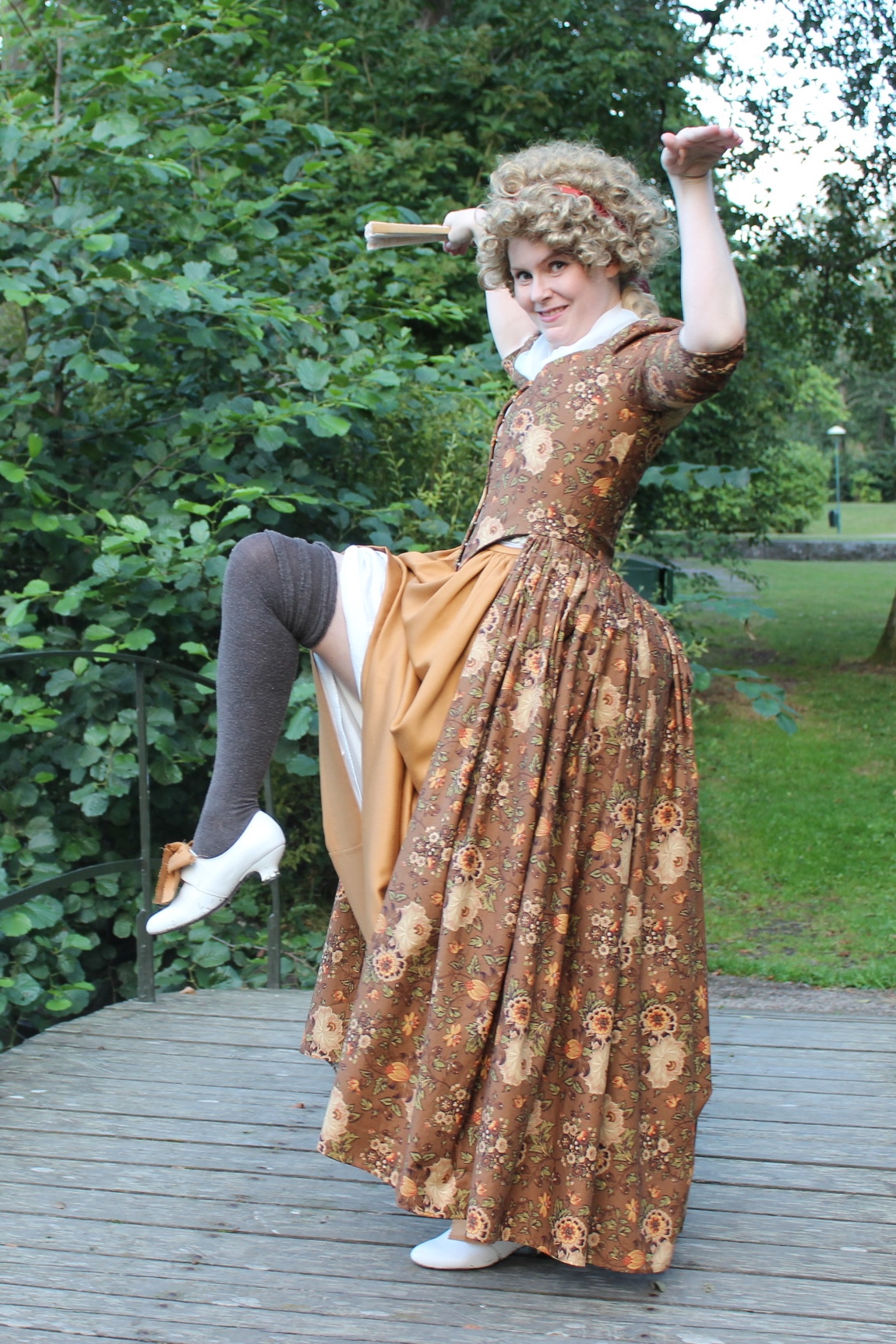
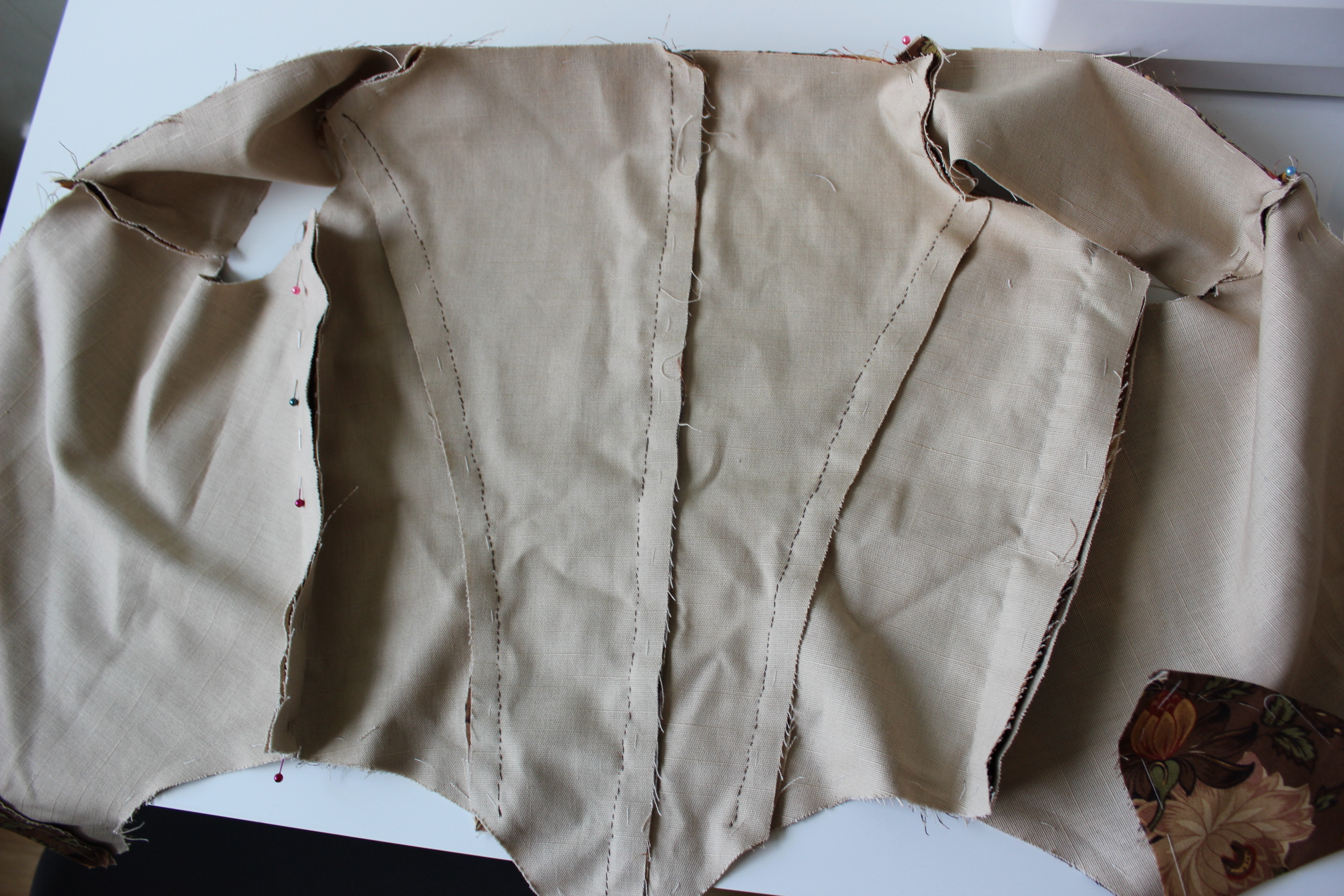
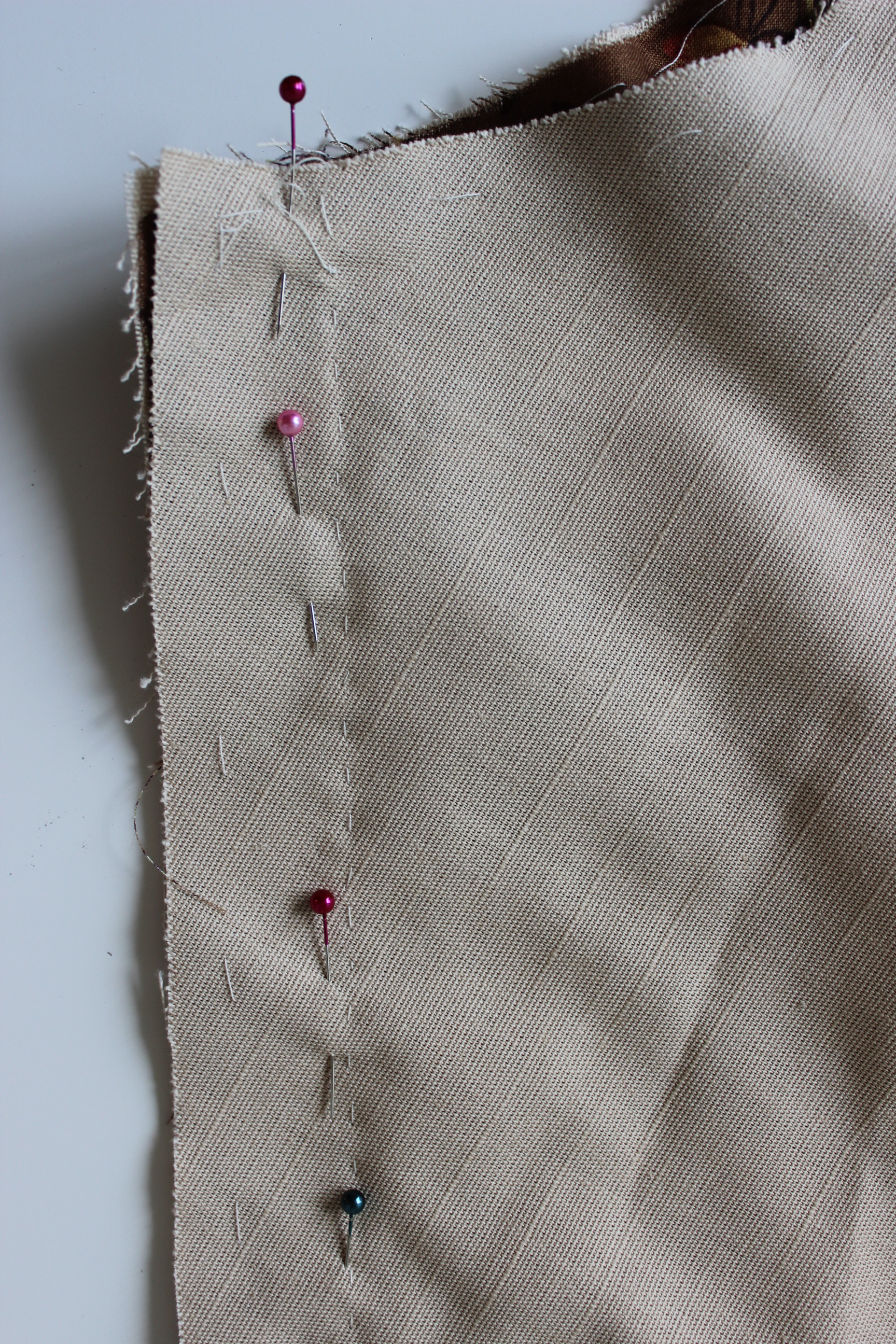
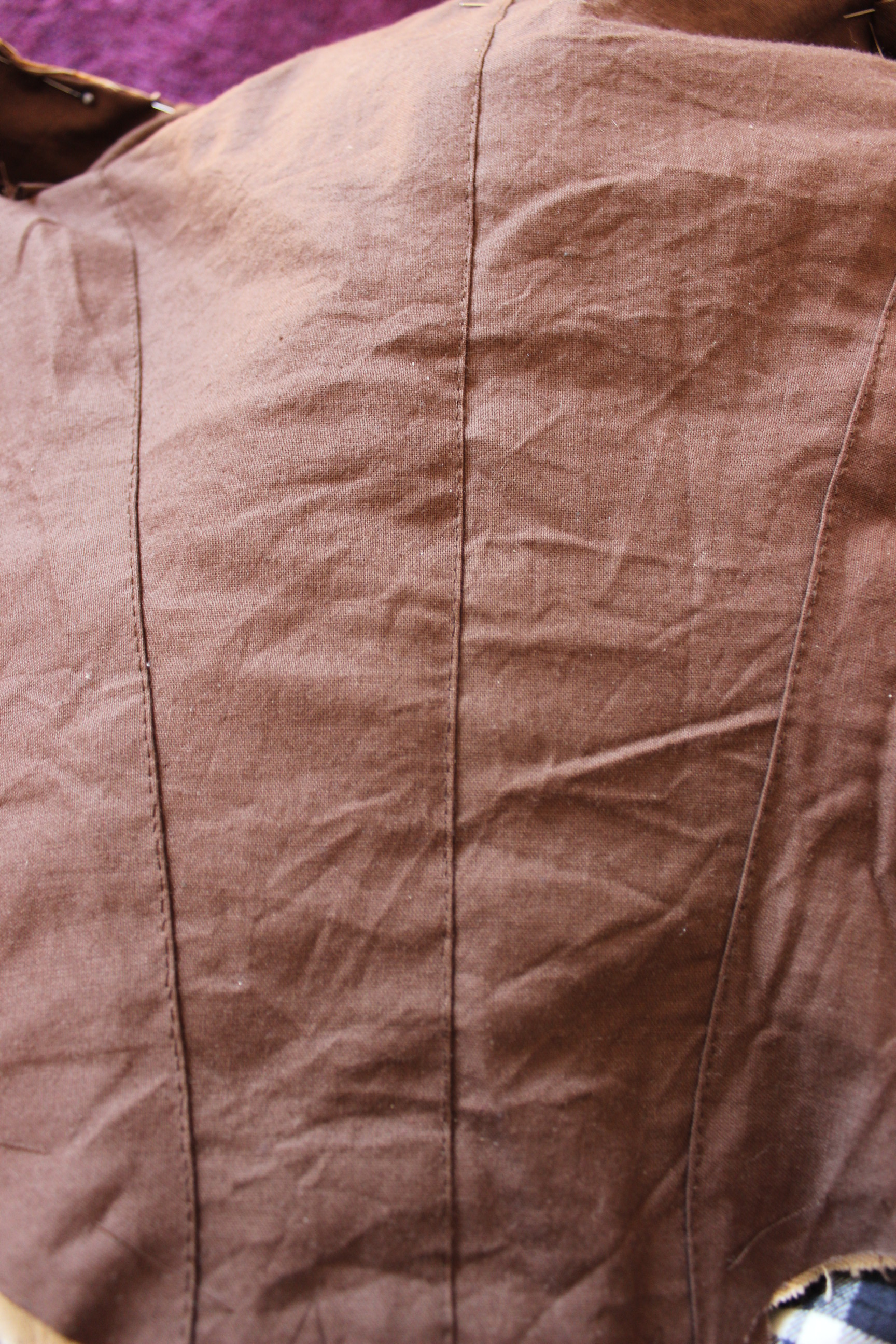
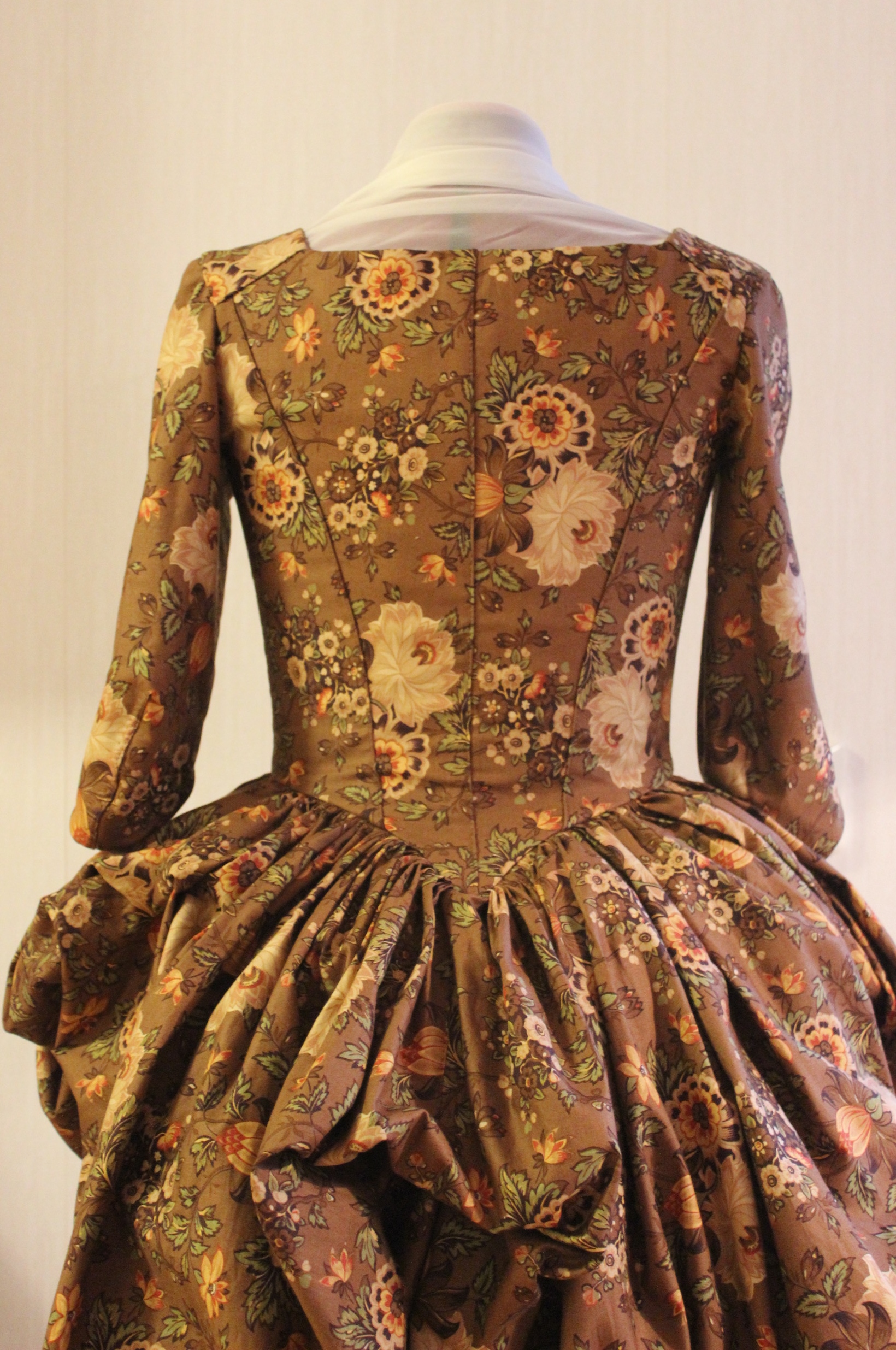
Where I left of last time I had just cut the fabric and begun to put he bodice together.IMG_0486I basted the side and shoulder seams. Stitched the three back seams down, doing small back stitches from the outside.IMG_0487The back stitched down.

Then I laced on my corset, and pinned the bodice shut for a try on.
IMG_0468 IMG_0466
As you can see it is a bit snug at the waist, causing the fabric to buckle under the pressure. But otherwise the fit was fine.

So let the side seams out a bit at the waist to get a smooth line.IMG_0488

Then I stitched the lining to the front and back piece.IMG_0732

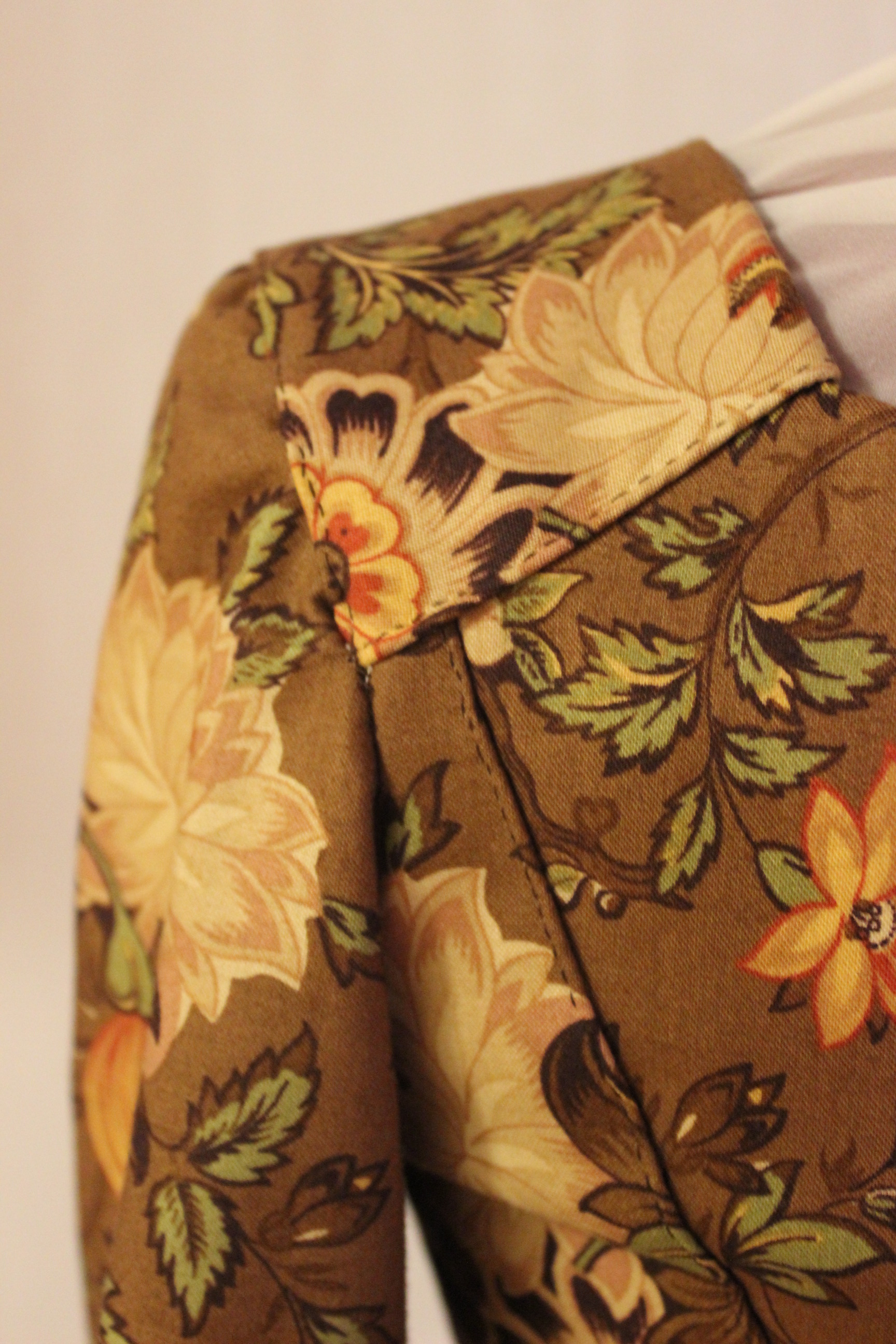
And put in the sleevesIMG_0737I stitched them right sides together under arm and, from the top over the shoulder. Attaching the shoulder strap along the way.IMG_0728

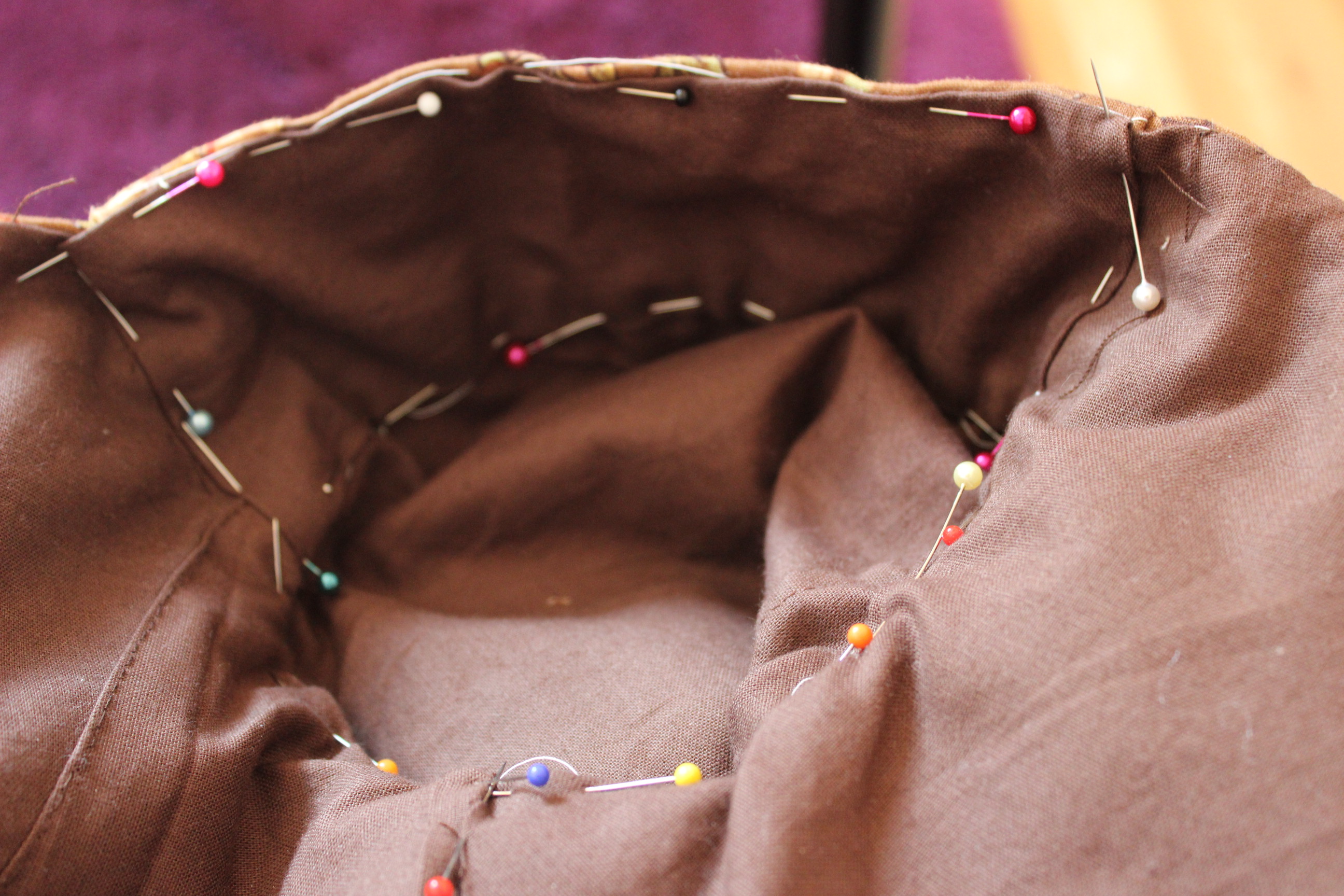
And carefully pining the lining into place.IMG_0729

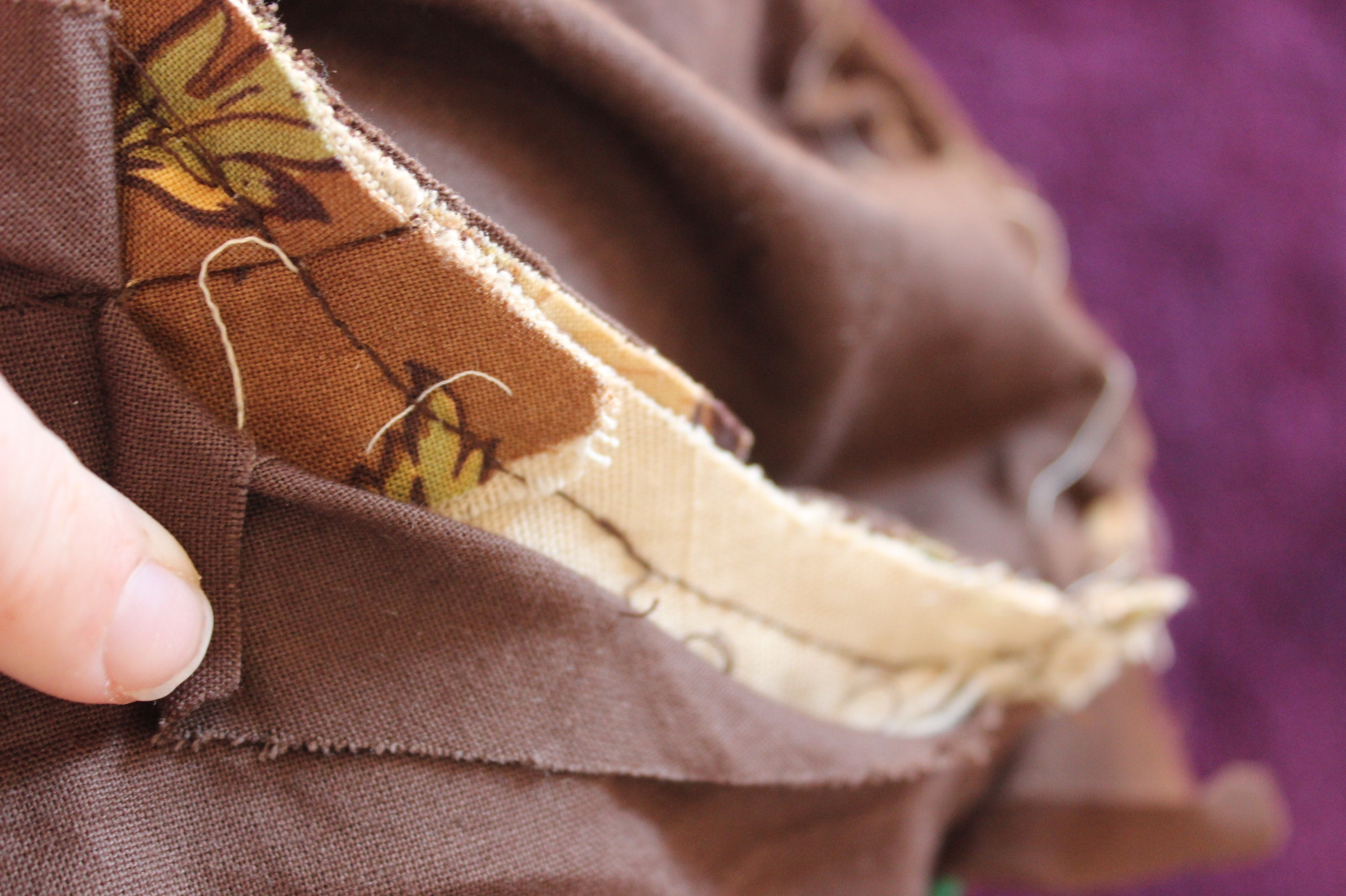
I put boning in the center back and front seams to help reduce wrinkles.IMG_0731

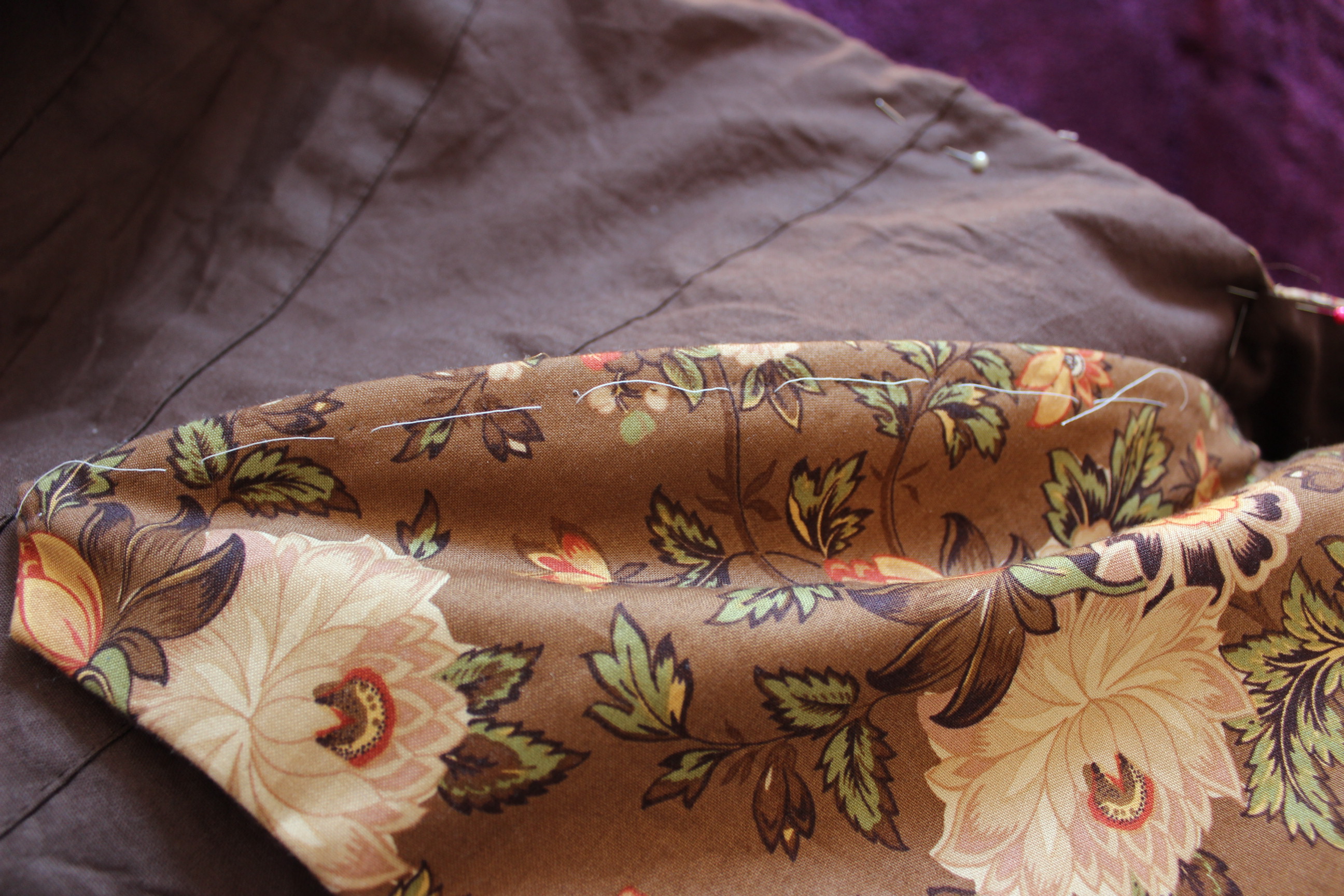
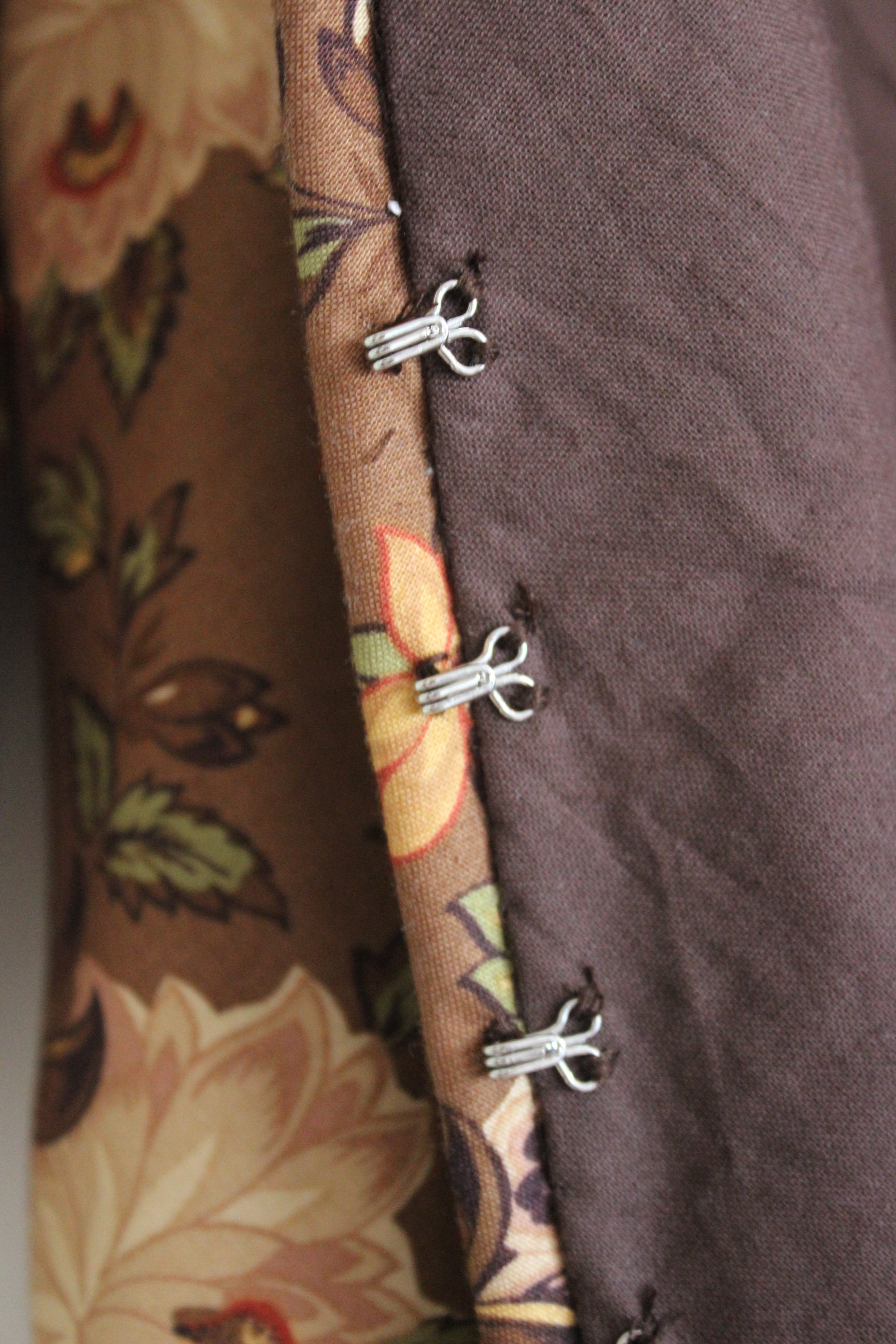
And stitched on hooks and thread bars for closure.IMG_0785

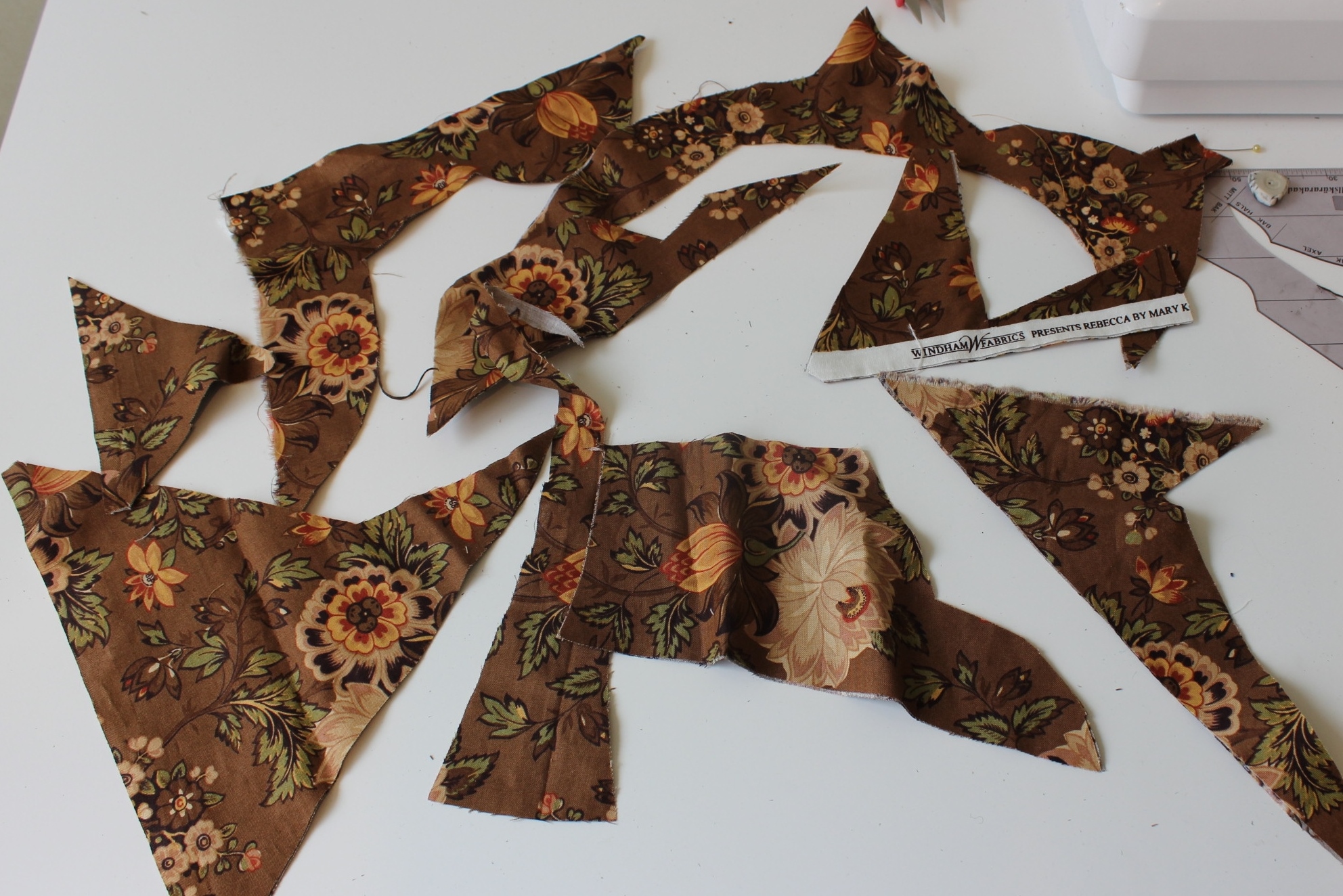
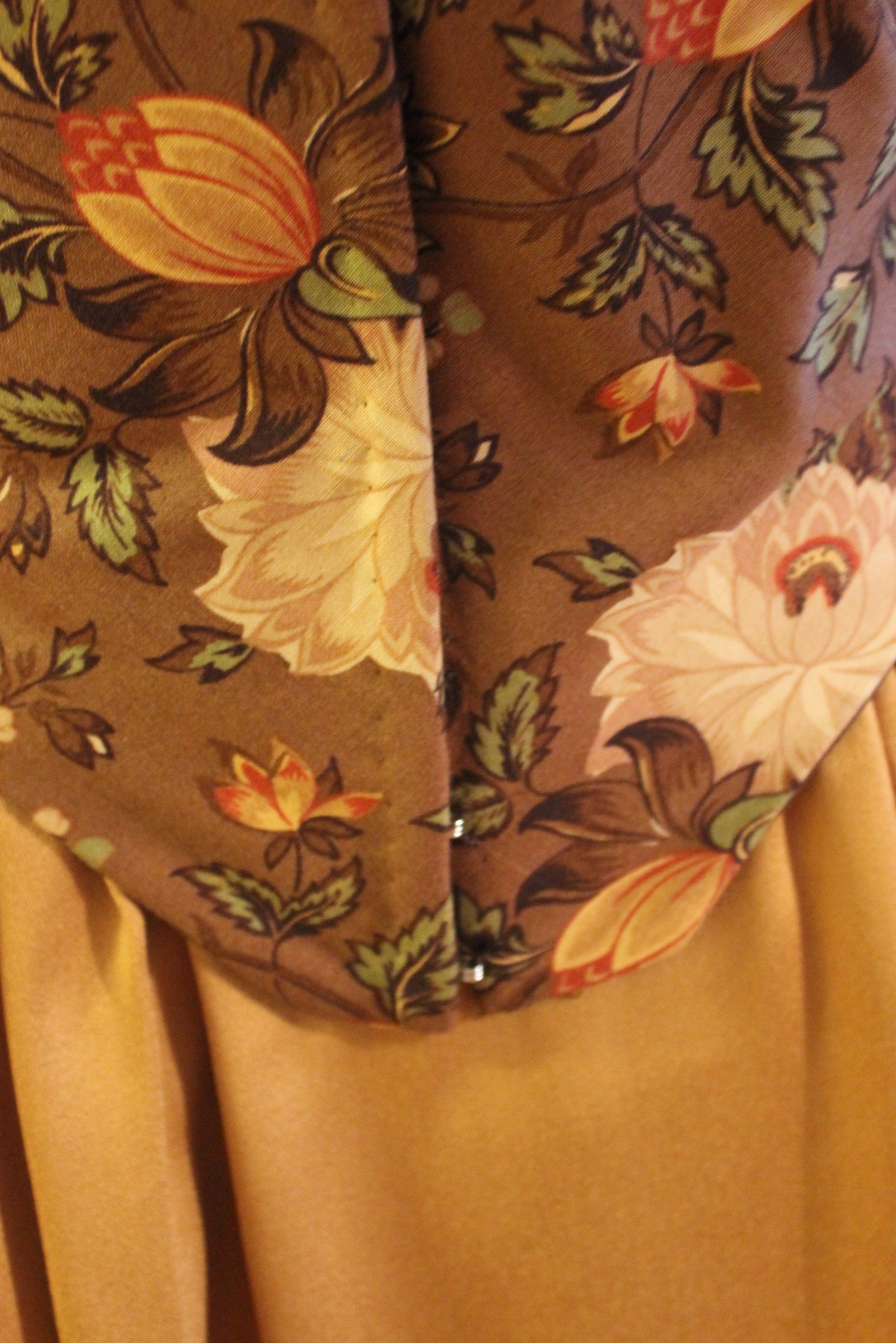
This is all that left of my 2,5 m fabric once the dress was complete.IMG_0764Thank goodness I didn’t need to make any bigger changes to it.

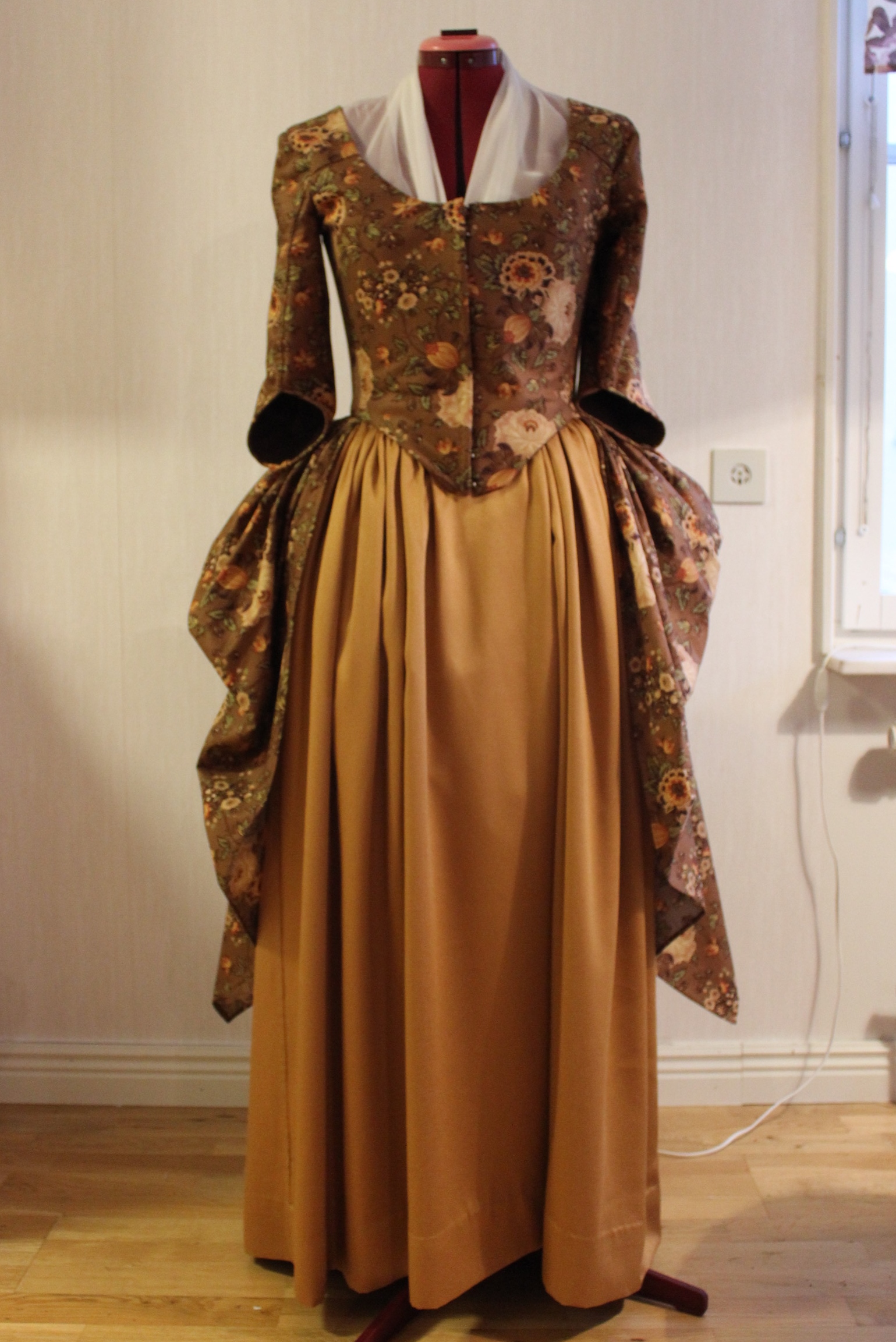
The Finished dress pared with the golden skirt:
(lots of photos, feel free to scroll down)IMG_1470

IMG_1477

IMG_1455

IMG_1454

IMG_1475

IMG_1482

IMG_1466

IMG_1468

IMG_1492

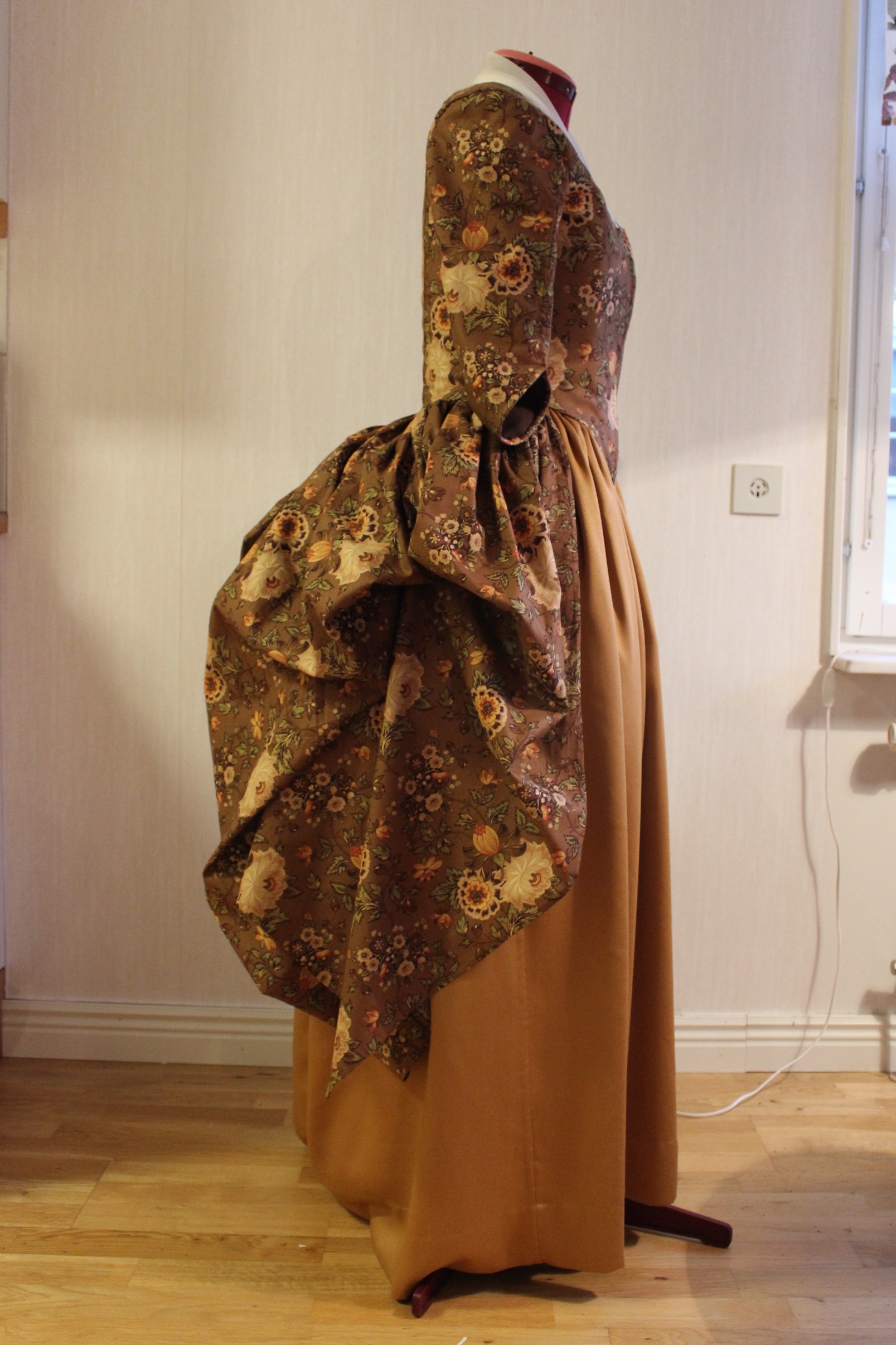
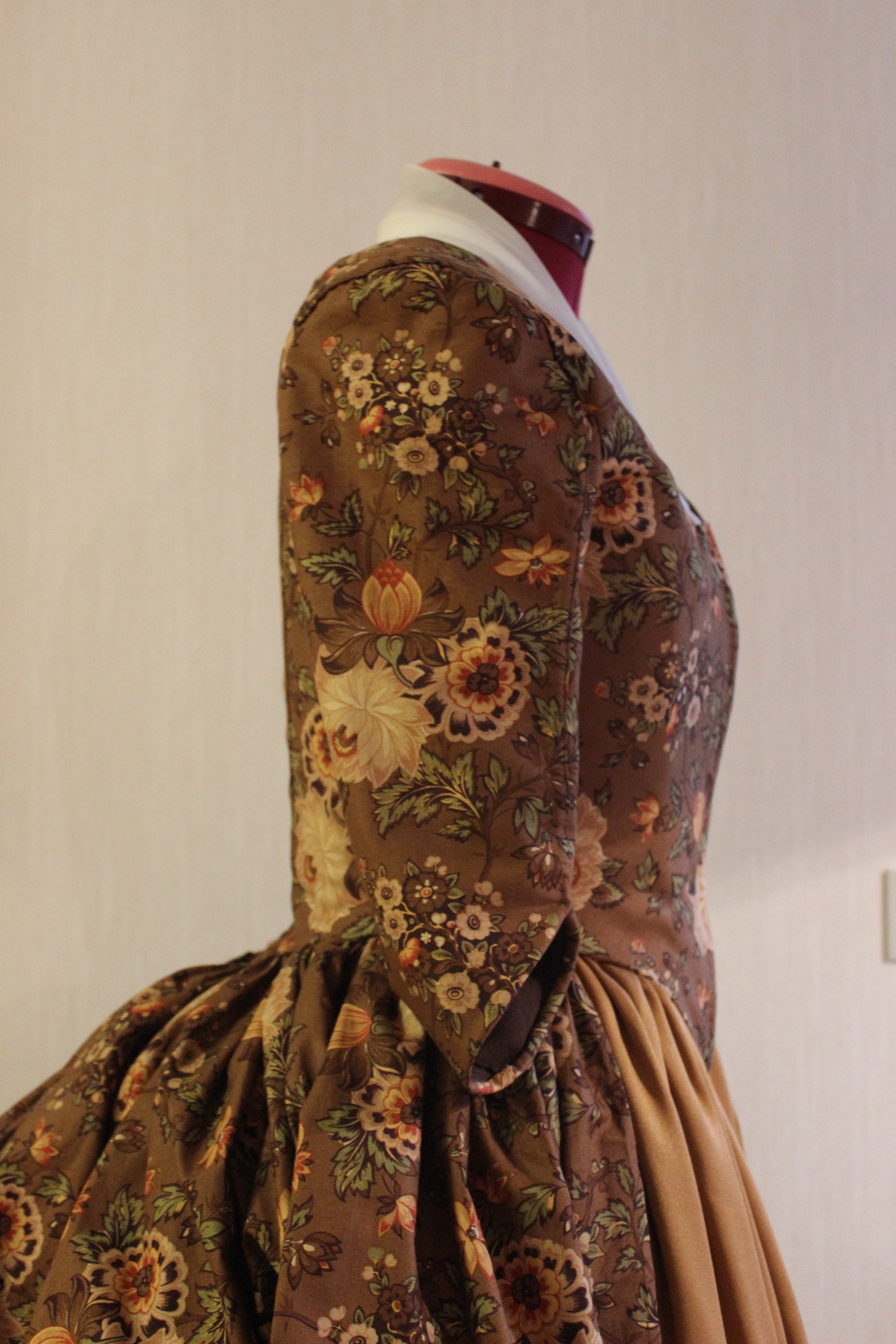
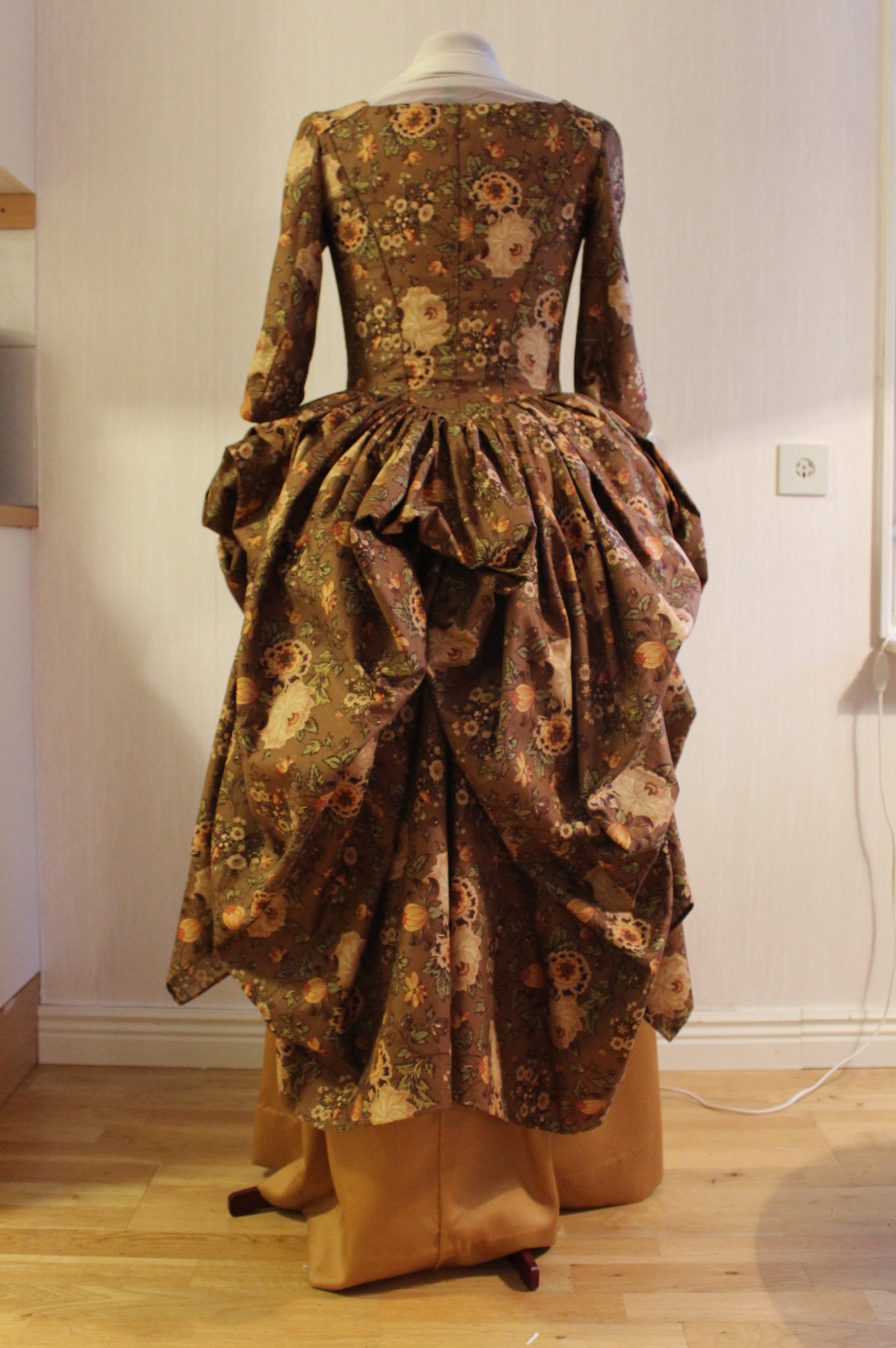
And a la polonaise:IMG_1435

IMG_1436

IMG_1451

IMG_1439

IMG_1438

IMG_1486

IMG_1442

IMG_1445

IMG_1448

And a mirror selfie of me dressed for the photoshoot:IMG_1419

Dress facts:

Pattern: None, I draped my own.

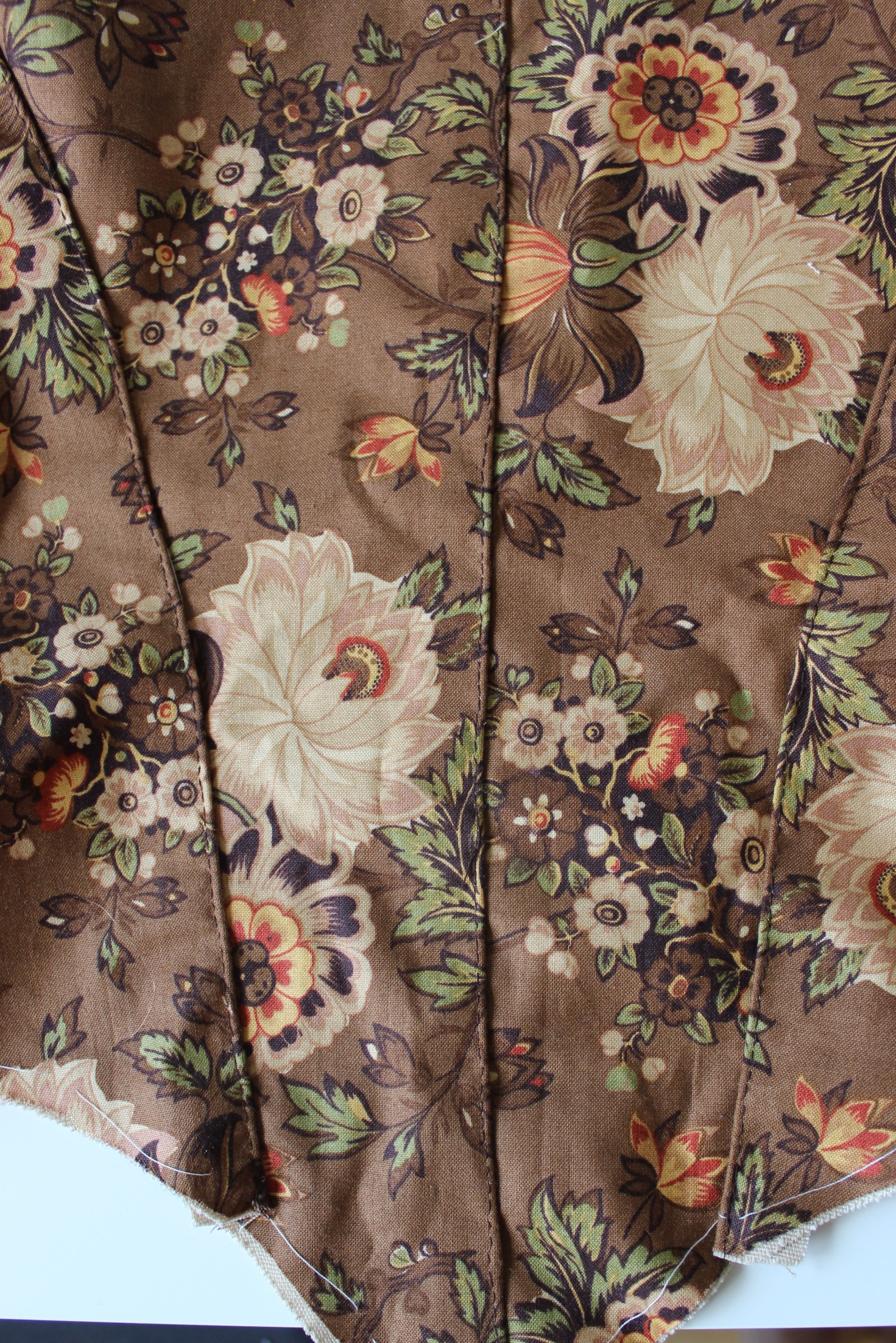
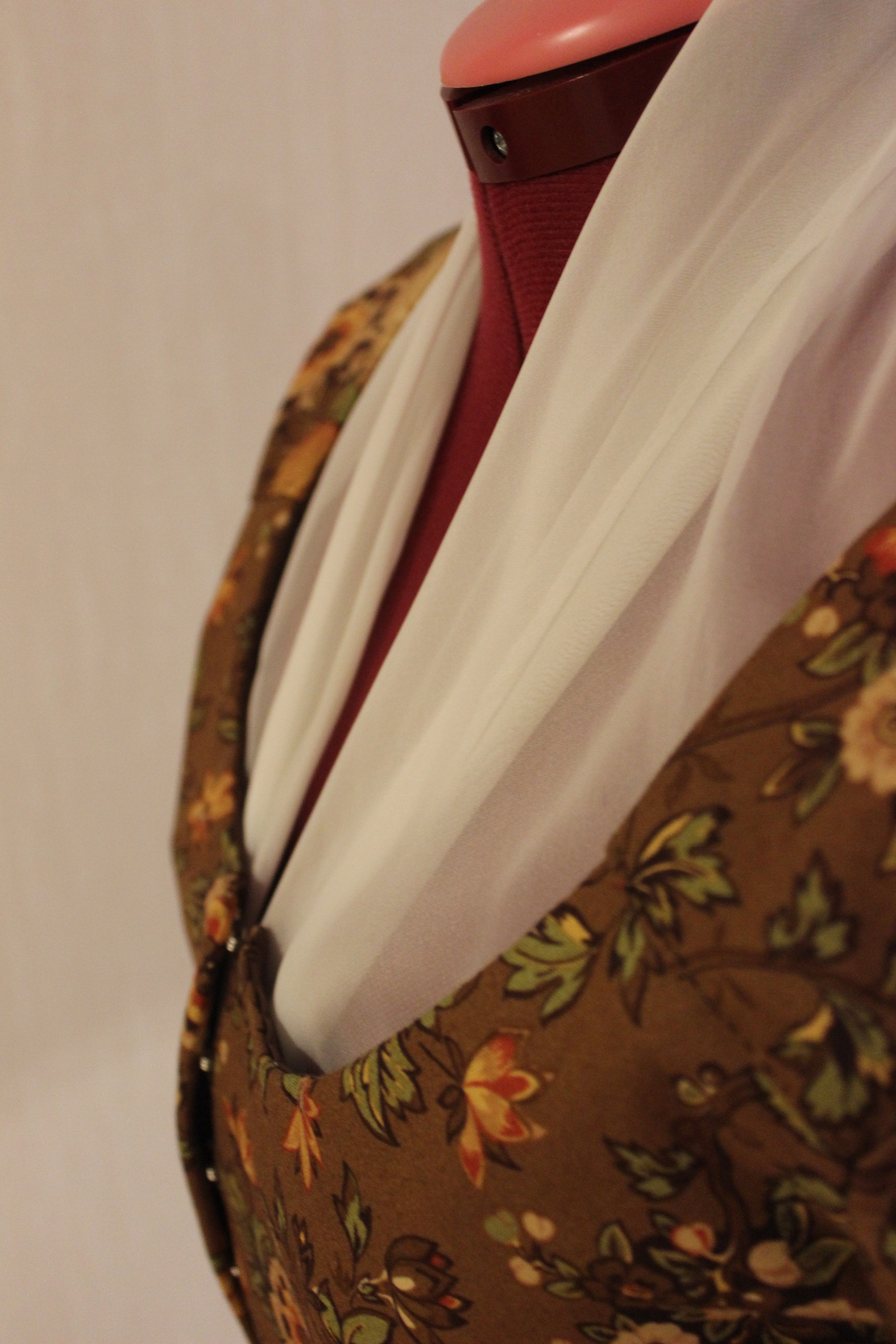
Fabric: 2,5 m of printed cotton, 0,5 m brown cotton for lining and 0,5 m thick canvas for interlining.

Notions: Thread, hooks and eyes, 0,6 m plastic boning for the front and some small pieces of ribbon for the “bustle effect”.

Time: I would guesstimate about 20 hours, but I started it in January (working on it only while my boyfriend watched some kind of sport on Tv) so I can’t be sure.

Cost: About 100 Sek (16 Usd) since the fabric was on sale.

Final thoughts: I really like this dress. I think it looks lovely and make me feel good wearing it. I’m already dreaming of going to a 18th century masked ball dressed in this gown and posing as “Autumn”.

Although looking at the pictures of me wearing it, I notice the huge amount of wrinkles occurring at the under arm/bust era, and at the back waist. I think I will have to go back and re-check the fit.

Terminology Stays

My original plan for the 16th HSF challenge – Terminology, (making something from “the-great-historical-fashion-and-textile-glossary“) was to make a regency round gown, but as the deadline approached I found an old UFO in my sewing pile causing me to changed track completely.

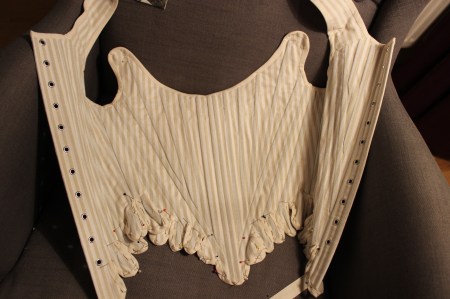
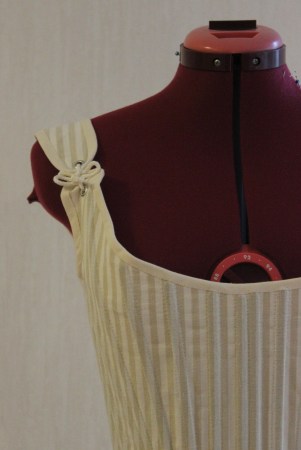
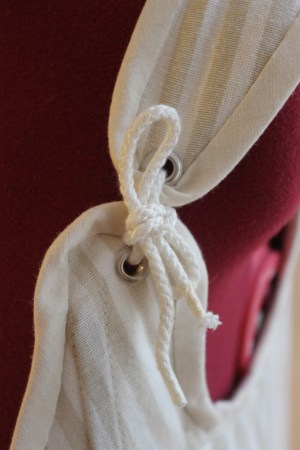
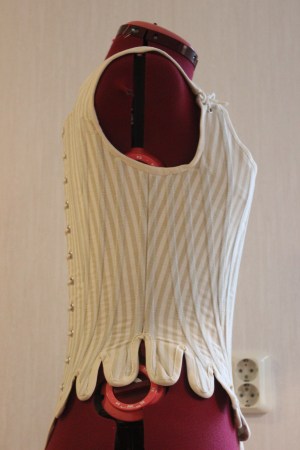
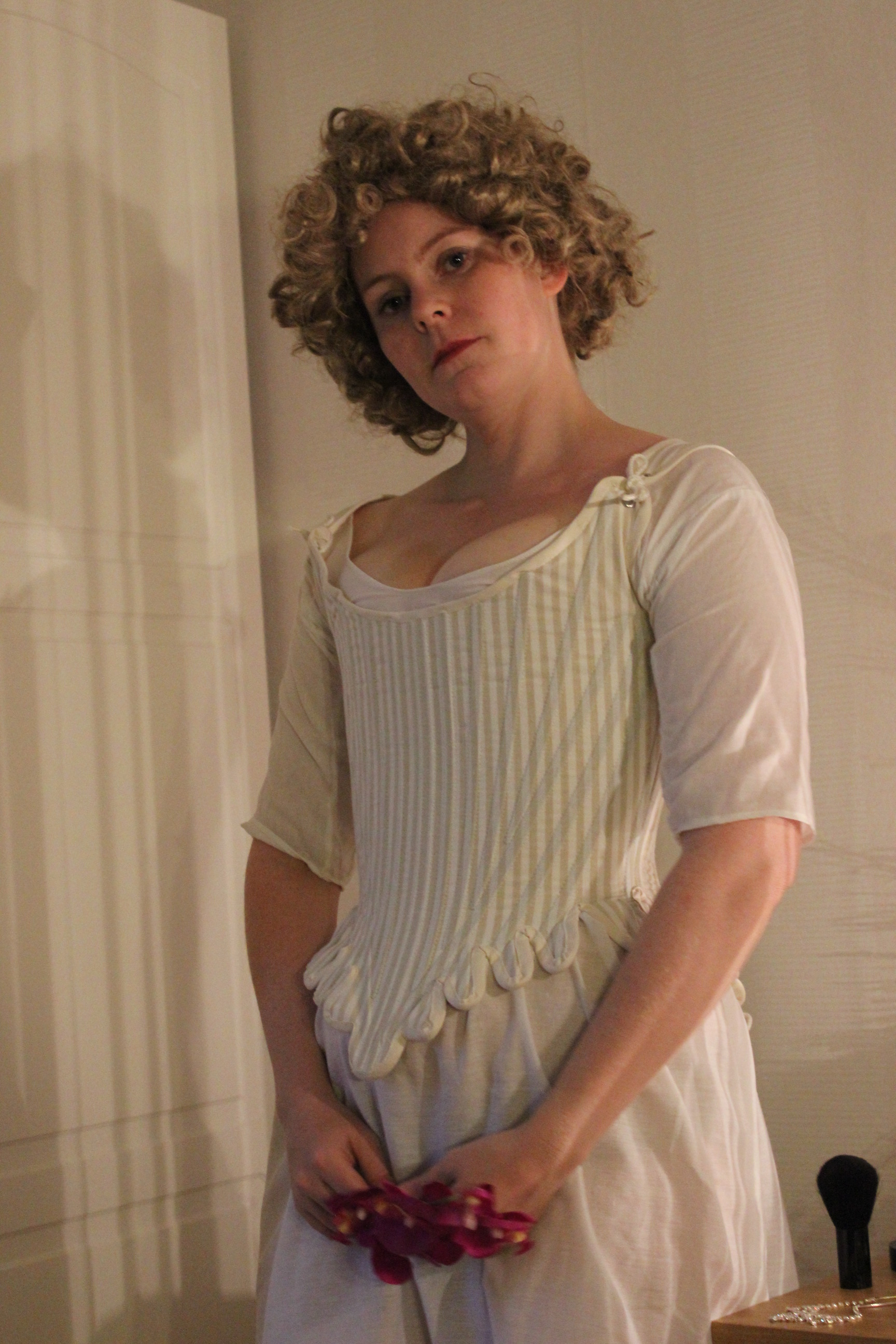
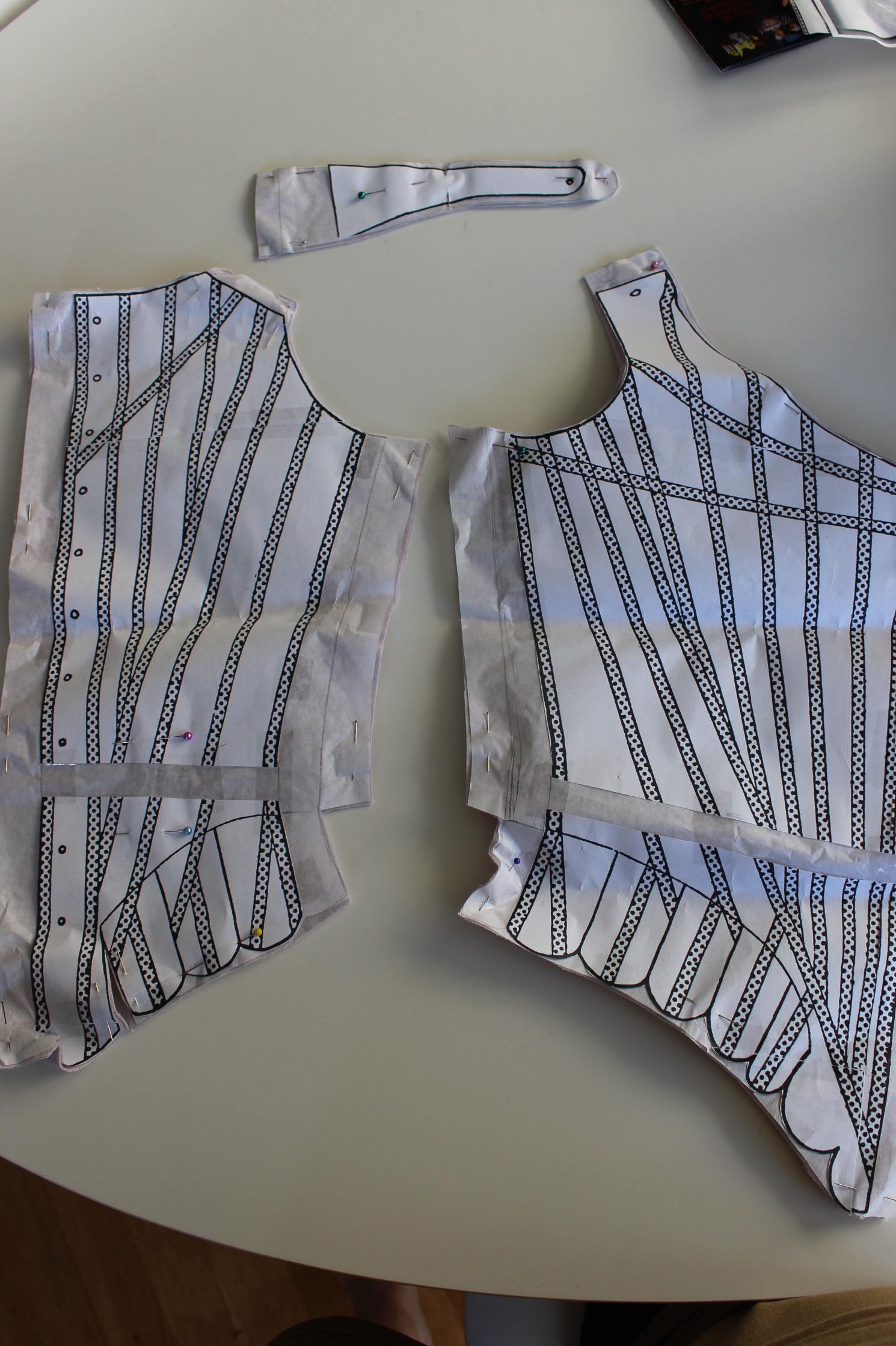
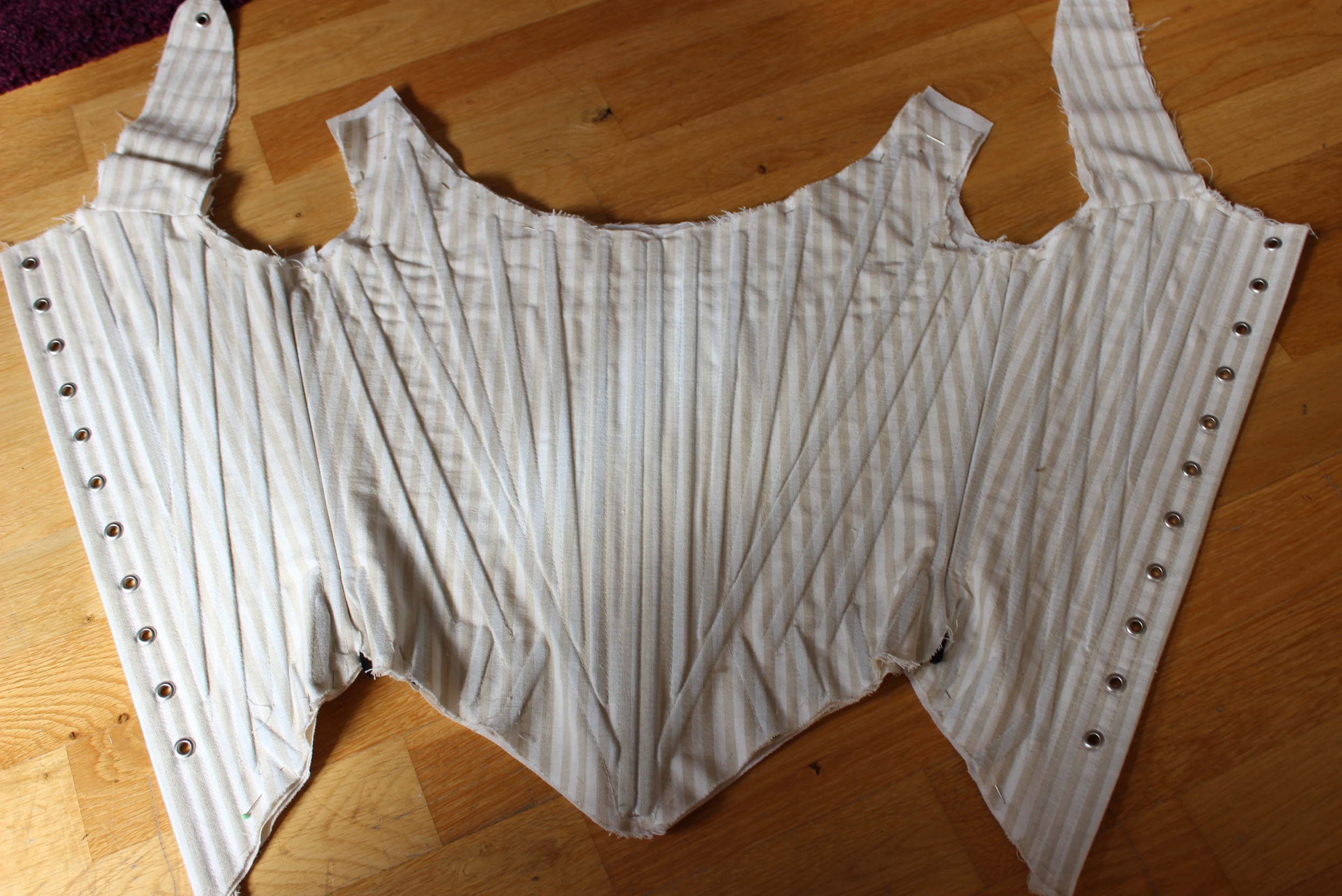
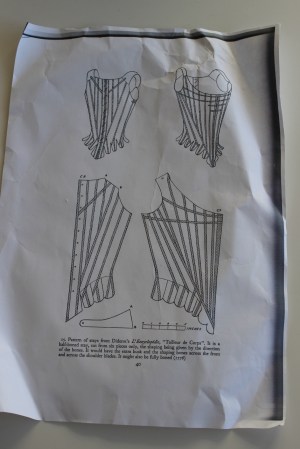
The item that now got my sewing nerve tingling was the 18th century half boned stays from Nora Waughs Corset and CrinolinesIMG_0780I’d started the project about a year ago, scaled and printed the pattern, took measurements and altered the pieces . Then I left it in favor for some other, more pressing costuming need. And that’s how I found it.

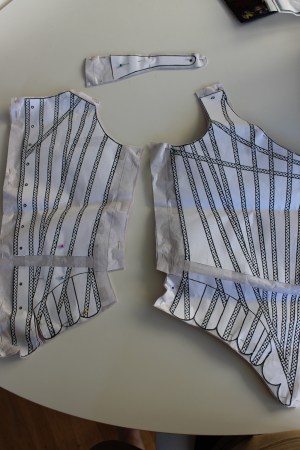
So I searched “The Glossary” for some useful article and found just the one: Stays.IMG_0782The pieces  already altered for my measurements.

I decided to keep the pieces as they were (one year old measurements and all), and pinned them to the old cotton sheet I use for mock-ups.

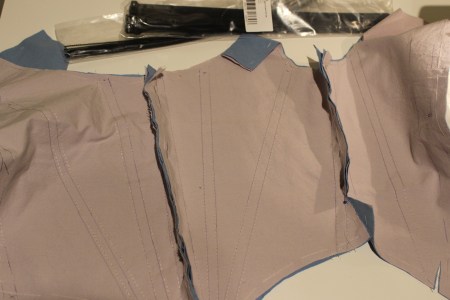
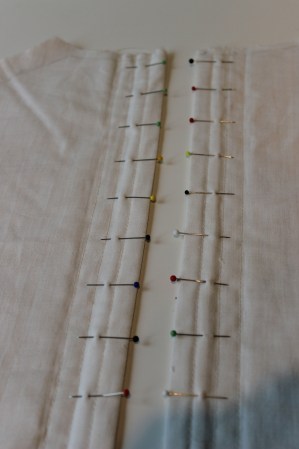
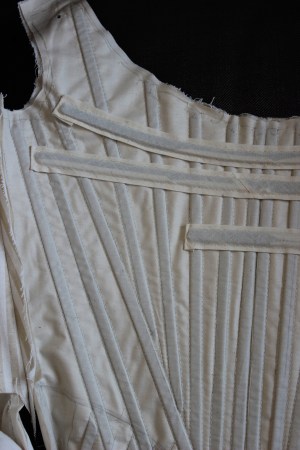
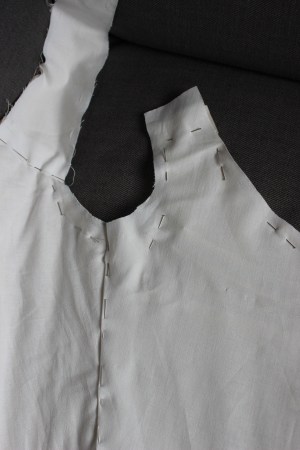
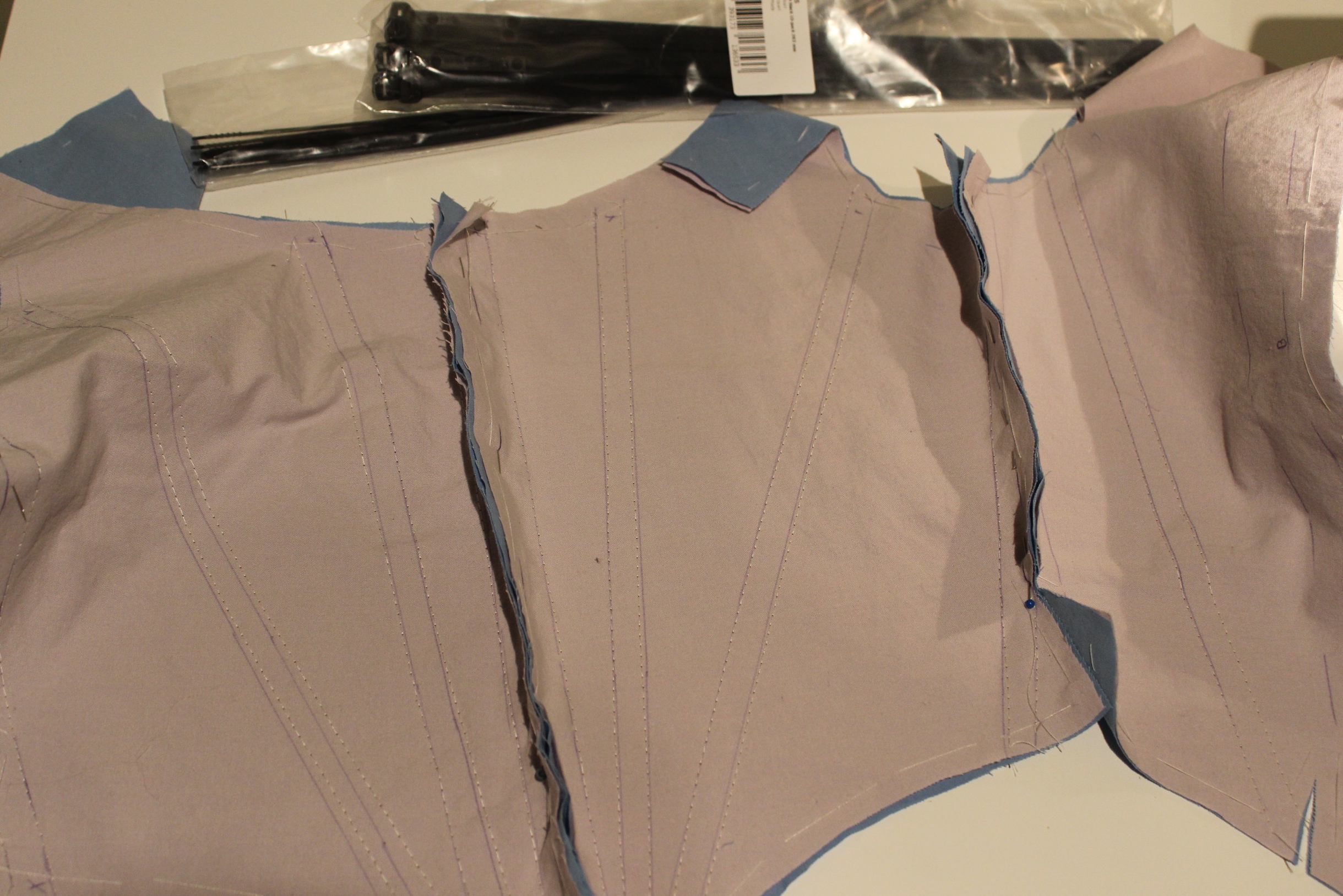
I stitched the mock-up together and made some basic boning chanells down the front, sides and back.IMG_0788

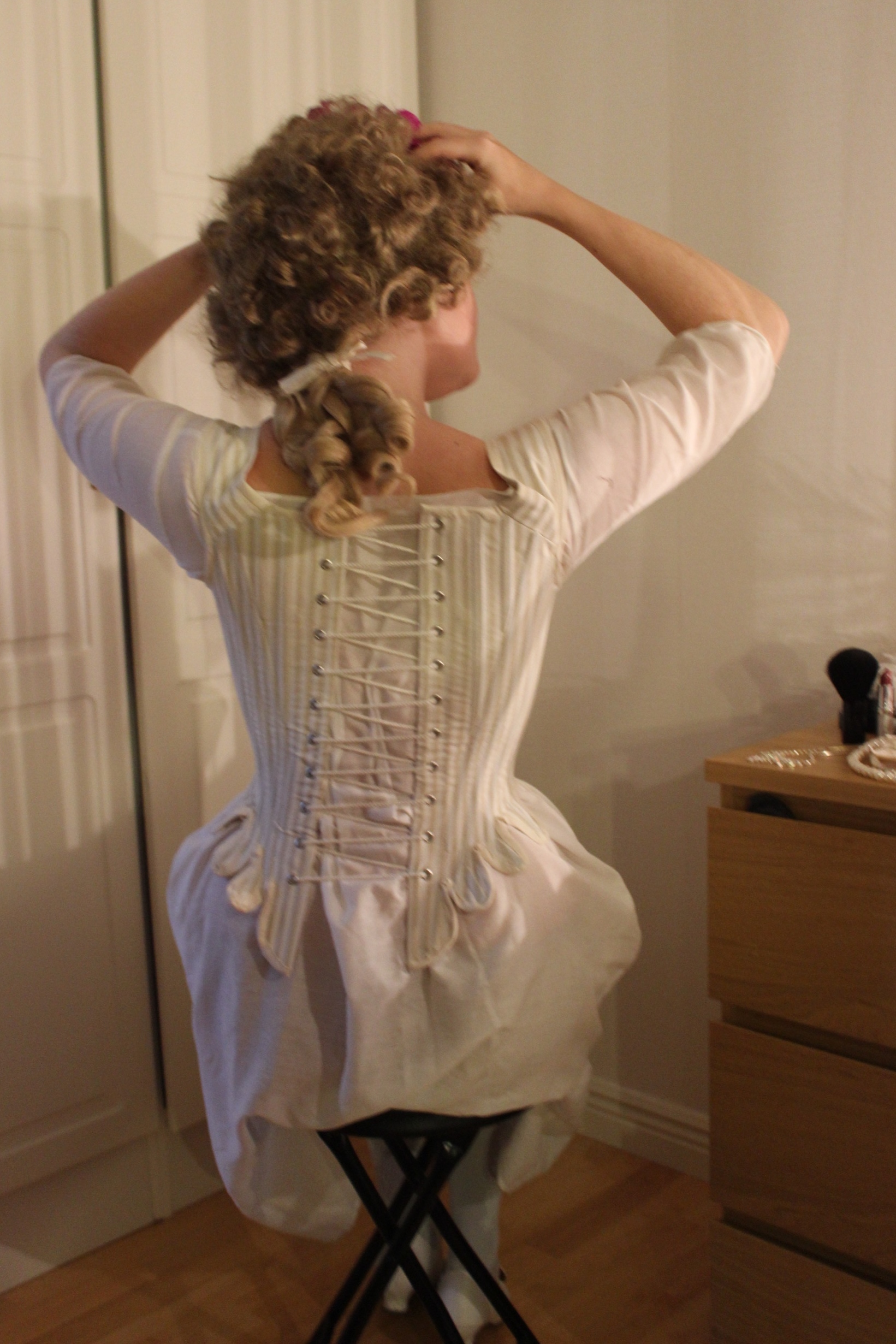
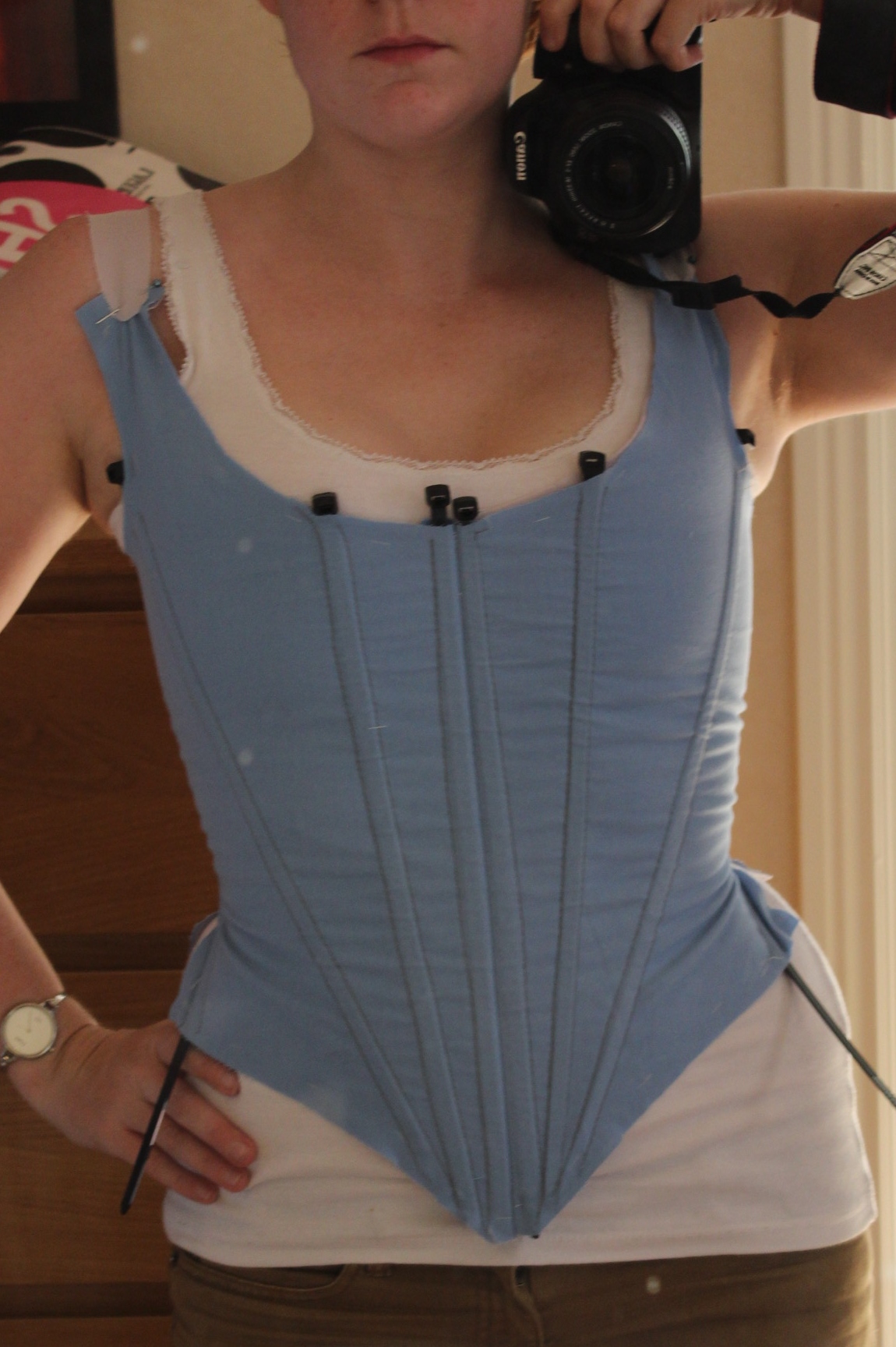
Then I put in some boning, and attached my old lacing strip to the back.IMG_0787Not very pretty, but functional.

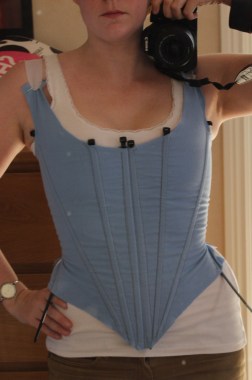
IMG_0794 IMG_0802
The fit was pretty good, and the only alteration I made was to make the whole thing 5 cm smaller – to get some more flexibility for size in the lacing.

So, on to the fashion fabric.
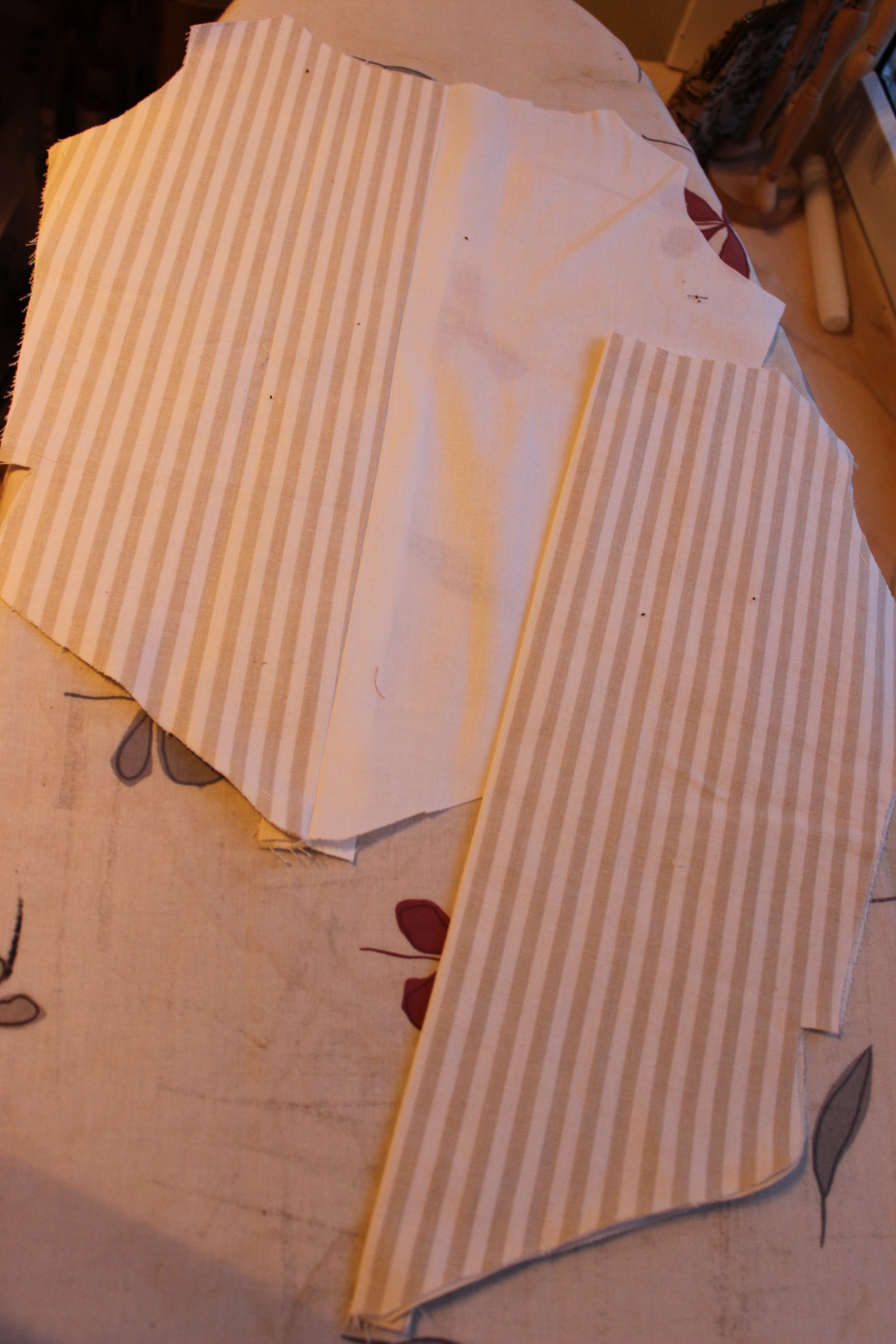
I used the leftovers from my previous corset en-devour (1900s S-shape).IMG_0892Pinning the strong sateen interlining.

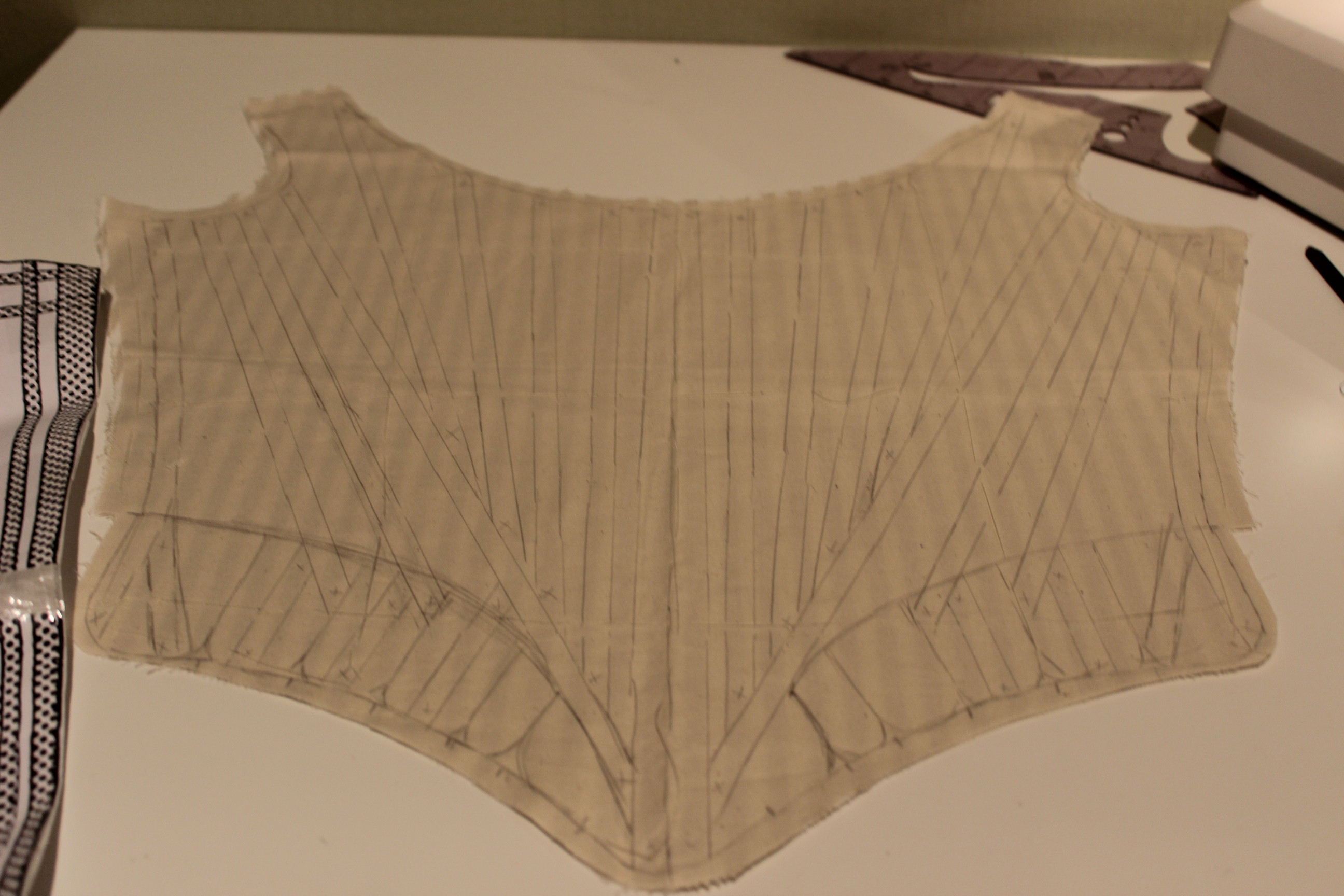
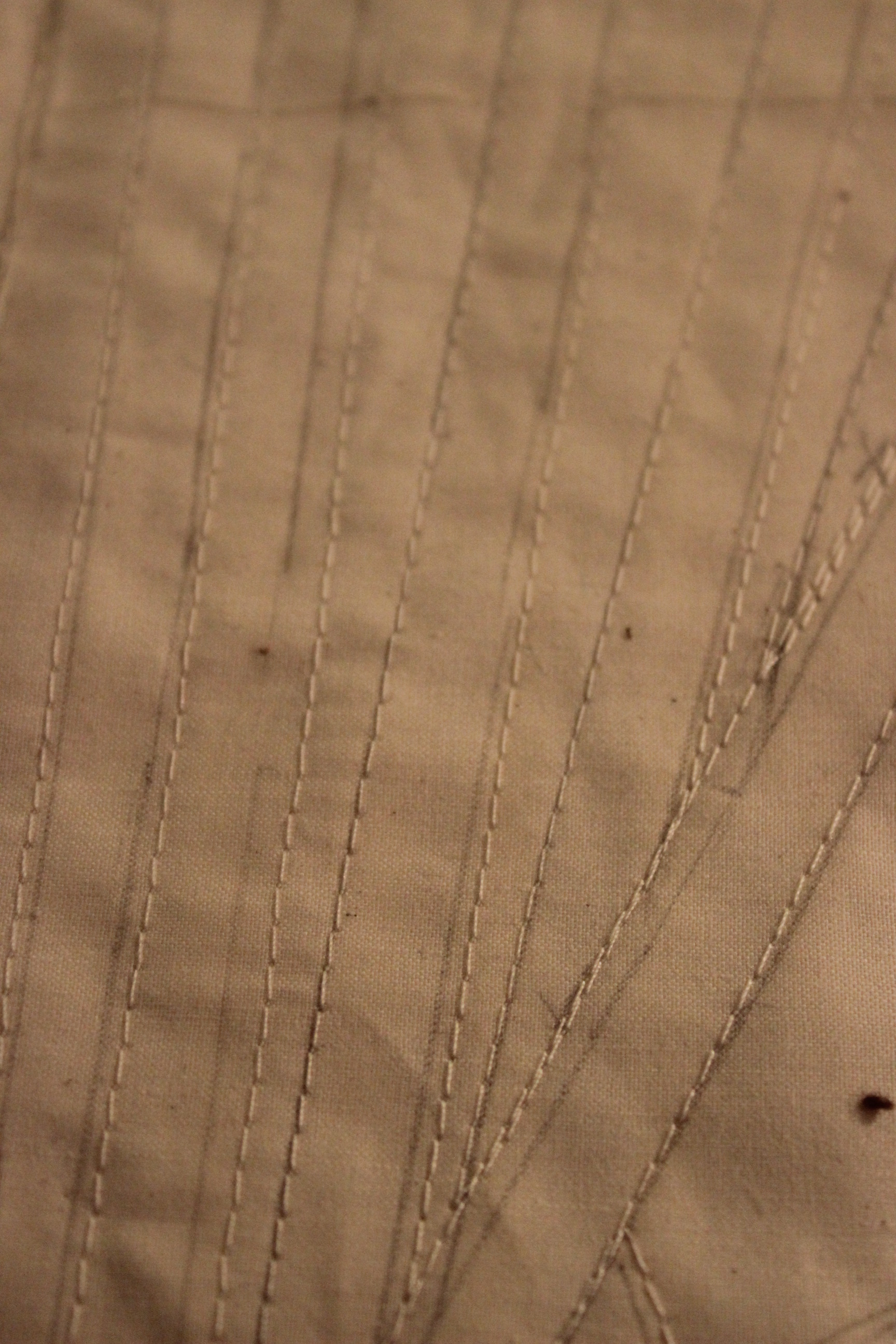
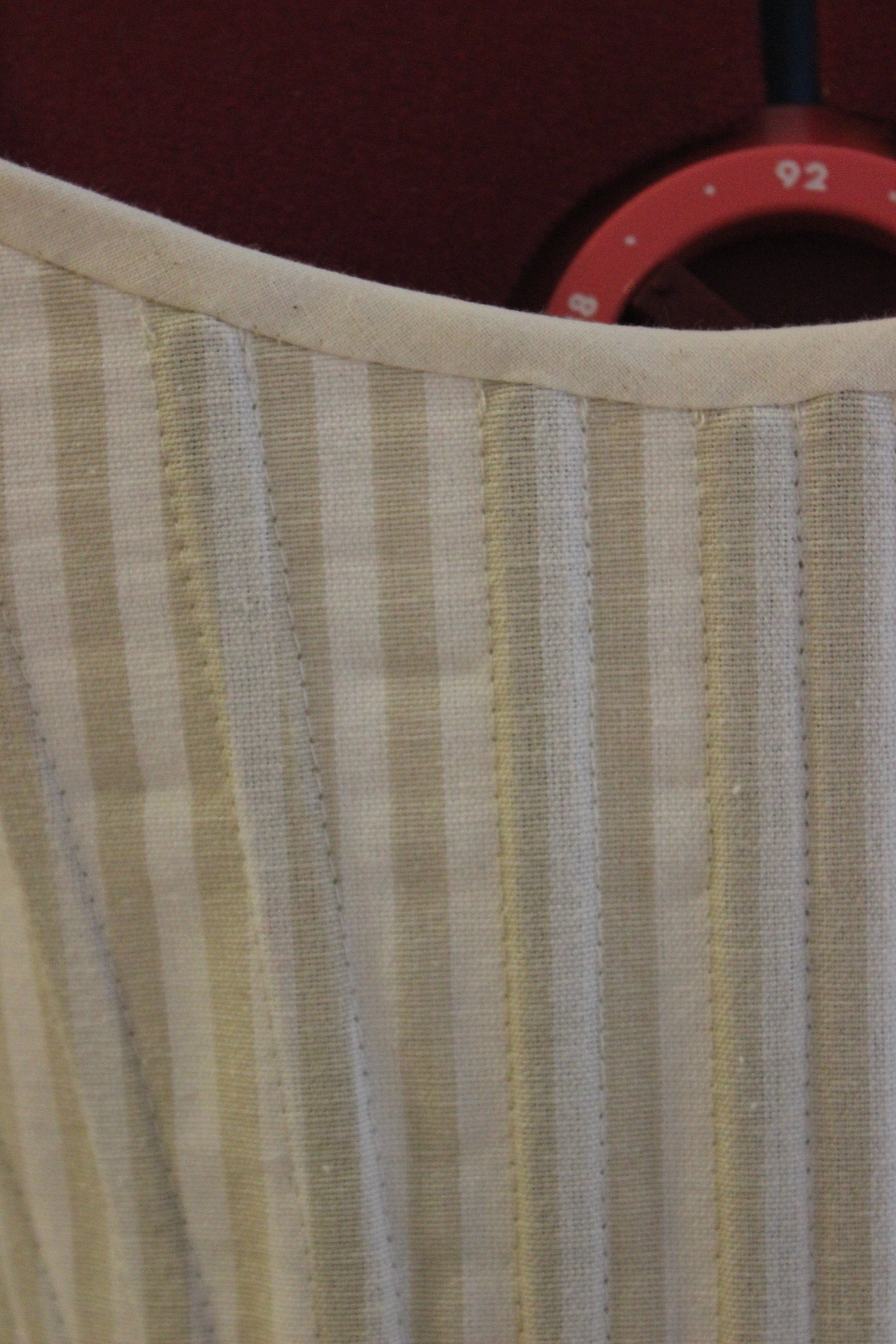
I started by sewing the lining to the back piece.IMG_1614Then I stitched the lacing channels close to the edge, making three spaces for boning and eyelets.

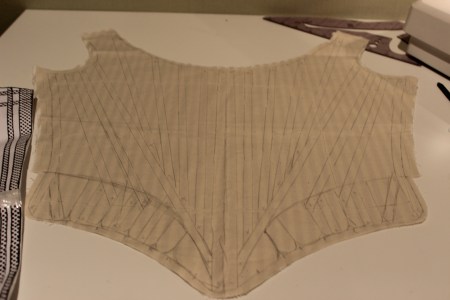
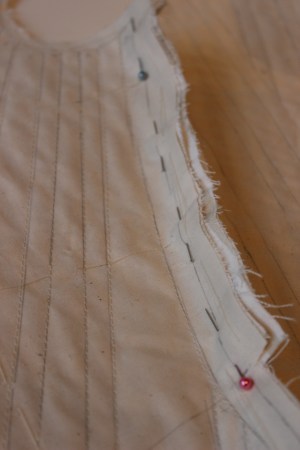
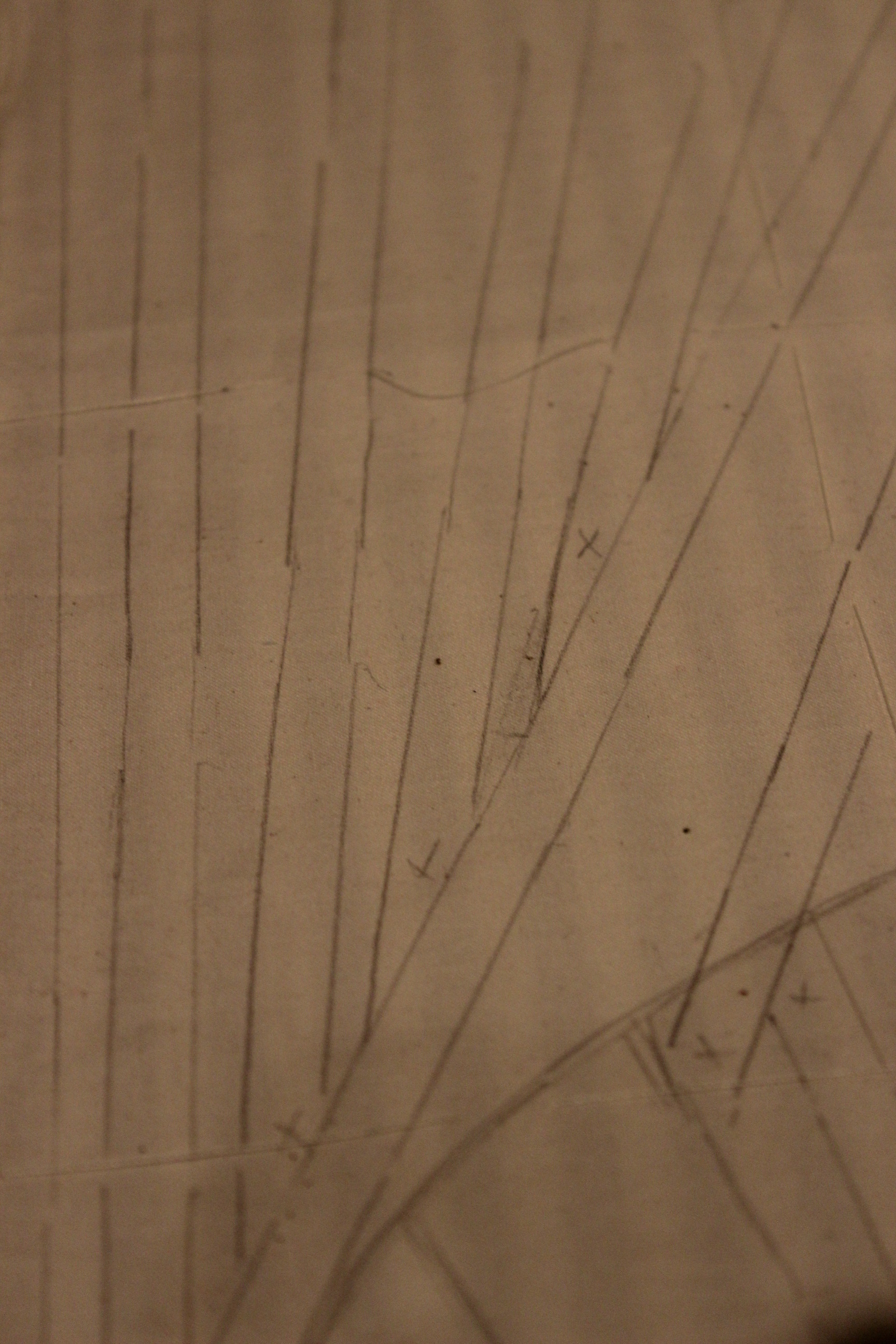
Before getting down on to sewing all the channels, I made sure to mark them with pencil to the interfacing.IMG_1627

As you can see the lines are not exactly perfect.
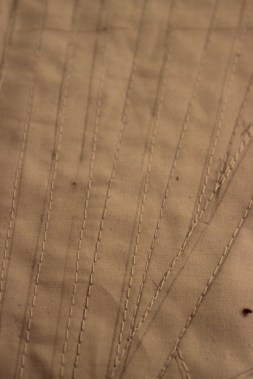
IMG_1628 IMG_1630
And neither are the sewing lines.
But the pencil markings was just meent as a general guide to keep the left and right sides even.

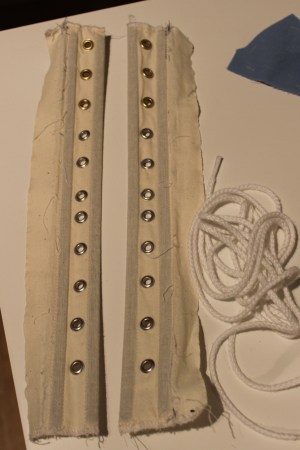
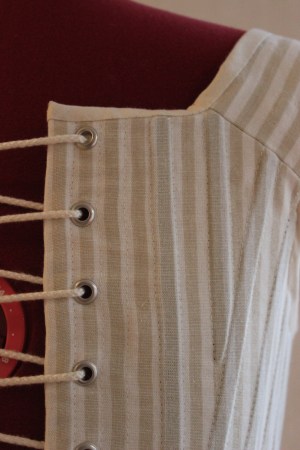
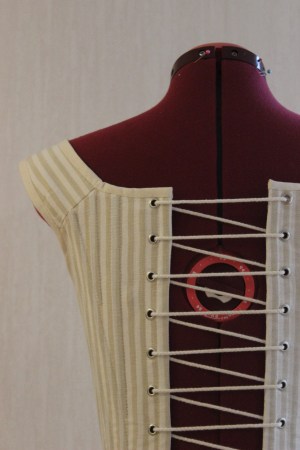
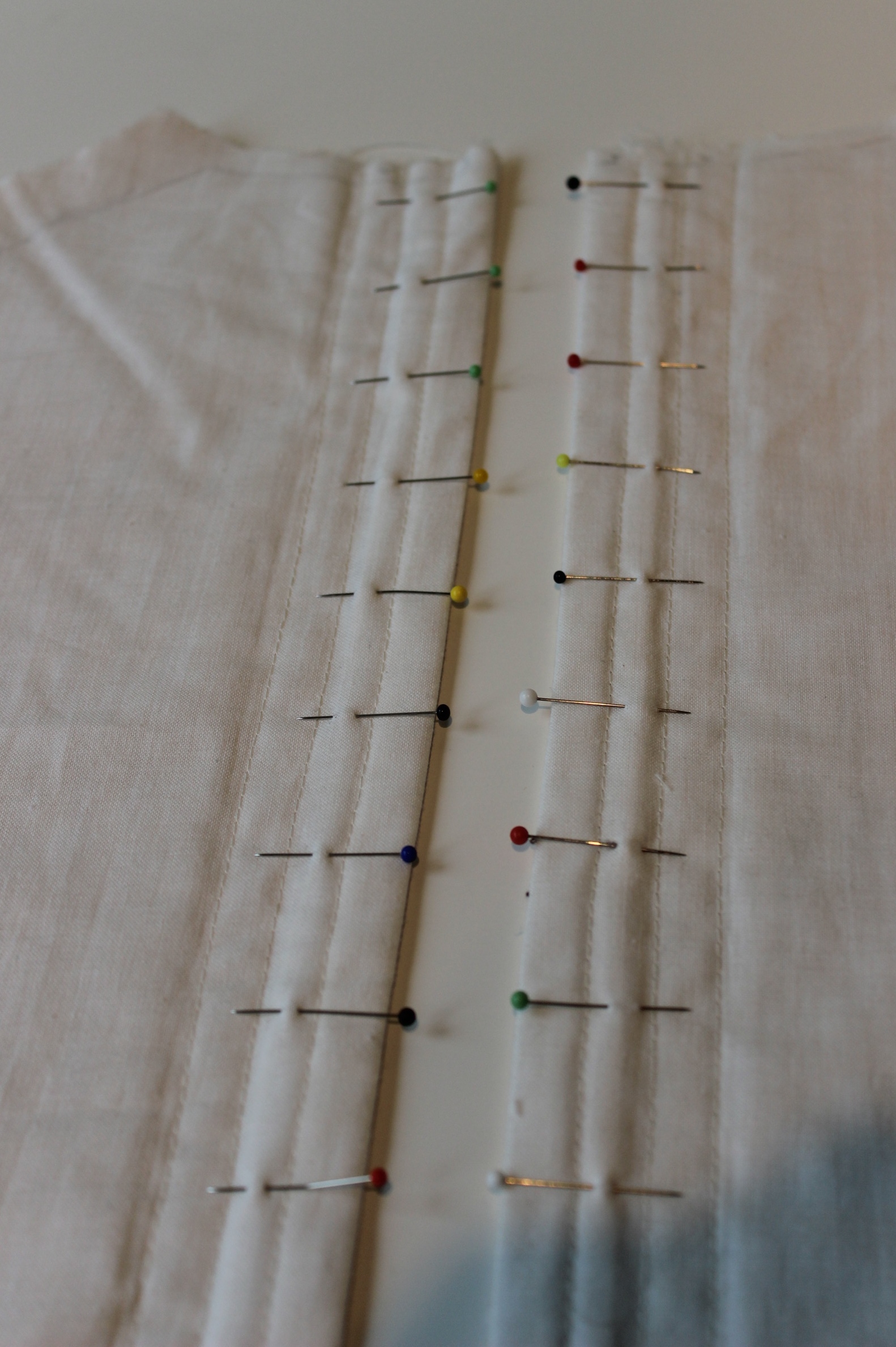
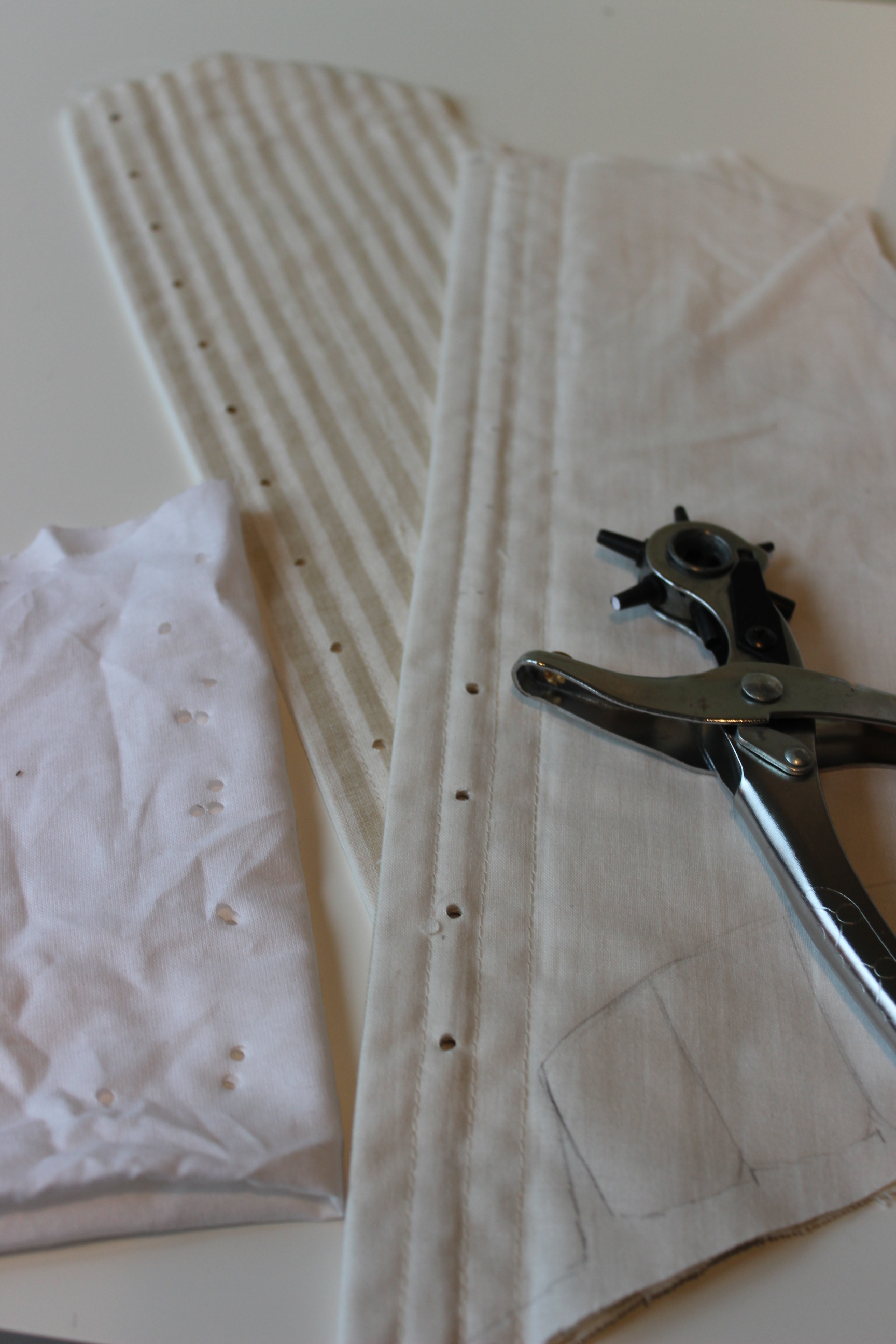
Then it was on to the eyelets.IMG_1637Marking the spaces.

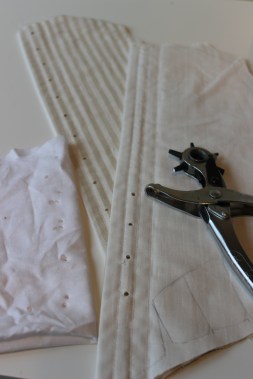
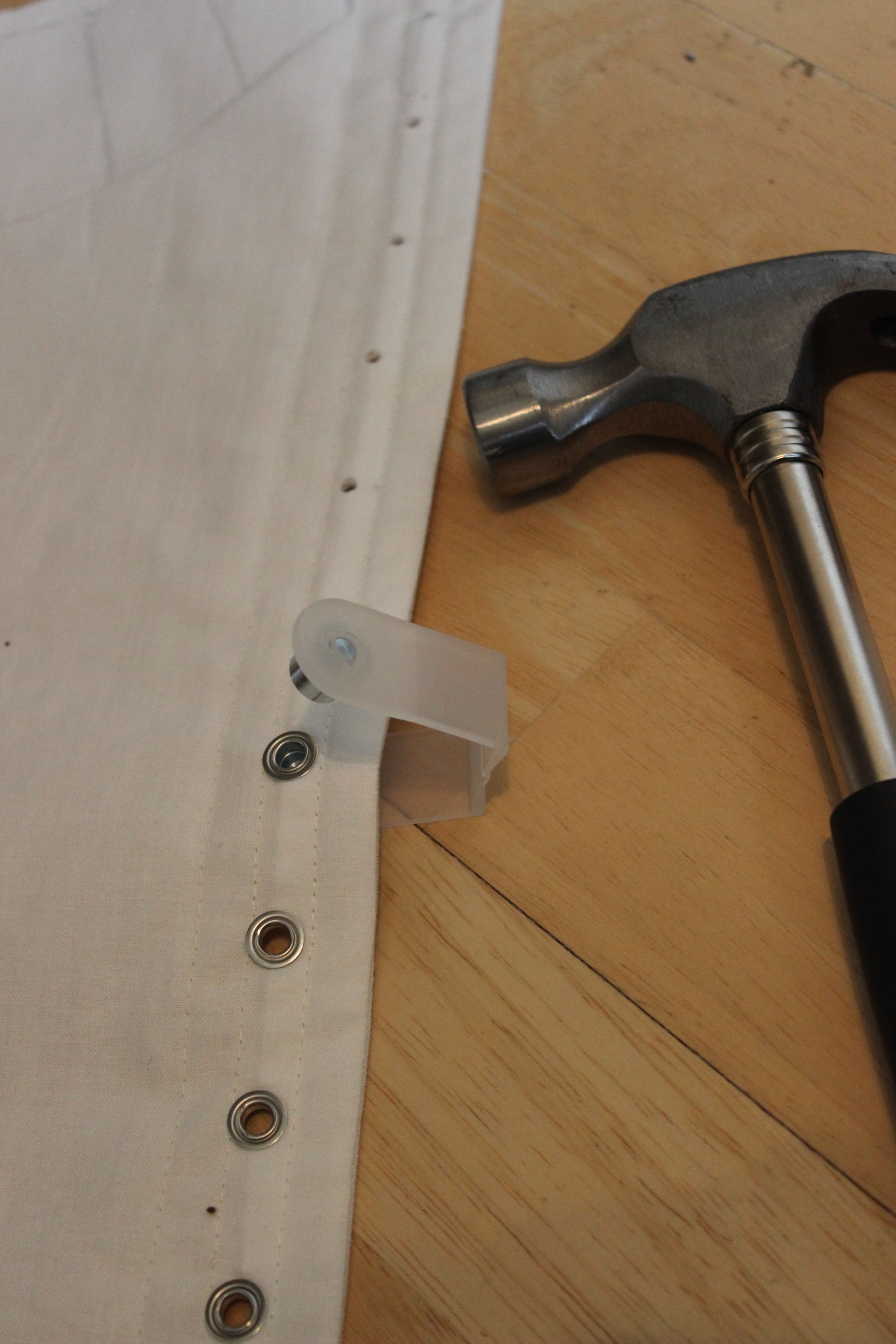
I used my hole puncher to get the get the grommets through the fabric.
IMG_1639IMG_1640
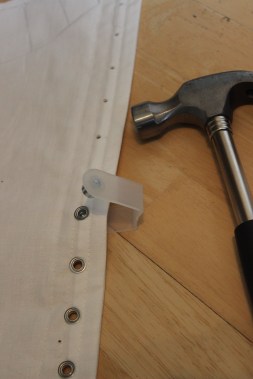
And a hammer to get them to stick.

Then it was time to stitch the pieces together.IMG_1642

And to insert some of the boning.IMG_1644

IMG_1646 IMG_1653
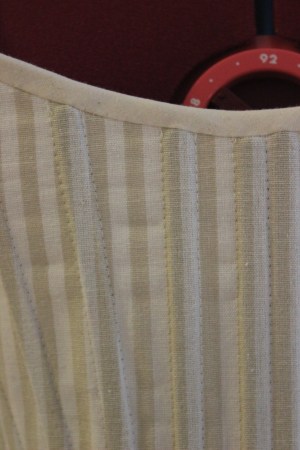
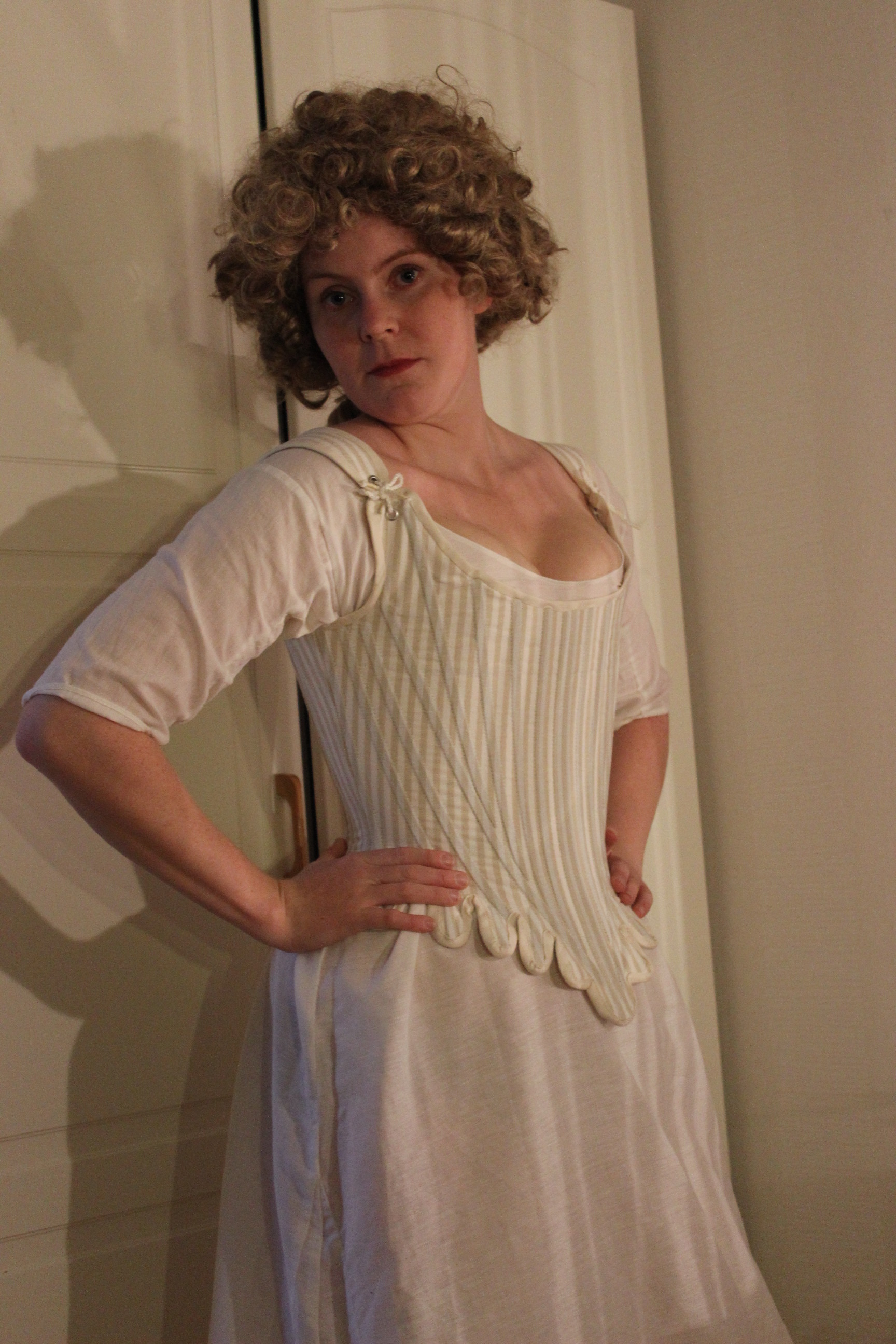
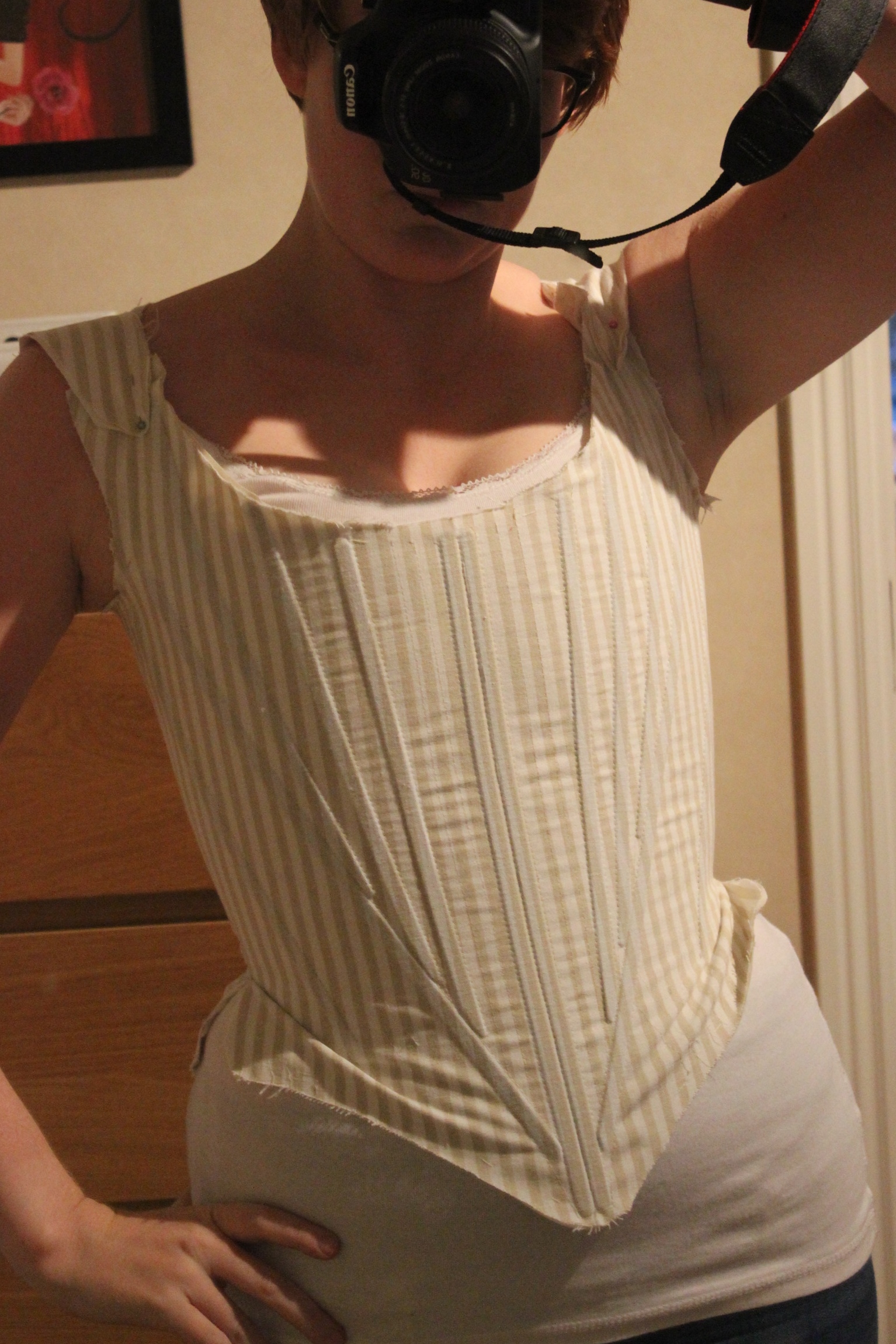
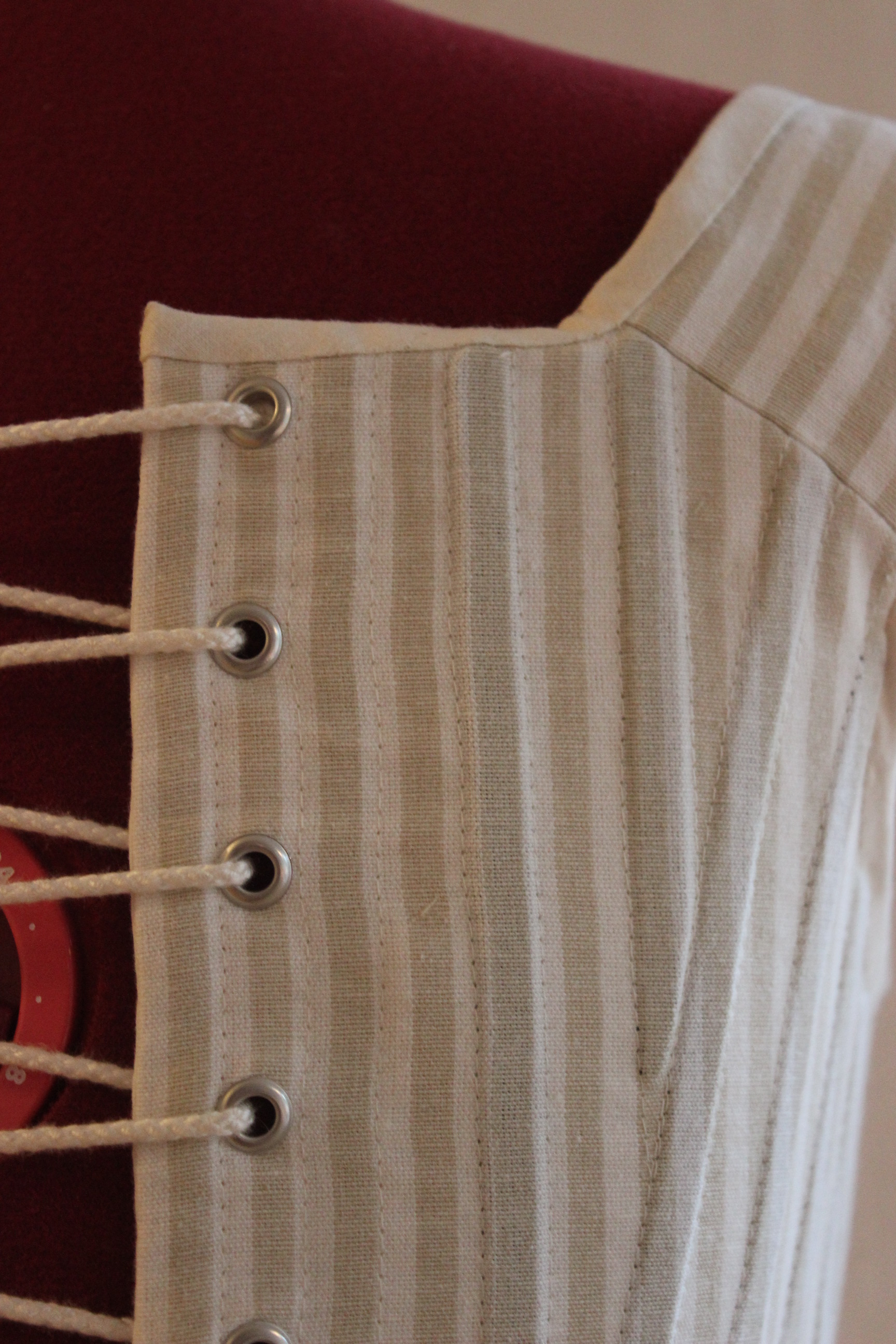
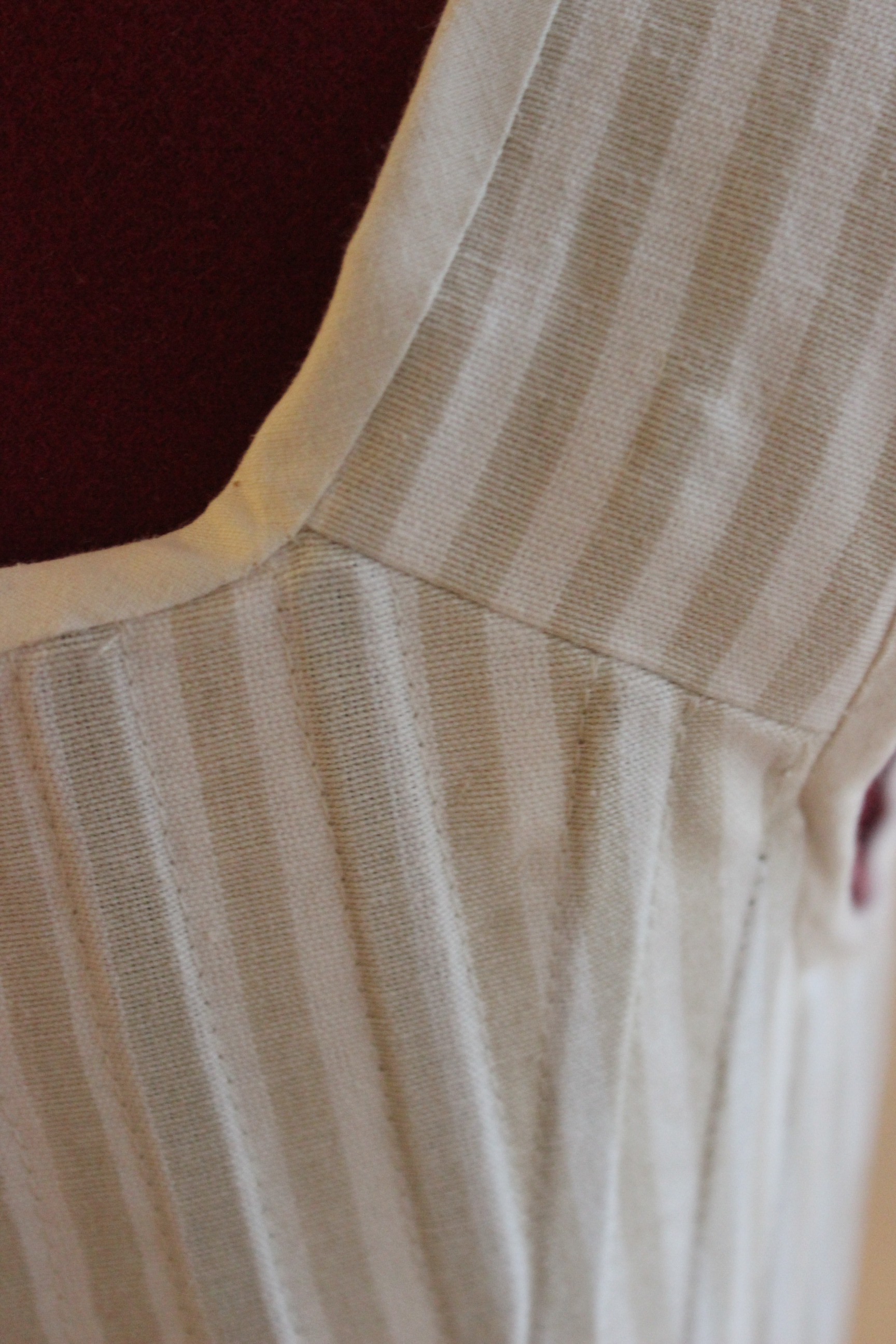
The shape and fit looks really good. The wrinkles at the waist comes from the so far uncut tabs.IMG_1658Please ignore the different color laces – I could’t find any long enough.

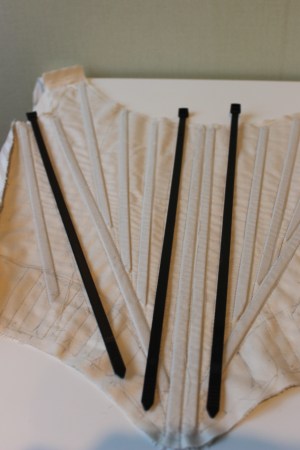
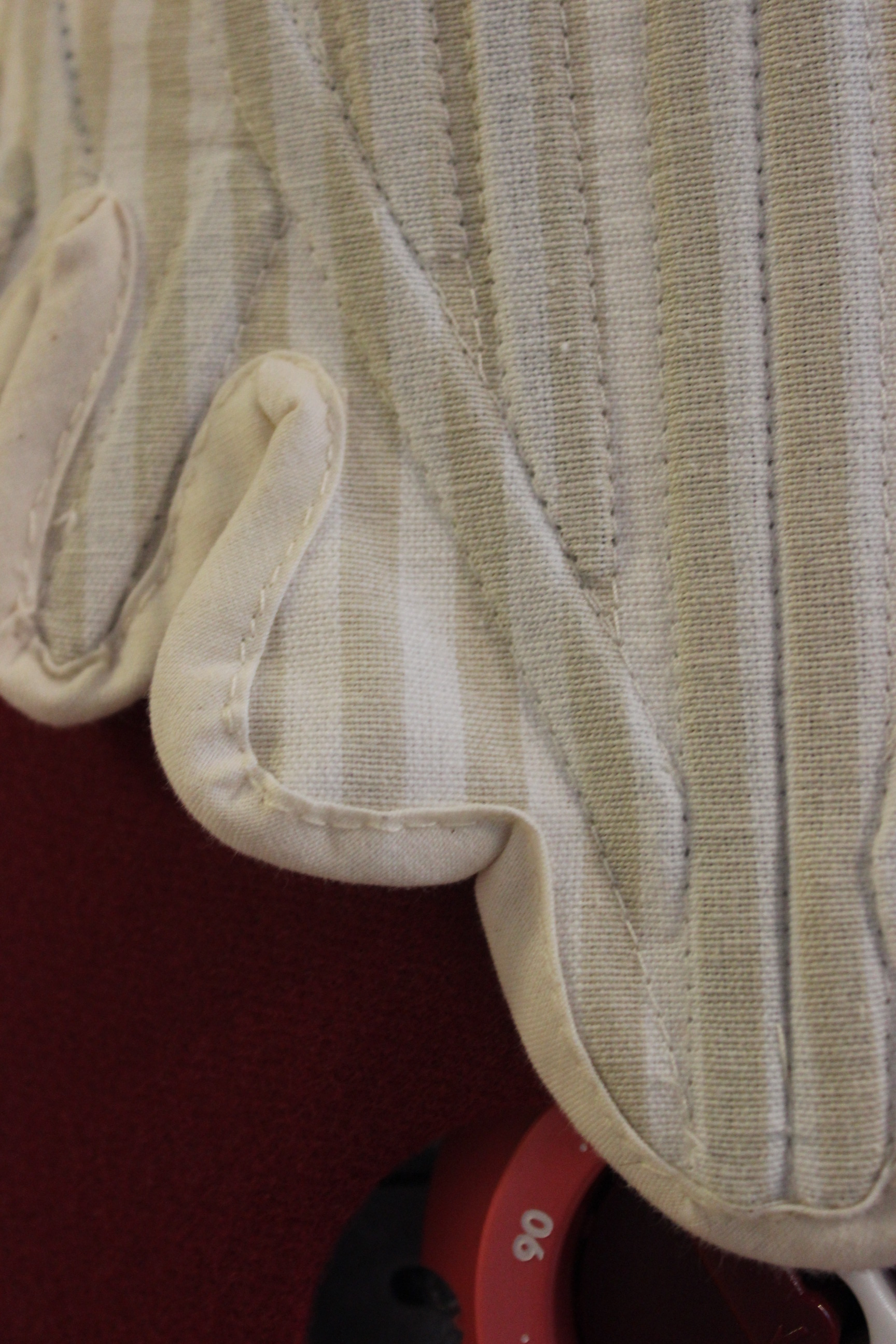
After the fitting I inserted the rest of the boning, making sure the sharp edges was cut down and rounded of.IMG_1678

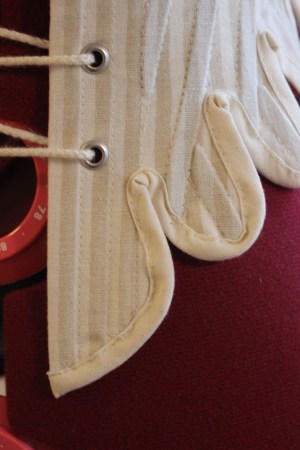
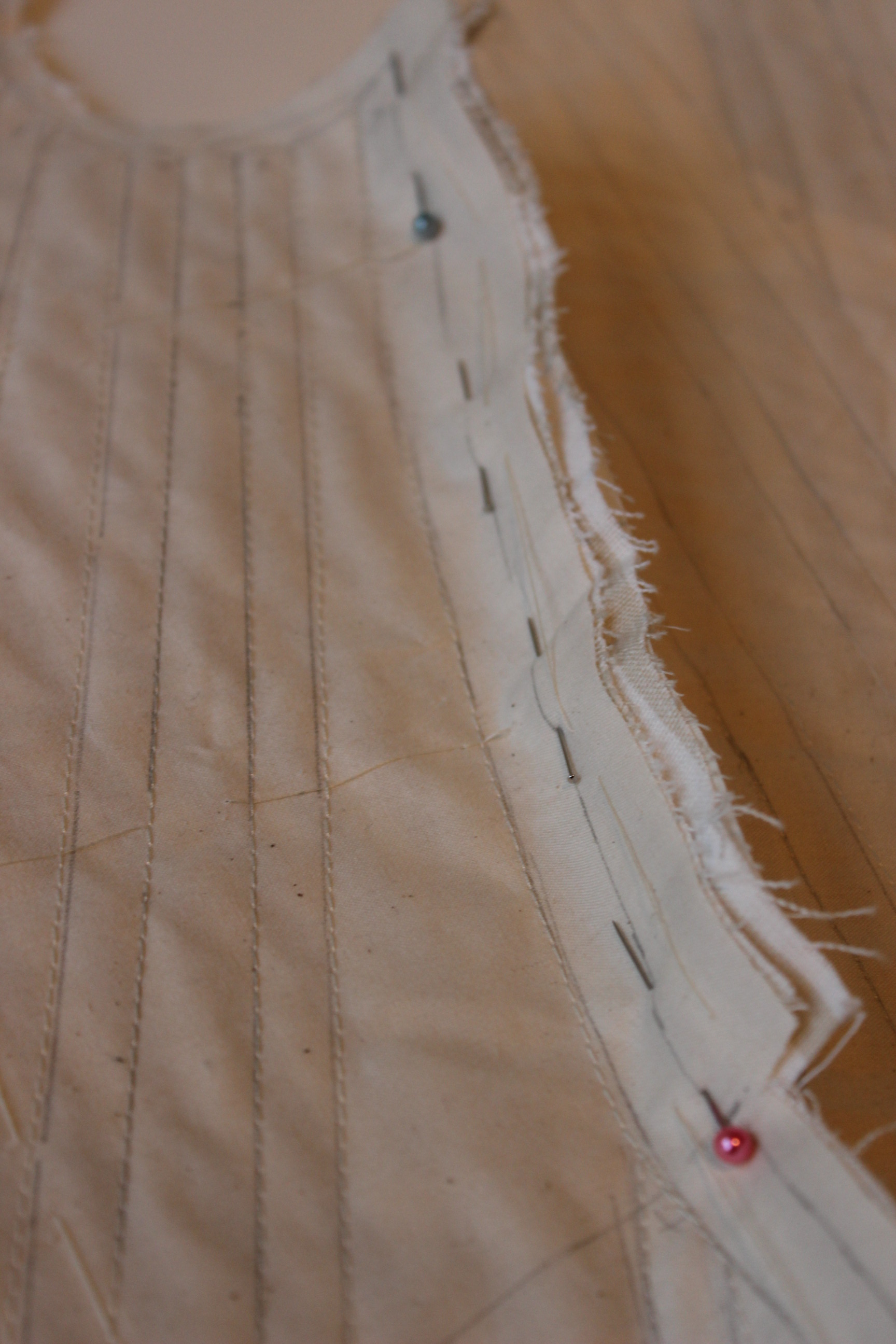
I needed to use some bias tape and hand sewing to get the channels for the horizontal bones in place.IMG_1794

They show a bit from he front, but not enough to be a problem.IMG_1797

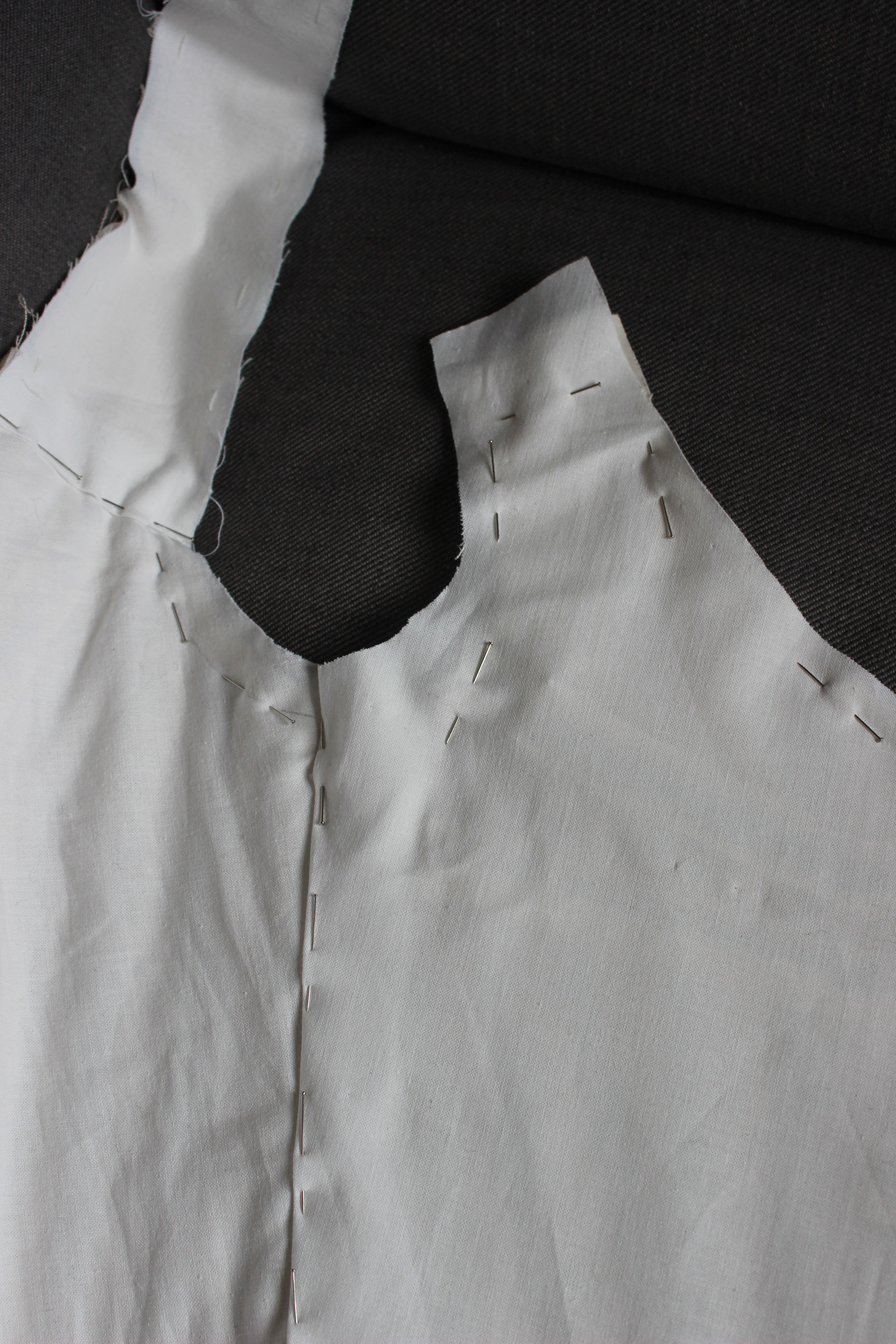
I then pinned on the lining, sewing it down to the selvages and basting it round the top and bottom. IMG_1802

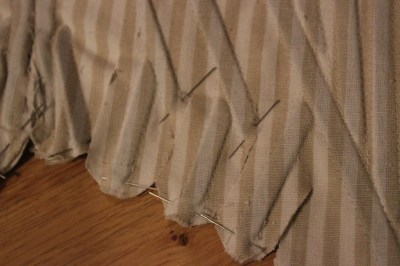
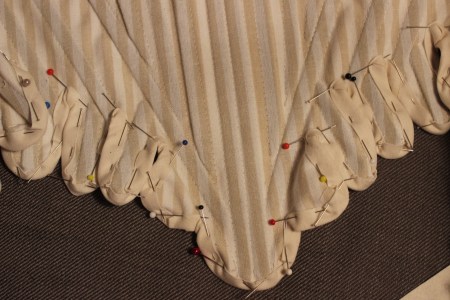
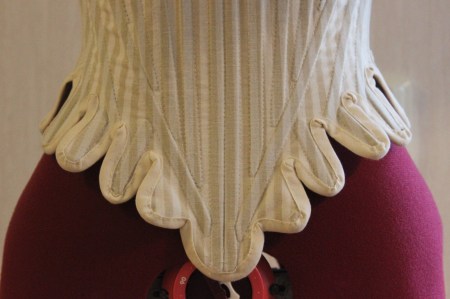
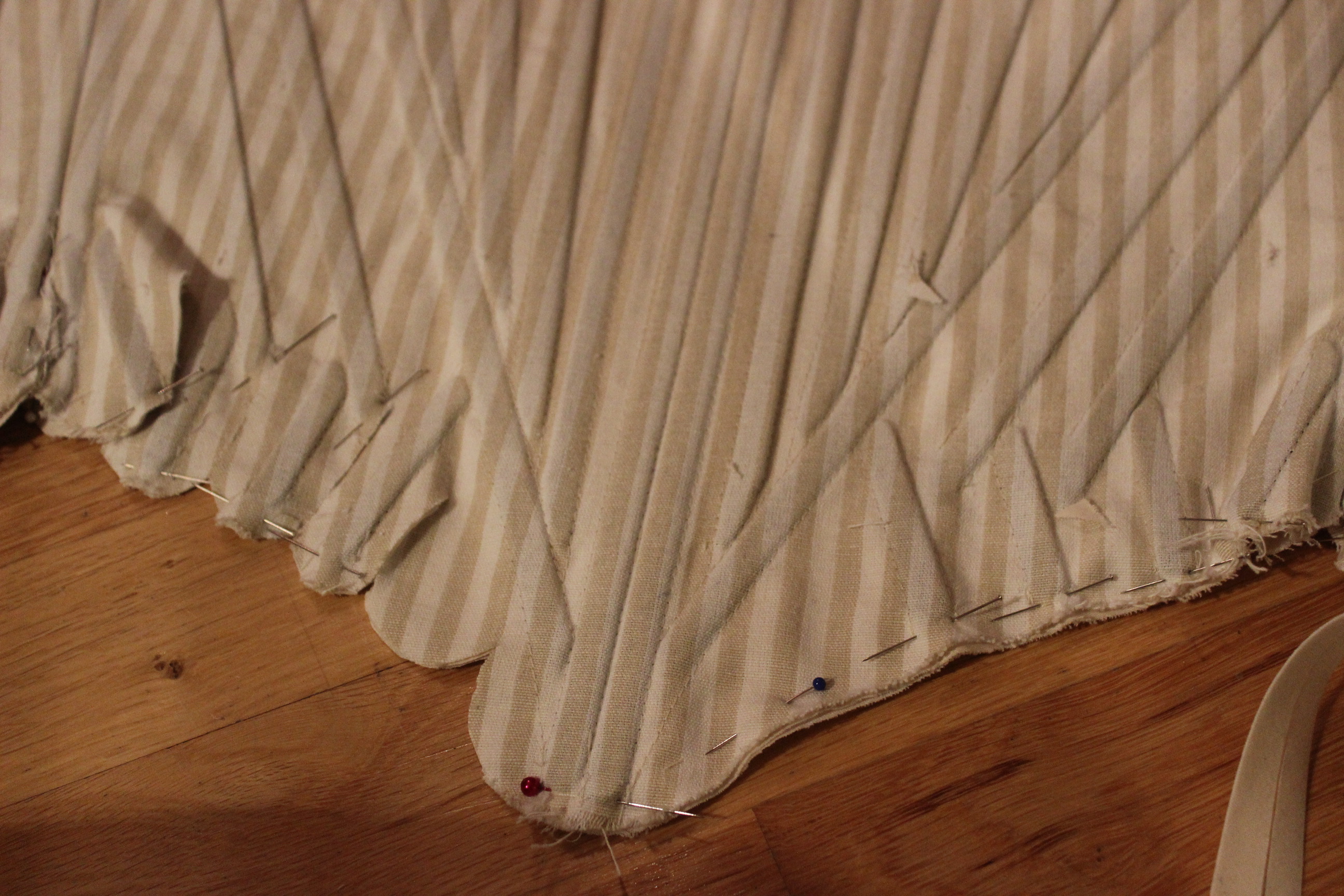
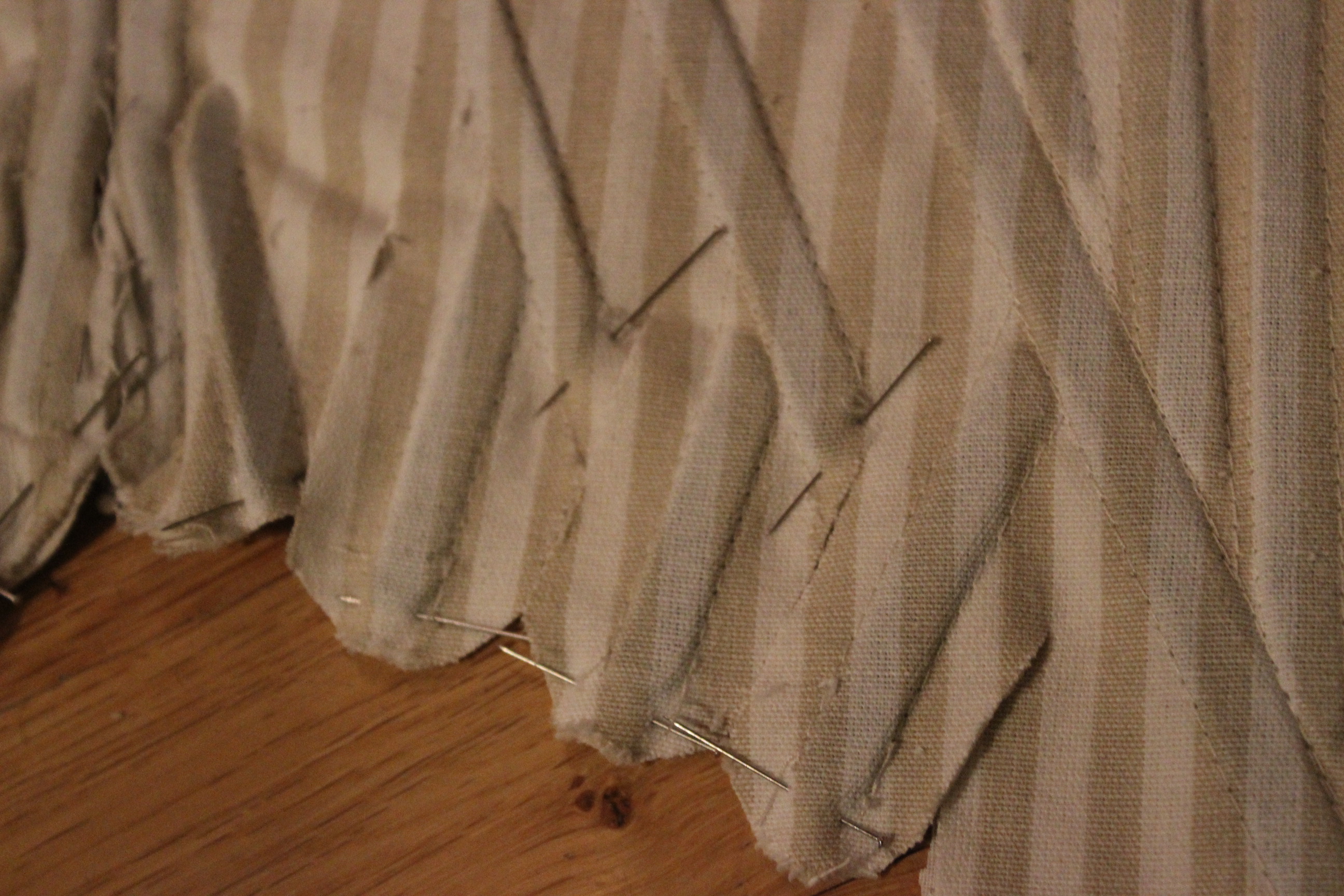
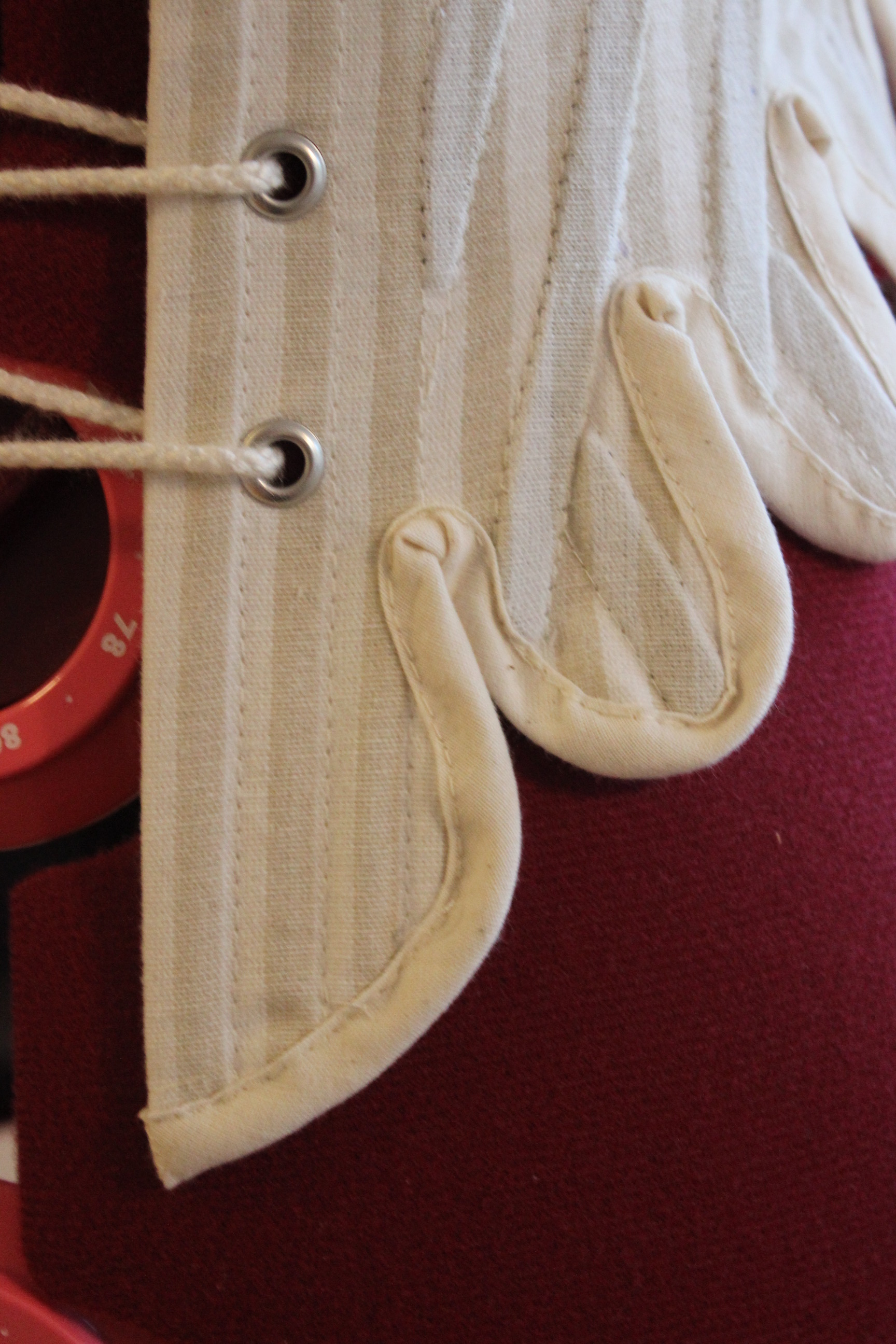
Then it was time to cut the tabs, bind the edges.
IMG_1803
IMG_1805
I put pins, to keep the bones from sliding from their places.

Fortunately I’d made the top edge first, because binding all those tabs were the worst part of the process. And if I hadn’t I’m not sure I wold have pulled through.IMG_1807

I stabbed myself countless times on the pins, and had lots of troubles getting the corners nice and smooth.IMG_1808

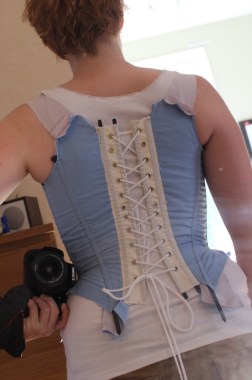
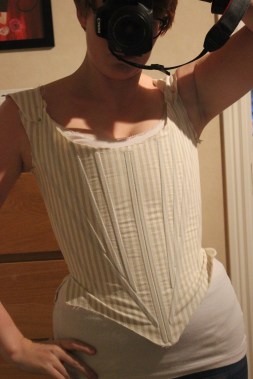
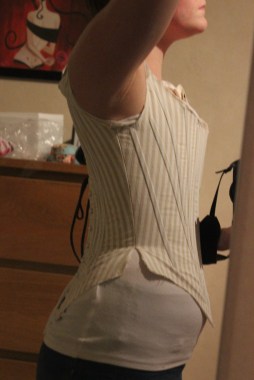
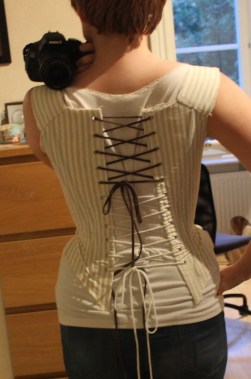
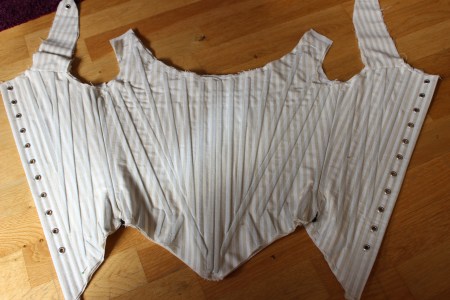
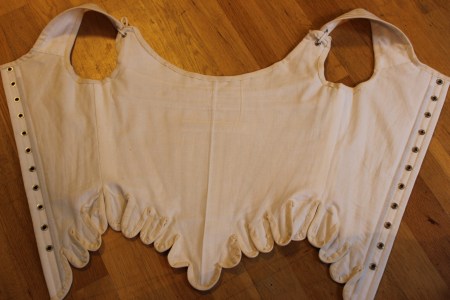
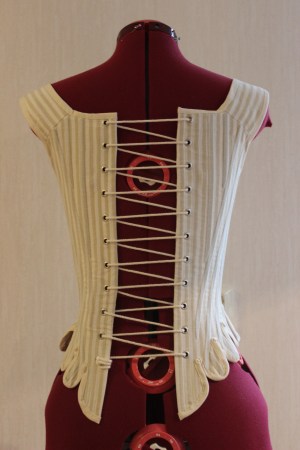
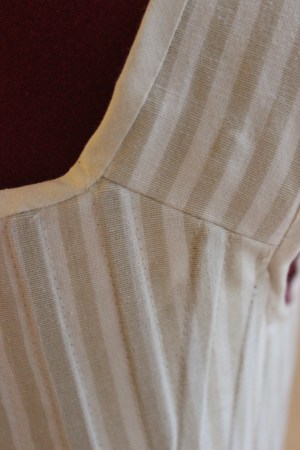
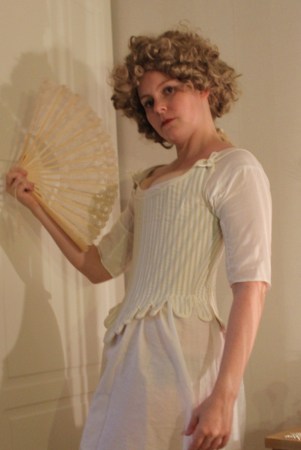
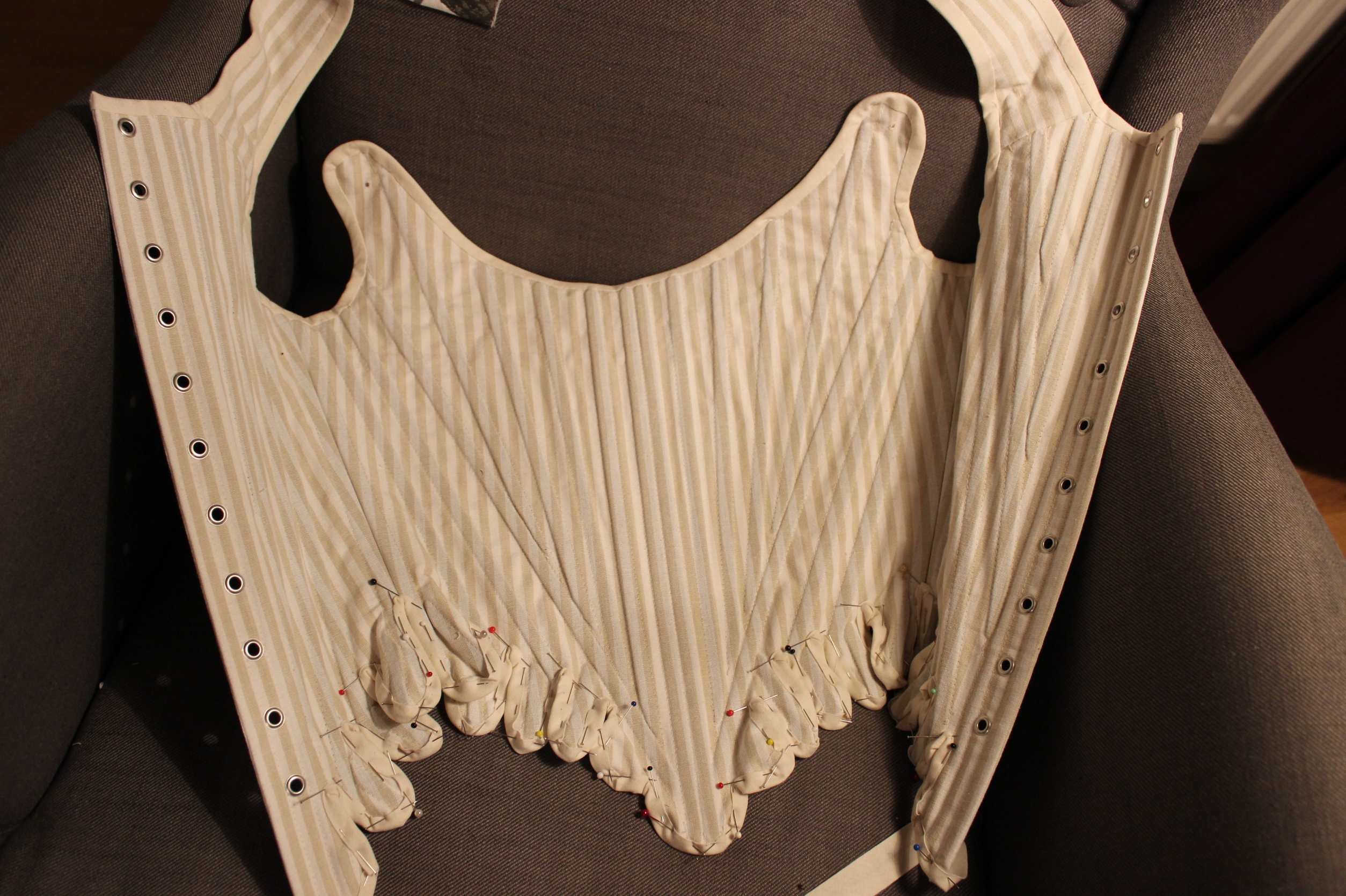
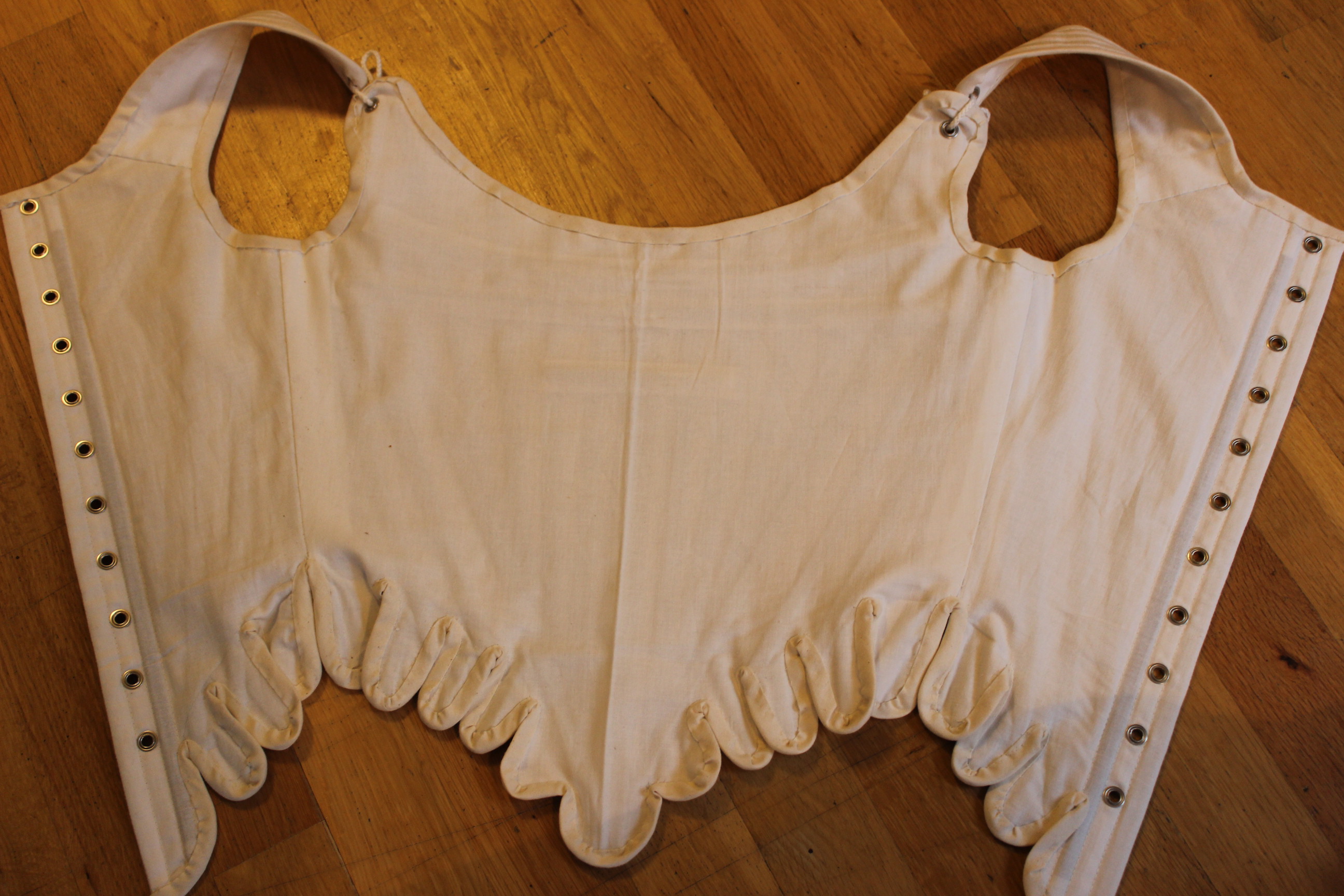
But I managed to get it done in time for deadline and photoshoot. IMG_2284The inside of the finished stays. 

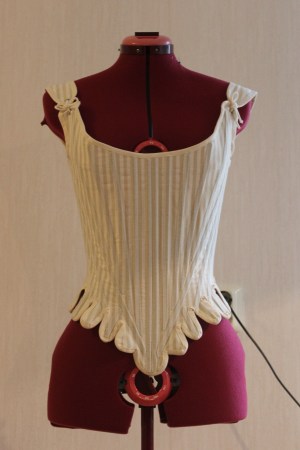
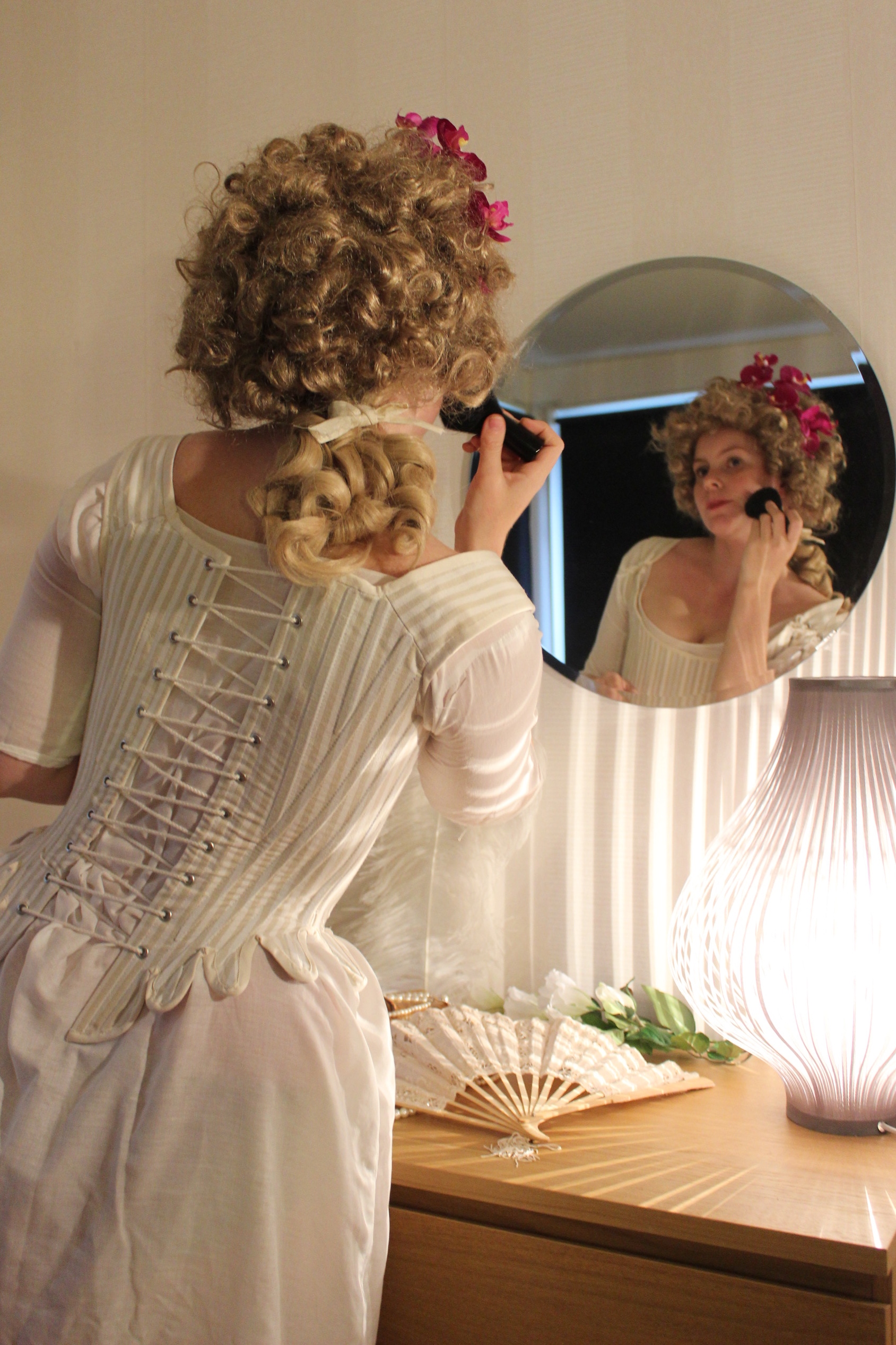
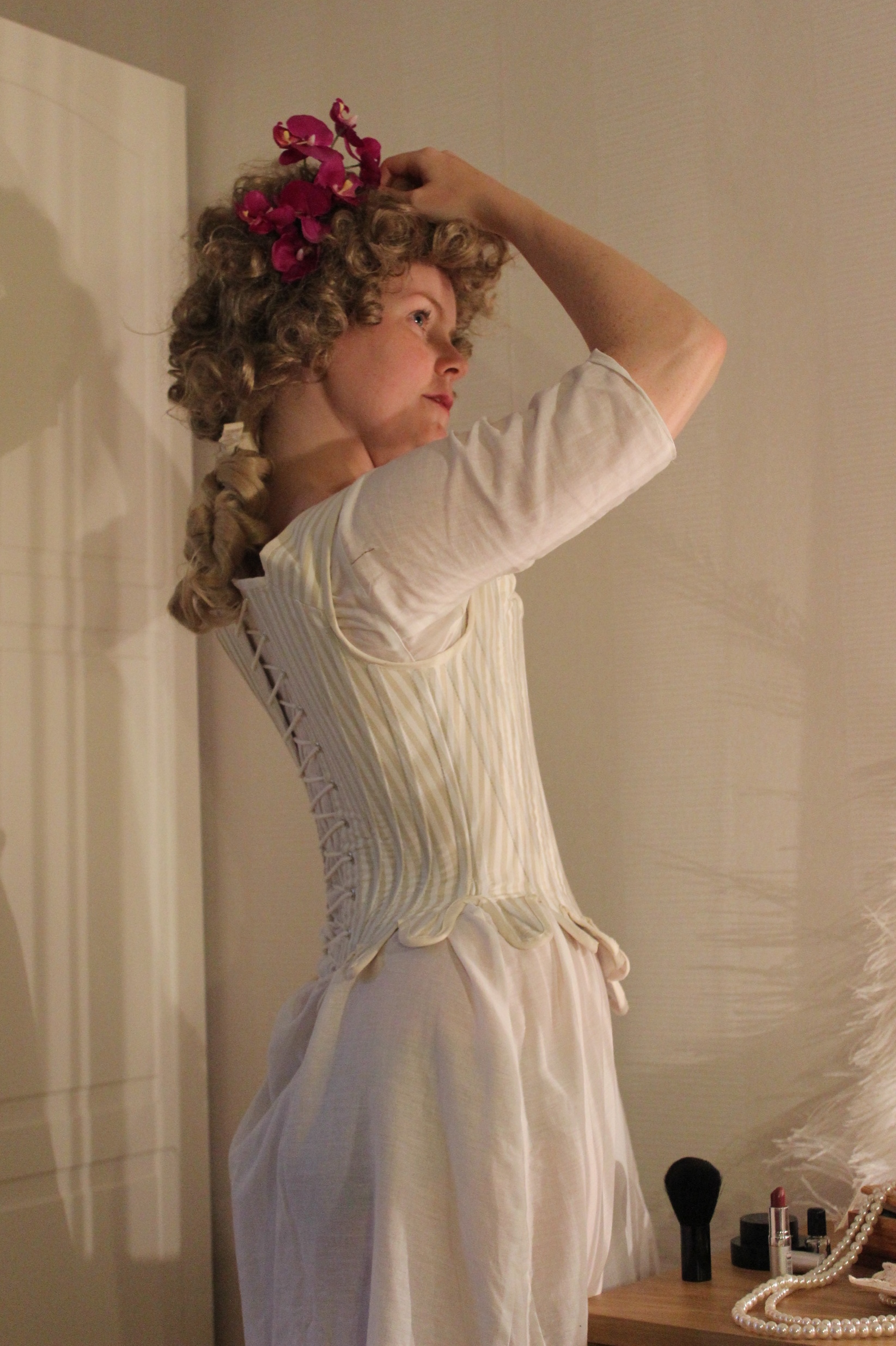
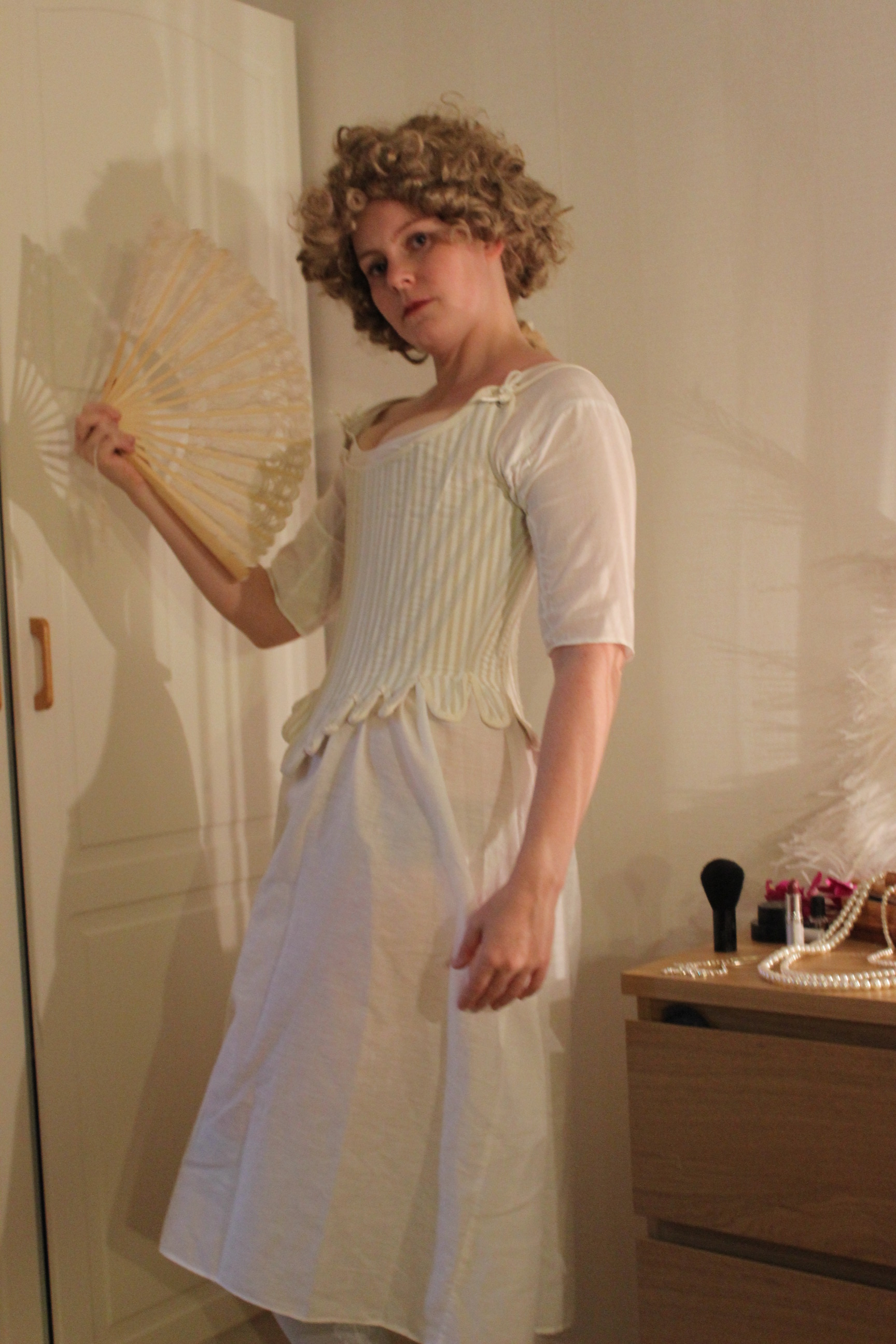
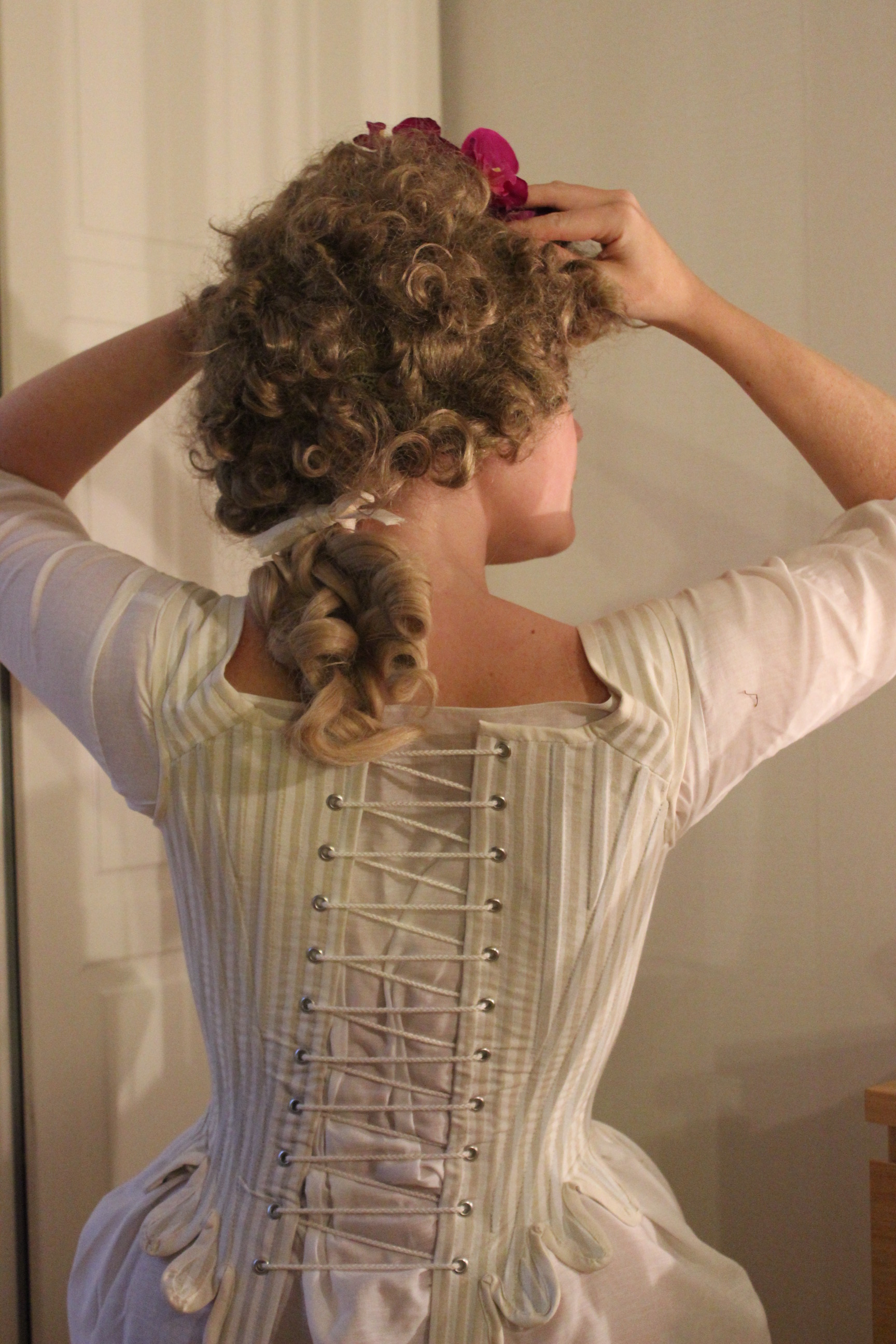
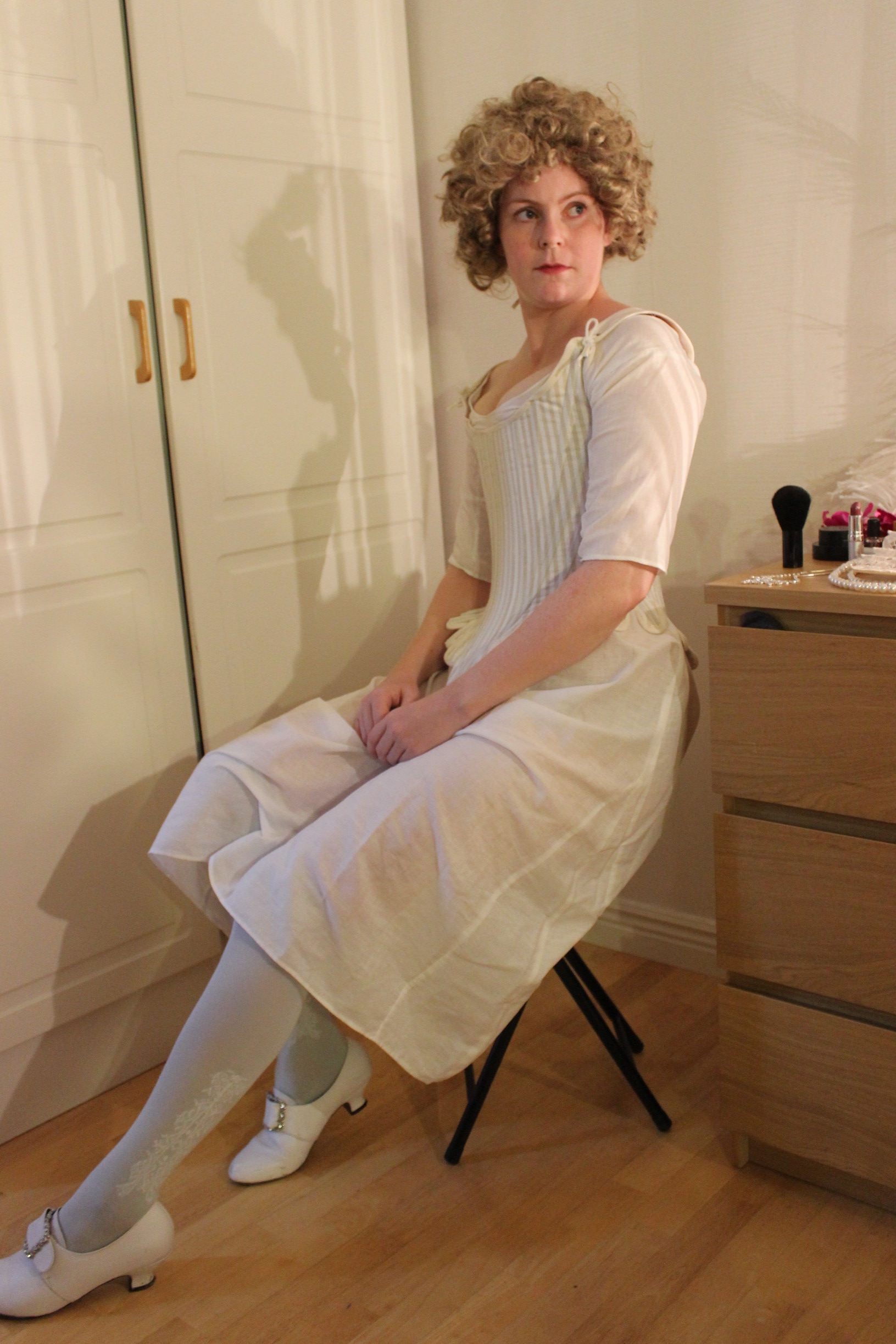
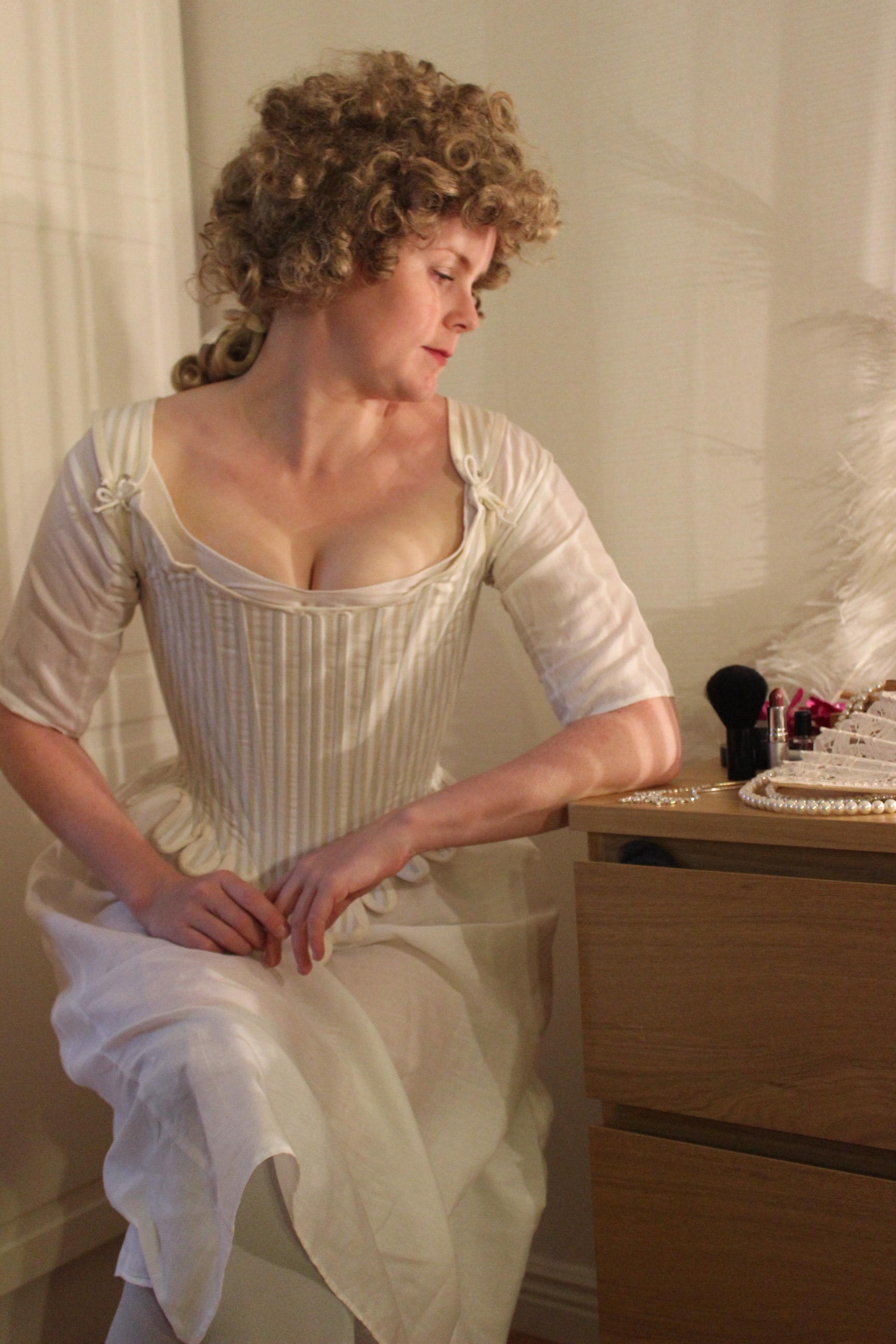
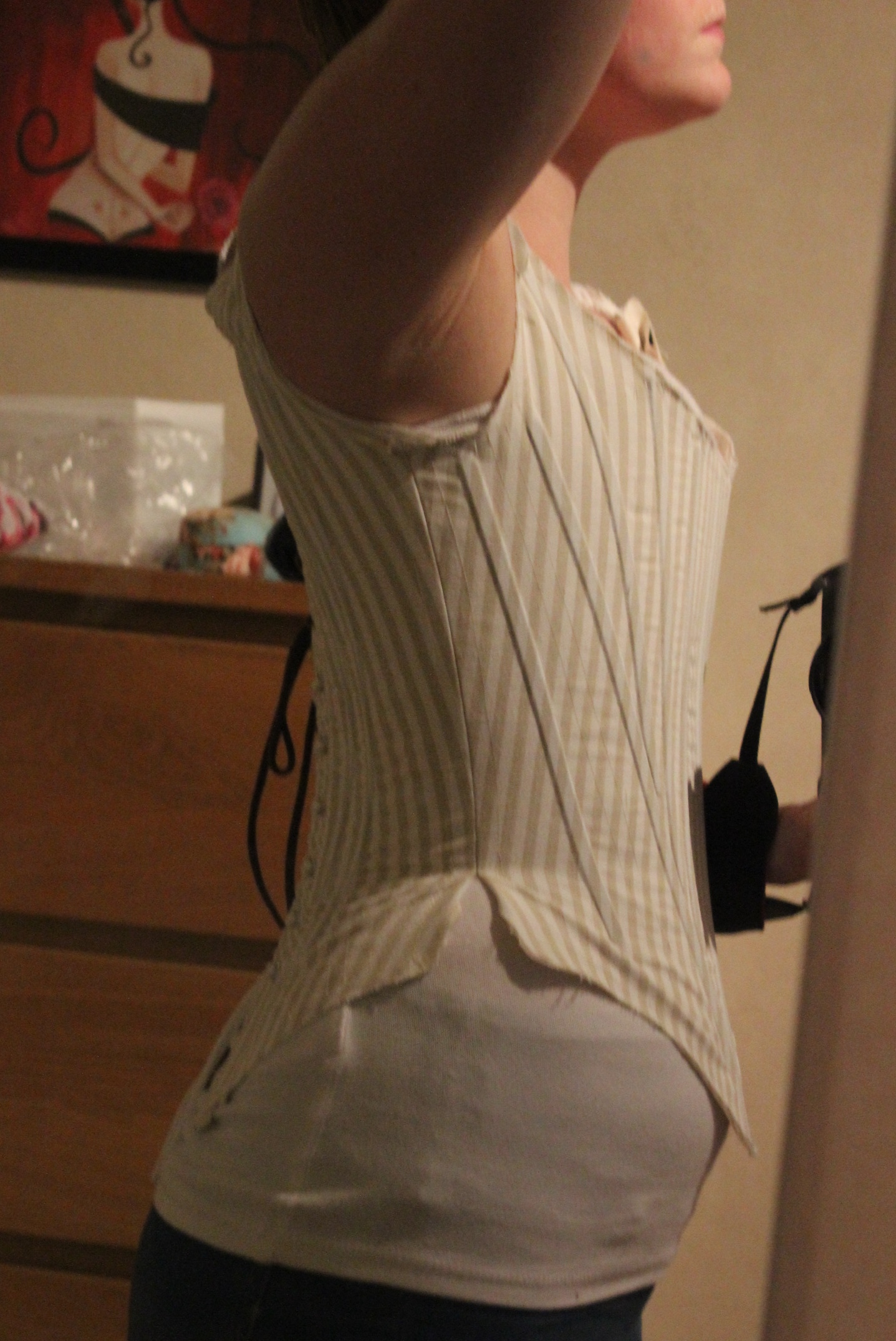
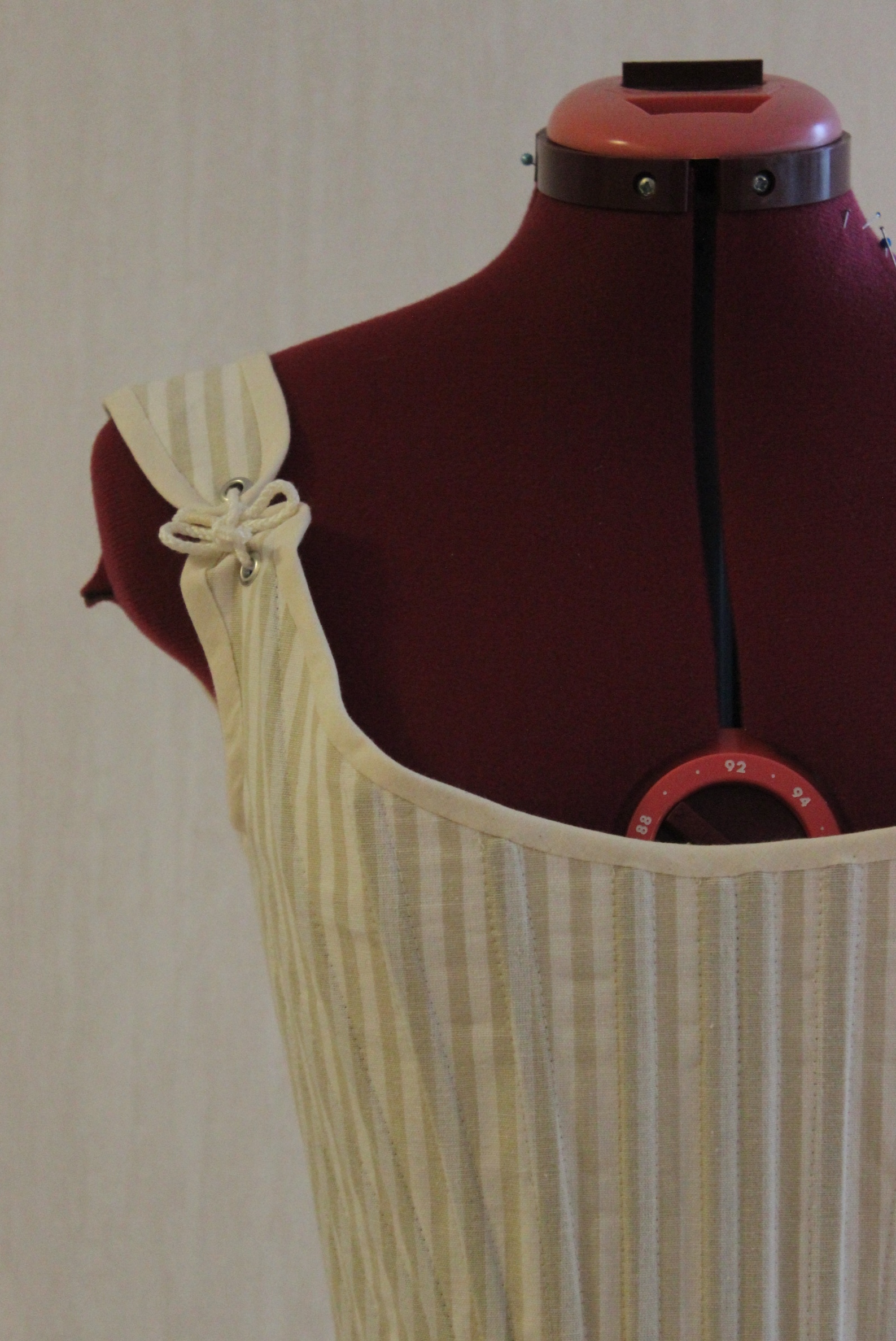
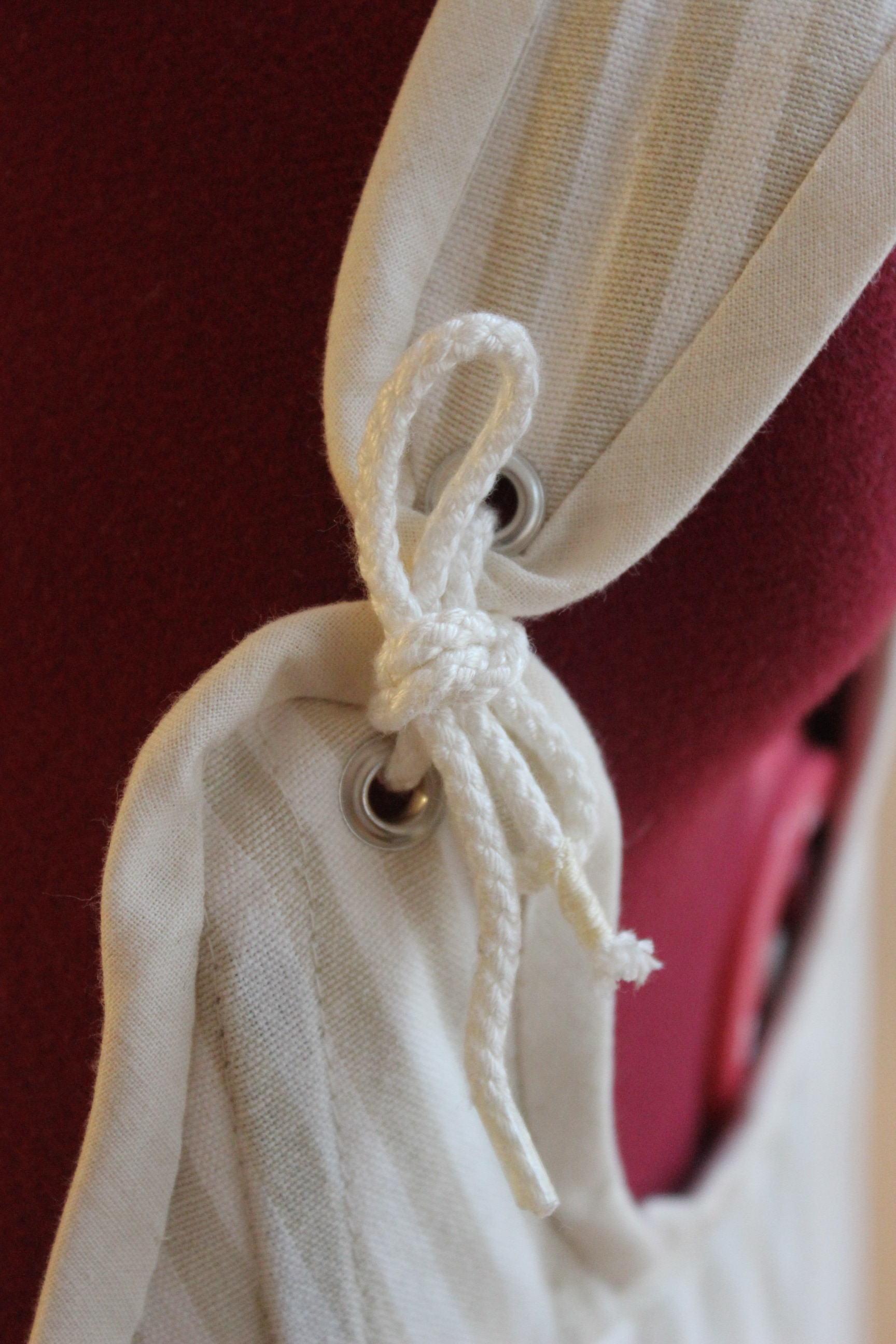
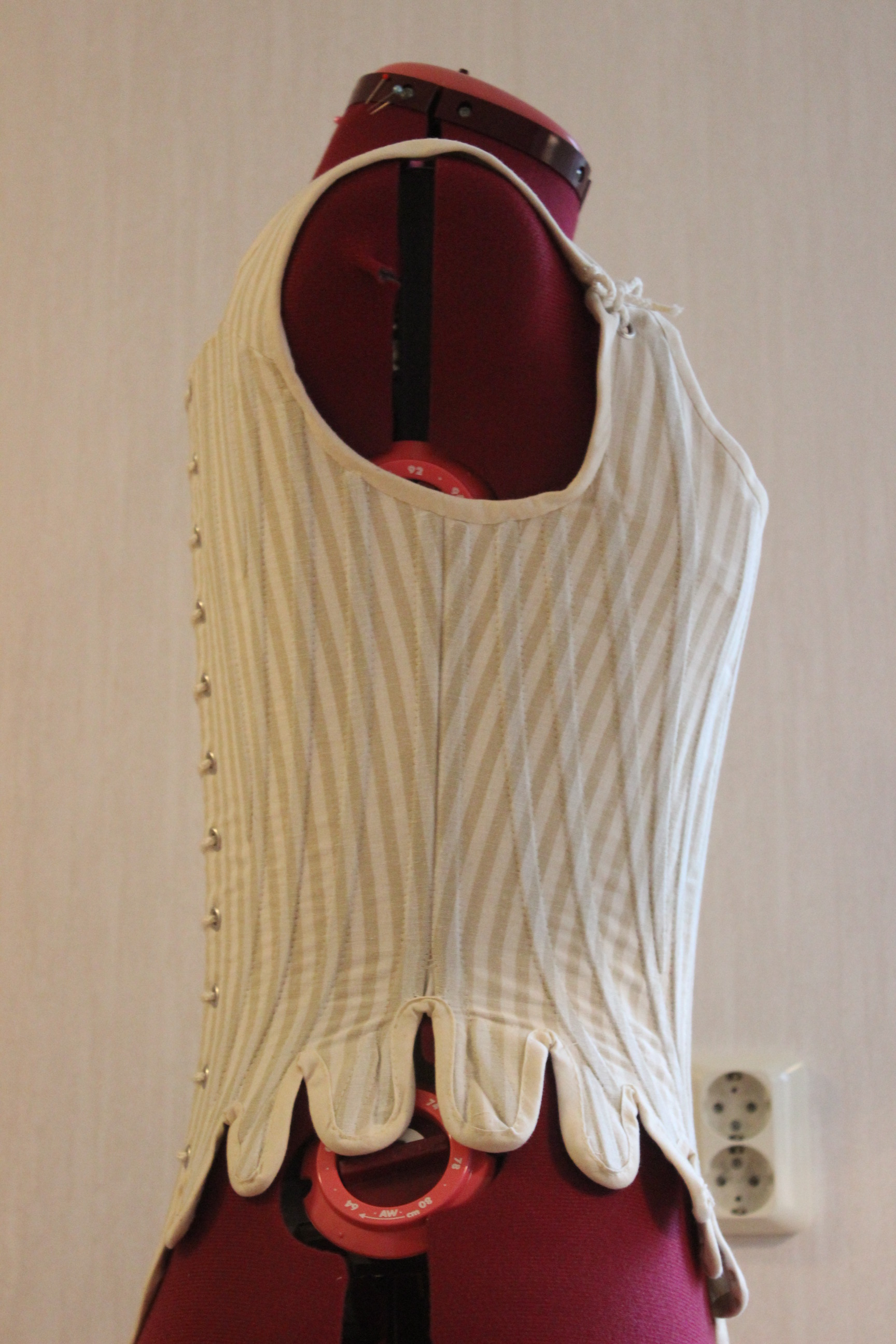
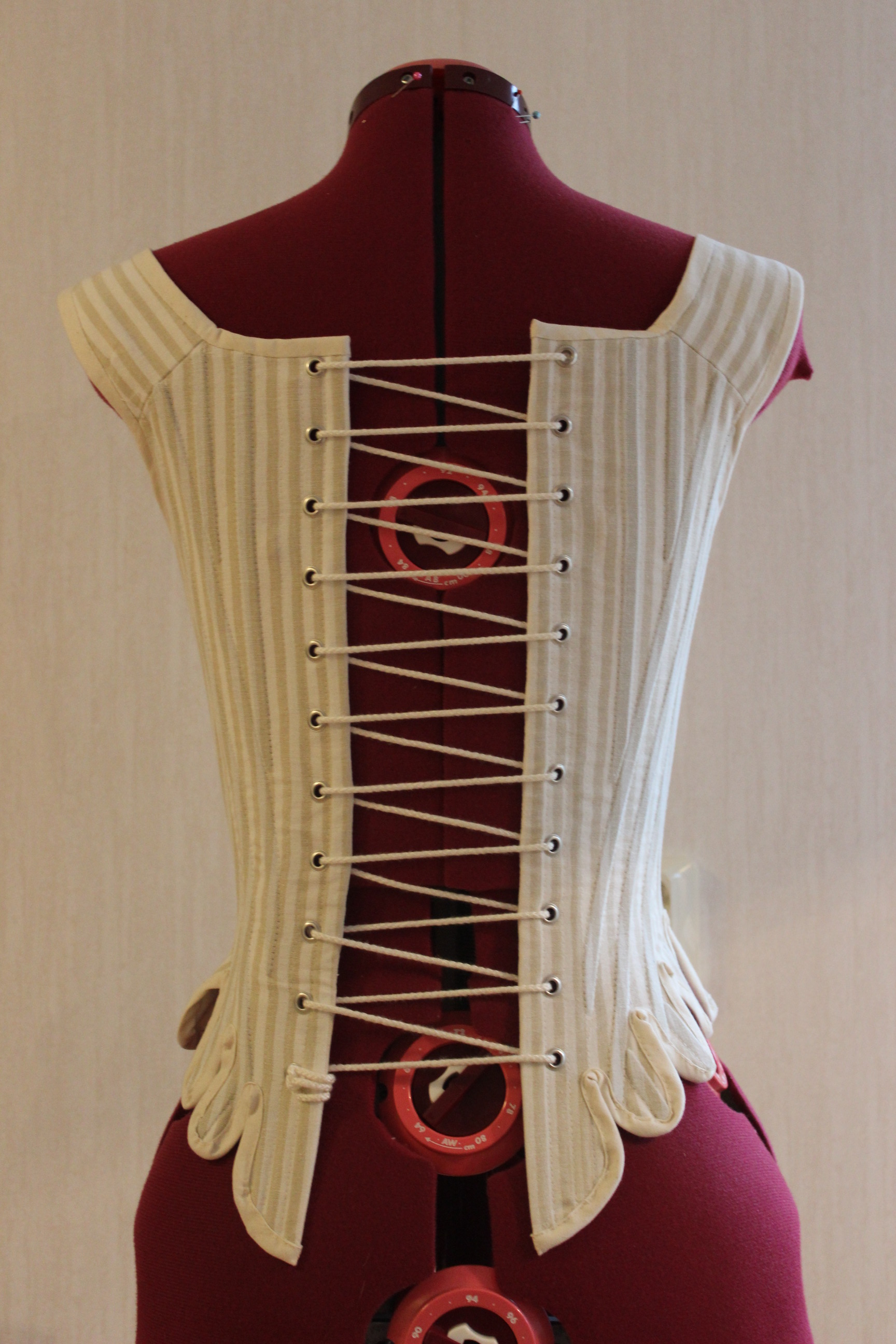
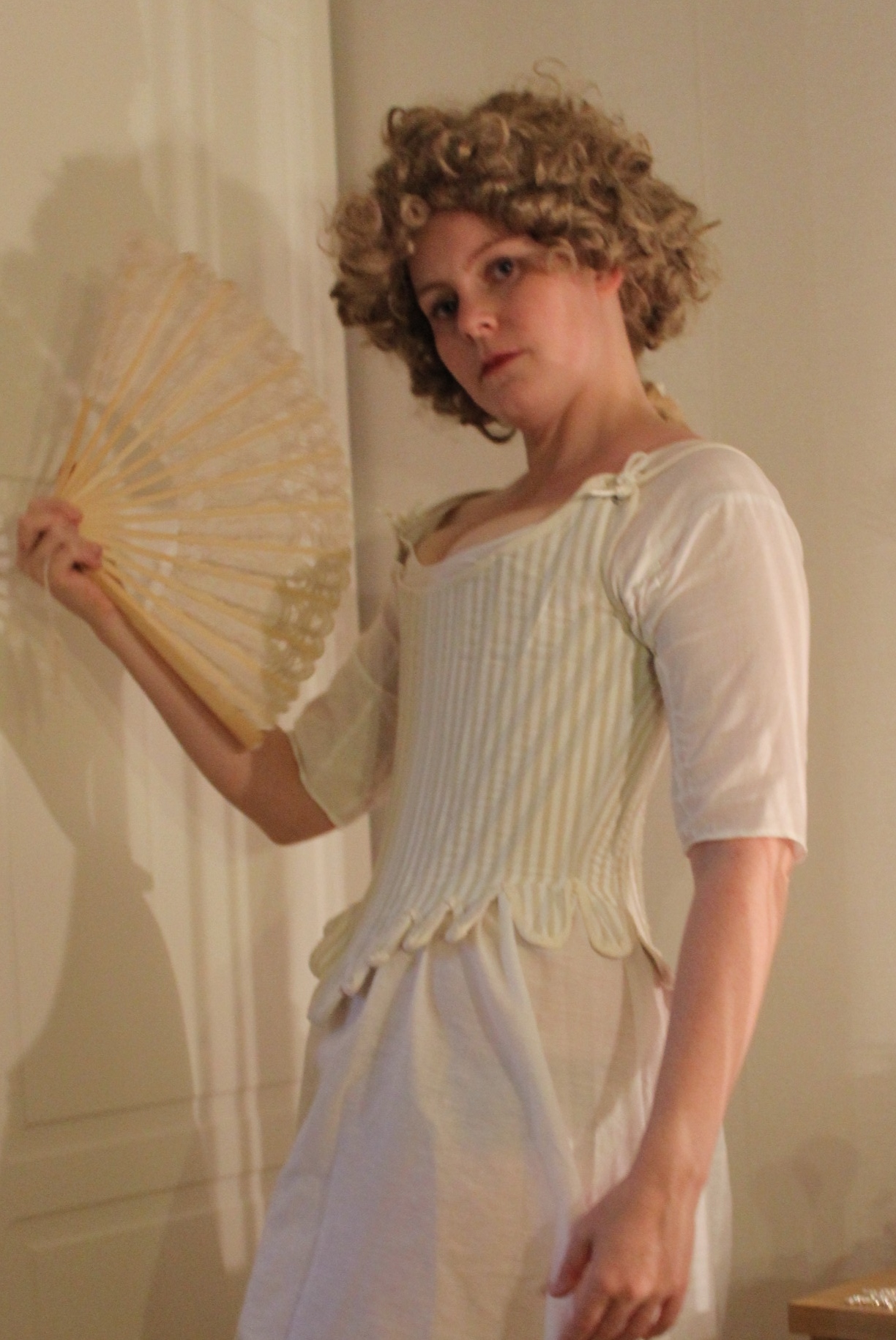
The finished Stays:IMG_2267

IMG_2268

IMG_2282

IMG_2270

IMG_2281

IMG_2272

IMG_2271

IMG_2276

IMG_2278

IMG_2283

IMG_2279

IMG_2277

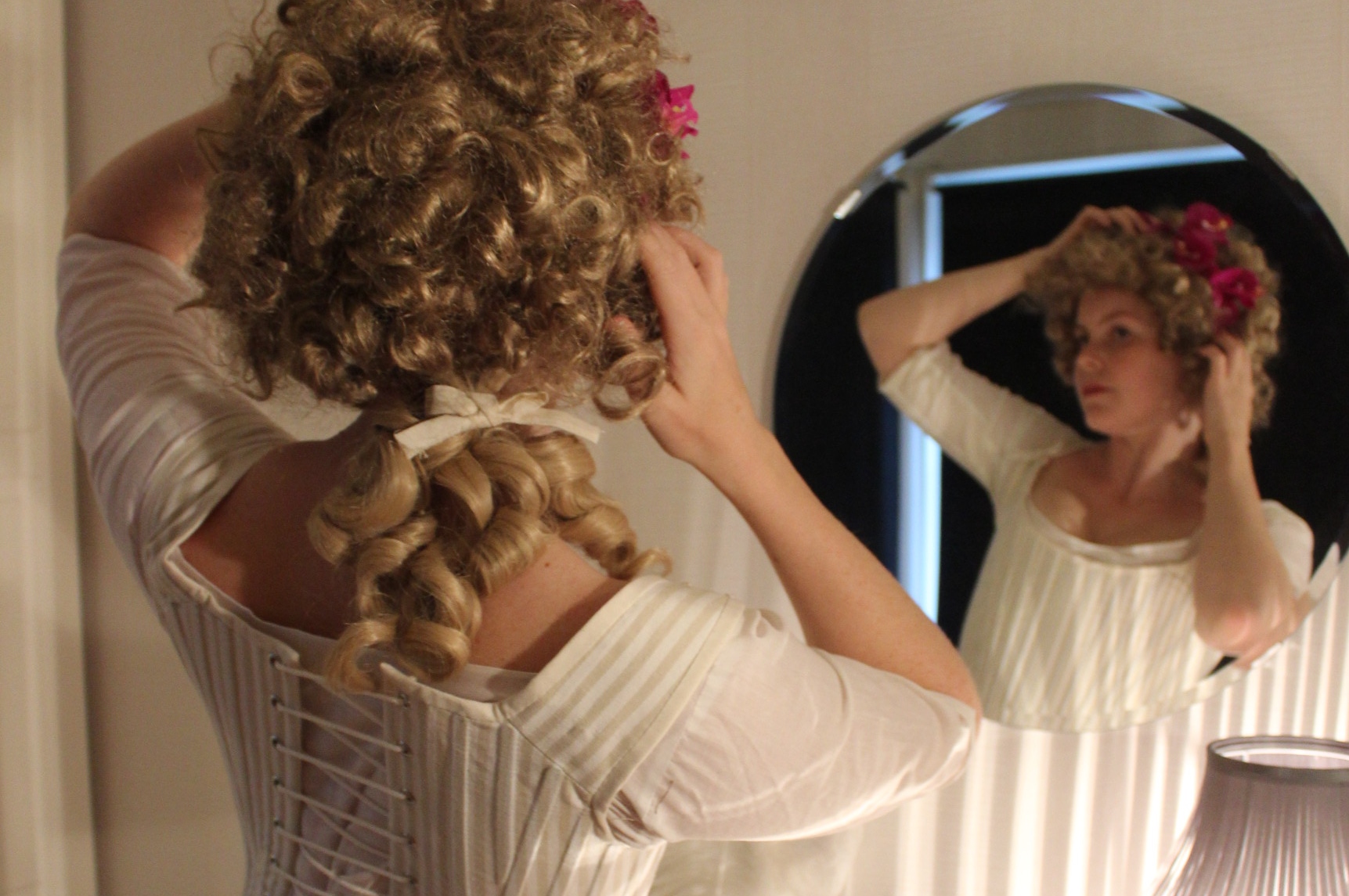
Sneak a peak of the photoshoot:IMG_2197

Just the facts:

Challenge: nr 16 – Terminology

What: a pair of 18th century half boned stays. Read more about the origin of the word (and what differs Stays from Corsets on: http://thedreamstress.com/2013/08/terminology-whats-the-difference-between-stays-jumps-a-corsets/

Pattern: 1770s Stays pattern from Nora Waughs Corset and Crinolines.
Fabric: 0,5 m of striped cotton, 0,5 m of tightly woven cotton sateen and 0,5 m of white cotton sheets.

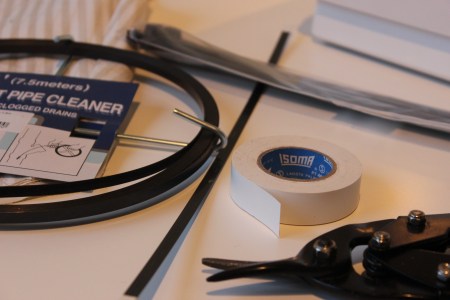
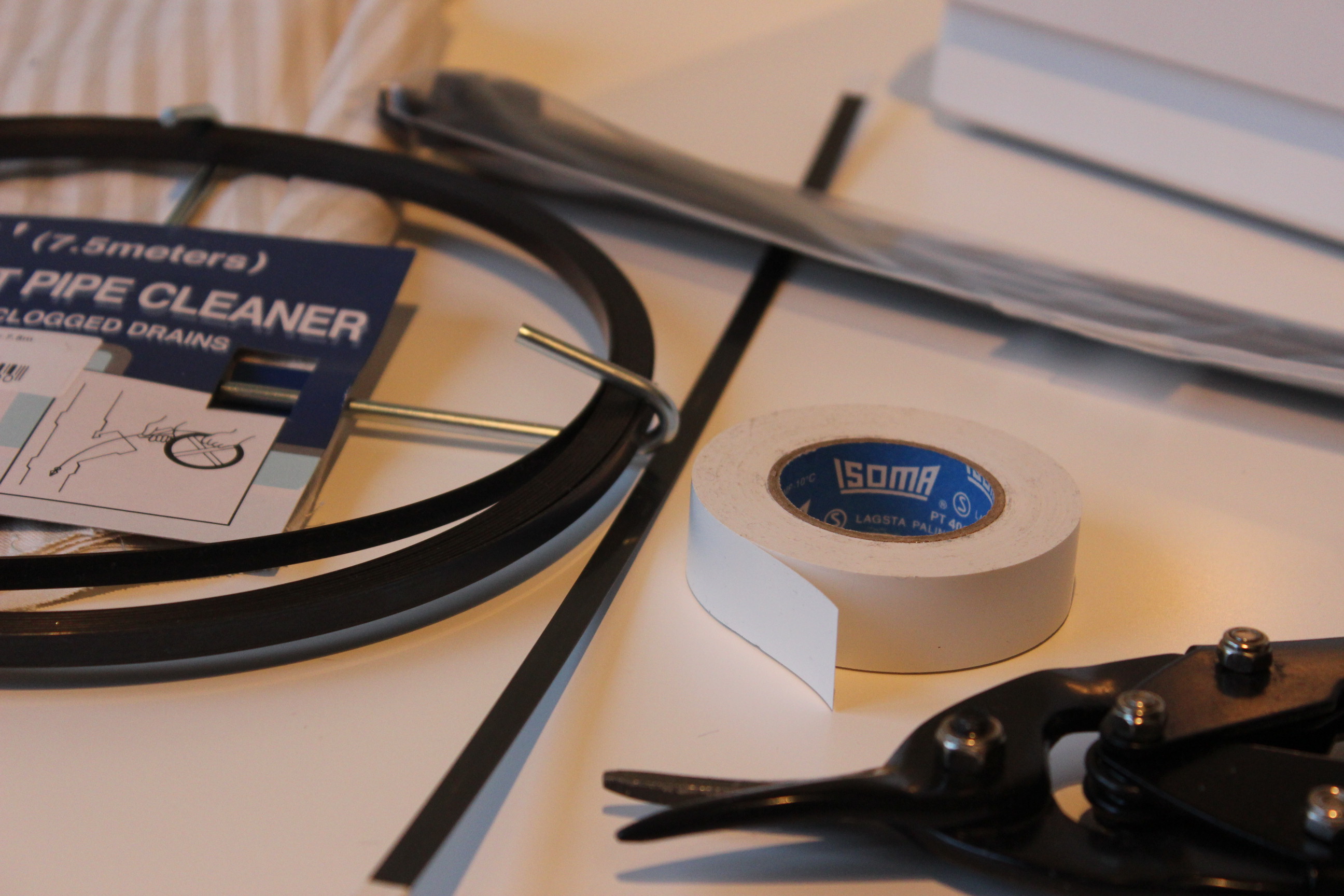
Notions: Thread, 13 pairs of gromets, 5 m lacing cord, 4 m of cotton bias tape, 1 m of metal boning and about 30 pieces of plastic cable ties.

How historical accurate: The pattern, material and shape of the stays are correct. But I sewed them on my machine and used metal grommets, plastic boning and modern construction techniques. So maybe 4/10

Time: About 15 hours – binding the tabs took like forever.

Cost: About 200 Sek (32 Usd). But since most of the material came from stash and was leftovers from previous projects I didn’t pay that much. More like 80 Sek.

First worn: For photos yesterday, and hopefully for an upcoming 18th century event n a few weeks.

Final thoughts: I really love the look of these stays, but they are really uncomfortable.
I need to make some alterations to make them fit better, and I’m not sure that will help, since I made them to long in the waist. I wore them for about 1 hour this weekend and the boning poking in to my hips and back was really noticeable.

And on top of fixing the ill fitting part, I accidentally burst one of the side seams of the stays while sneezing during the photoshoot (ups)…

Medieval Fair (and Dance)

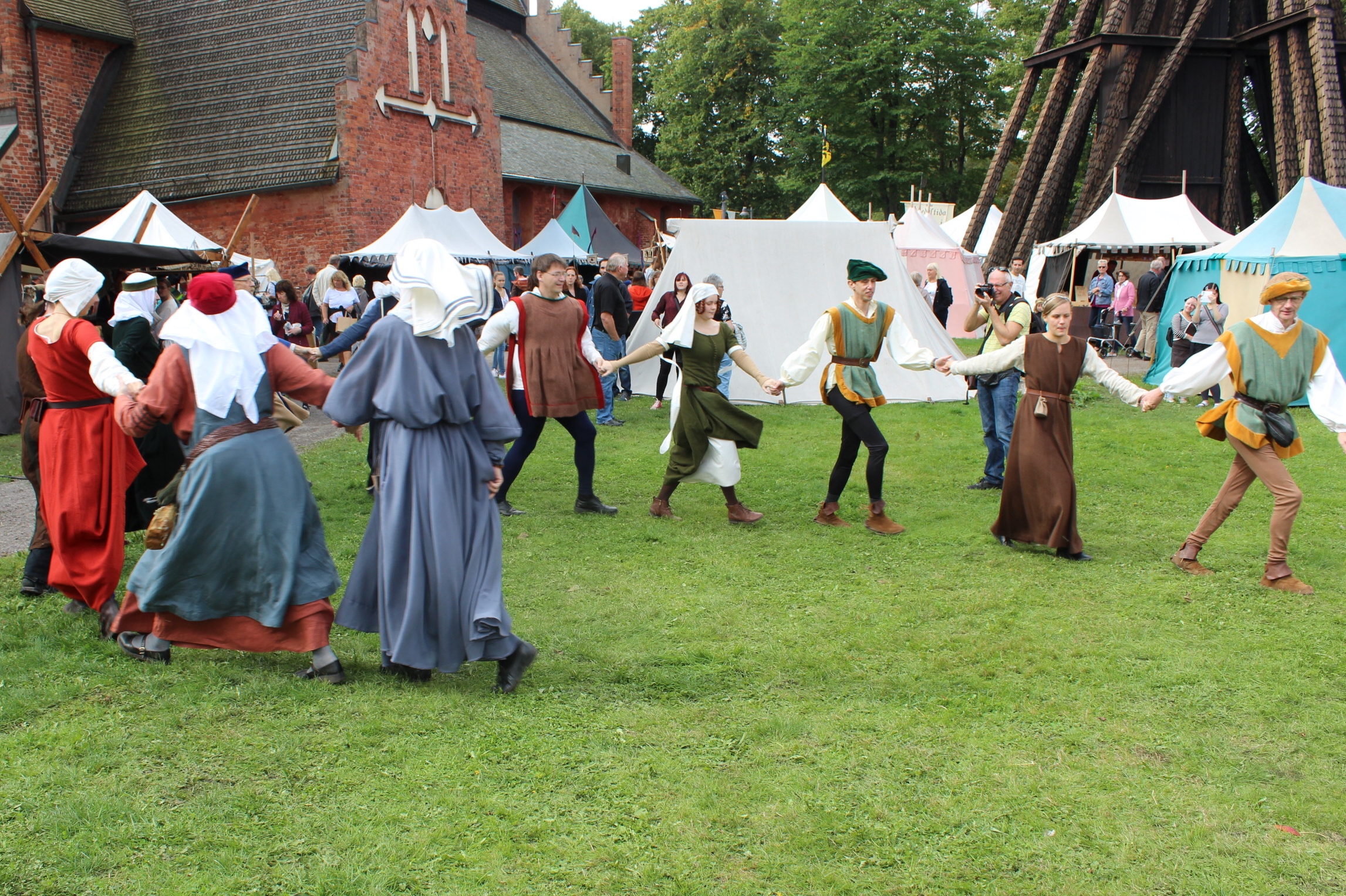
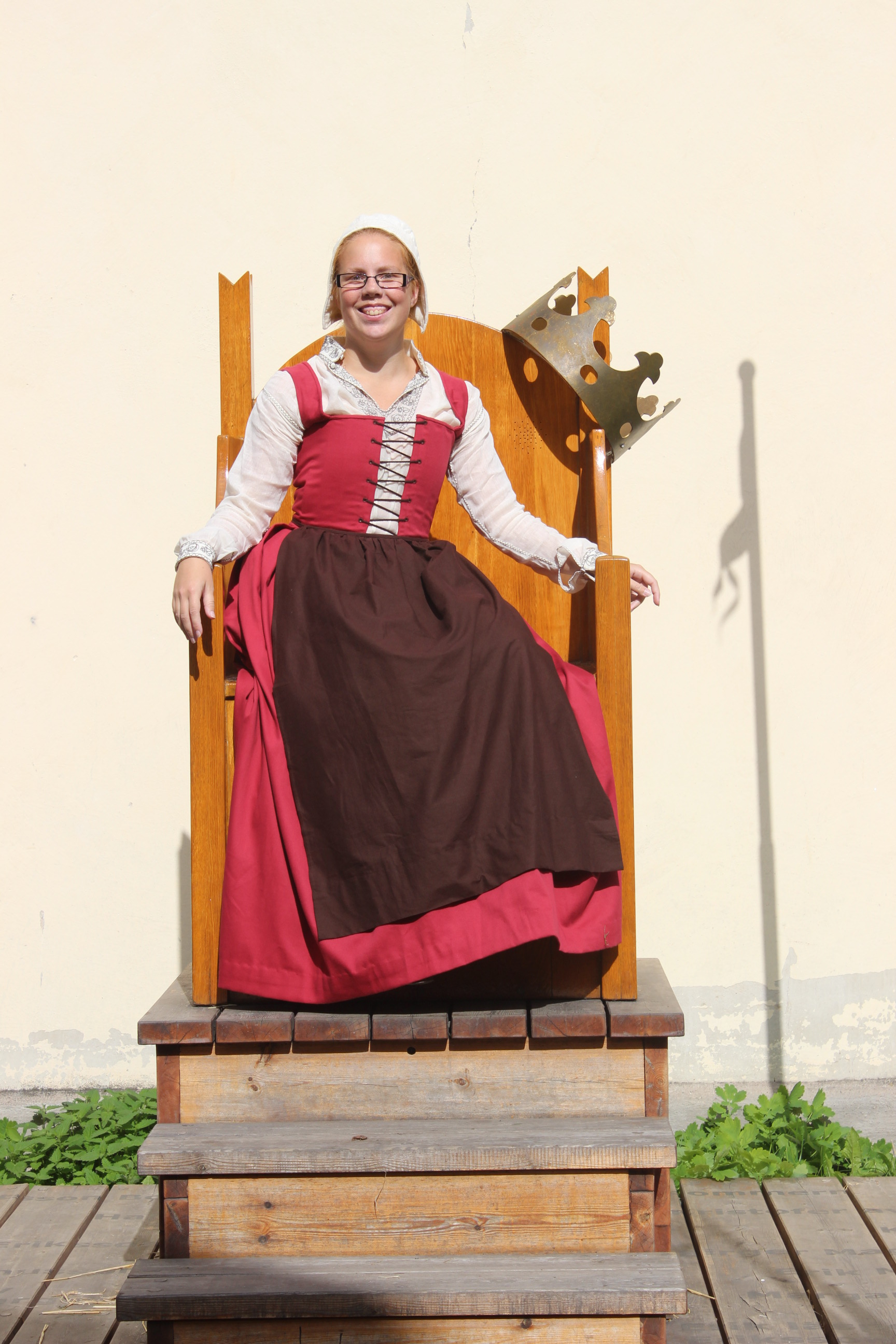
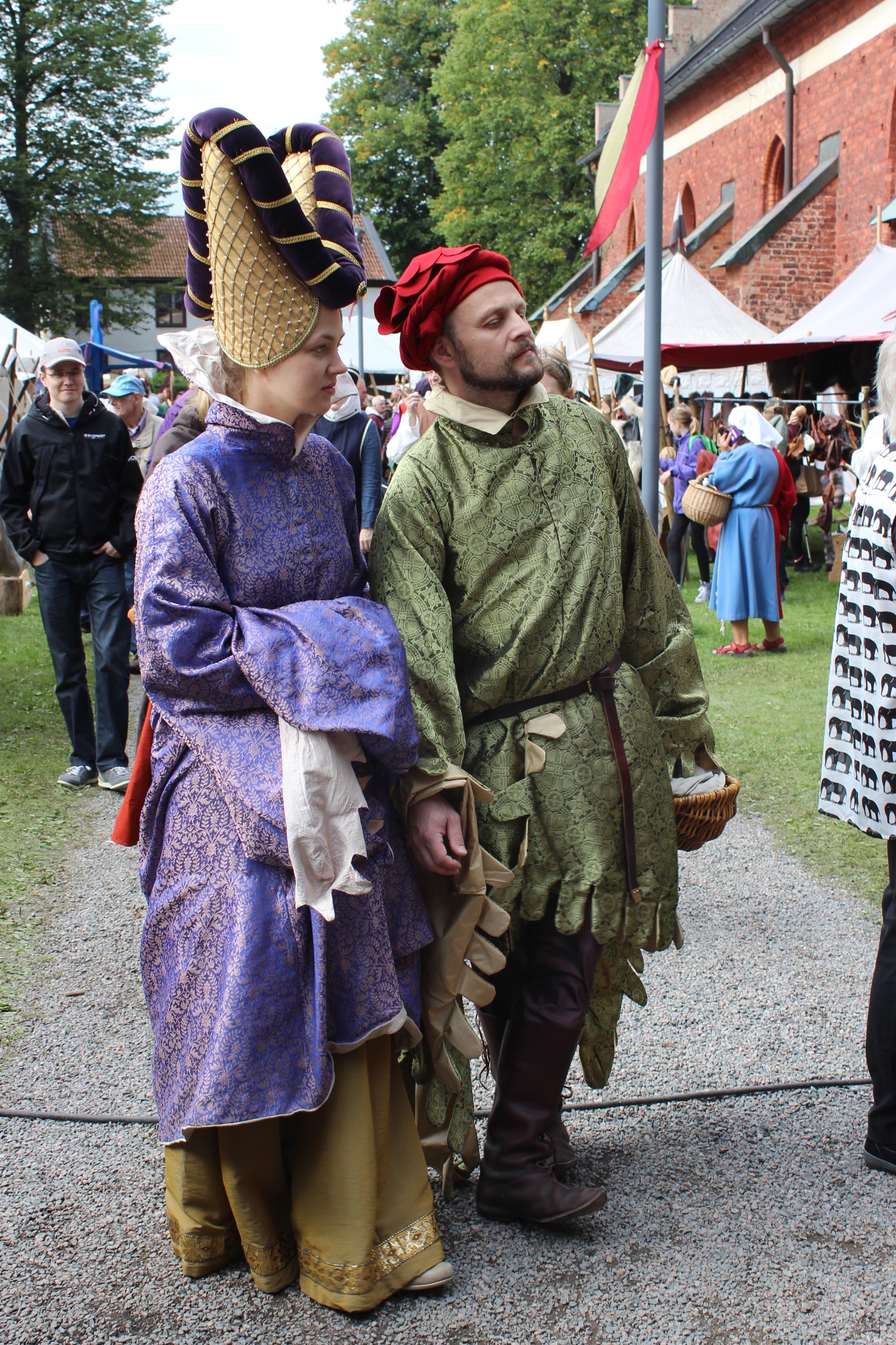
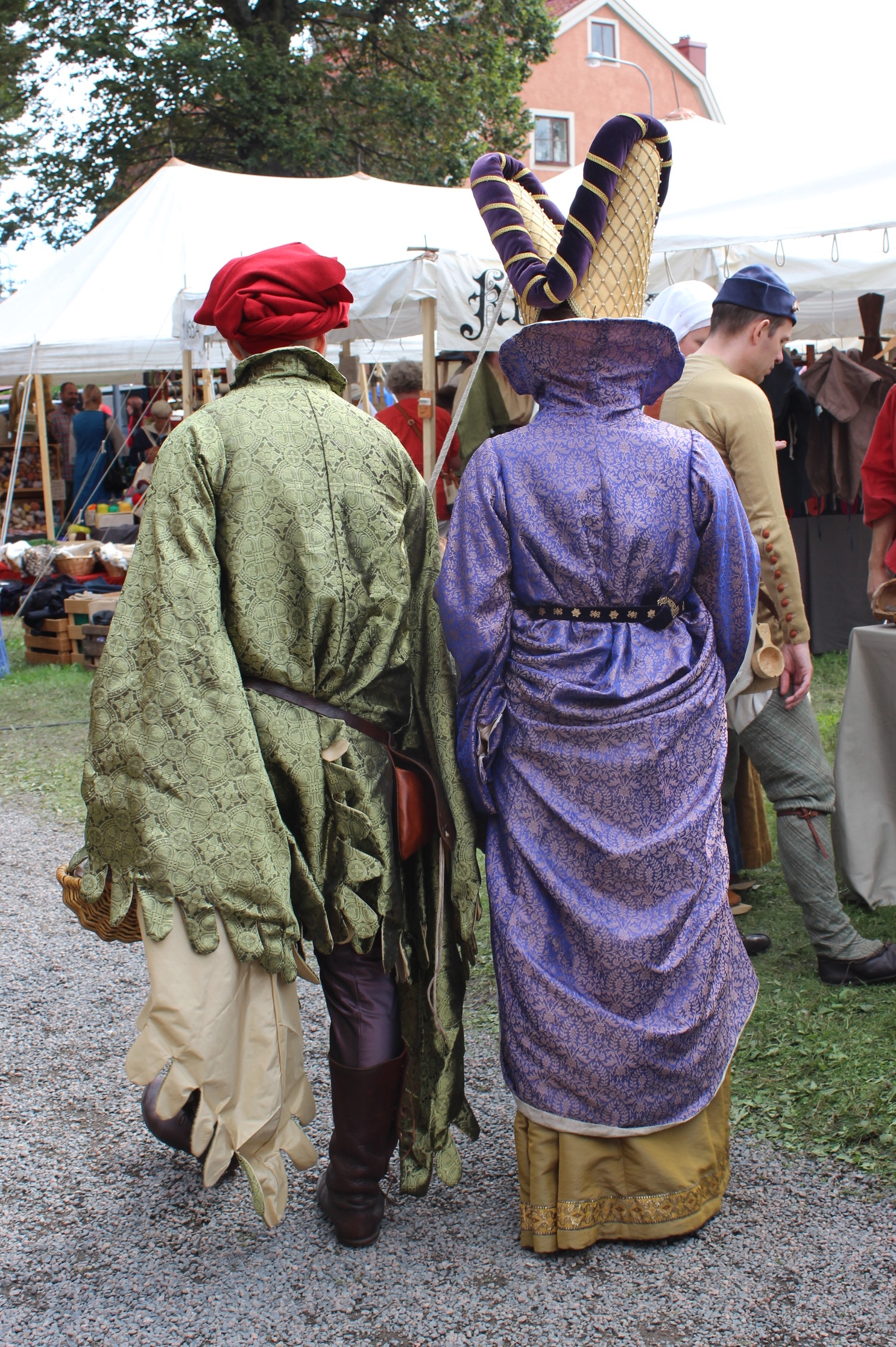
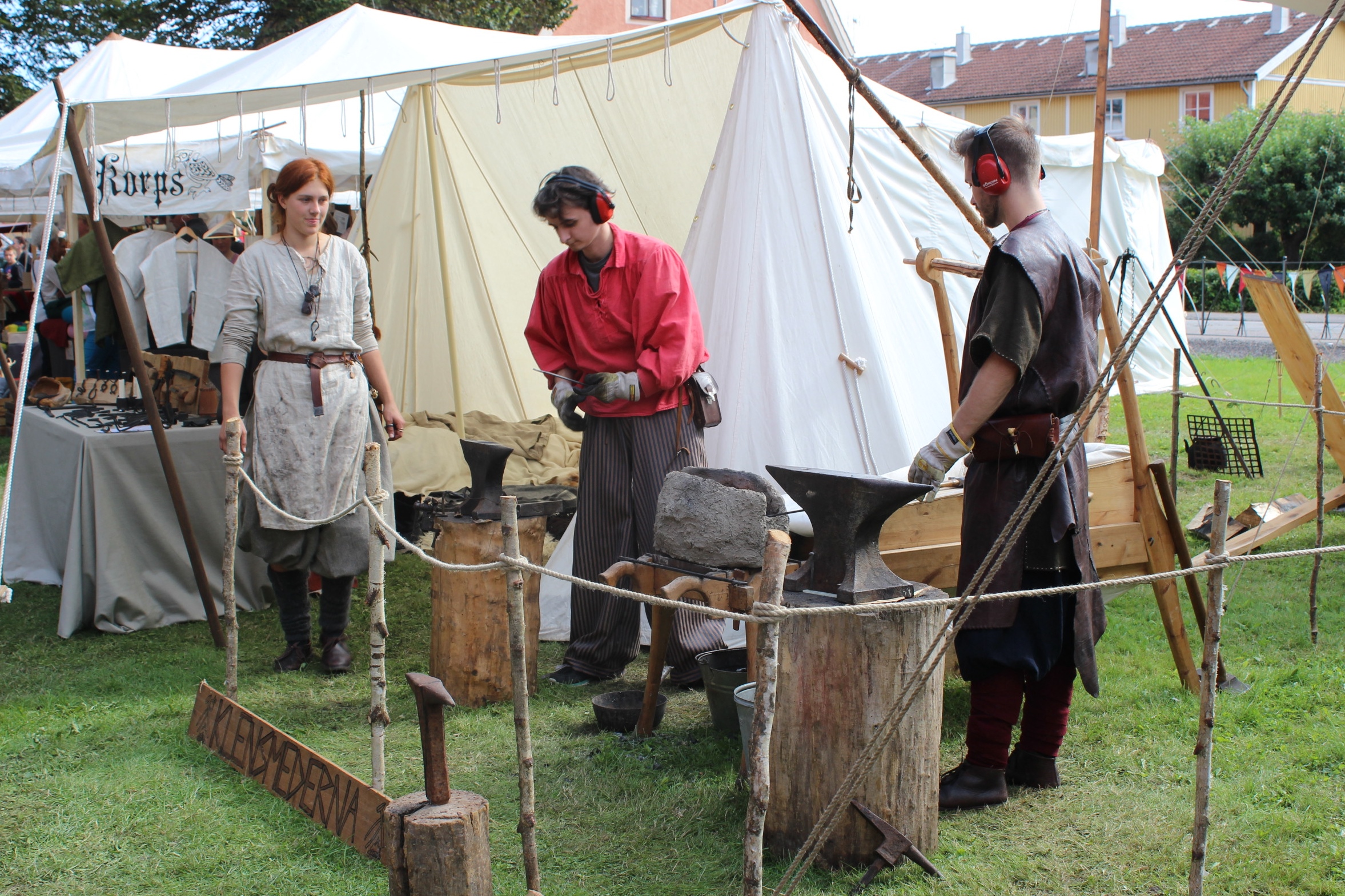
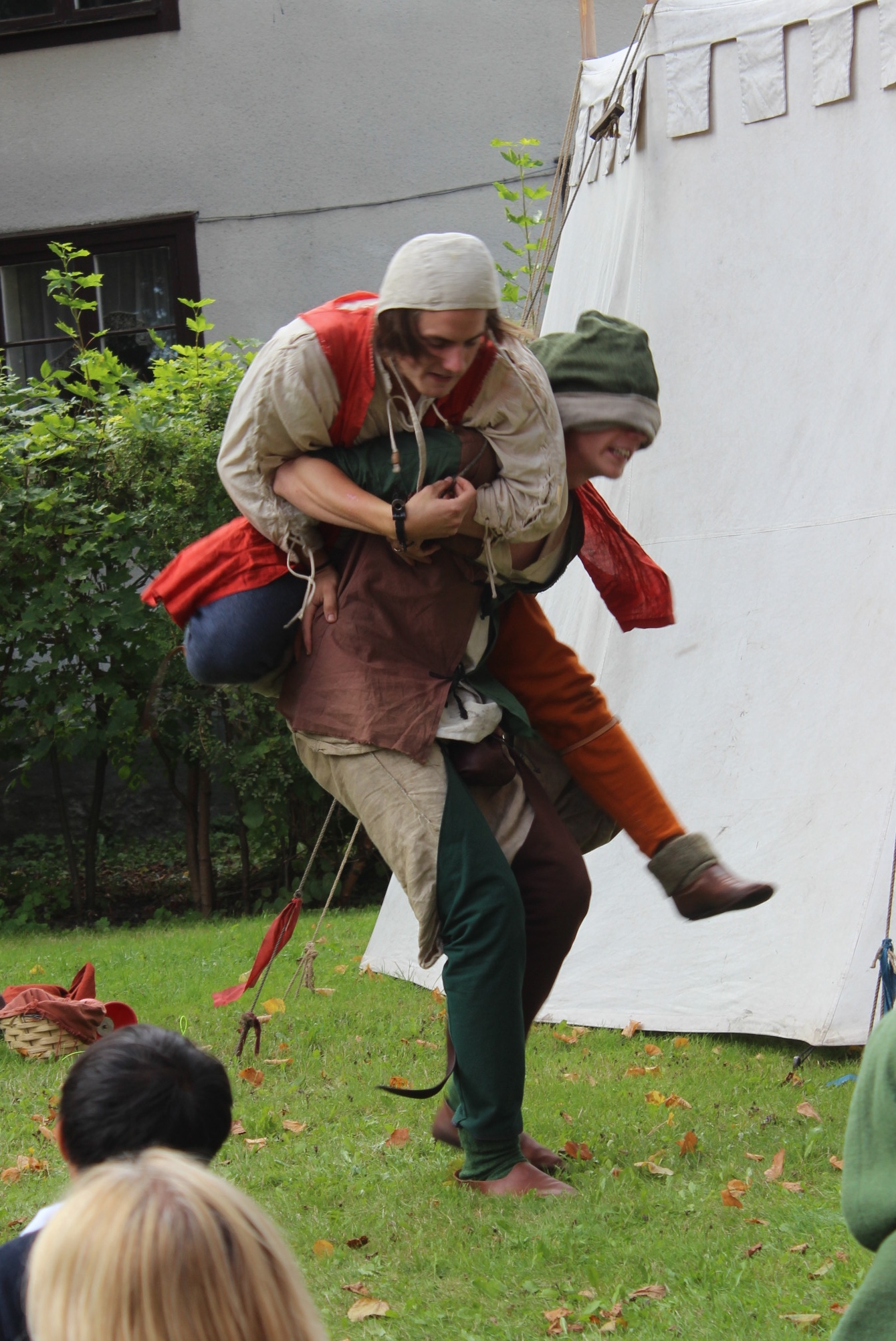
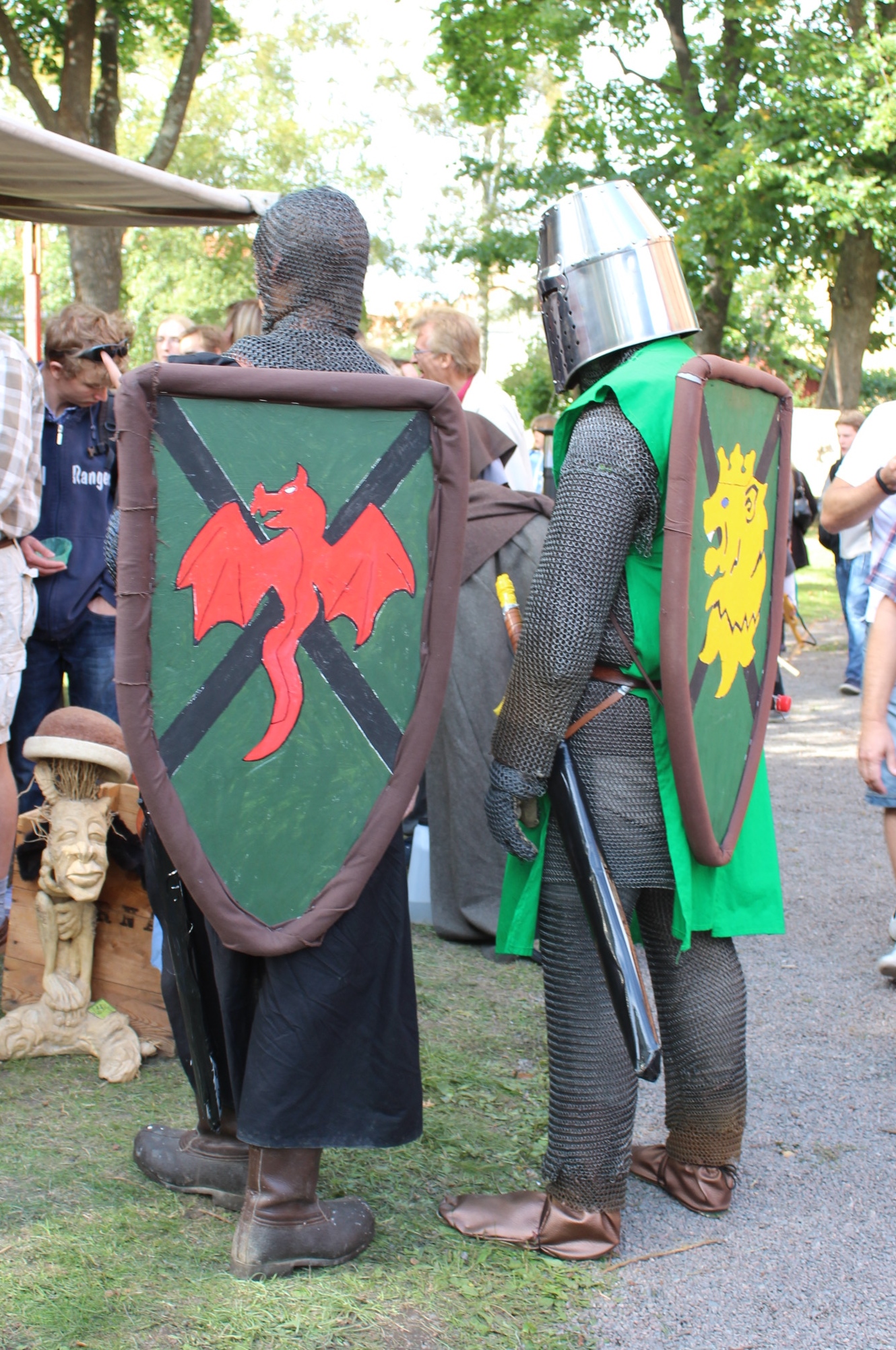
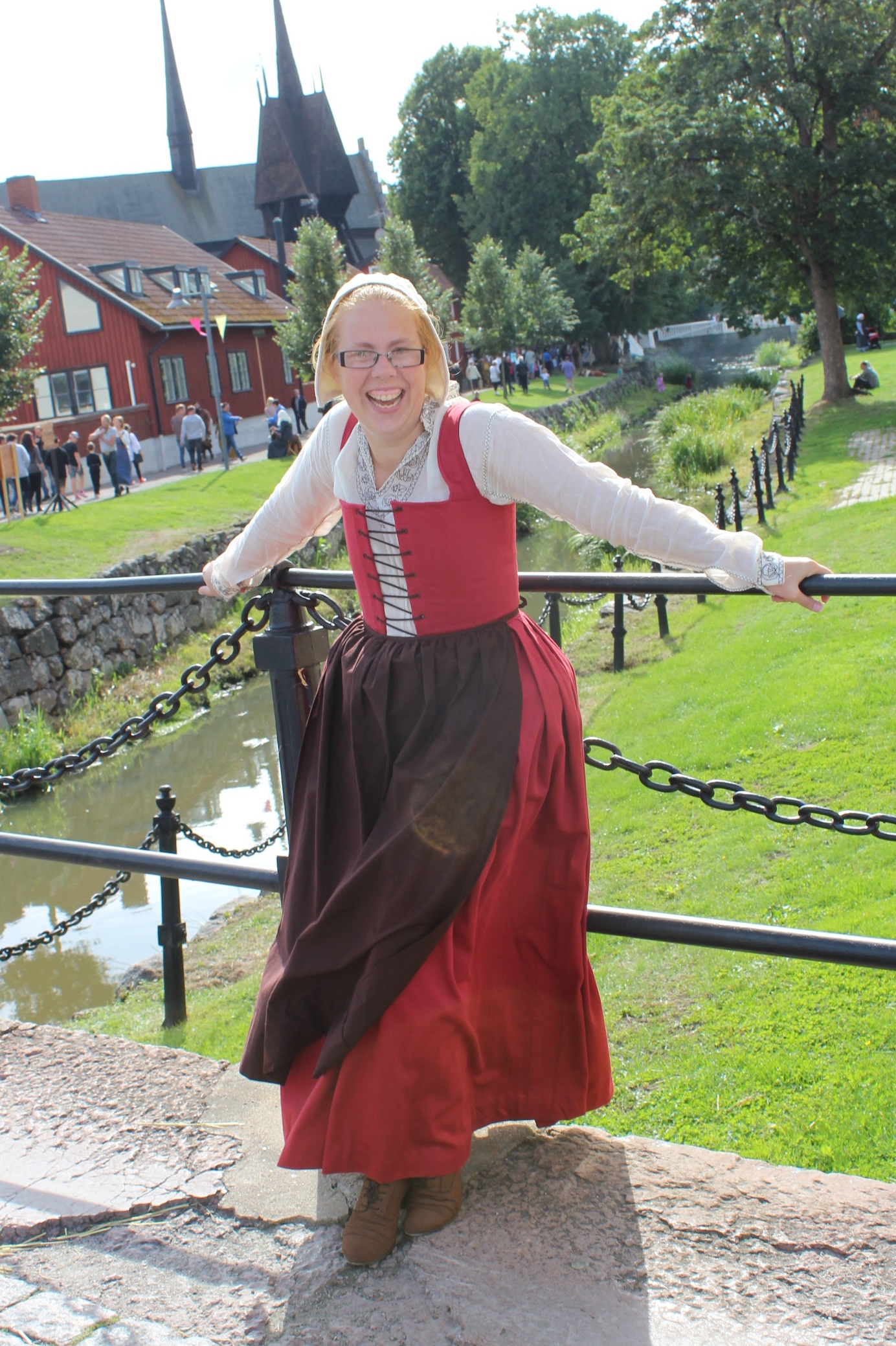
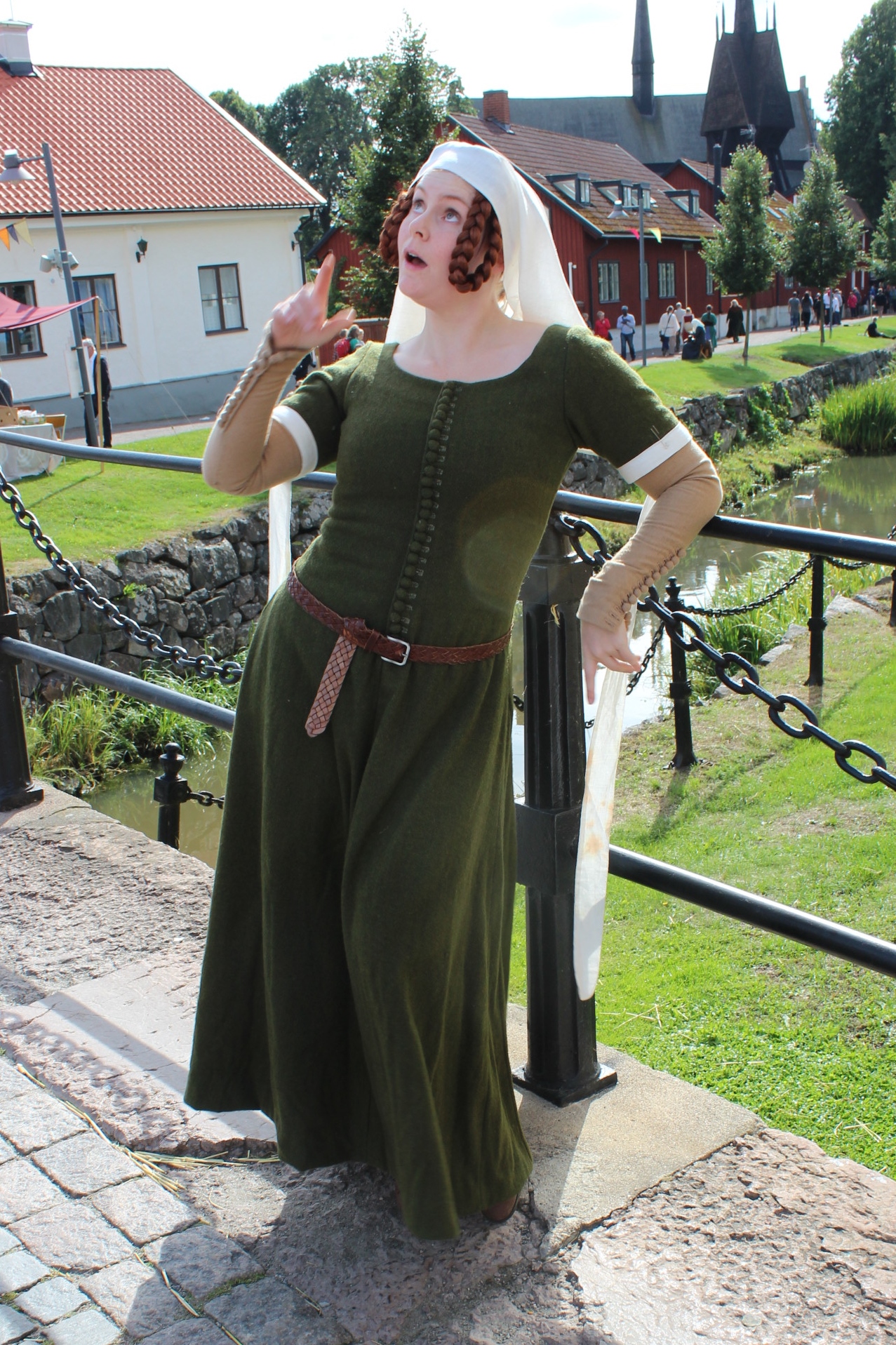
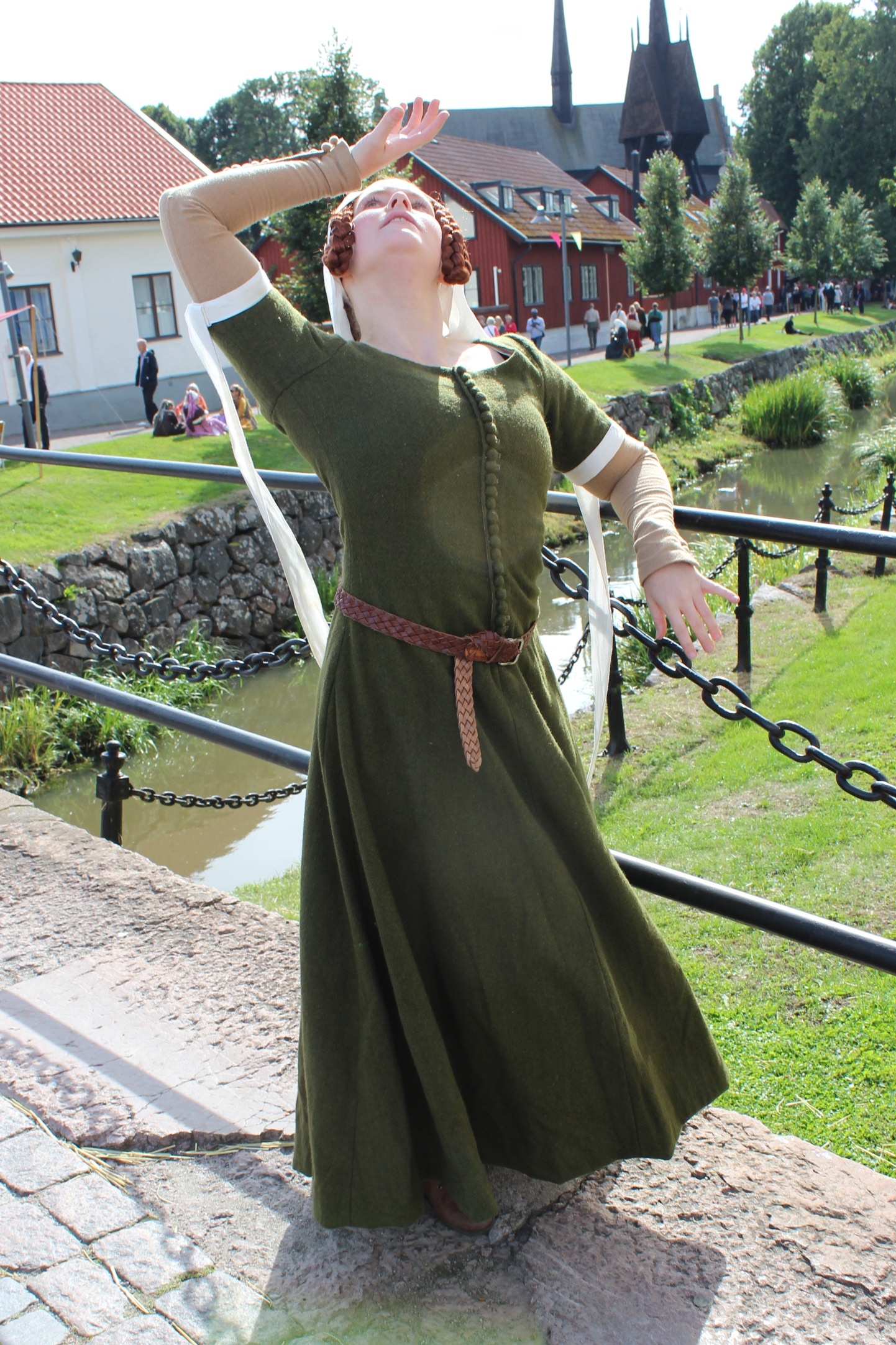
Today me and my sister visited the annual Medieval Fair in a town near by. I was there as part of the dance group doing our routine, and my sister followed as our photographer and general cheer on.

I wore my green cotehardie, and my sister borrowed my tudor Peasant outfit.

Right now I’m to tired to write a lot about the day so instead I will let the pictures speak for them self (for the most part…).

IMG_1826

IMG_1837

IMG_1877

IMG_1863

IMG_1874Unexpected on lookers.

IMG_1829

IMG_1891

IMG_1887

IMG_1886

IMG_1859

IMG_1896

IMG_1892

IMG_1908

IMG_1910

IMG_1899

IMG_1906

IMG_1911

IMG_1912

IMG_1941

IMG_1923

IMG_1904

IMG_1942

IMG_1928Oh, swoon – that knight looked at me…

IMG_1926

IMG_1930What, Is God, up there?

IMG_1932Oh swoon, another knight…

IMG_1933

Throwback Thursday: The Overly Fab Tuille Prom Gown

Since I won’t have anything new to show you until after the weekend, I figured I do a “Throwback Thursday” post, and show you one of my past projects.

This was one of those project with a steep learning curve, but which you will always think about with pride and a smile (before you remember the colossal amount of work and bad words uttered during the process of making it).

It all started when I offered to sew my youngest sisters prom dress.

– Let’s just start by saying that the senior proms in out town are HUGE.
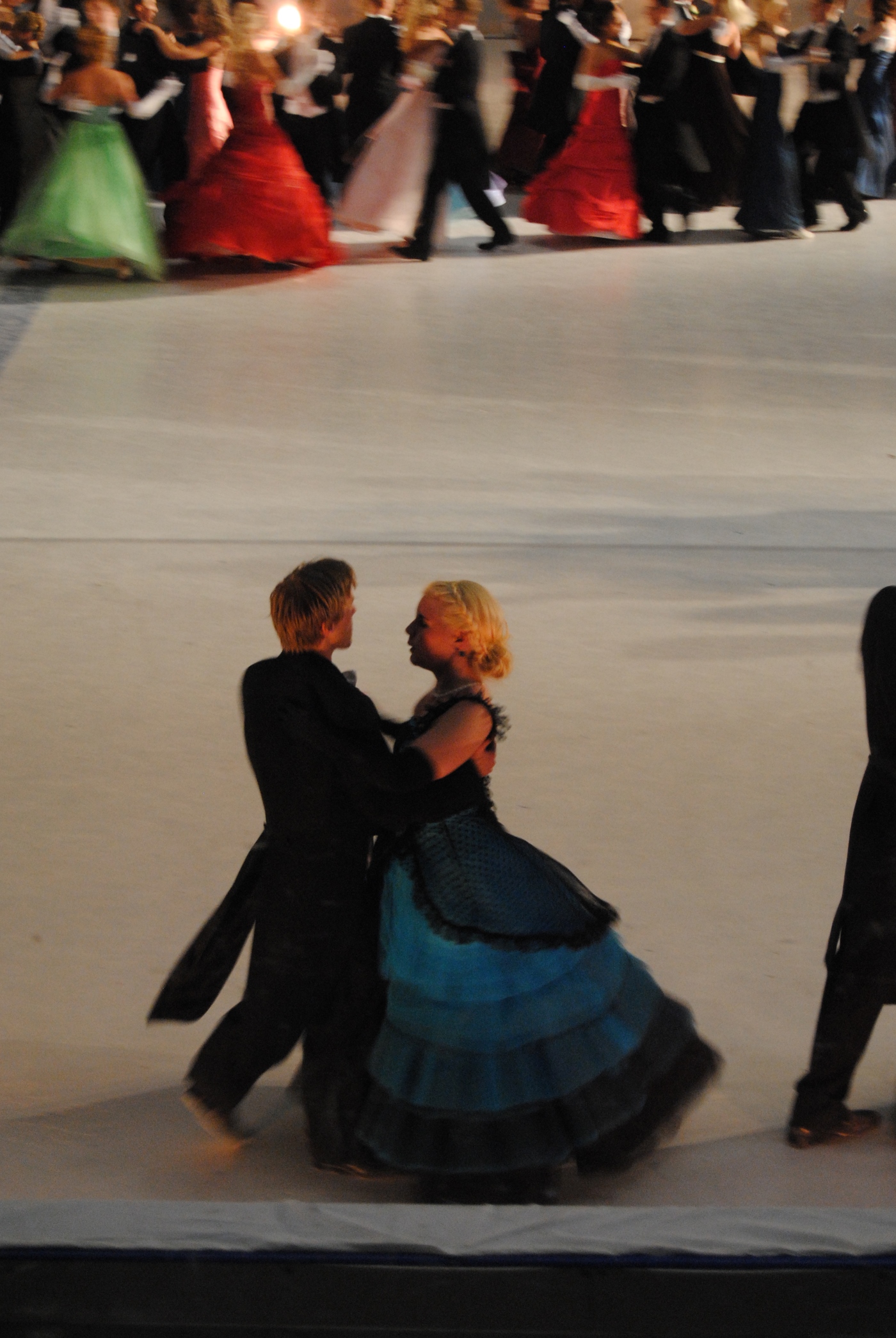
Each year the couples attending the prom start practicing the Waltz in January. Then do so every weekend, until the prom in May/June, where they all (dressed to their teeth) perform a one hour, extremely complicated dance routine in front of thousands of people.

I think it’s needles to say that the dresses are extremely important during this day.

So in february I meet with my sister to discuss the dress design. She showed me her inspiration pic and told me what she wanted.New-Alice-in-Wonderland-Mia-Wasikowska-Photoshoot-alice-in-wonderland-2010-10340859-1126-1450Her original inspiration – The red dress from Tim Burtons “Alice in Wonderland”.

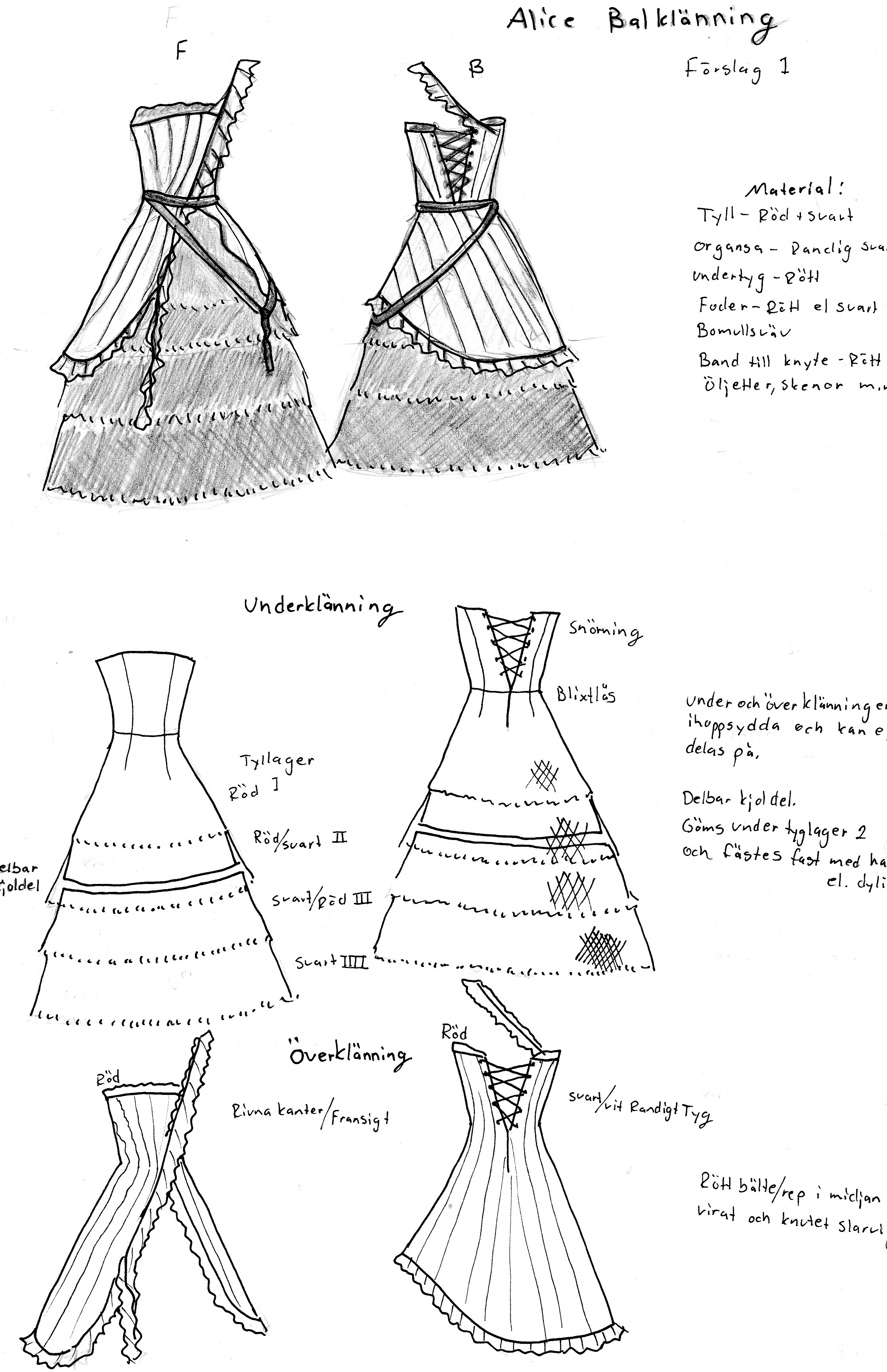
I drew some sketches for our next meetingimg002The idea was to make the dress in two layers, with a floor length under layer in tulle (which of course would have to be detachable to make a short dress), and a sheer shorter upper layer with ruffles and ribbons.

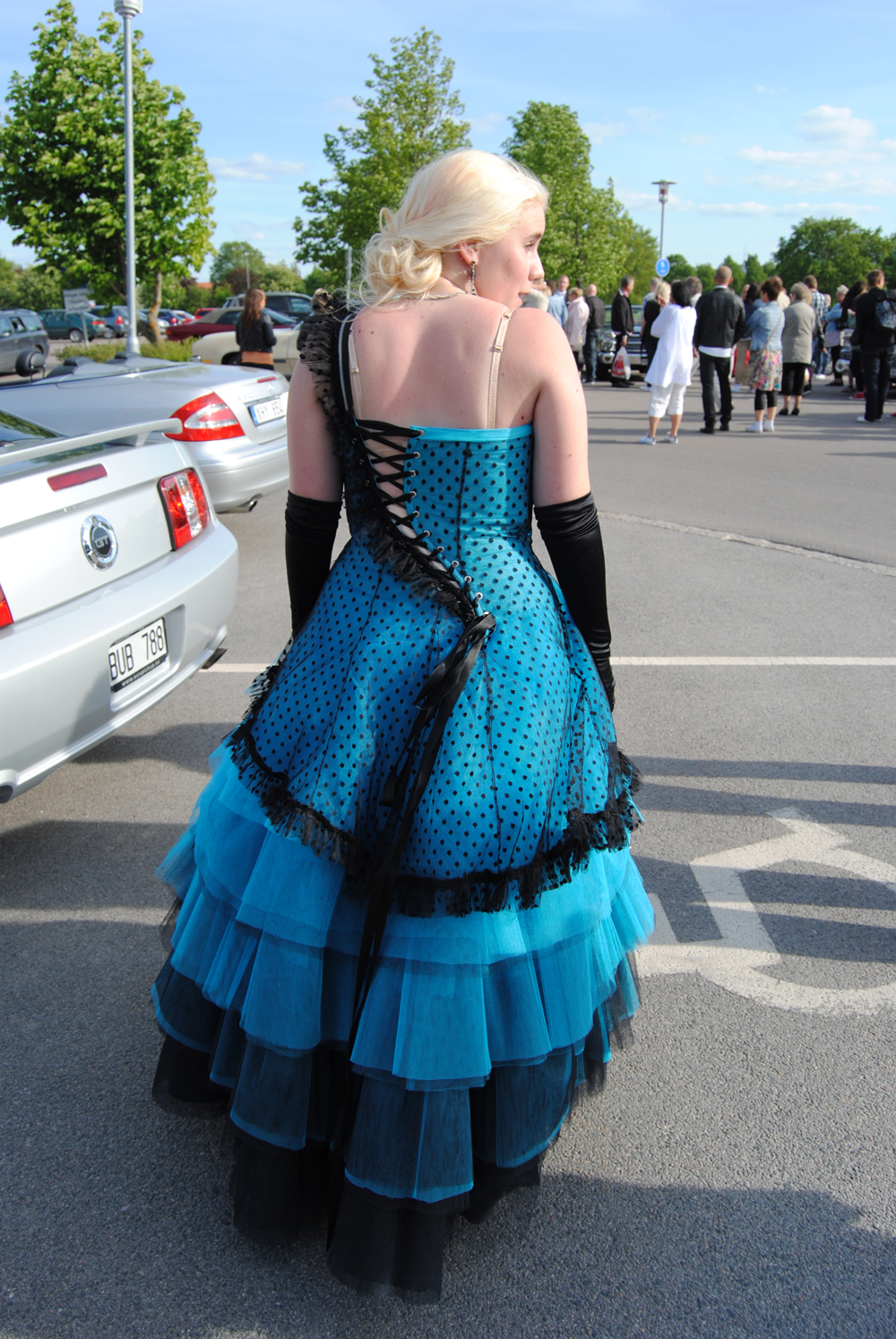
For our last design meeting I’d scaled it down a bit, and added some new interesting details like the curved lacing in the back.balklänning elin produktteckningWe had also trashed the idea of a detachable lower half.

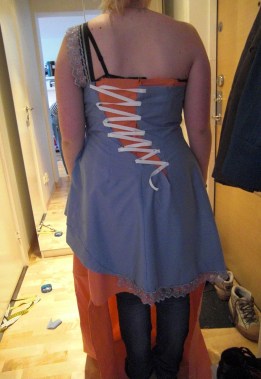
In mars my sister traveled the 3 hours ride to the capital (where I lived at the moment) to fit the mock-up.
CIMG4316CIMG4315
It looks kind of ludicrous in these pictures, and the color is just awful, but I wanted to test the length of the upper layer, the curve of the lacing and of course the usual bust, waist, hip fit. Which actually were pretty good.

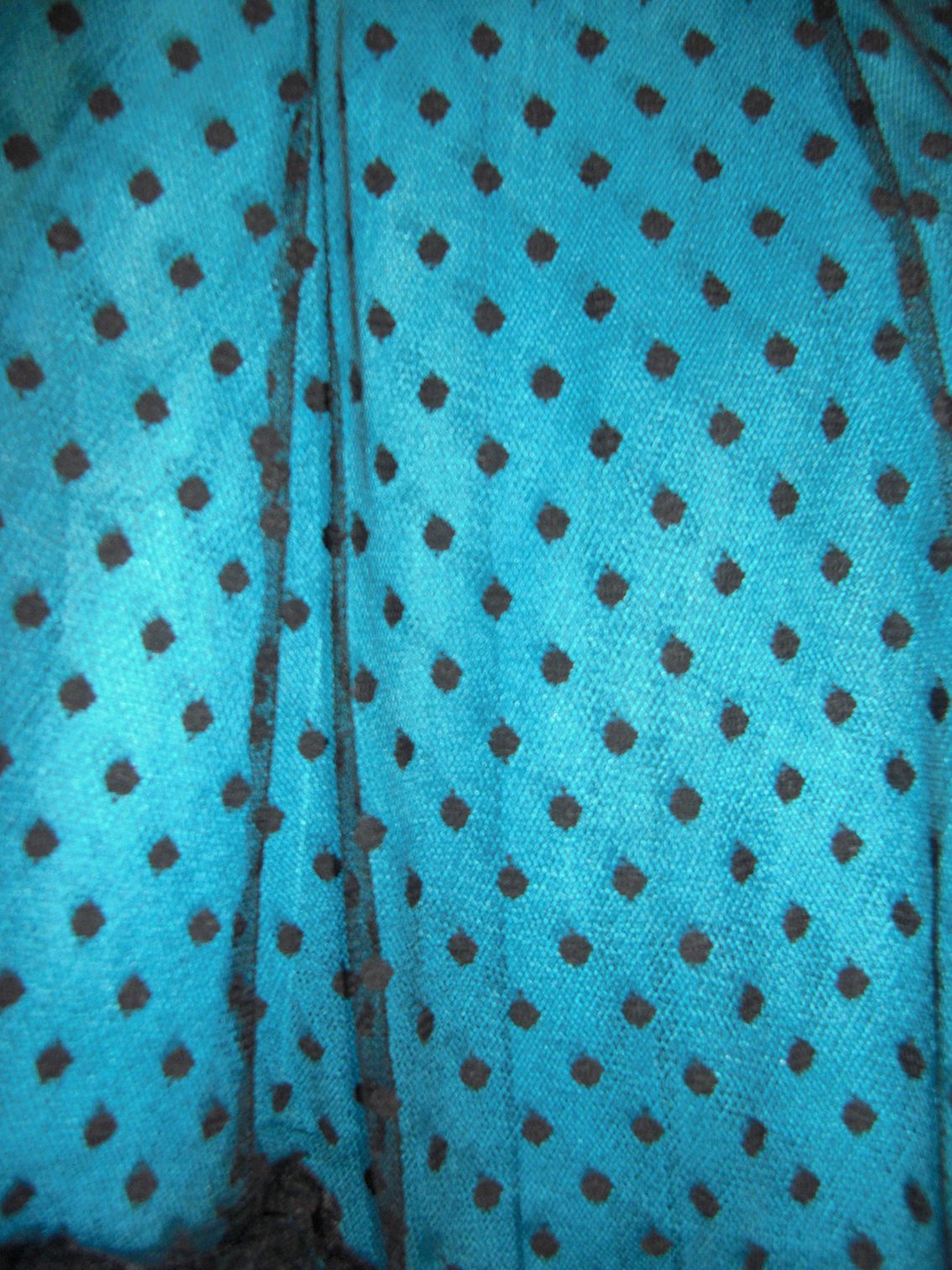
We also decided on the fabric.CIMG4346The gown was to be turquoise with the skirt tapering to black at the bottom, and a sheer dotted black over layer.CIMG4689I loved the effect of the black dots on top of the turquoise.

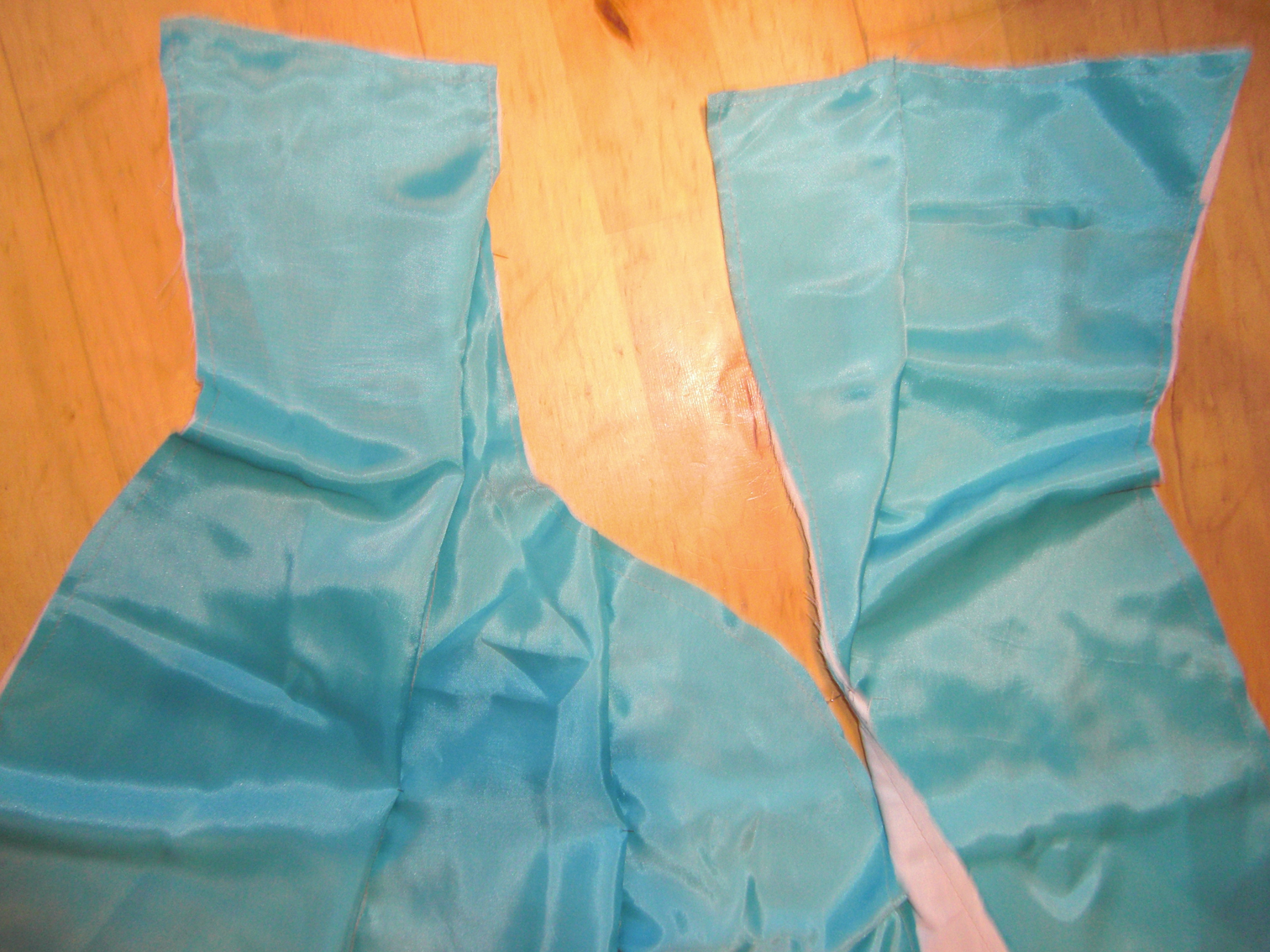
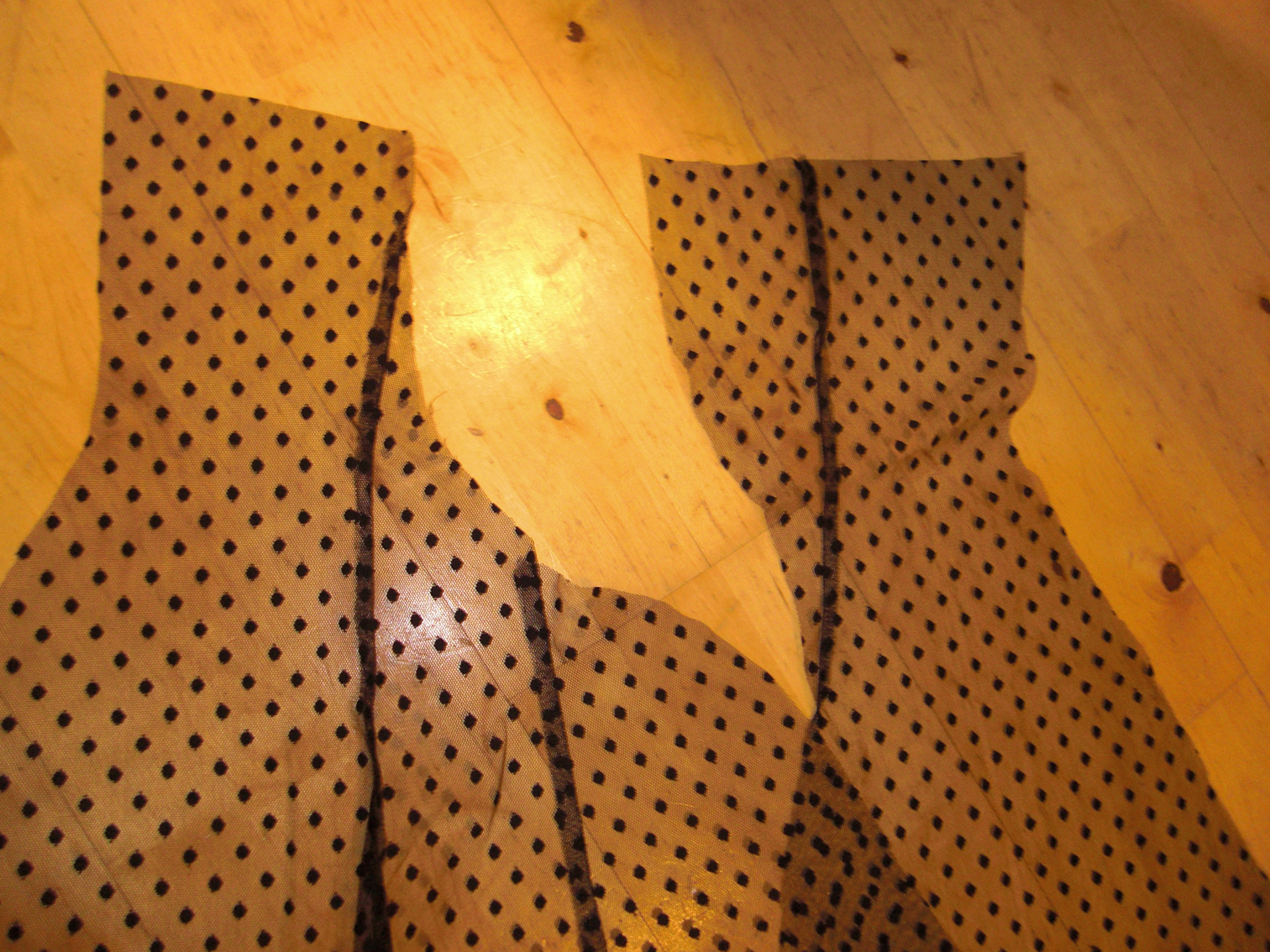
I stitched the interlining to the turquoise under layer, and then stitched the pieces both the inner and outer layers together
CIMG4536 CIMG4537

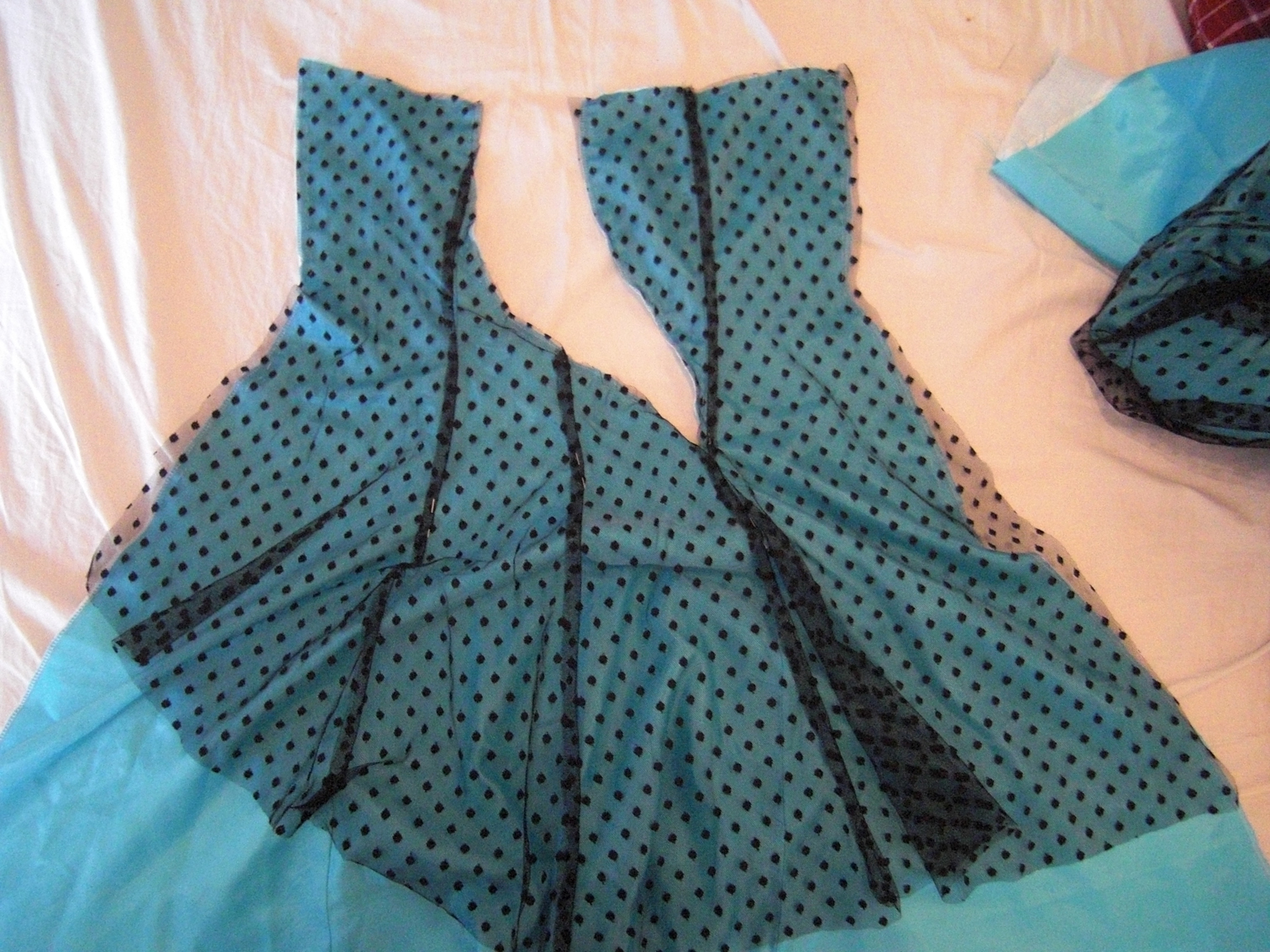
I basted the dotted tulle to the under layer.CIMG4578

Then I did one extra foundation layer in which I inserted the curved boning.CIMG4591

CIMG4605CIMG4606I used a bias strip to the back side to get the nice curve on the lacing gap. The front and back pieces where now ready to be attached to each other.

CIMG4608The front and back stitched together.

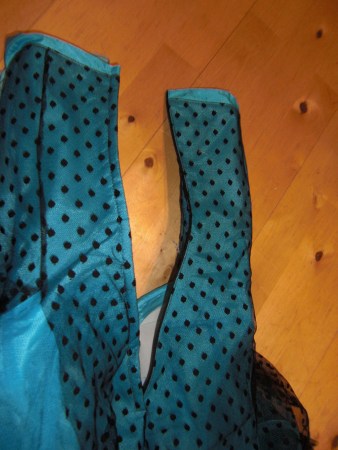
CIMG4613I used a zipper at the side to make the dress fit perfectly, without disturbing the back lacing.

I used lengths of gathered dotted tulle as decoration to the shorter hem and strap. CIMG4585

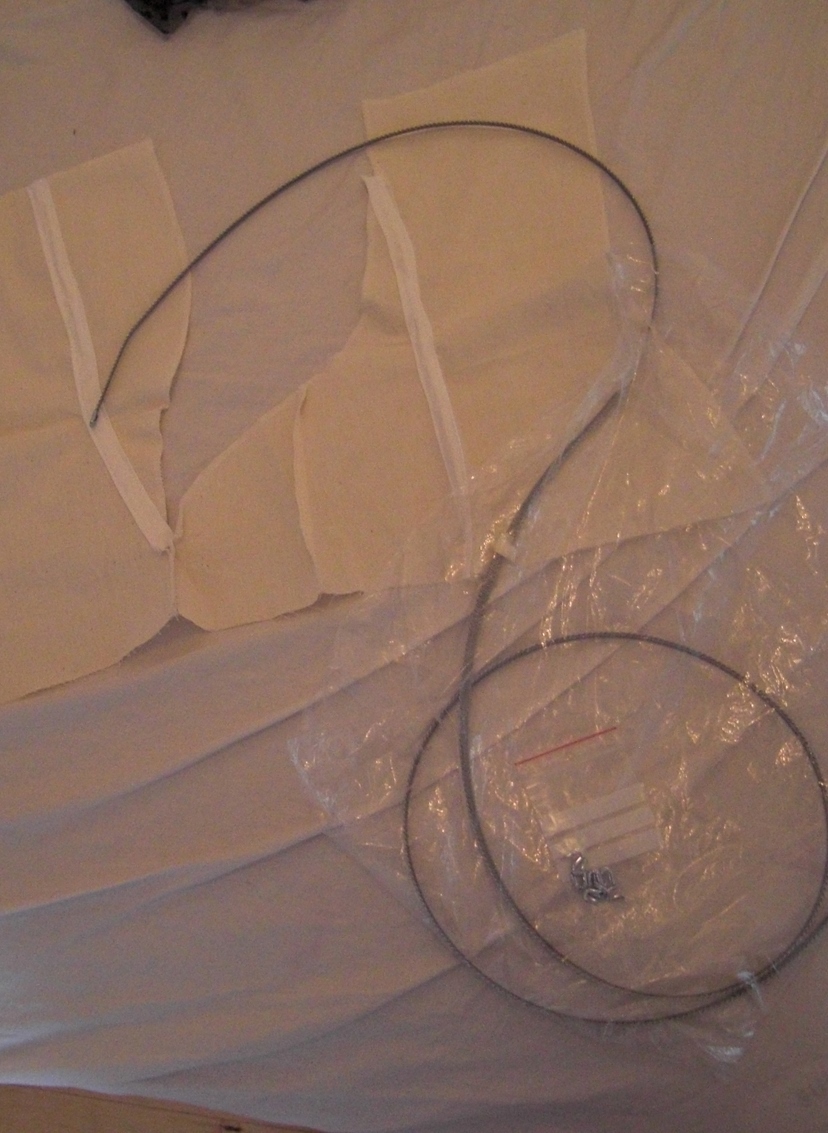
I also used a heavy duty zipper as shoulder strap.

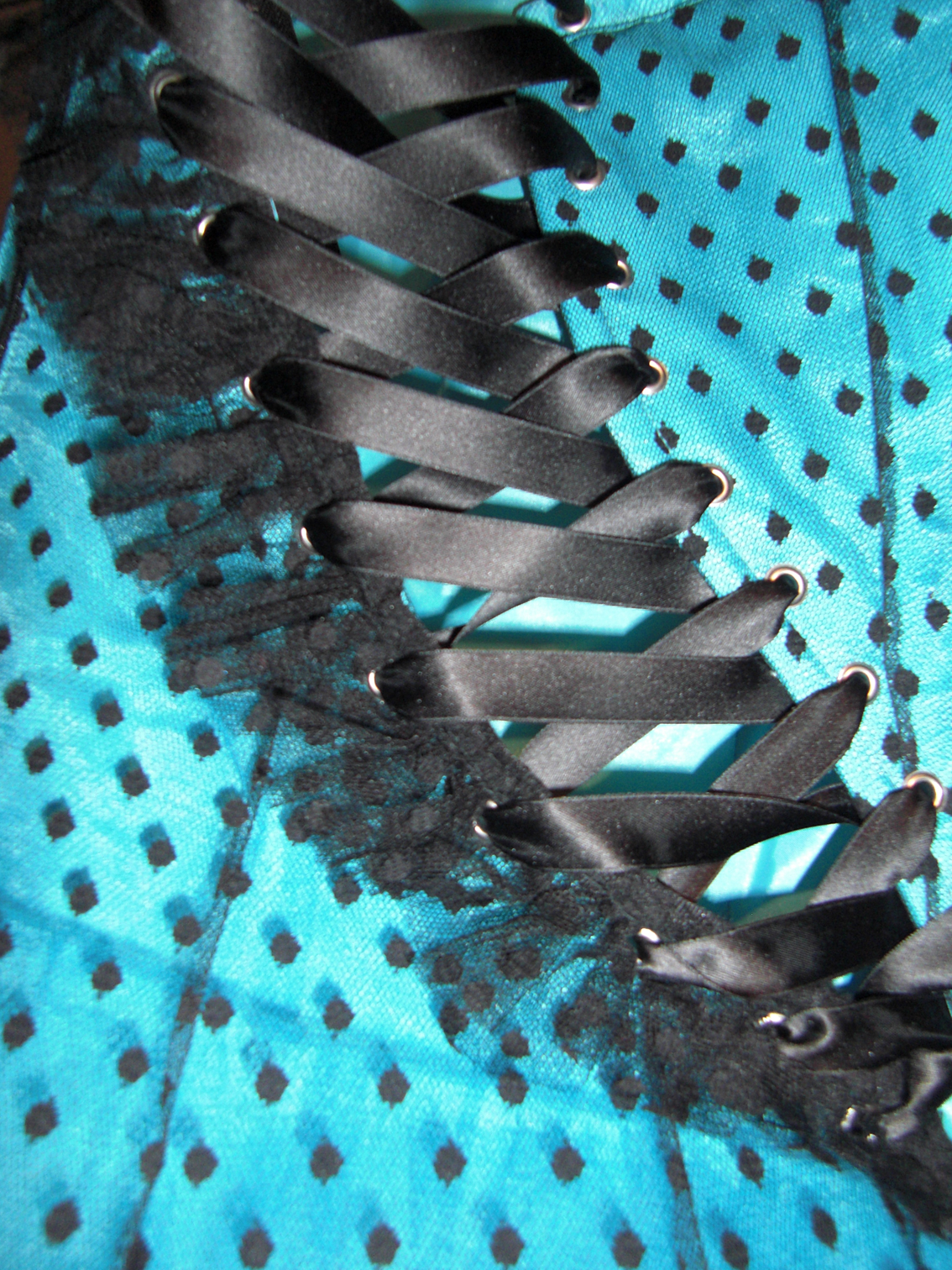
CIMG4630The back of the dress ready for some grommets.

I used a black satin ribbon for laces.

CIMG4693

CIMG4598Then it was time to start attaching the tulle.

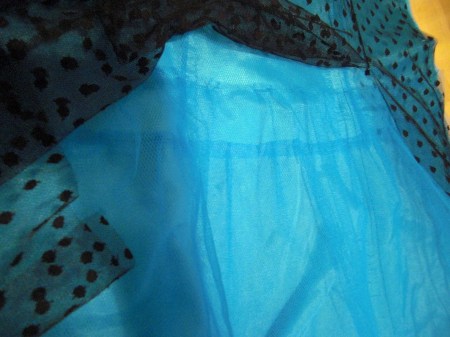
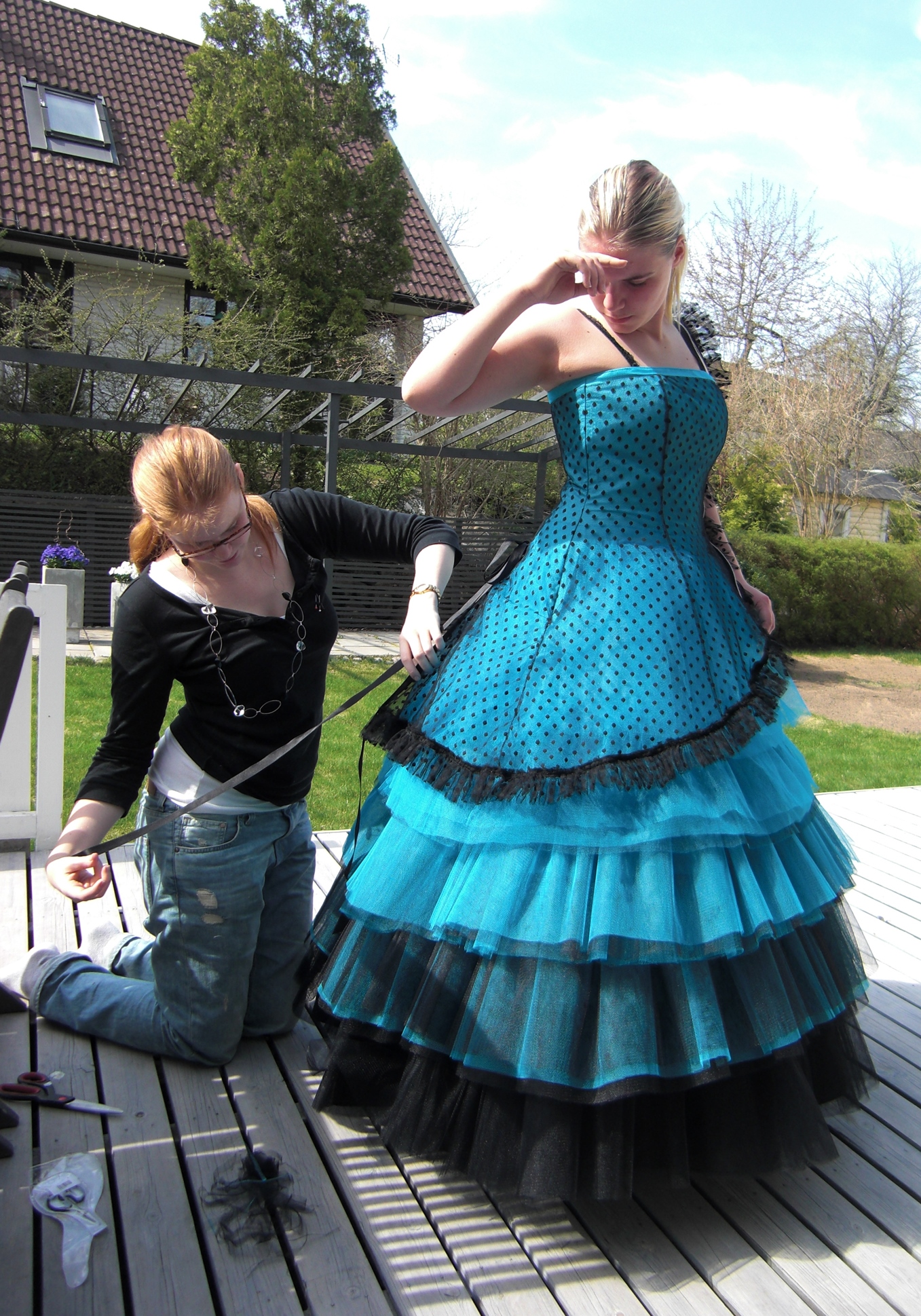
I only had about 40 m or so of black and turquoise tulle to attach. phew…CIMG4645Starting at the top,working downwards adding more and more black to the layers.
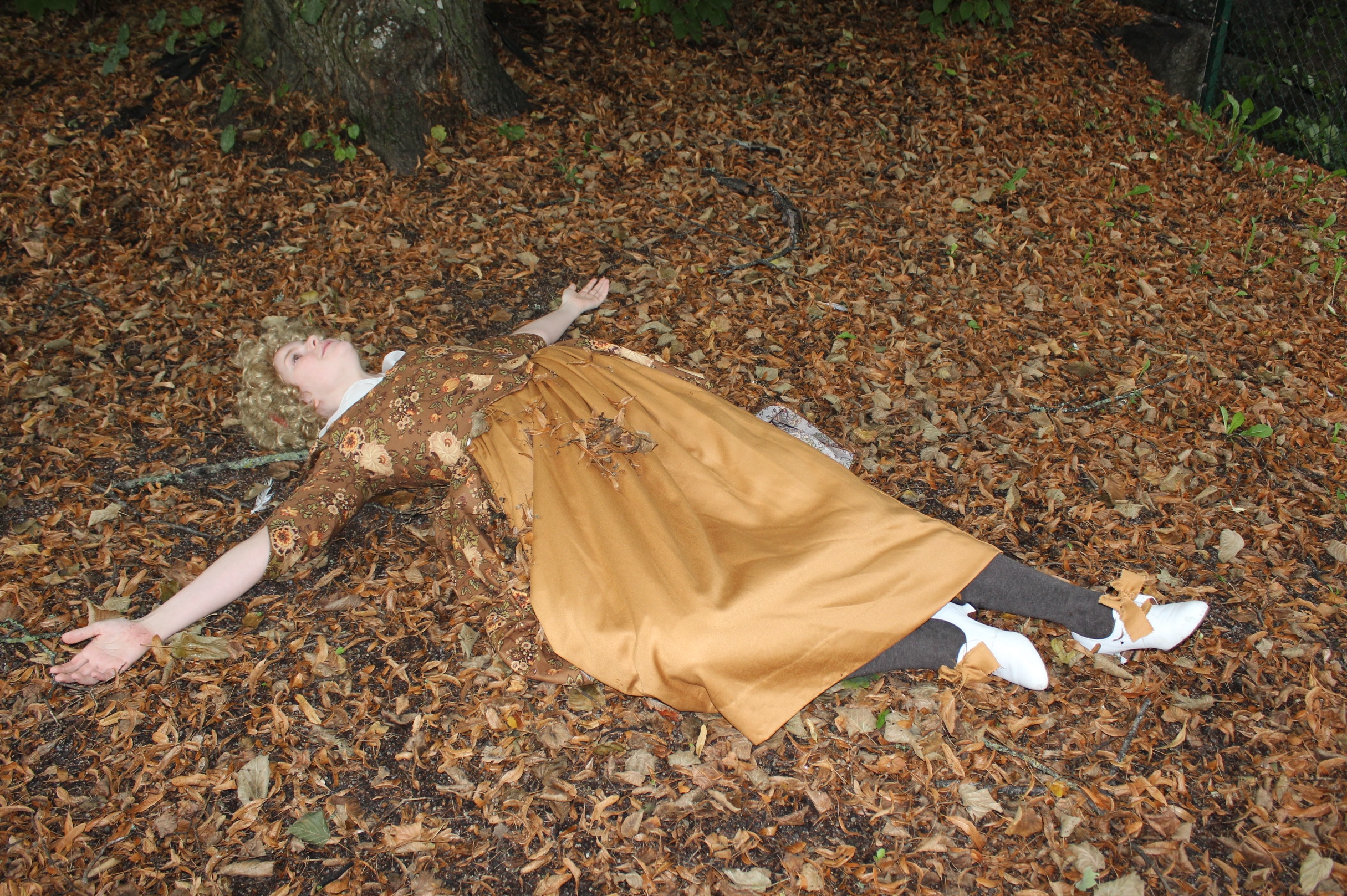
CIMG4660Love the effect of different color combinations in the layers.
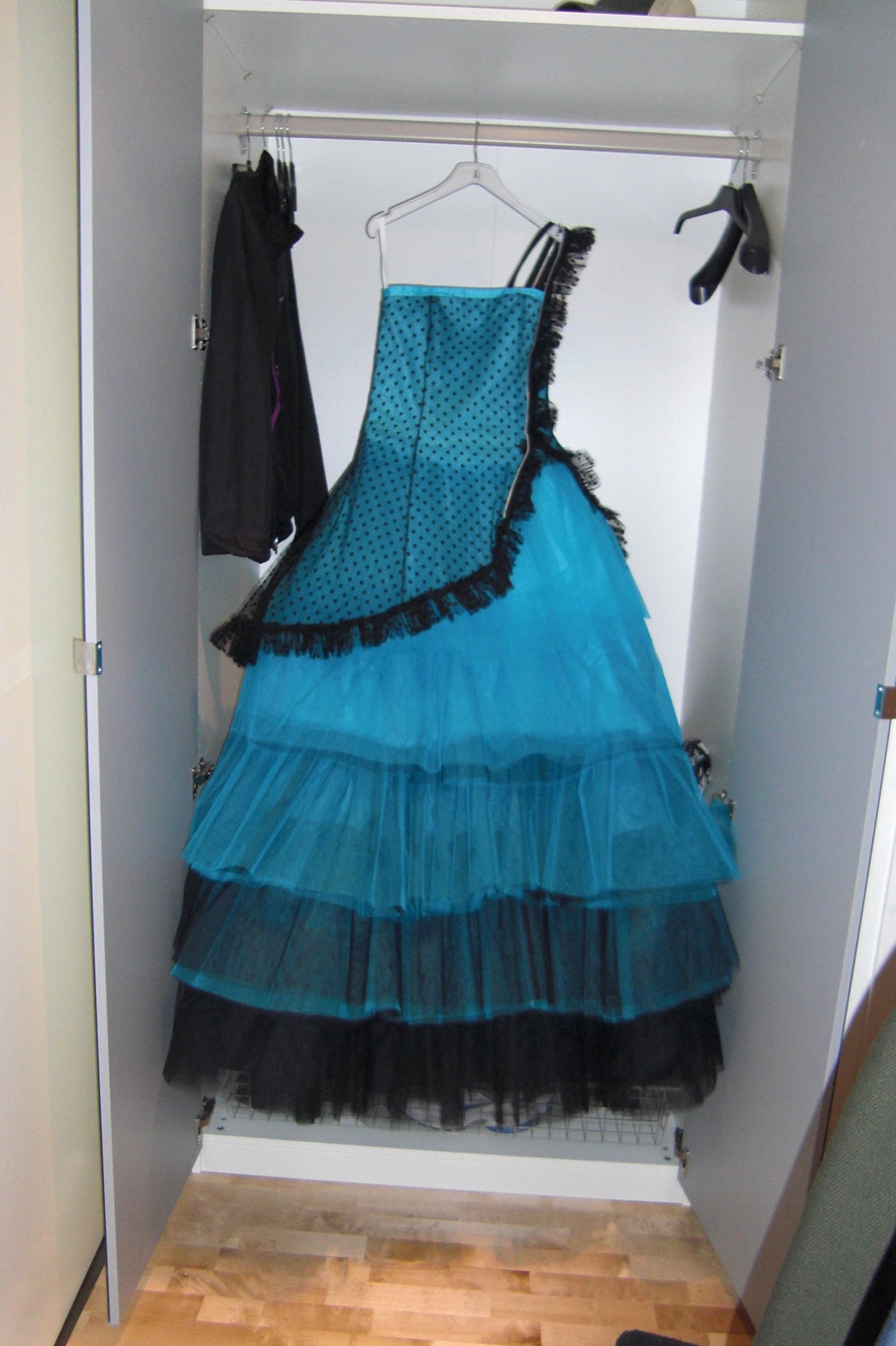
The finished dress took up so much space in our small apartment, that the only place I could keep it was in the almost empty hall closet.CIMG4680

The week before the prom, I brought the dress down to my sister and did the final adjustments on it. CIMG4886

CIMG4889I was really relived when I zipped the dress up and the back fit perfectly.

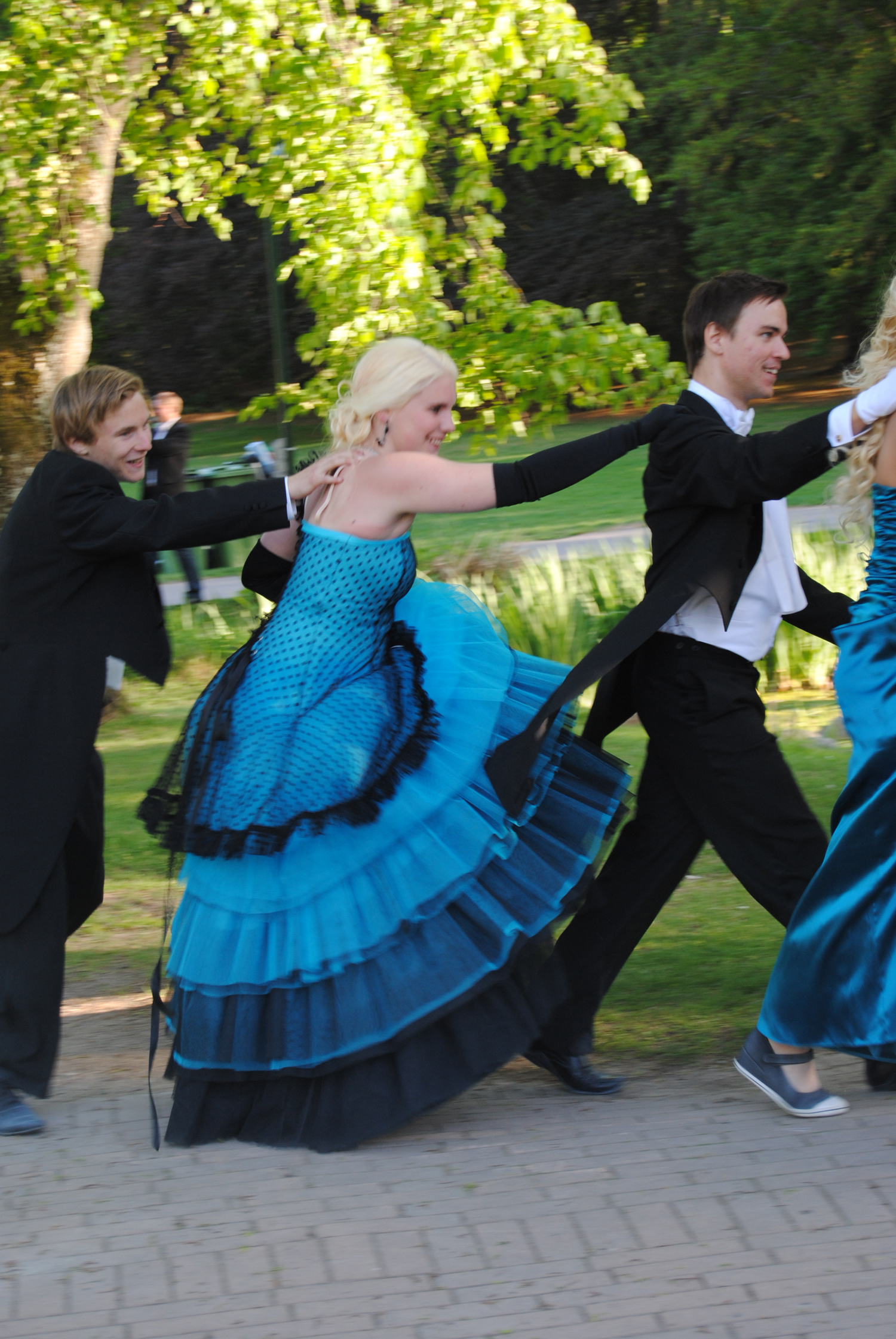
Then it was time for the prom.CIMG4987We had no difficulty finding her among the other dancers…

DSC_0067

DSC_0124

DSC_0121

CIMG5026

CIMG5030And of course i needed to fix the lacing one final time.

CIMG5039My three sisters, all in turquoise – not intentional.

DSC_0136

DSC_0152And then she was of for the dinner and following party.

Untitled-1 - KopiaThe dress was picked out of 250 pictures to be featured on the front of our local newspaper.