And here comes the final part of the making of my new 17th century bodice. (Part 1 & 2)
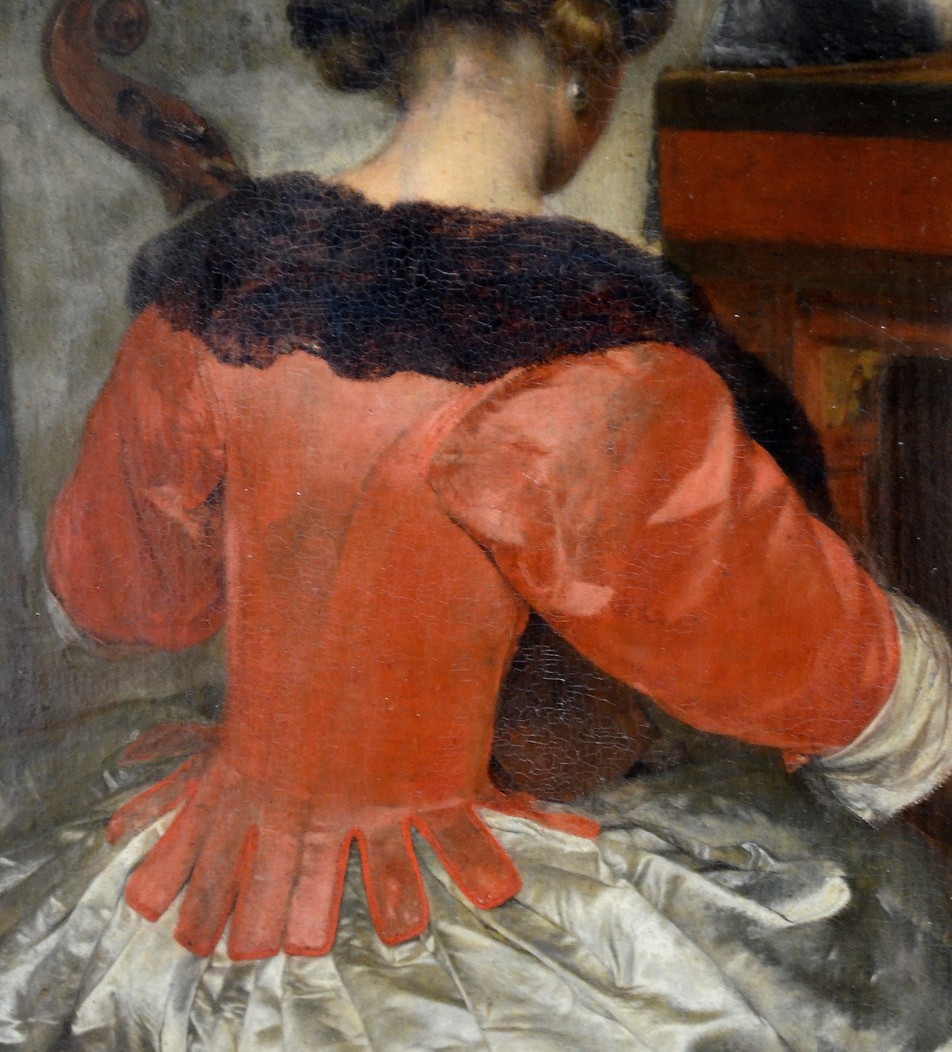
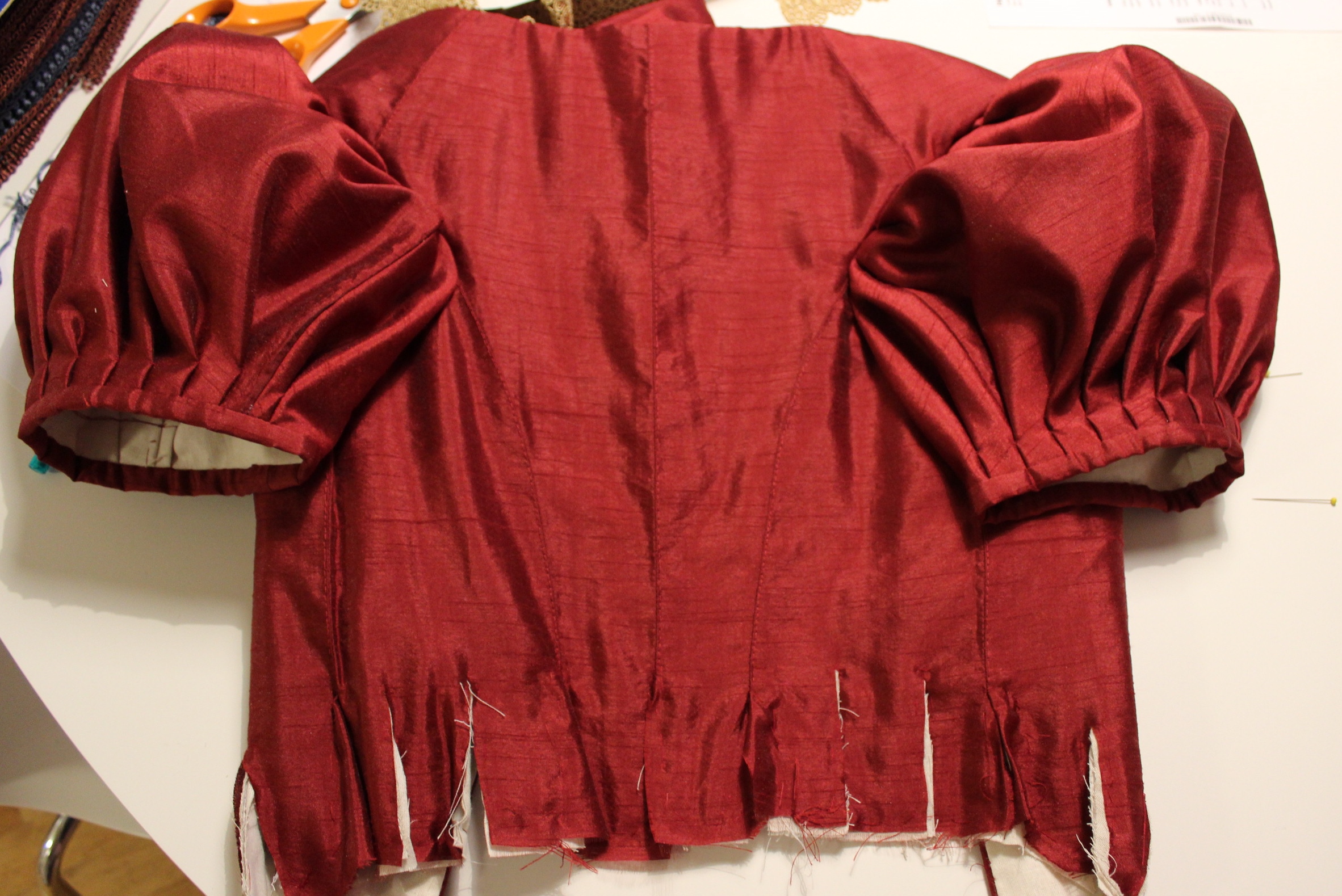
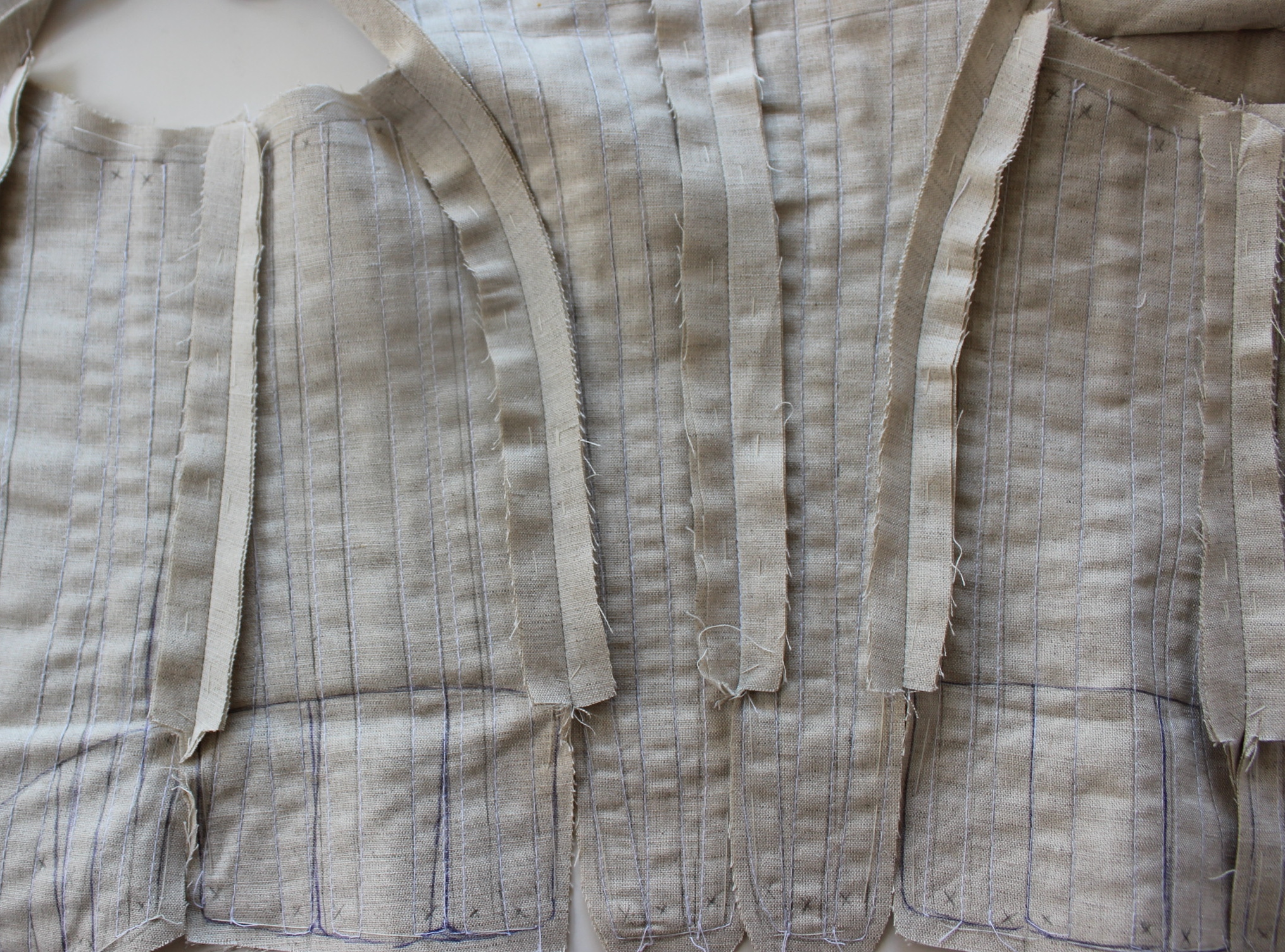
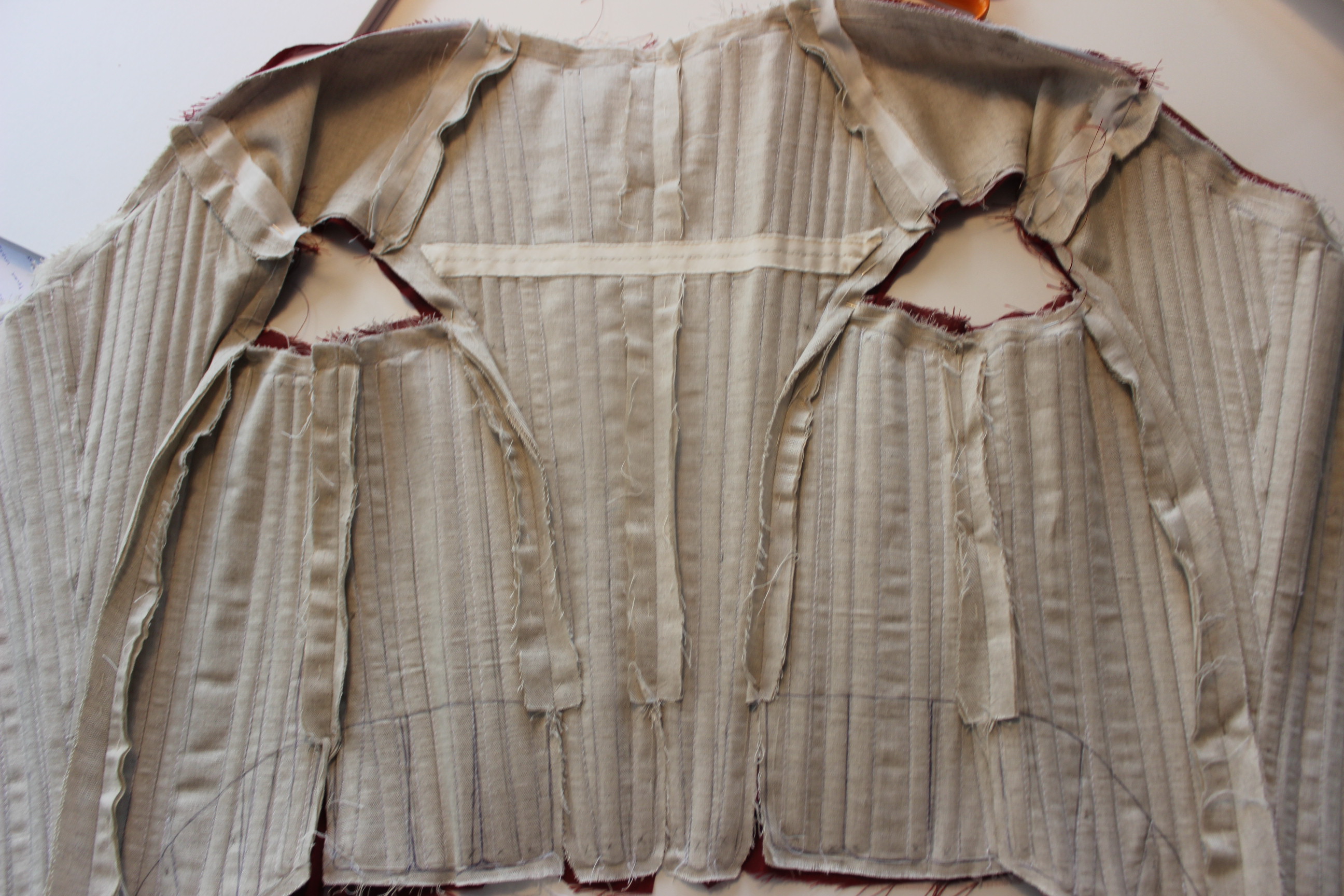
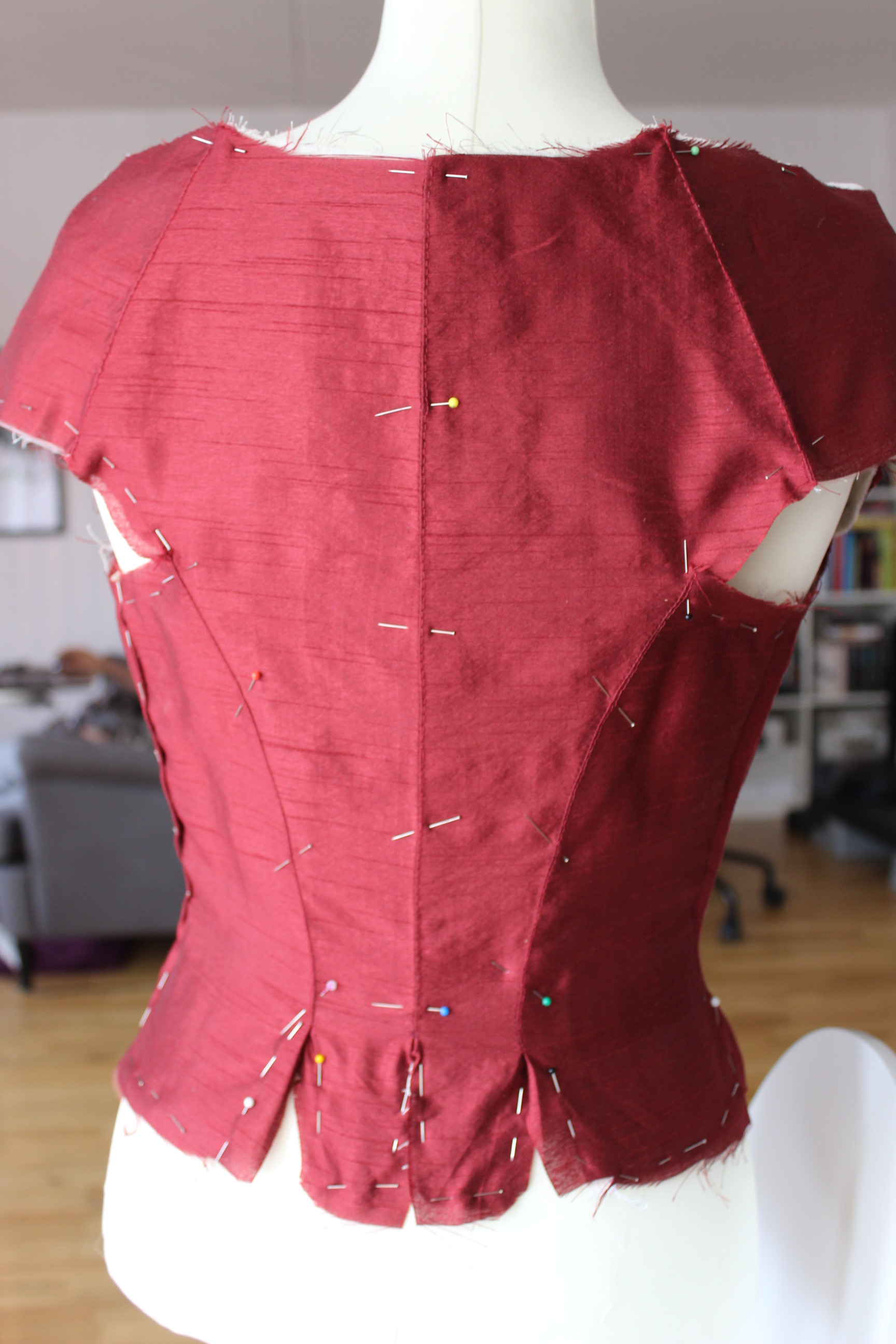
Once the outer fabric, lining and sleeves where set it was time to deal with the tabs.
(Every stay makers dread)
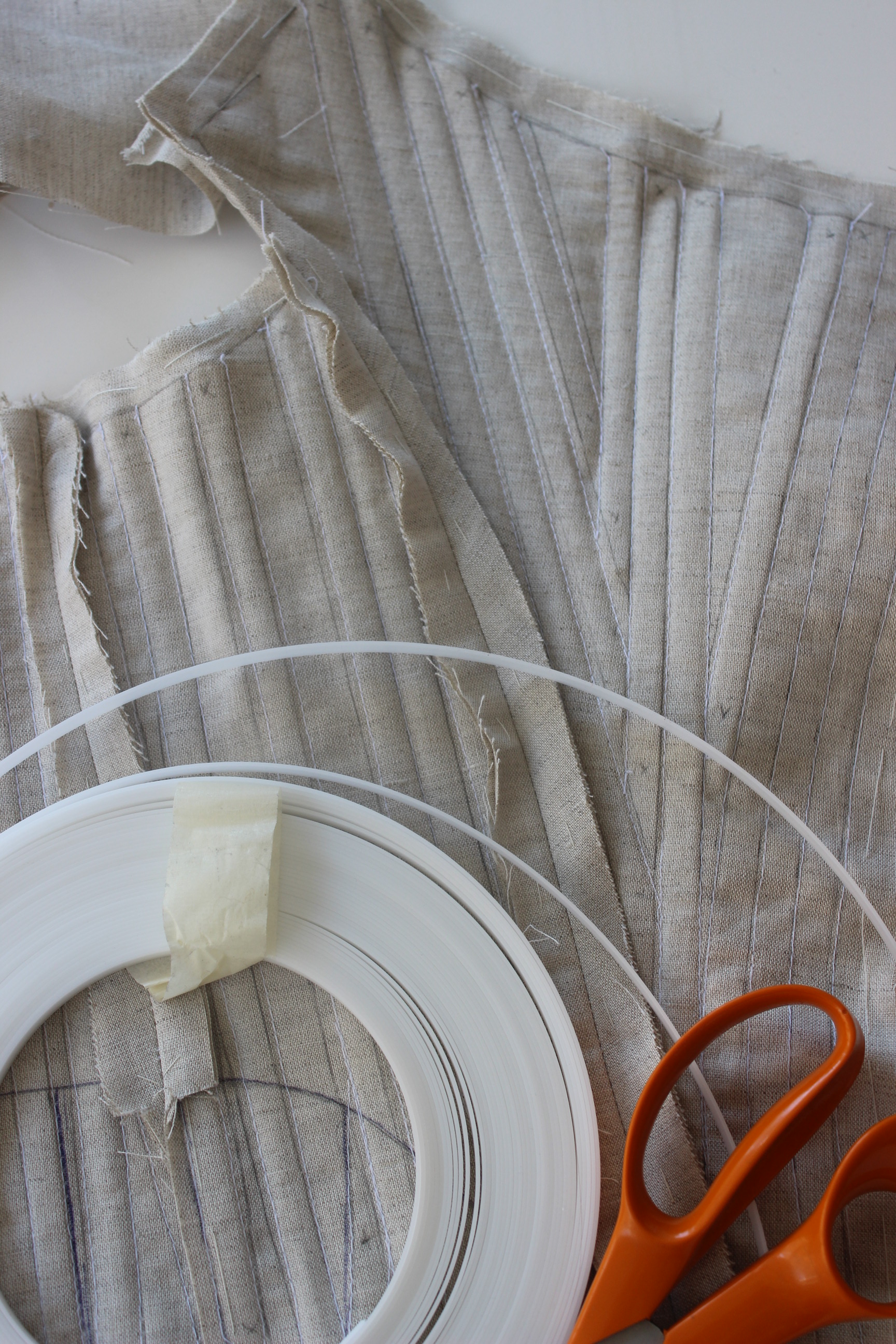
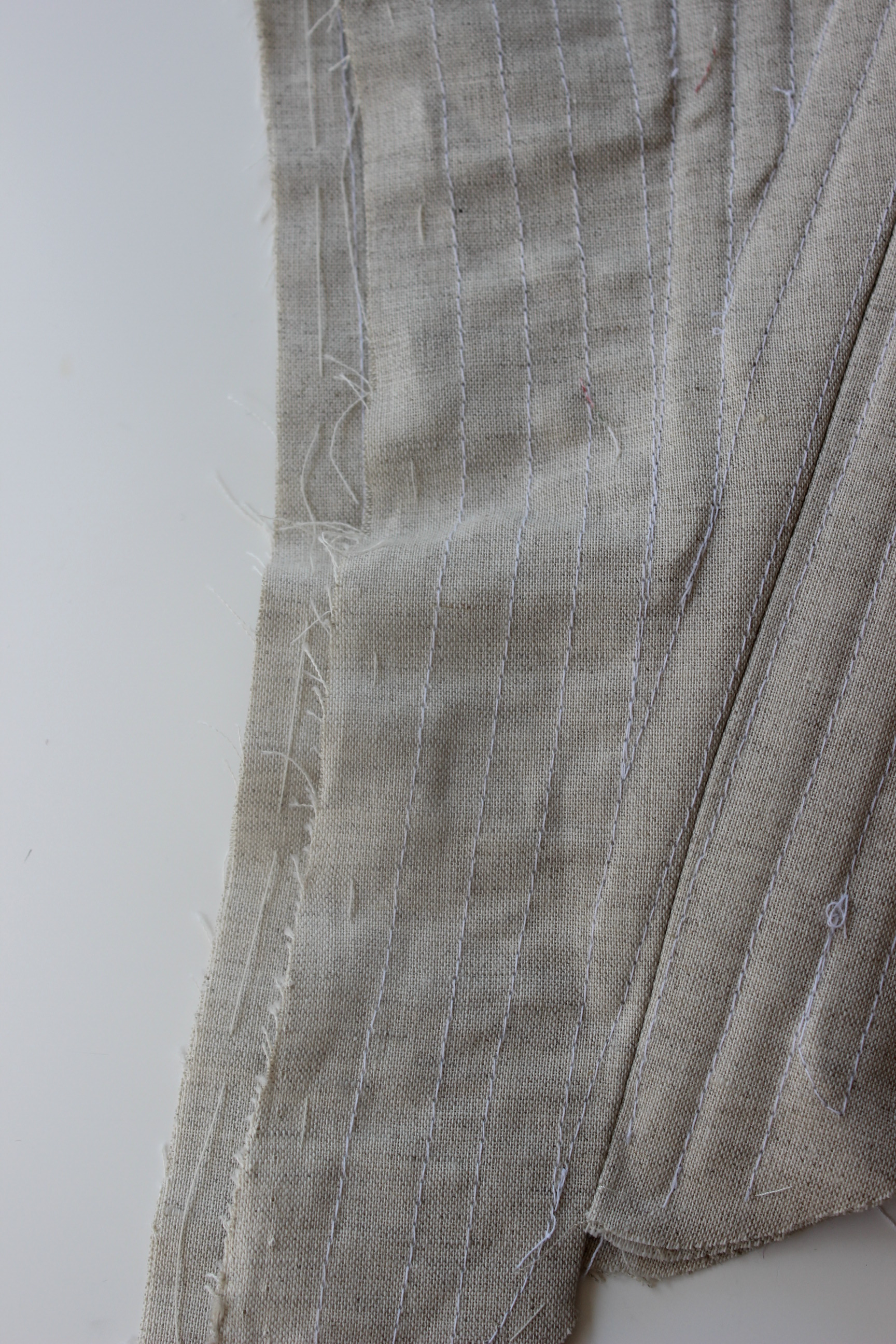
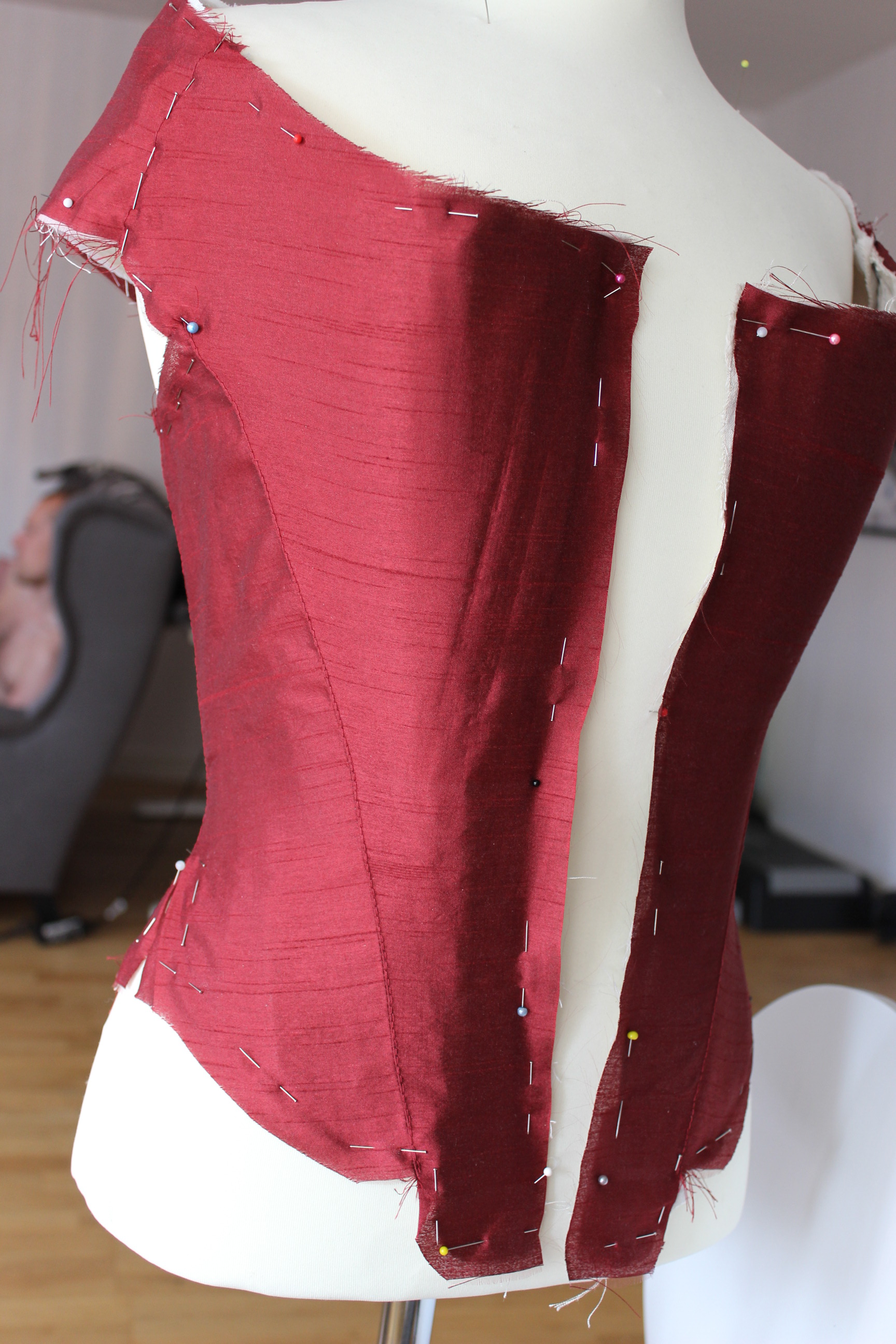
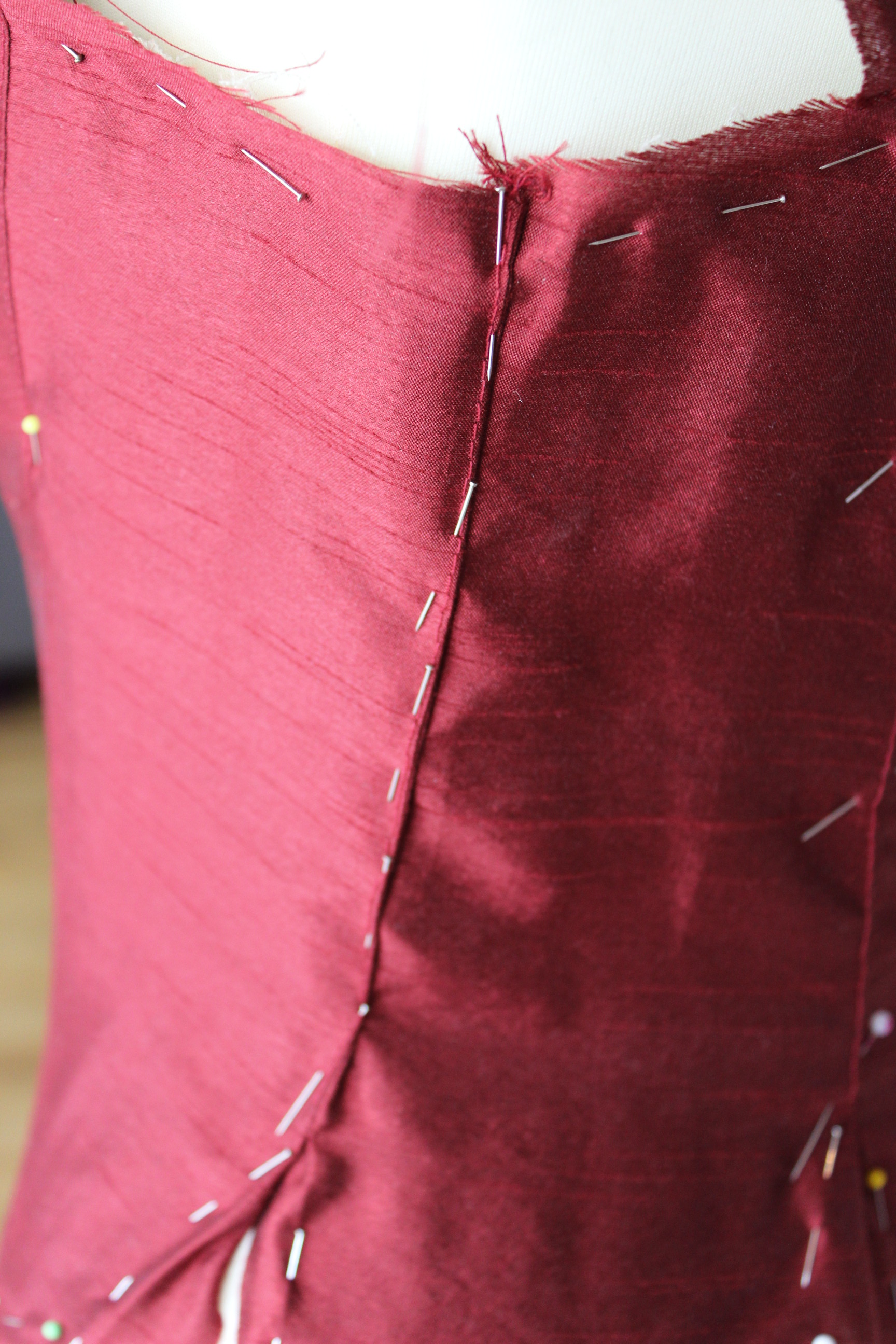
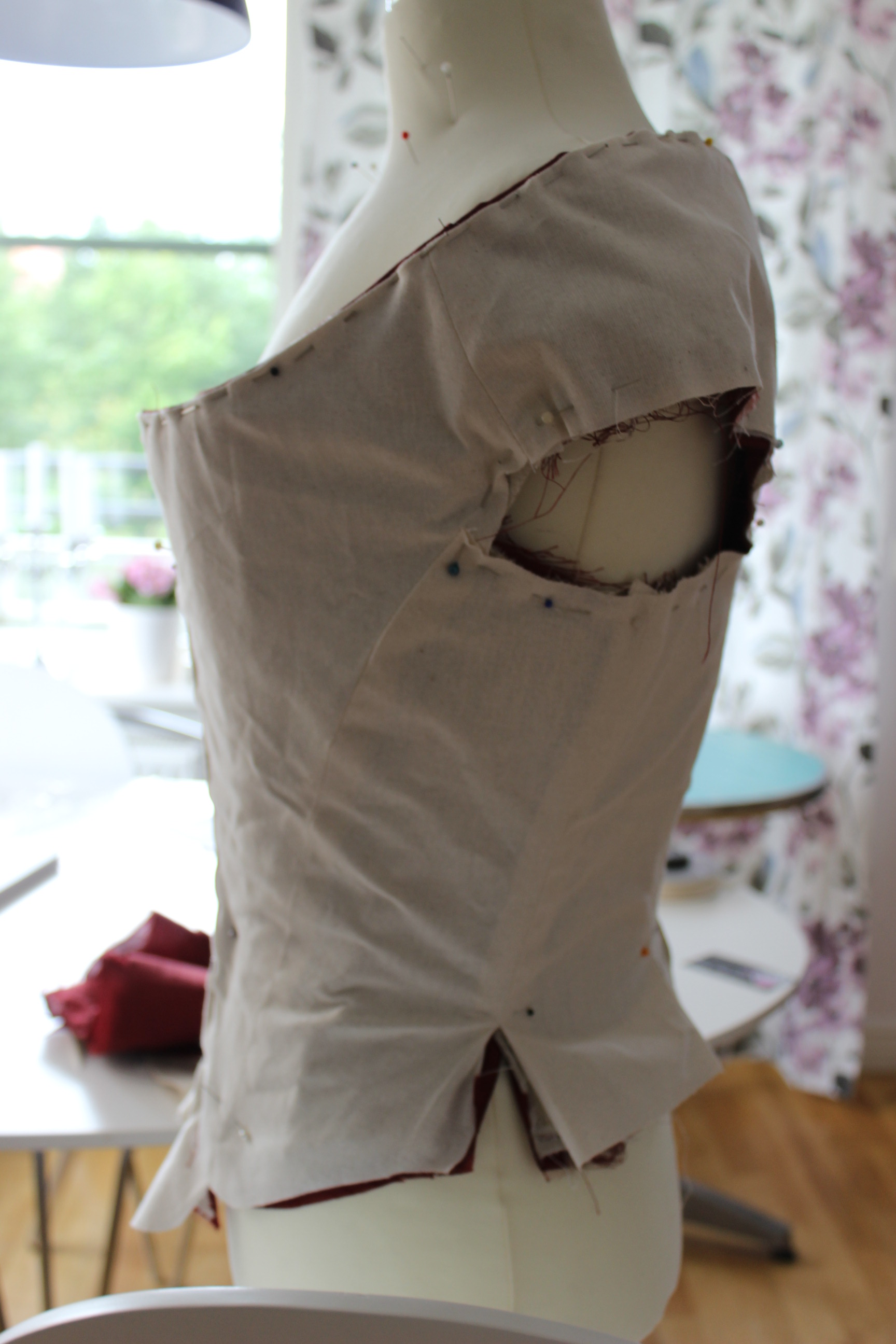
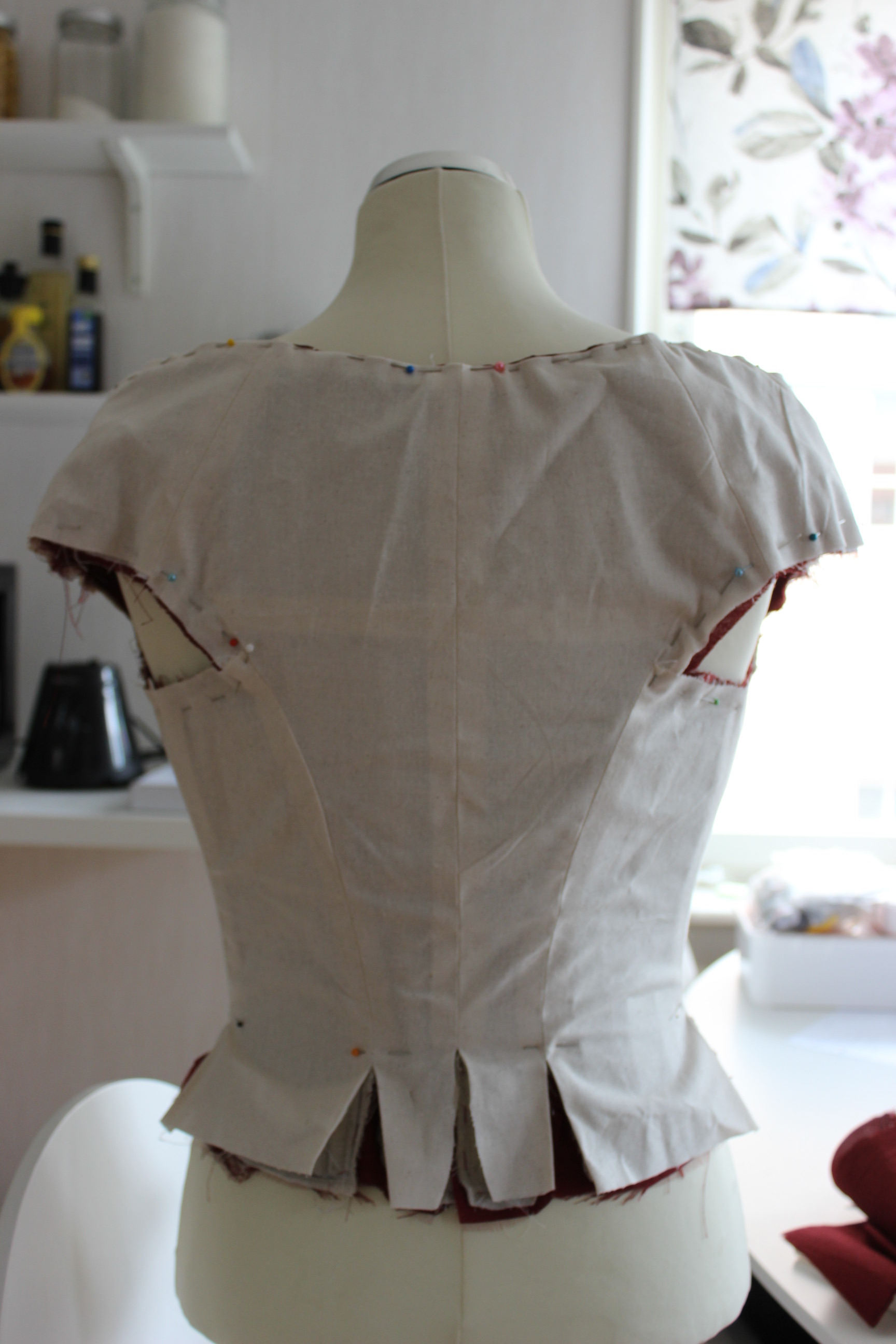
I started by cutting them open and then I pinned the three layers together, and basted
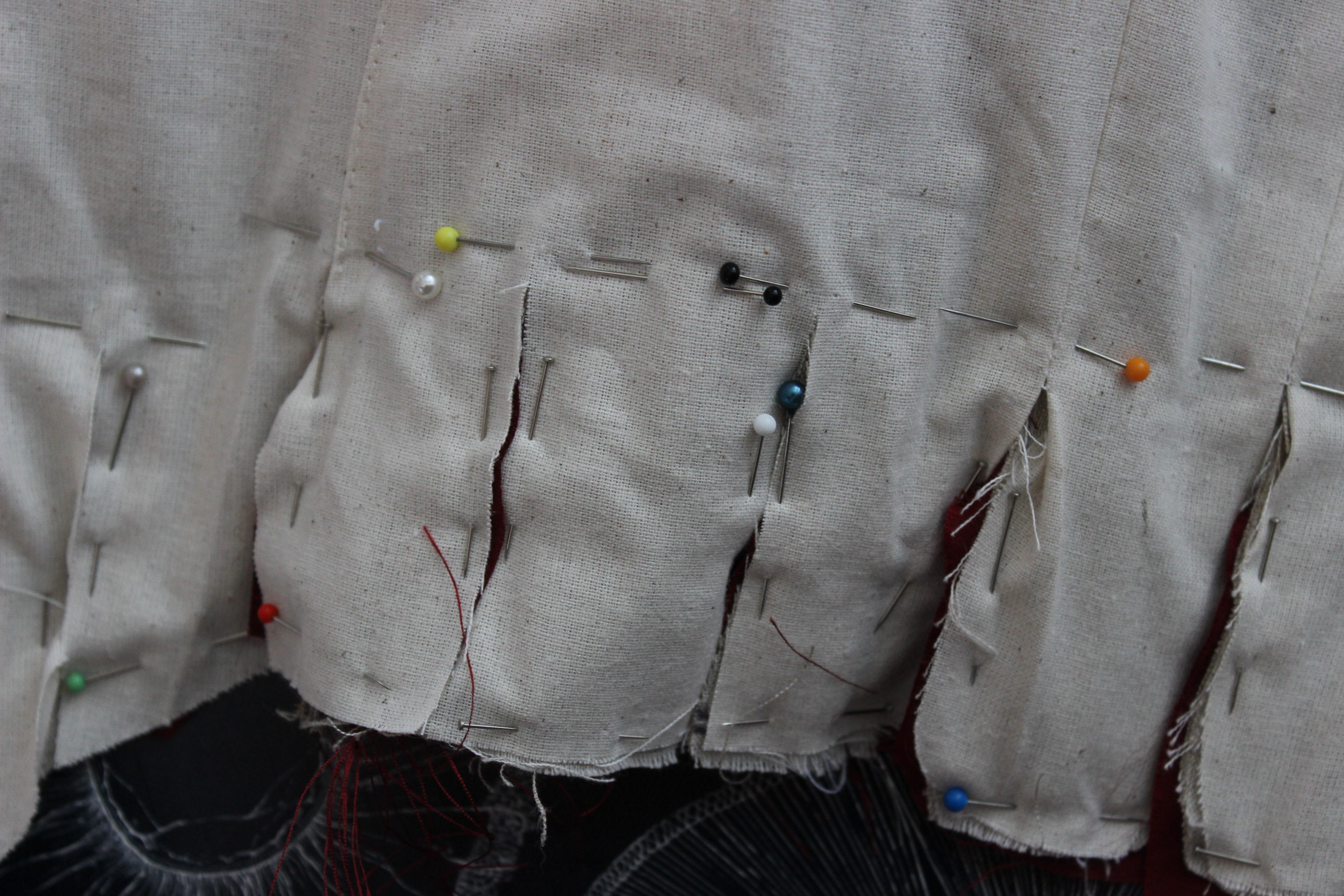
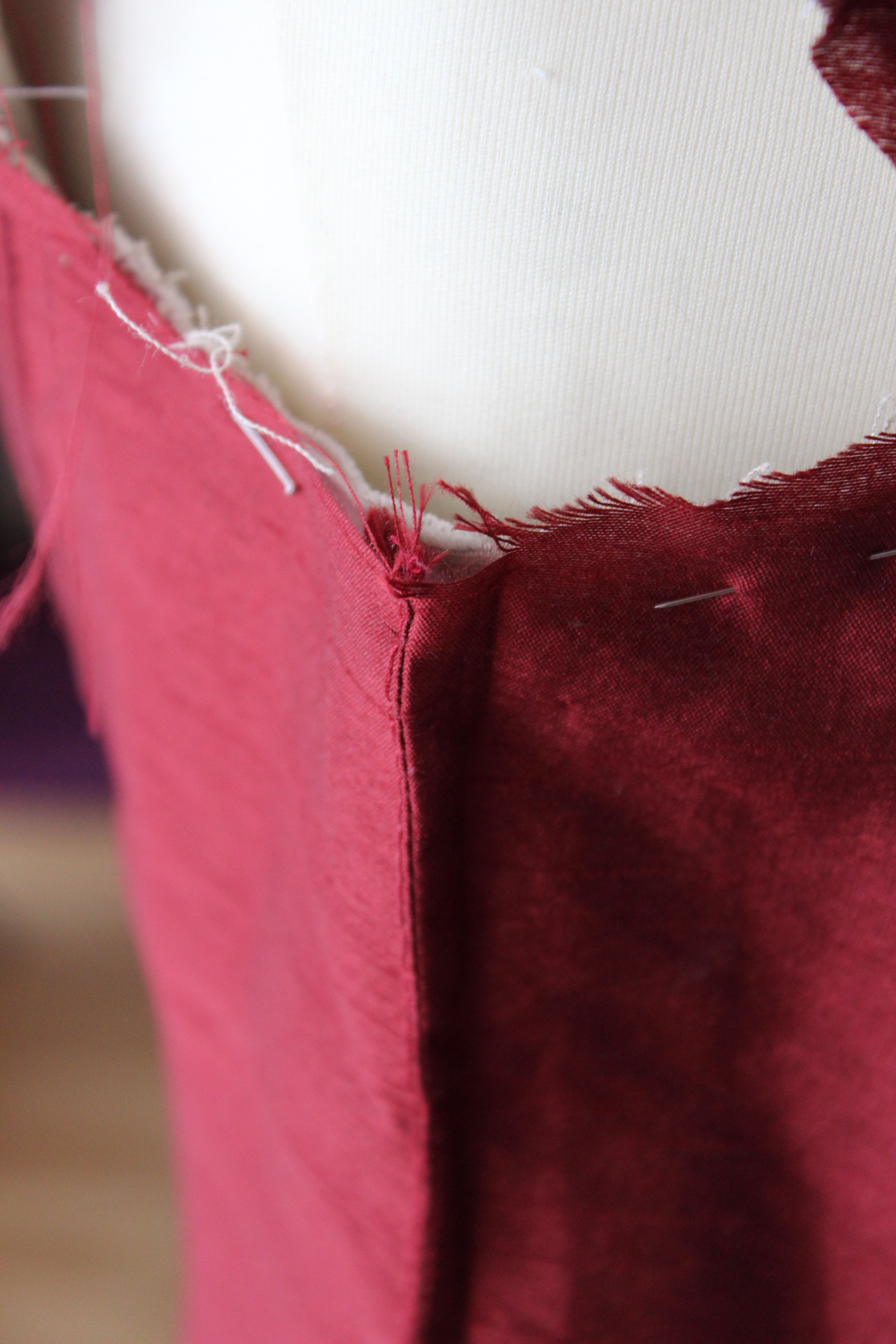
I ran into some problems when turning the front edges under, and no matter what I did they came out awful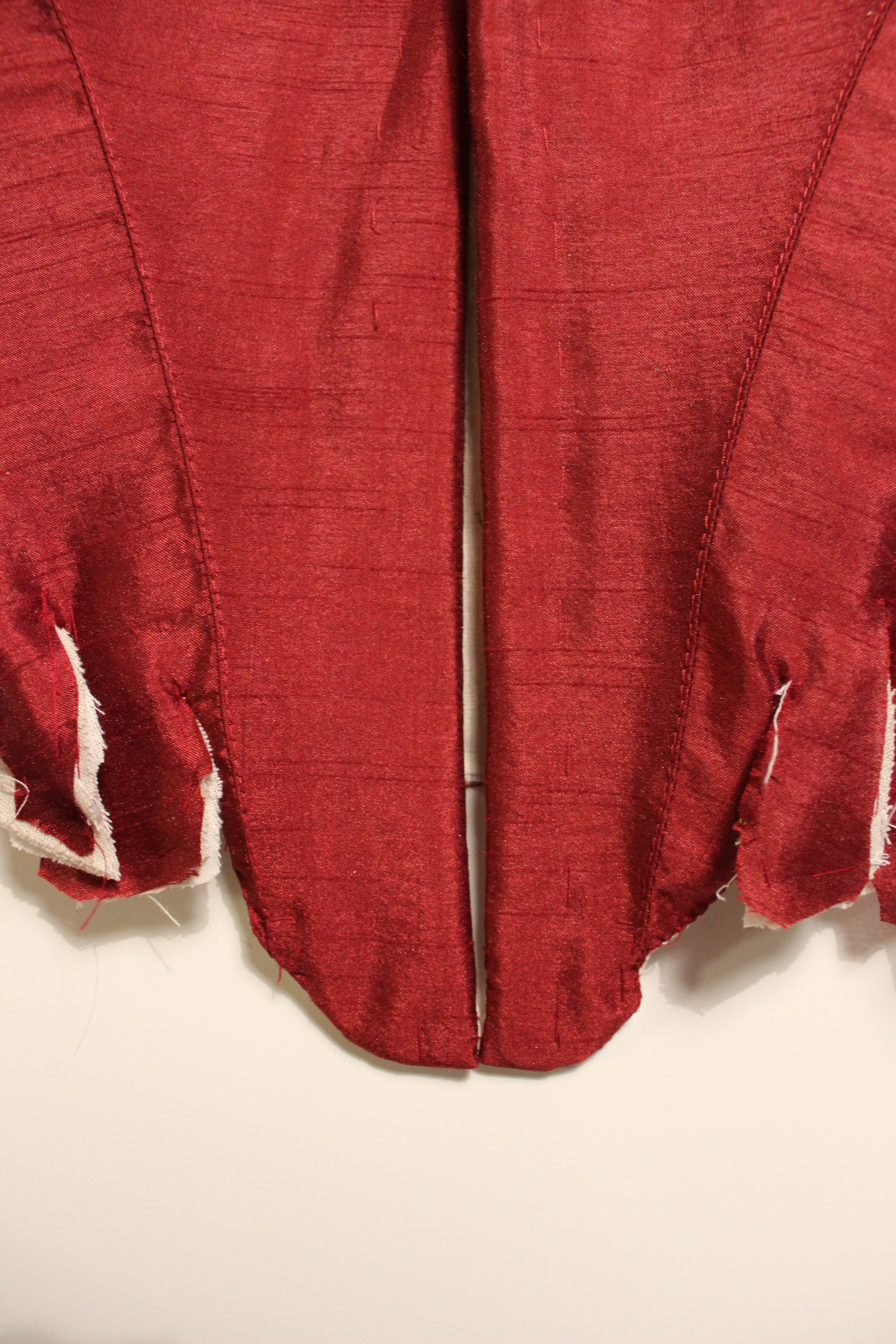 This is seriously my third re-do, and unfortunately the best of my tries.
I had no idea how to fix i and the problem caused me to loose steam (and love) for the project.
After some nights to cool of and think, I figured to just hide it.
So I went trough my stash and found some lovely golden lace, to see if that would do the trick.
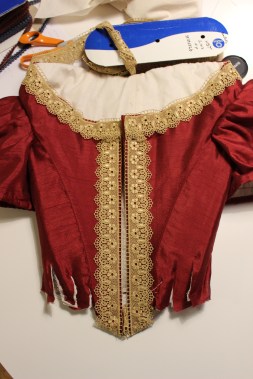
In the end I decided not to use the lace, even though I still think it looks stunning (maybe something for a later date).
Once I excepted the less then perfect front, it was time to start covering the tabs.
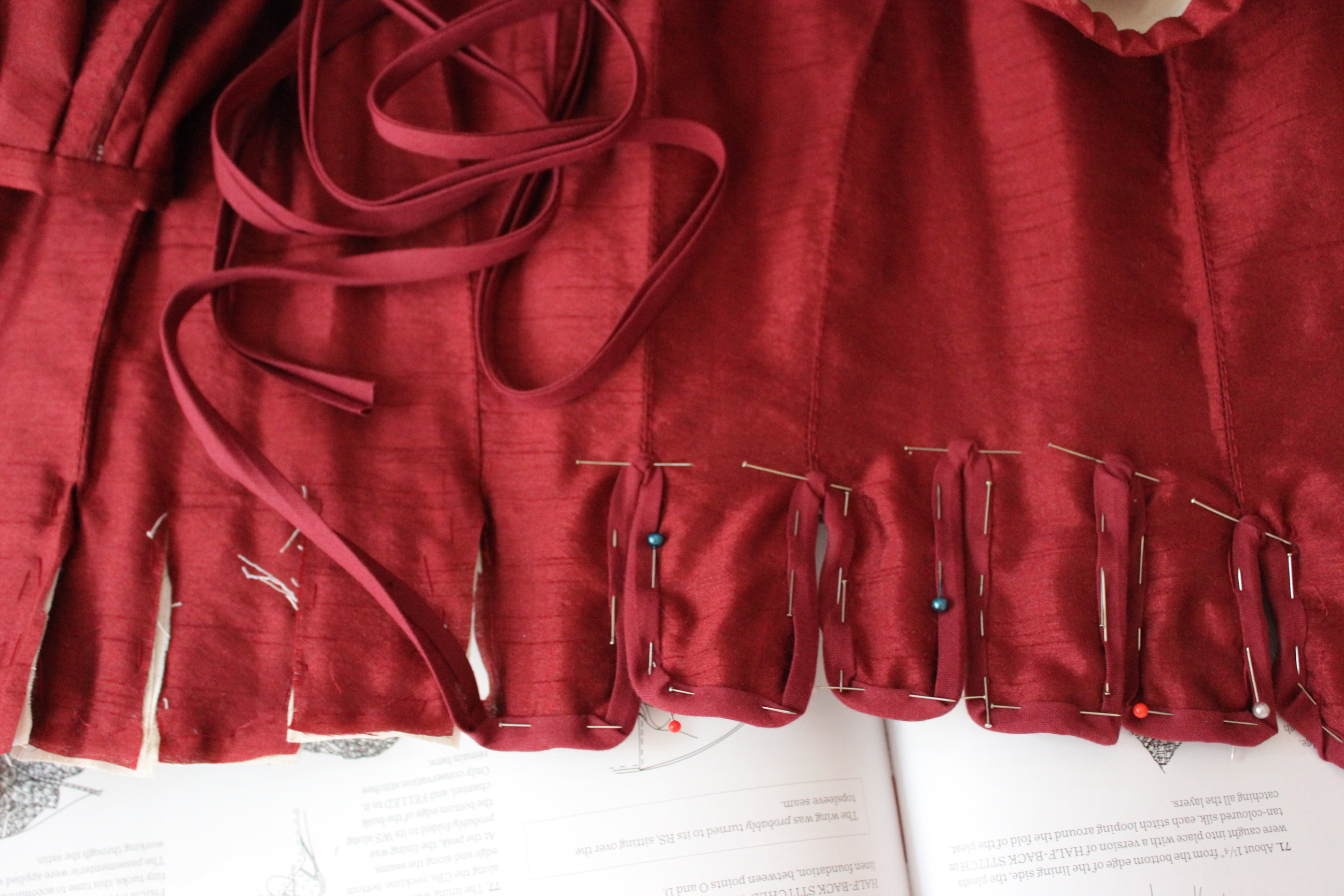
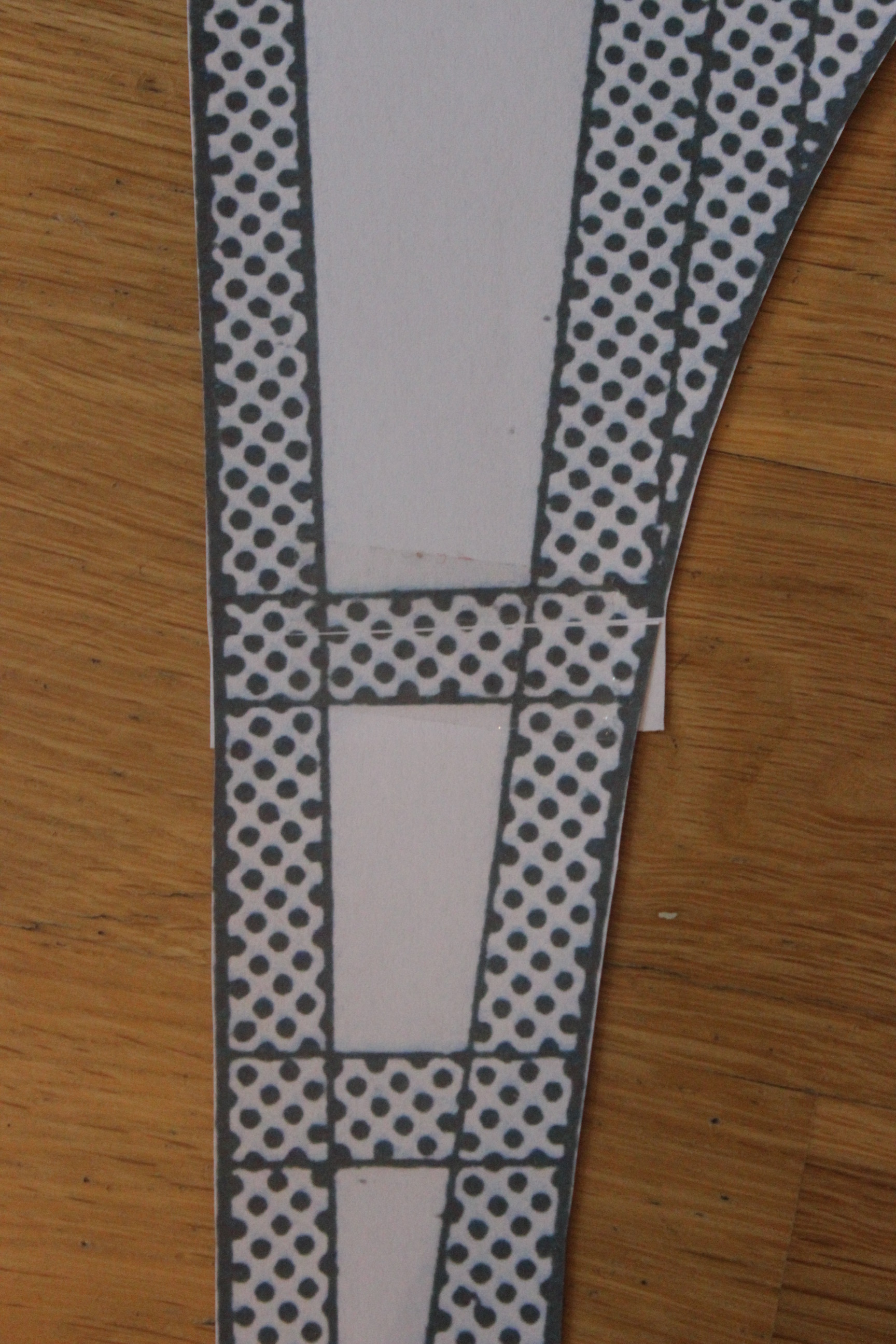
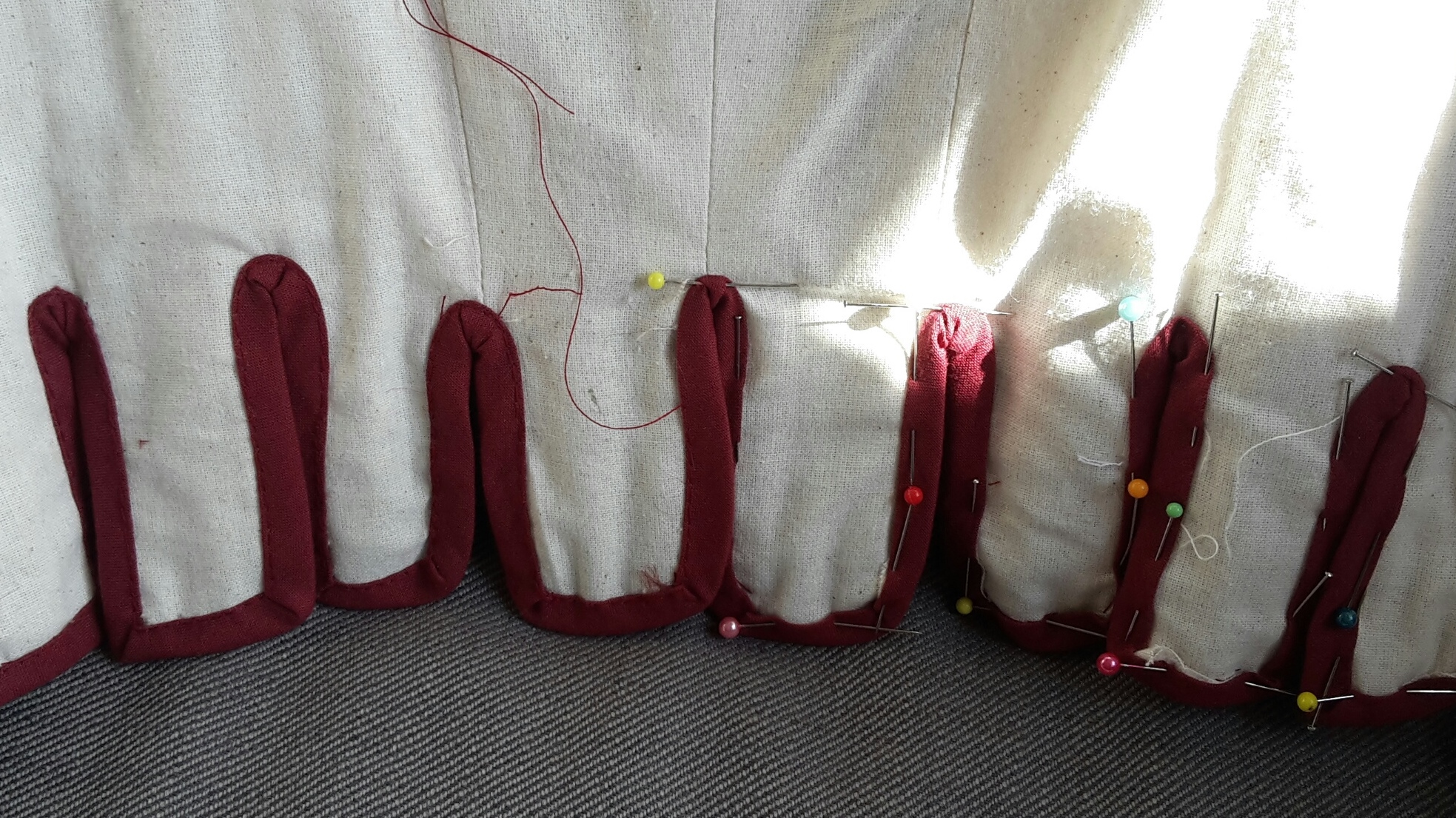 I used red cotton bias-tape cut to a smaller size.
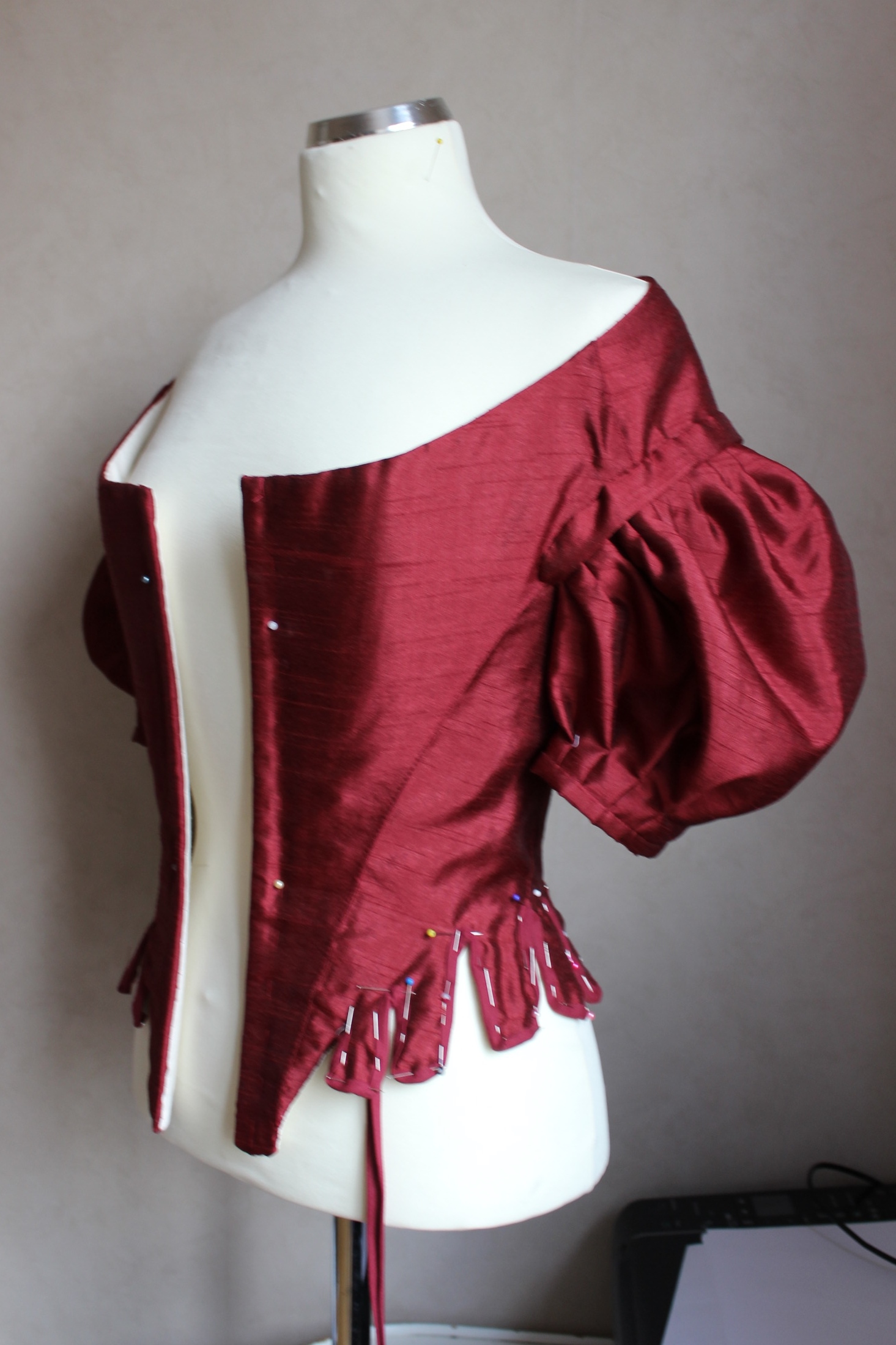
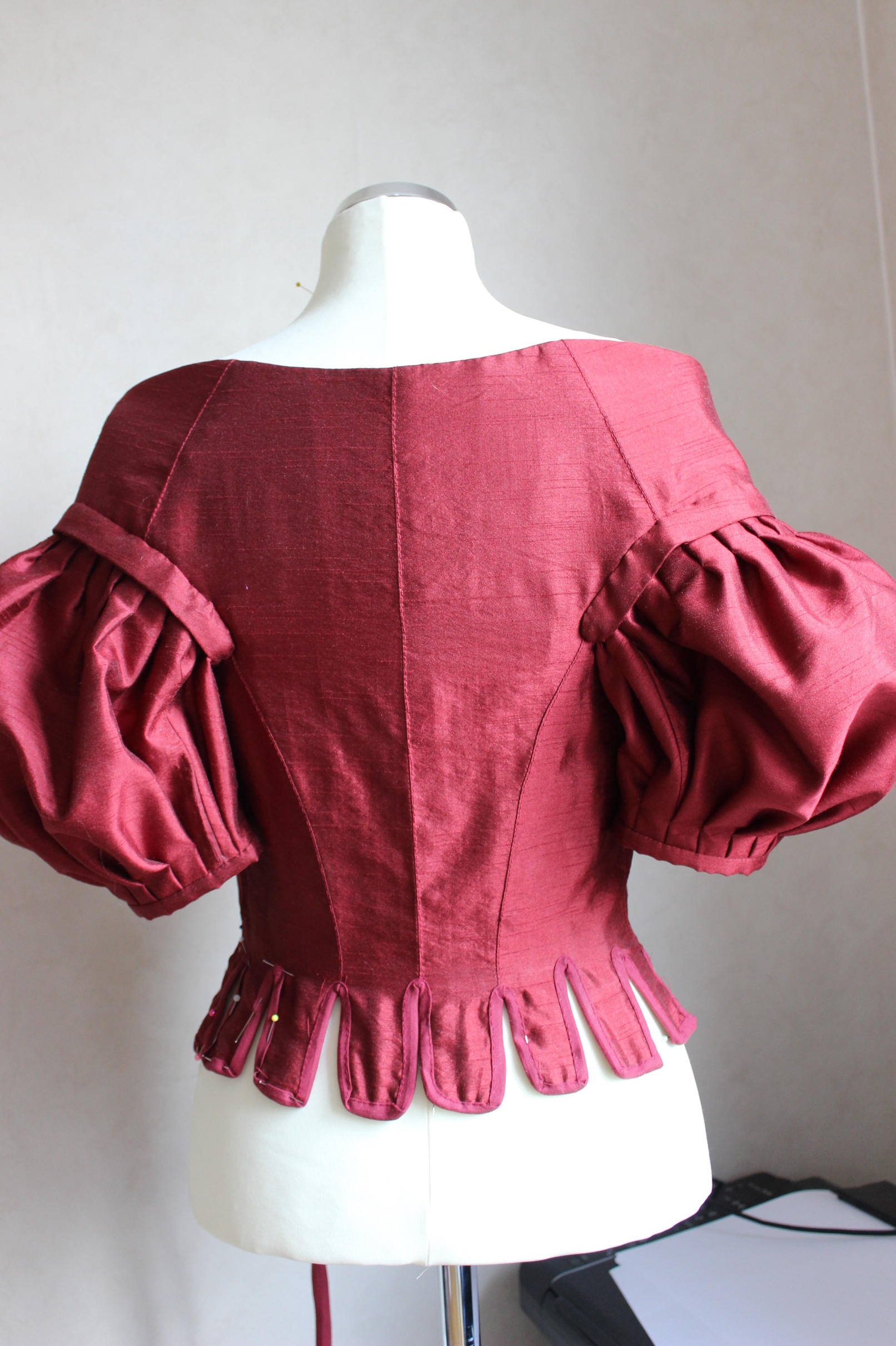
Starting to look like something….
But a lot of work remained.
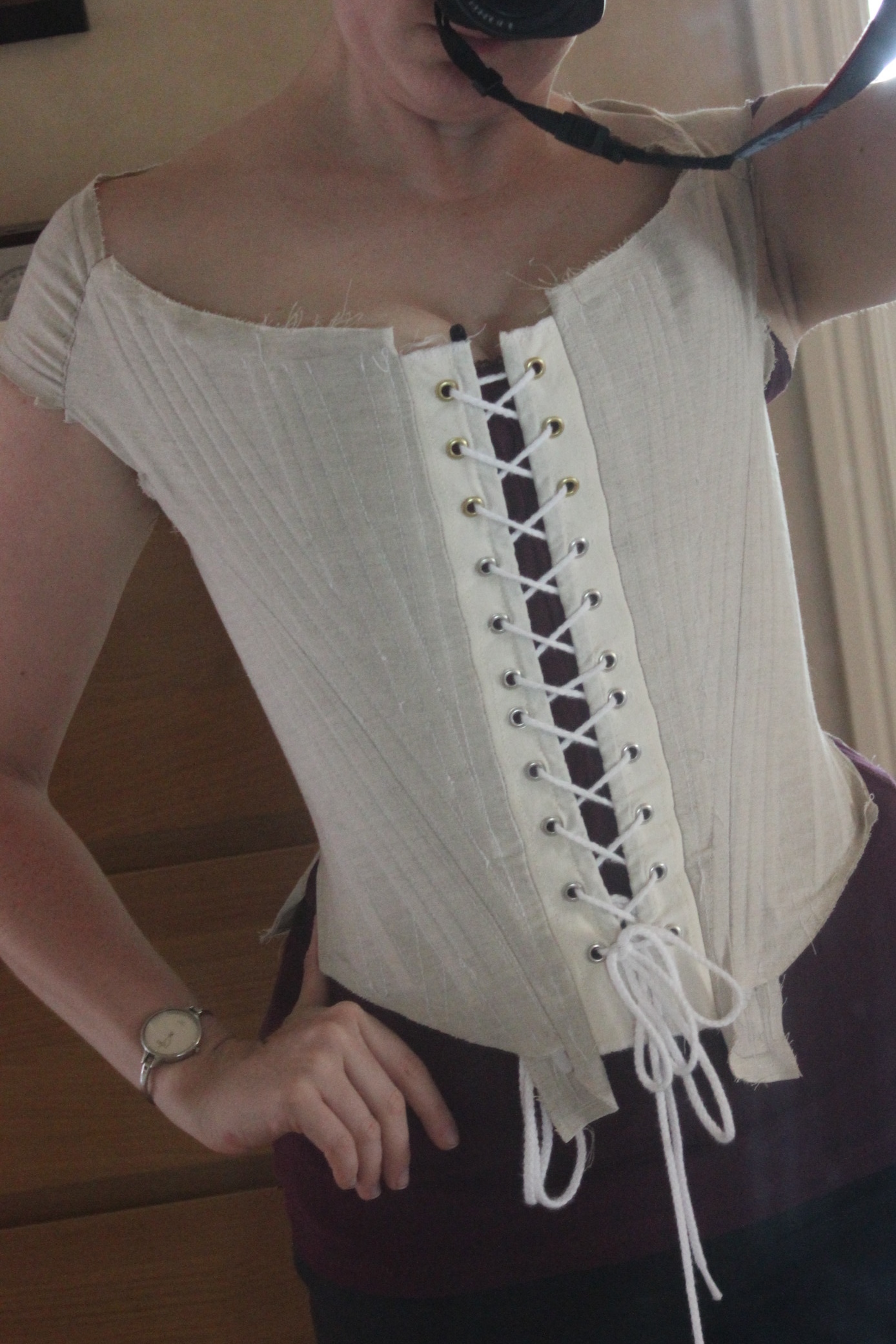
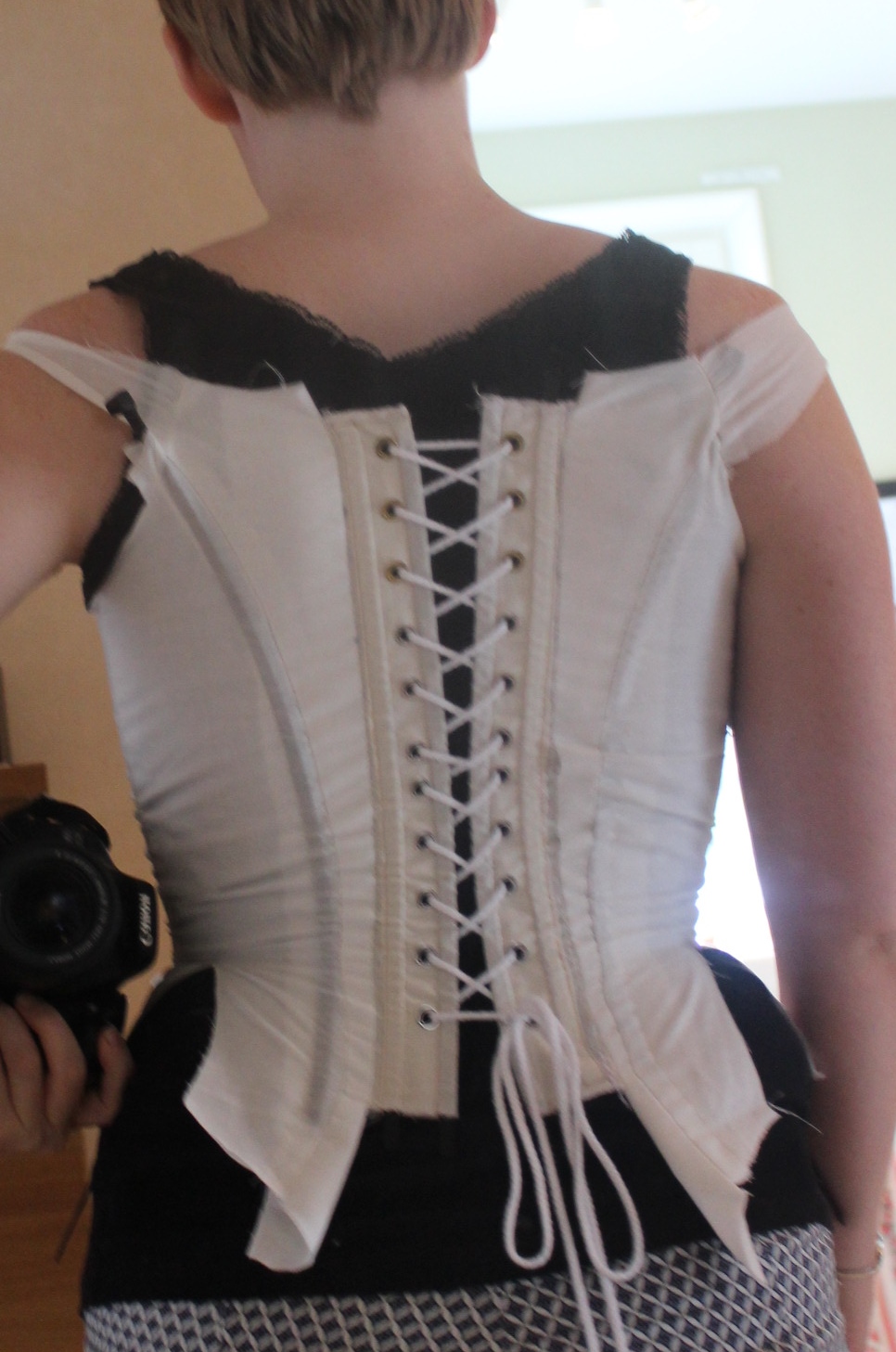
The last thing to do on the bodice was to make all the lacing holes.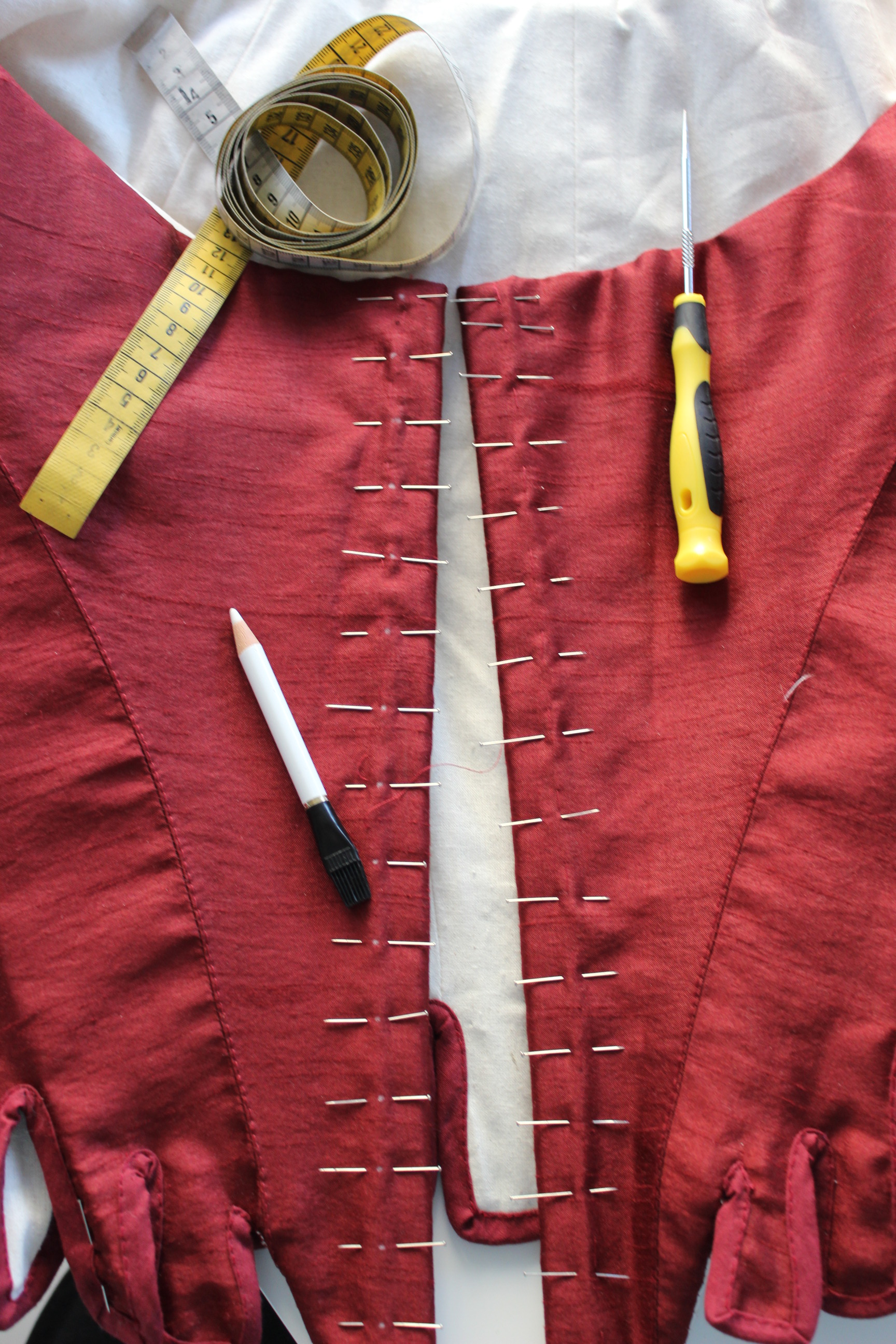 I use pins to mark the distance before I use my chalk-pen
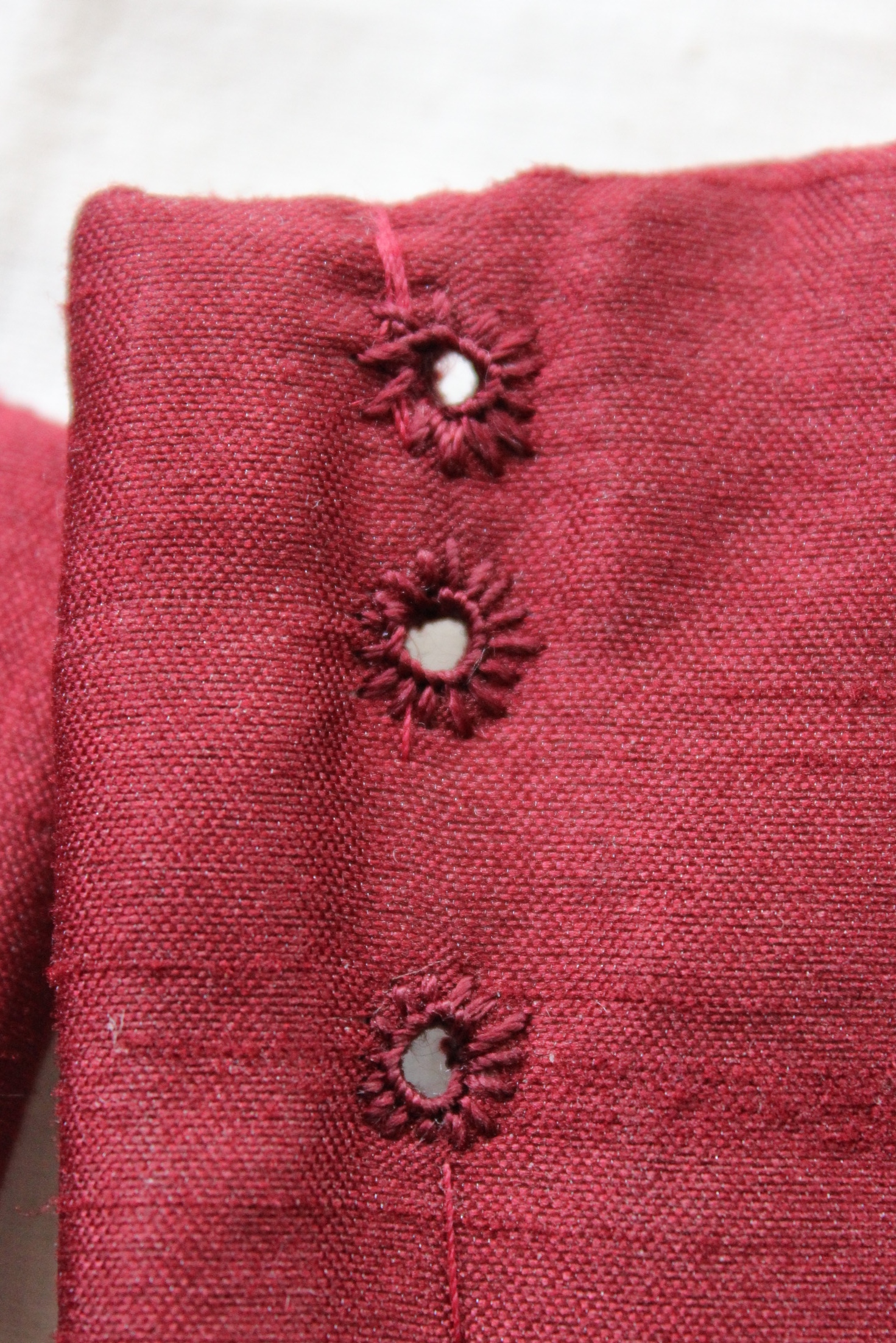 Practice makes perfect.
Ok, not yet perfect but pretty decent looking eyelets if I may say so myself.
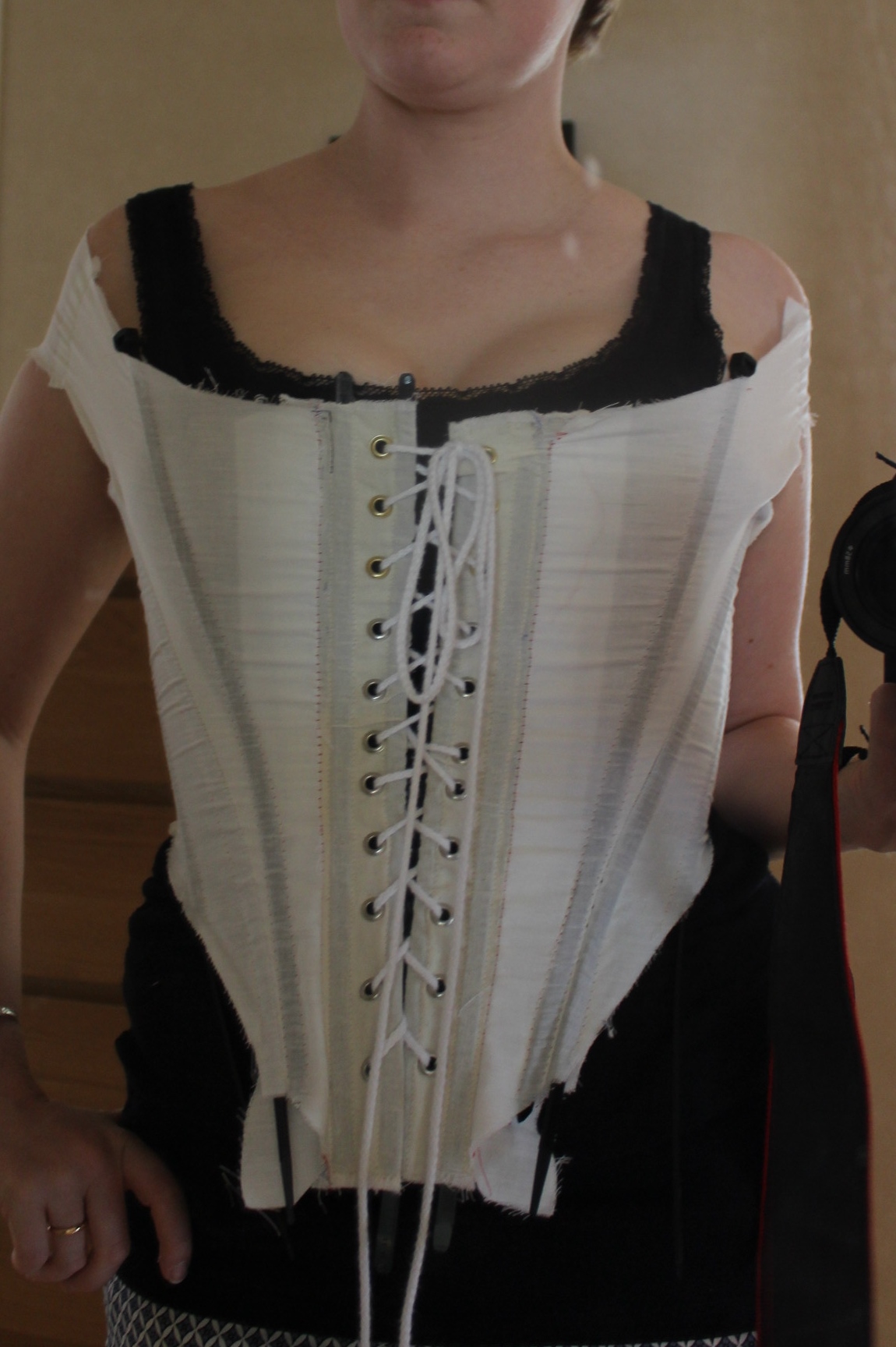
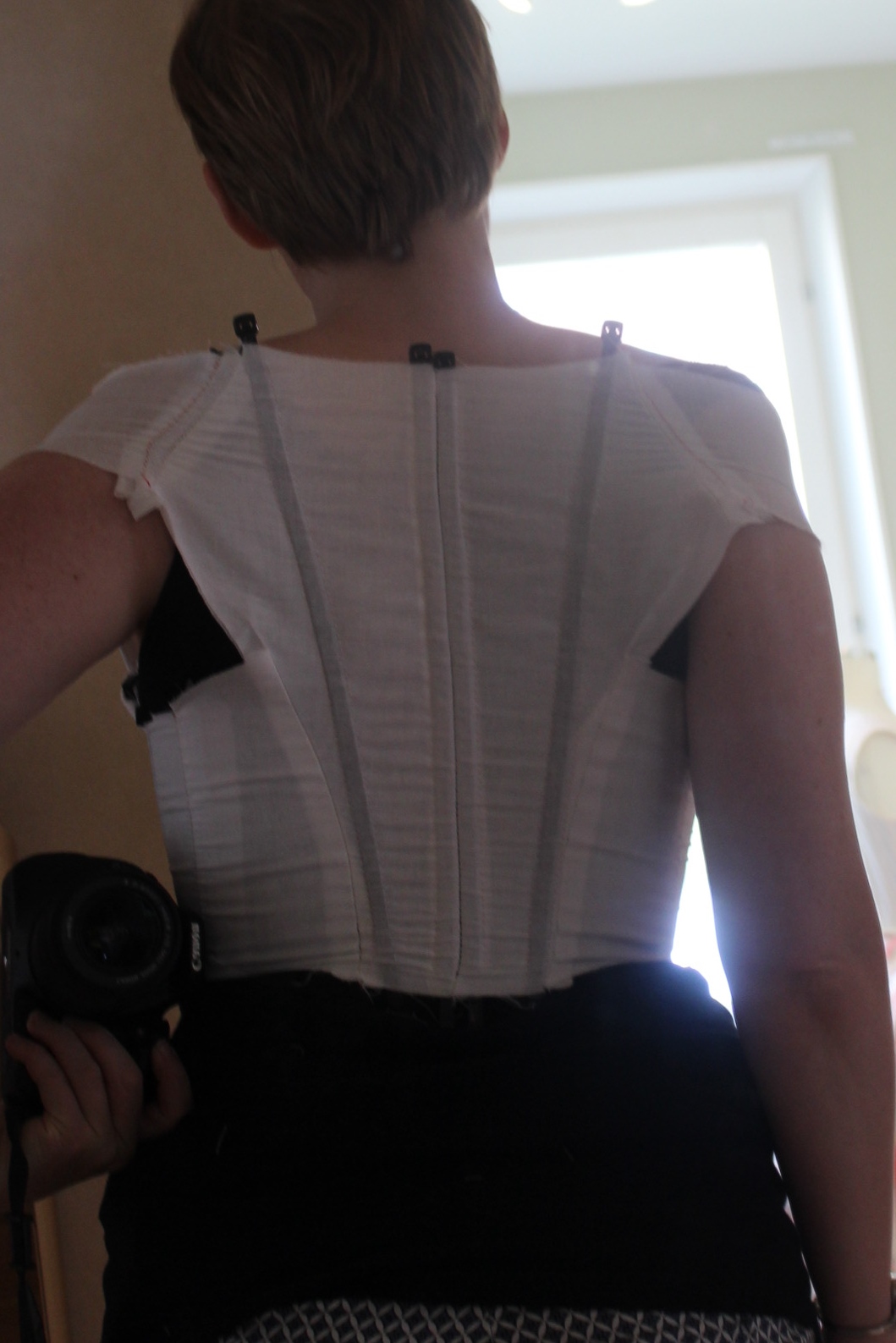
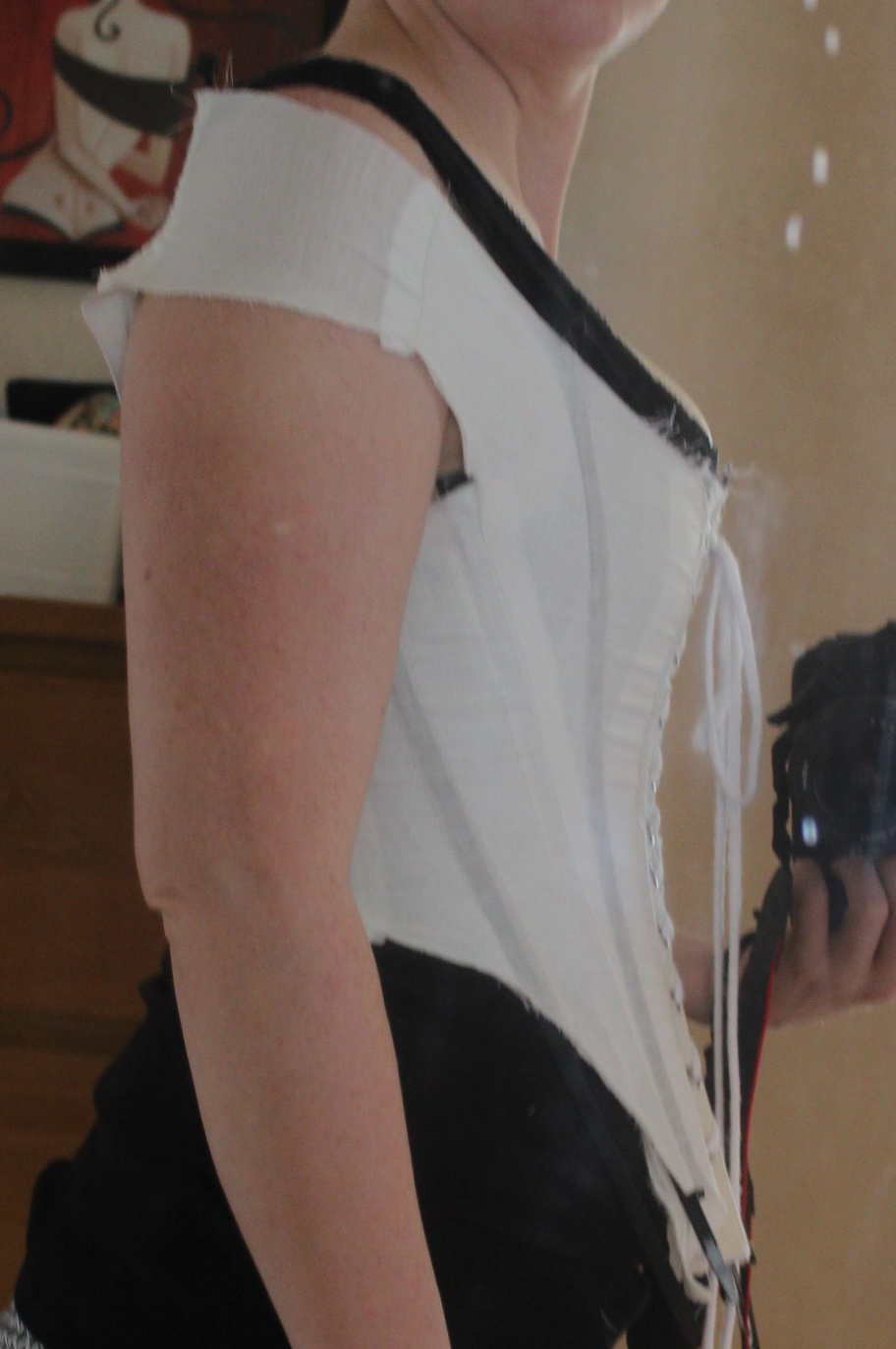
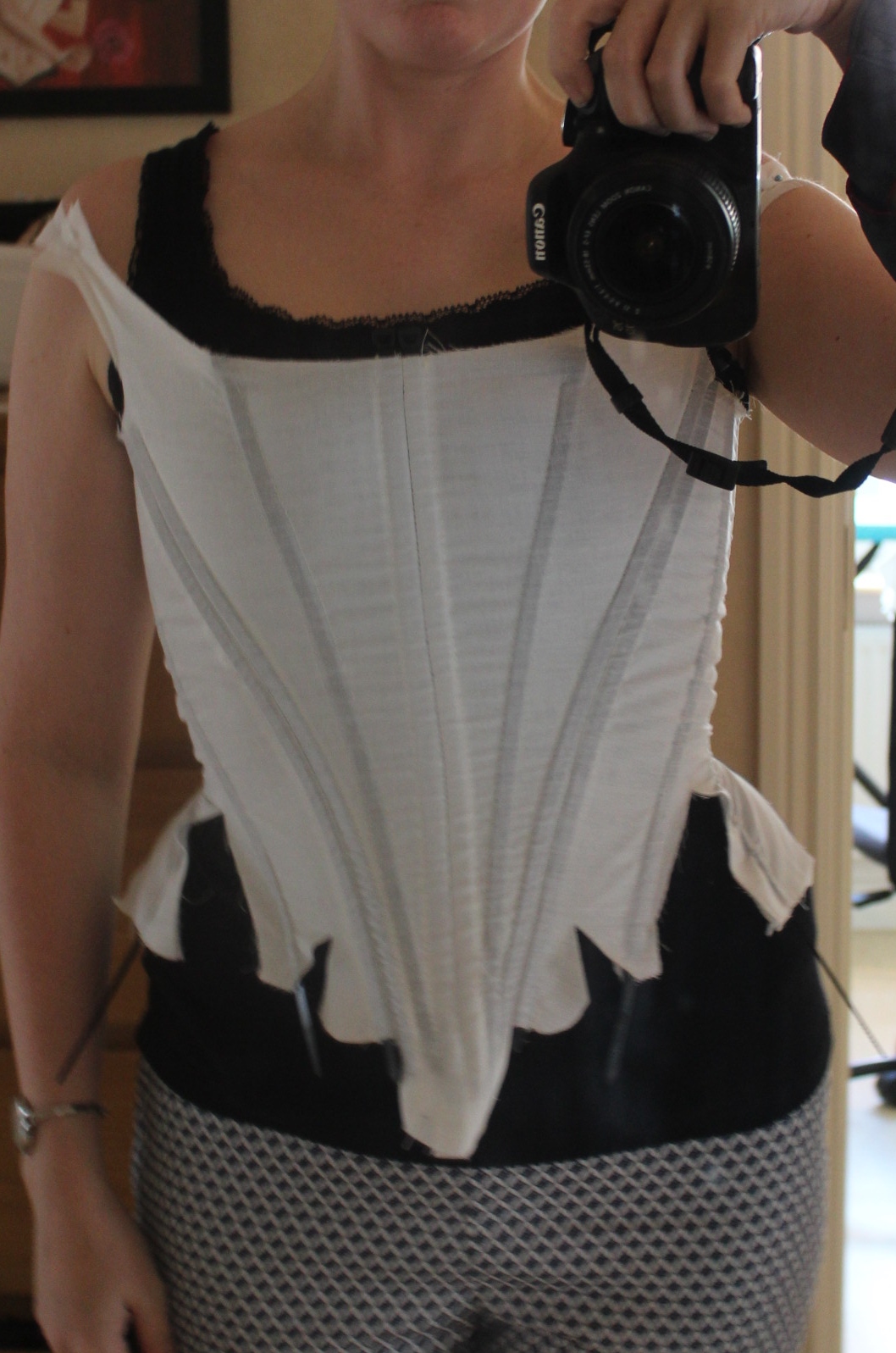
Then the only thing left to do was to try it on a last time…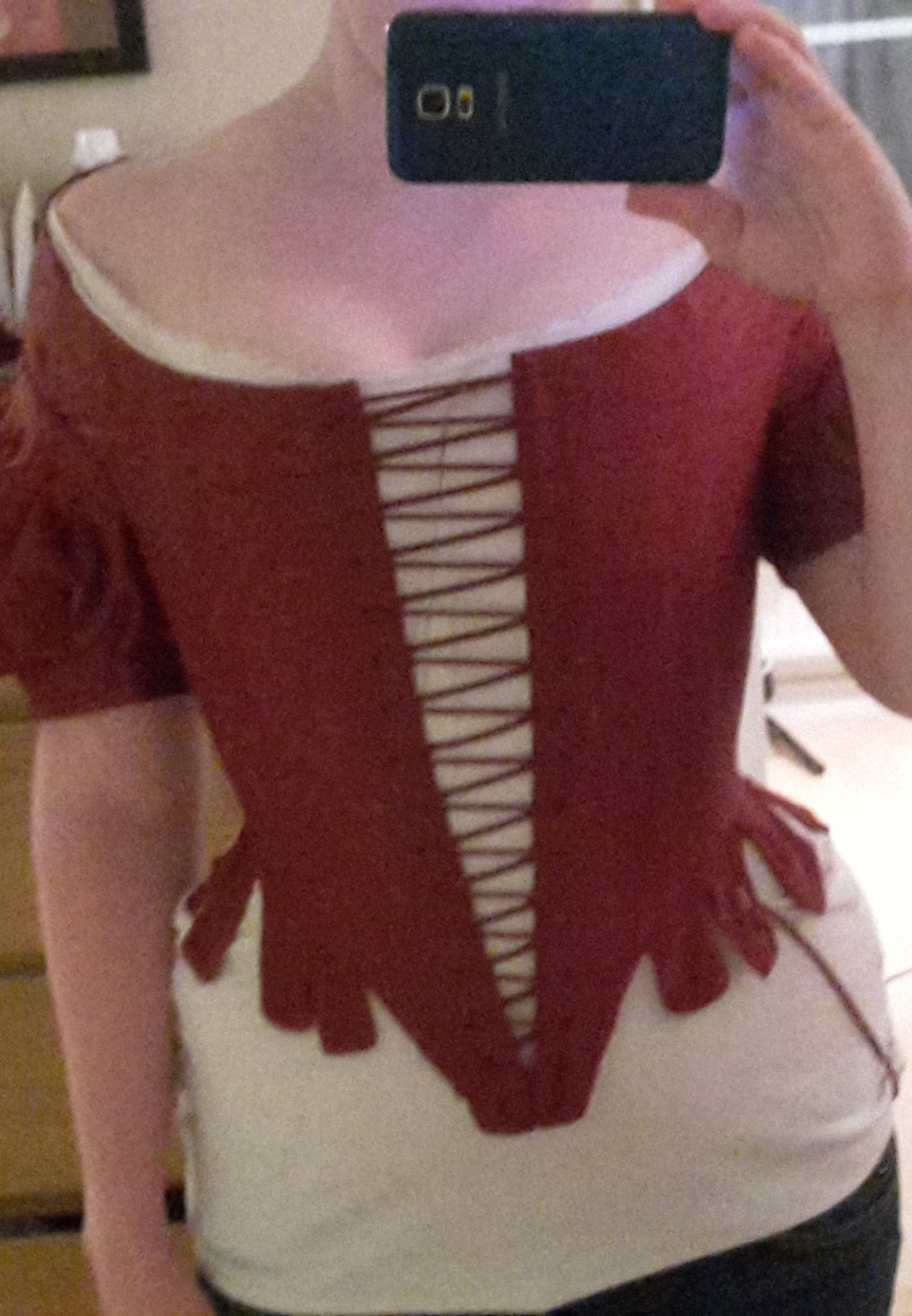 Crap…
Crap…
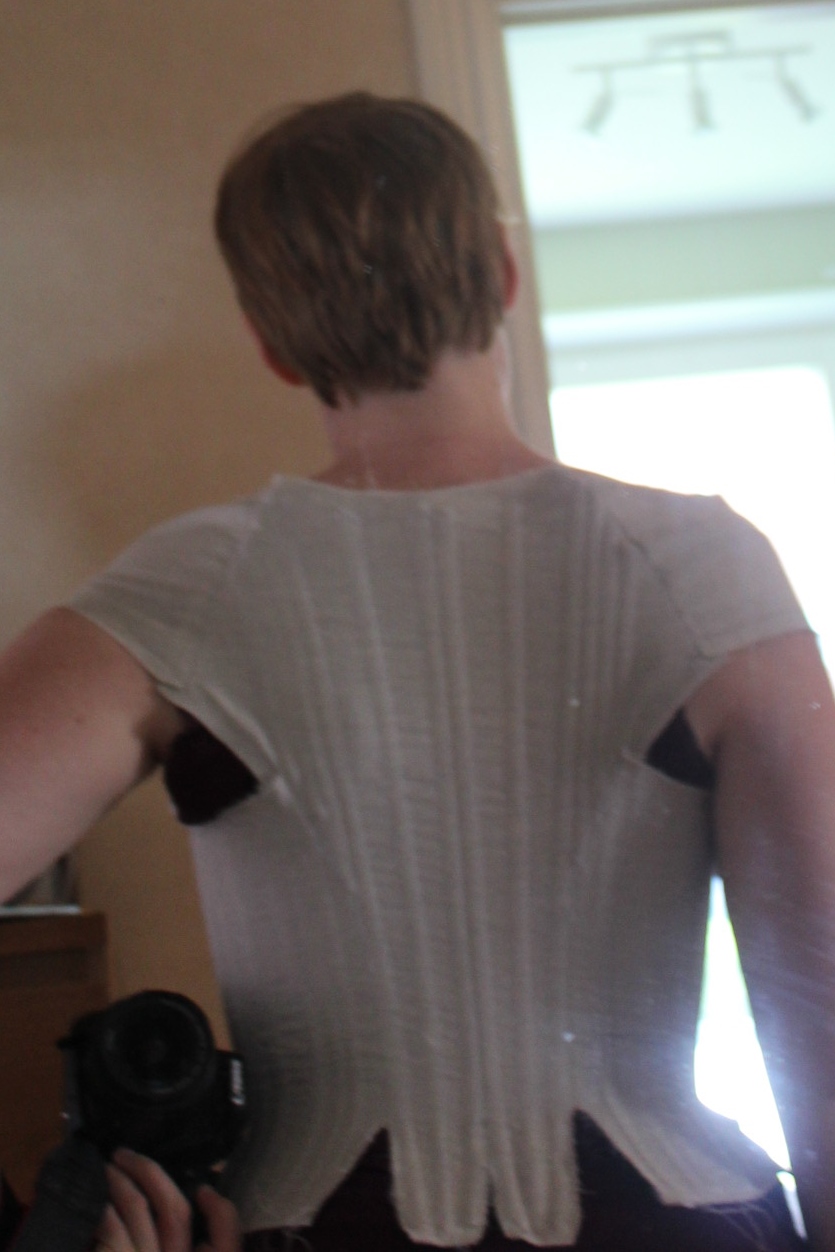
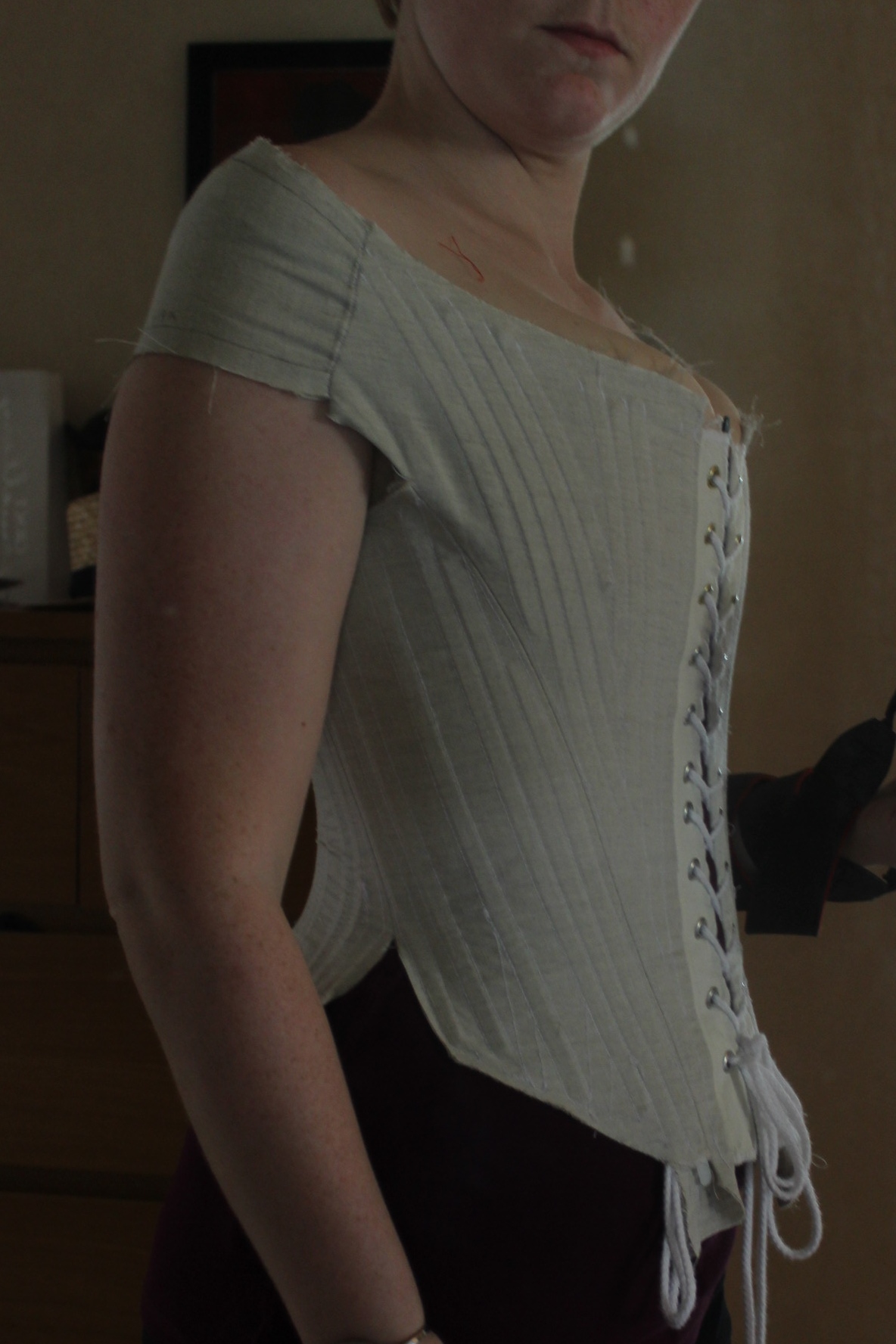
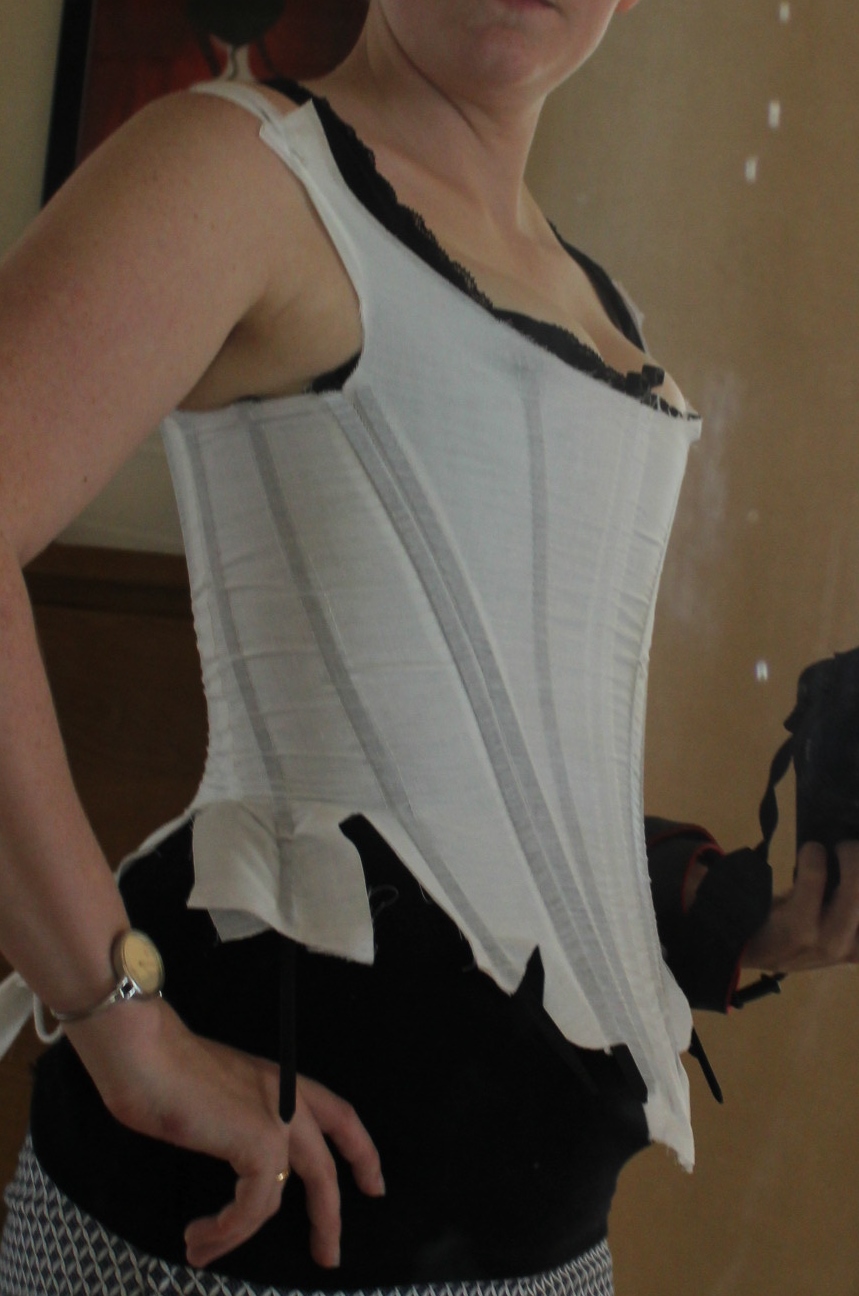
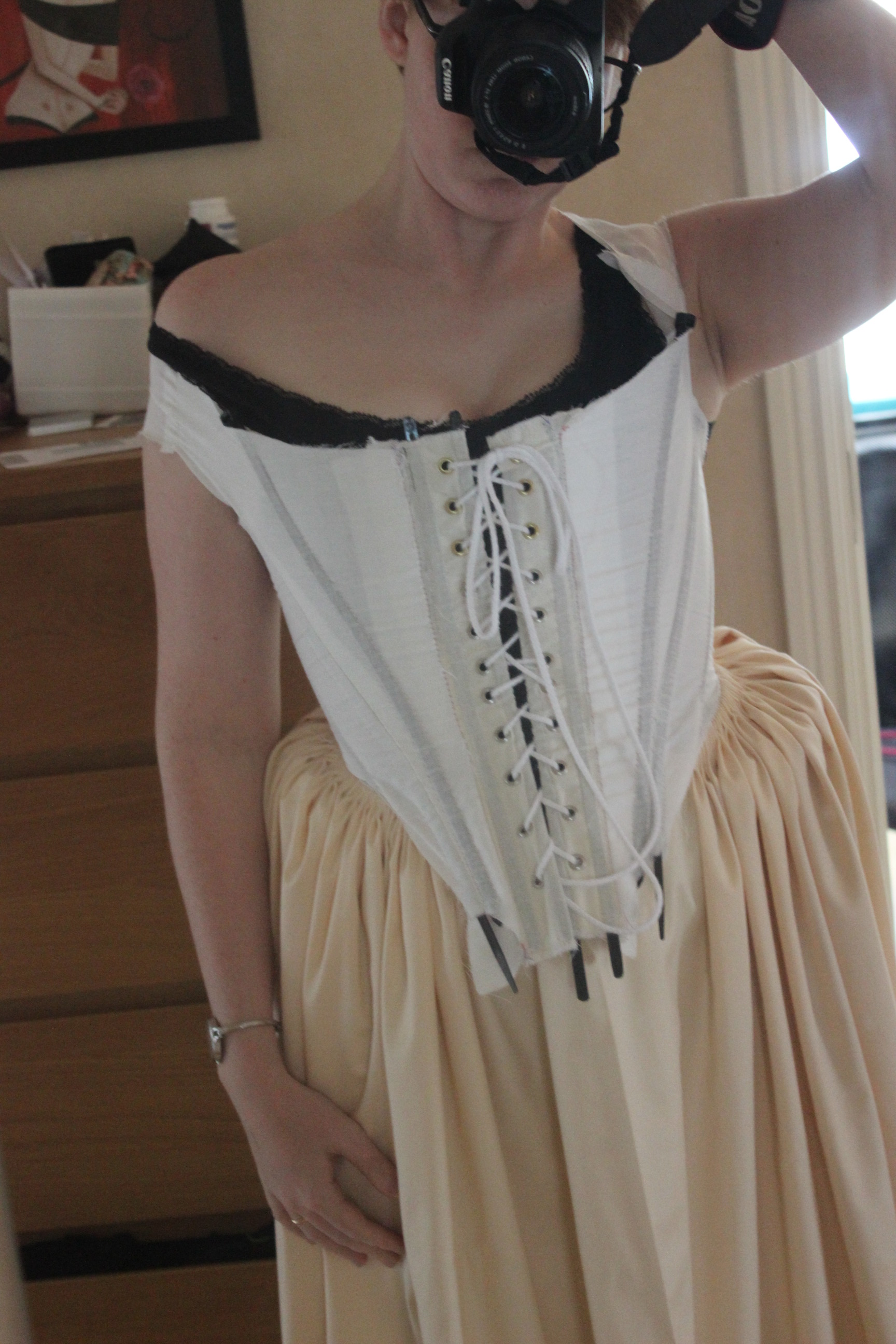
Yup, that’s the sad truth – the bodice I to small, and not “If I lace a bit harder it might work” to small, but “There is no way in hell I can close this sucker” to small.
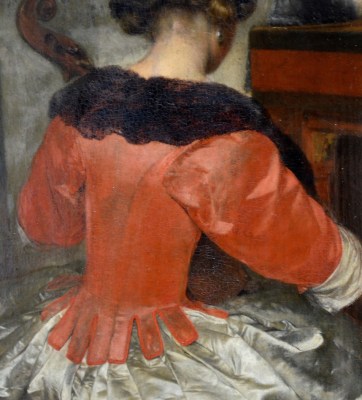
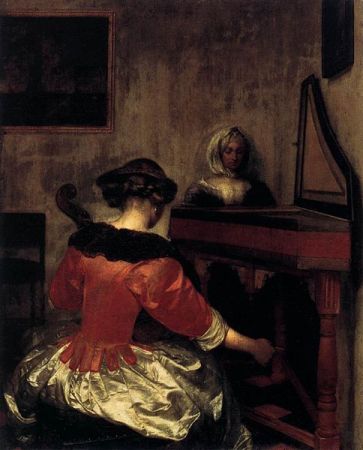
Luckily my inspiration painting’s only shows the back of the bodice, so hypothetical there is a chance the girls wear a open laced bodice over a stomacher – far fetched I know, but at his point there was no way I would redo it or try to ad to the sides. And logically they must have size shifting back then too, right?
So I will make a stomacher for this bodice before the next wearing, but for now I’m considering it done.
The finished bodice:
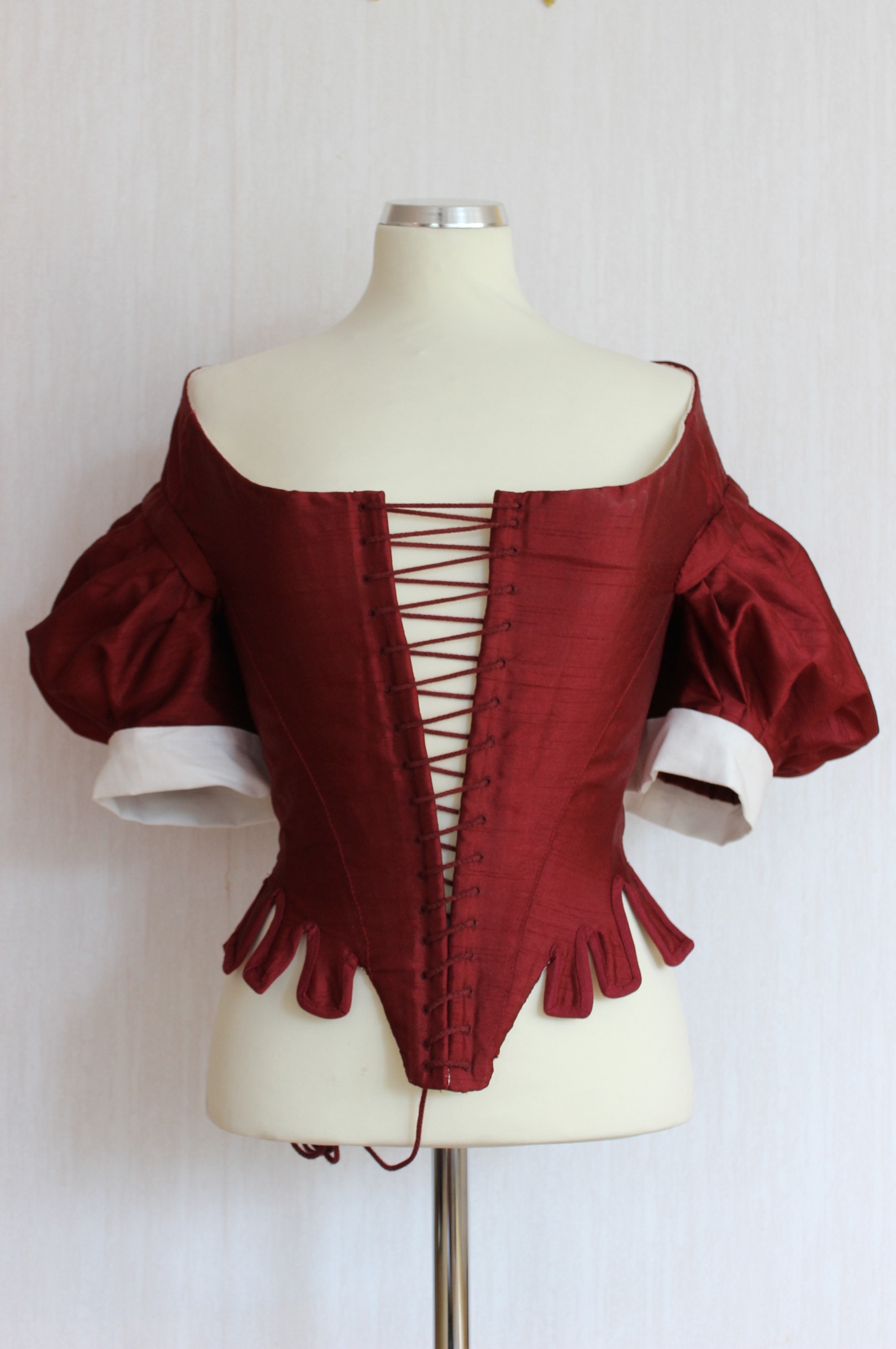
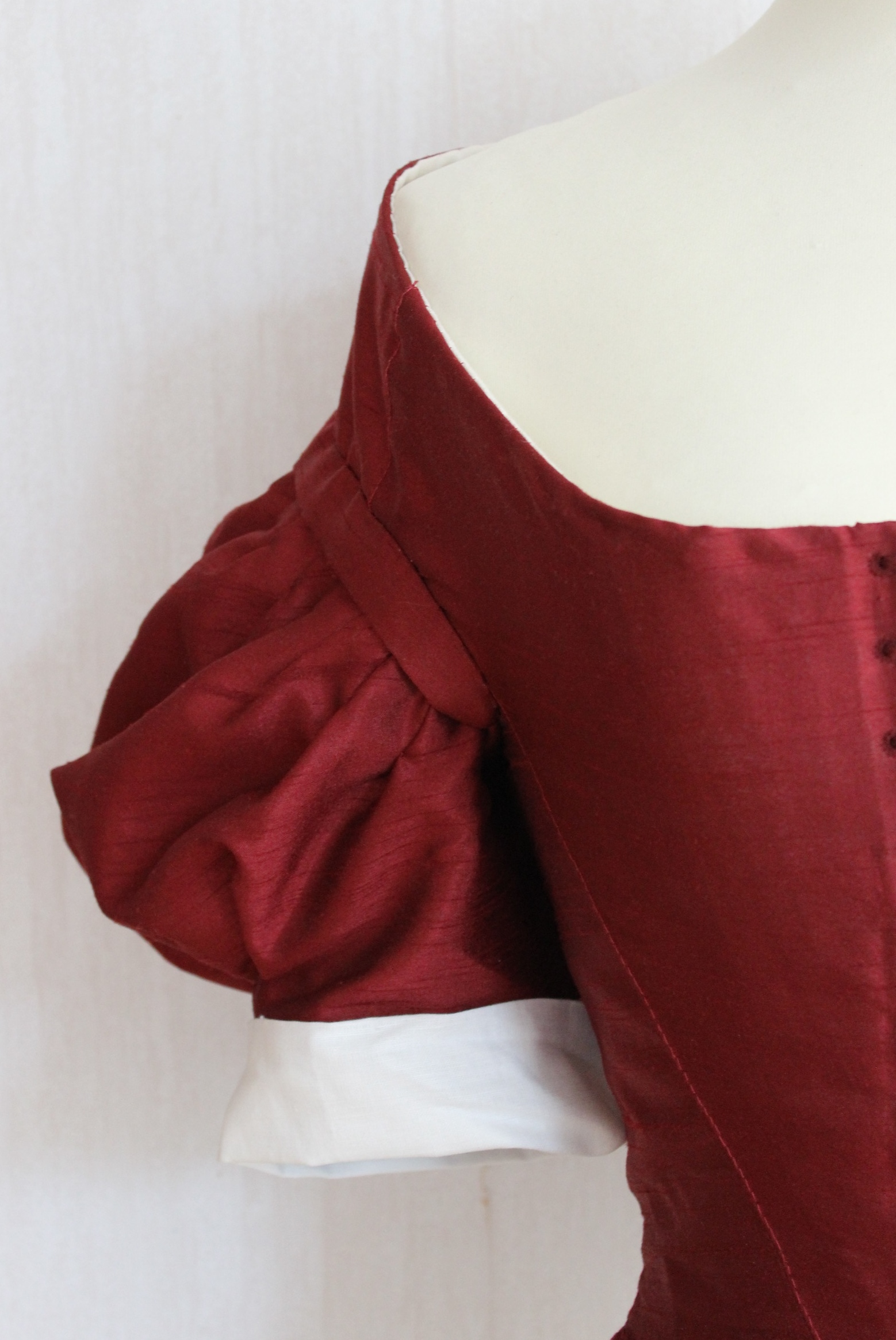
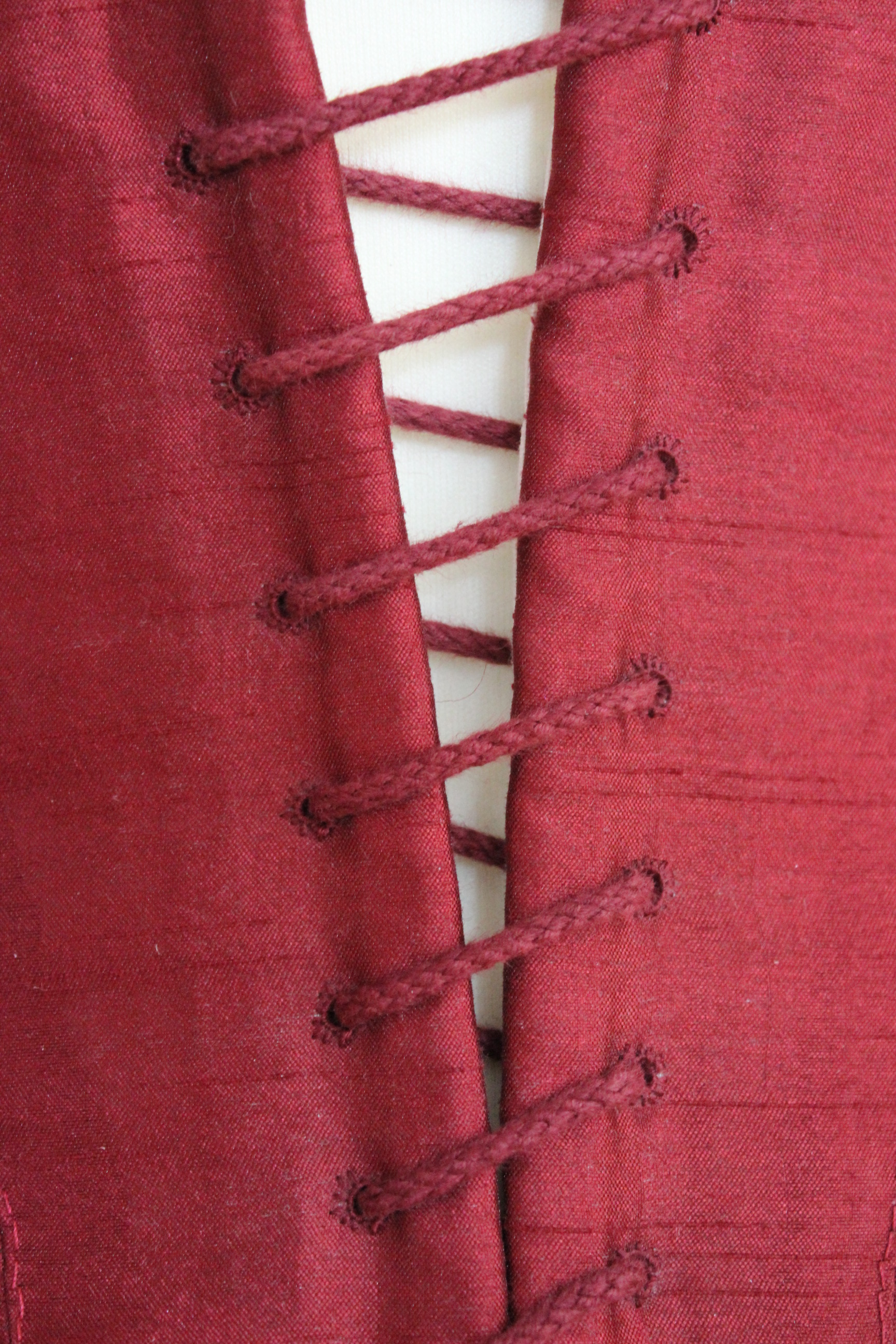
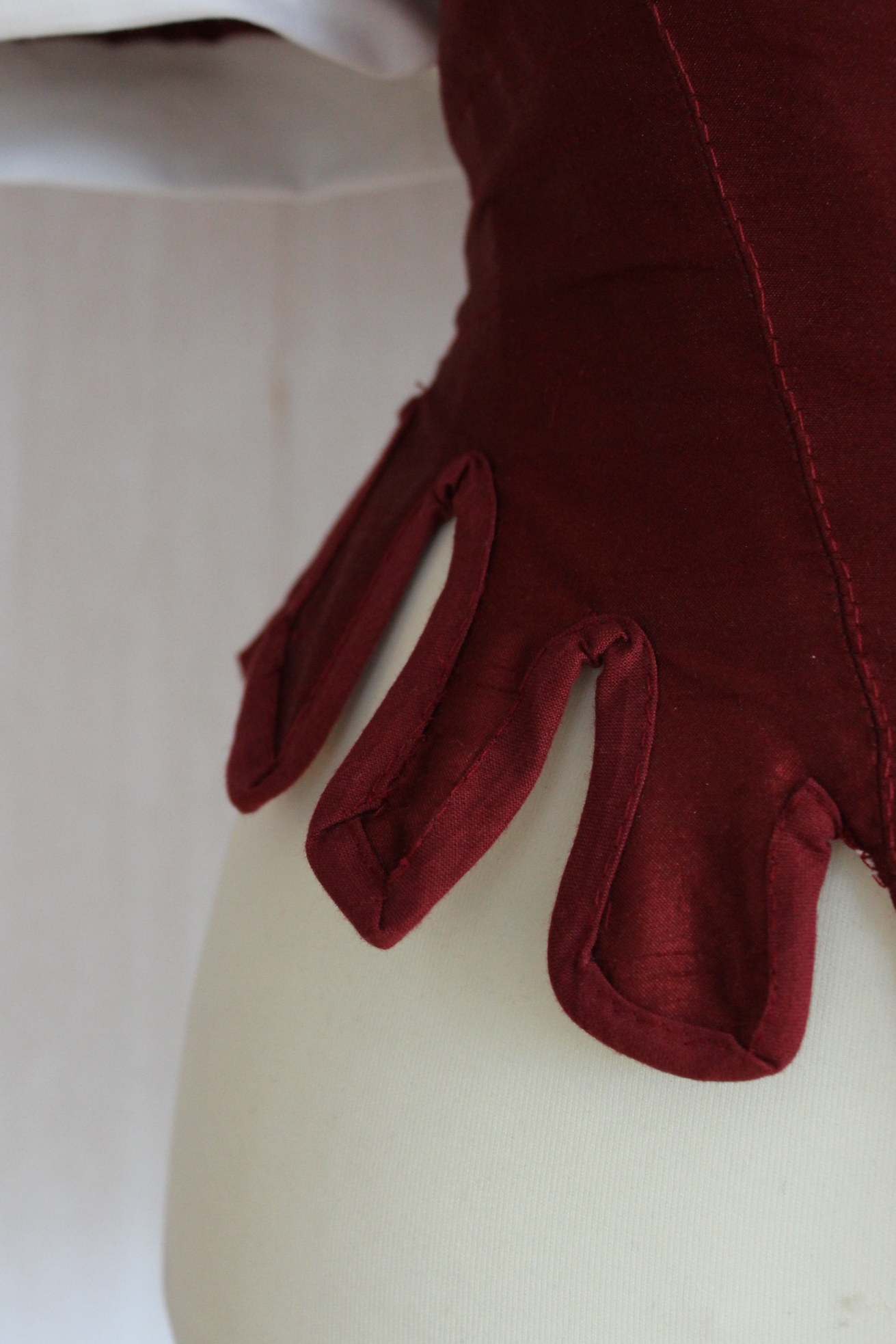
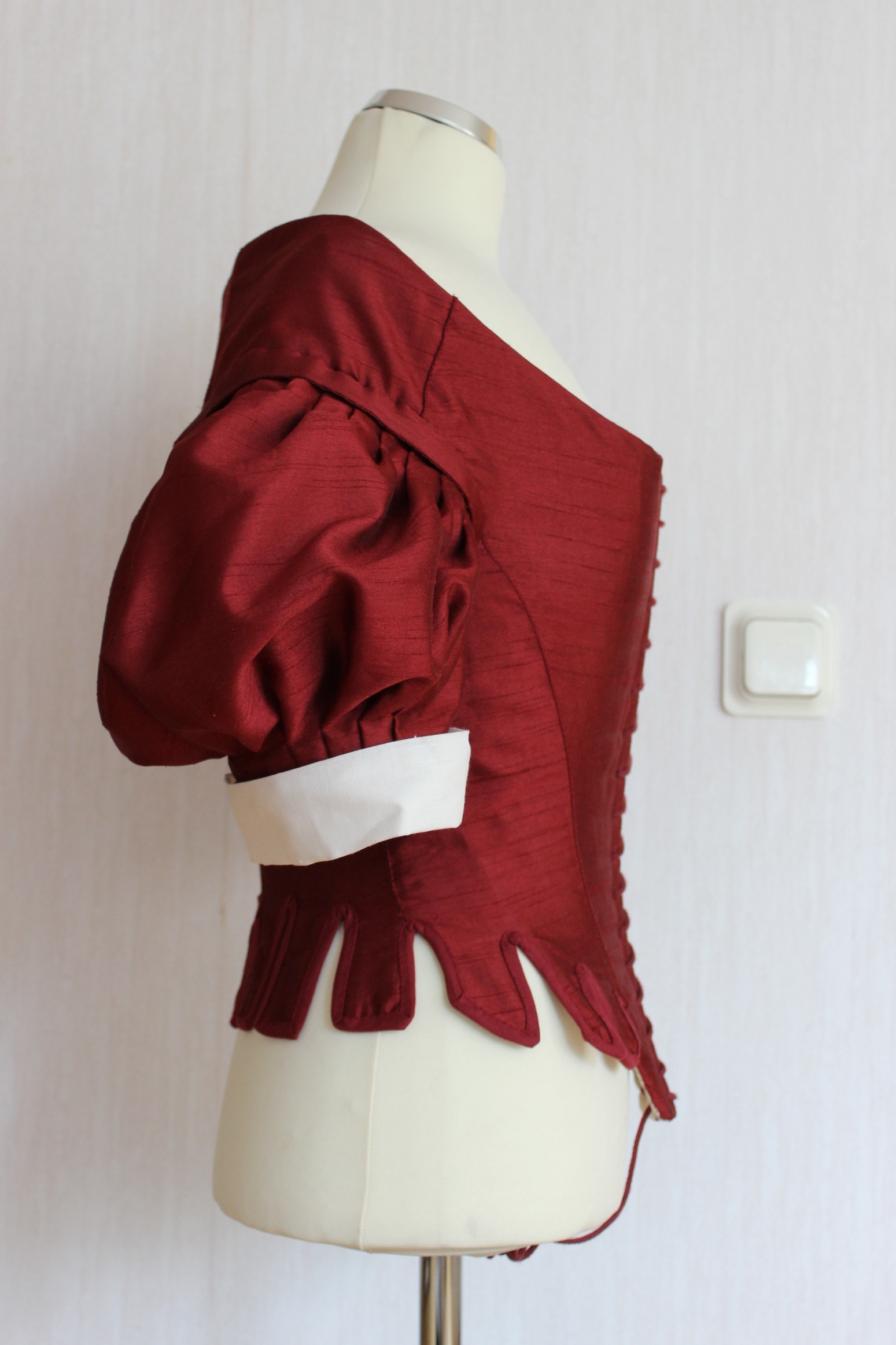
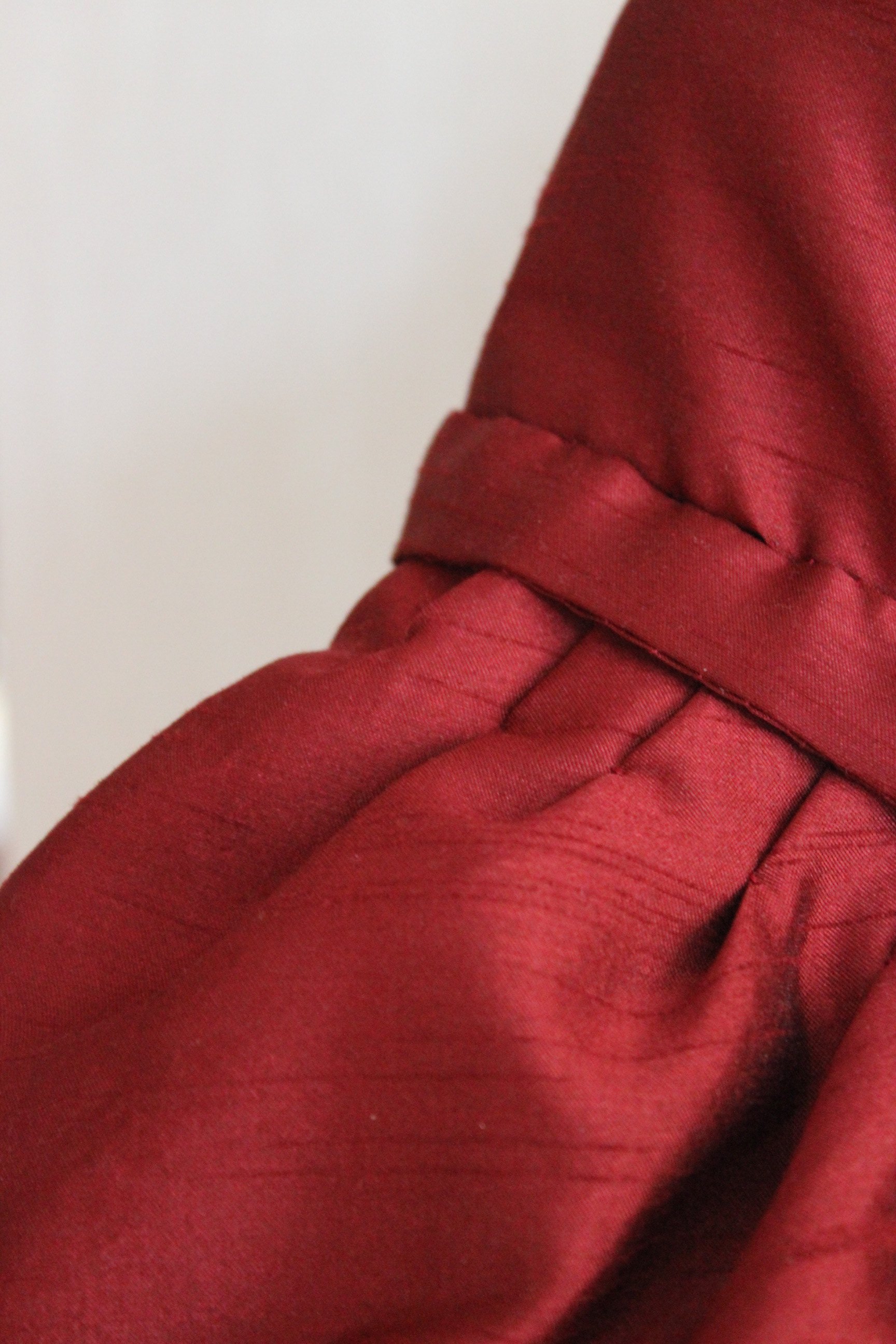
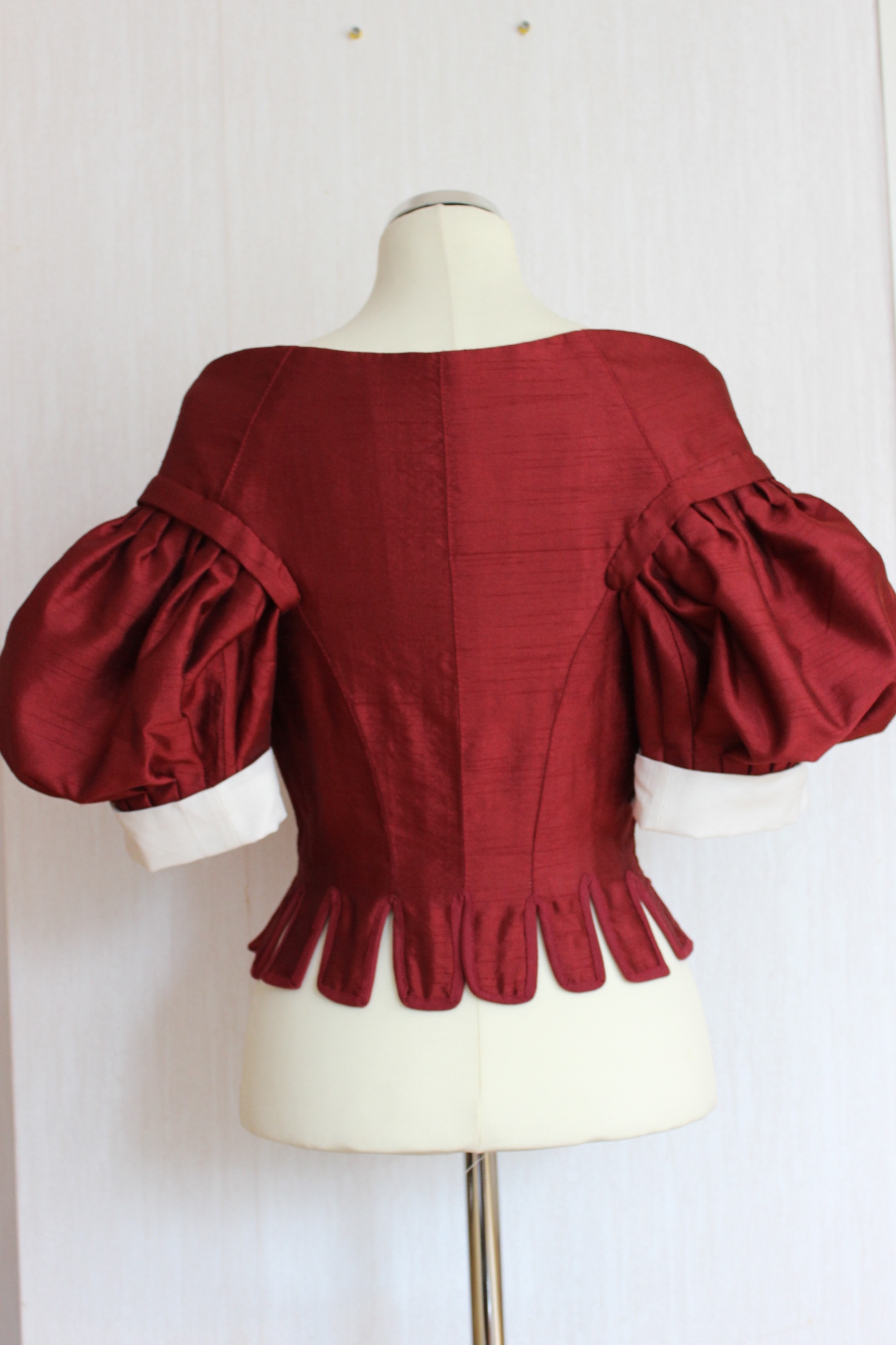
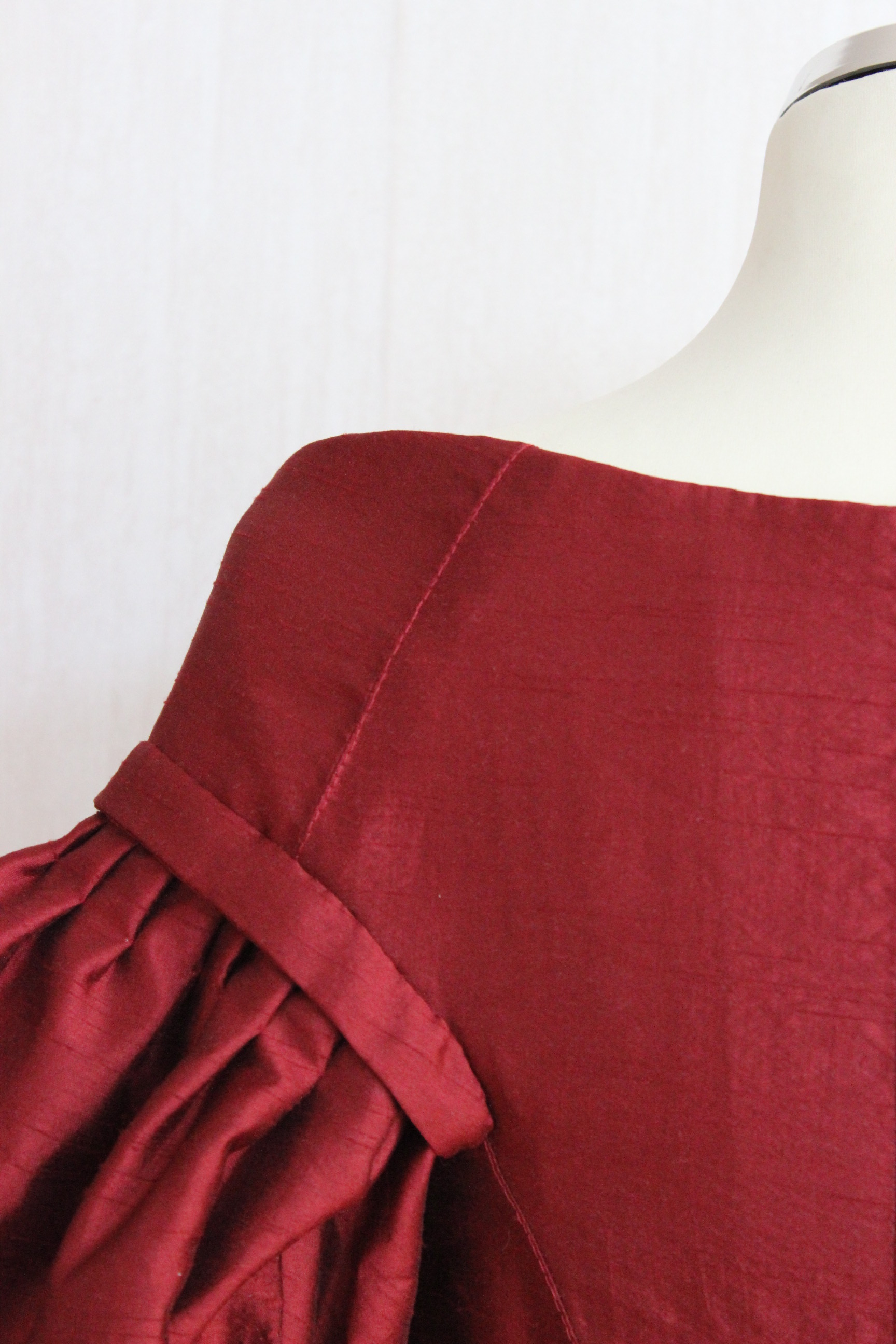
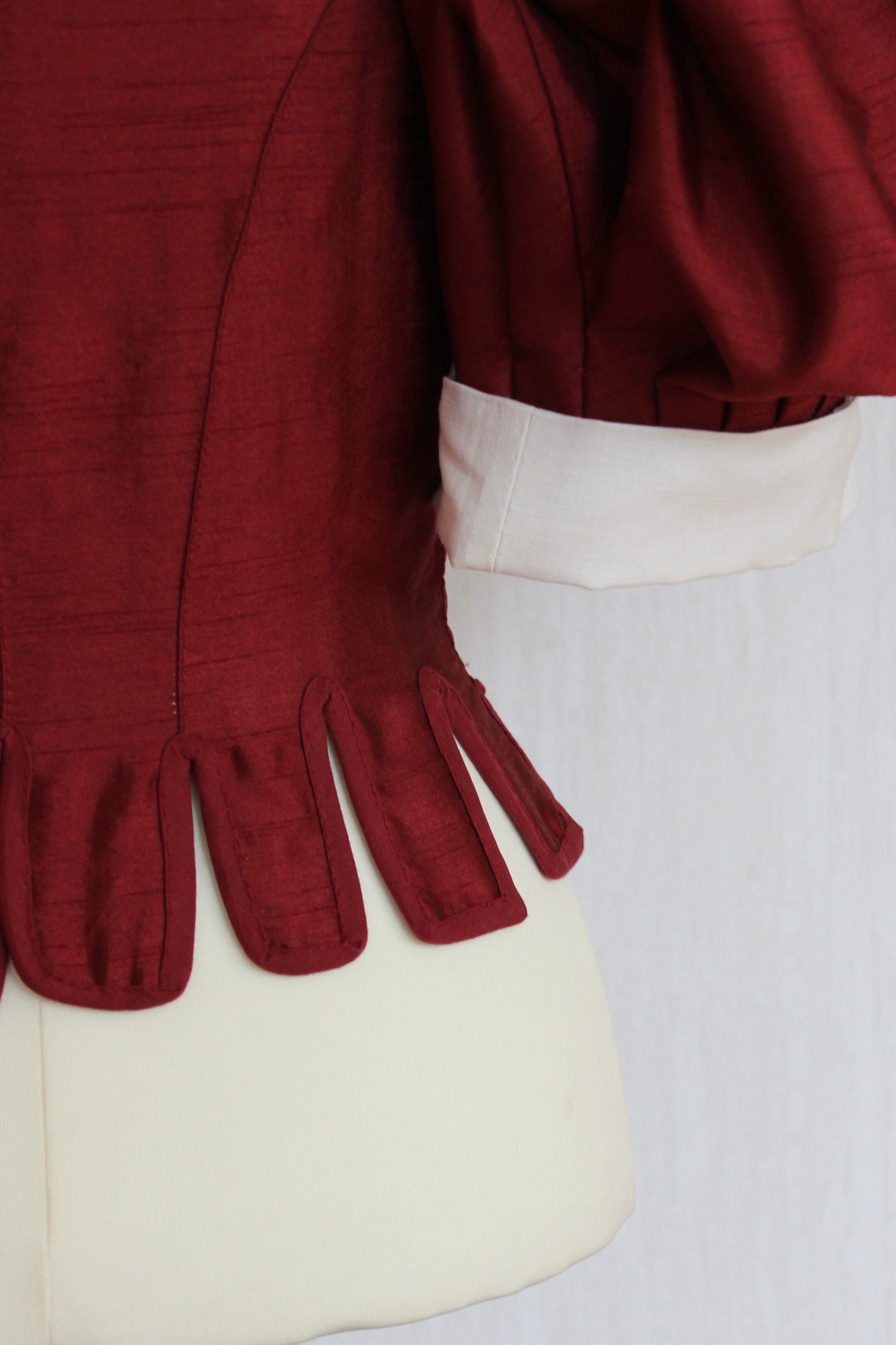

Just the facts:
Challenge: nr 6/HSM15 – Out of your comfort zone
What: A 1660s bodice
How it fit the challenge: This is my first venture into 17th century, and even though I made both bodices and stays before the way this garment combines the two was a new experience for me.
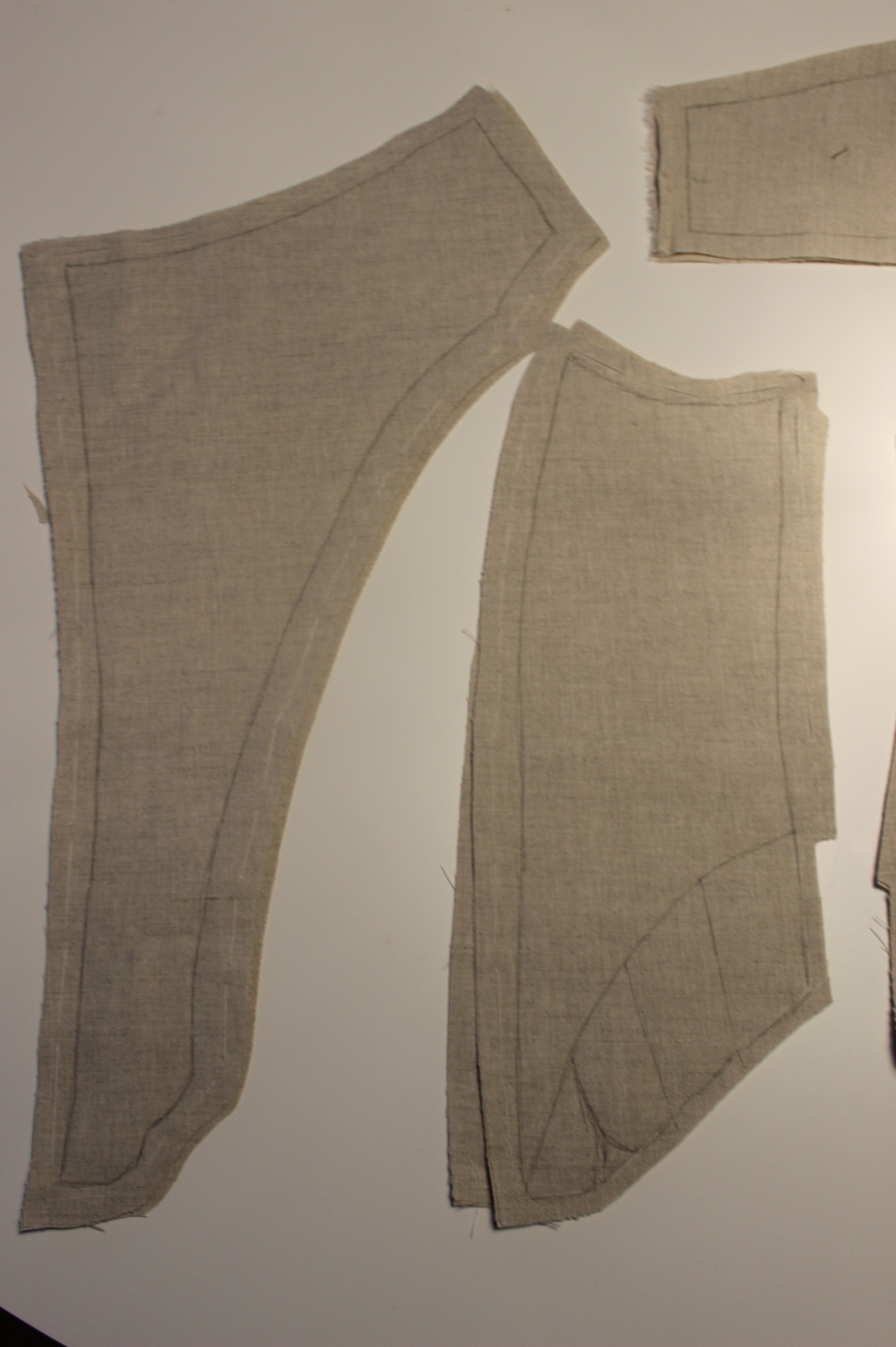
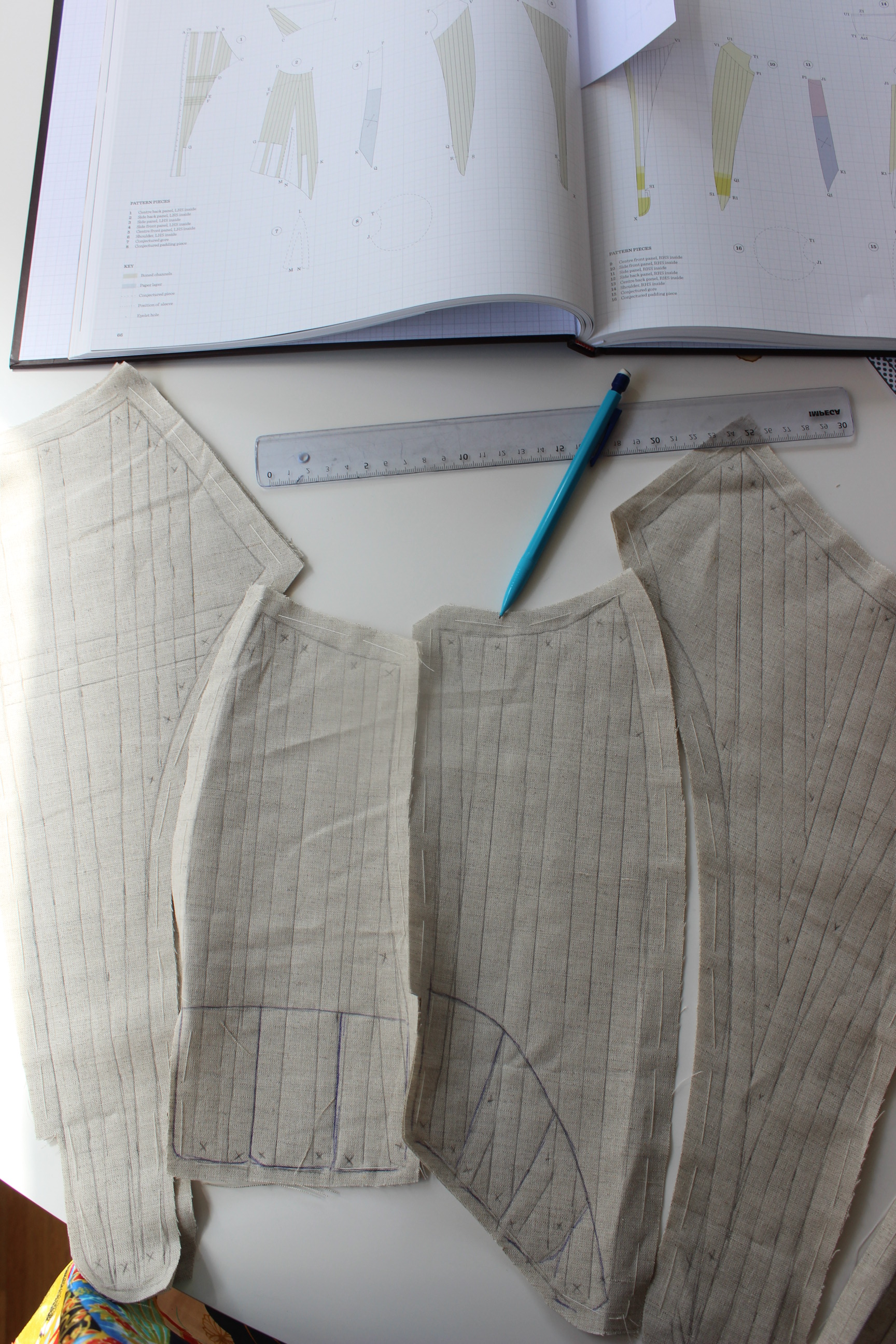
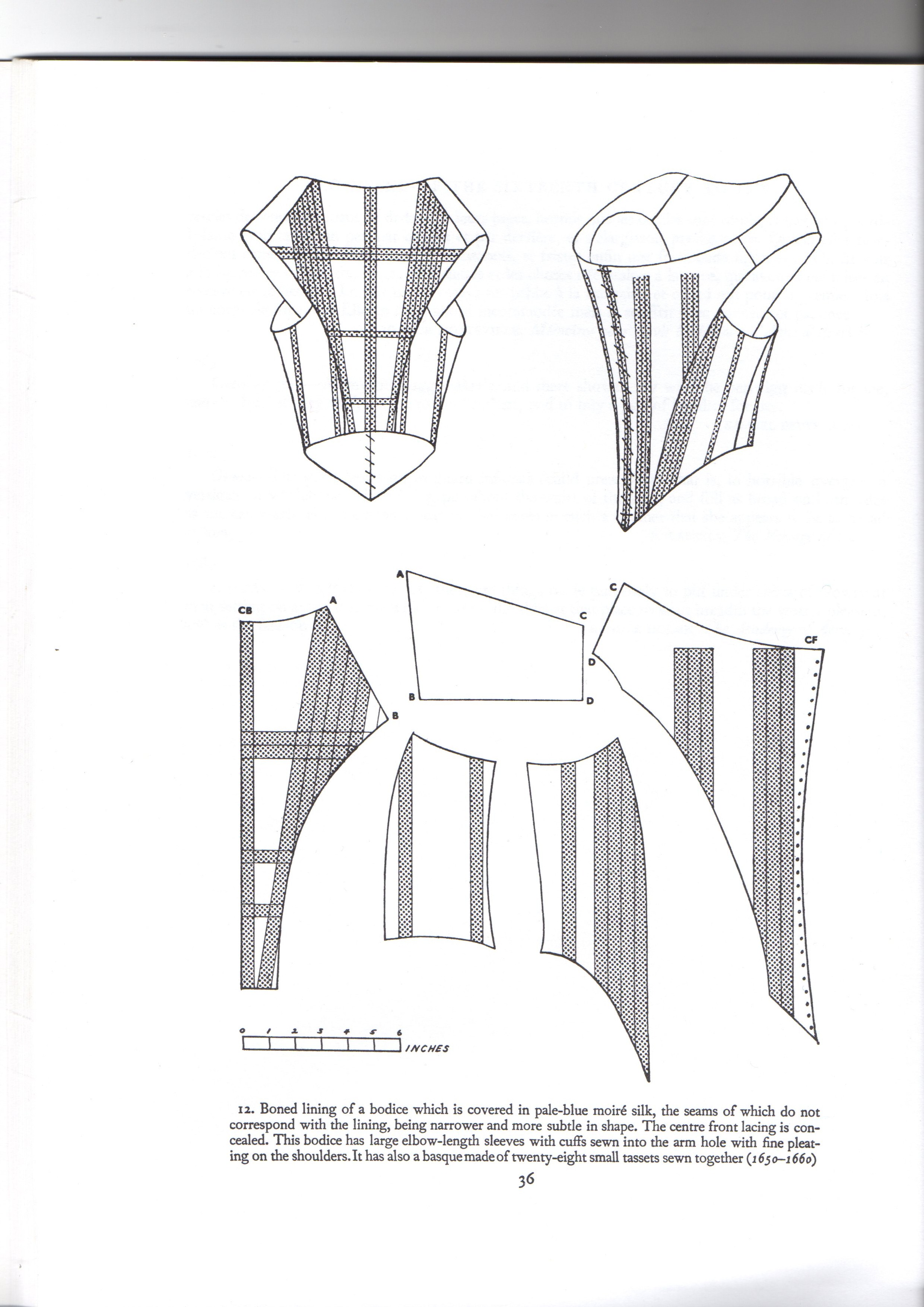
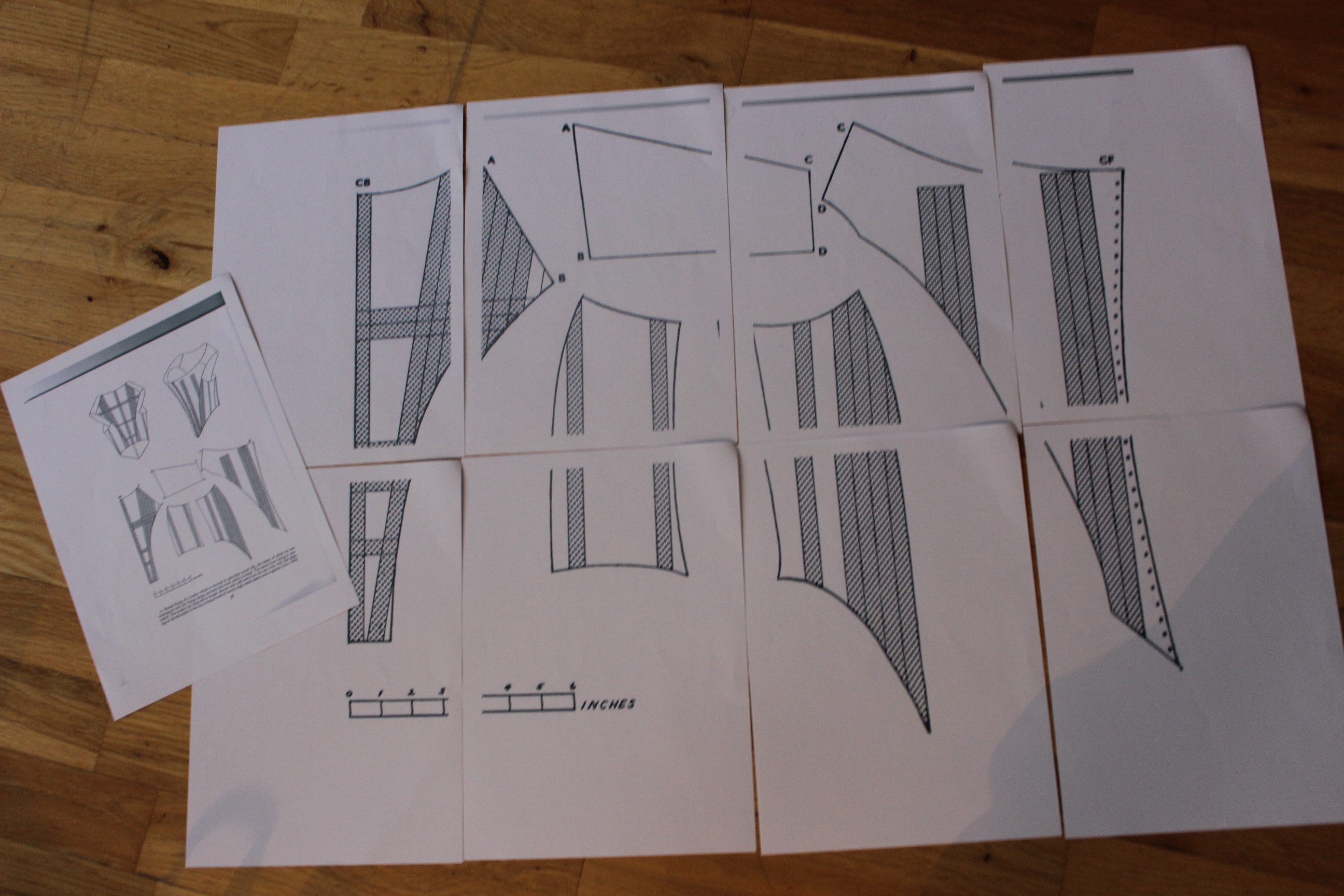
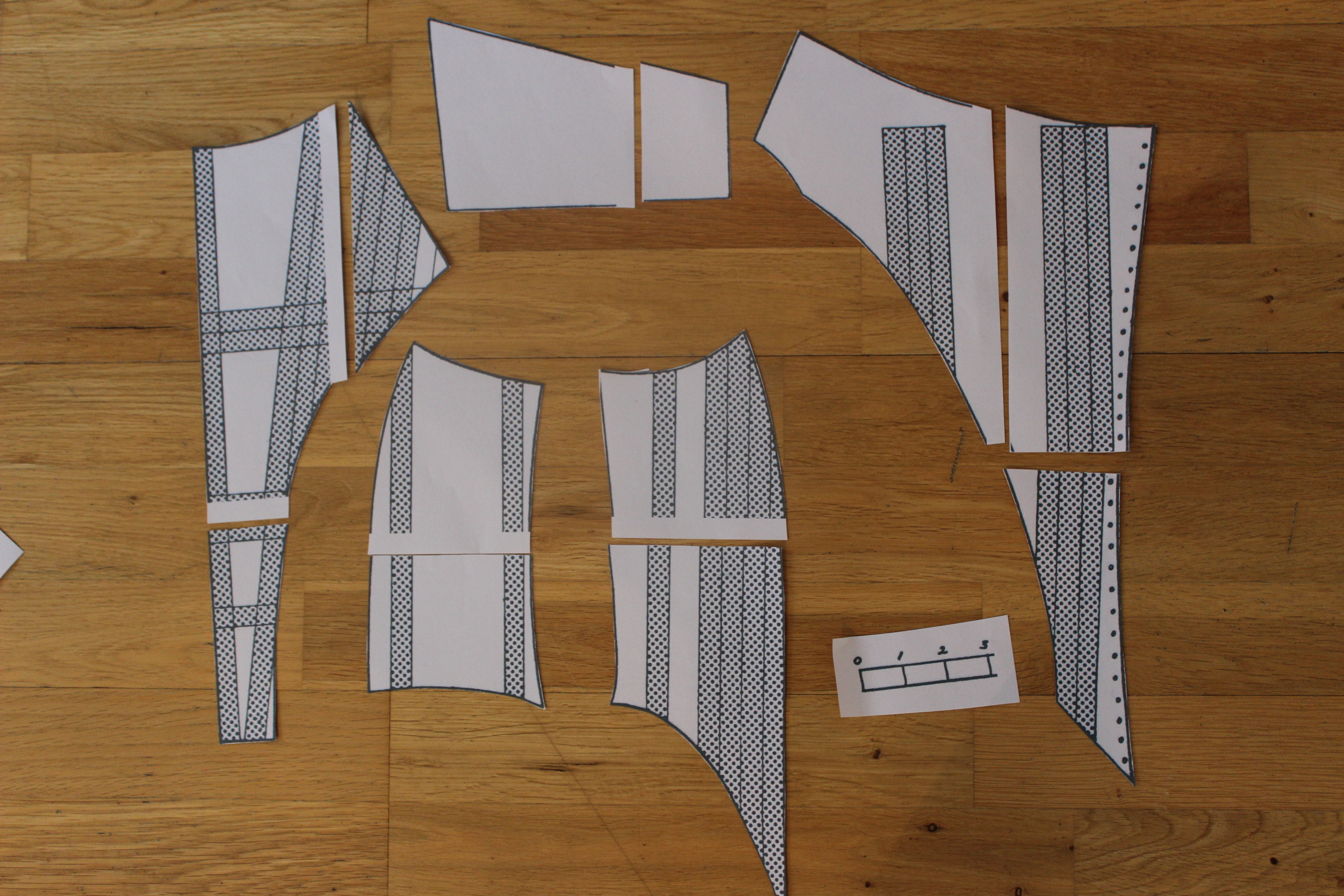
Pattern: “1660s bodice lining” from Waugh’s “Corset and Crinolines”, with some alterations.
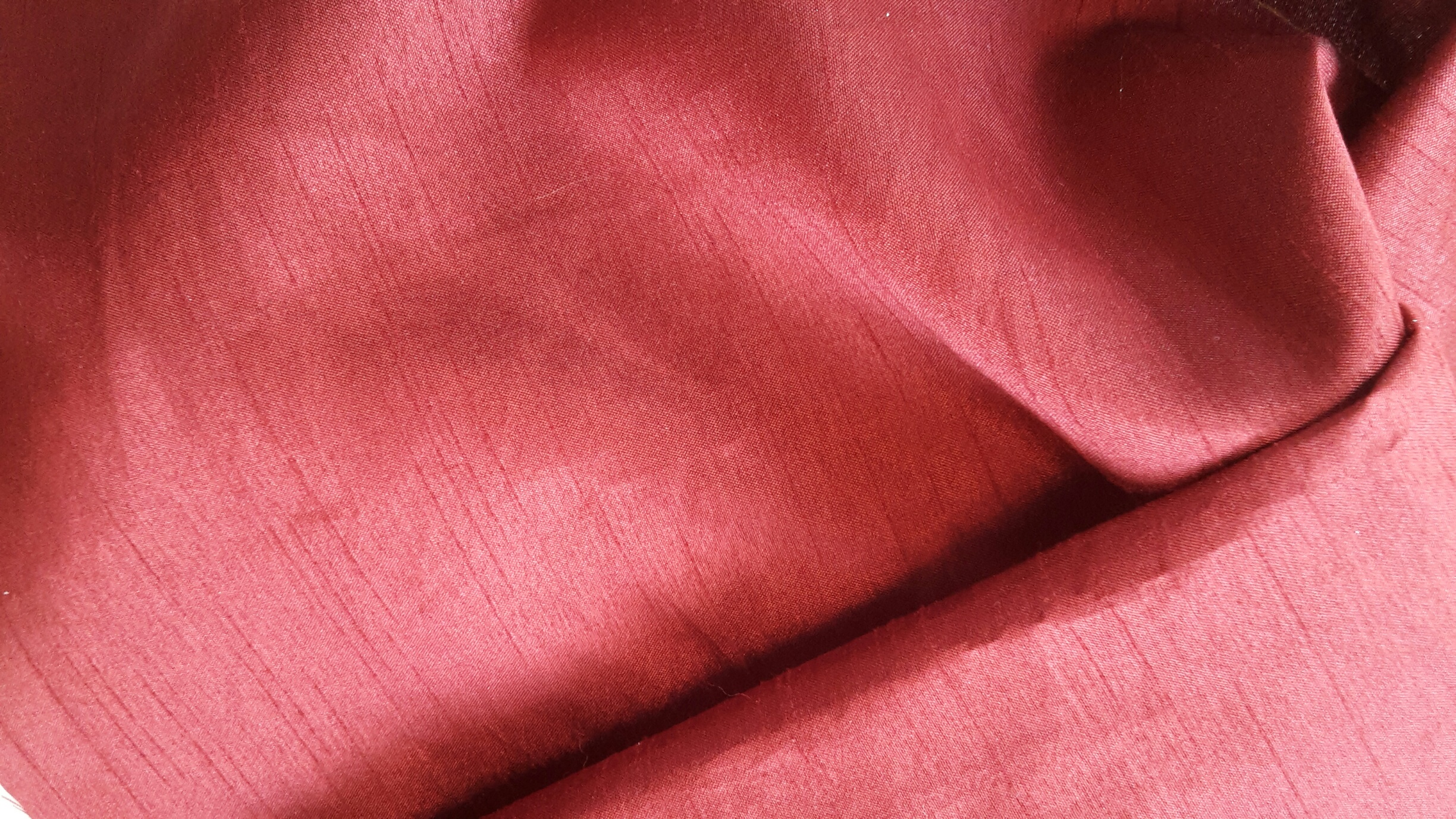
Fabric: 1,5 m red polyester “silk”, 1,5m white cotton/linen blend for lining and 1 m un-bleached sturdy linen for interning and foundation.
Notions: Thread, button-hole thread, 15m plastic whalebone for boning, 5m cord for lacing, 60cm white bias-tape for edging the sleeves and 3 m red bias-tape for binding the tabs.
How historical accurate: So so, the bodice is made 50% on machine with all the outside seams made by hand. The fabric is modern but the shape and look of the garment is good for the time period. About 7/10
Time: A lot! probably about 60 hours – I worked on this for most of the summer.
Cost: About 300Sek (45Usd)
First worn: At old town beginning of August for photos, and I’m thinking on using it next weekend for a “all times” dance recital.
Final Thoughts: I’m so happy with the look and feel of it. My only concern is the size – Why do I keep making things to small? And no, I have not gained weight – I’m just constantly over estimate my “squeeze factor”, and underestimate the difference boning and extra fabric layers make to the size.
And if it ever is to be worn again I might have to redo the front, or just slap some trim over it…
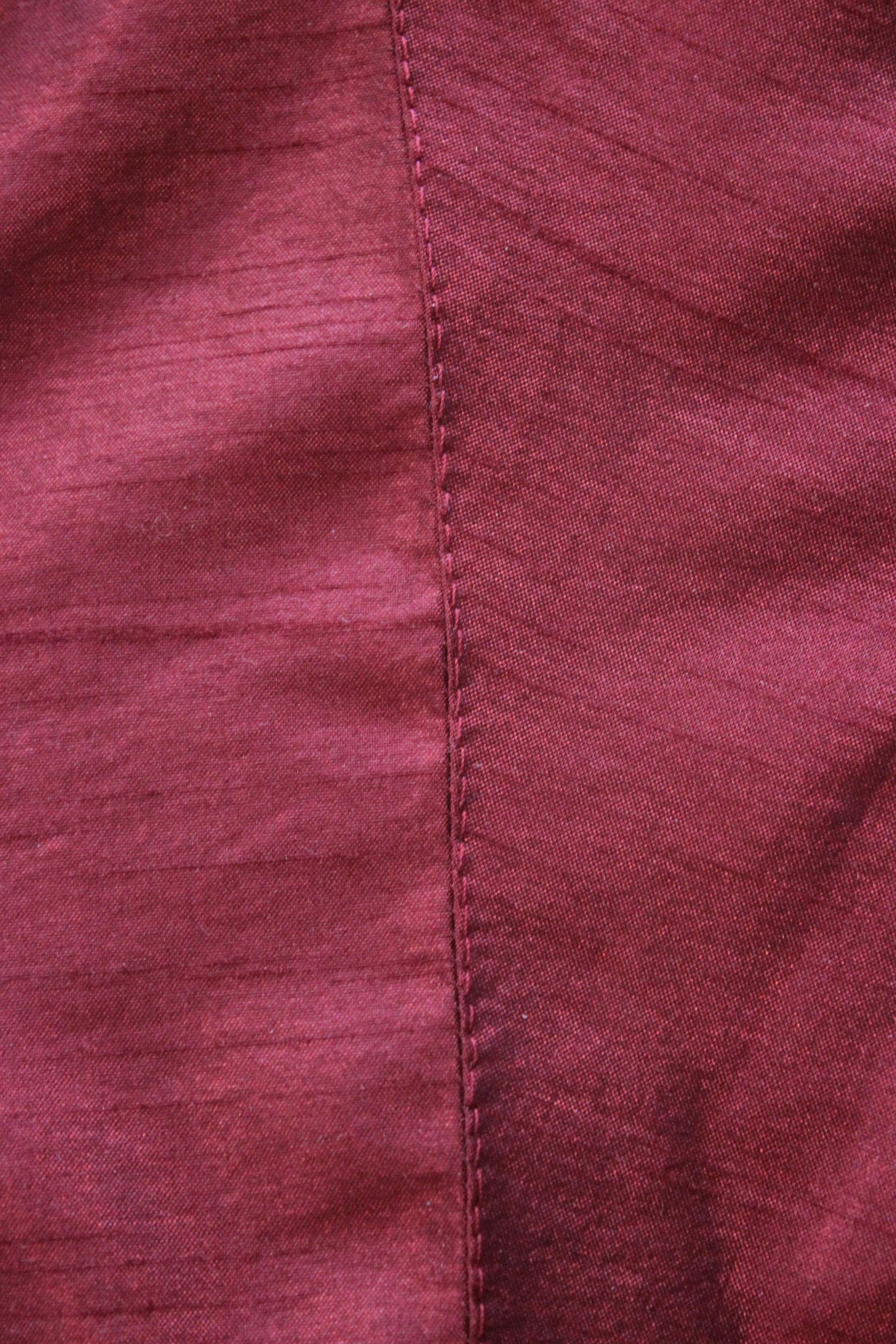
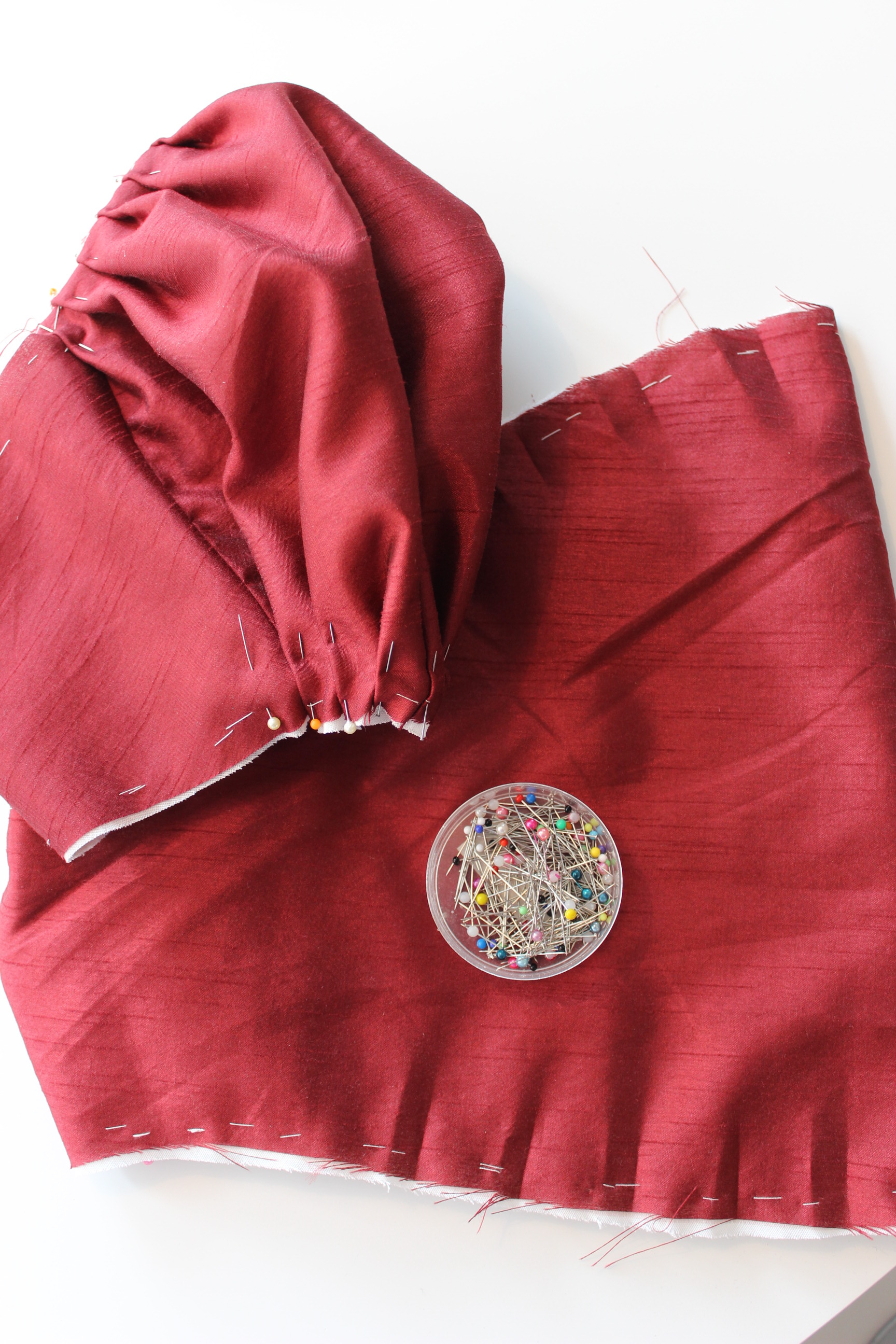
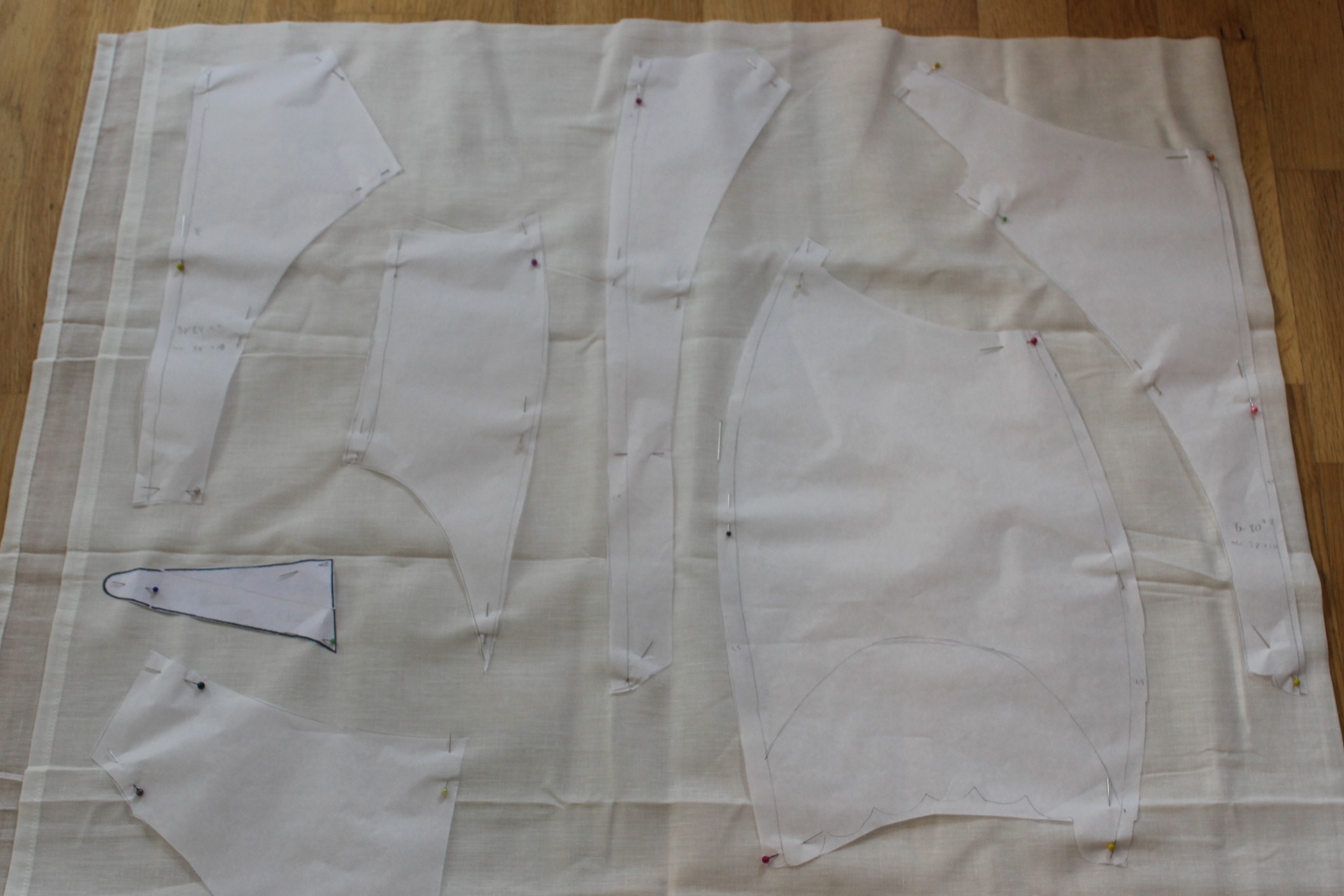
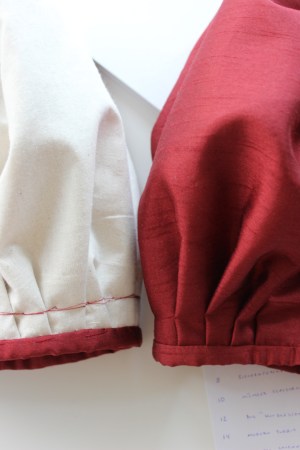 The sleeves ready to be set.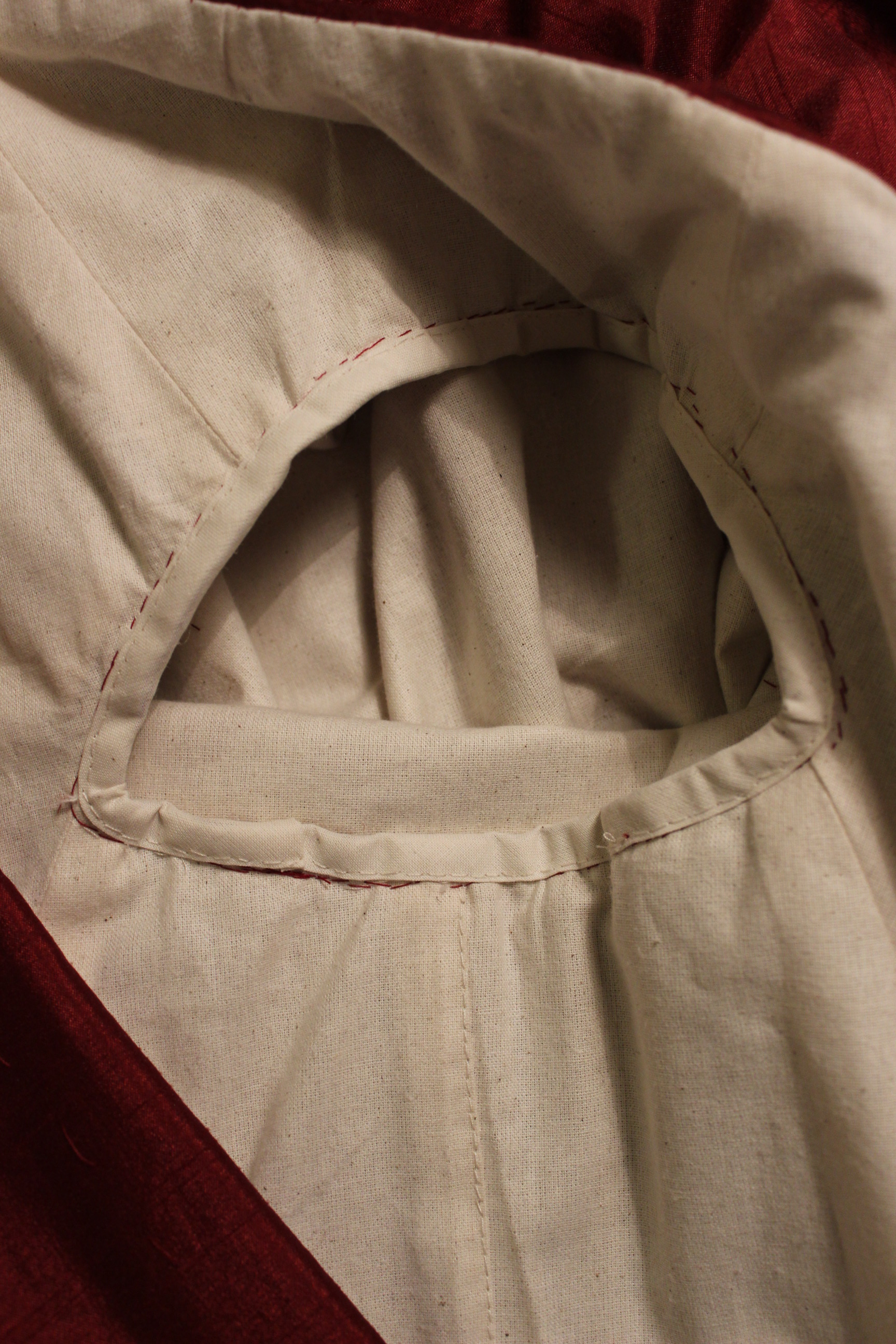







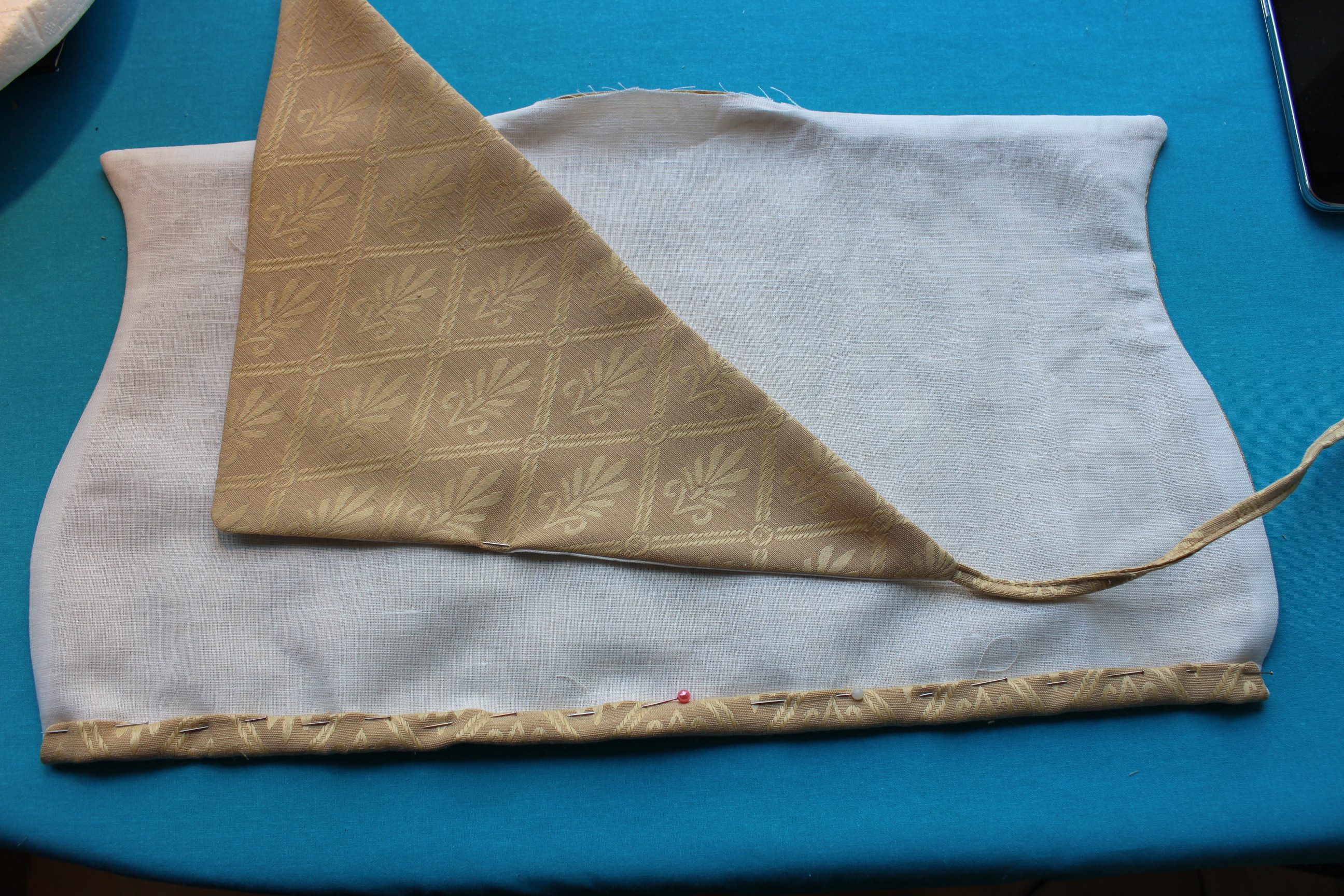

 They look so small and cute – and actually quite good in this fabric.










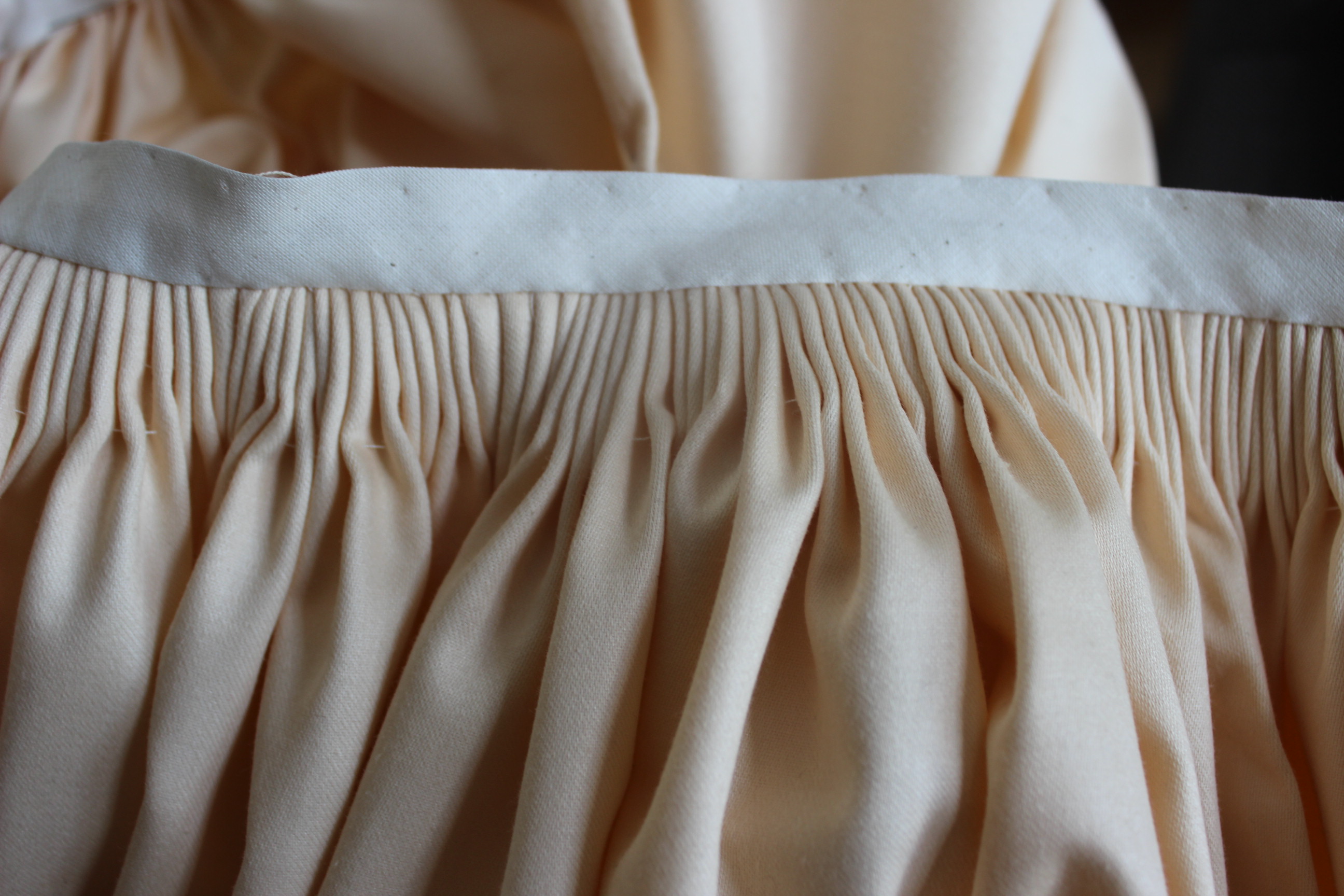
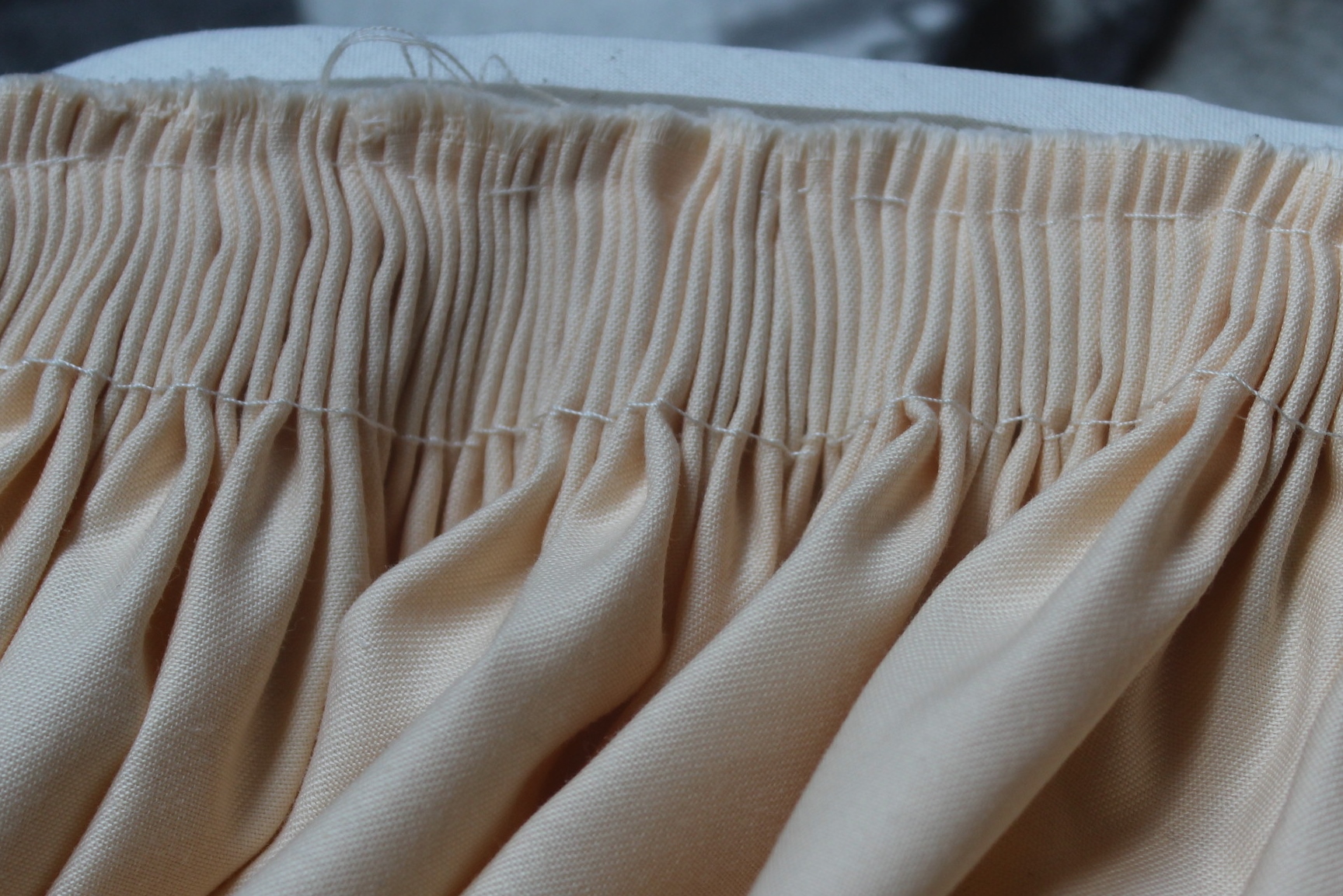
 Not so good.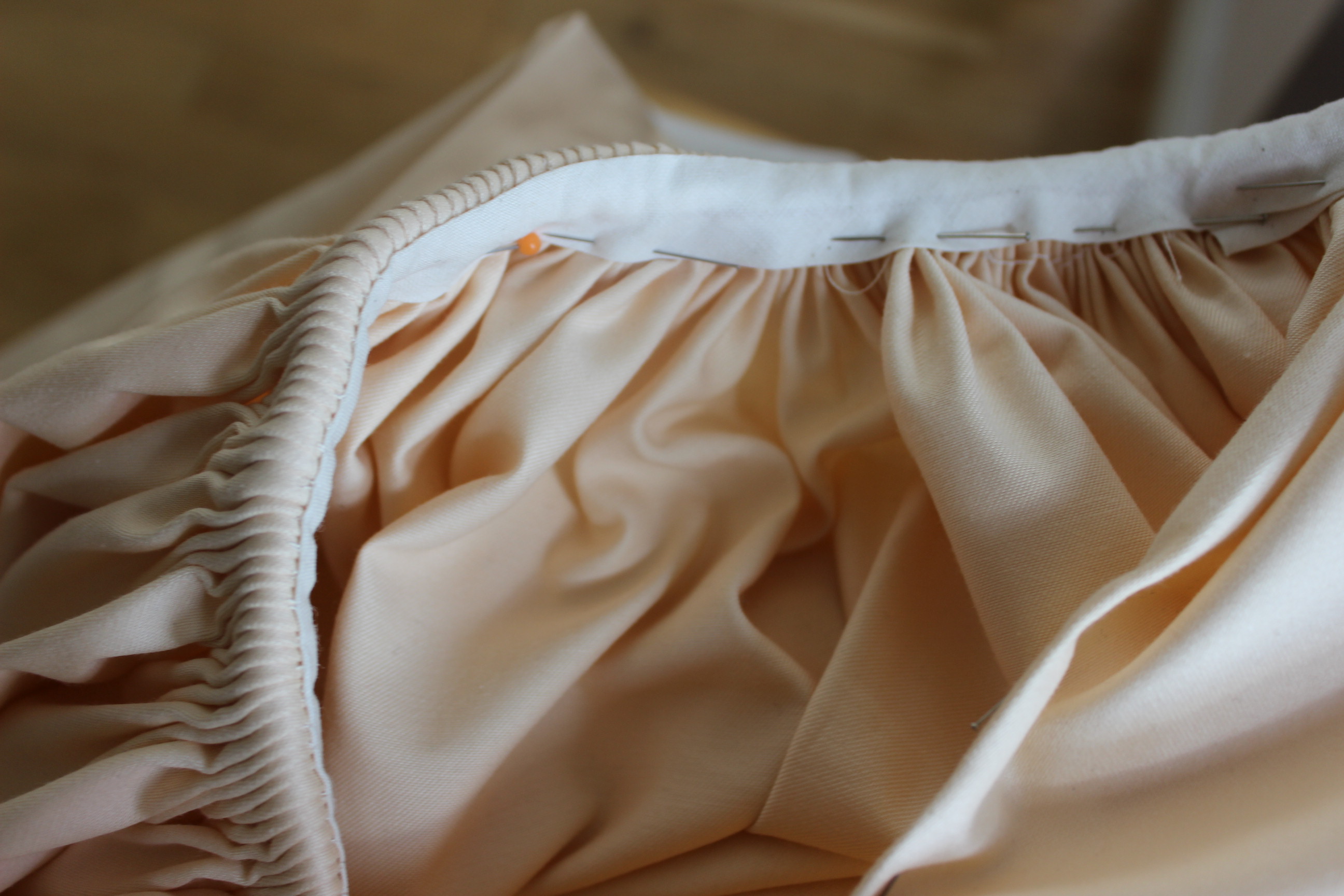
 Back view on hanger



 Different light and a gentleman by the Keyboard.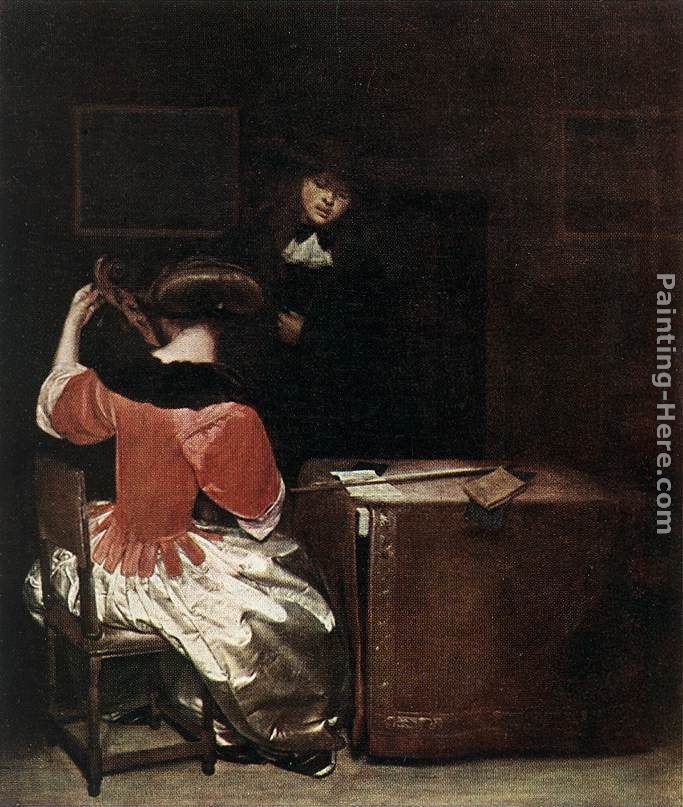


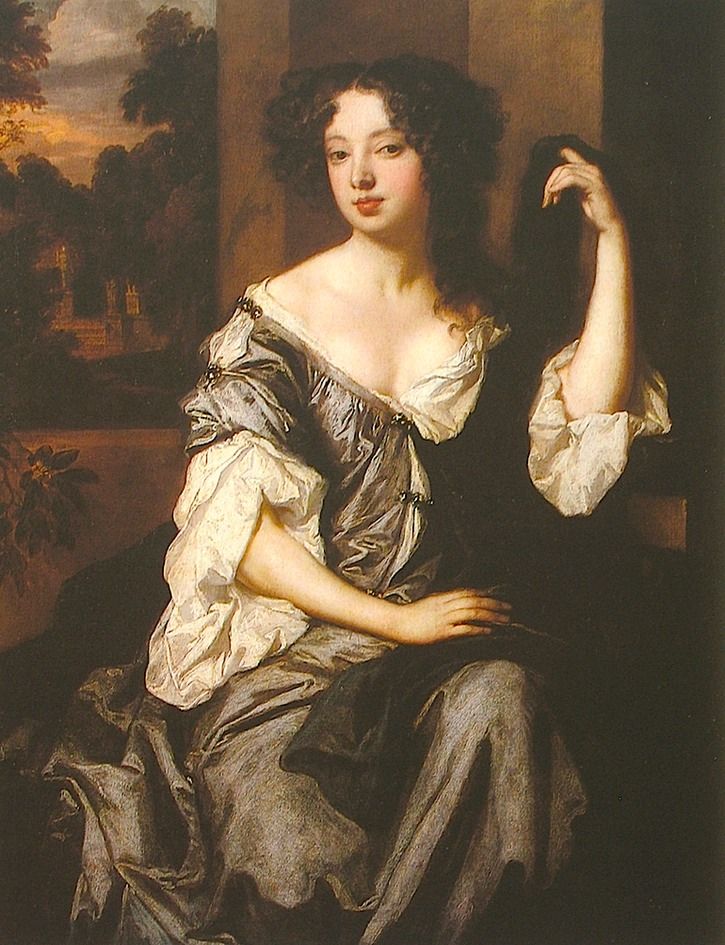
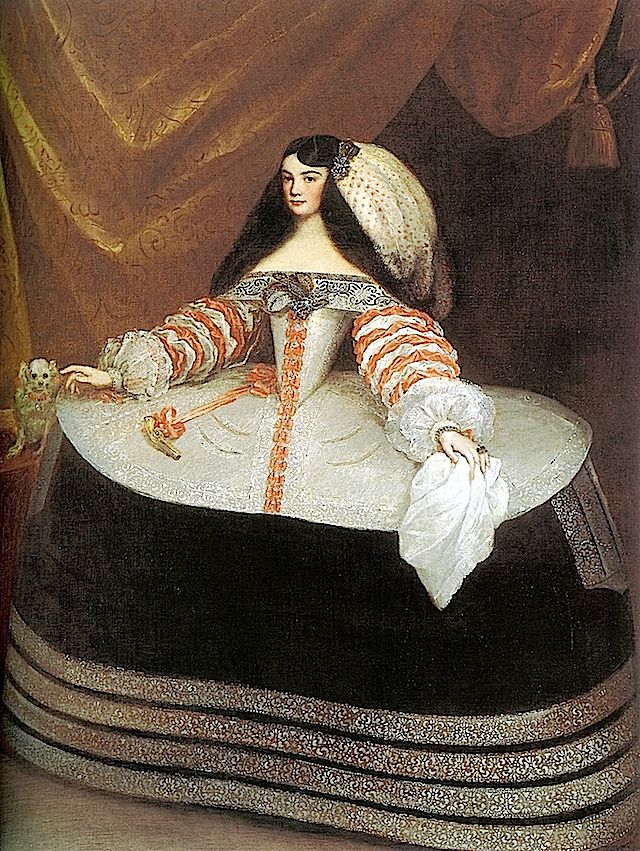
 “Yellow dress” (1632)
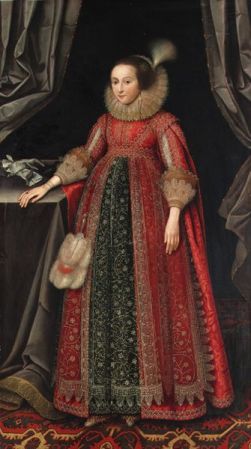 “Susanna Temple ca. 1604-1669″ by Marcus Gheeraerts, (ca 1620)
 “Portrait of Margaret Layton”, attributed to Marcus Gheeraerts, c. 1620. © Victoria and Albert Museum, London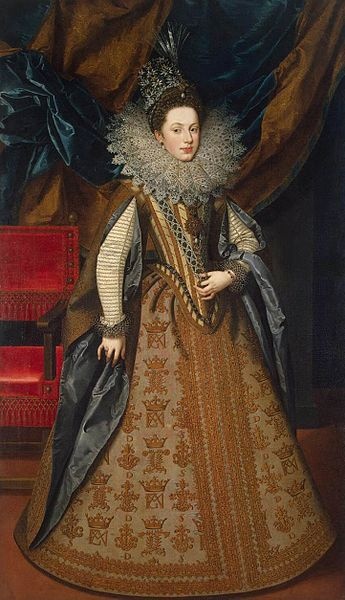
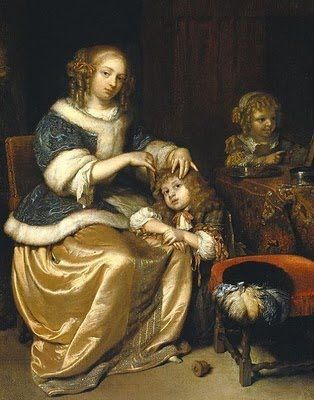 “Mother Combing Child’s Hair” by Caspar Netscher (1669)
 “Portrait of Elizabeth Wriothesley, Countess of Northumberland, and later Countess of Montagu”, by Peter Lely (1668)
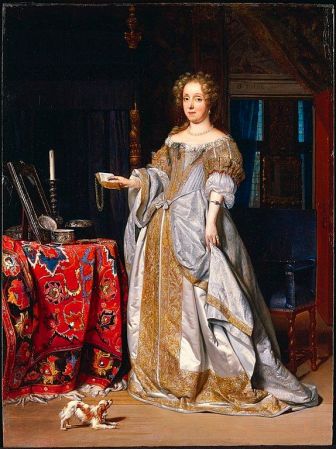 “Portrait of a Lady” by Gabriel Metsu (ca 1660s)
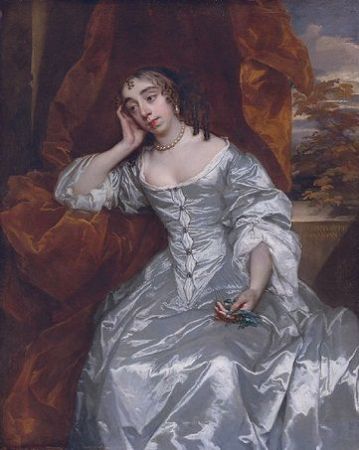 Elizabeth Capell, Countess of Carnarvon by Sir Peter Lely (ca. 1665)
 Princess Henrietta Anne of England (1644–1670) by Jan Mytens (1665)








 That pretty much sums it up…
 Fashion Through Herstory