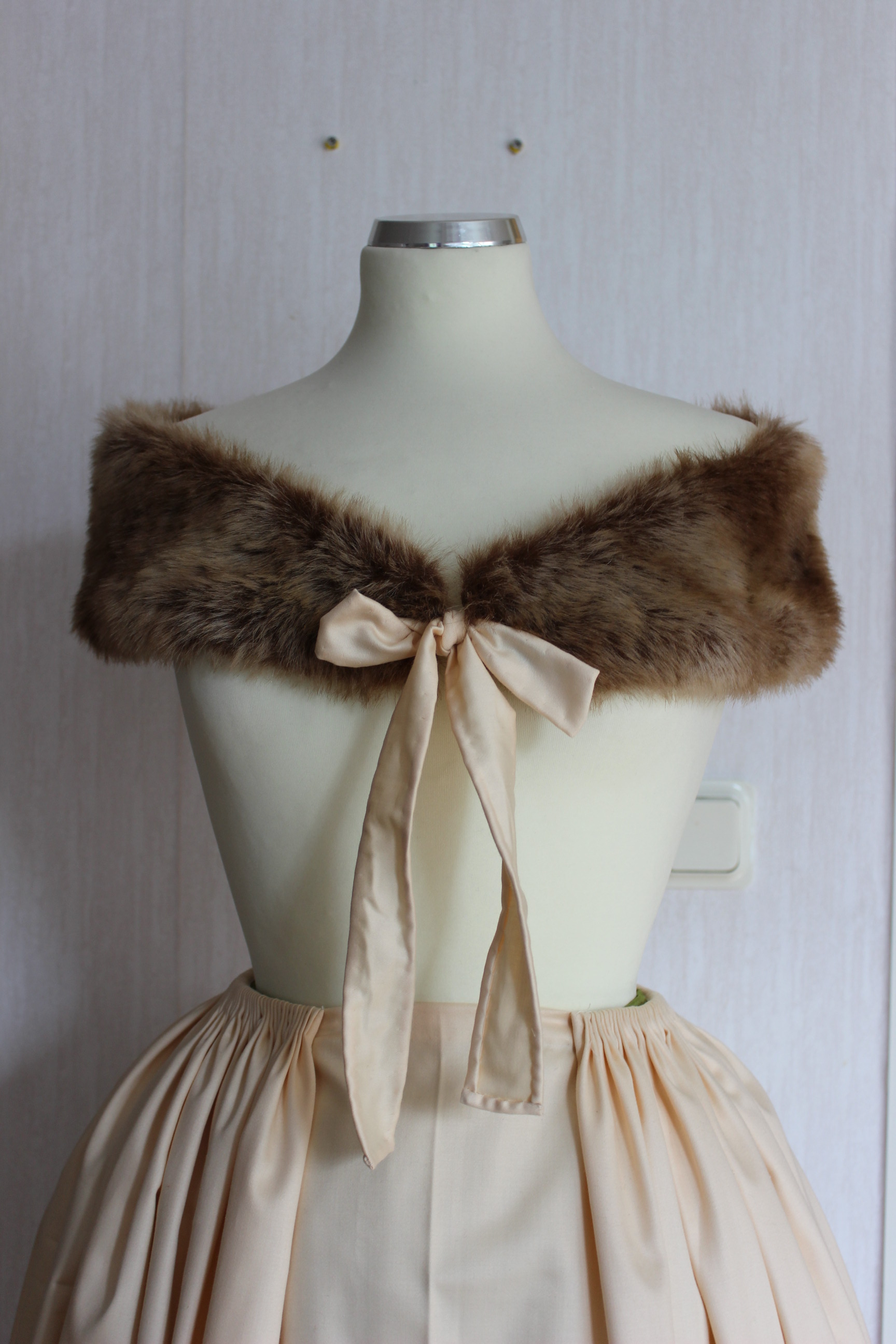
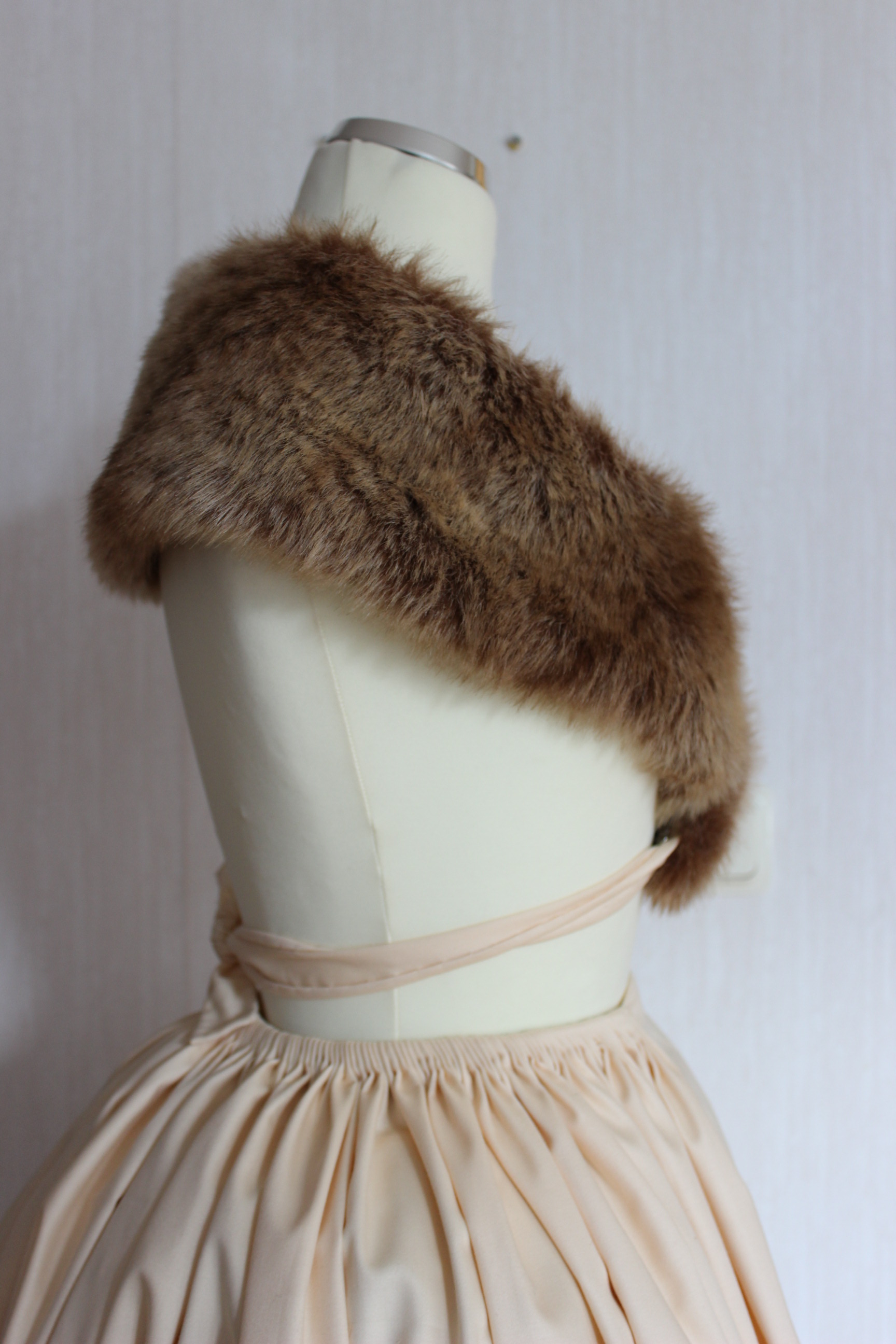
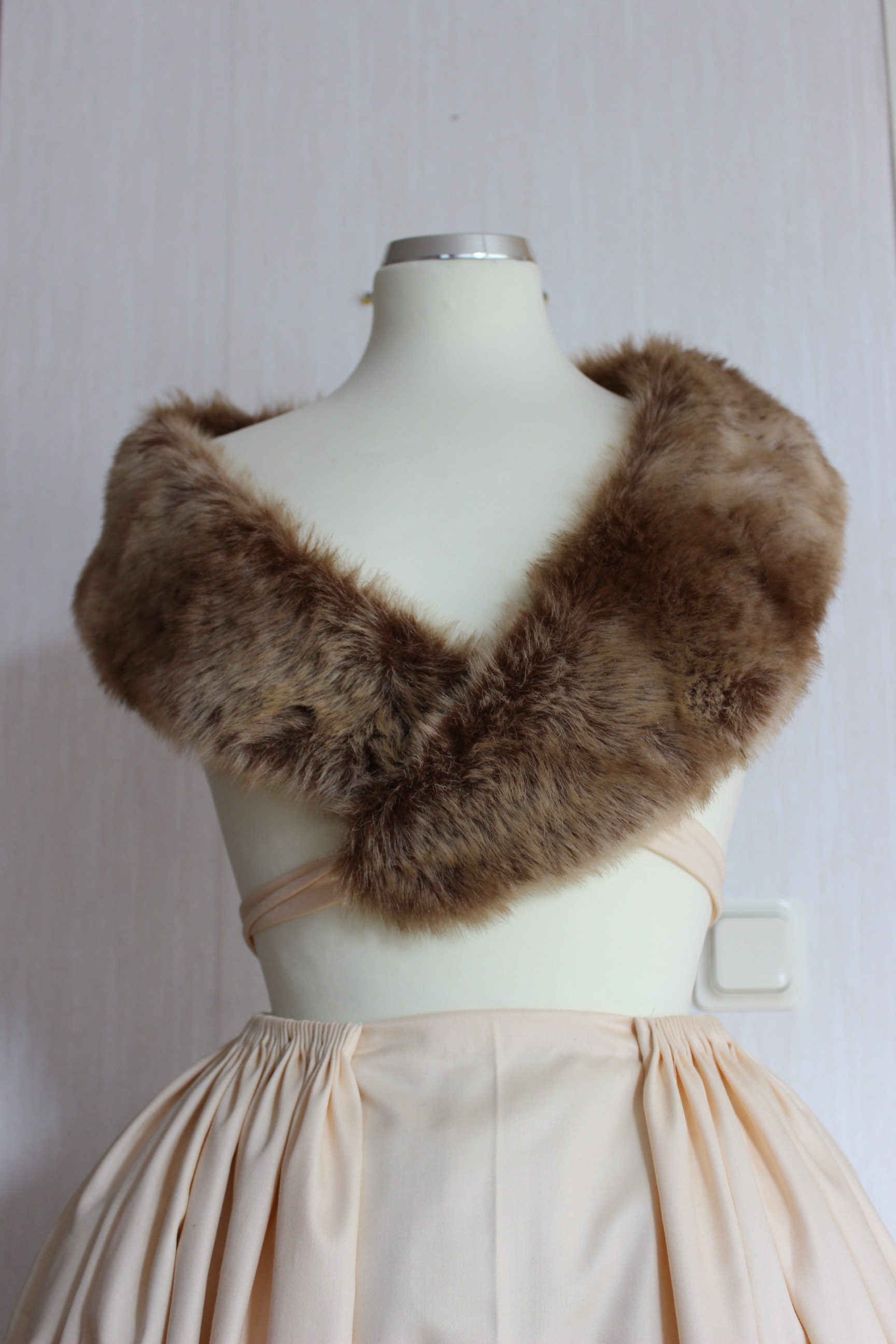
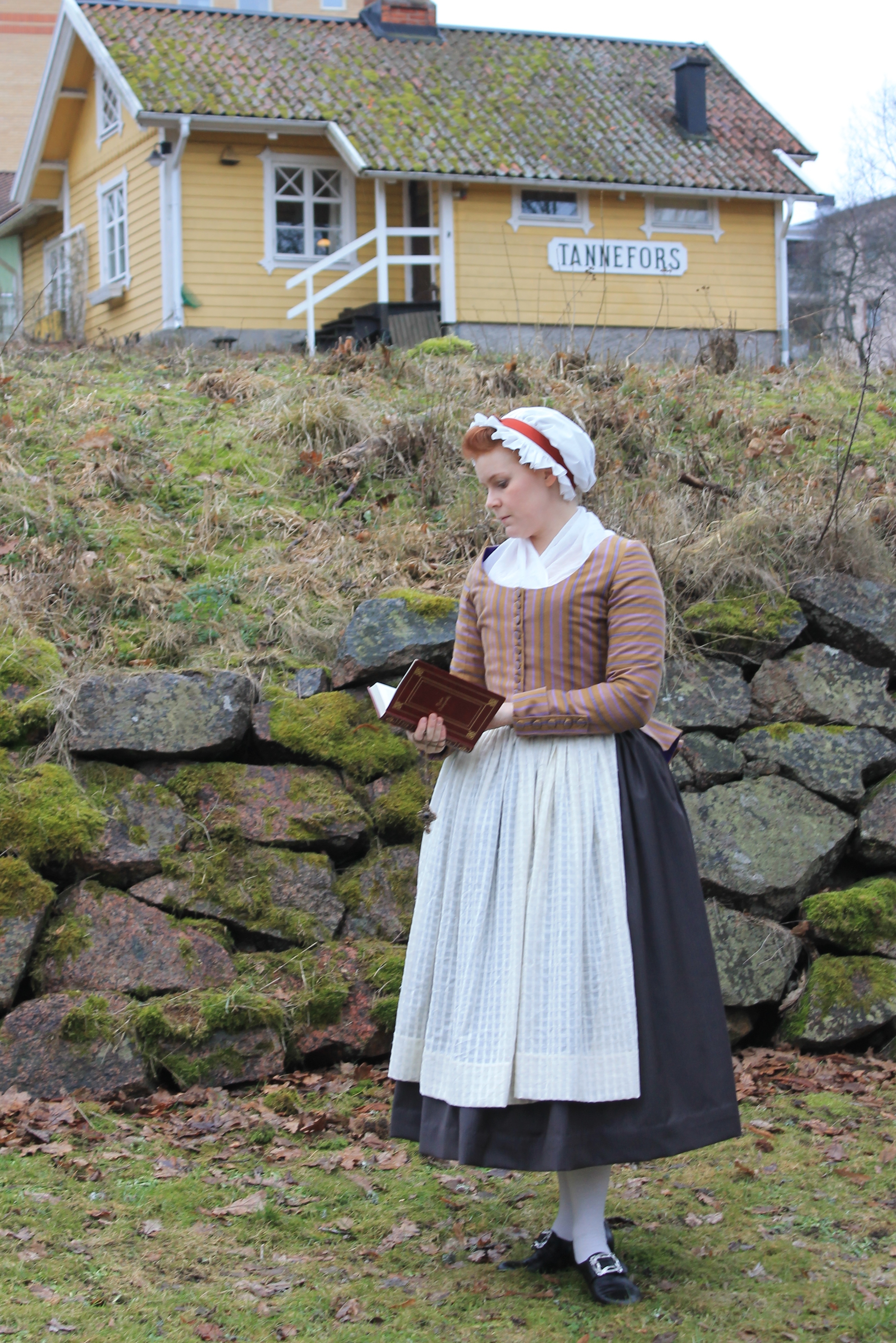
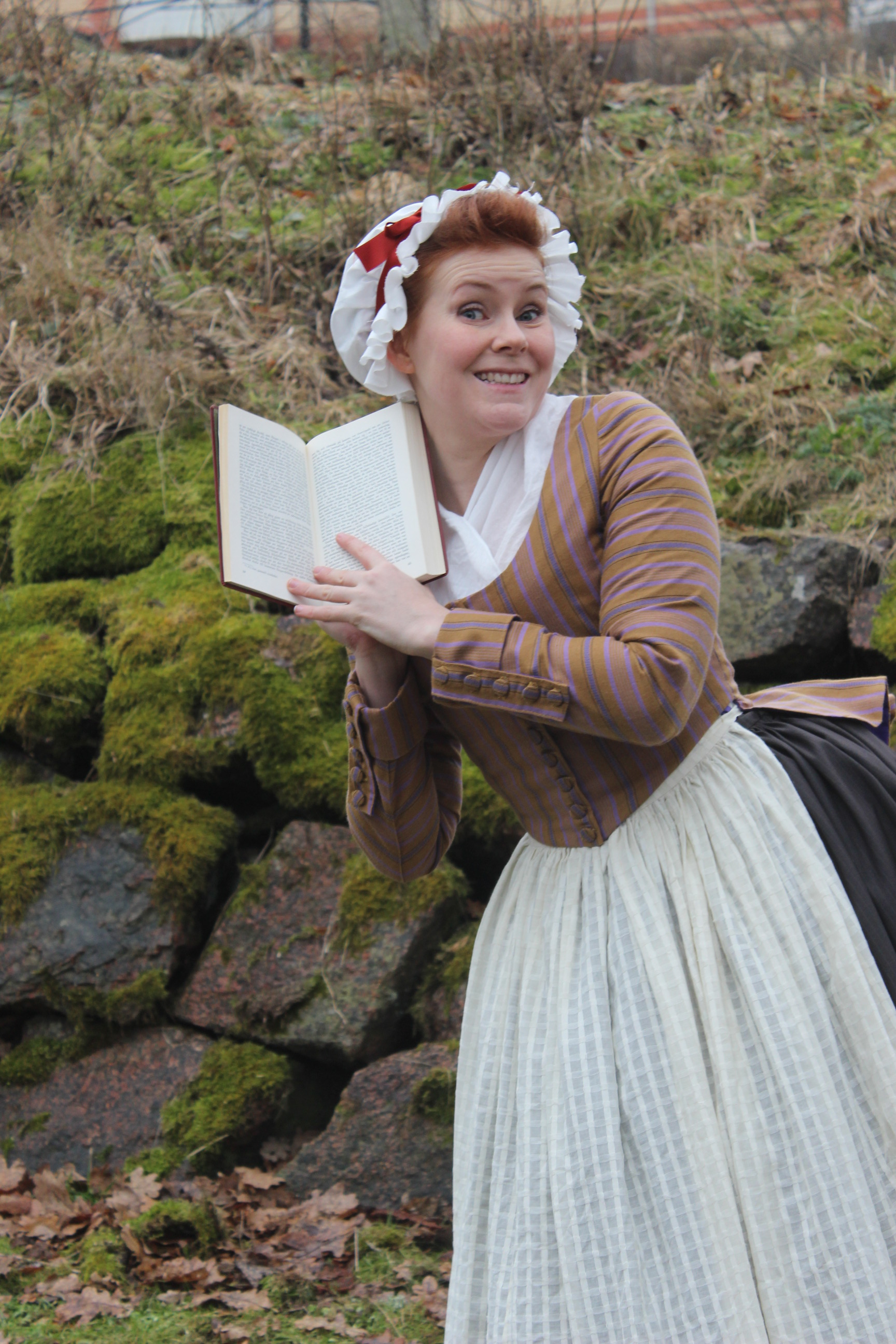
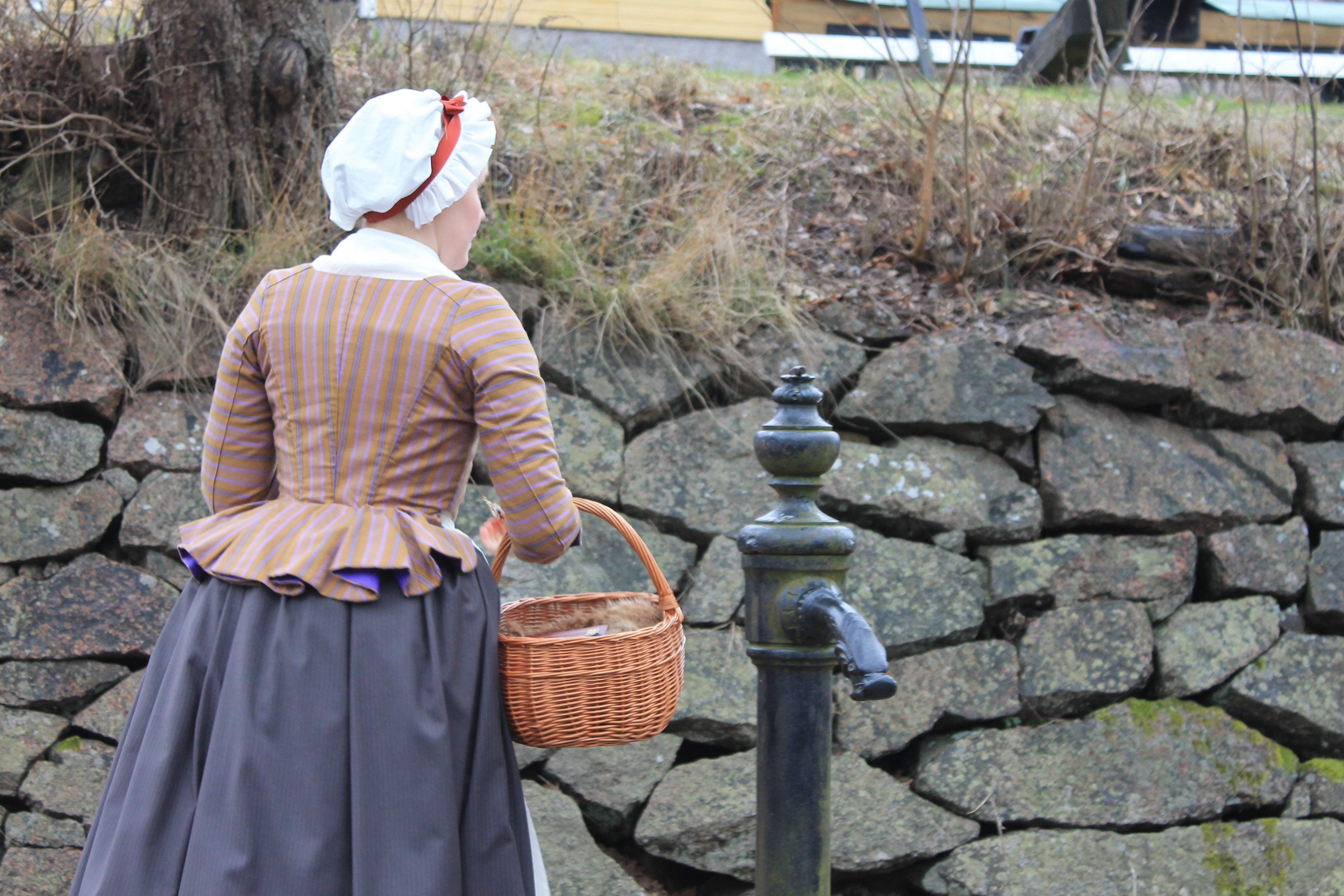
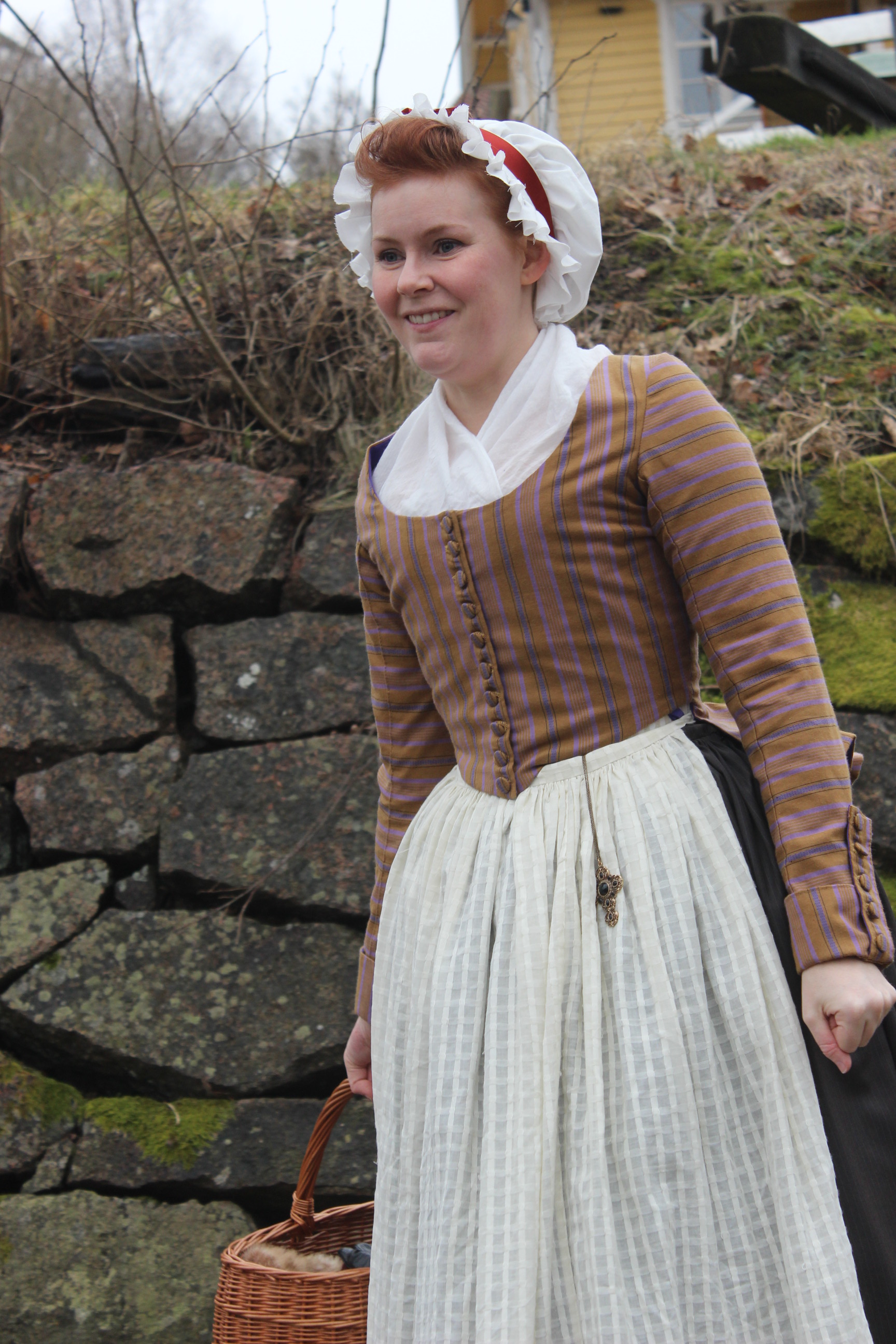
“Sew 17th century Challenge” – Fur Shawl

The next thing to be made after the skirt, cuffs and coifs (not exactly but I’m twisting the order of things in my attempt to postpone the unpreventable showing of the bodice) was the fur shawl .

8720ccafa4d9c913a35d3afff6c9d5d4

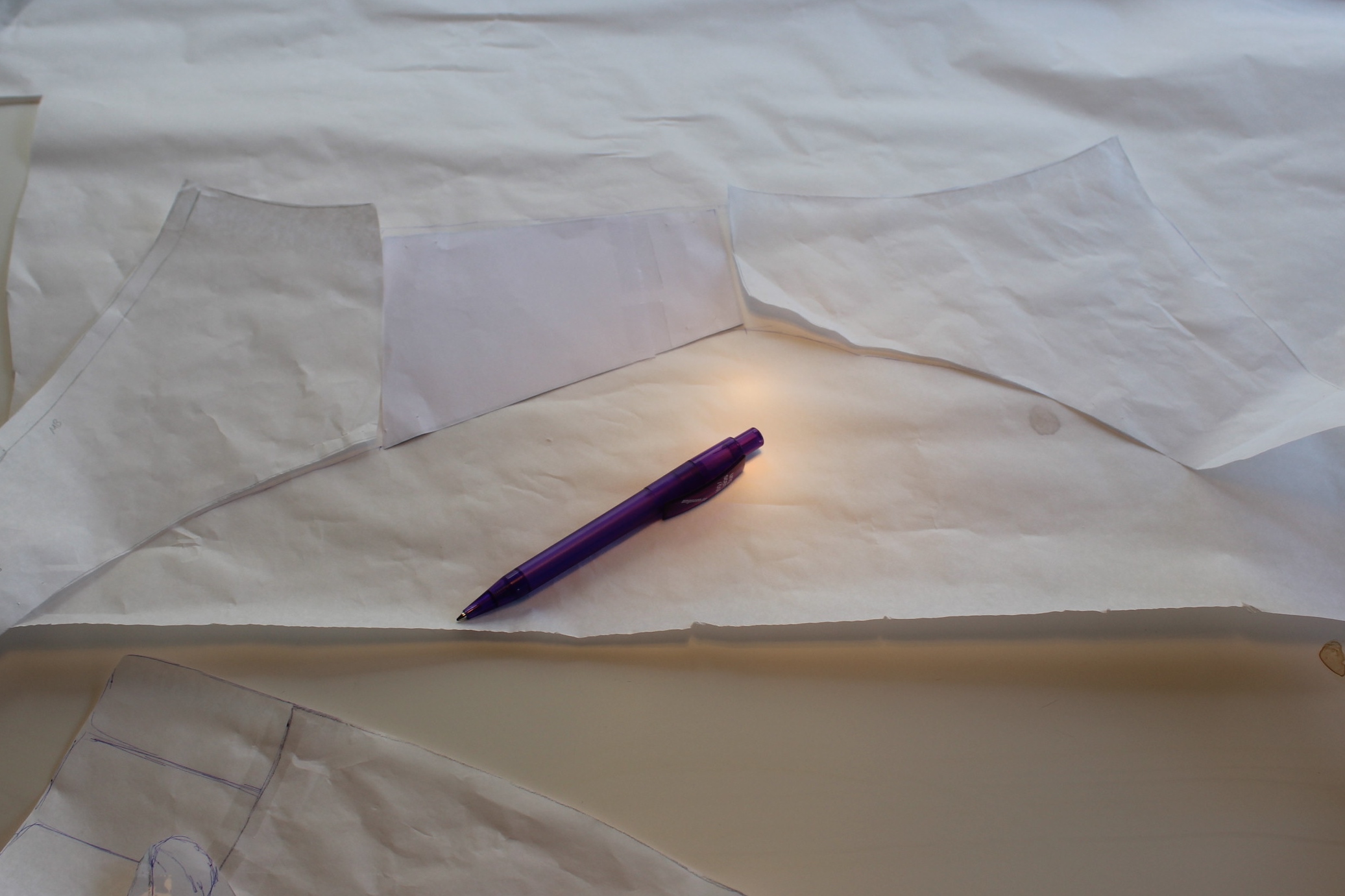
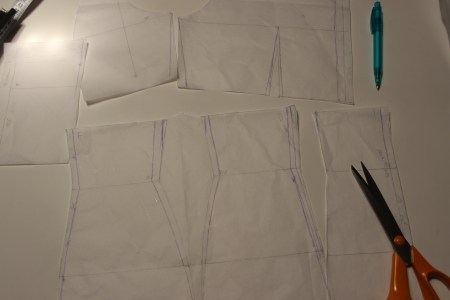
I drafted the shawl pattern using the bodice pieces as a guide.IMG_7404Drafting from the bodice neckline

The only tricky part about the pattern was trying to get the scale right.IMG_7408

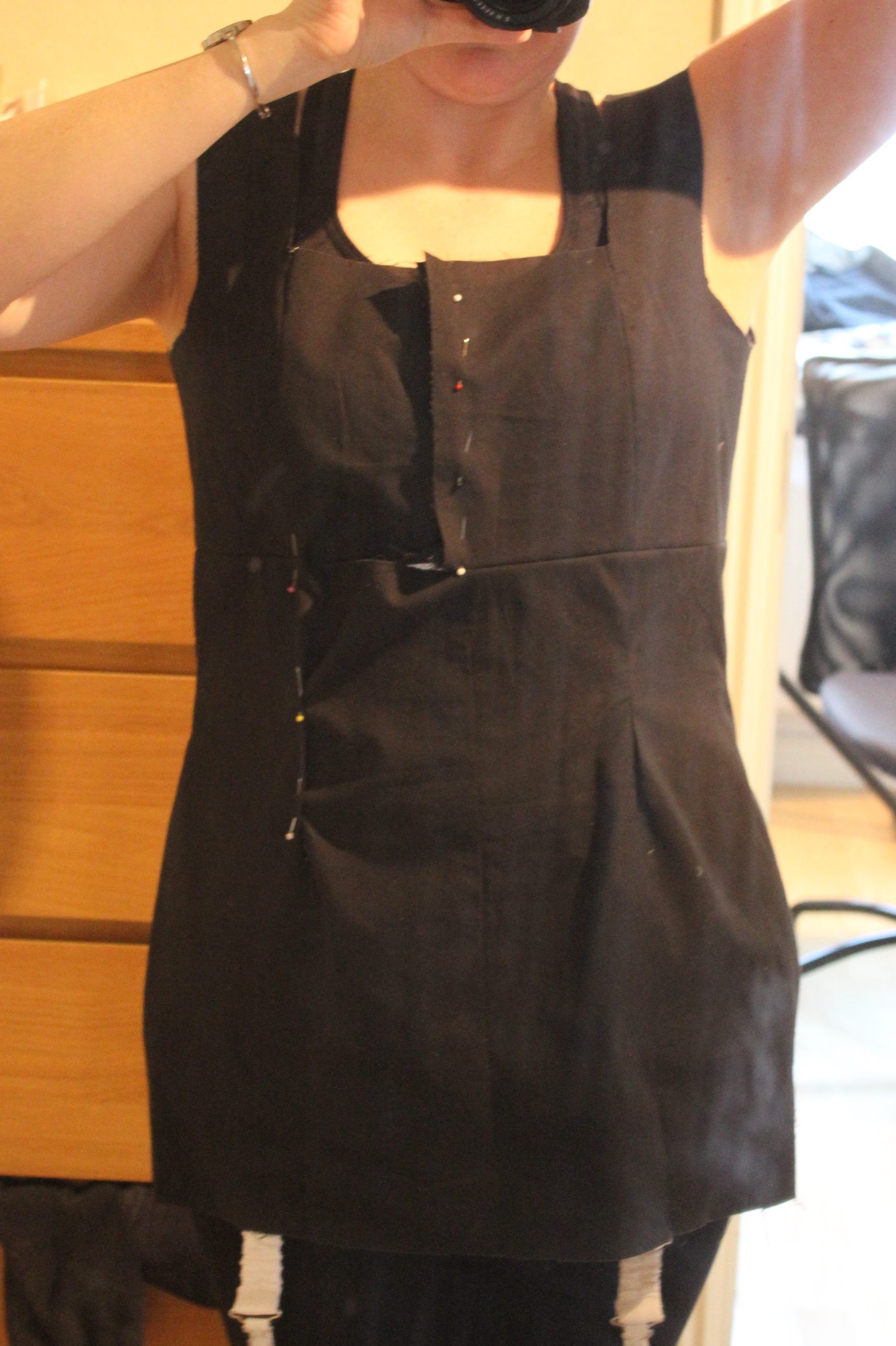
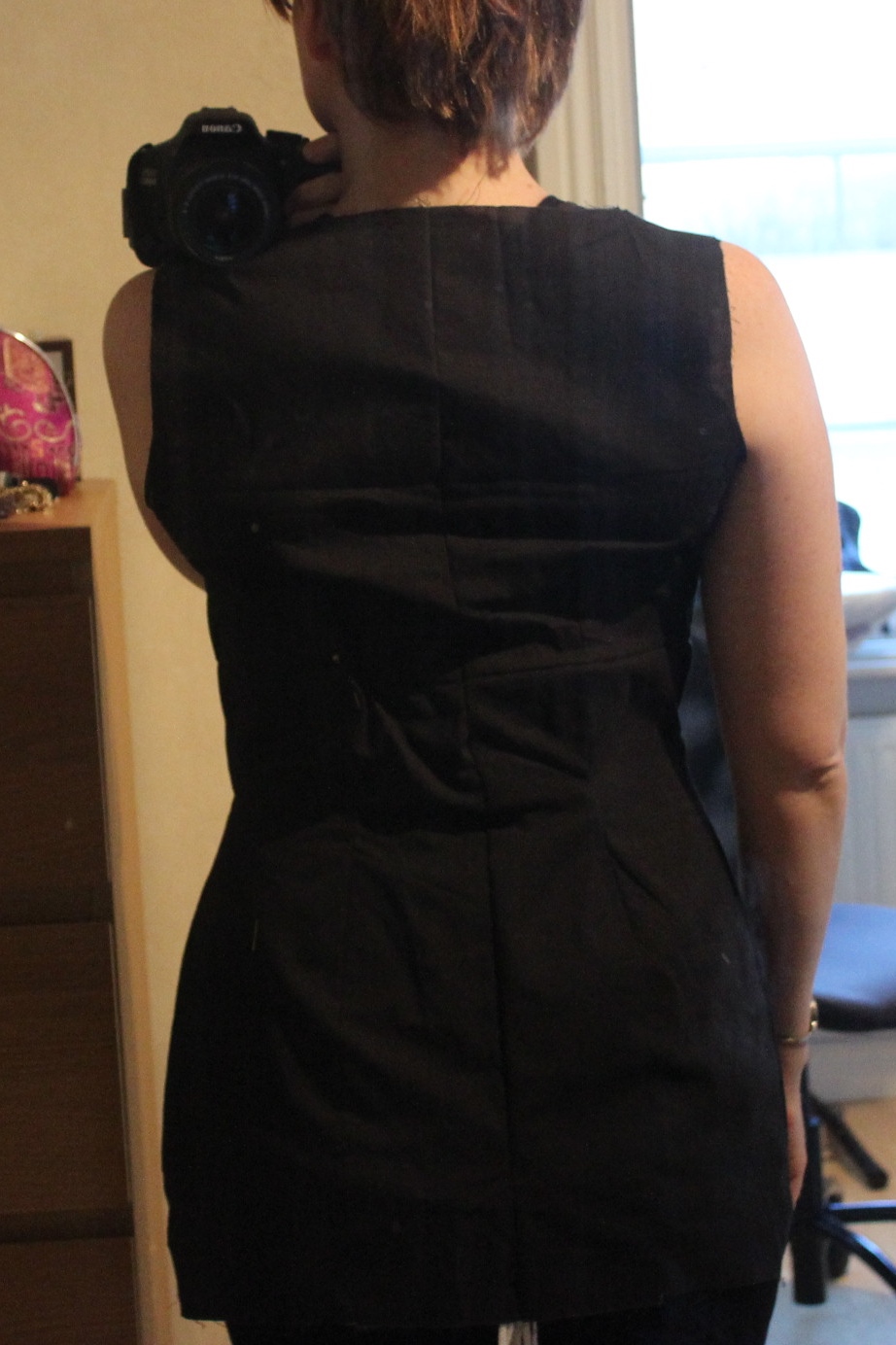
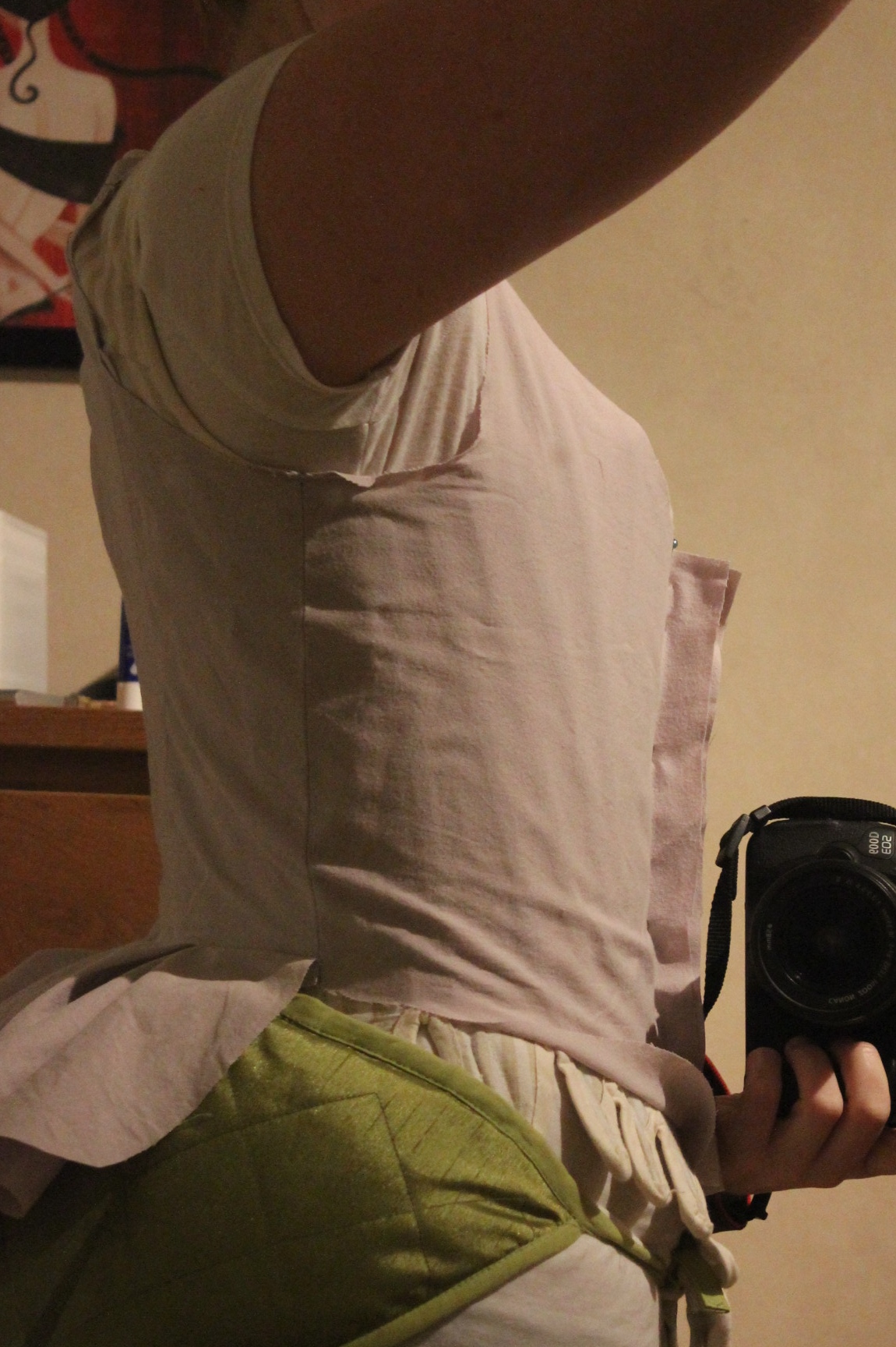
I tried the paper pattern over my bodice mock-up.  IMG_7417(Spoiler alert 1 . bodice mock-up)

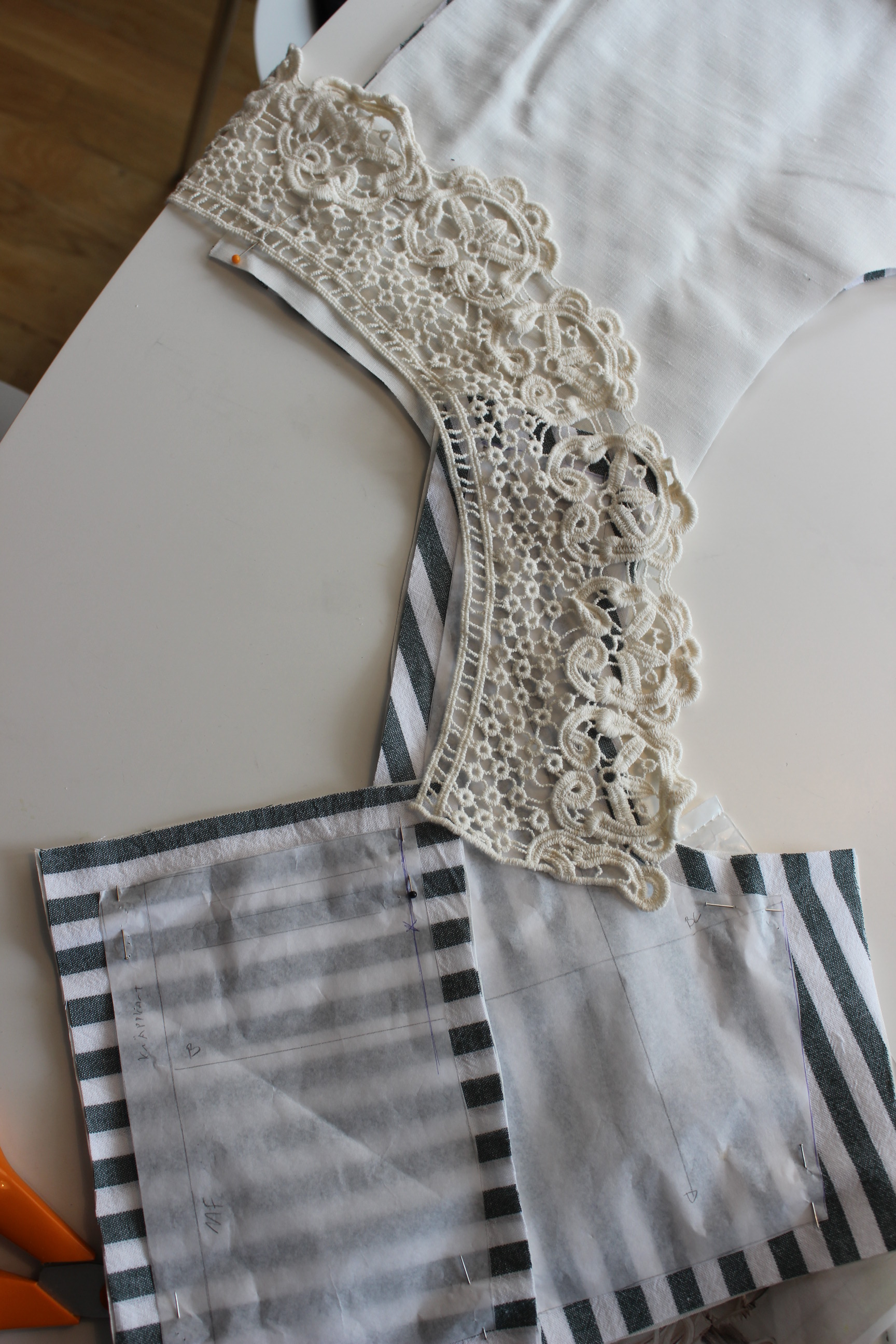
When I was happy with the size I cut the piece in my favorite faux fur fabric
(previously used in my brown velvet cape and 19th century fur hat)
IMG_7419I also used some leftover linen for interlining and a small piece of lightly brow woolIMG_7418

I started by basting the linen to the fur to get a bit more stability.IMG_7424

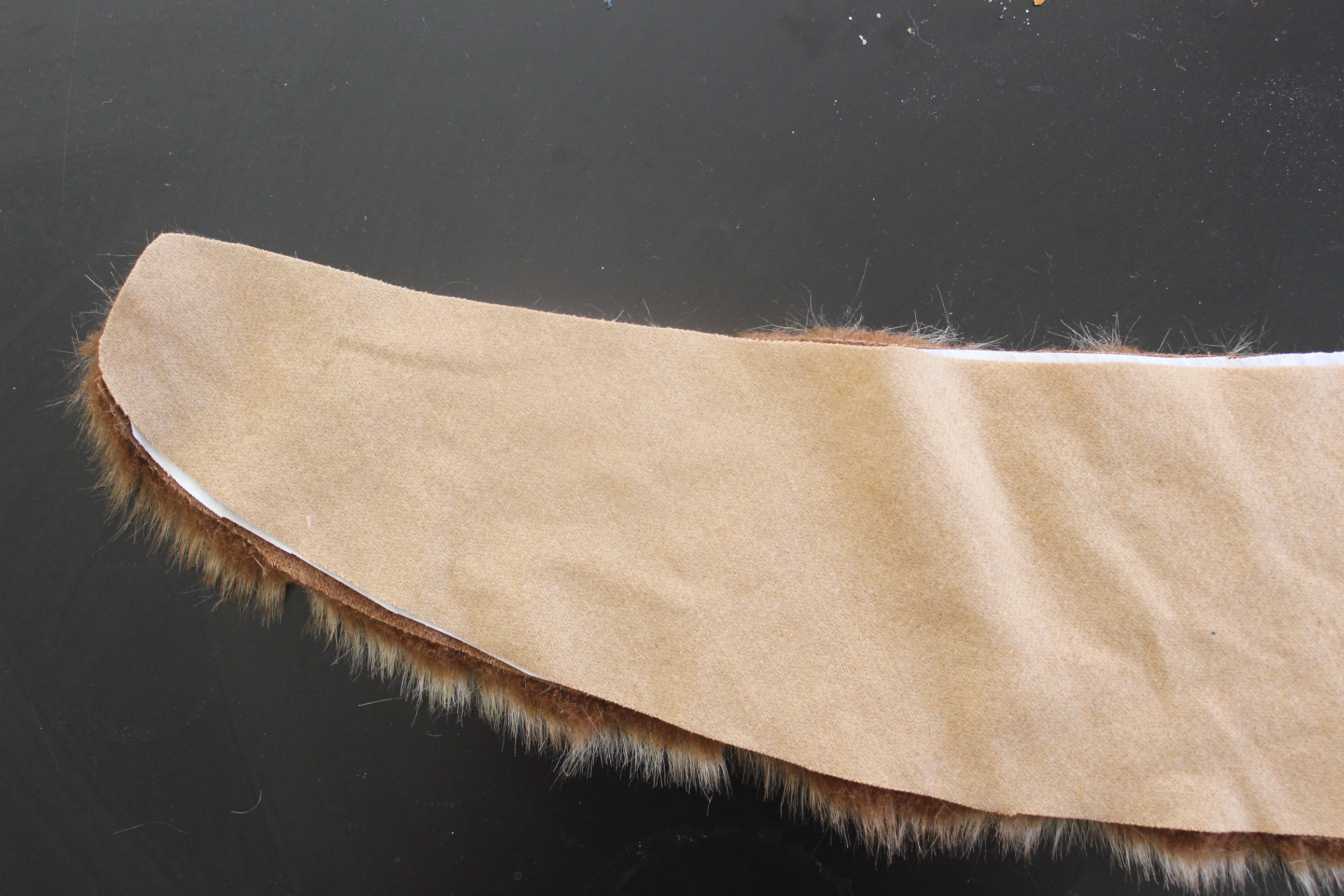
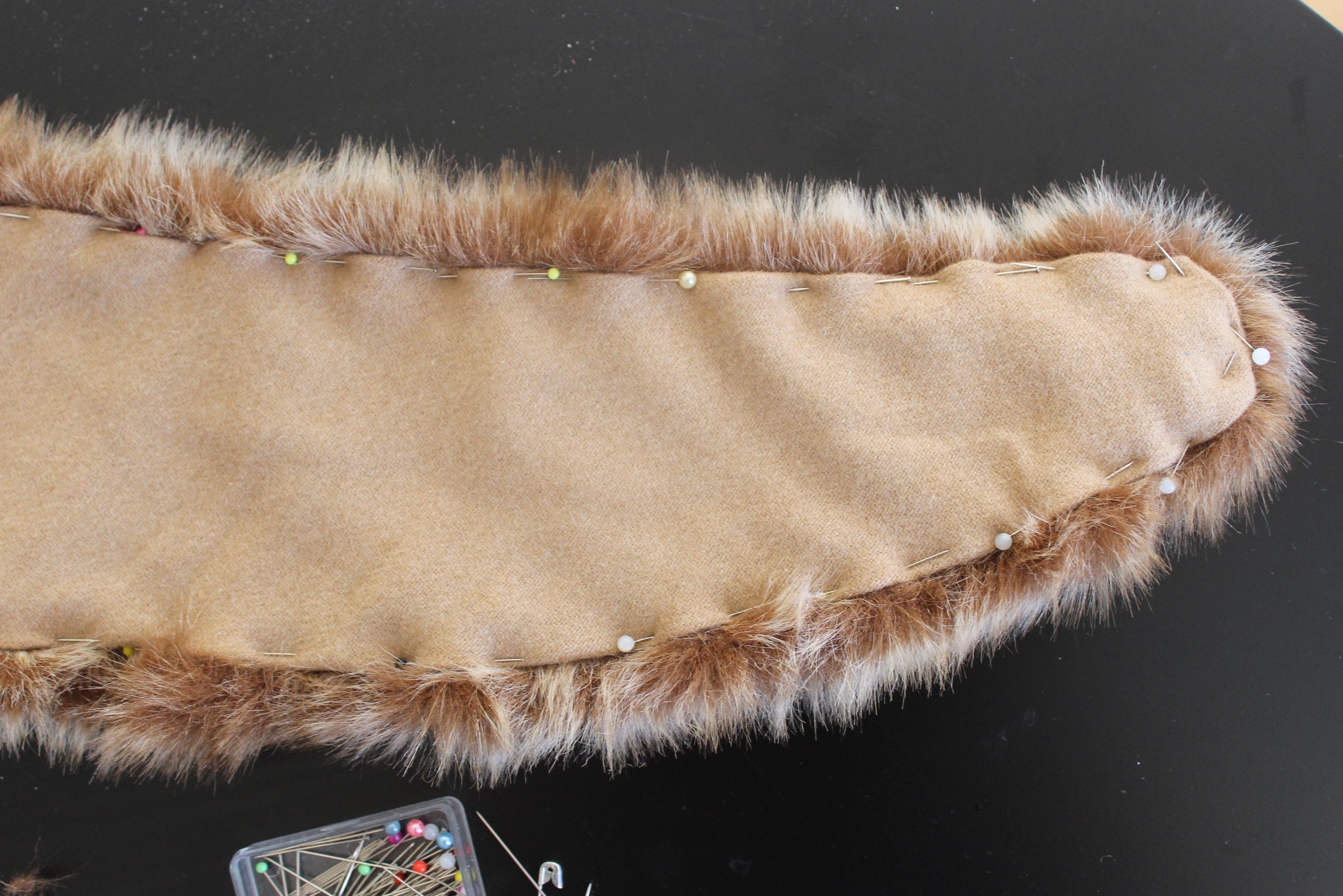
Then I pinned and stitched the wool to the fur by hand.
IMG_7429 IMG_7428

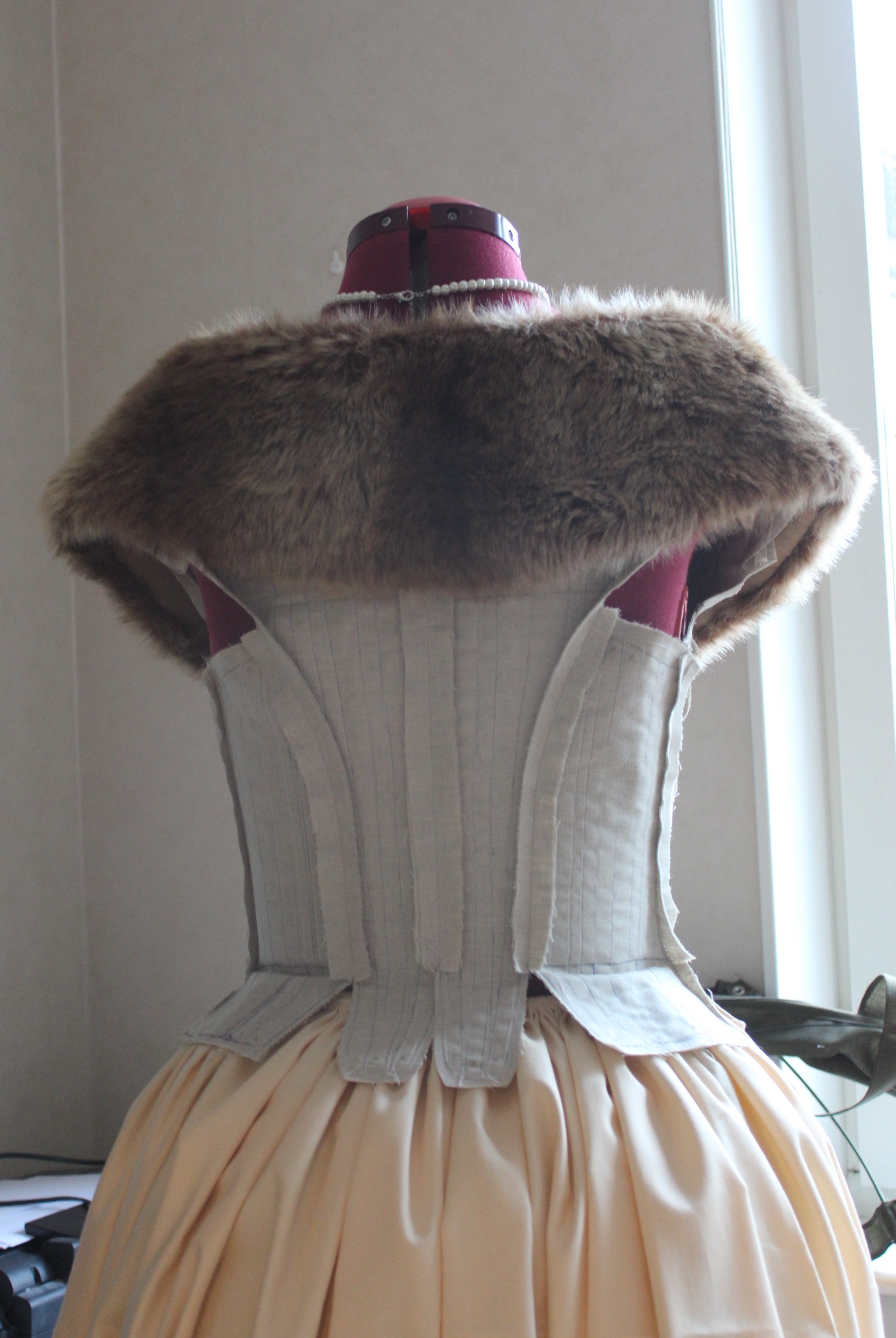
Trying the almost finished shawl on my dresform. IMG_7452(Spoiler alert 2 – bodice foundation)

The last thing to do was to make some ties form scraps of the skirt material.

The finished shawl:
IMG_7865

IMG_7862

IMG_7861
IMG_7859
IMG_7864

The facts:

What: A faux fur shawl, which work for pretty much every era from 1500-1950s

Pattern: I drafted my own using my bodice neckline as a guide.

Fabric & Notions: 20 cm faux fur, 20 cm linen for interning, 20 cm soft wool for lining, thread, hook and eyes and scraps of fabric for ties.

How historical accurate: Not really. Its pretty obvious the fur is fake, but I did look at originals to copie and used materials (except the fur) and construction techniques. Maybe 5/10

Time: 3 hours – completely hand stitched.

Cost: Nothing, since everything came from stash scraps.

Final Thoughts: I love how simple and fast the whole process went an dhow extremely versatile the shawl is.
It will fit almost anybody in any given timeperiod. Such a perfect garment/accessorie.

“Sew 17th century Challenge” – Coif (much needed head-wear)

The one thing I felt would be the hardest to replicate in my chosen painting was not one of the clothing pieces, but the girls beautiful hairdo.
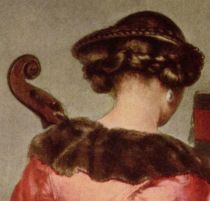
8720ccafa4d9c913a35d3afff6c9d5d4

My short red modern hairstyle do not lend itself well to even the easiest of historical hairdos.
I’ve tried hairpieces and wigs but never been totally happy with it – try to blend or attach hairpieces to a non existing do, or wear a wig when the small red hair at your sideburns take every opportunity to escape.

No, the only time I feel I actually can get away (barley) with my modern hairdo is while wearing a fully covered head-cloth, hat, bonnet, turban etc.

So what to do?

I needed to find an appropriate head coverage to make.
So on to the ever knowing Pinterest I went.

And found two alternatives that I really liked:

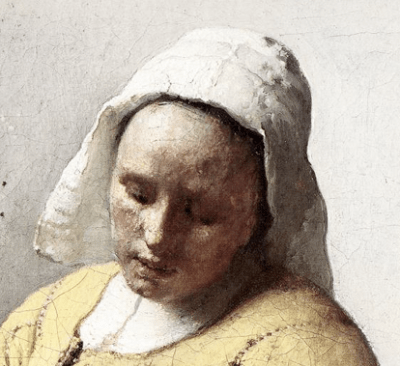
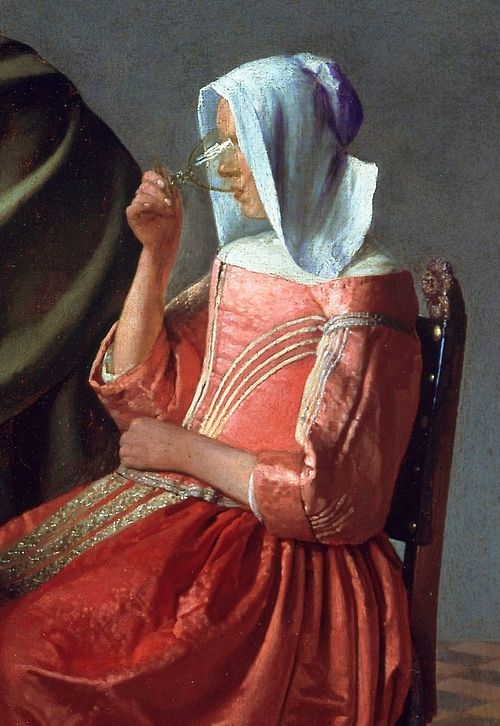
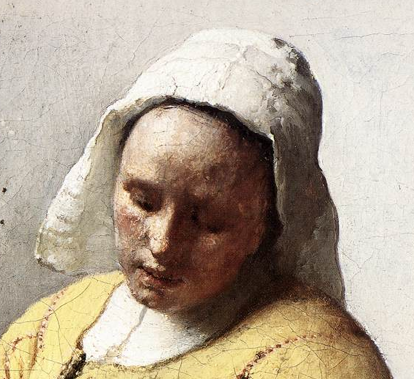
The simple head-cloth with its adorable turned up brim.The Glass of Wine (detail), c.1661, Johannes Vermeer.

Vermeer coif

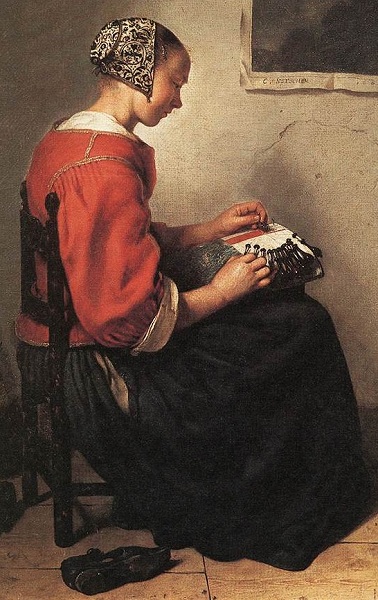
And the smaller Coif, which may not cover all of the hair, but probably would work better together with my bodice and fur collar and still giving me some neck. 1662_lacemaker_netscherI almost wish I’ve found this painting earlier, so to make this as my 17th century project instead…
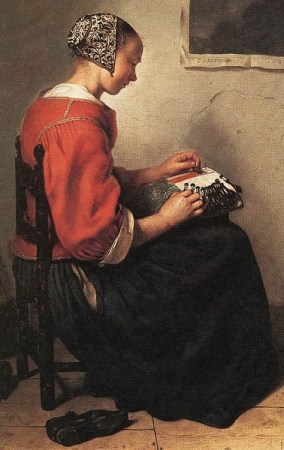
This example is worn with a forhead cloth – perfect for taming my short and flying bangs. a4693bed8c066a9777bbe705b7d6accf_resized

Patterns for this kind of coif can be found in almost every book covering this period in time.
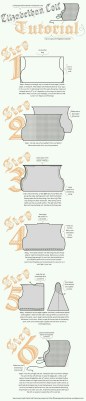
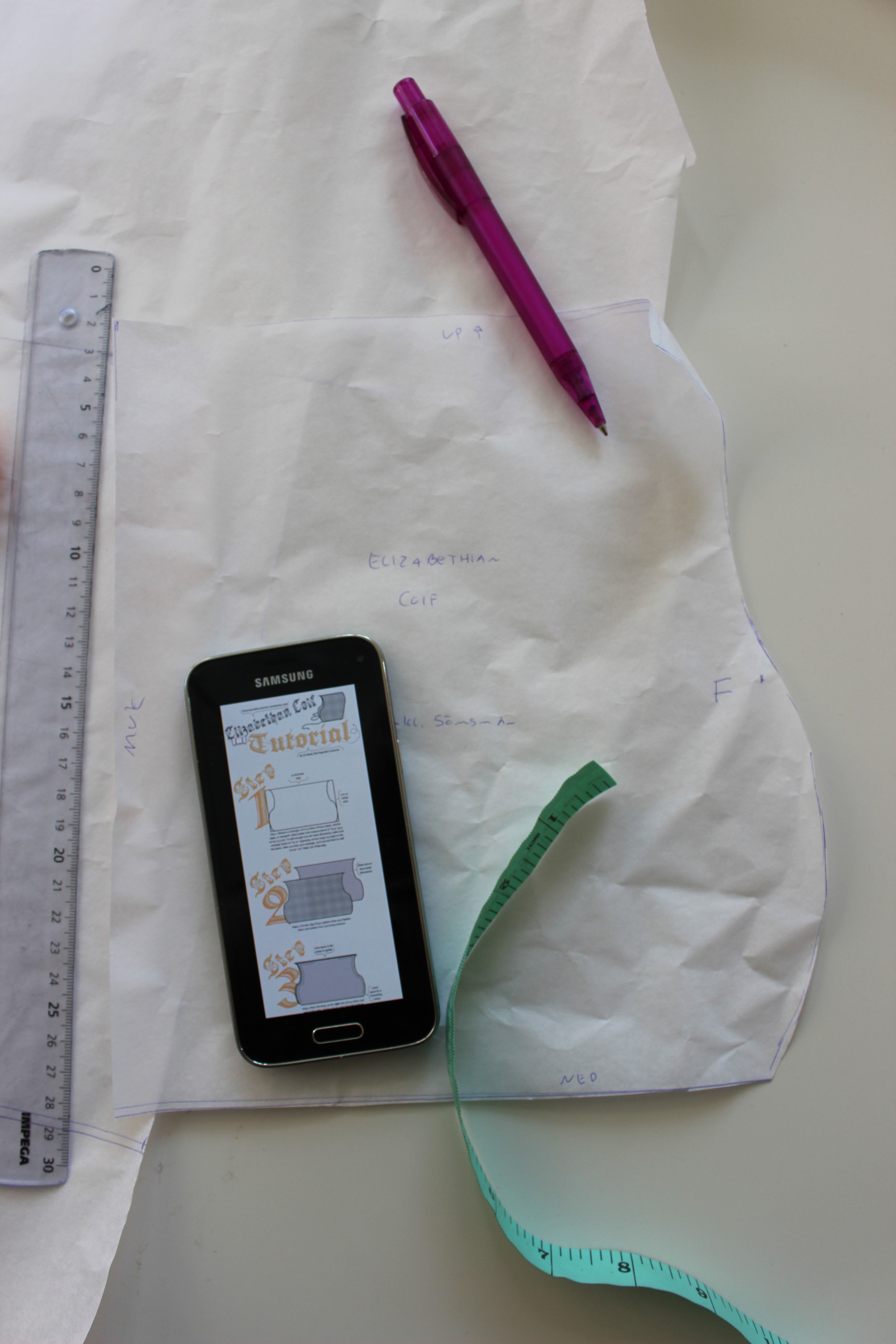
But I choose to use the great pattern/tutorial from “The pragmatic costumer
f067dd77e8b508959aa363ac0c604a34_resized

So this weekend I drafted the pattern – following the awesomely easy instructions.IMG_7925
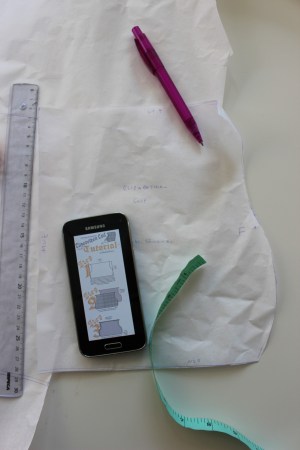
While drafting I decide to not make a mock-up but a kind of working toile instead.
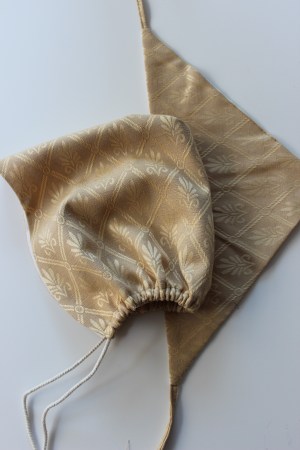
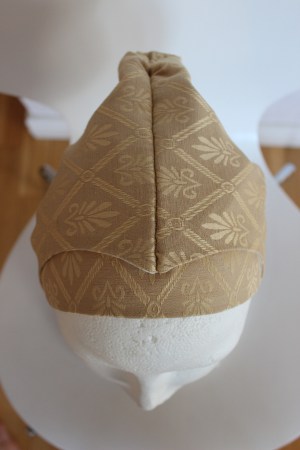
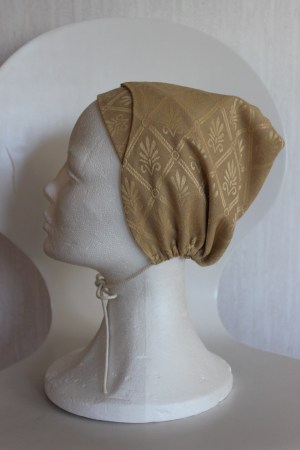
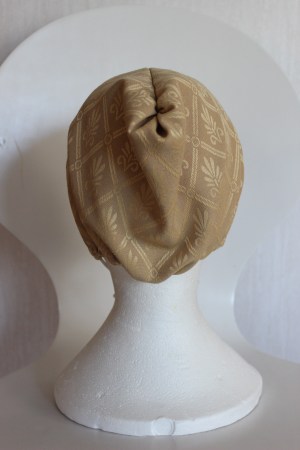
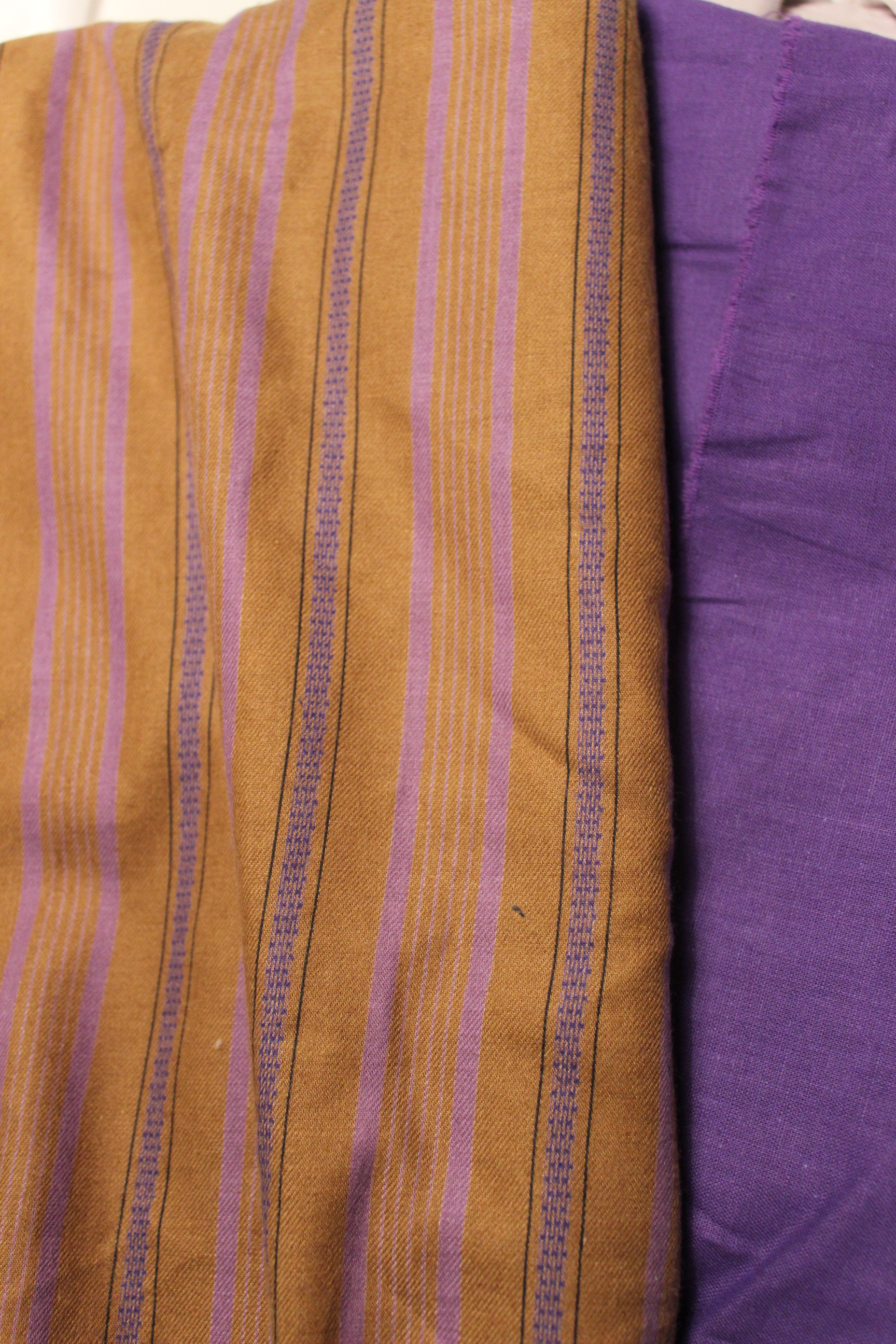
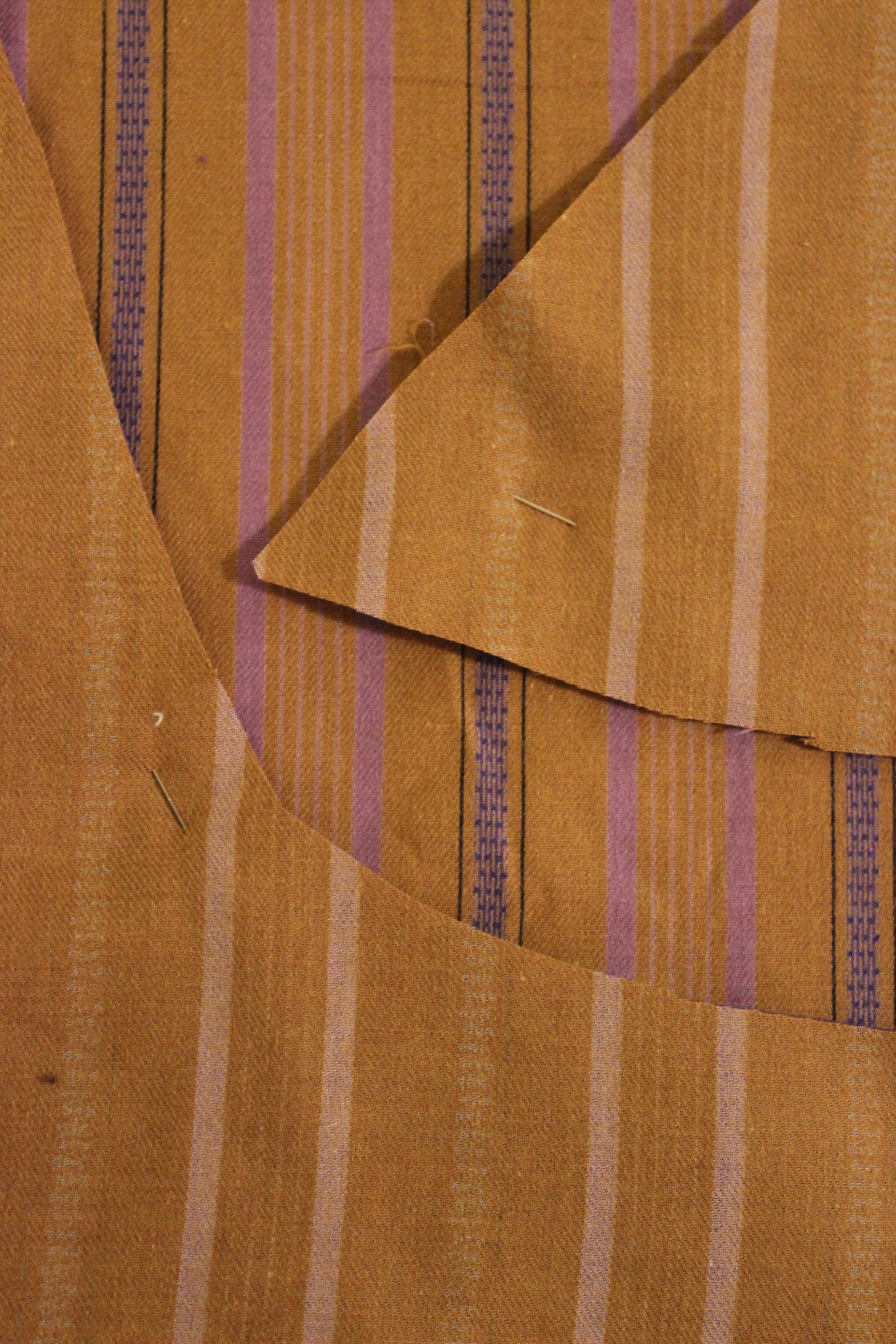
So I dug through my fabrics and found this lovely patterned golden polyester fabric, I’ve bought with 17th century doublet, dress or waistcoat in mind.
IMG_7926Yep, it’s really that narrow.

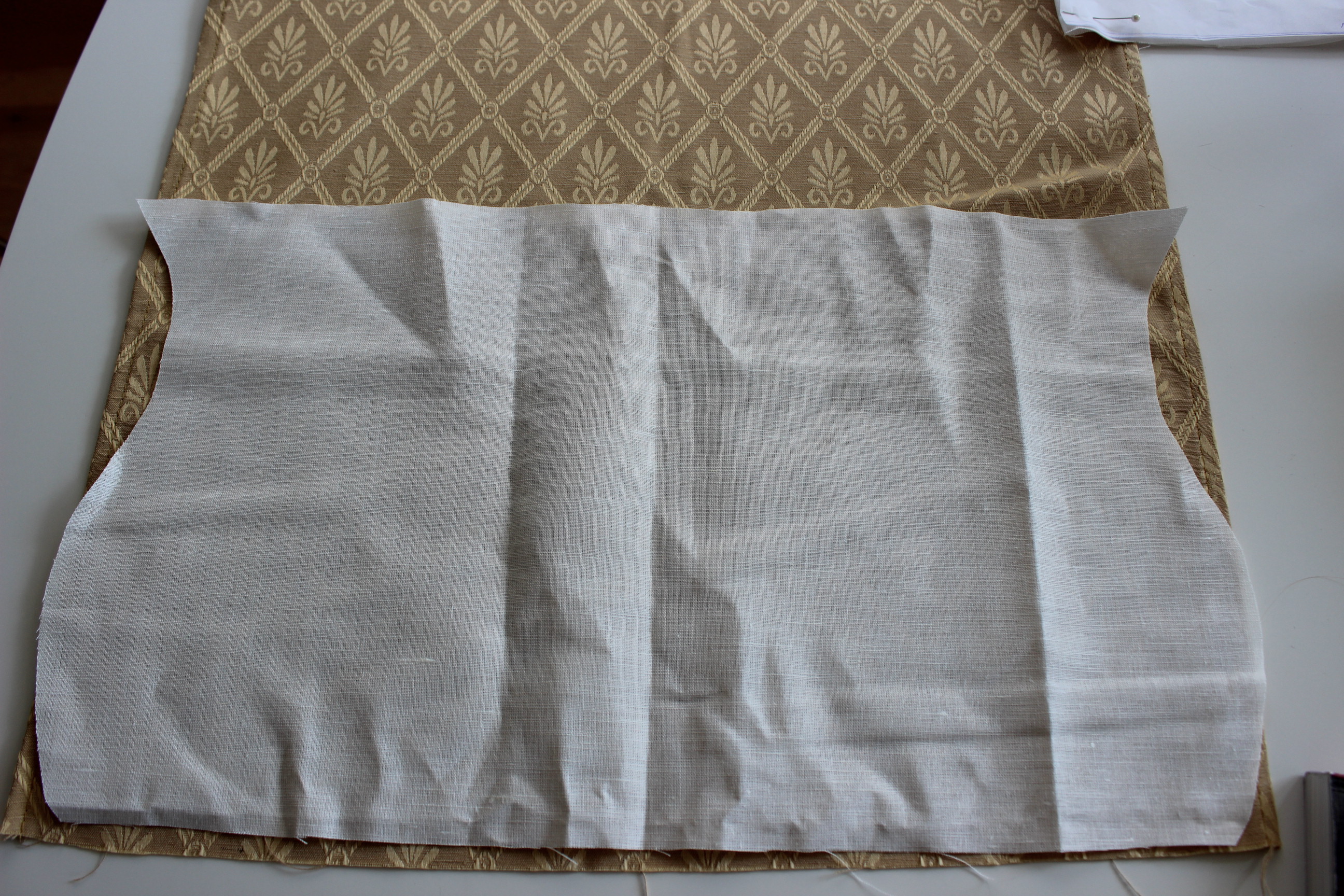
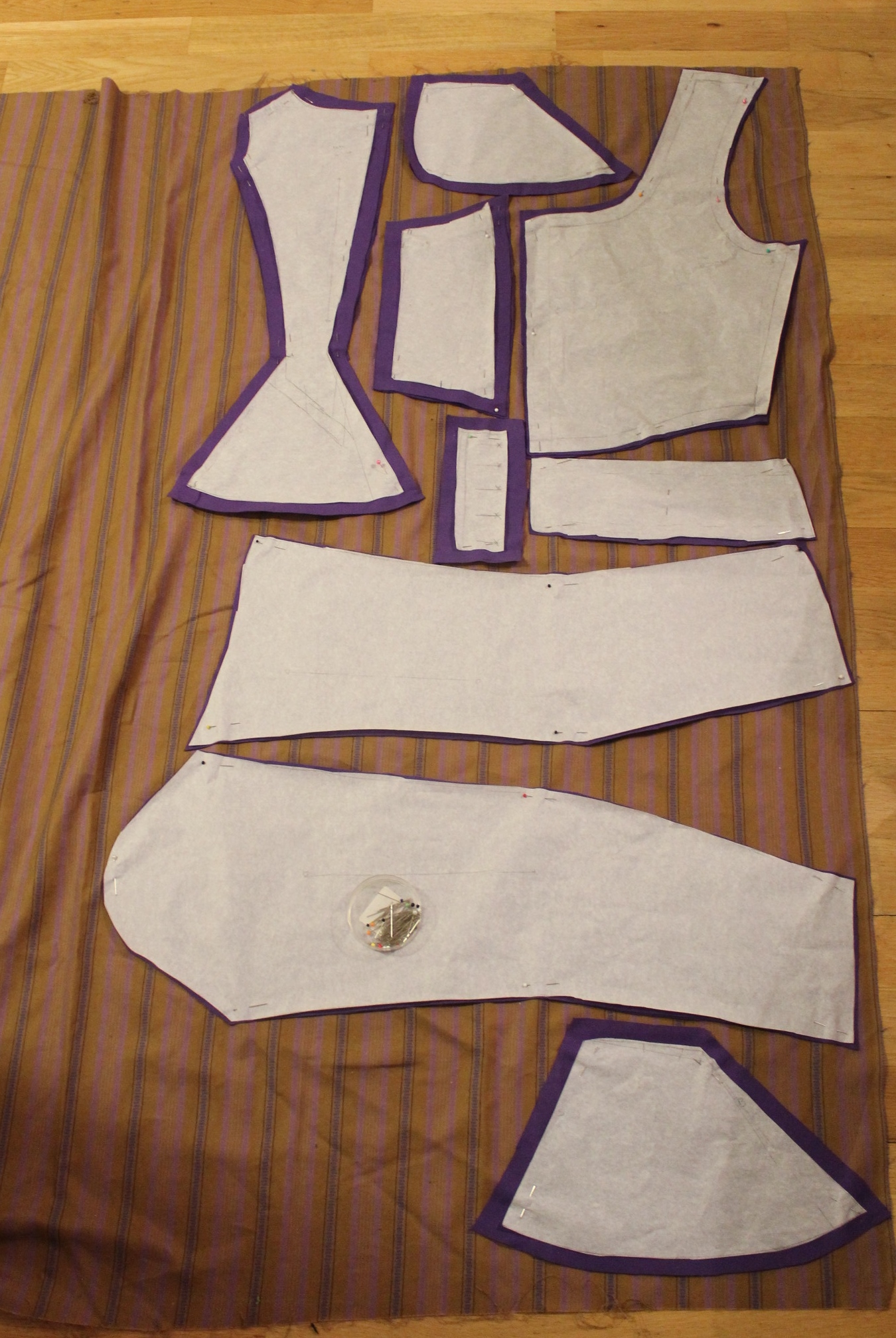
So I cut the pieces in golden polyester and white left over linen fabric.
I also added some pieces for the forehead-cloth. IMG_7929
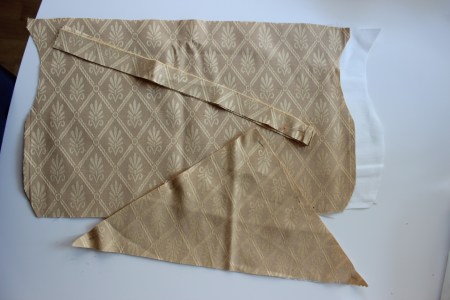
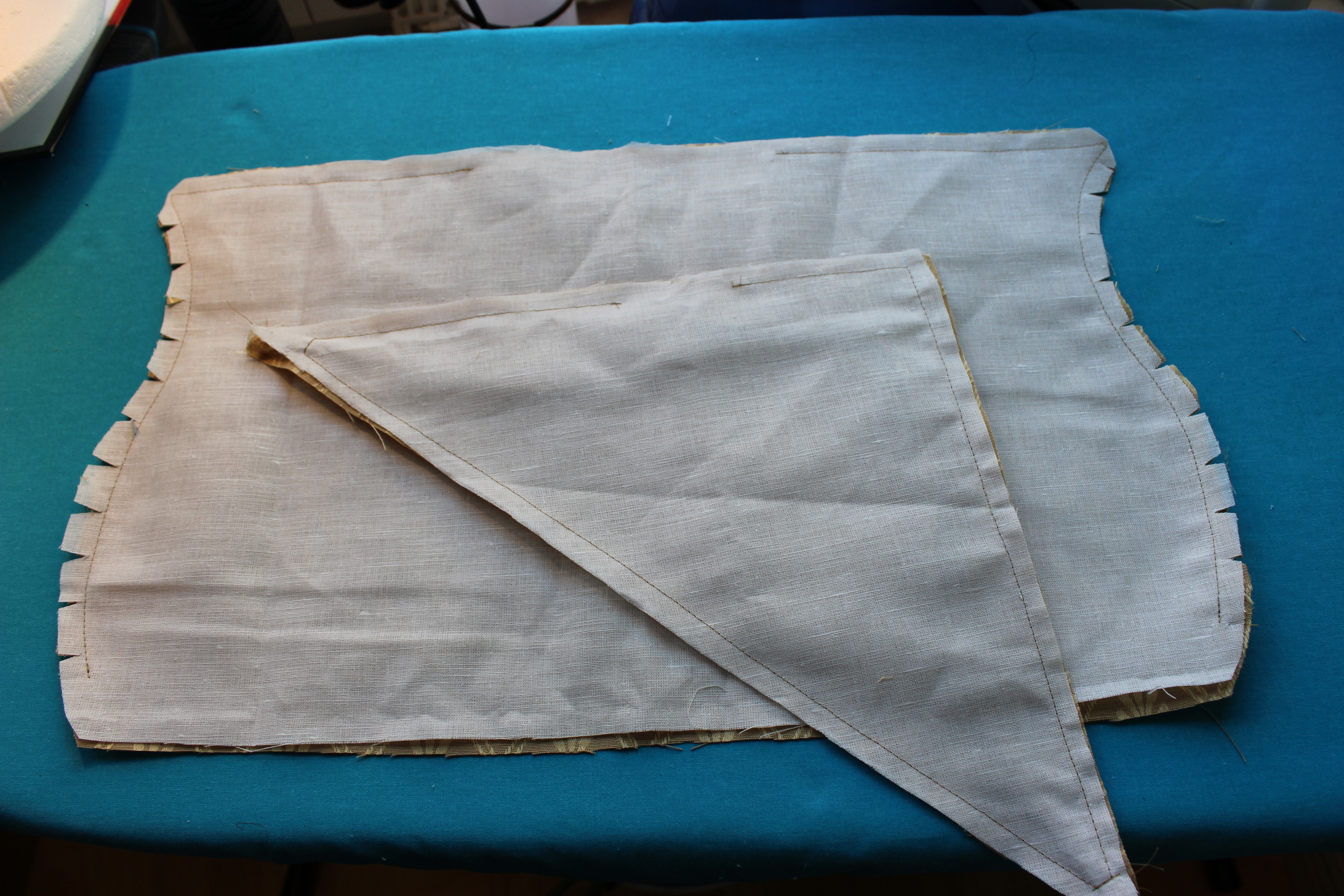
As a “mock-up” I didn’t wanted to wast any time making it up, so I stitched the whole coif on the sewing machine.IMG_7931First seams ready, time to turn and press.

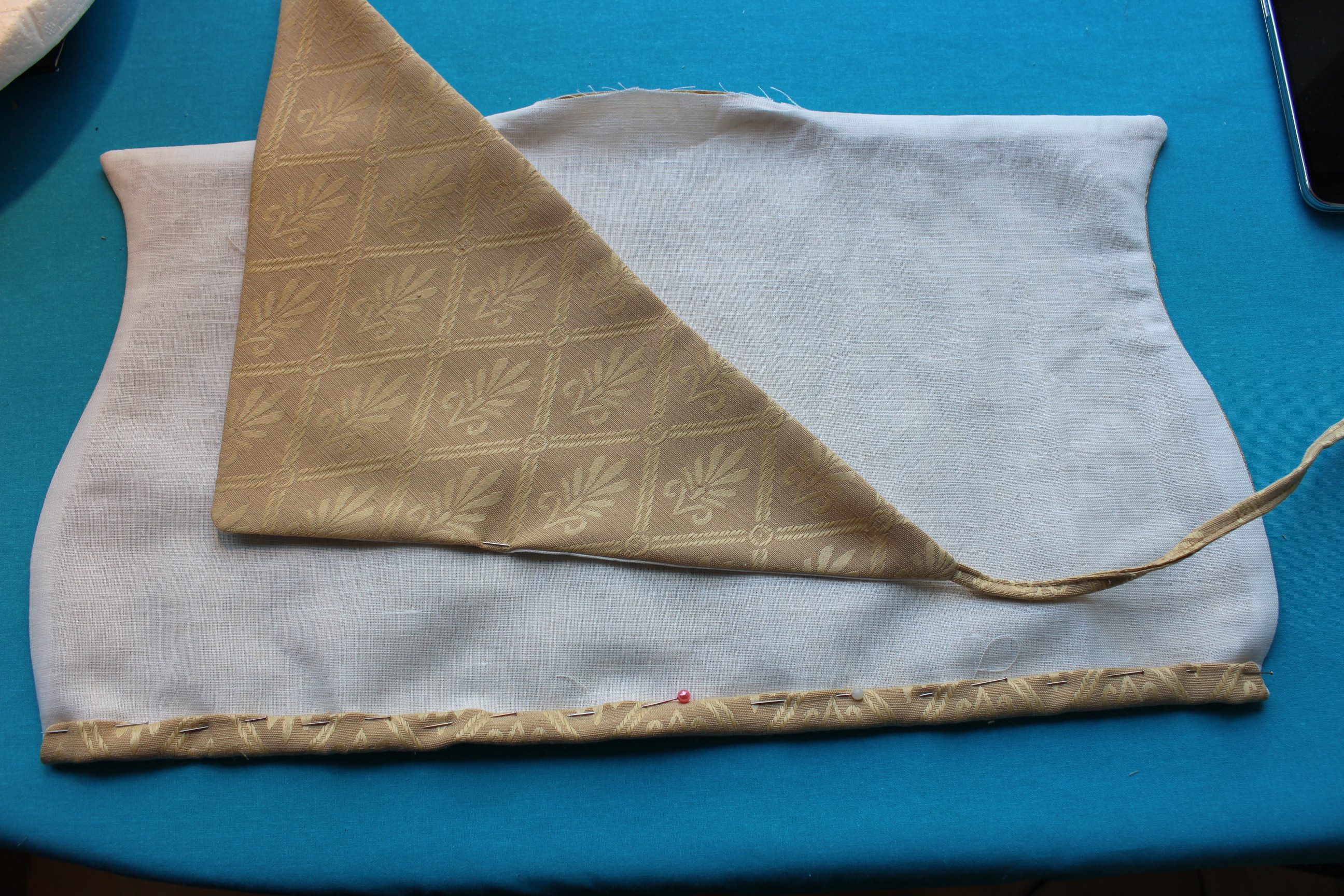
Then I folded the channel for the gathering cord.IMG_7933
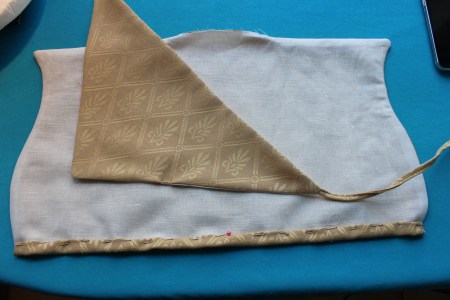
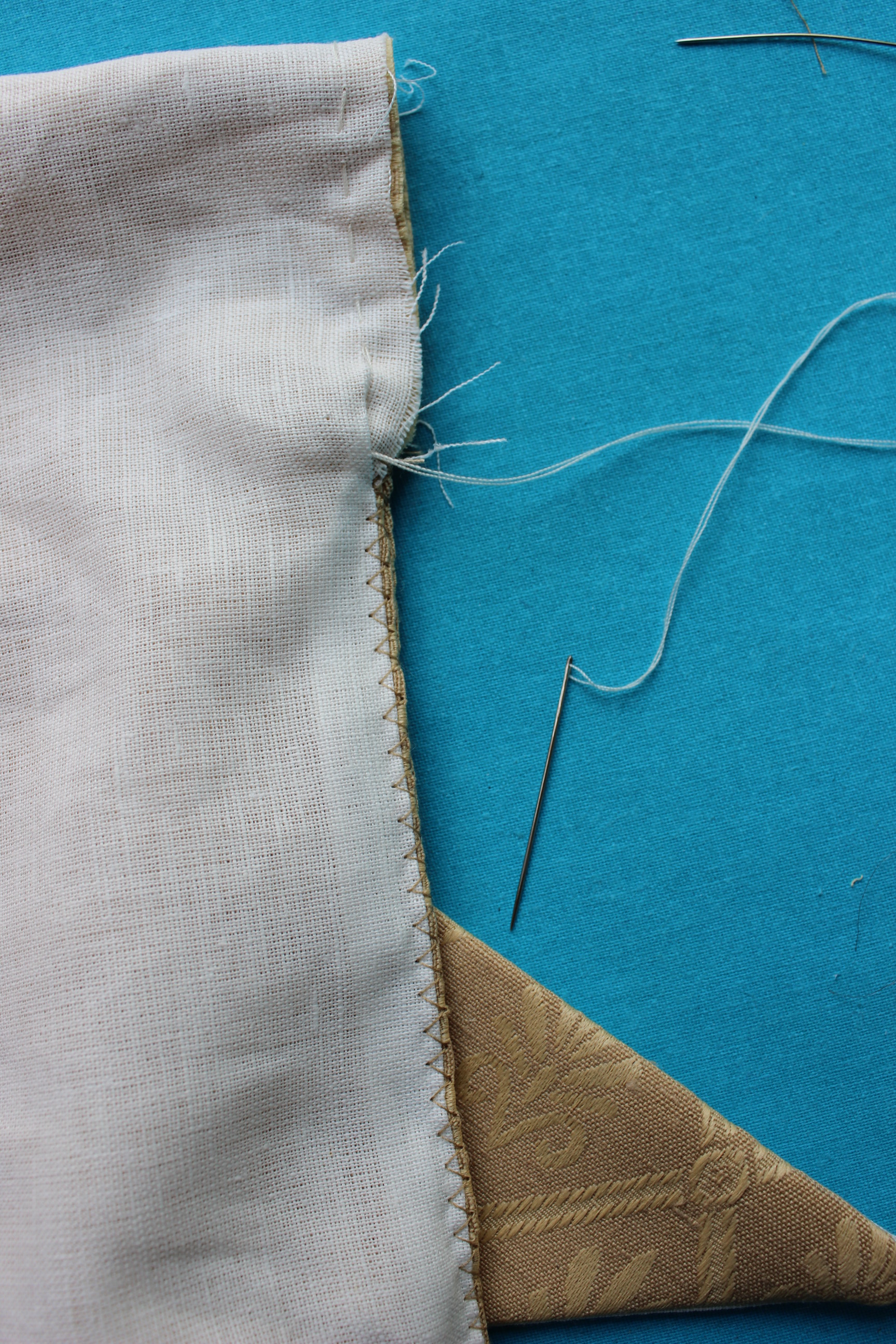
I sigzaged the back seam and basted around the opening to get a nice closed top.
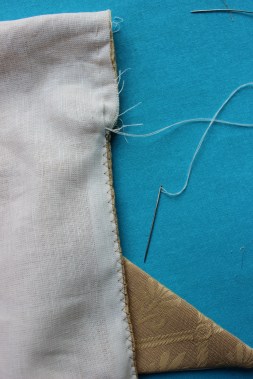
IMG_7934 IMG_7935
The technique was almost the same as in the hood on my 18th century red riding hood.

And lastly I put in the gathering cord.IMG_7953
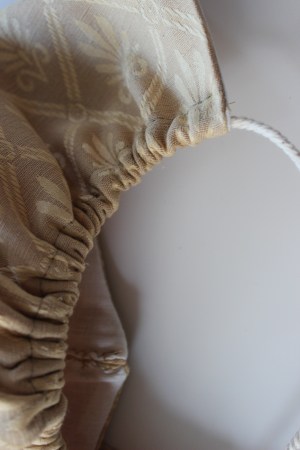
IMG_7952They look so small and cute – and actually quite good in this fabric.

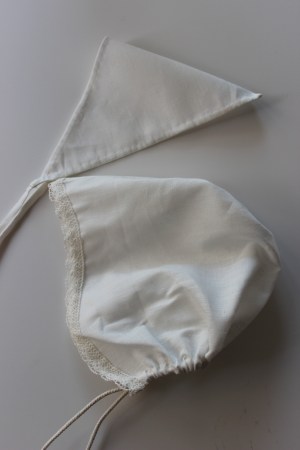
Finished forehead cloth:IMG_7951
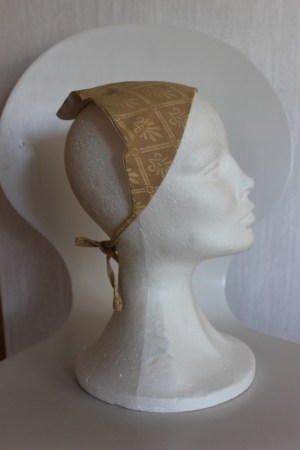
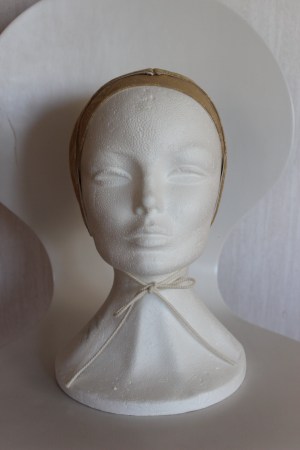
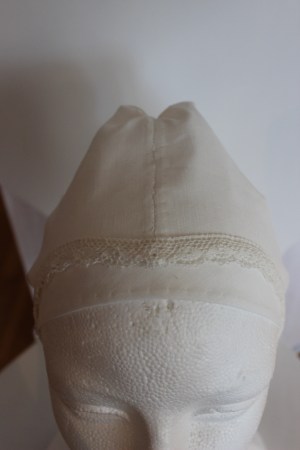
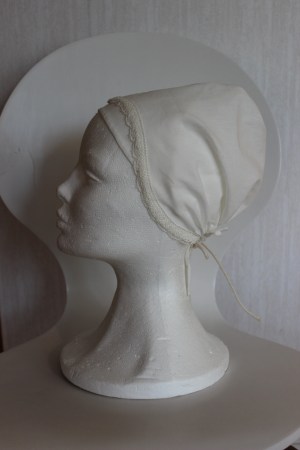
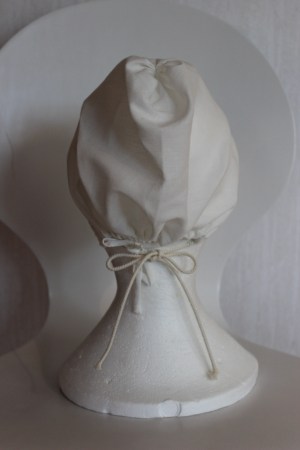
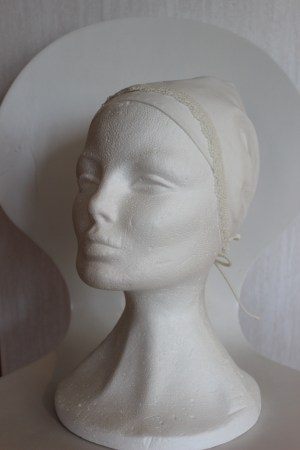
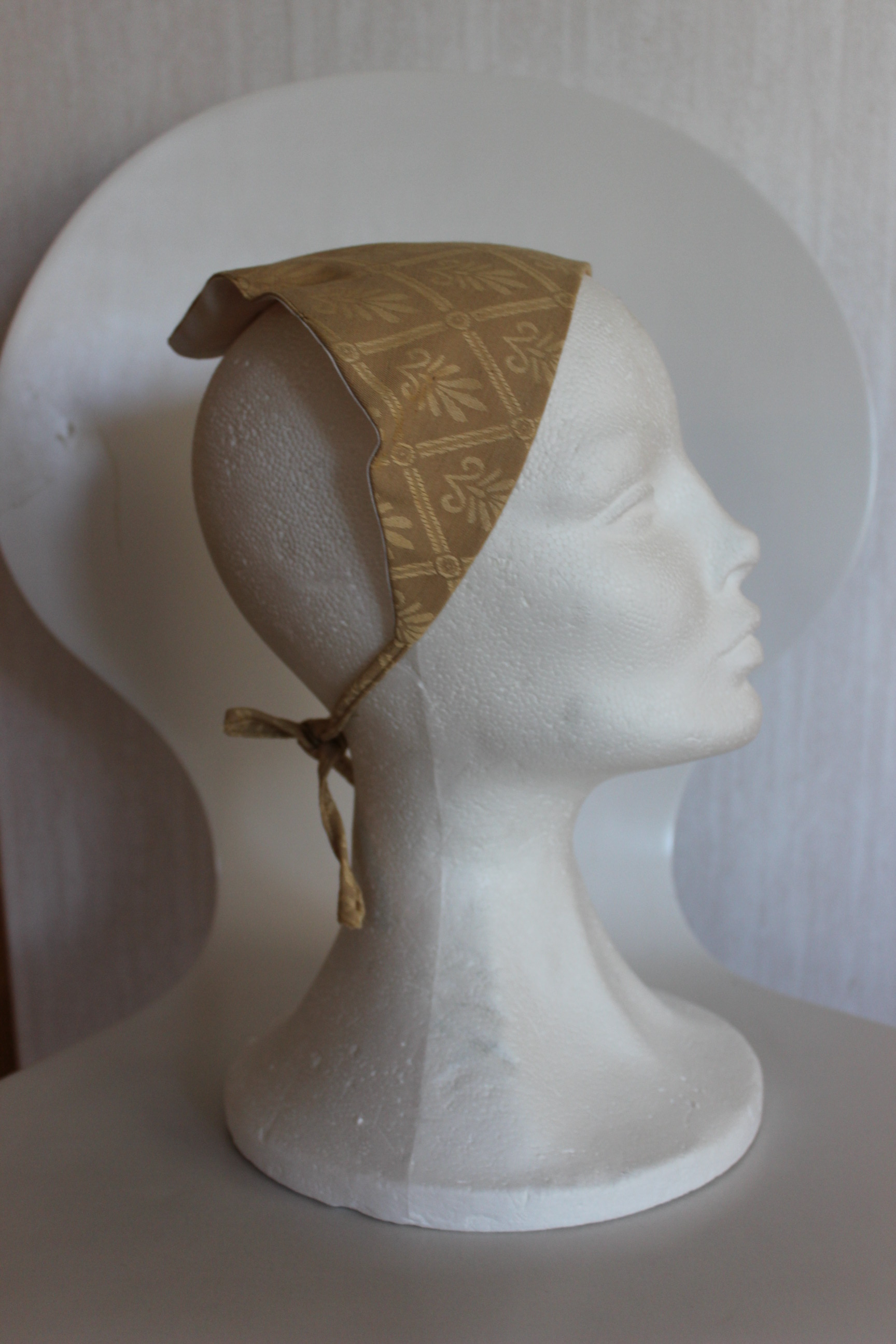
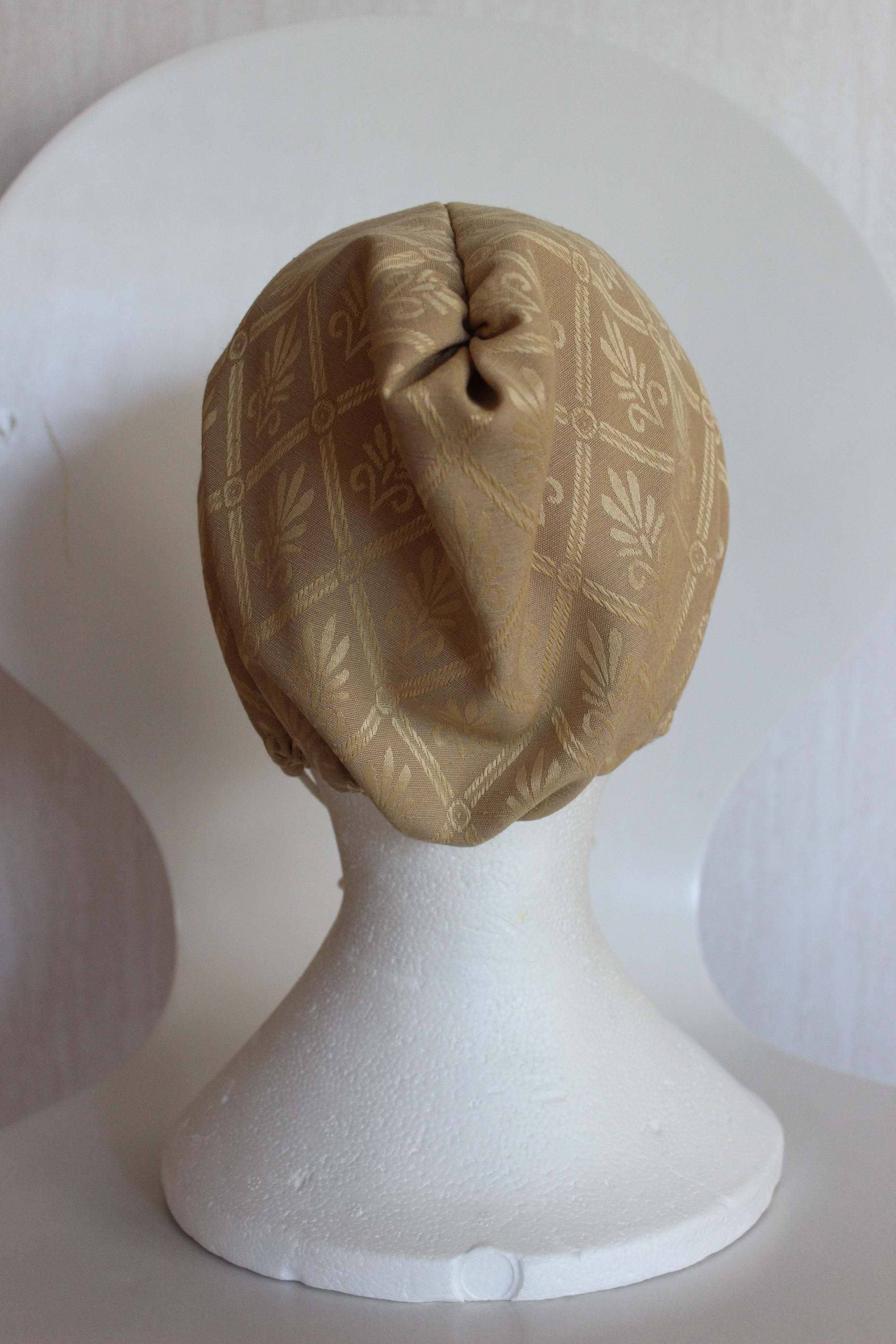
Finished gold patterned Coif:
IMG_7942

IMG_7947

IMG_7944

IMG_7945

IMG_7948
IMG_7946

***

Then it was on to the real deal.

IMG_7928Nice linen /cotton blend ready for the linen thread and needle.

This time I only cut one of each piece (omitting the lining) to reduce the stiffness and bulky feeling I got from the patterned one.

I just whinged it on the size of the forehead cloth, and it seemed to work nicely on the test run, so I use the same size on the linen one.IMG_7956
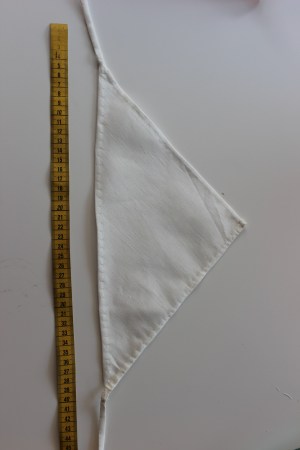
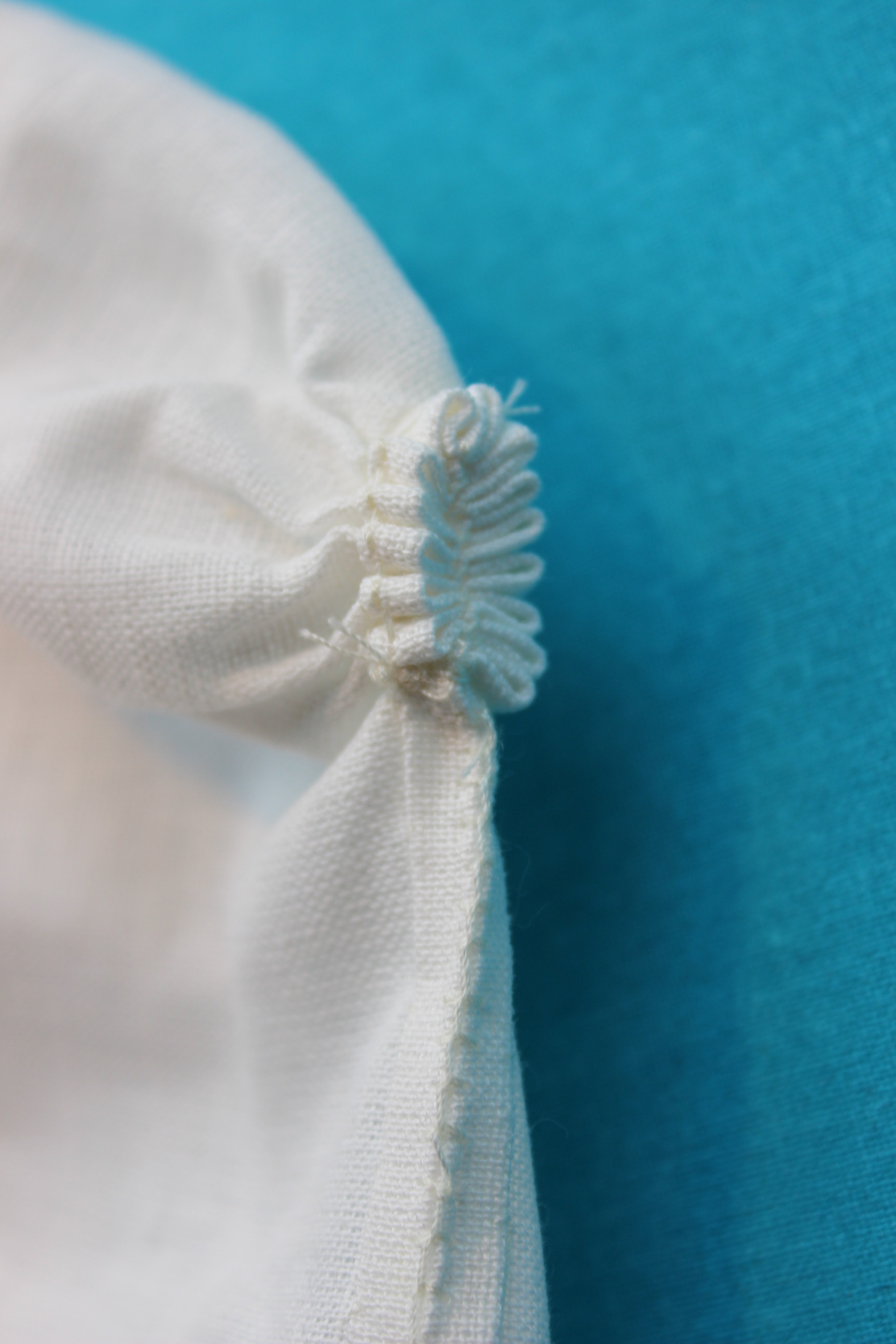
One thing I changed on this one was hemming the center back opening before gathering it – this way makes for a much nicer finish.IMG_7940

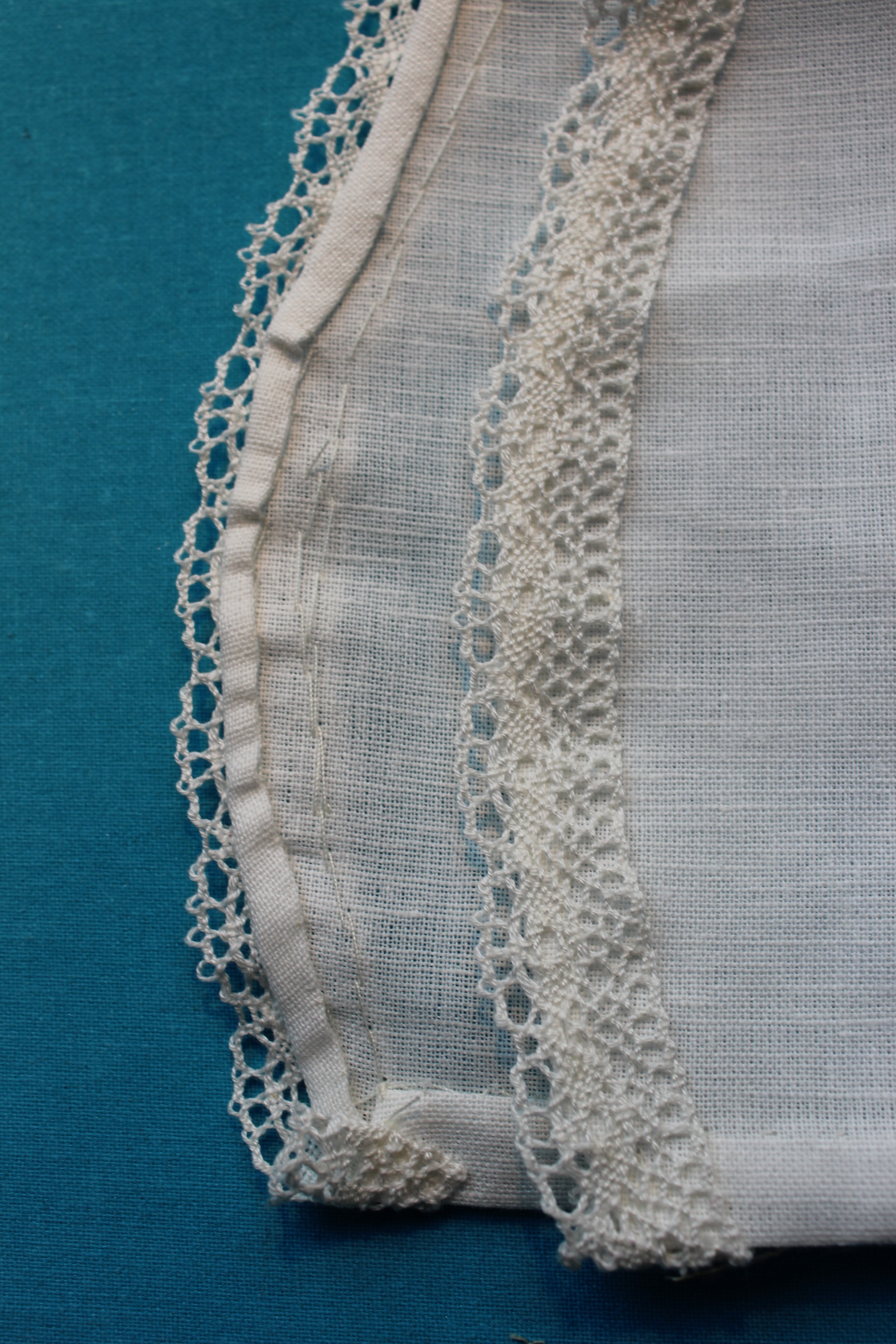
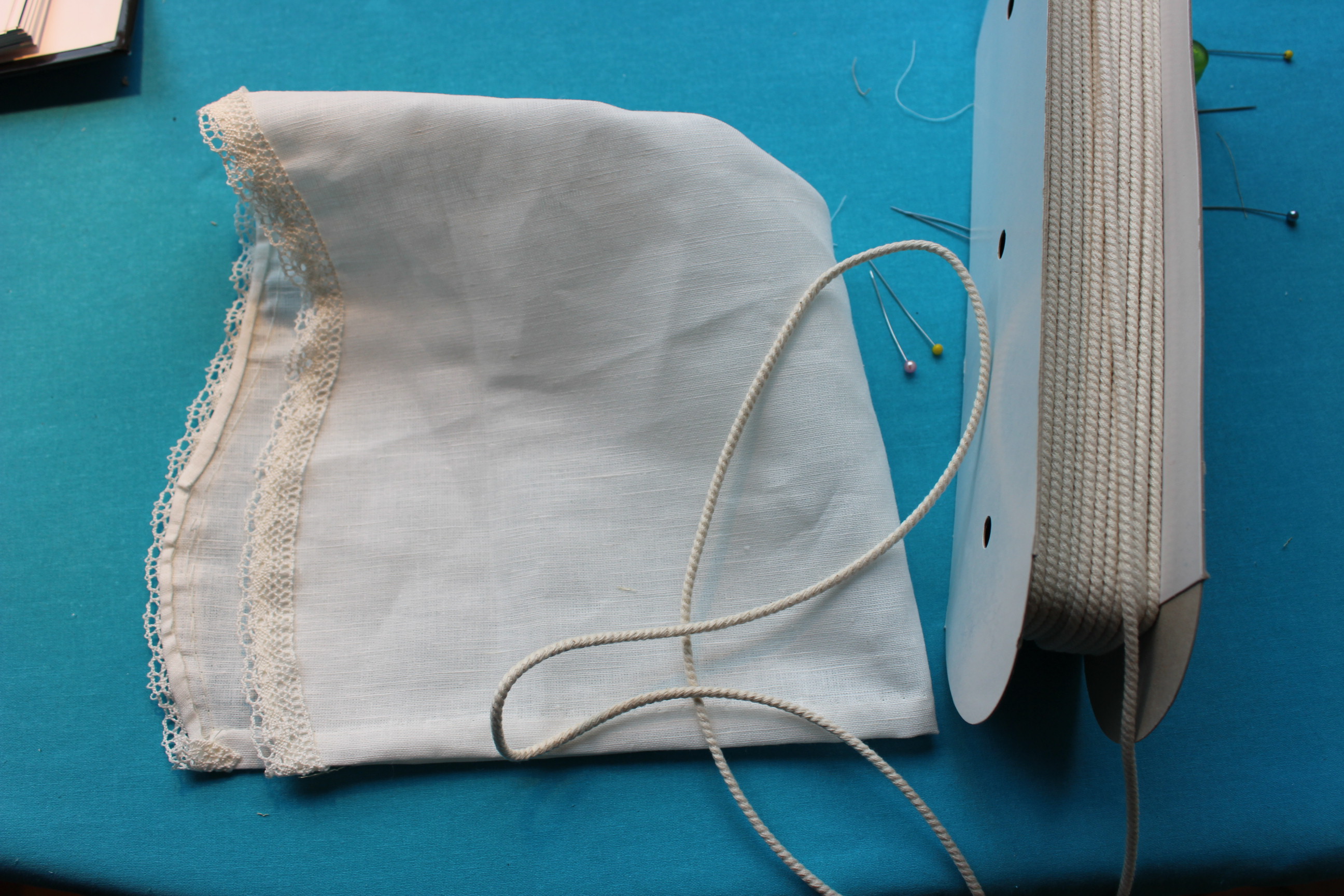
I also added some scrap lace to the outer edge.IMG_7938
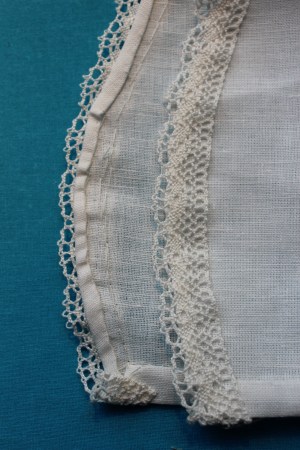
IMG_7937Getting the gathering cord ready.

IMG_7954like a baby’s cap…

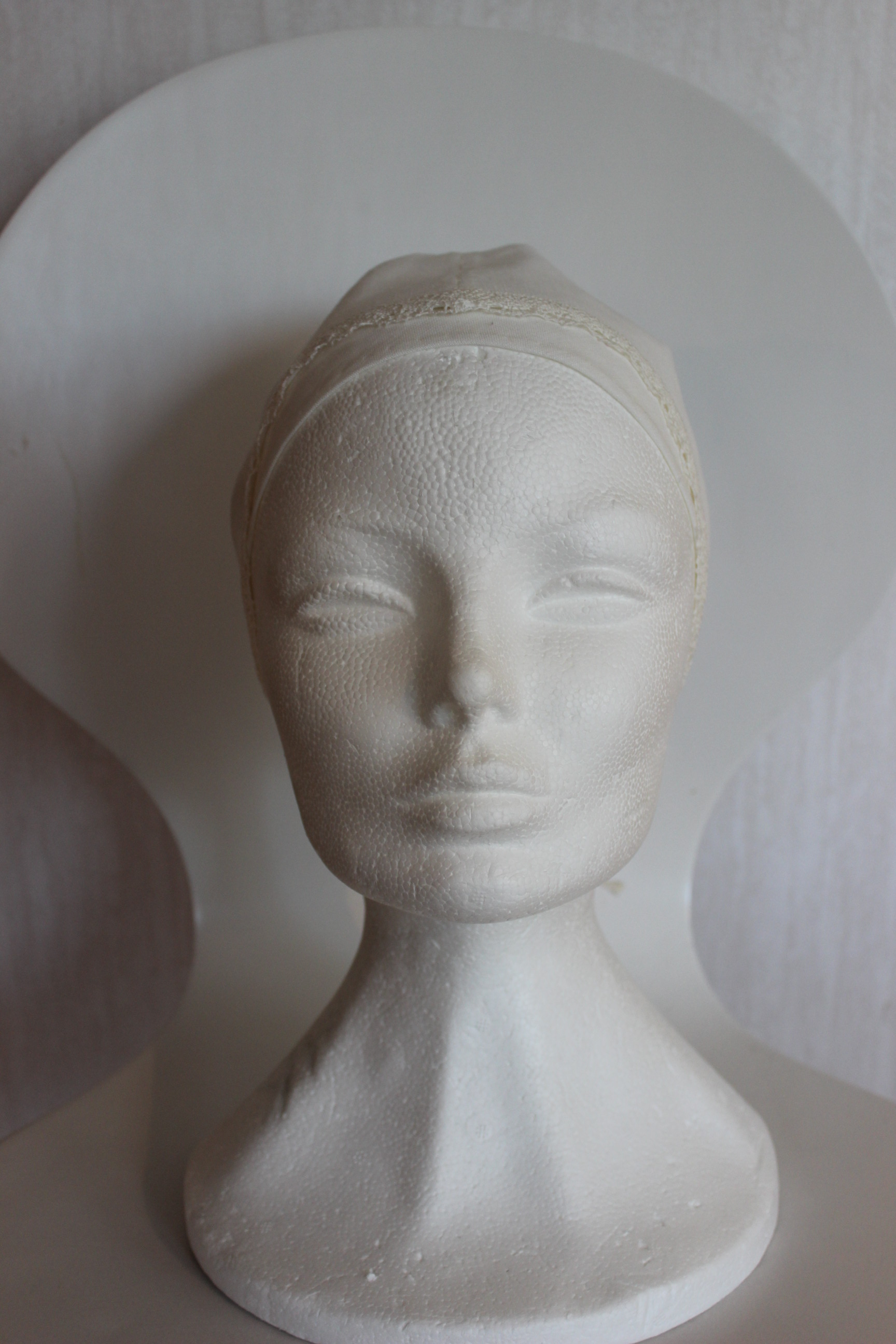
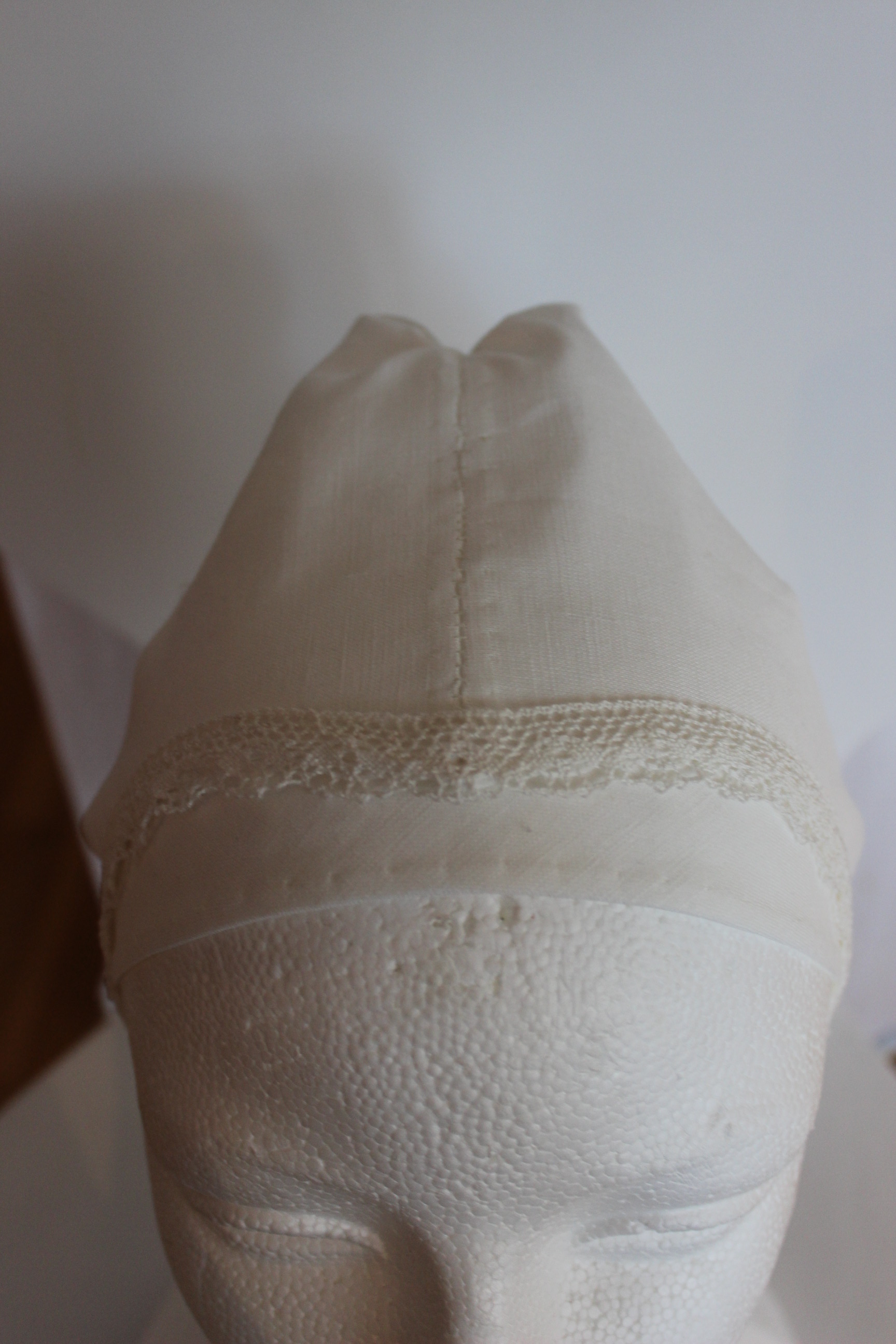
Finished linen coif:IMG_7957

IMG_7964

IMG_7958

IMG_7960

IMG_7963

IMG_7959

The Facts:

Challenge: nr 7-2015 Accessorize

What: Two 1550-1650s Coif

Pattern: Based on “The pragmatic Costumer”s pattern tutorial (which was awesome)

Fabric & Notions: (for both coifs) 30 cm linen fabric, 30 cm patterned gold polyester fabric, thread, 50 cm (x 2) thin cord and 60 cm small lace.

How historical Accurate: The linen coif are pretty straight on – accurate pattern, material and stitches. About 8/10
The patterned one are completely modern – polyester fabric and machine construction. More like 5/10

Time: 3 hours total for both (linen 2,5 hours, patterned 0,5 hours).

Cost: About 80 Sek (10 Usd) total.

First Worn: hopefully someday soon for photos.

Final Thoughts: I really like the way they both came out. So simple and fast – I even consider the possibility to make and sell these in a near future.
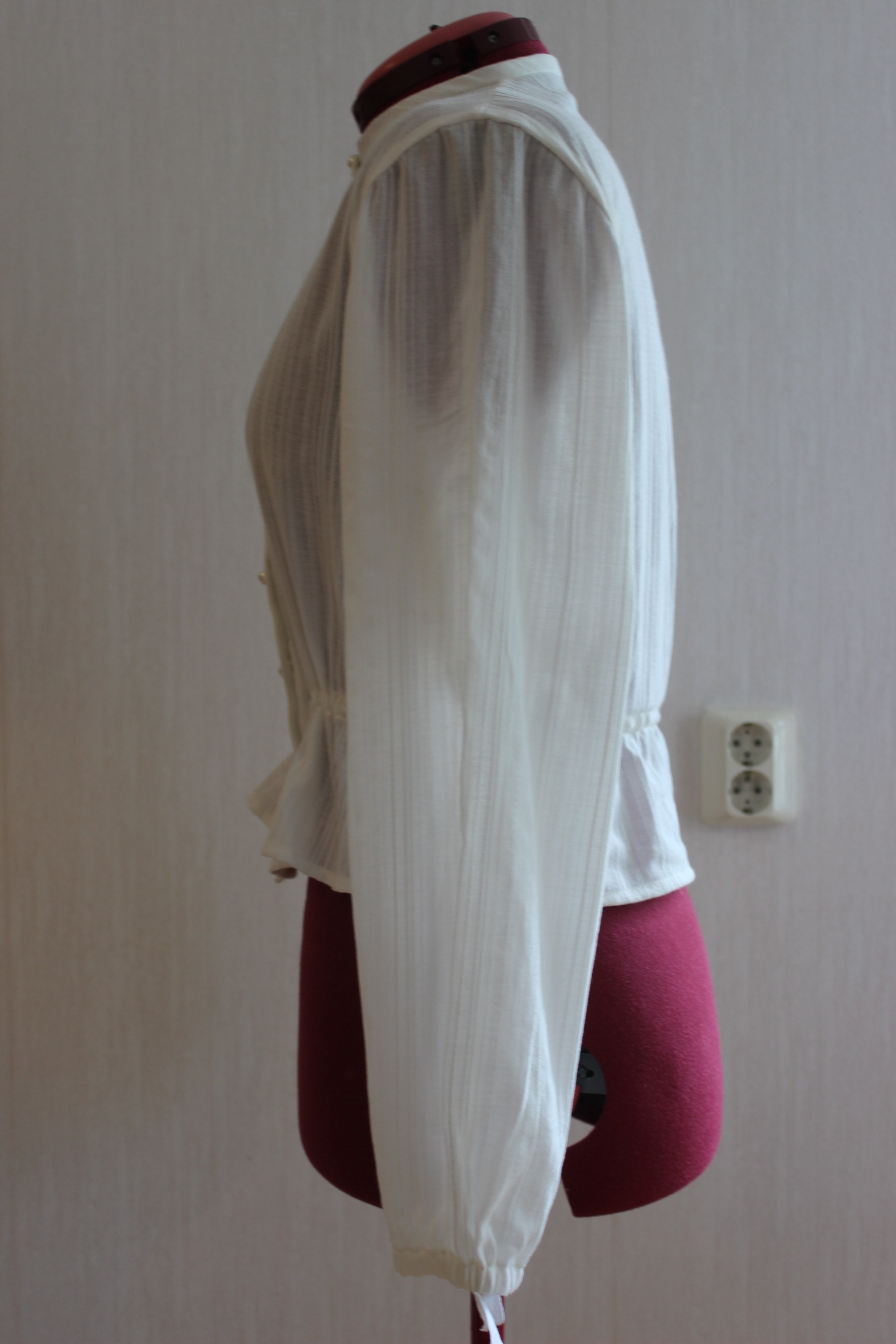
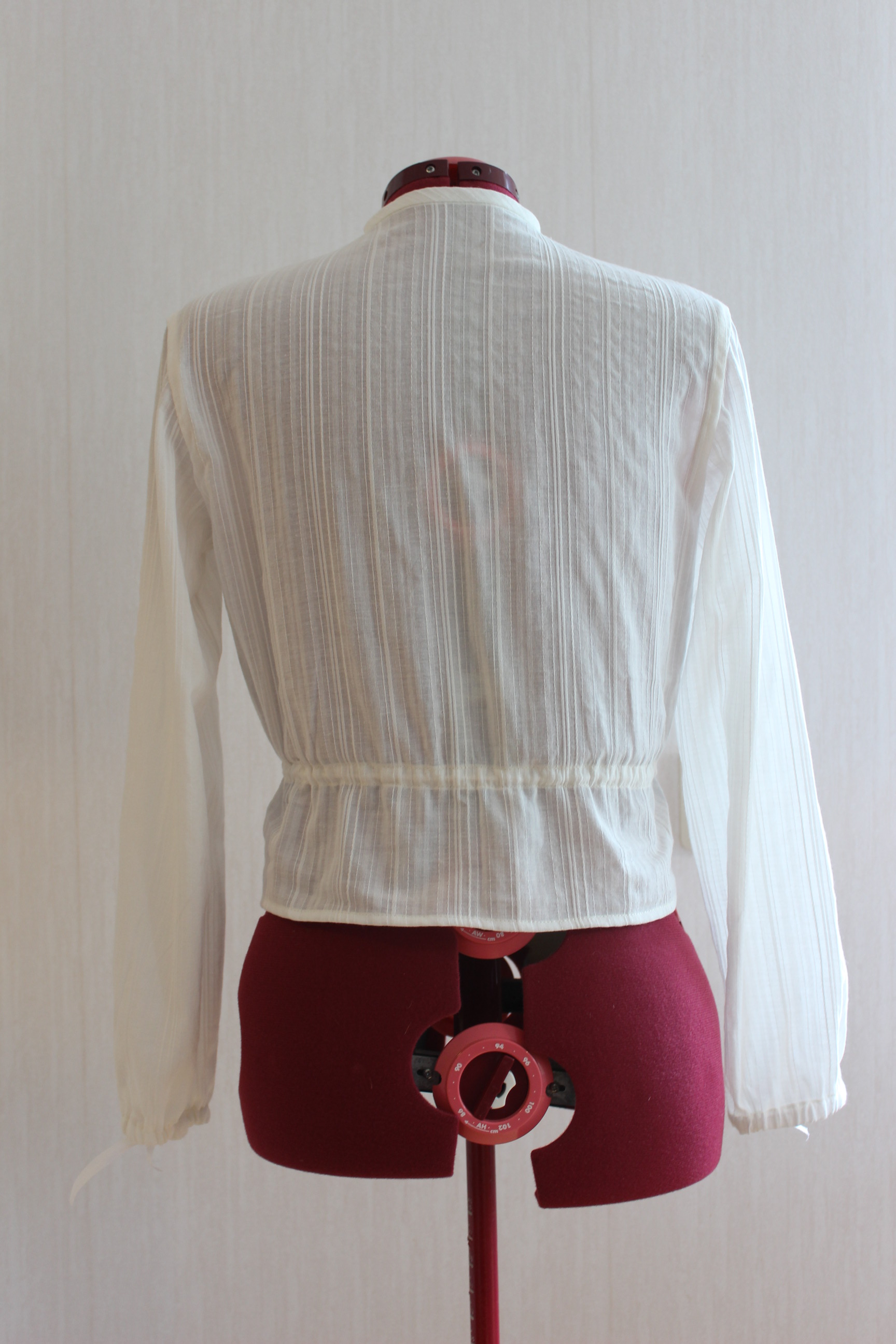
Practical (and quick) 1860s blouse

My original plan for the HSF15 challenge 5 – Practicality, a regency day-dress, needed to be postponed so to get time to finish this springs biggest undertaking – a hole new 1850-1860s wardrobe.

So after finishing my not a Garibaldi blouse a few weeks ago, I decided I needed yet another blouse in almost the same style, for my sister to wear at the upcoming “Crinoline day”.

89cd5d40c071b5494b98ca322cef5991My main inspiration was this sever looking young lady.

Since time was sparse, I decided to use the simplest way possible in all things for this blouse.

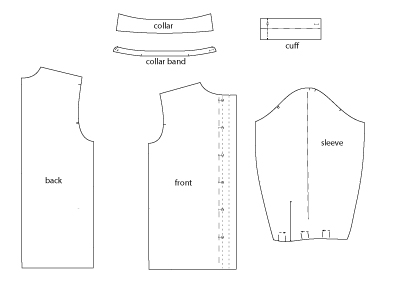
Staring with the pattern, I used the basic pattern blocks for a regular shirt (just like the picture below), and omitted the collar and cuff.

shirt-sewing-pattern-pieces-540

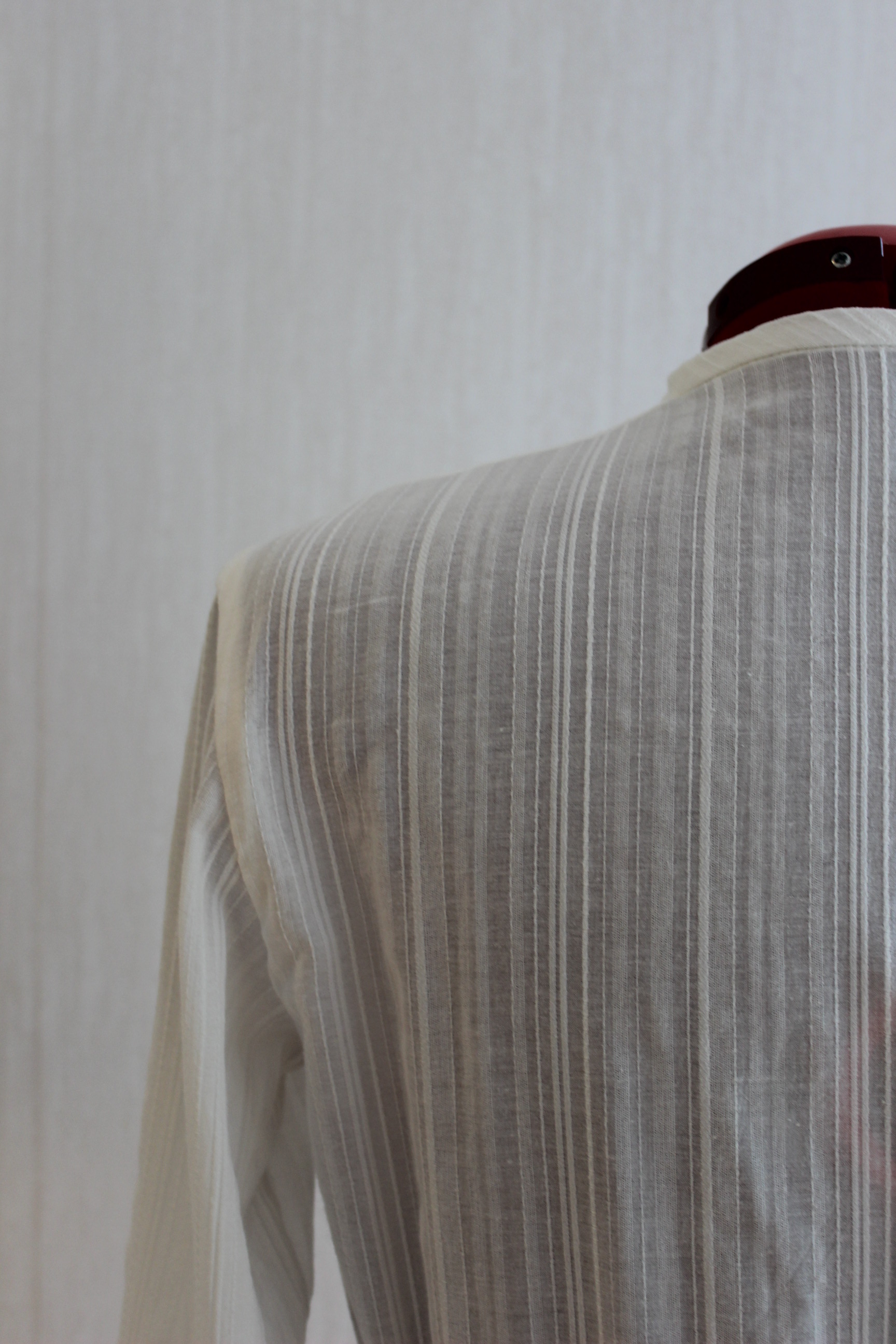
For fabric I used leftovers from my “Chemise a la Lambelle” & ” Ariel/Camille” dresses, A really nice and strong structured cotton voile(?)2013-05-29 17.38.05

Unfortunately I forgot to take any photos of the construction process, but it was so simple and went so smooth that I just kept sewing and finished over one afternoon.

IMG_6828

IMG_6826

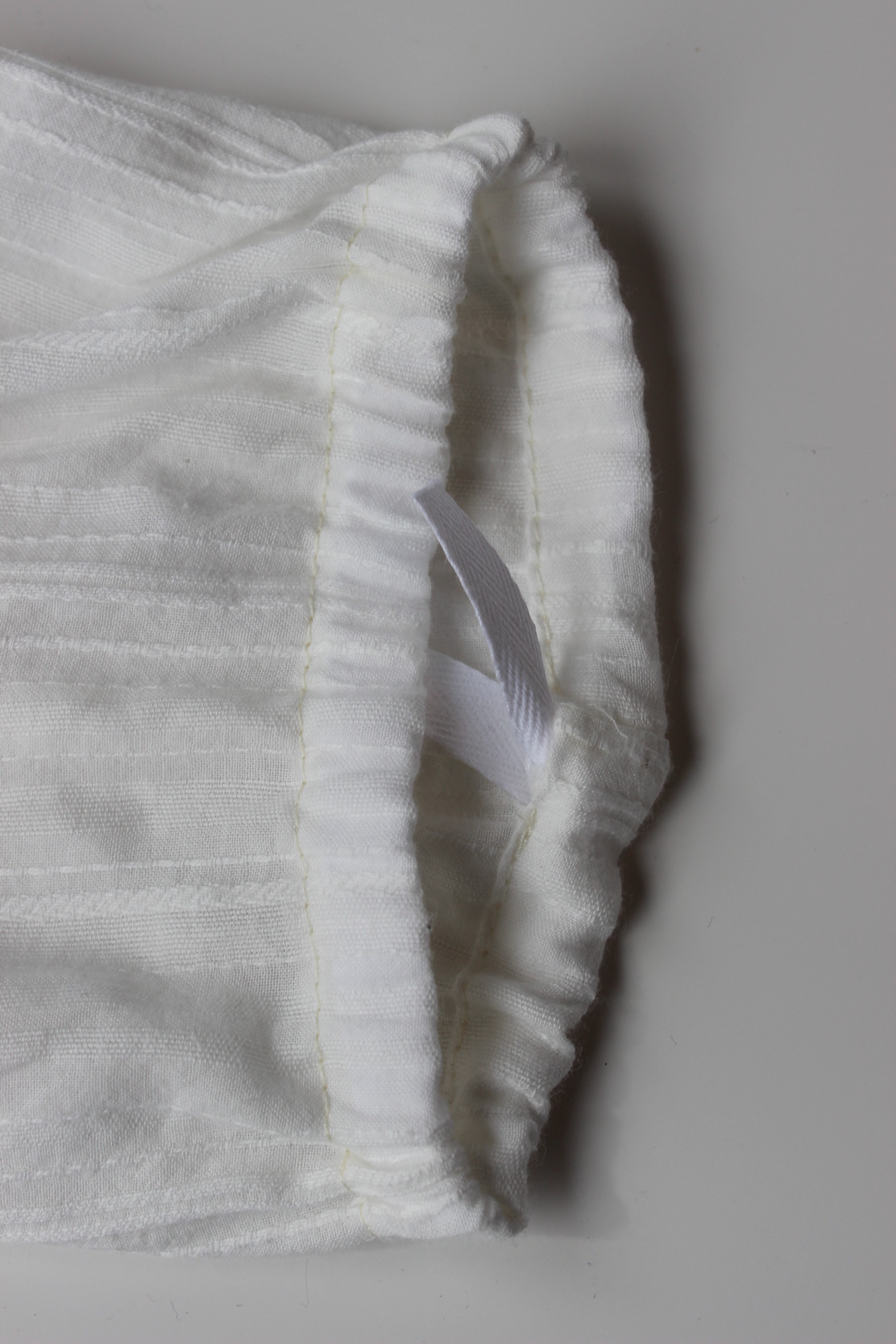
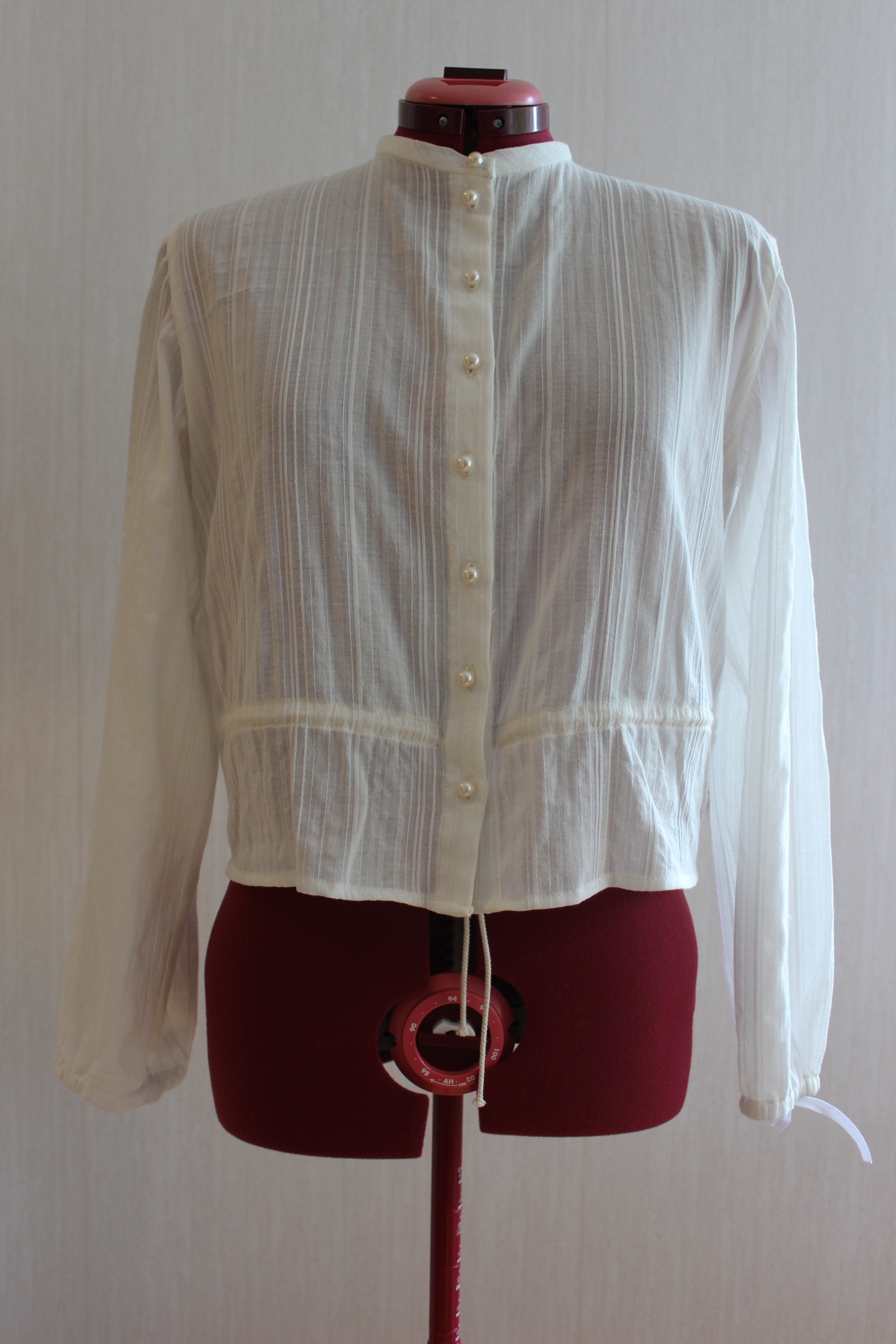
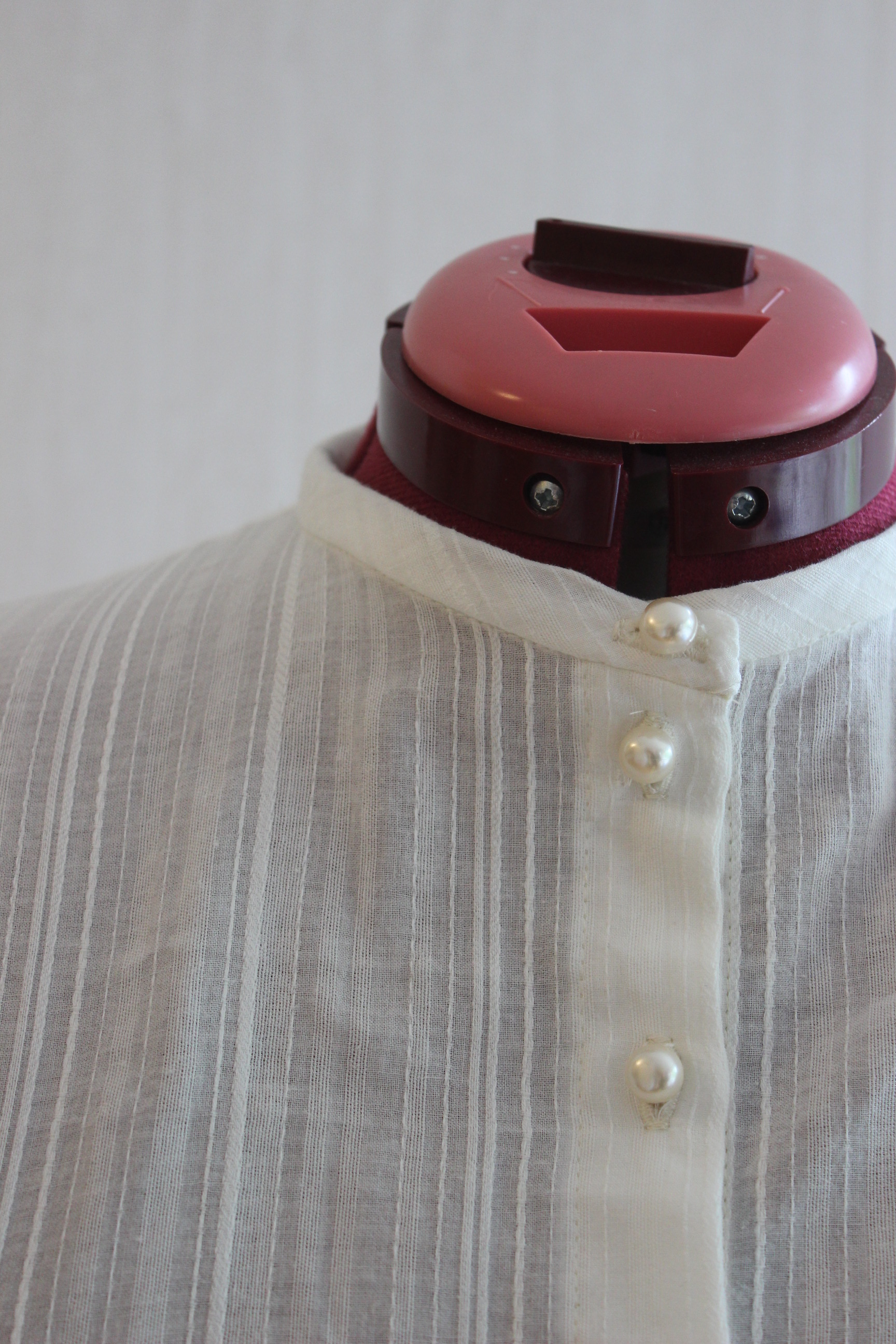
Basically I just stitched the bodice together using french seams, added the small collar, sewed the buttonhole-stand and added buttons and (machined) buttonholes.IMG_6829Sewed and set the sleeves, covering the seams with bias-tape to get a clean finish. Then I hemmed the shirt, added the bias-tape for the drawstring waist.IMG_6819
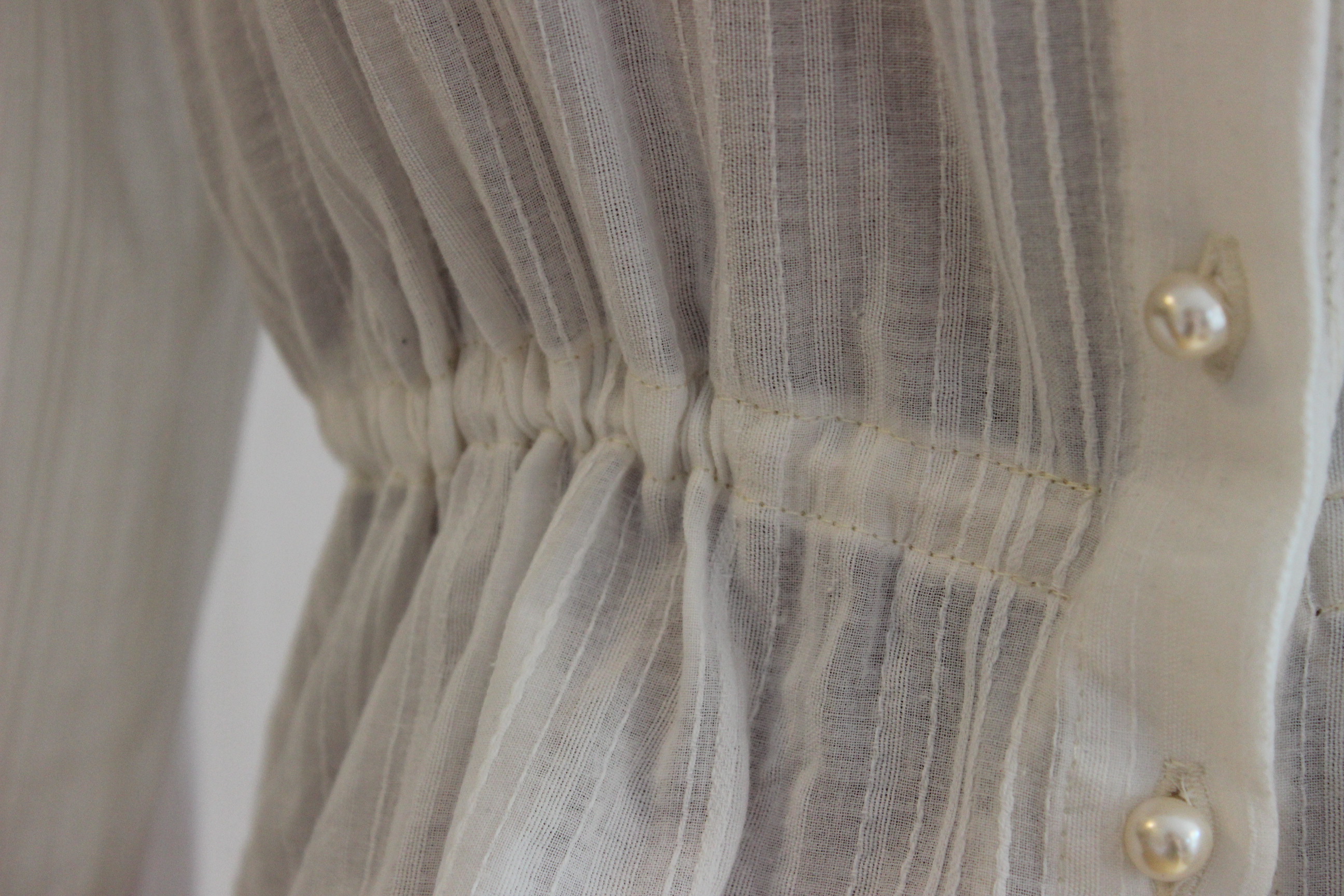
And finished of by folding, stitching and adding the ribbons for the wrist ties. IMG_6835

The finished Shirt:IMG_6825As its biggest size

IMG_6813

IMG_6816

IMG_6814

IMG_6820

IMG_6821

IMG_6823

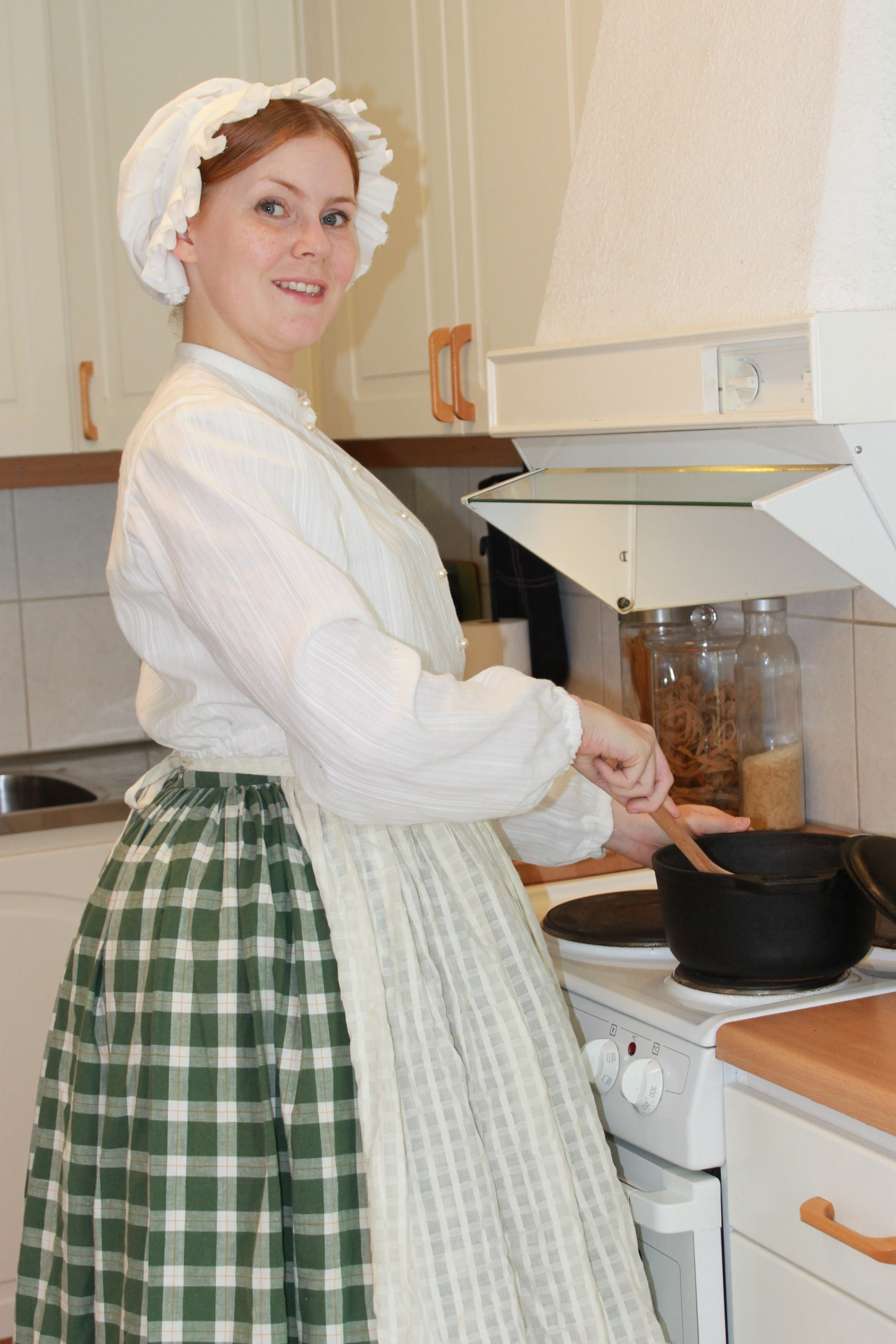
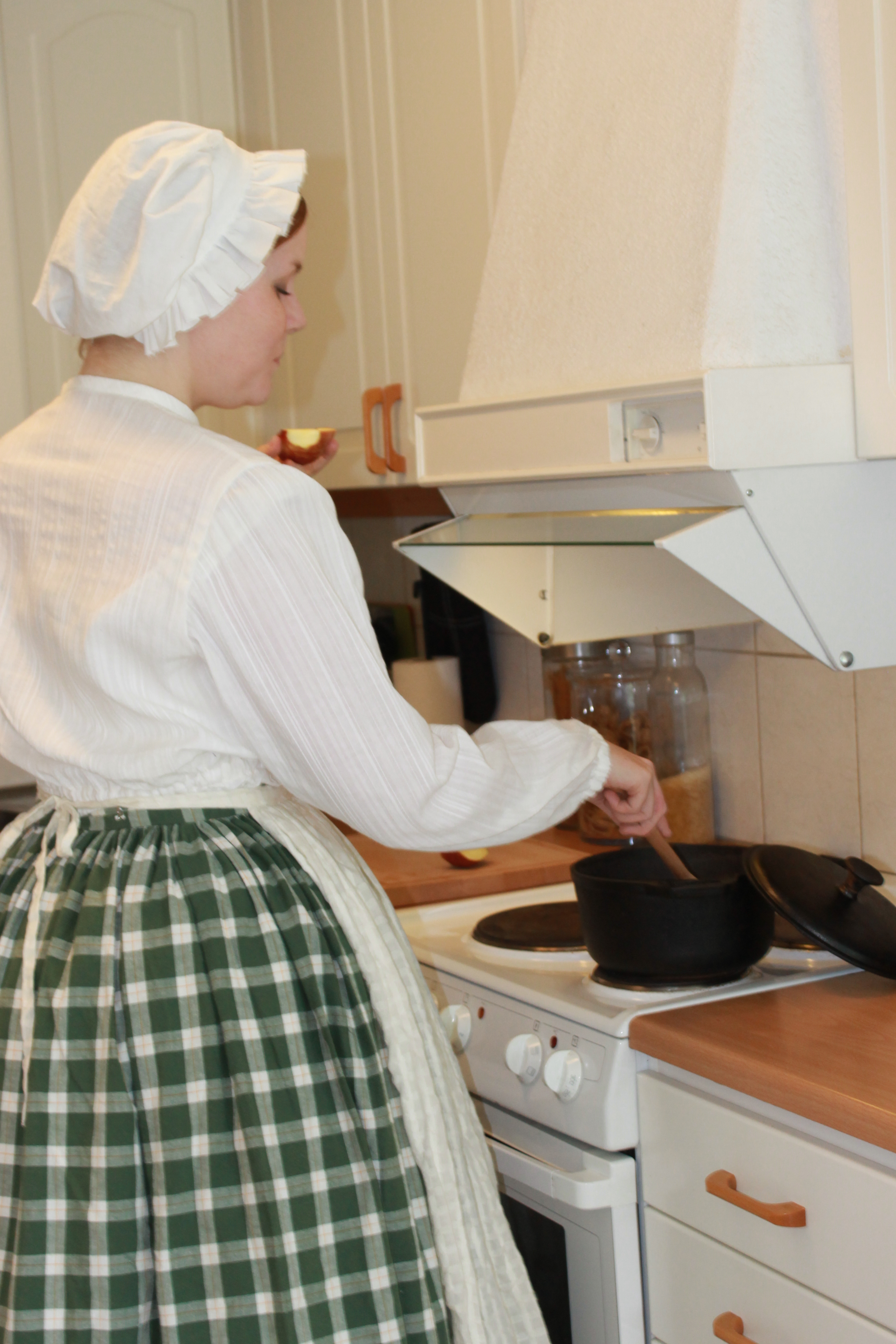
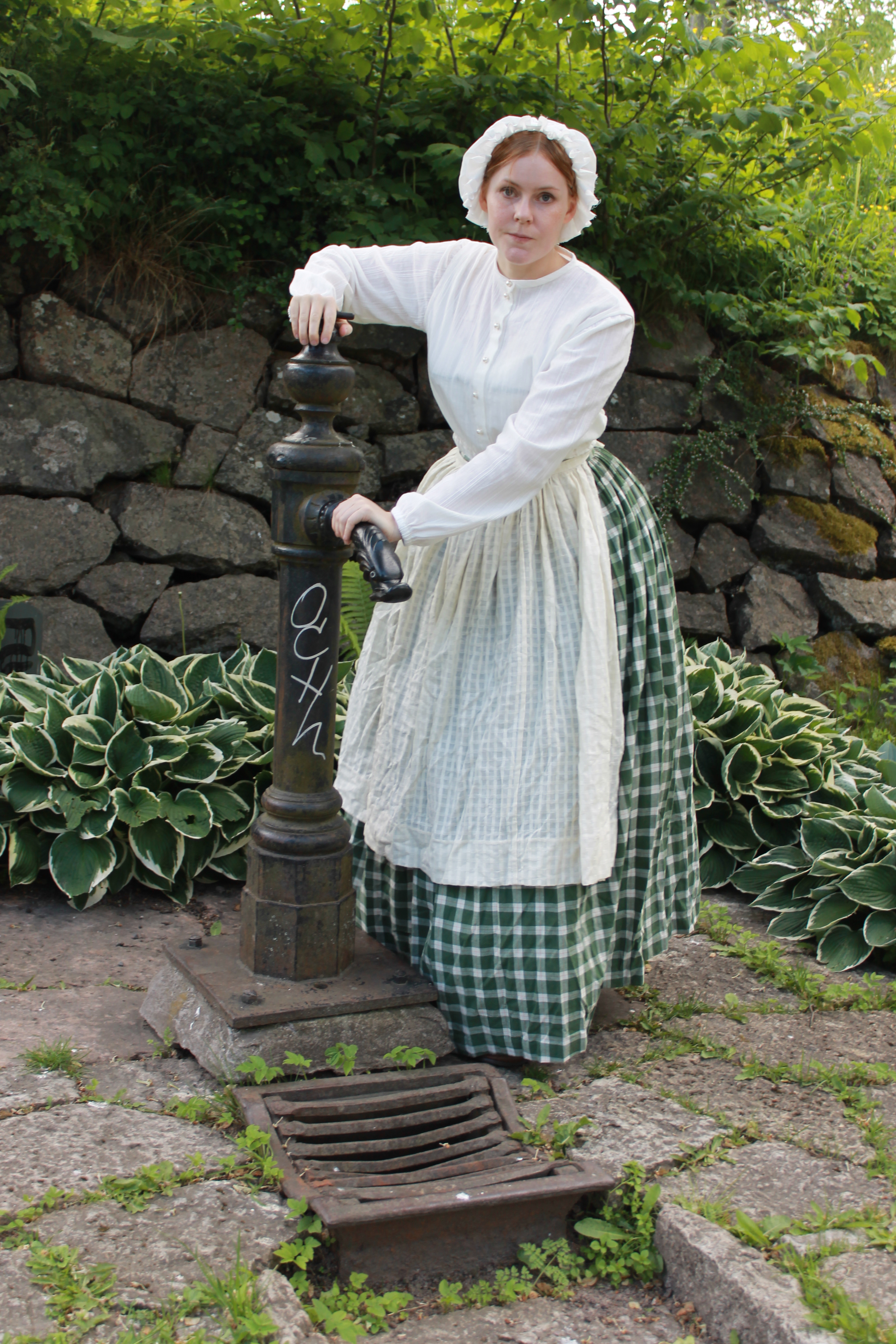
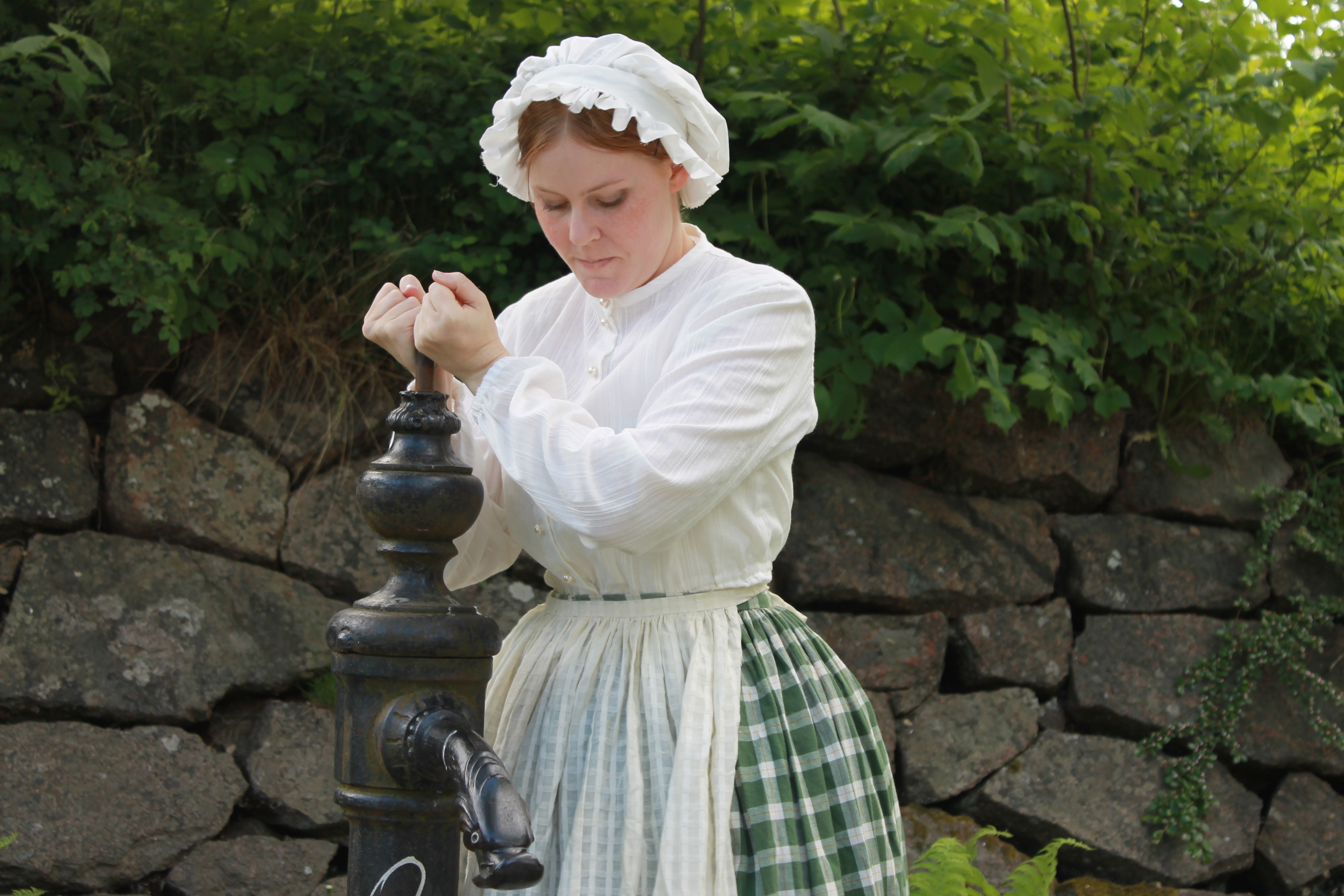
And a quick “practicality” photoshoot:IMG_4982Cocking food in my extremely old fashioned kitchen…

IMG_4989

IMG_5003

IMG_5012

IMG_5019

IMG_5043

IMG_5038

IMG_5030

IMG_5052

IMG_5057

Just the facts:

Challenge: nr 5/2015 “Practicality”

What: a 1850-1860s shirtwaist

How it fit into the challenge: The shirt is perfect for the everyday wear of a lower(or higher) class women doing households chores or taking a stroll in the park. That fabric is durable and easily washable and the style of the shirt with its drawstrings at waist and wrists makes it fit several different sizes of women.

Pattern: None, I just used the basic shapes of any shirt pattern.

Fabric: 1 m of structured cotton voile.

Notions: Thread, buttons, scraps of cotton ribbon at wrists, cotton string and  bias tape for waist shaping.

How historical accurate: So so, the garment (and fabric) did exist, but I didn’t used any accurate pattern, and I did sew it all on my sewing machine – even the buttonholes. I would say about 5/10

Time: about 4 hours

Cost: at most 100Sek (16Usd) – Everything was from stash and leftovers from other projects.

First worn: at June 6th for photos, but will get a proper outing June 13 when my sister wears it for our “Crinoline day”

Final thoughts: I loved how fast and easy it went together, and I think it looks great both paired with”Peasant” garb and “finer lady’s” garb (as is the way my sister will wear it).

The Start of a war – Downton Marys style – Photoshoot

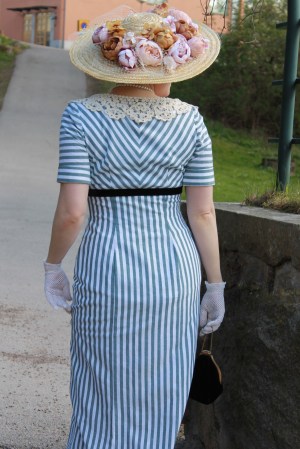
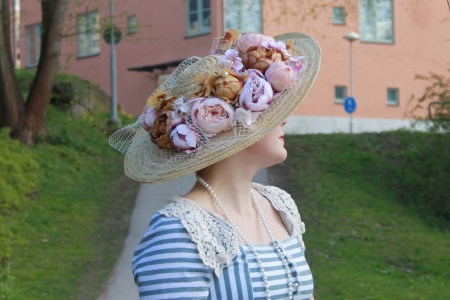
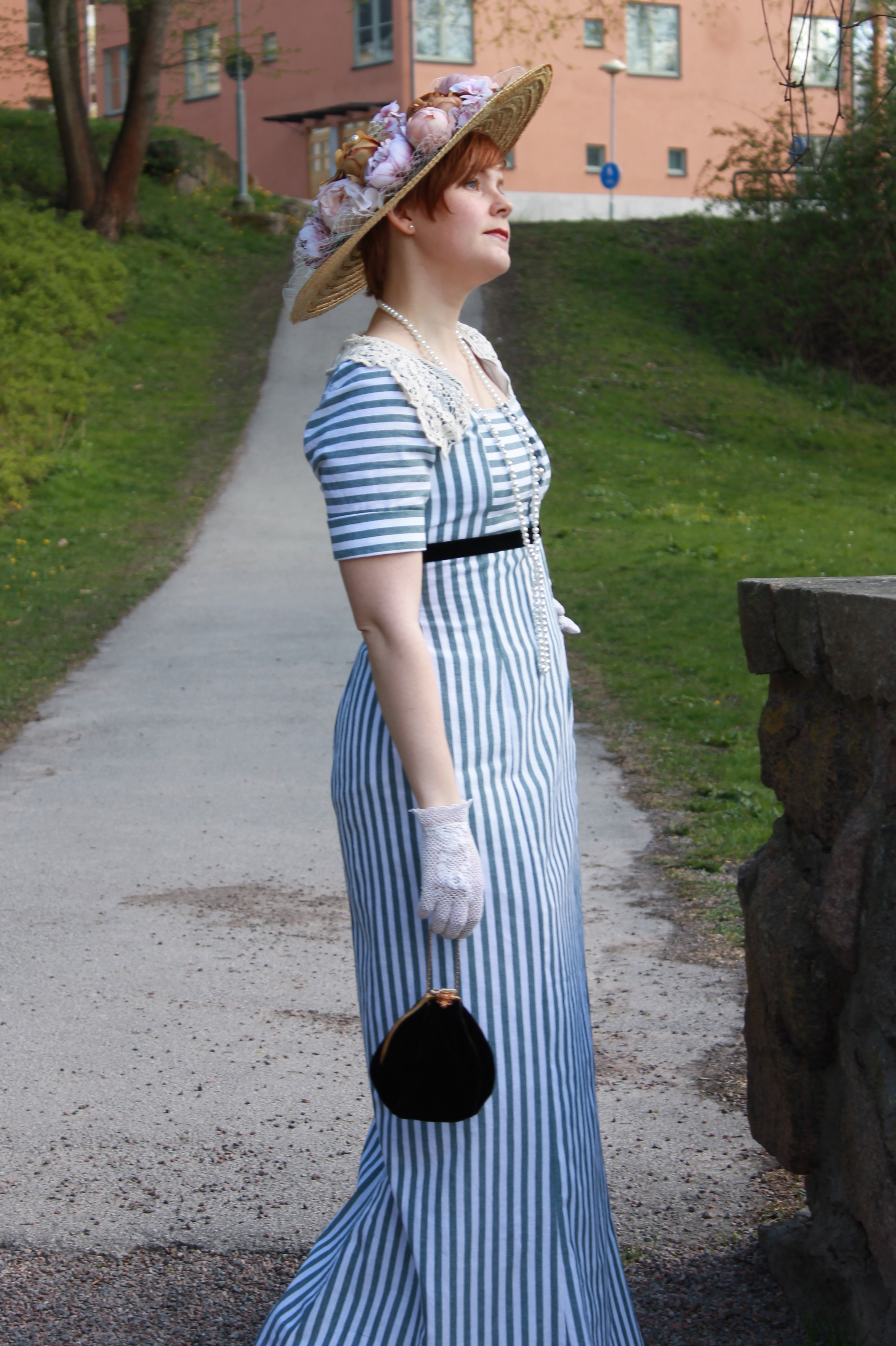
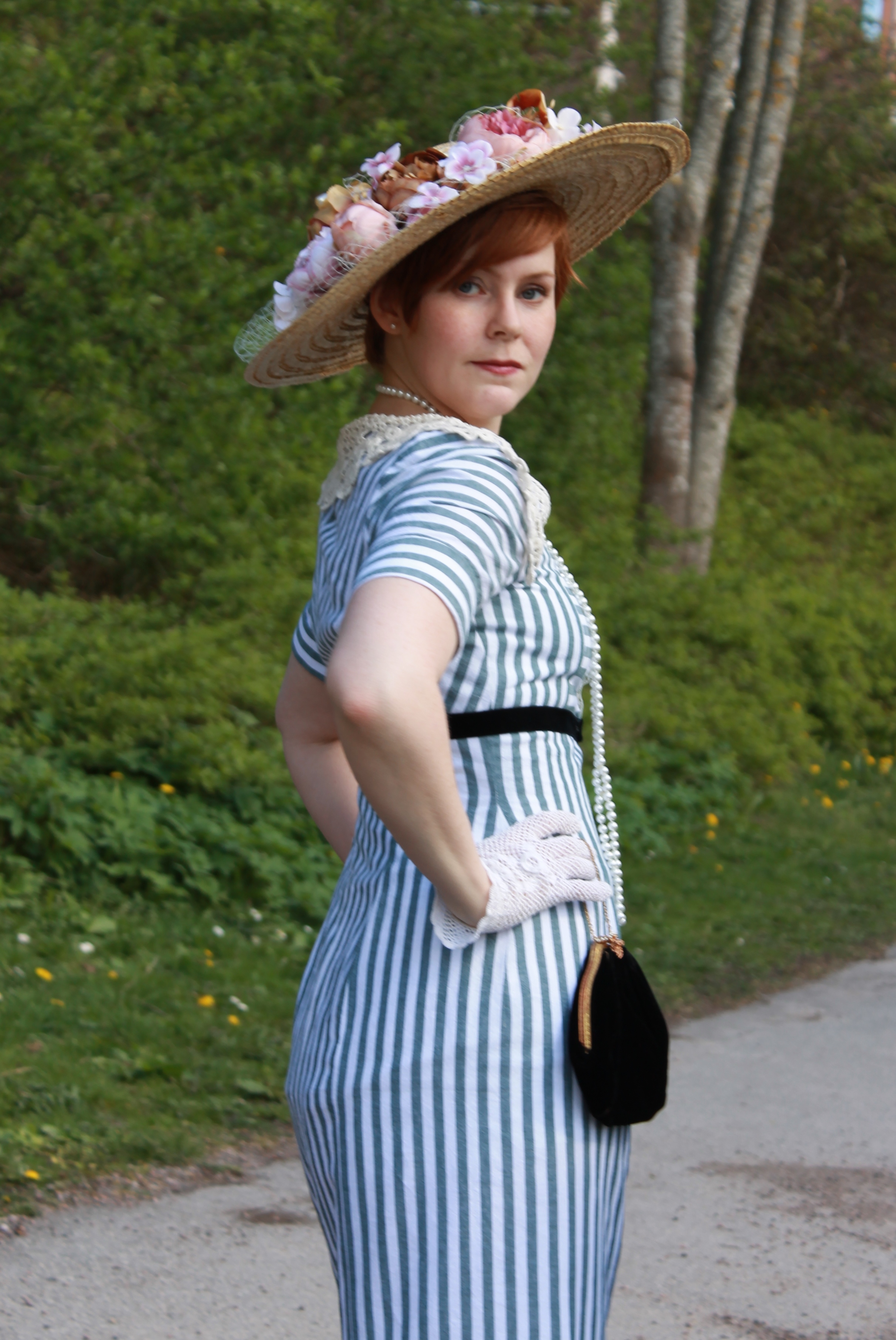
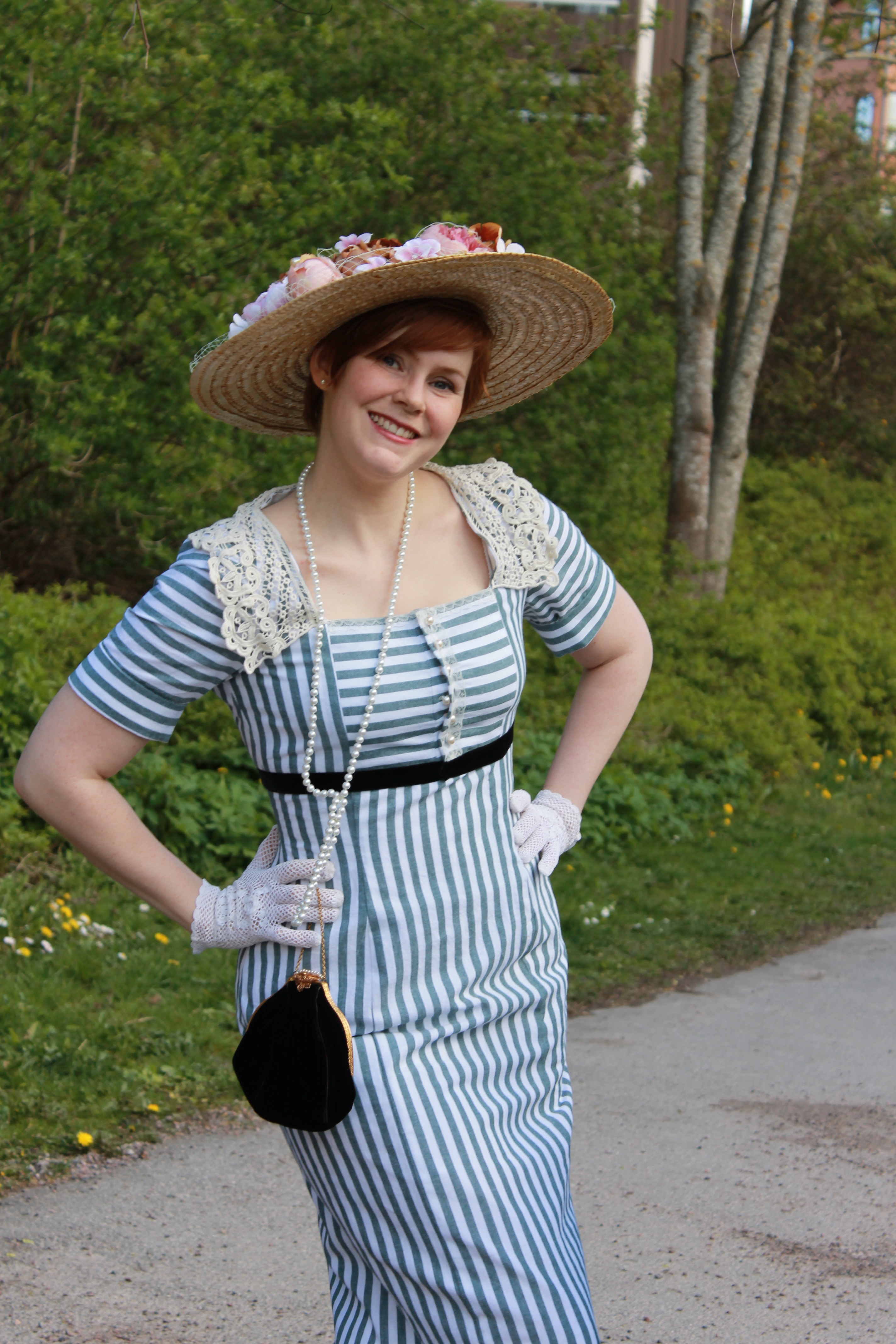
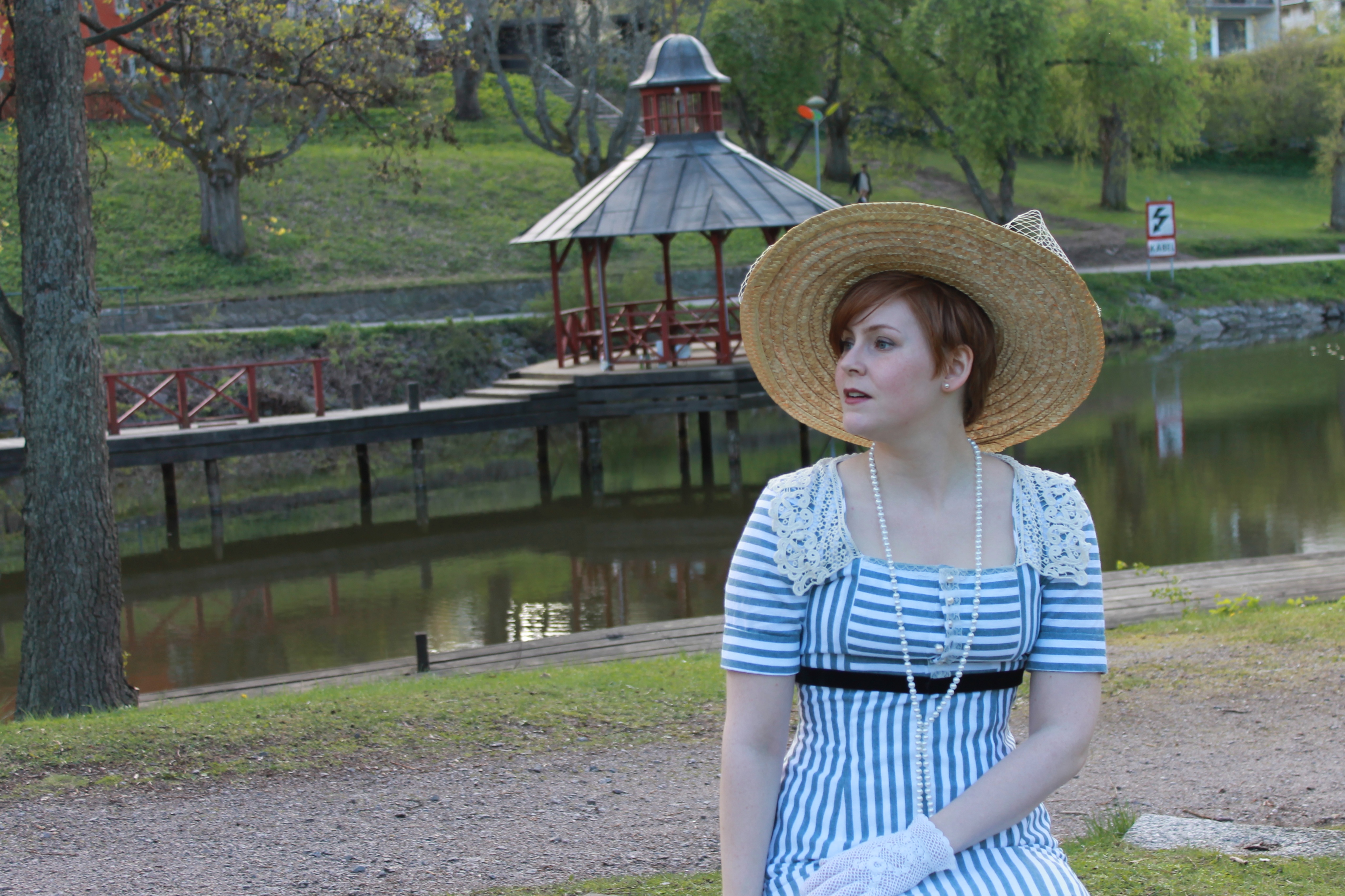
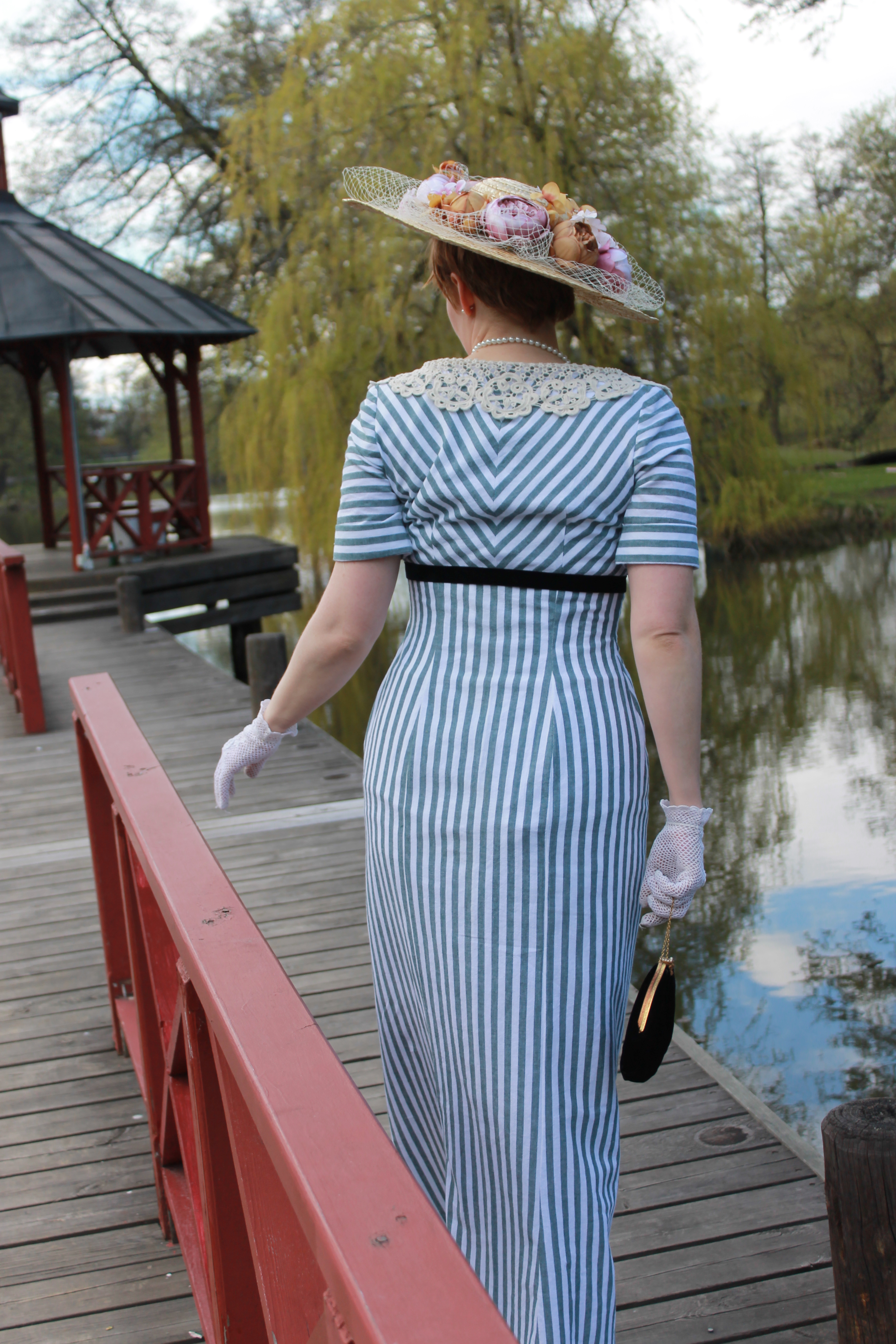
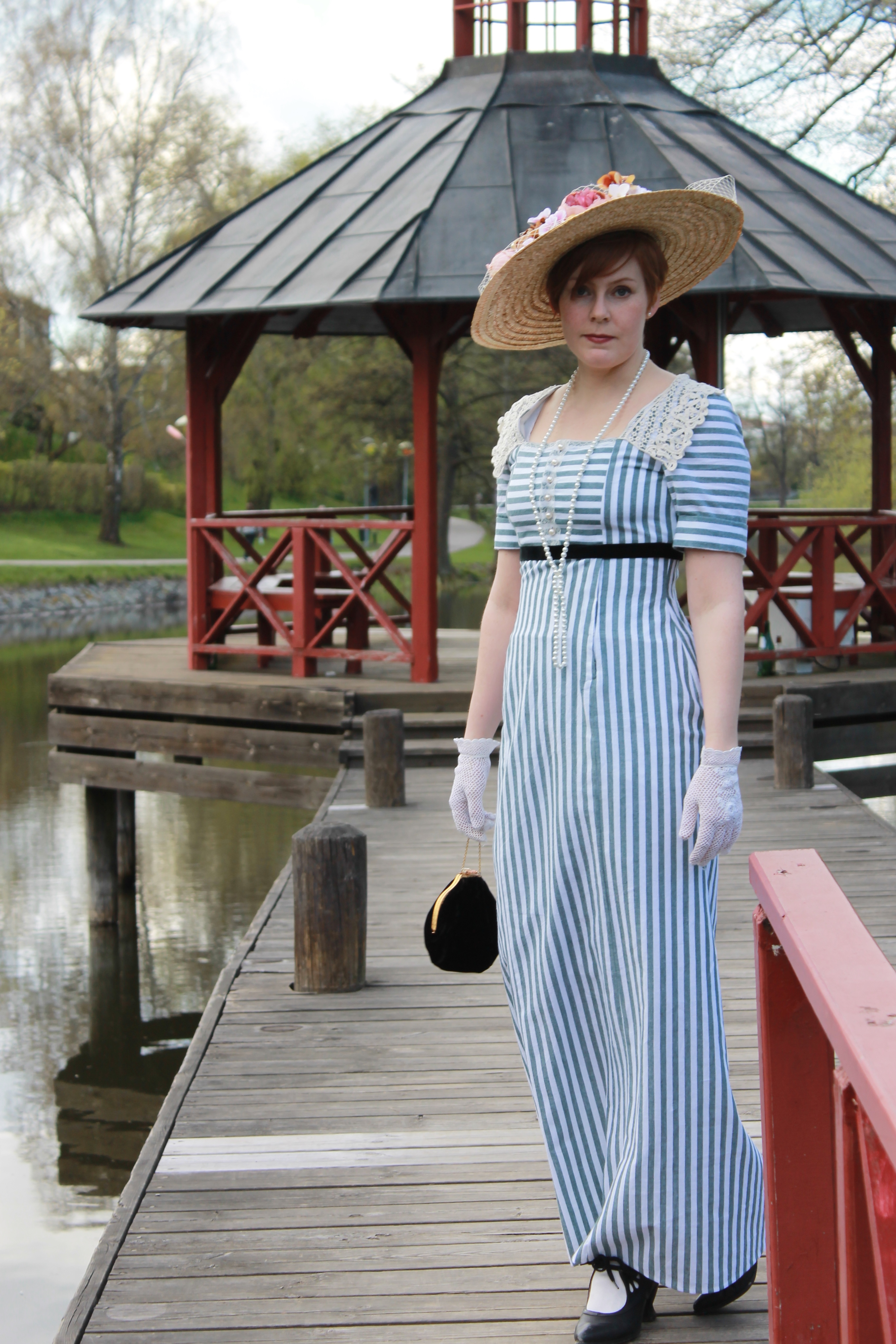
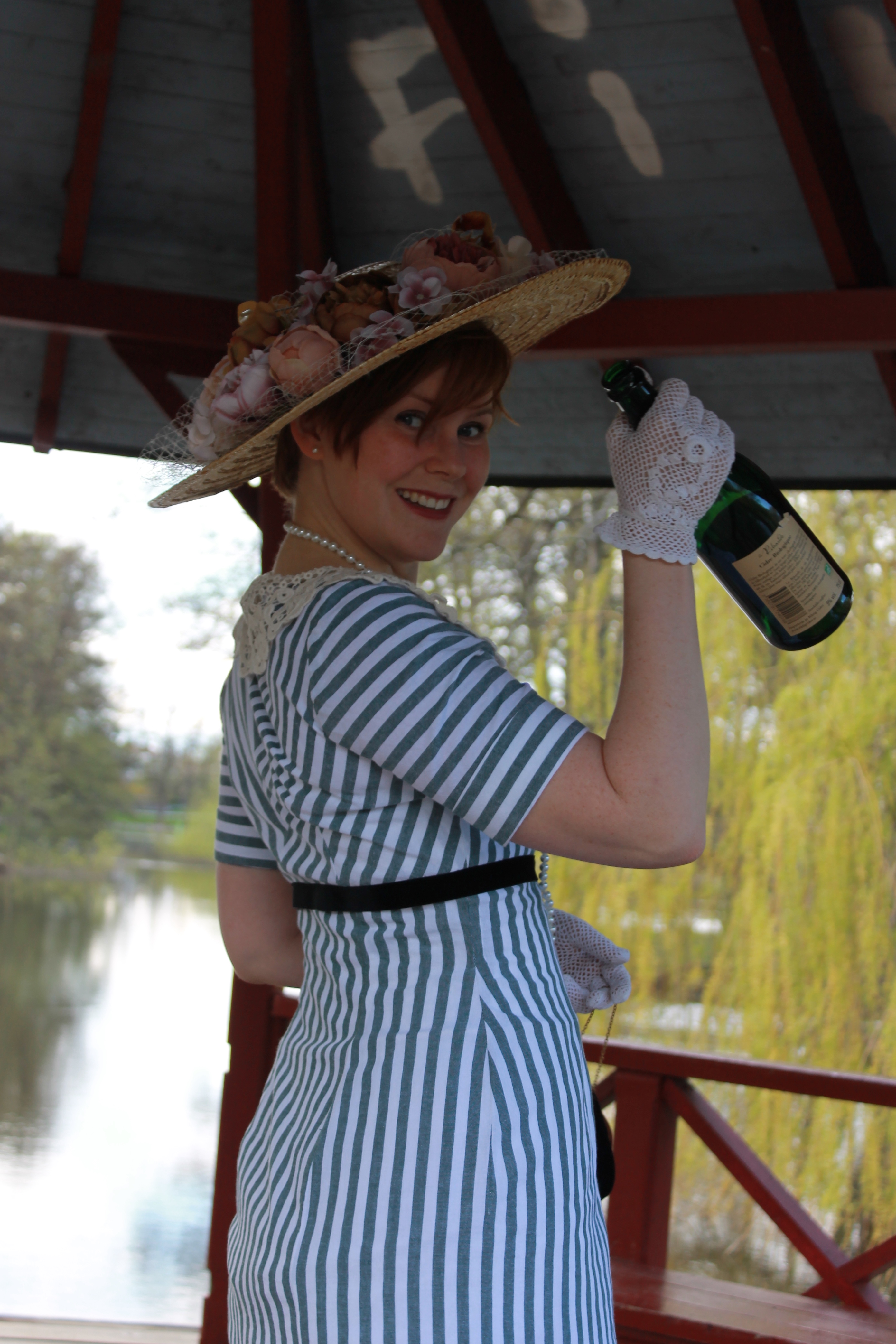
Last Sunday I took the chance to both see my sister, and to do a little photoshoot of my new striped Lady Mary/”Downton Abby” Dress (read about it here (Part 1) and here (Part 2)) The weather was warm but a bit cloudy, so unfortunately we didn’t get any sunny pictures. I wore my dress with my long line 1910s corset, Autumn garden hat, American Duchess Gibson shoes, stockings, a thin petticoat, and a few bits and pieces like crocheted gloves, antique velvet bag and long pearl necklace. IMG_4754 IMG_4761 IMG_4775 IMG_4773 IMG_4782 IMG_4779 IMG_4780IMG_4791 IMG_4792 IMG_4799 IMG_4803 IMG_4819 IMG_4828 IMG_4850 IMG_4854 IMG_4855 IMG_4861

IMG_4869Photo: Elin Evaldsdottra

The Start of a war – Downton Mary’s Striped Dress (part 2)

I’ve been working on my entry for the HSM15 nr 4 – War & peace for the past week (Part 1), and here are the rest of my viral dress diary:
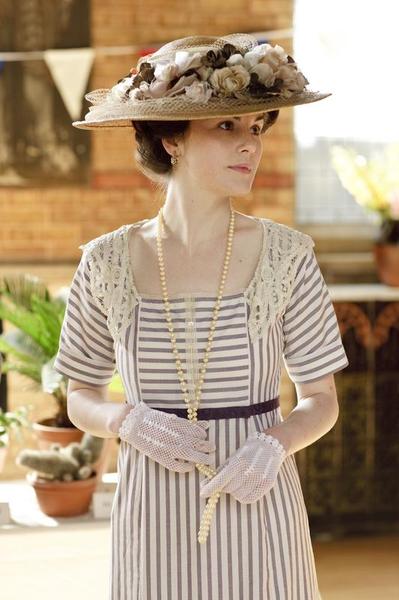
0x600Lady Mary in one of her signature dresses from the Tv-series “Downton Abby”.

Once the bodice was finished and lined I attached it to the skirt, set the sleeves I once more tried it on to determent the exact placement of the hook and bars for the skirt closure.
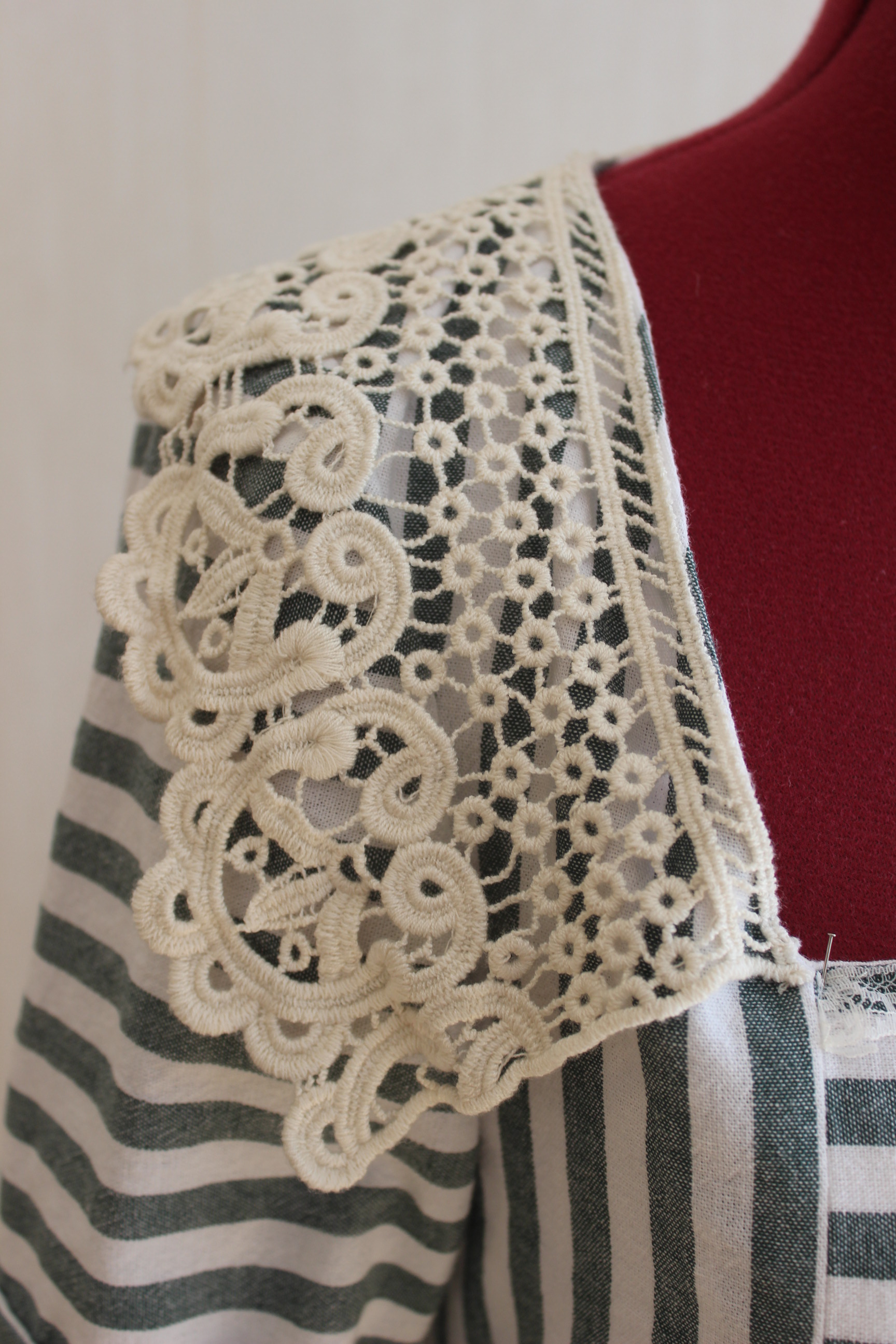
I also pinned on the collar to get a better visual of the completed look.
20150501_202039 20150501_202153-1
The fit looks good even though it’s more figure hugging and shaped then the one on Lady Mary.
(I’m pretty sure the actress have a completely different body then mine…)

Then I needed to pause the sewing for a few days over the May 1st celebration, so I put it on the dress form to keep me inspired (and to show of to our long distance friends coming over – don’t tell me you never done that…).
20150501_195003 20150501_195018

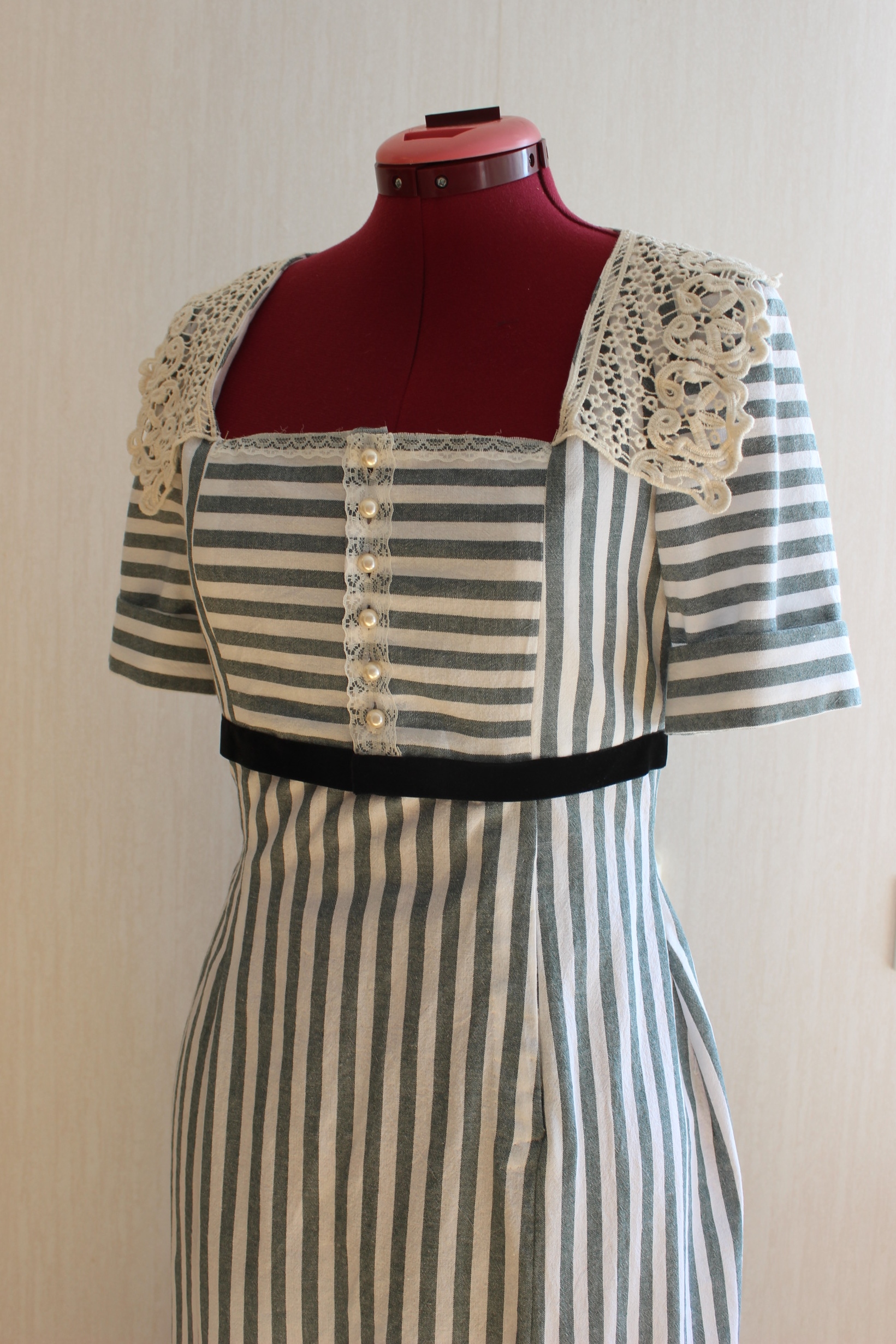
Once back at sewing, I pinned some narrow lace ribbons to the buttonhole stand and top front piece.20150501_225246Then I spent a few hours (at my in-laws) hand stitching the narrow lace, the collar, the lining, the black velvet ribbon and the hooks and bars to the bodice.20150501_225316

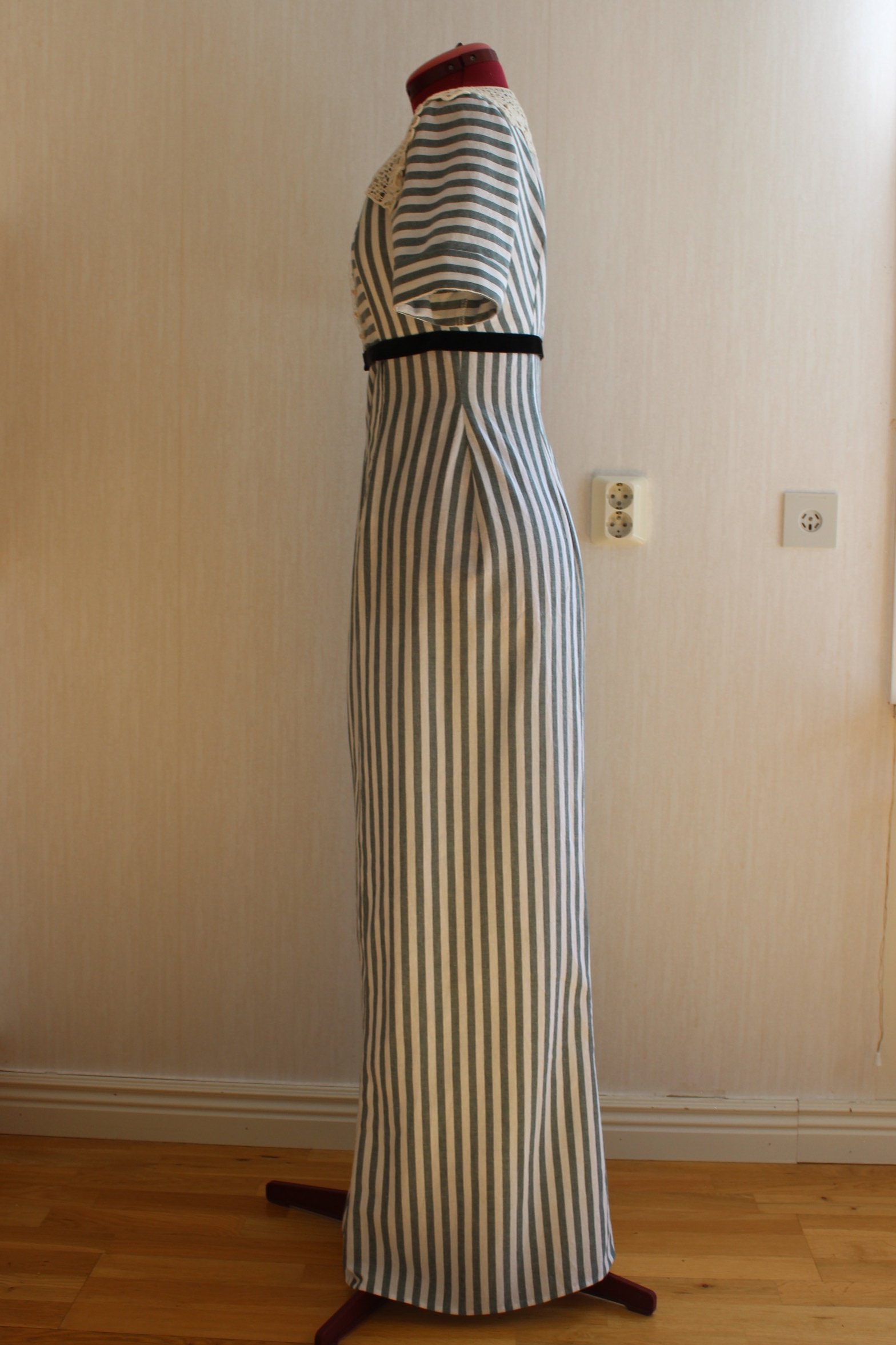
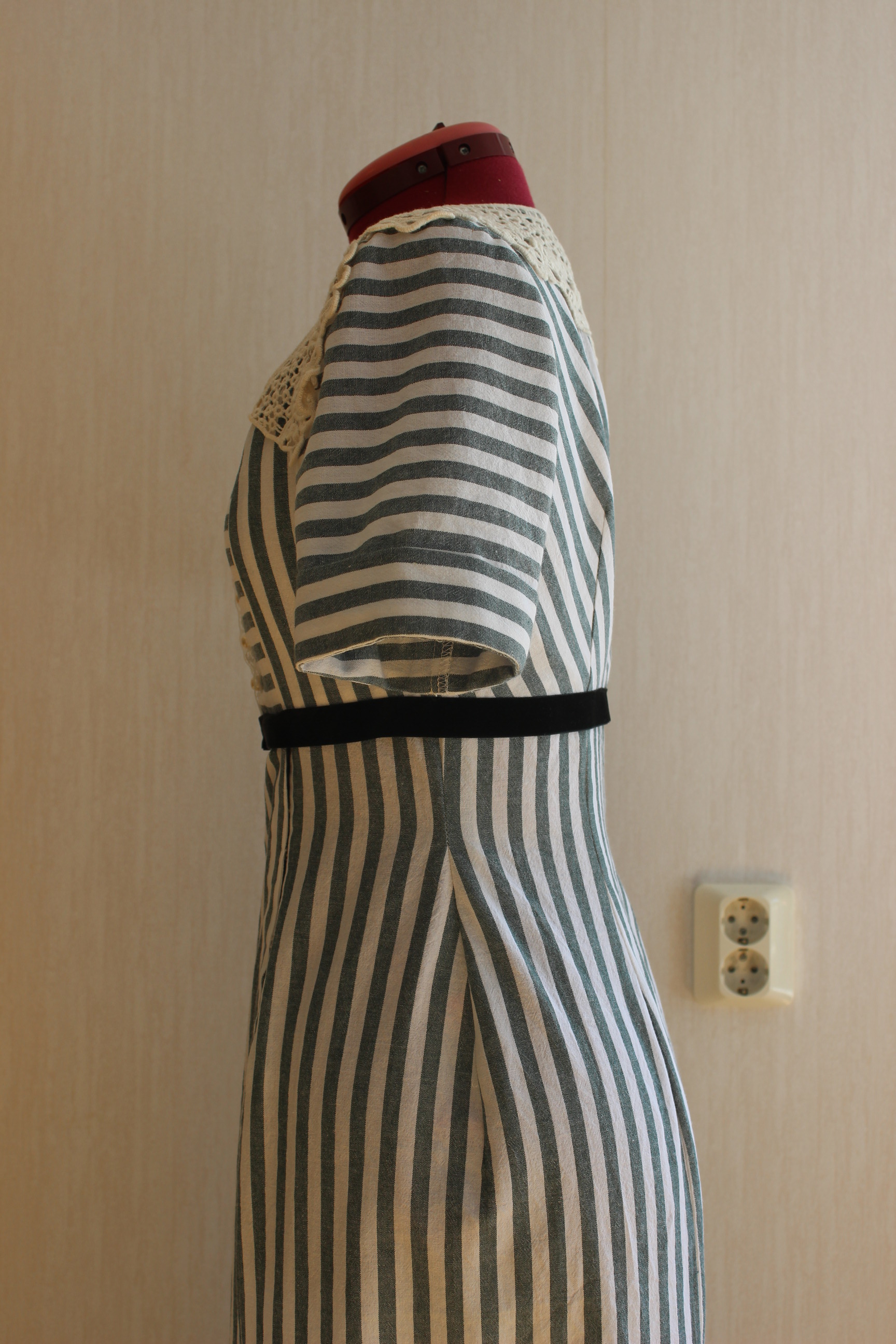
The Finished Dress:IMG_6516

IMG_6517

IMG_6537

IMG_6535

IMG_6521

IMG_6523

IMG_6524

IMG_6526

IMG_6528

IMG_6540

IMG_6532

IMG_6539

Just the Facts:

Challenge: HSM15 nr 4 – War and Peace

What: A 1914s striped summer dress

How it fit the challenge: WWI started in summer 2014.
My dress is also a re-creation of the dress Lady Mary Crawley wears in the TV-series “Downton Abby”, in the episodes (and at the garden party) it’s  announced that England will join the war.

Pattern: None, I drafted my own with influences from a small sketch in Janet Arnolds “Pattern of Fashion 2”

Fabric: 2,5 m of striped cotton, and 0,5 m white cotton for lining – both leftovers from previous projects.

Notions: Thread, buttonhole tread, 6 buttons, 2 pairs of hooks and eyes, 6 snaps, 0,5 m of narrow lace, 1 m black velvet ribbon, one extra long lace/crocheted collar.

How historical accurate: Not sure. I used modern techniques with lots of hand finishing. The fabric wold have existed in the period, but I think the slim silhouette are a bit to modern. Perhaps 5/10.

Time: About 15-20 hours. Lots of fiddling with both the fit and matching the stripes made this project a bit more time consuming then I expected.

Cost: About 250 Sek (40Usd) all fabric from stash – Bought on sale a few years ago.

First Worn: May 3 for photos.

Final Thoughts: I really like this dress. It came out exactly like I envisioned and I felt really pretty (and posh) in it.
I’m really happy with the decision to make the dress slim and figure hugging (contrary to the original which have a more straight shape) even though it diverts a bit from the fashion of the day.
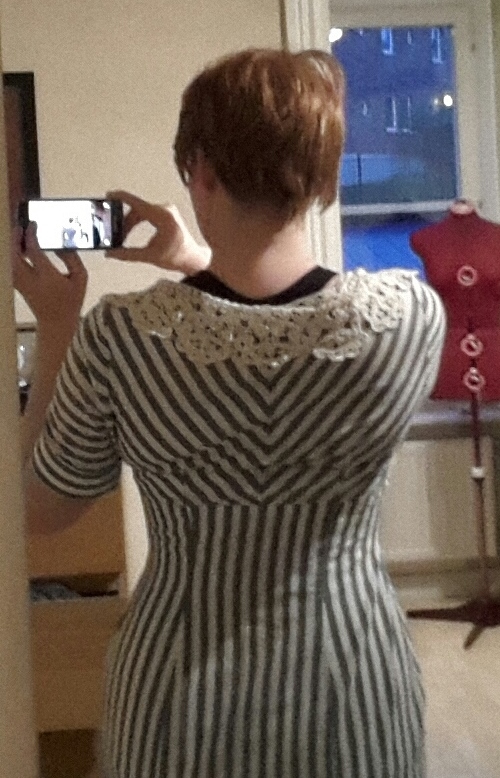
But there are as always a few thing I would like to fix before wearing it again: The back bodice are still to long (what’s that about?) and the button holes need to be stitched shut about 2 mm each (those buttons needs to remain closed next time around).

 ***

IMG_6547Accessorized and ready for a photoshoot.
The Start of a war – Downton Mary’s Striped Dress (Part 1)

When going over the many ways on which I could go for the HSM15 nr 4 – War & Peace, I  remembered a project I’ve been dying to make for quite some time.
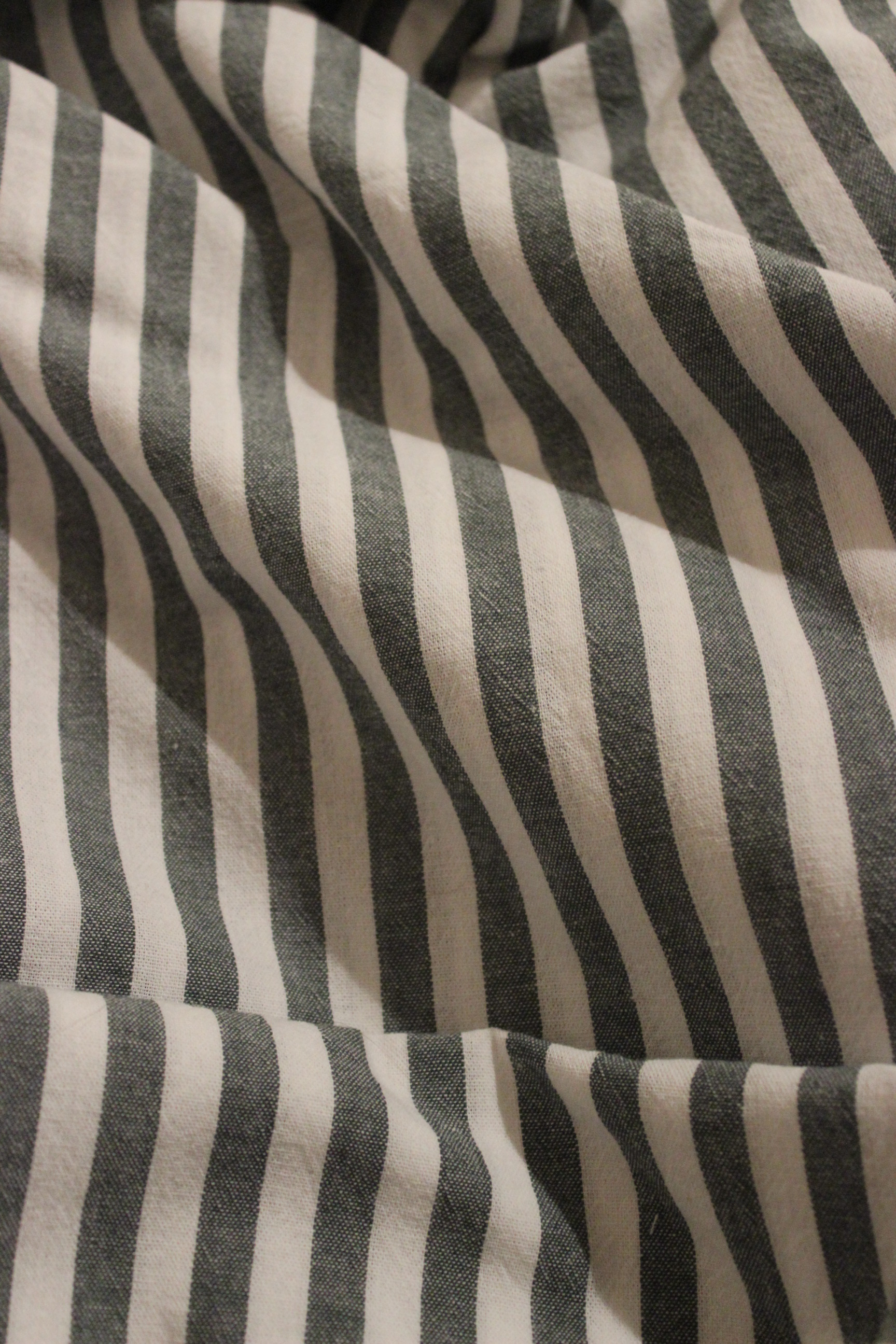
The striped dress The character Lady Mary wears in “Downton Abby”.  0x600The time period (1914s) was perfect for this challenge, and when I remember the striped cotton in my stash the decision was made.IMG_6454Thin, structured, white and green cotton fabric – leftovers from my 18th century “Artsy Robe a la Anglaise/Turque“.

I started by doing a dress studie – sketching down the basic look, special details for the pattern and all the materials. 20150502_111150

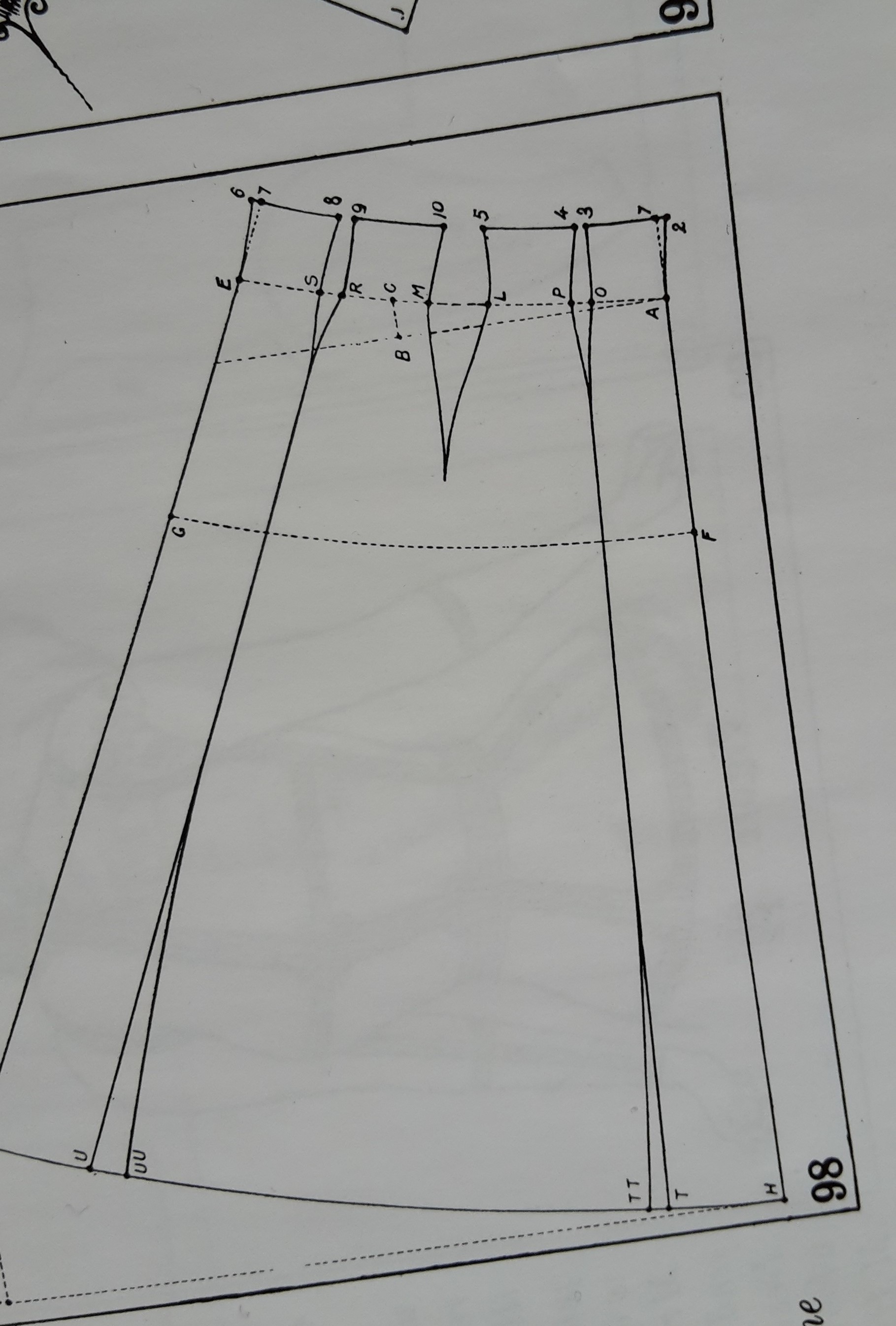
looking through my costuming book for a way to tackle the pattern drafting I found a sketch of a 1910s, high waisted slim skirt that would be perfect for this dress.20150502_111452Sketch from Janet Arnolds “Pattern of Fashion nr 2”.

I used the basic principle from Arnolds book and drafted the pattern to fit my measurements.IMG_6438

Then I made a mock-up and tried it on over my long line corset.
IMG_6439 IMG_6443
And it was huge.
I’m still amazed of how much ease it must be in my modern pattern temples since I almost always end up with mock-ups about 10 cm to big.

I took it in everywhere about that much.
IMG_6447 IMG_6451
Much better.
But still in need for some extra alterations, like smoothing out the darts and taking out a few cm from the length at the bodice back.IMG_6455Here you can see the way I took out the width at the seams and darts.

Once the pattern was adjusted it was time to cut the fabric.IMG_6459

IMG_6461 IMG_6462
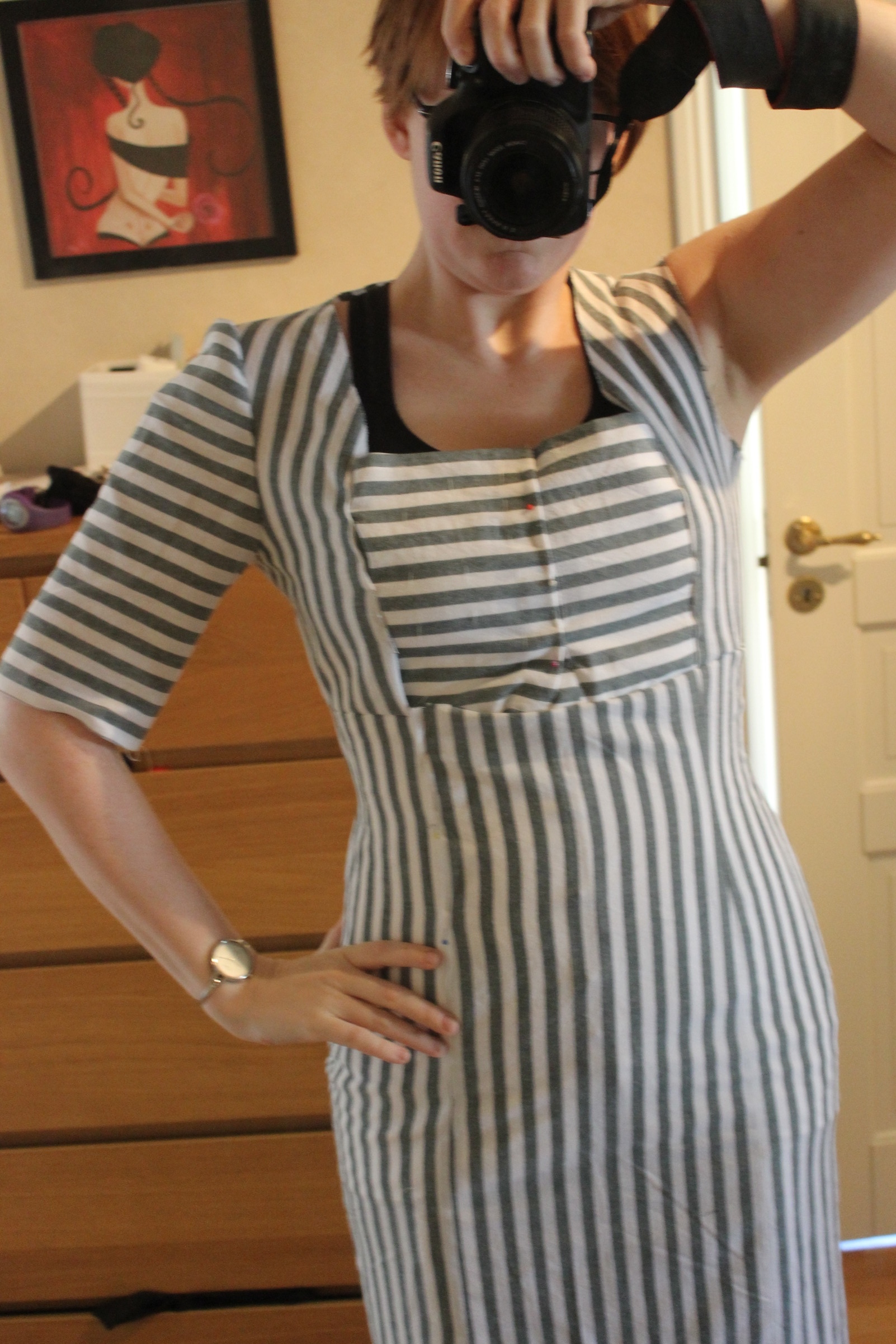
The back bodice being cut on bias and with the stripes carefully matched to he shoulders, sleeves and center back.

Before I started sewing I needed to be sure the collar was long enough to fit the neckline.IMG_6467Perfect match.

I sewed most of the dress on my sewing machine. 20150430_080119Sewing the bodice, skirt, sleeves and lining together but away from each other at this pont.

IMG_6503Making the placket for the skirts closure.

Once all the separate pieces was ready, I basted the front bodice to the sides, the bodice to the skirt and one sleeve to the sleeve-cap. And then I tried it on.
IMG_6494 IMG_6497
Pretty good fit. The back is still to long (just to take some more out), and the bodice front was a bit to big.
I decided to take the width out at the bust seam.
IMG_6499
Pins to show where to make the new seam line.

When the fit was once more good, I un-picked the basting and marked the button holes. IMG_6500

Then I hand stitched the buttonholes,20150501_195031 and sewed the front pieces to the rest of the bodice (using the new seam-lines).

Once I had the bodice ready, I attached the lining to the neckline,20150430_075631cut he seam allowance, flipped it over and carefully pressed the edge.
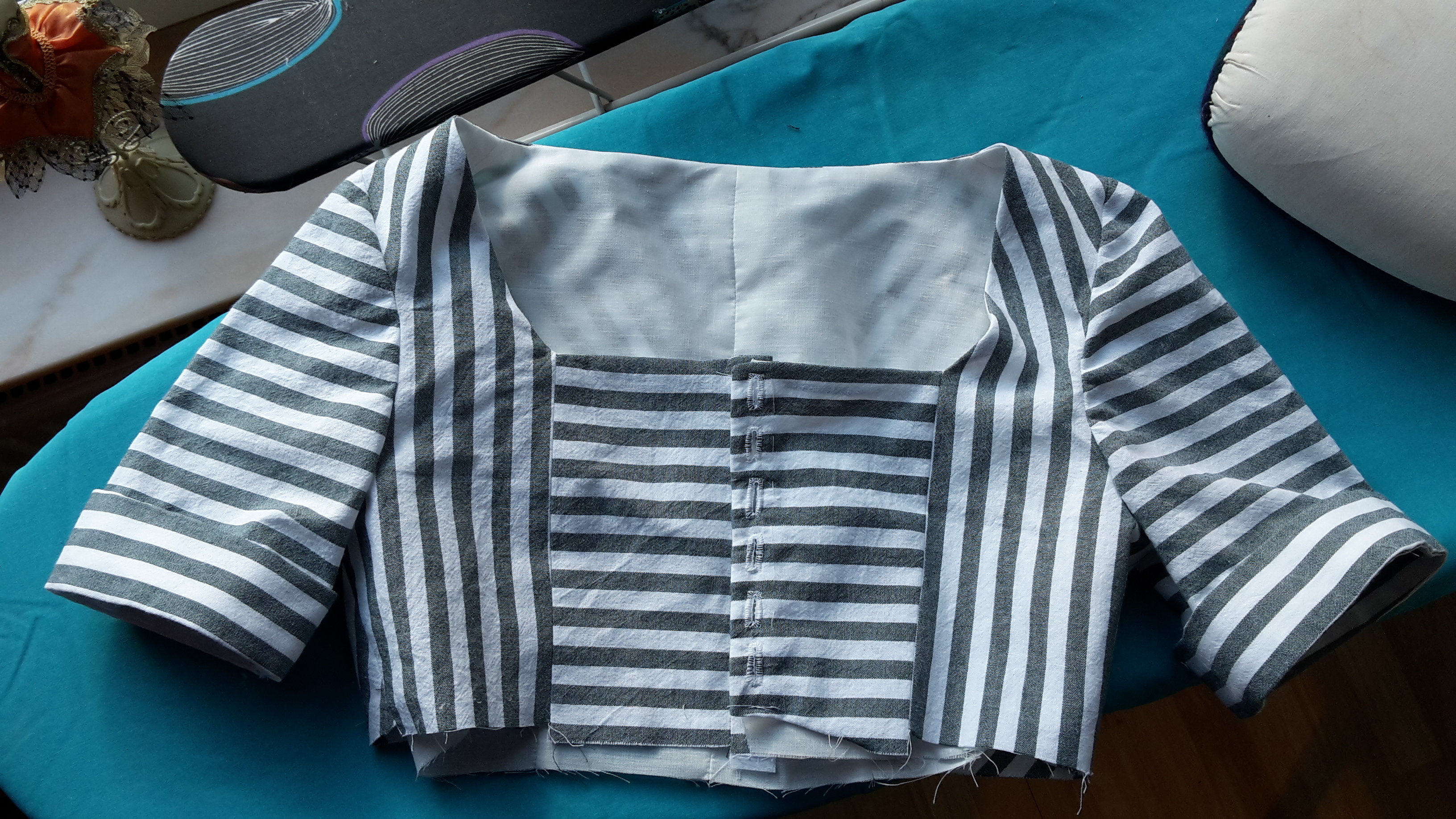
Then I made the cuffs for the sleeves, and attached them to the bodice.IMG_6505

20150430_080953Now it is starting to look like something

To be continued…
(Because otherwise this would be an extremely long post)

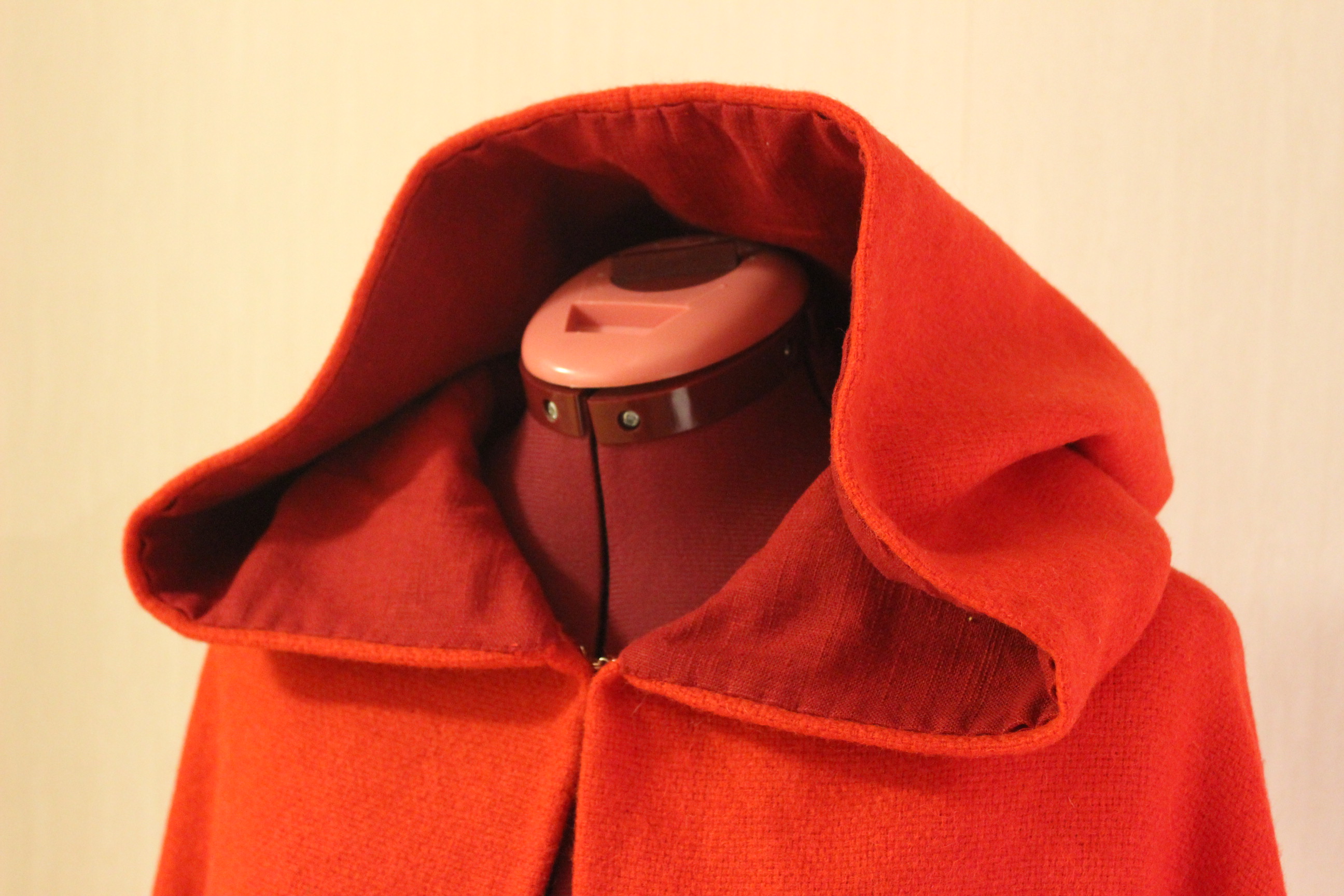
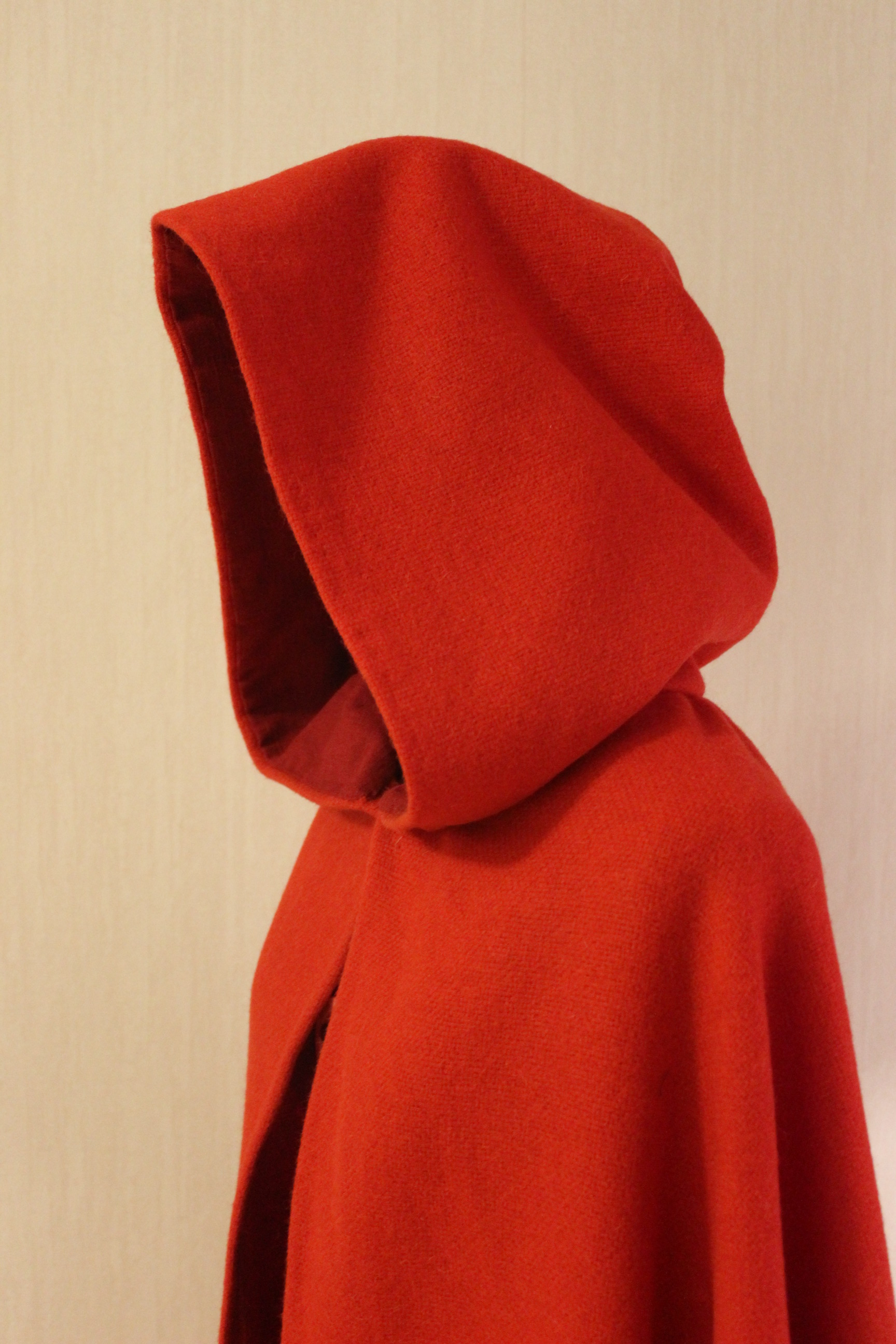
18th century Red Riding hood

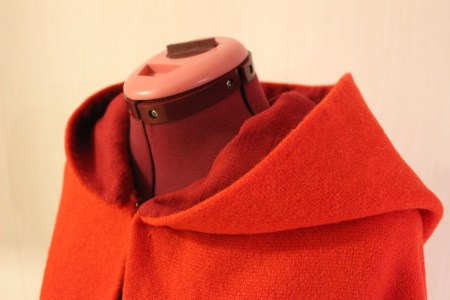
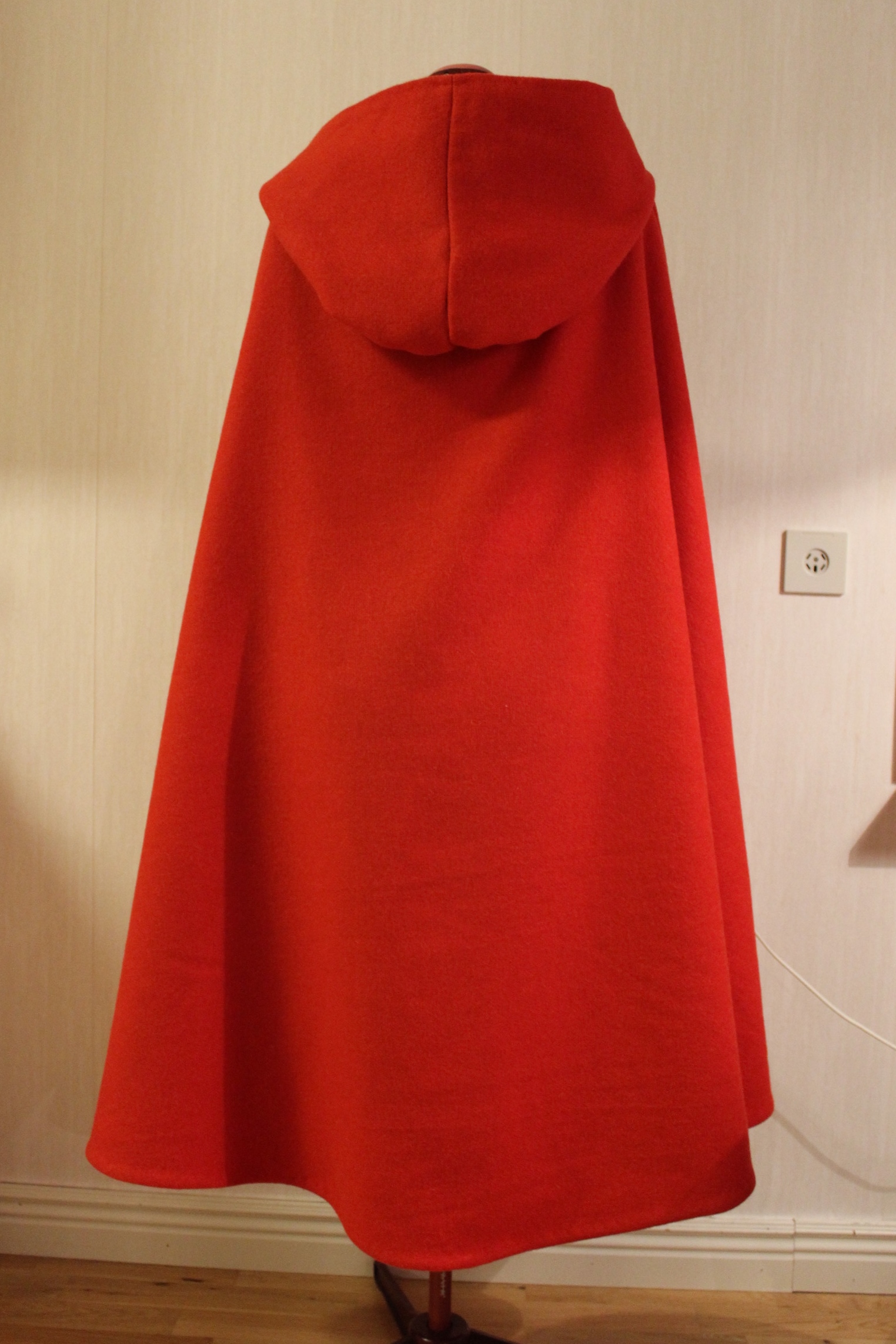
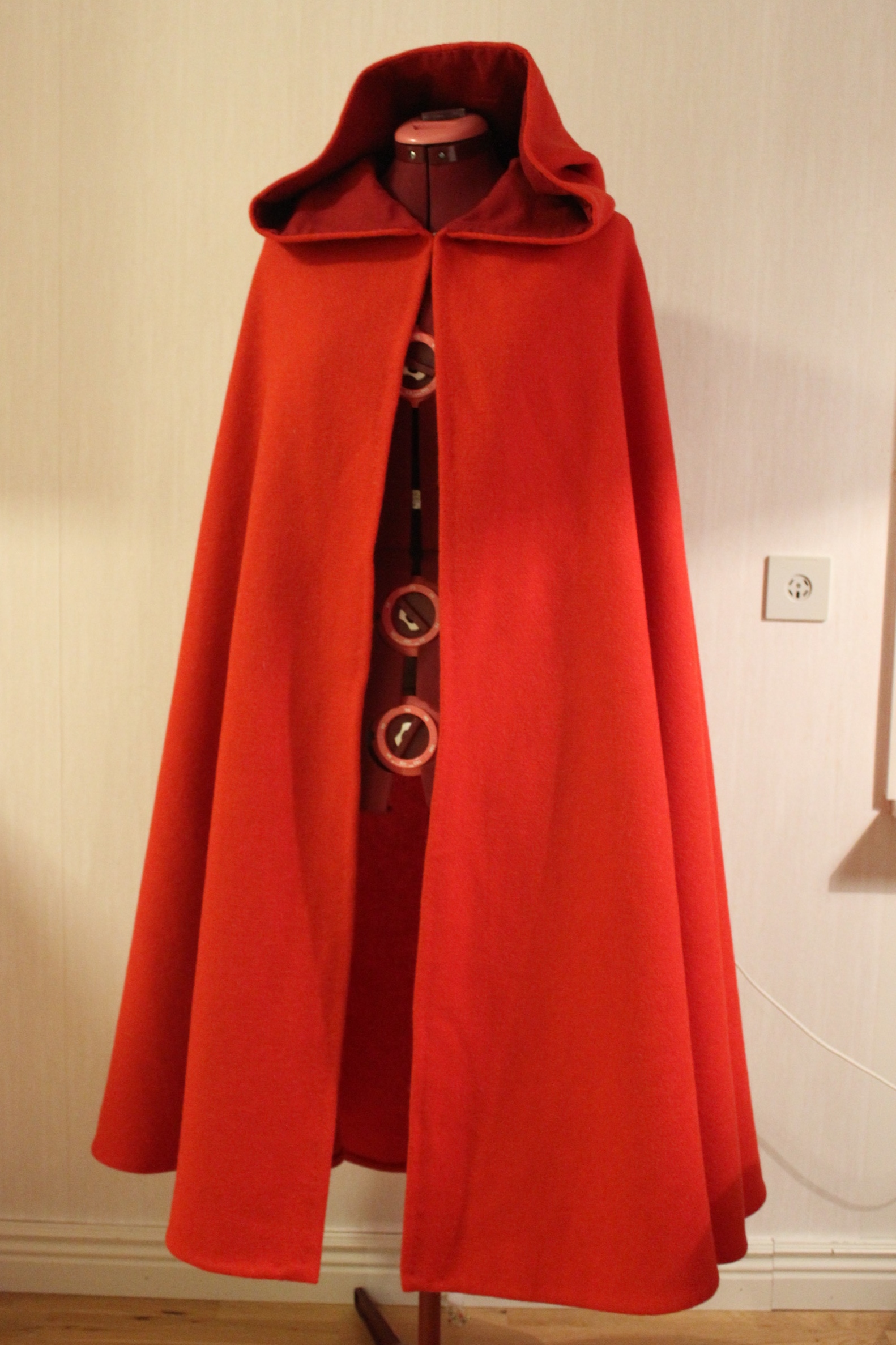
About a month ago I decided I needed to make myself a 18th century cloak/cape

4d7ebb3a5de7f11a4aff68e52445404bLove this picture

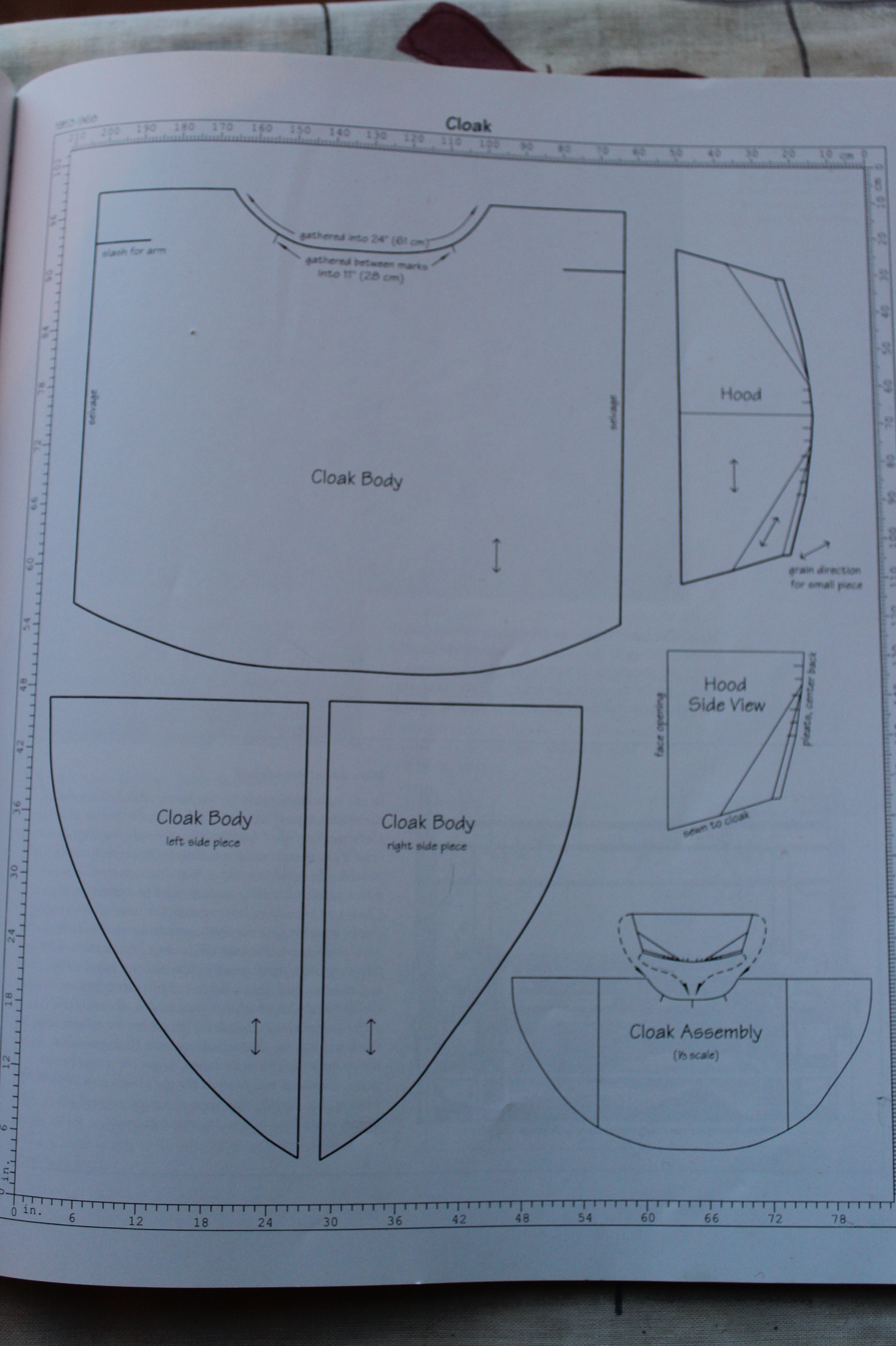
I decided to use Baumgarters Cloak pattern from “Costume close-upIMG_5888

IMG_5883Sewing Empire made herself one of these too, and writes a good sumary about her work on her blog.

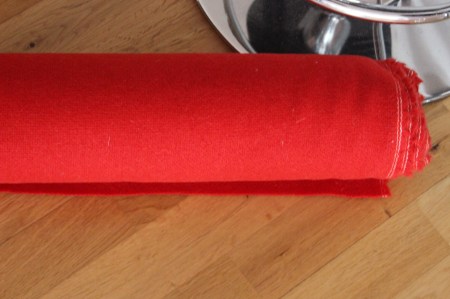
For fabric I used an old roll of red wool I got for free a few yers ago.   IMG_5870The fabric are realy coarse and I never thougt I would ever be able to use it for anything, particularly not for a garment.
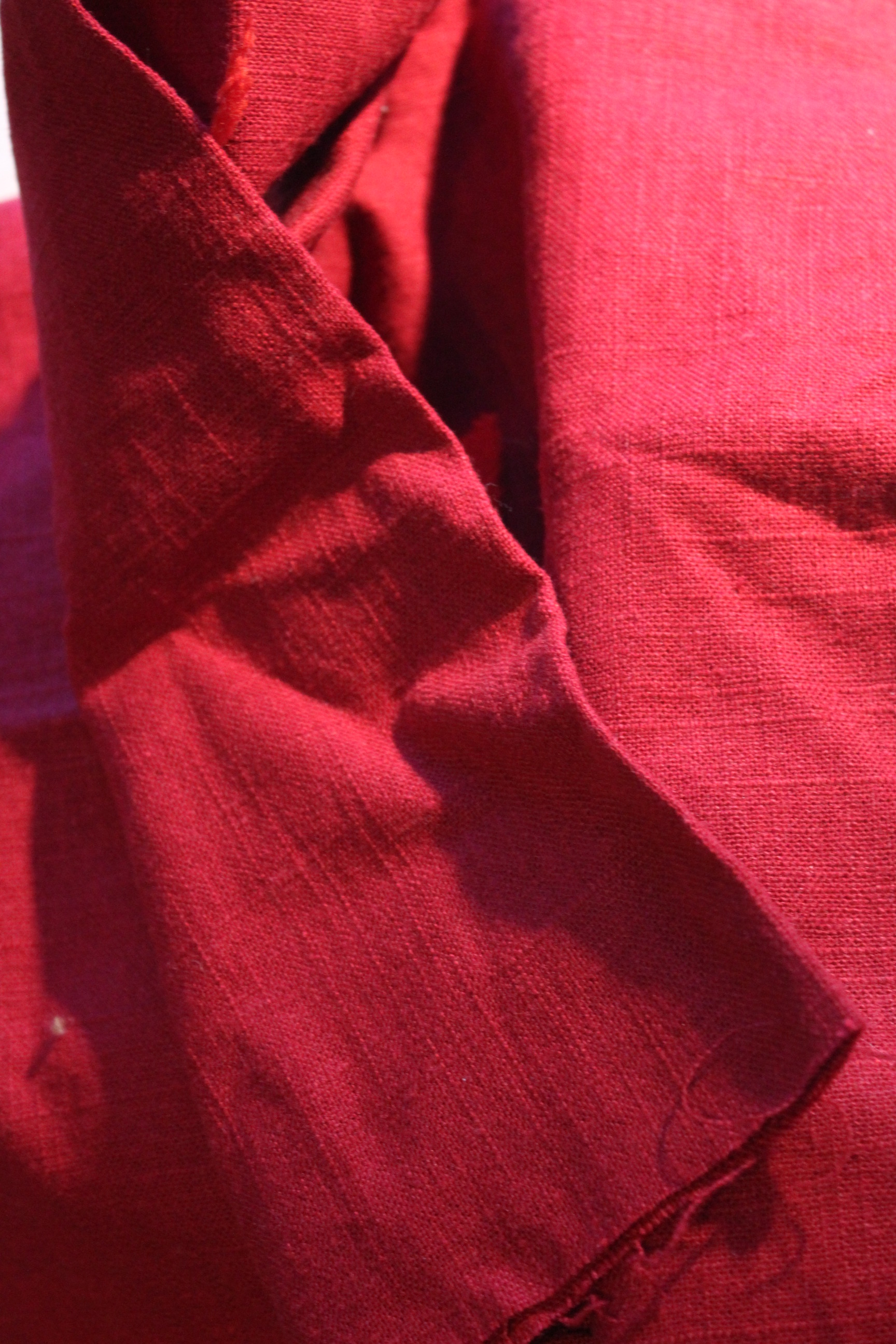
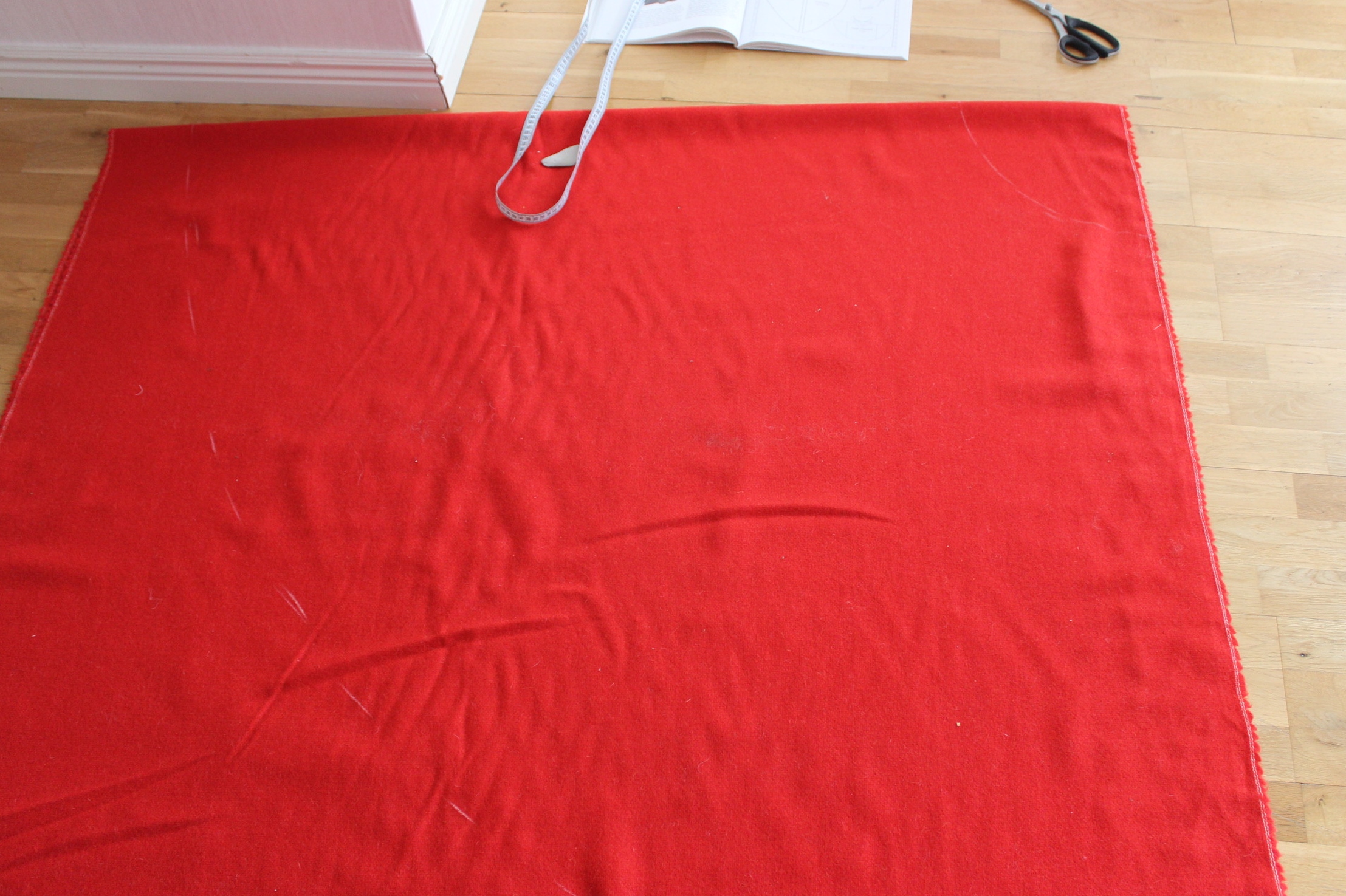
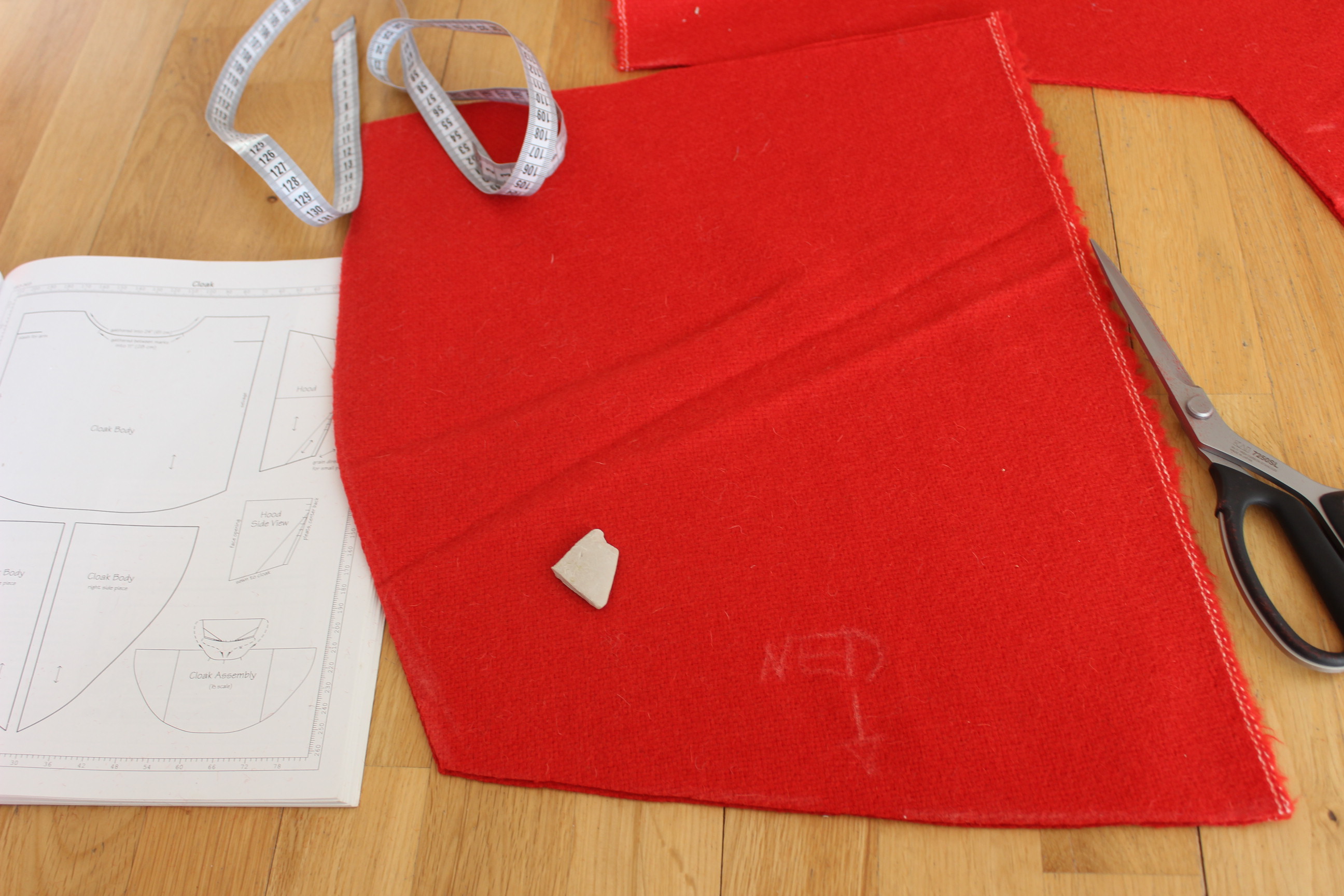
For lining I dug into my scraps bin, and found a dark red linnen leftover from a gown I made several years ago.IMG_5878The amount I had was just enough for the hood.

I didn’t traced the pattern, but measured and cut everything from memory. IMG_5868

Then I did the same with the hood.IMG_5874

The construction of the cape was really simple and straight forward.
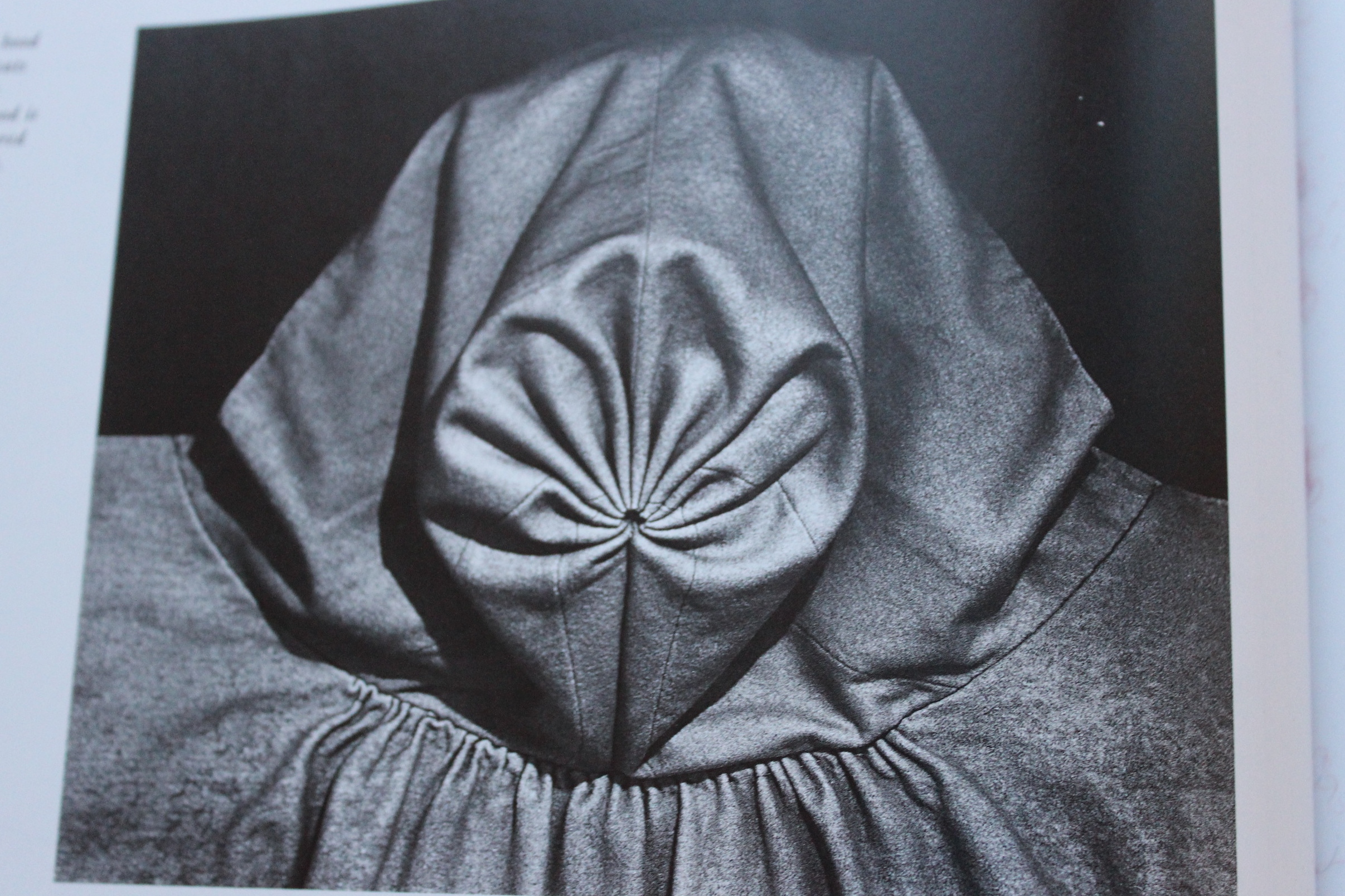
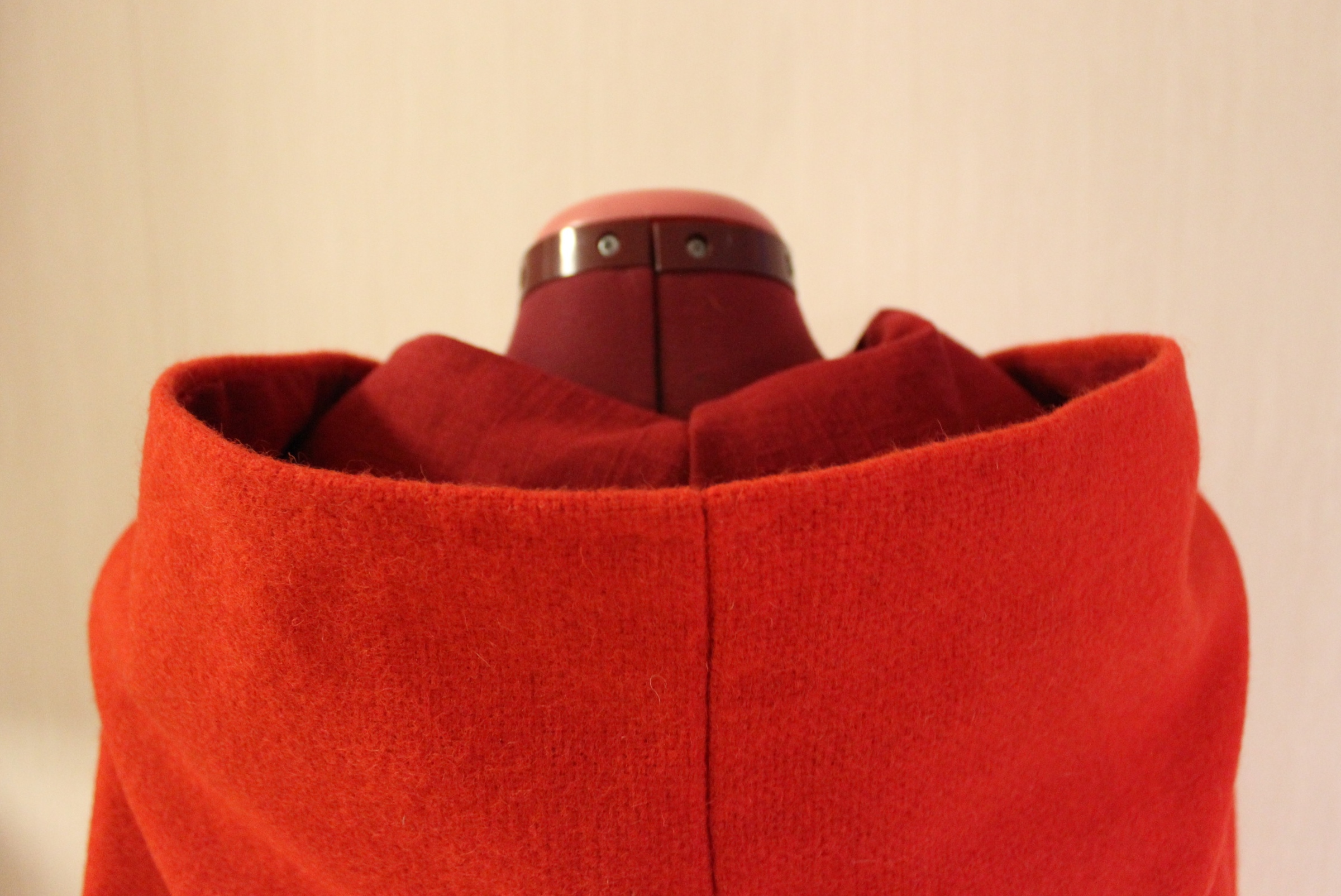
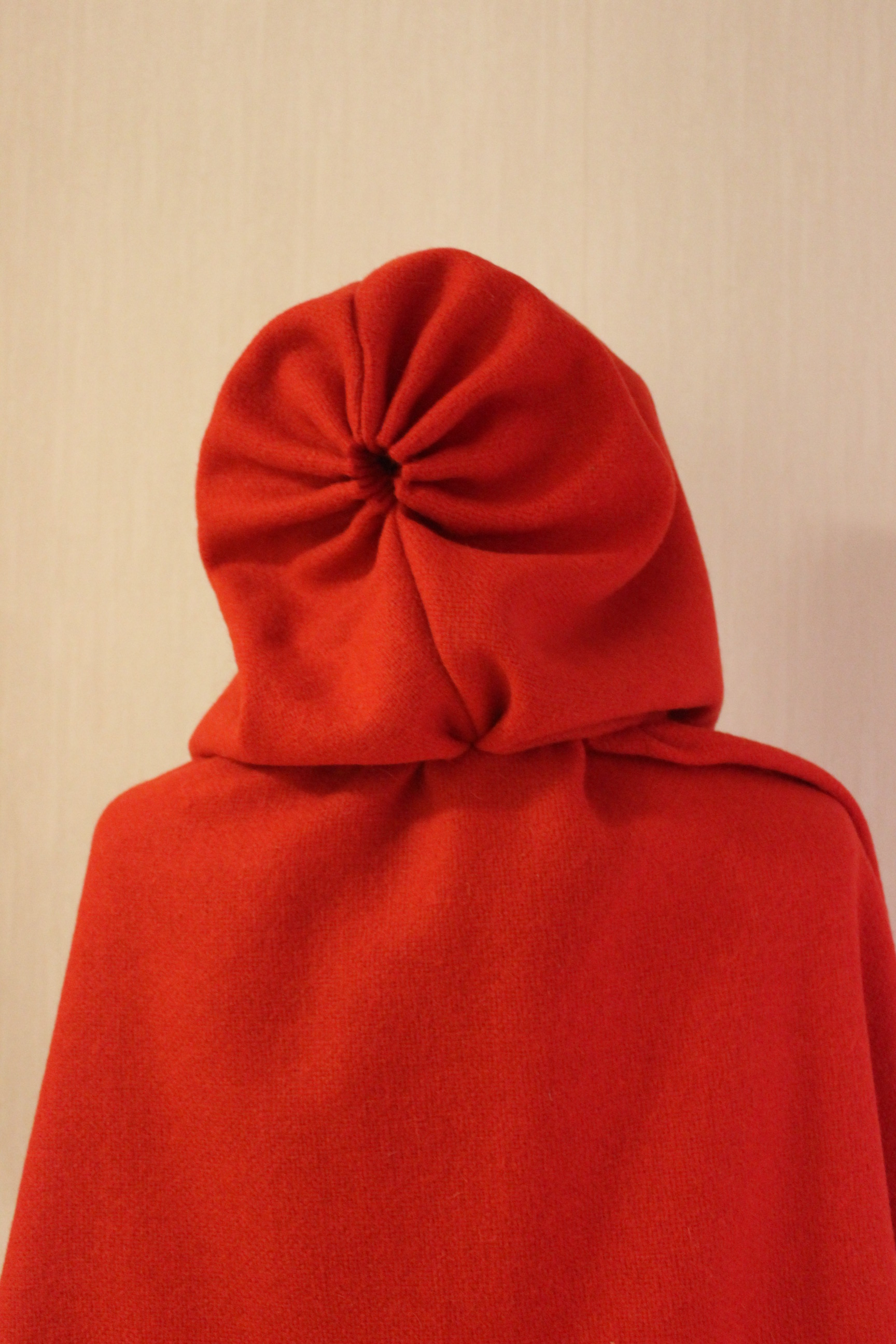
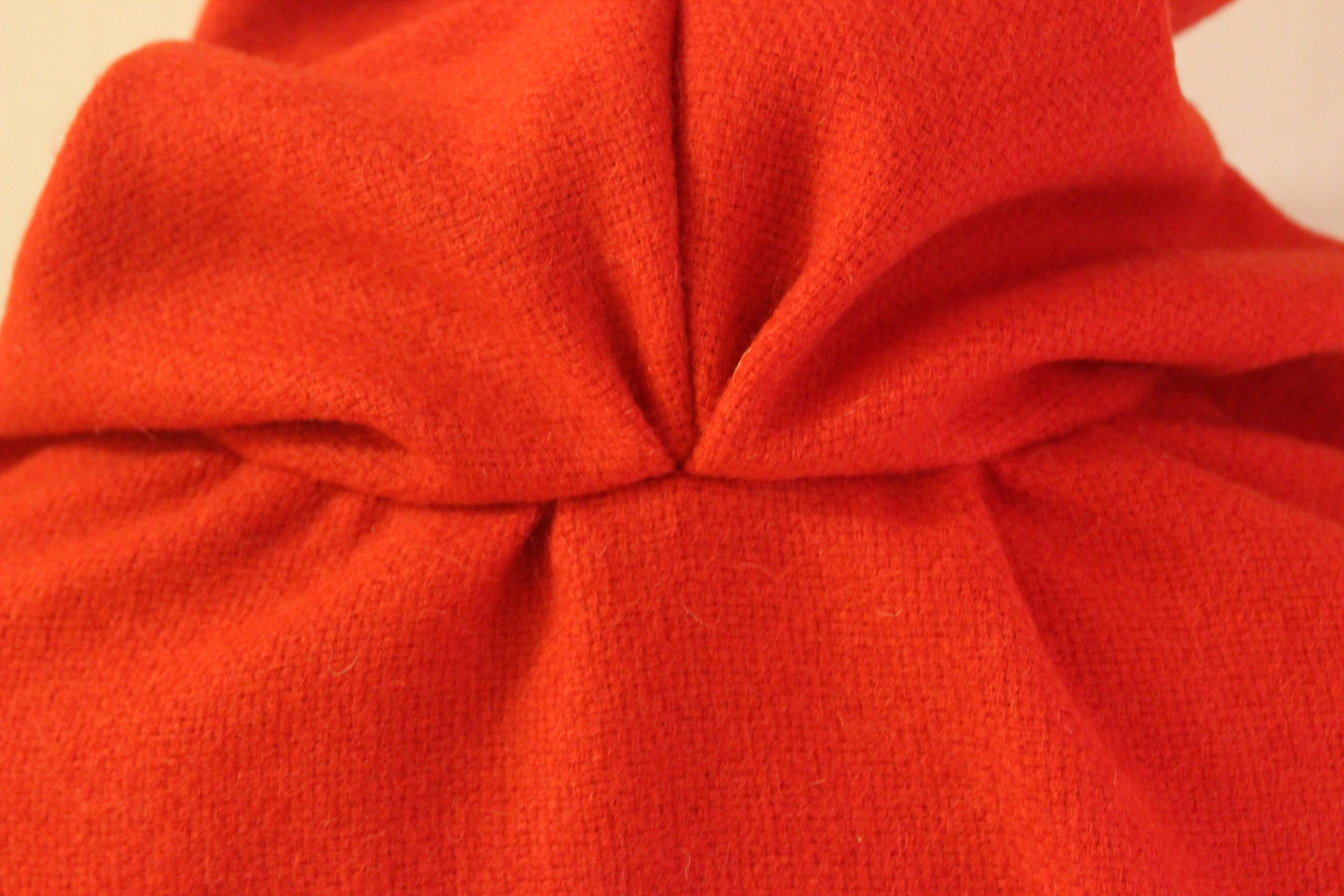
The only tricky part was the hood.IMG_5890Picture of back of hood from “Costume close-up”.

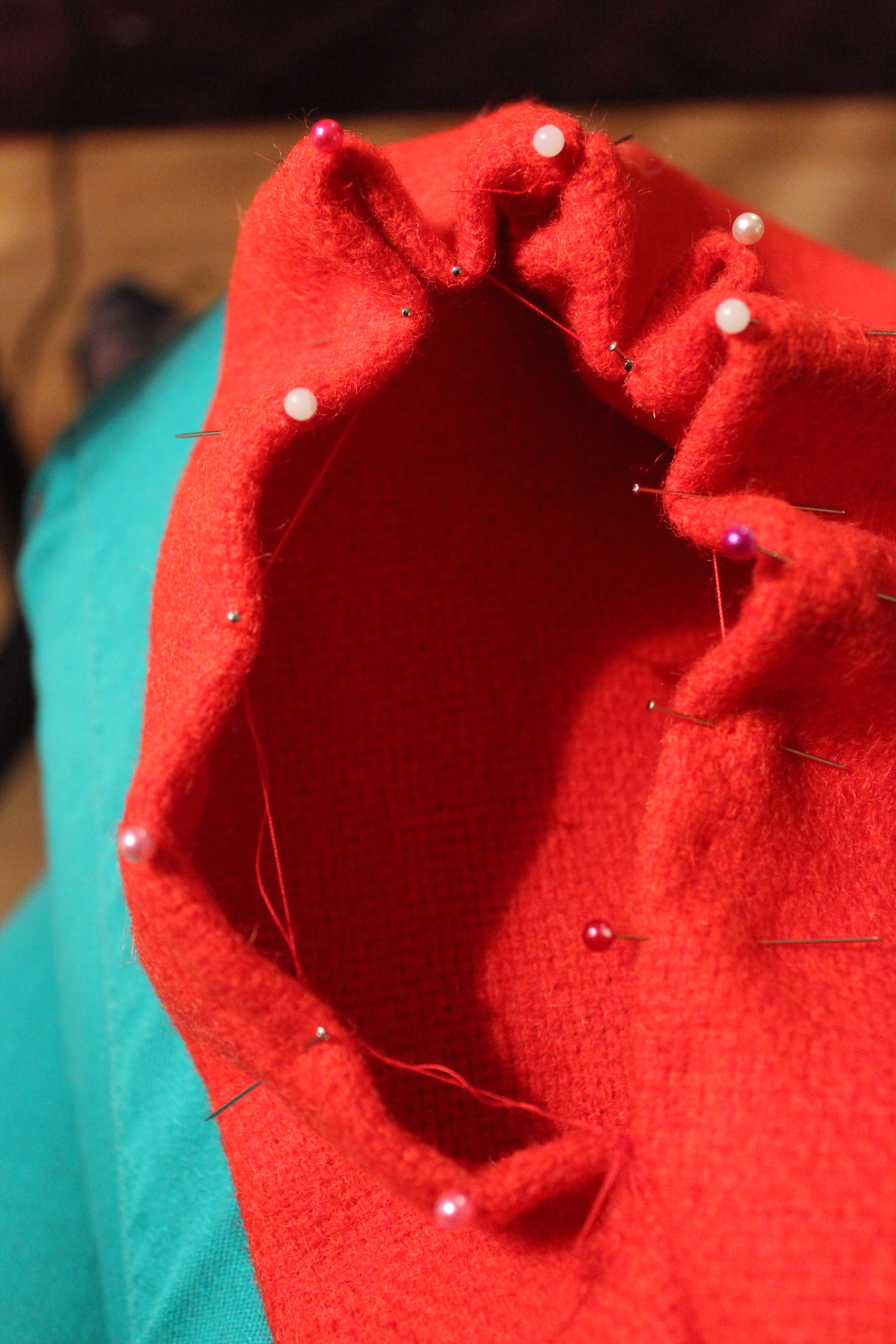
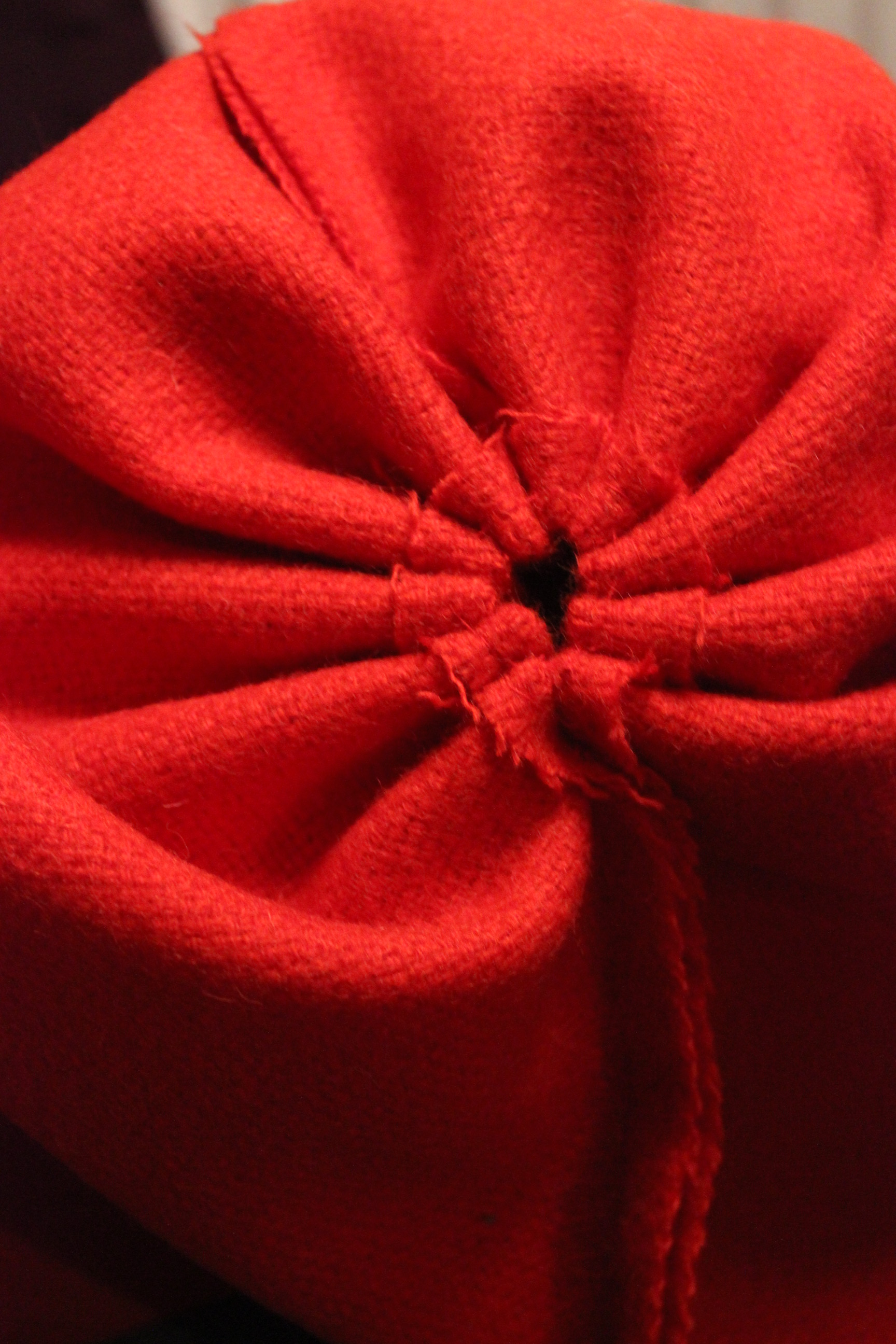
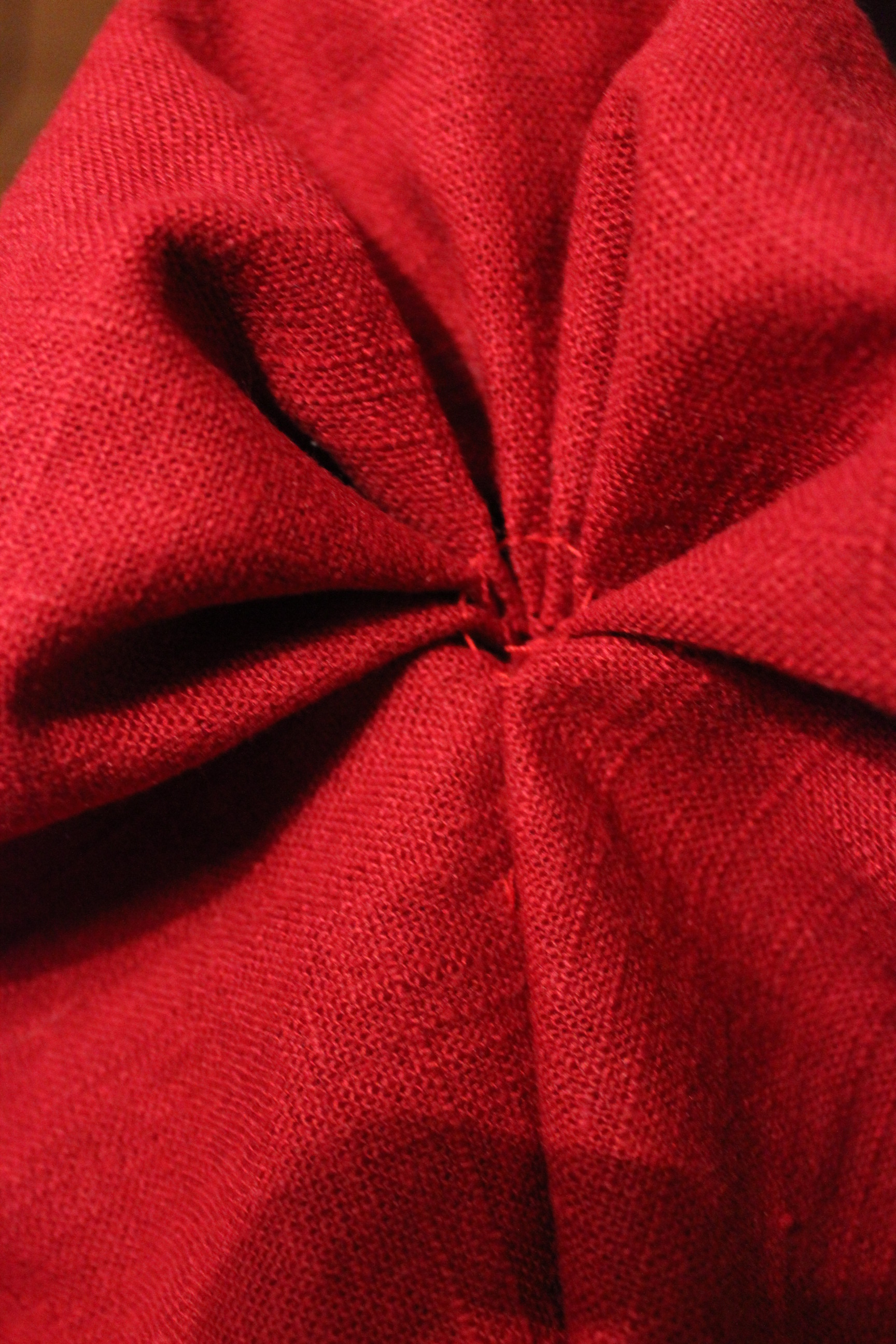
In the description it’s said to be pleats giving the “fan” shape, and after some fideling and testing, I figured out how to make them behave as in the picture above.IMG_5893 IMG_5895
IMG_5898
From the inside

Once I knew how to do it the lining was really easy to assemble in the same way.IMG_5899Even though the look of the folds in the thinner linen was a bit different.
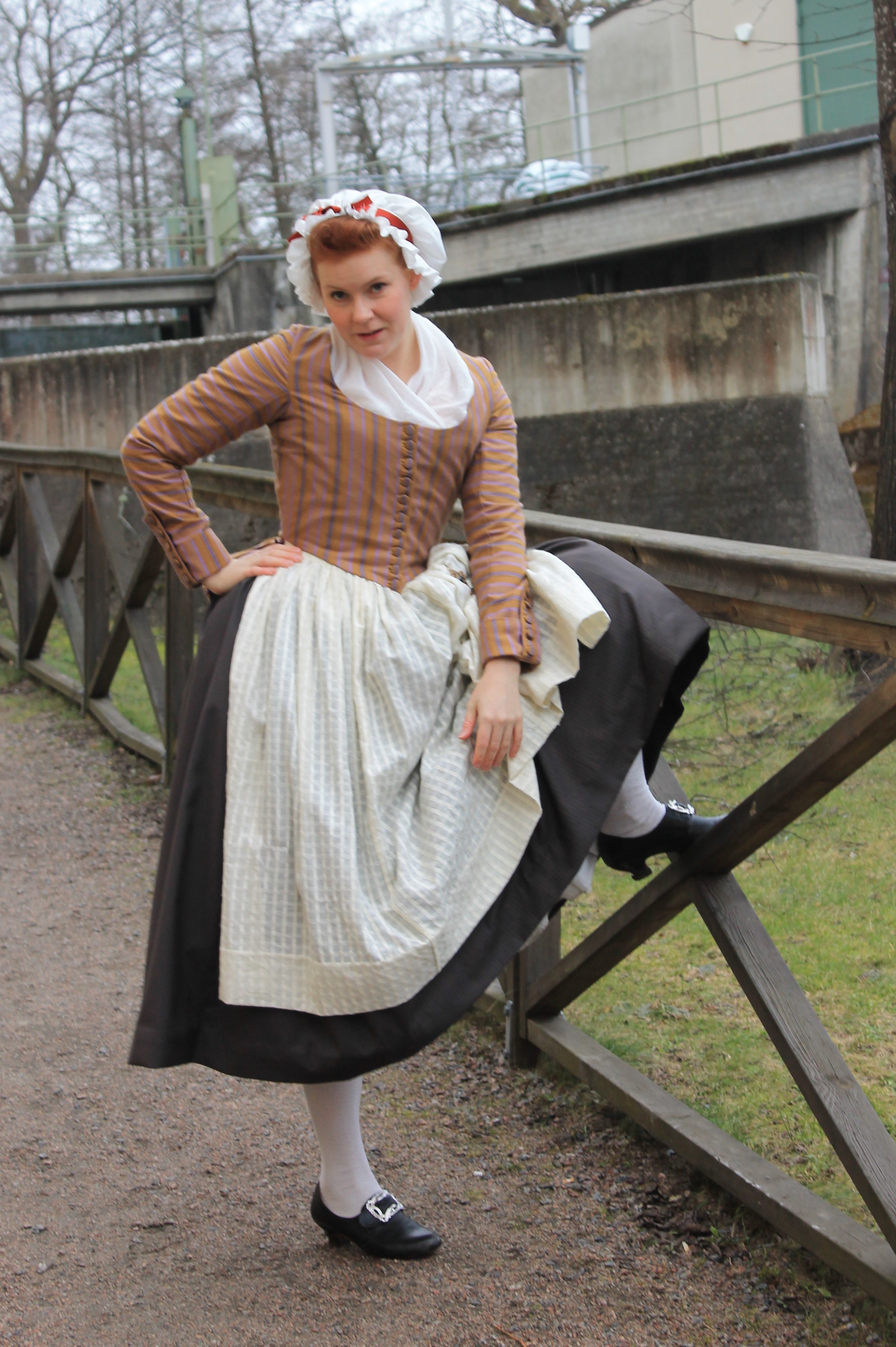
IMG_6082It is huge, laying on the floor like this.

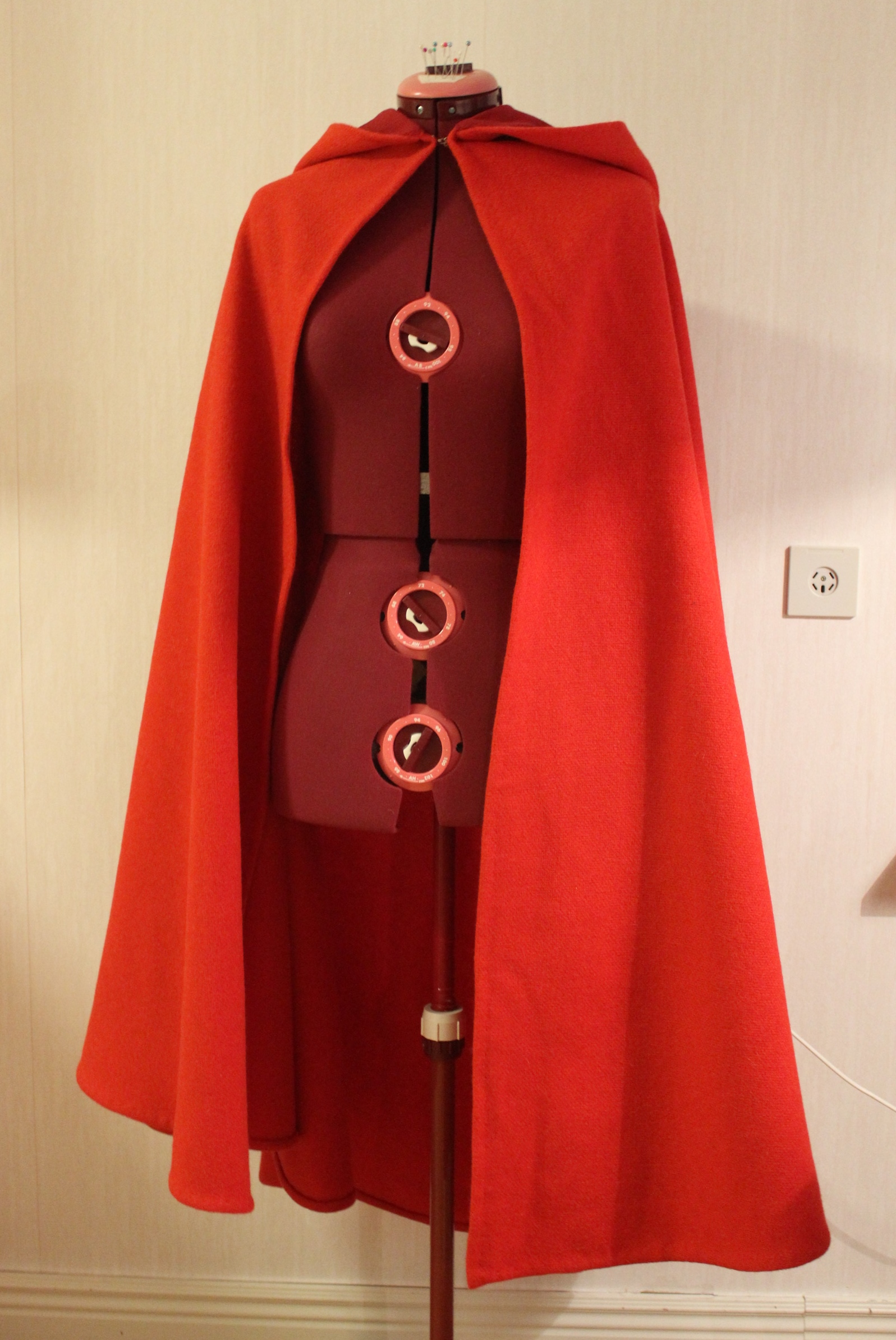
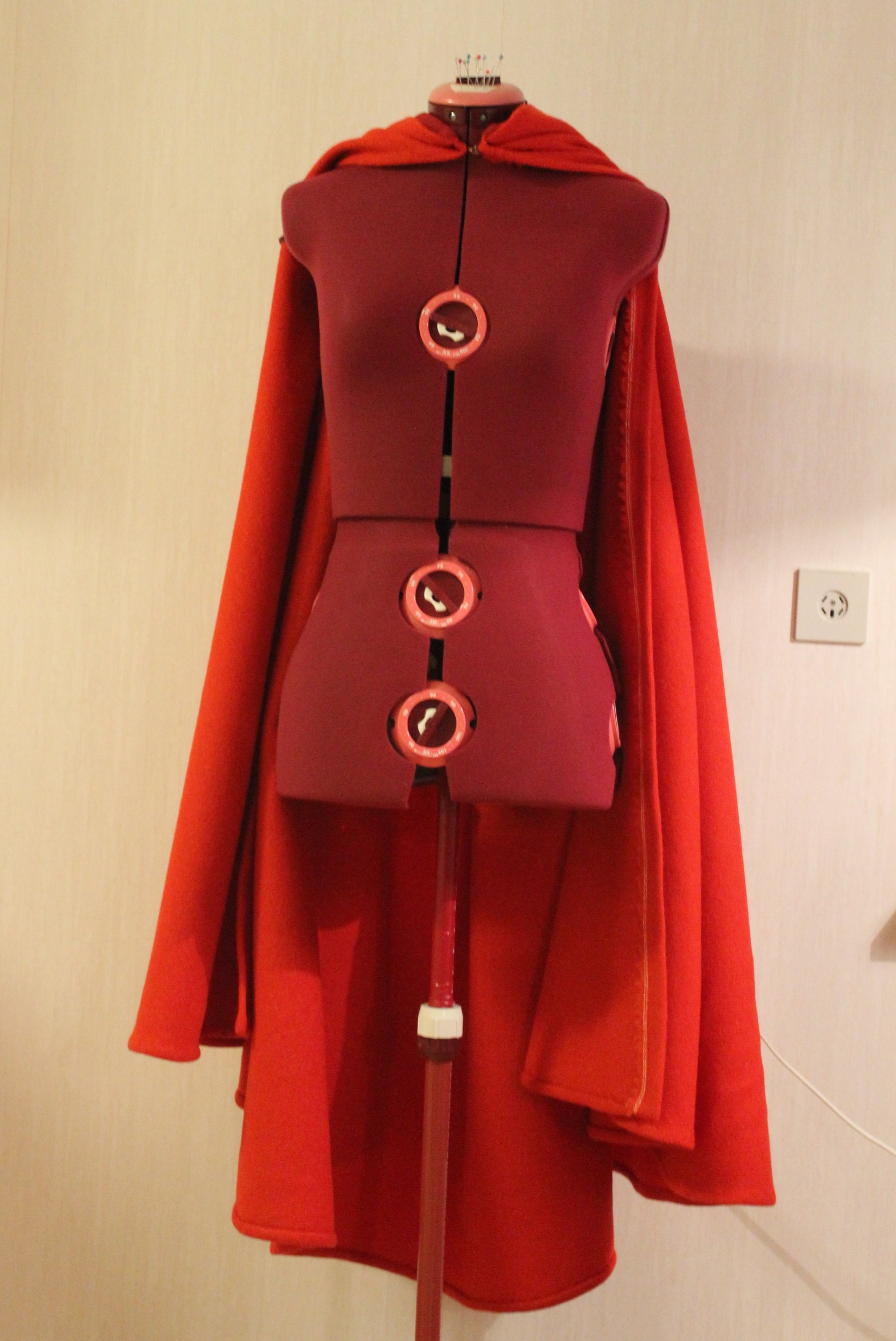
Finished:IMG_6061

IMG_6060 IMG_6058

IMG_6069

IMG_6064

IMG_6074

IMG_6070

IMG_6072

IMG_6065

IMG_6066

IMG_6067

IMG_6080

Just The Facts:

Challenge: nr 3/2015 – Stashbusting

What: a 18th century wool cape

Pattern: Baumgarters “Costume Close-ups” Cloak pattern

Fabric: 3 m of red wool (upholstery fabric) and 40 cm (scraps) of red linen for lining.

Notions: Thread and one hook and eye.

How historica accurate: So, so. The colour and look of it are right, but I doubt they would have used this type of coarse wool for anything other then isolation. I did handstitch the hole cloak but i used syntetic tread – since thats what I had in my stash. All in all I give it a 6/10.

Time: About 5-8 hours – it went pretty quick and only took me about a day to finish.

Cost: Basicly nothing – The fabric was gifted to me and the rest was all leftovers or old stash.
But if I would have bought everything new I guess 300-400 Sek (40Usd)

How it fits the Challenge: It is made completely from stash fabric and scraps. And since I never thought I’d be able to make something from the wool I’m extra happy that it turned out so lovely.

First Worn: On Feruary 28th, for photos.

Final Thougts: I Love it! I felt so pretty and coosy in it, and only wish I would have reason to wear it all the time.
And since I do have fabric left, I’m are already thinking on making one for my sister.

Tavern Wench/Maid – photoshoot

Her are the photos of my recently finished Maid Costume.

I’m wearing:
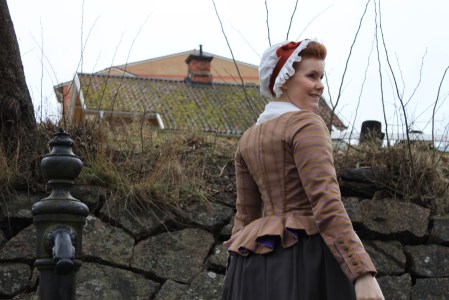
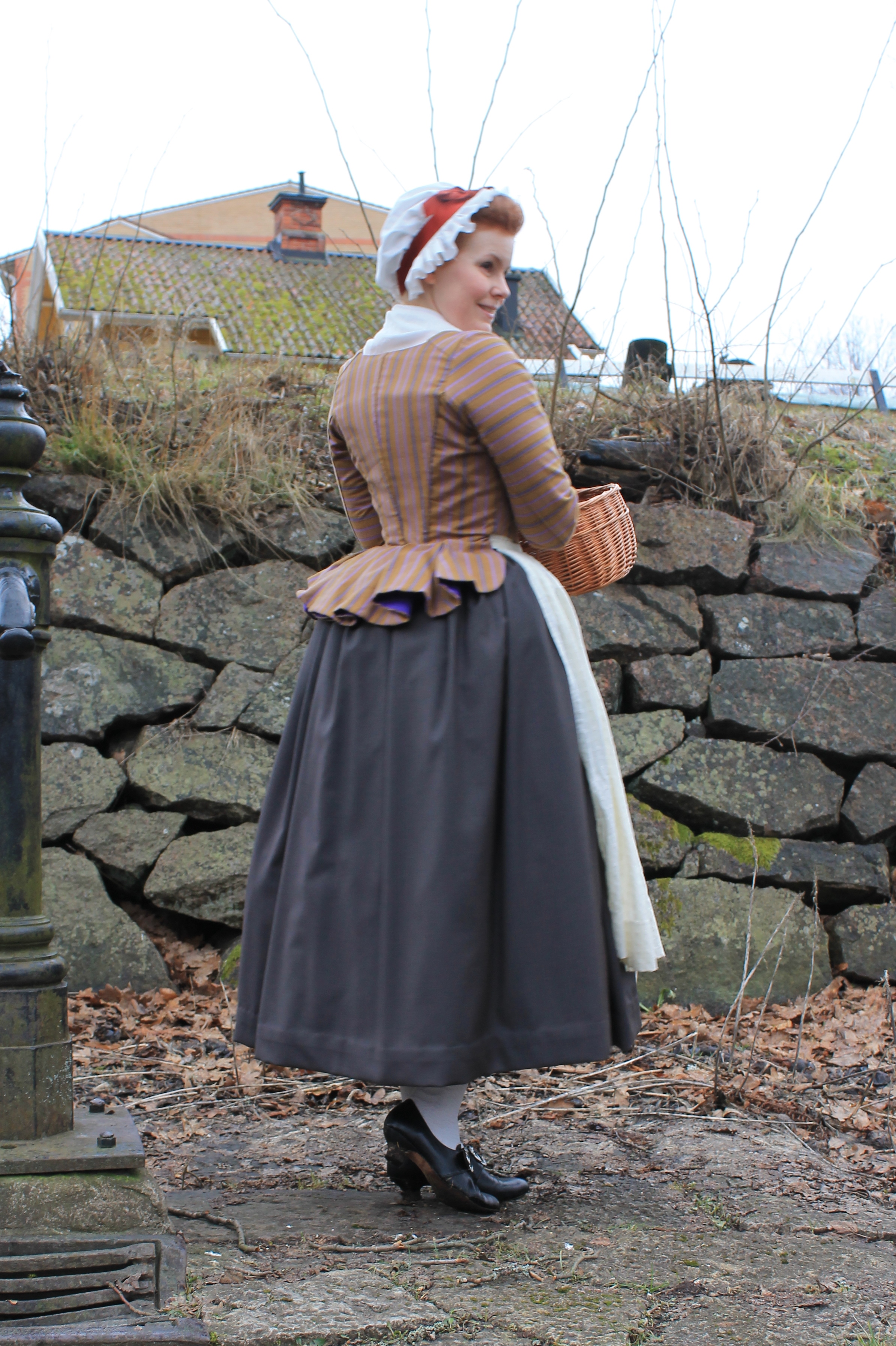
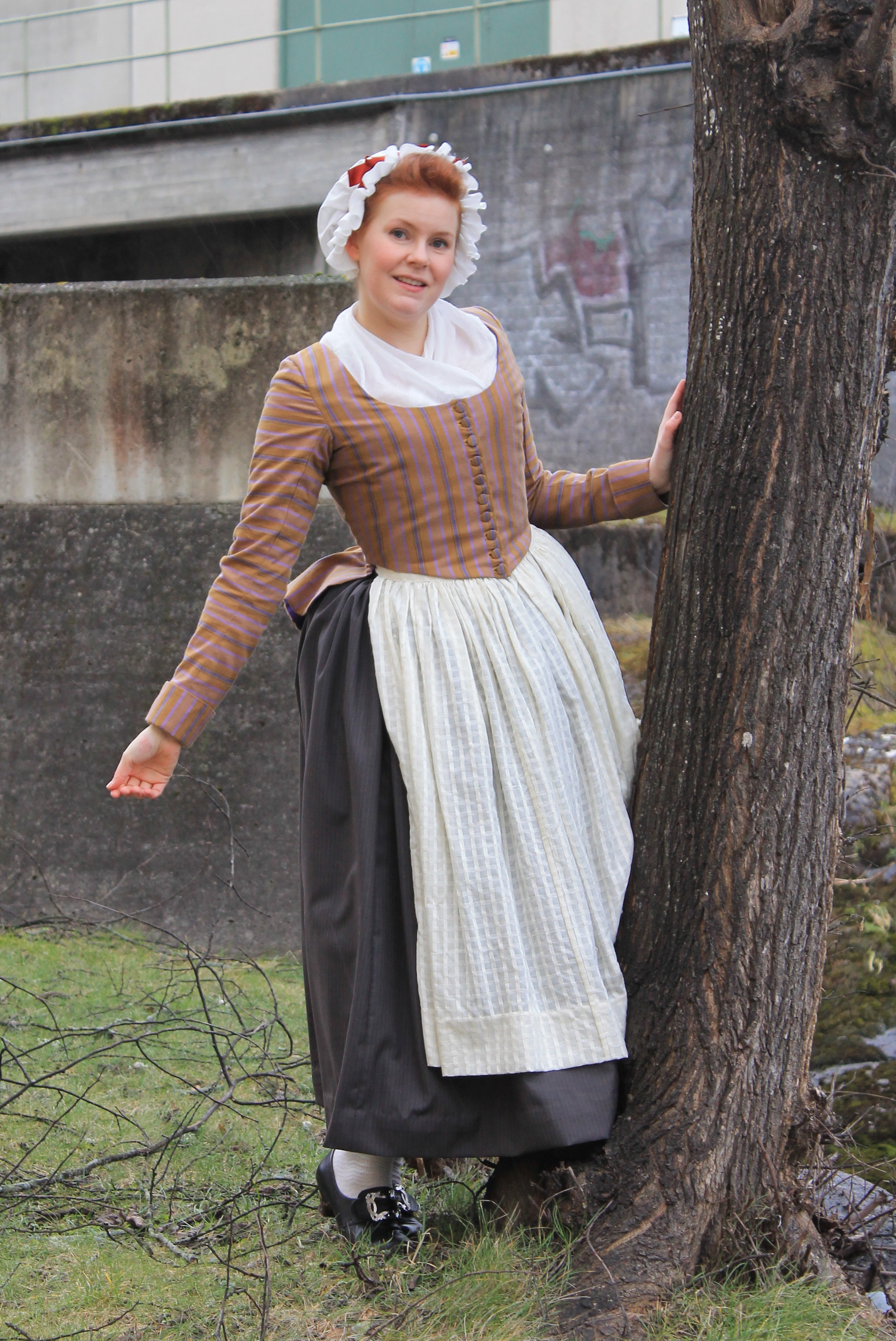
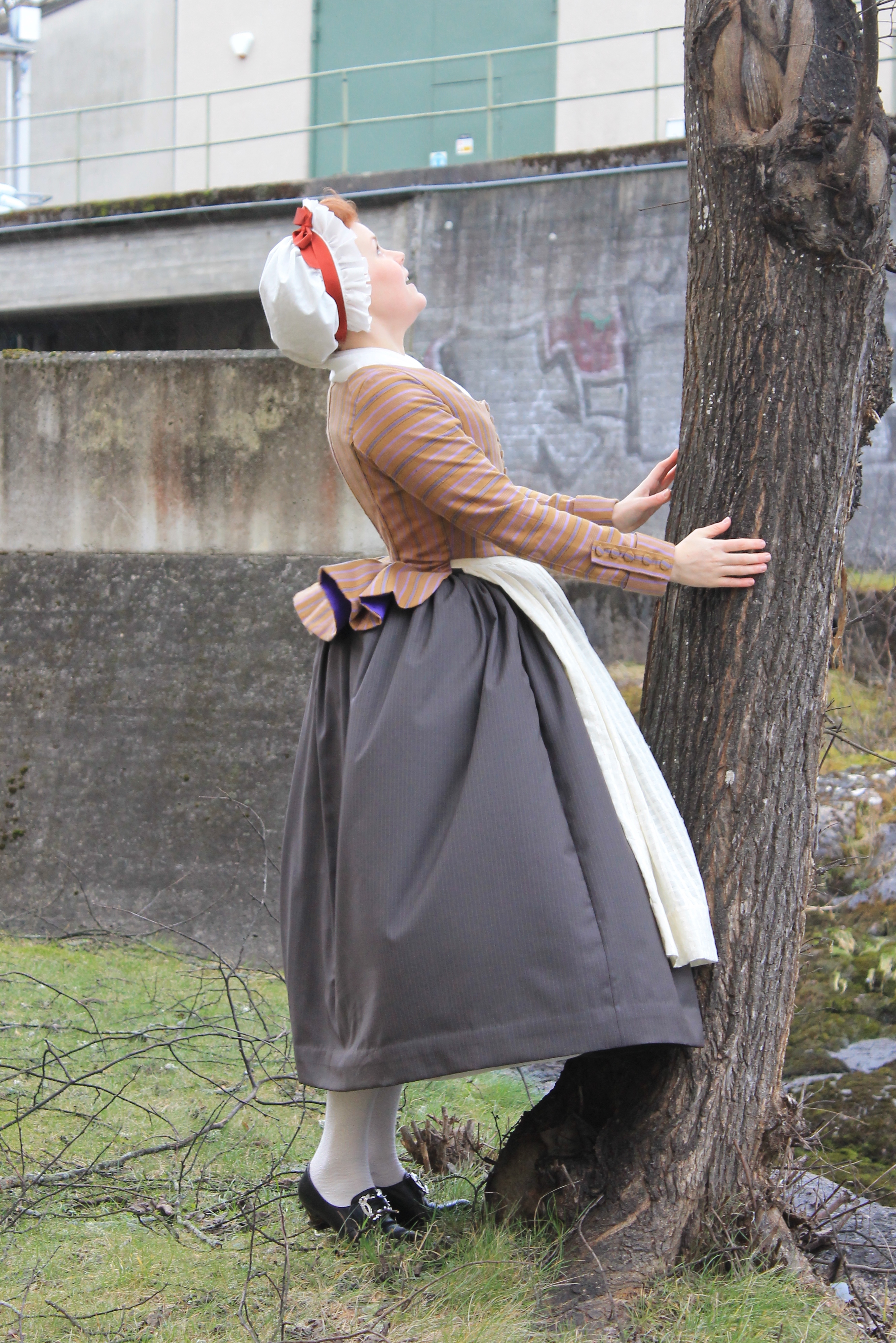
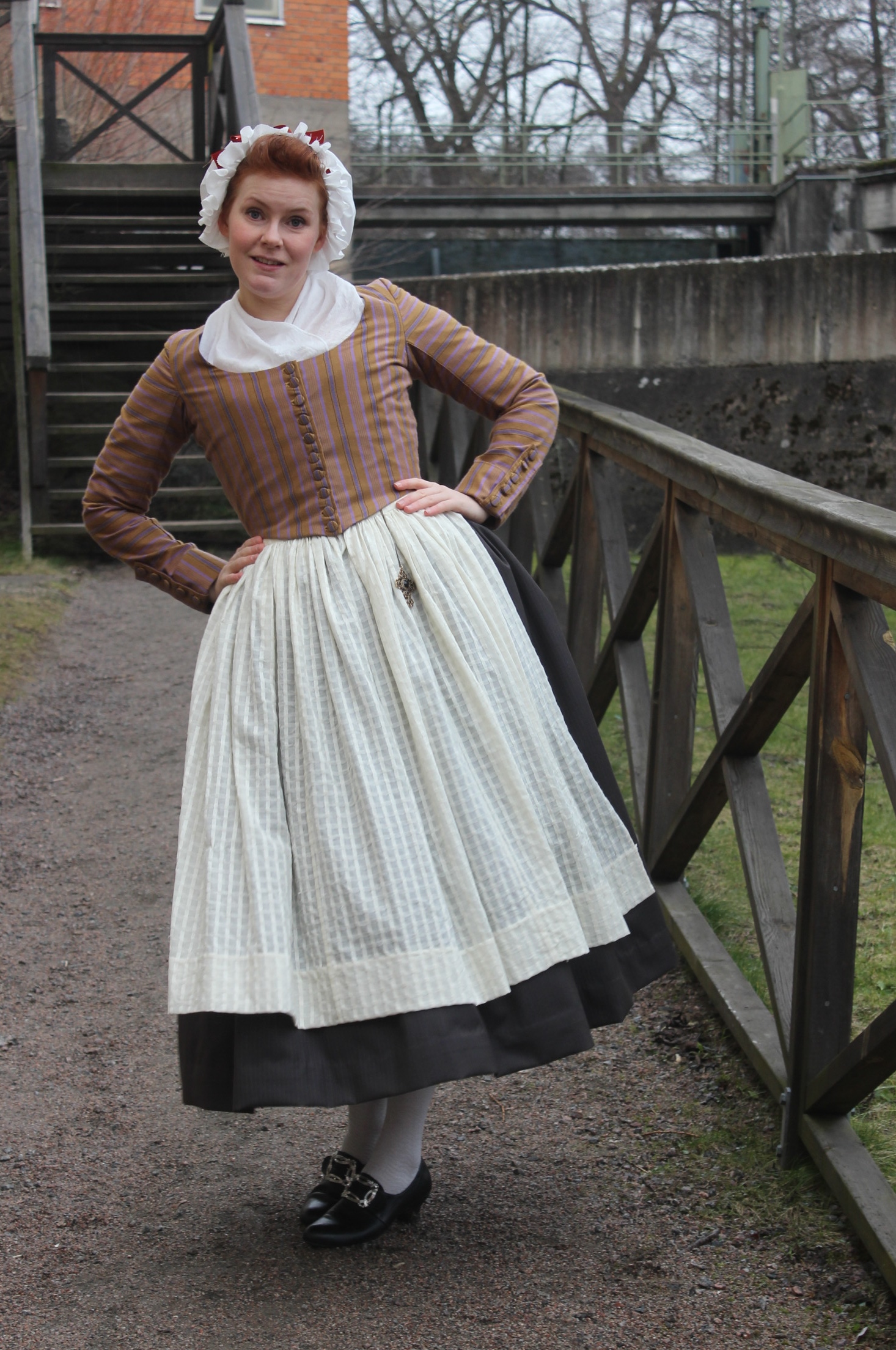
The Yellow Caraco jacket (part 1 & part 2), brown short skirt,  stays, quilted petticoat, and accessories as cap, fichu, apron, bumpads, stockings, black shoes, bible and a cross necklase.
IMG_5961

German maid, evidence of patterned jacket worn with solid skirt - kopiaInspiration

IMG_4587

IMG_4597

IMG_5974“This is my favourite part… but I’m having a bit trouble living by it…”

IMG_4609

IMG_5989

IMG_6010

IMG_4627

IMG_4631

IMG_6002

IMG_6006

IMG_4680

IMG_4681

IMG_6016

IMG_4666

IMG_6047

IMG_4710

IMG_4690Photos: Elin Evaldsdottra och Maria Petersson

Stash-busting 18th century Caraco (part 2)

Here comes the finishing steps of making my yellow Caraco jacket (read Part 1).

After the assembling of the bodice, and insertion of the lining to the jacket, it was time for the clouser.
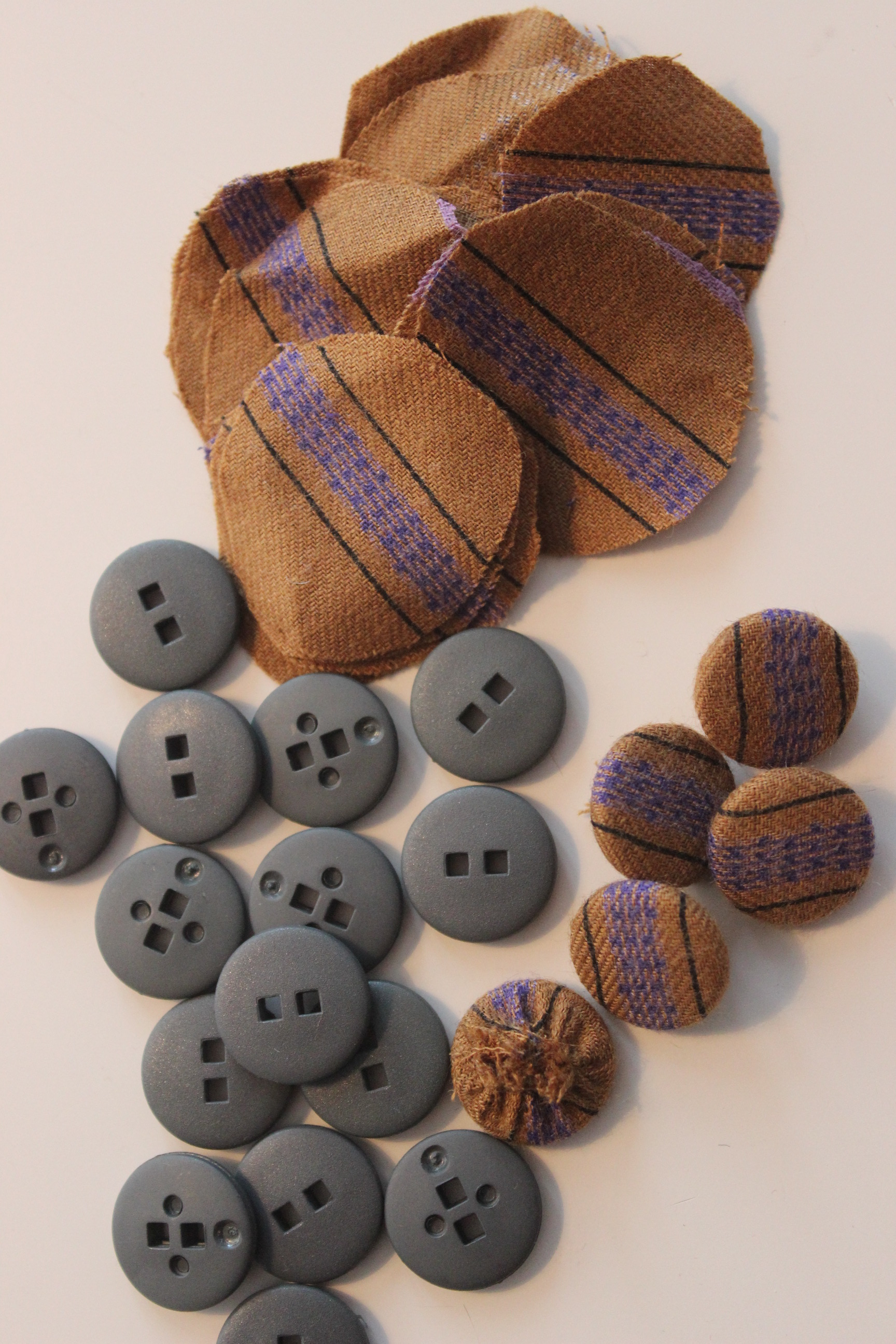
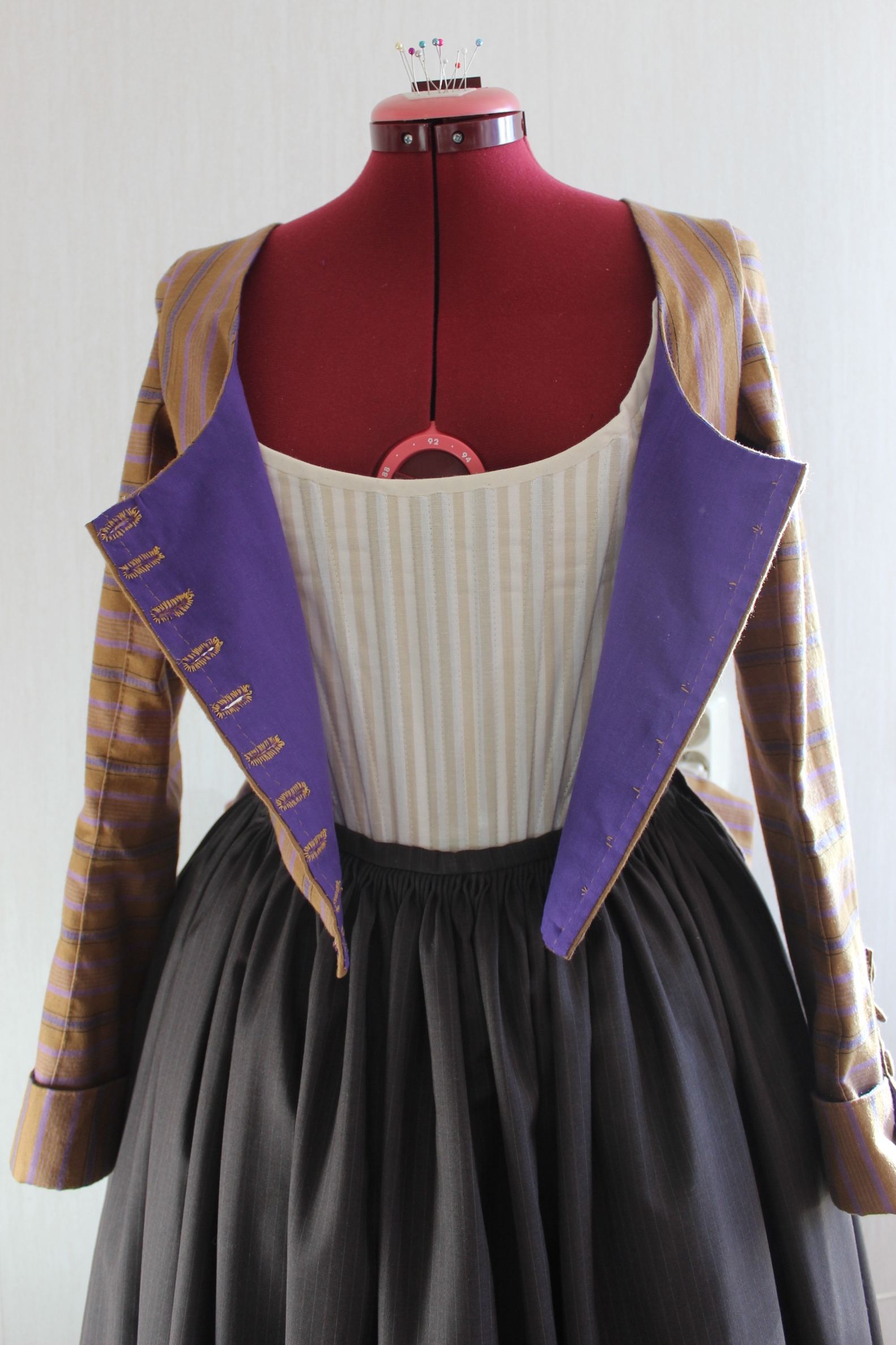
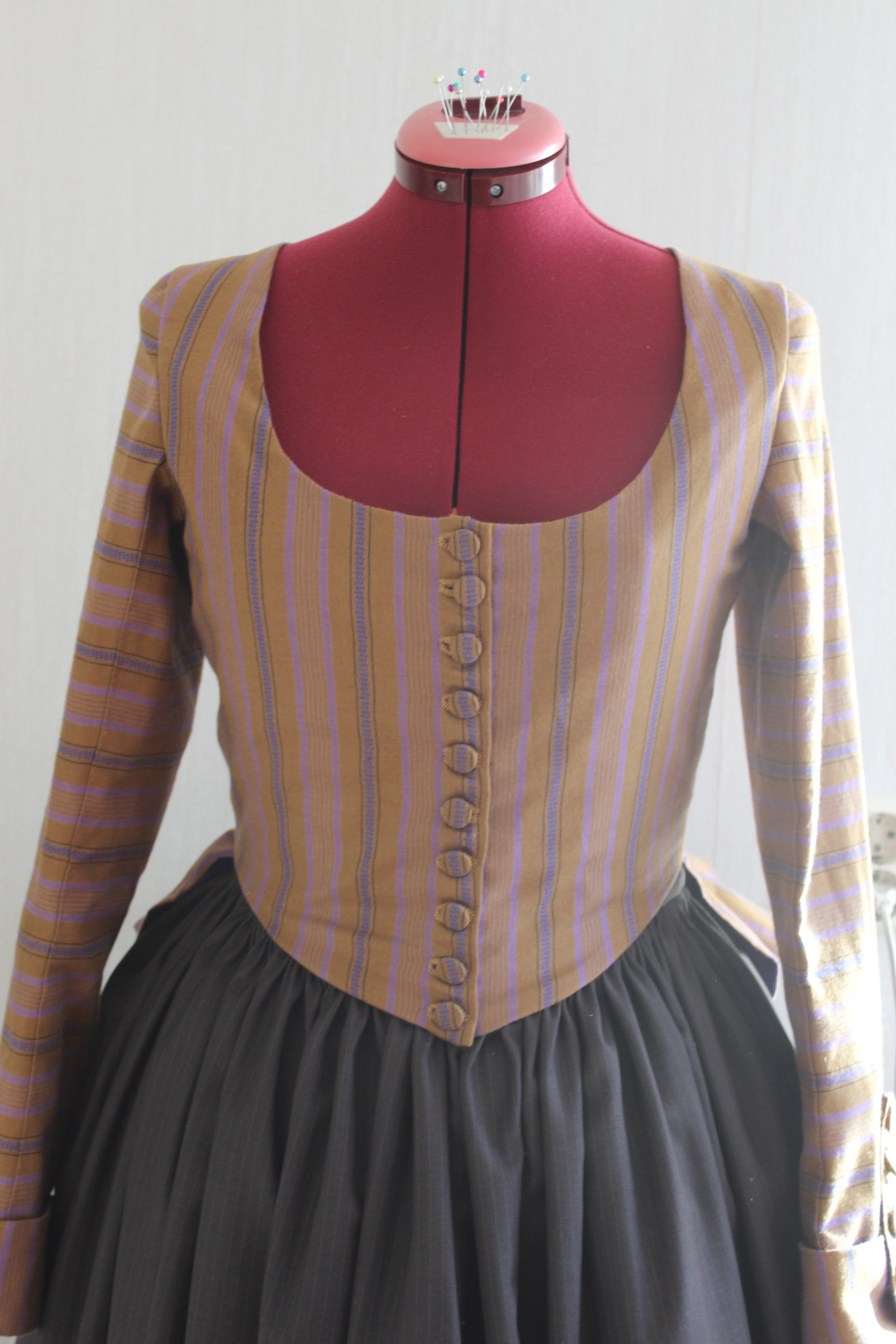
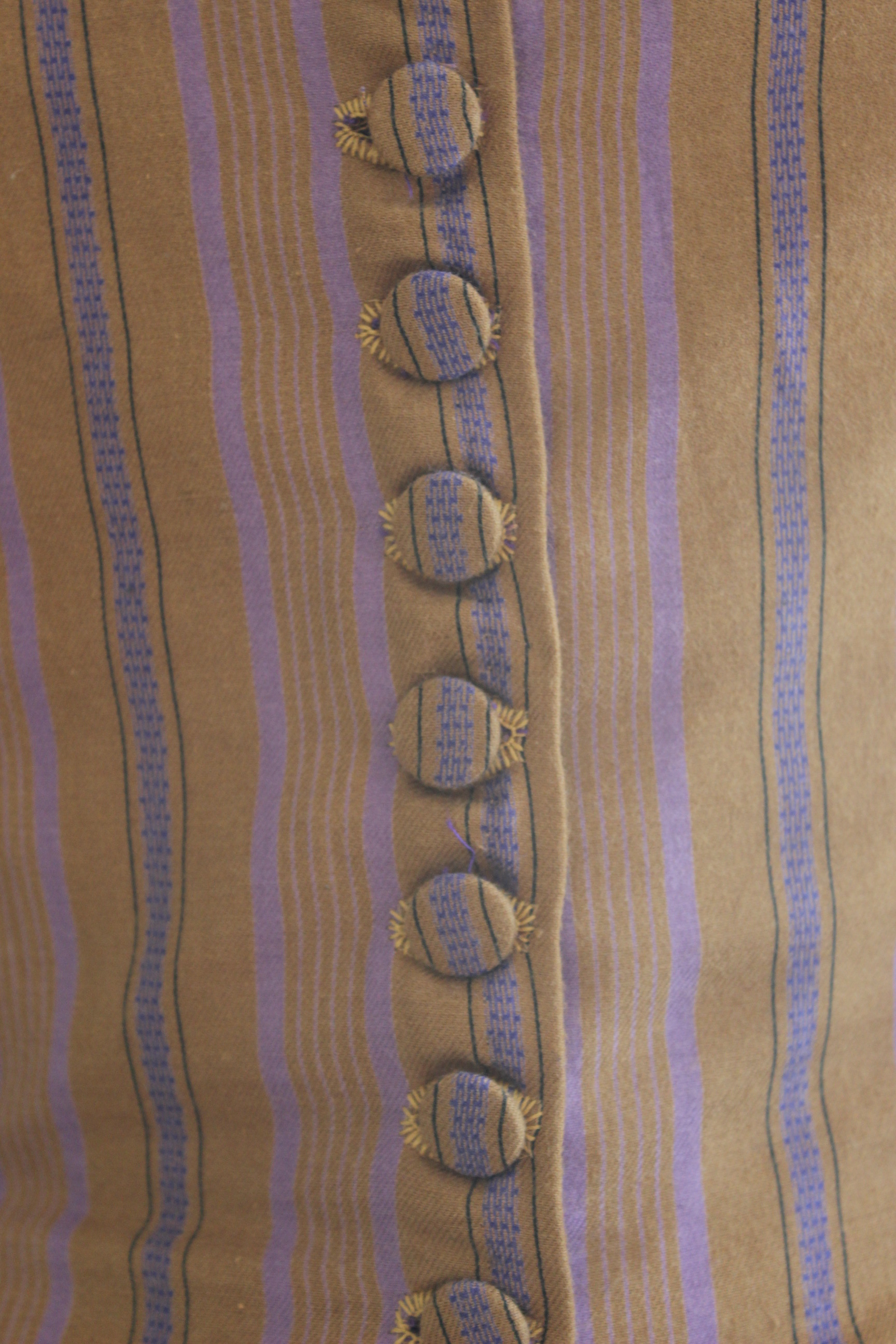
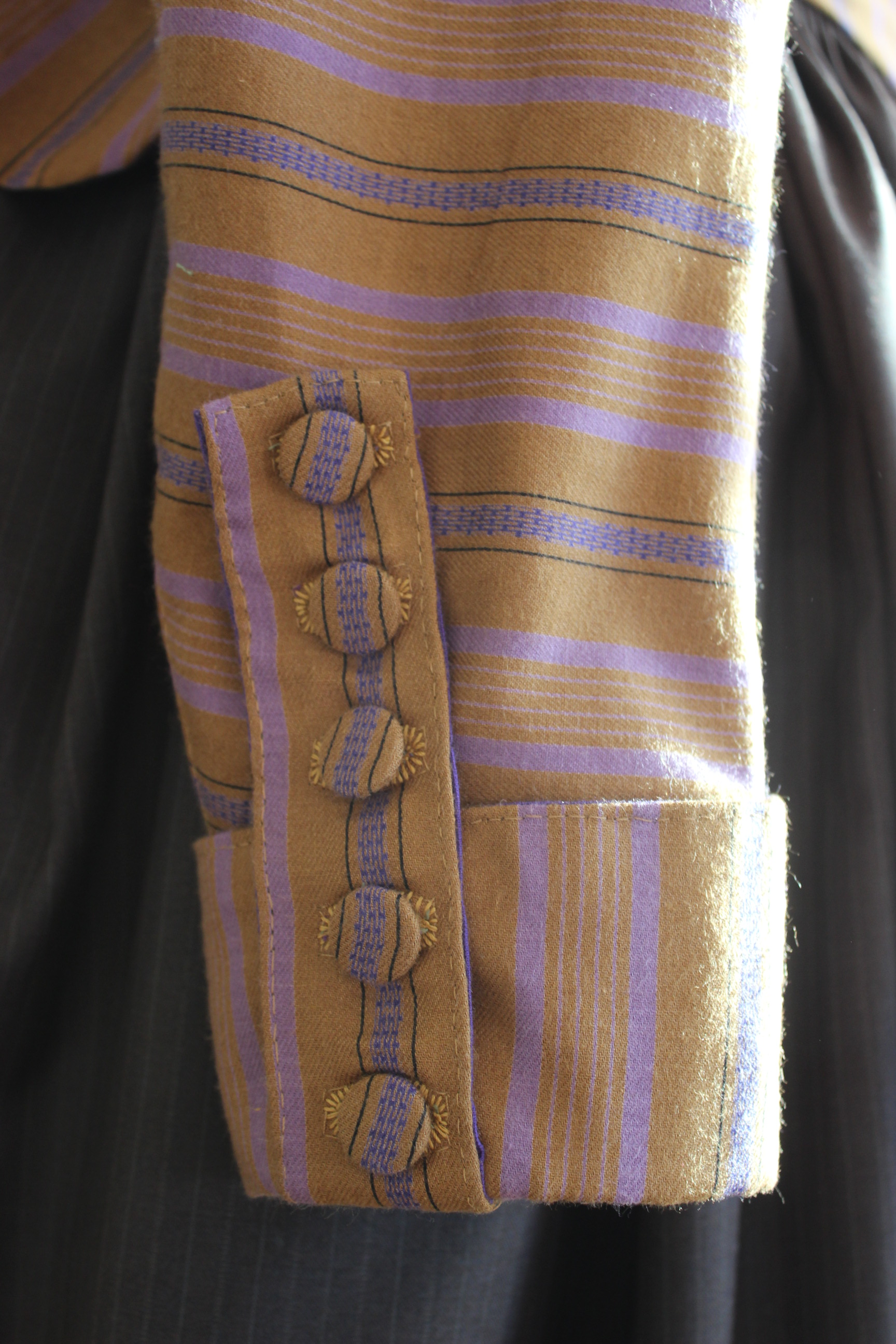
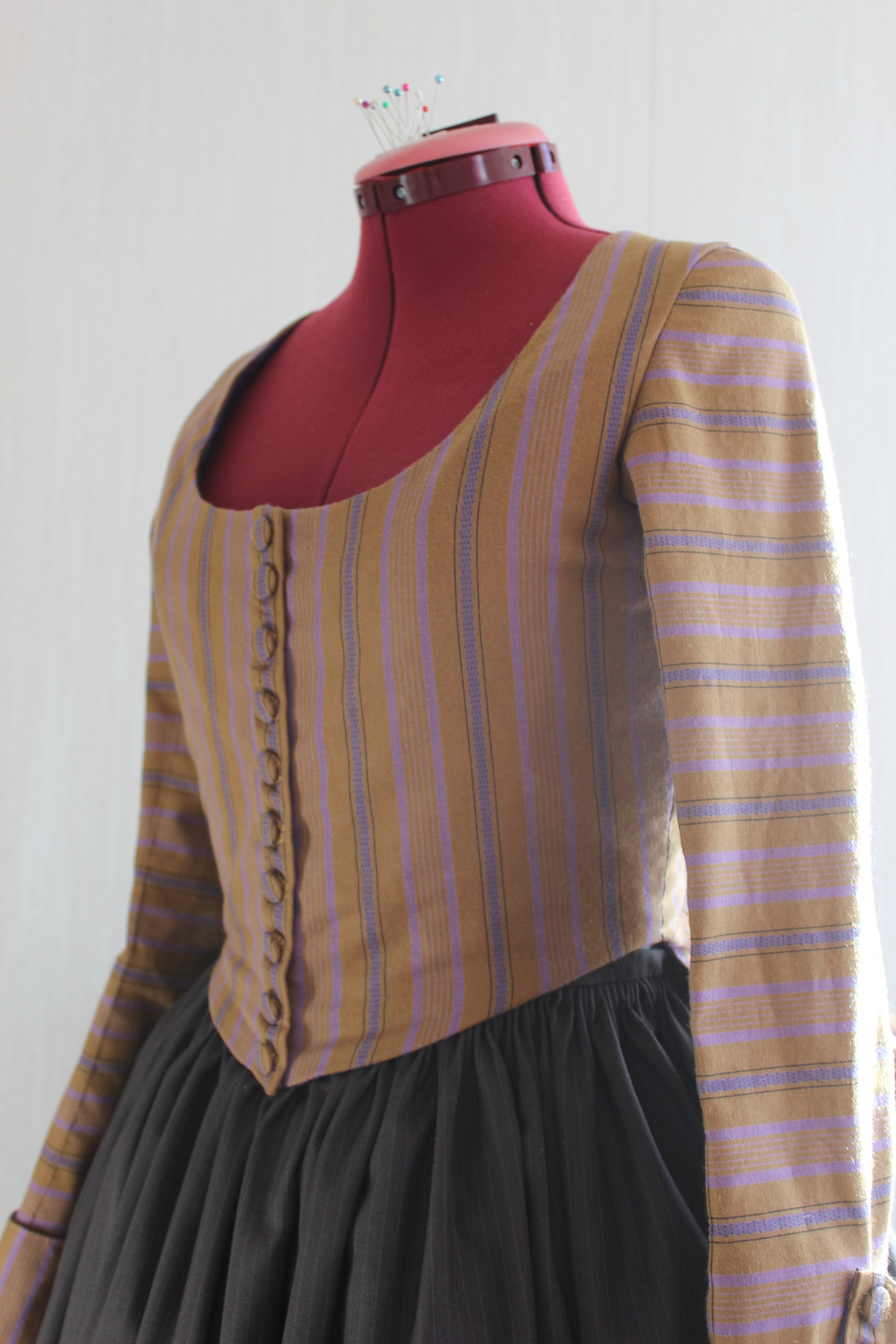
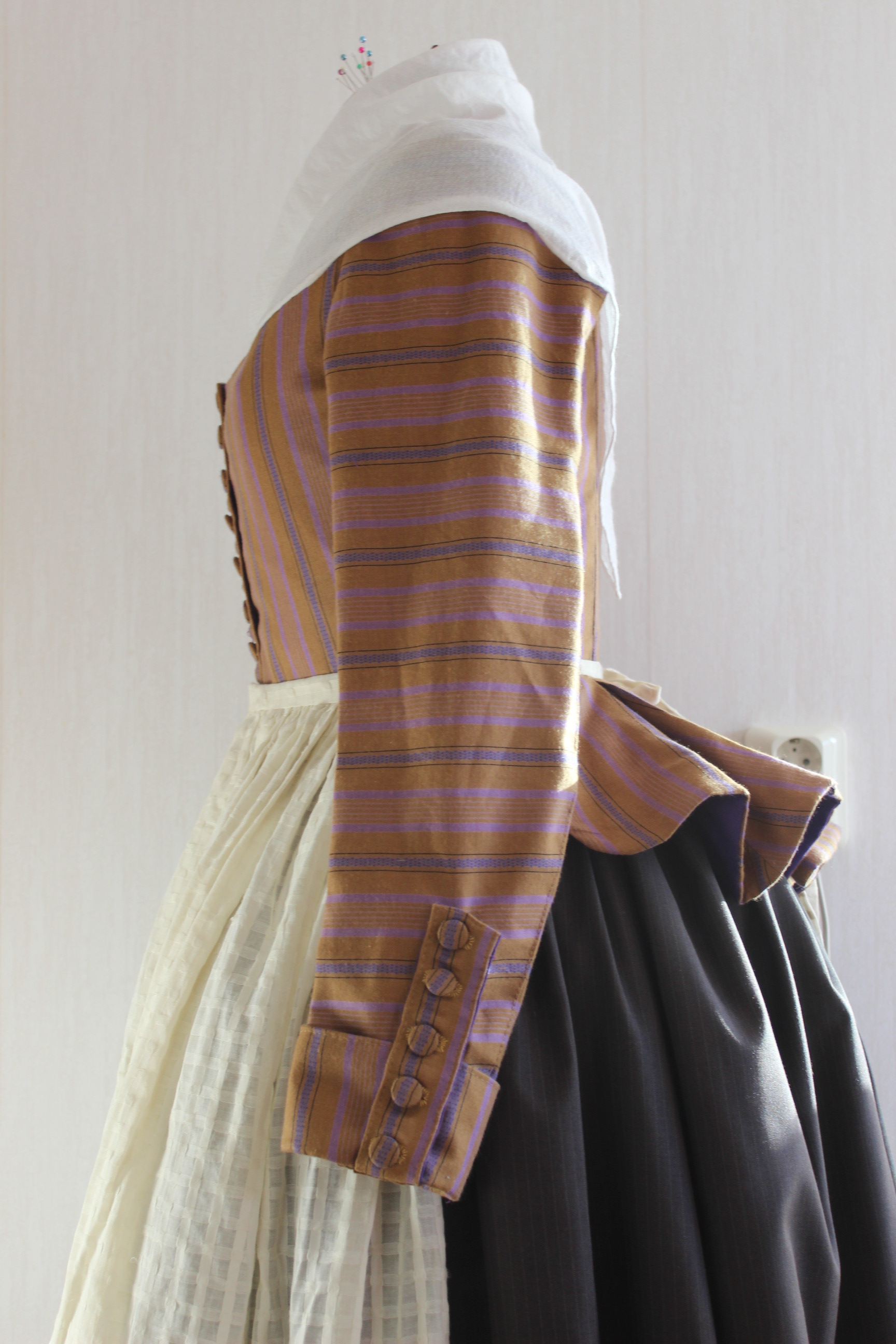
Since it is was a stash-busting challenge, I knew I needed to find some solution in my own bins. And after some searching I did. 20 small buttons.IMG_5043Trying out the layout on the pattern, 10 on the bodice front and 5 each on the sleeves.

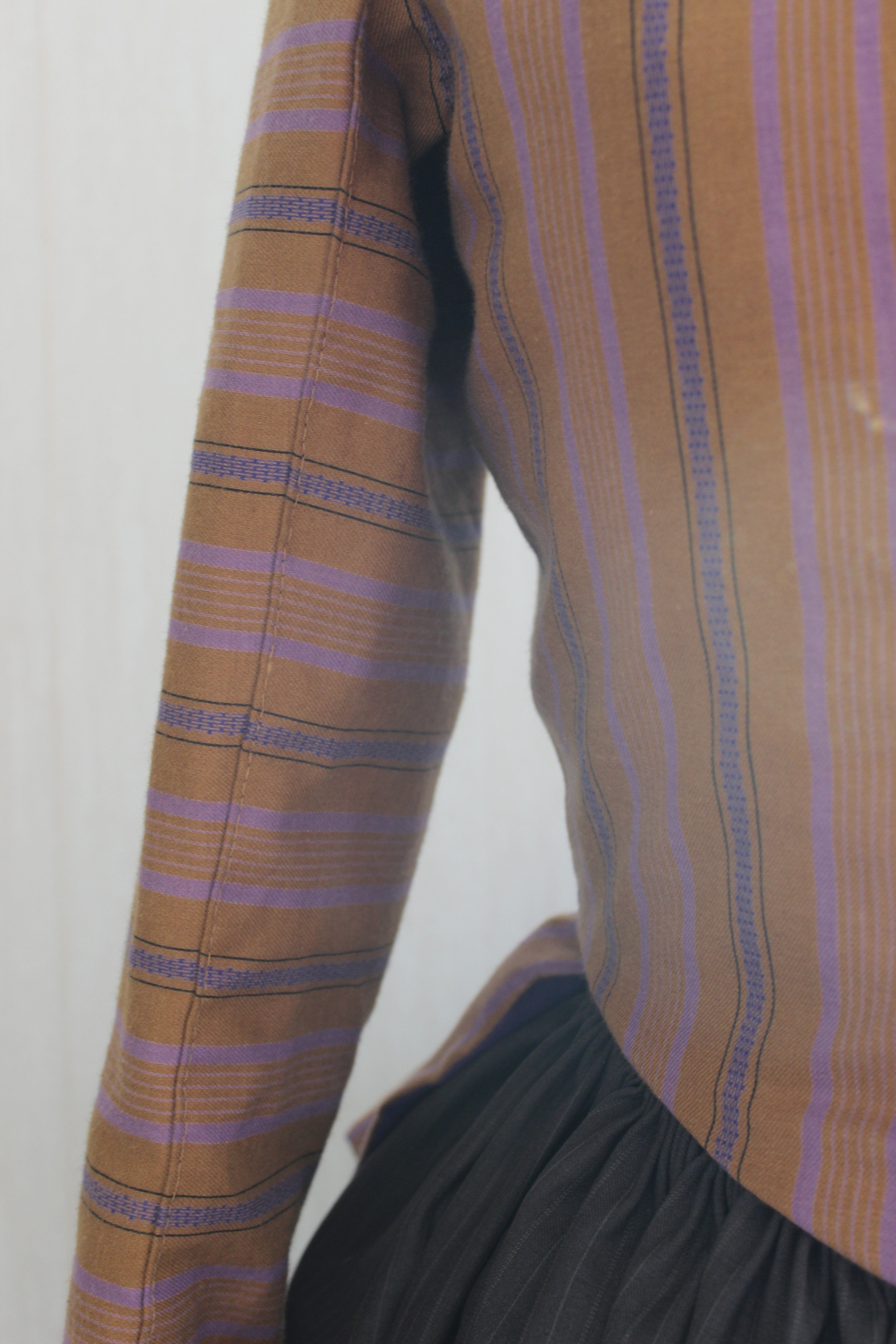
Even though hey might have worked as they where, I decided to cover them in self fabric.IMG_5156Cutting small circles to cover the buttons, making sure the purple stripe is centered on all of them.

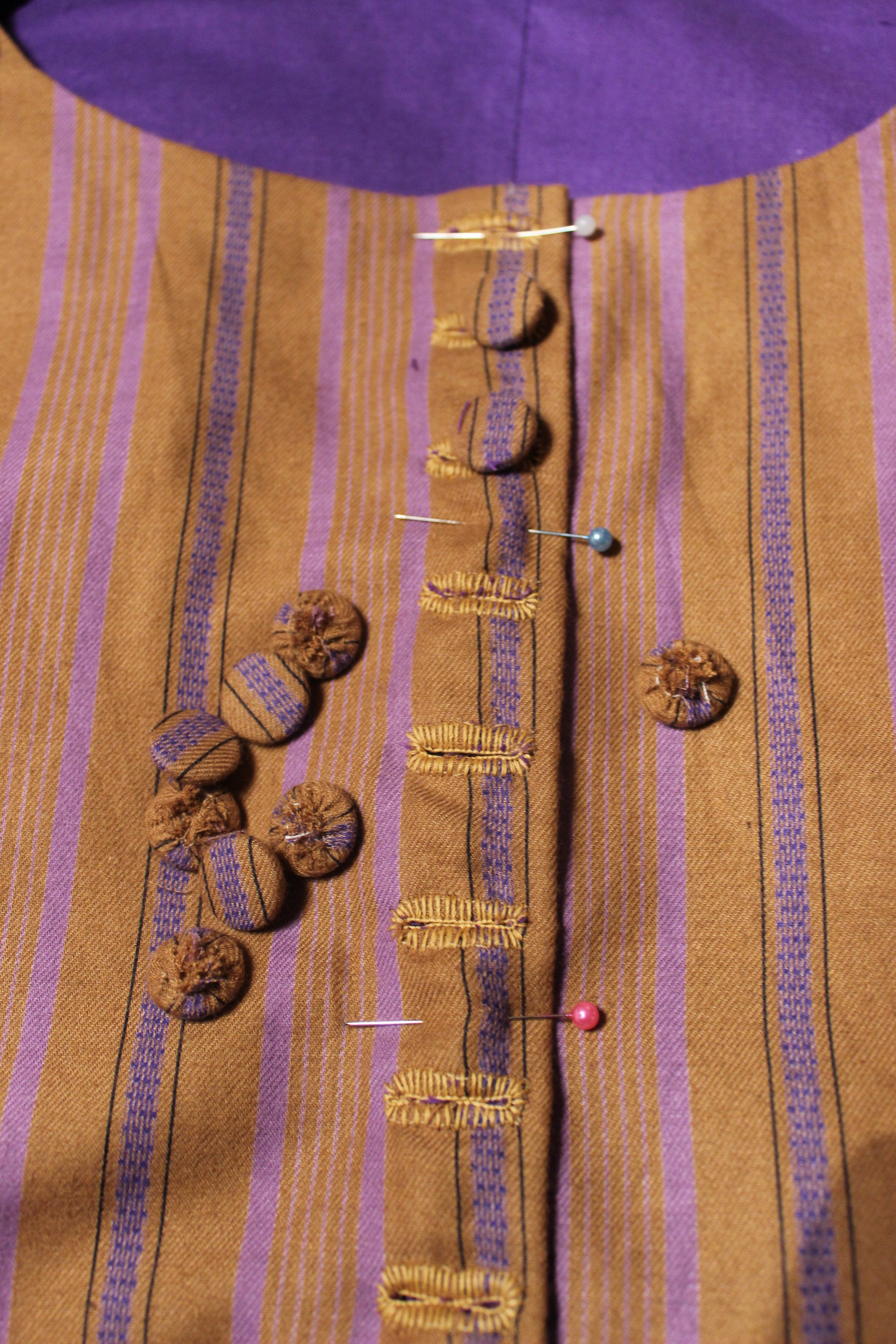
Then it was time to start on the buttonholes.IMG_5380Markings and buttonholes on the sleeves.

And on to the bodice front.IMG_5400Pinning the edges together to mark the button placement through the buttonholes.

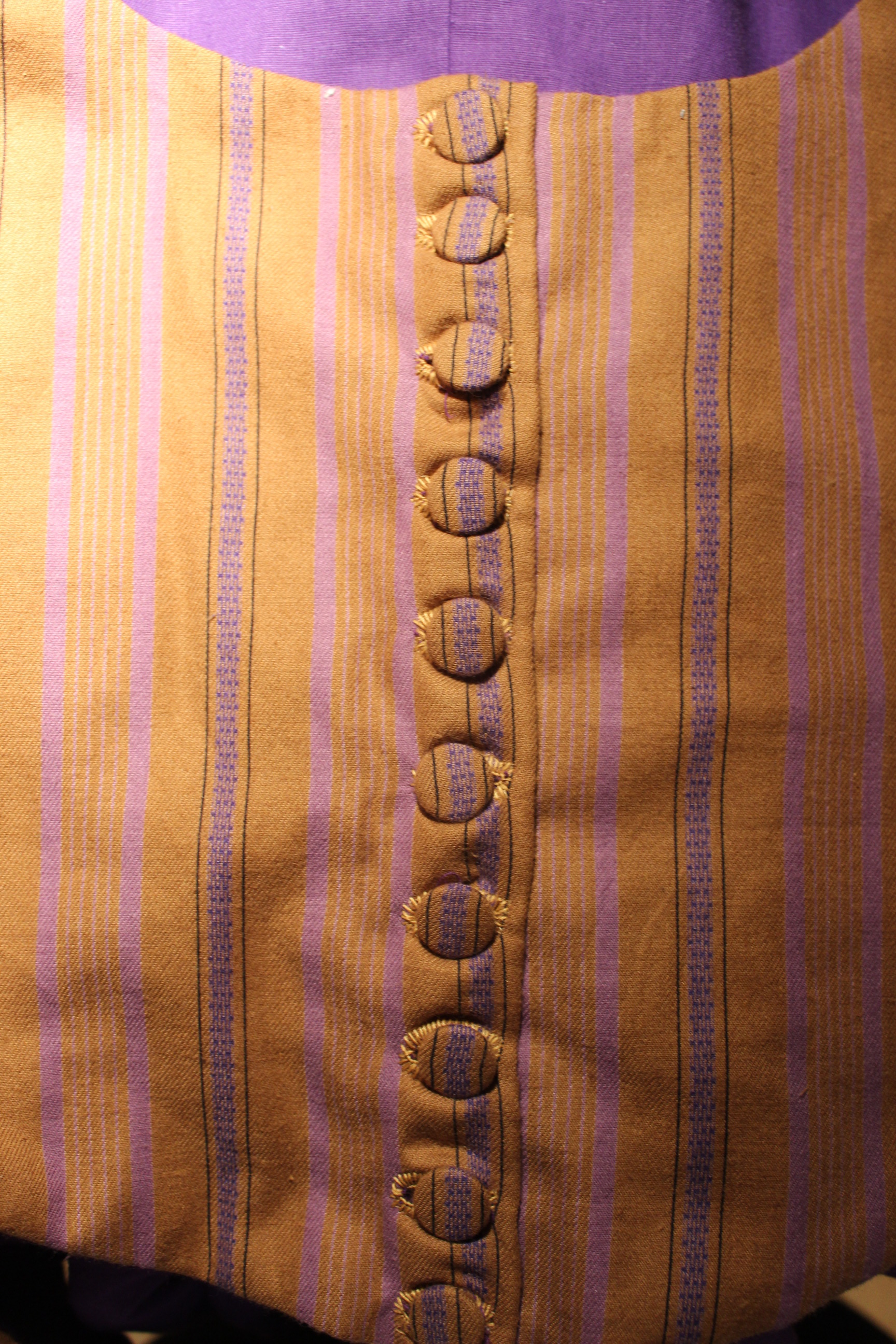
Once the clouser was done, I thought it looked pretty shabby, puckering and not laying flat at all.IMG_5404

Thankfully the problem was adverted once I realized I hadn’t pressed the buttonholes properly.
And once I did they looked so much better.

IMG_5407Hard to tell from this picture, but the difference are really obvious in real life.
Lesson learnt – don’t cheat on the pressing!

Then it was time to attach the sleeves.
I stitched them from the inside and covered the raw edges with a bias tape (also left-over scraps) IMG_5497

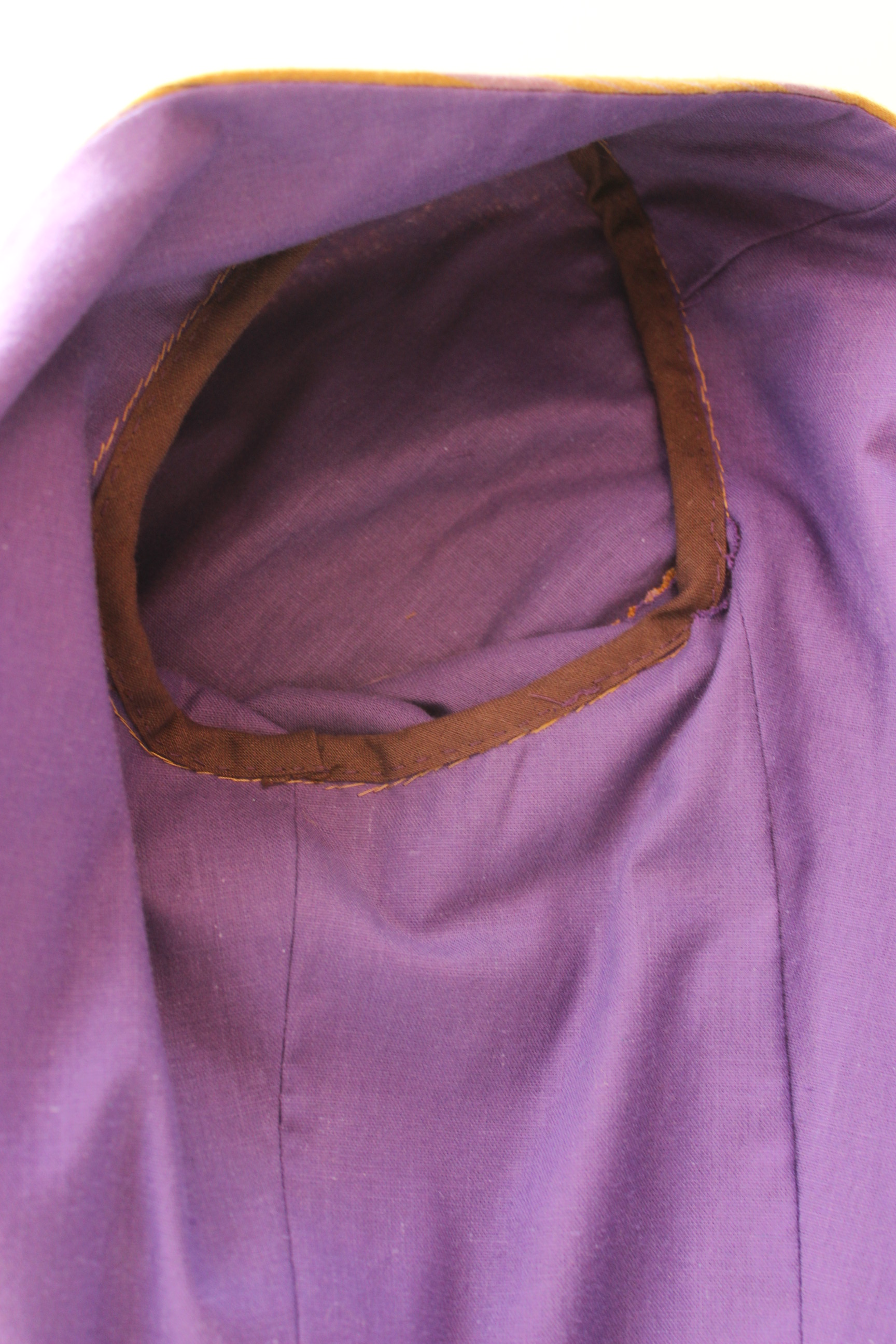
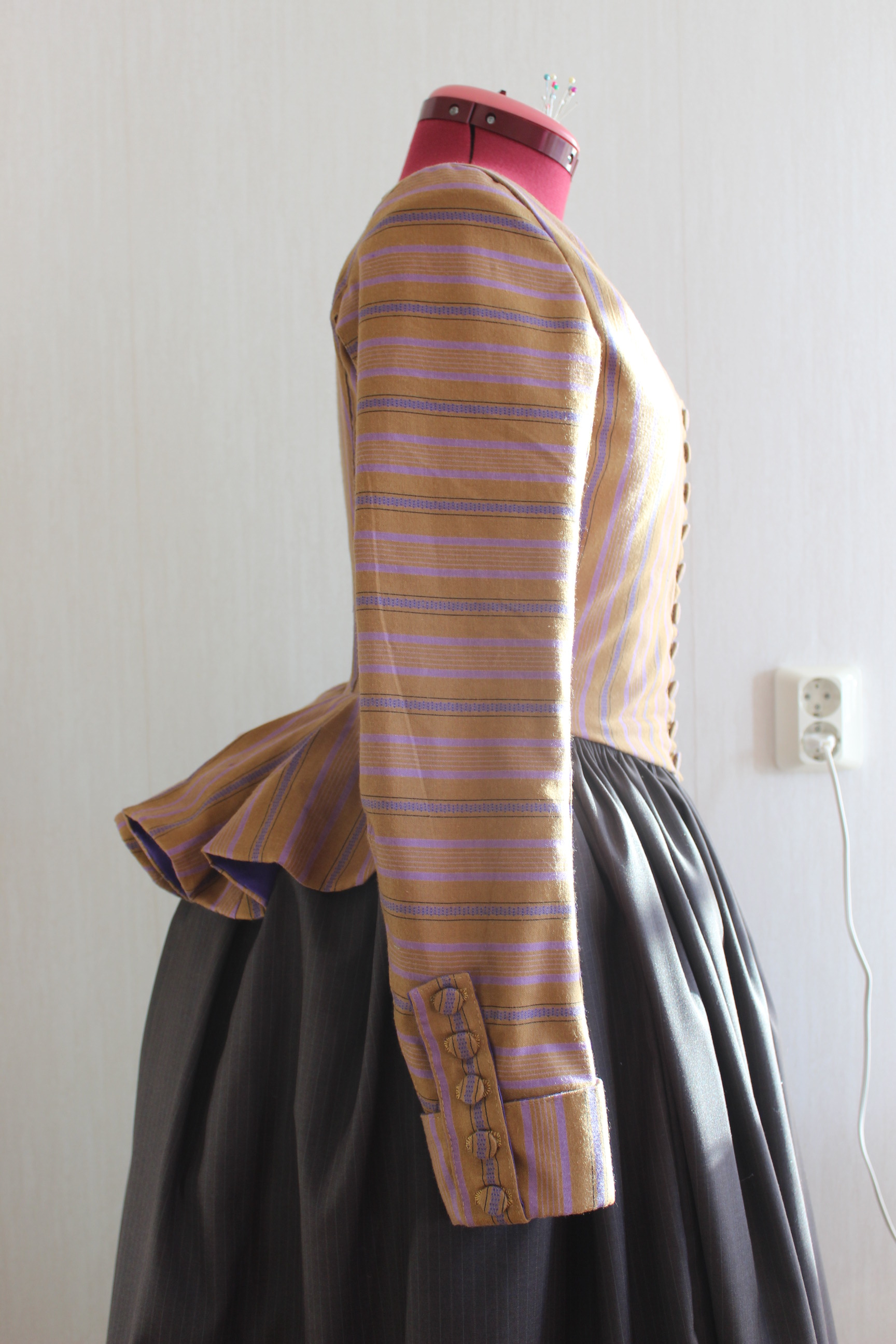
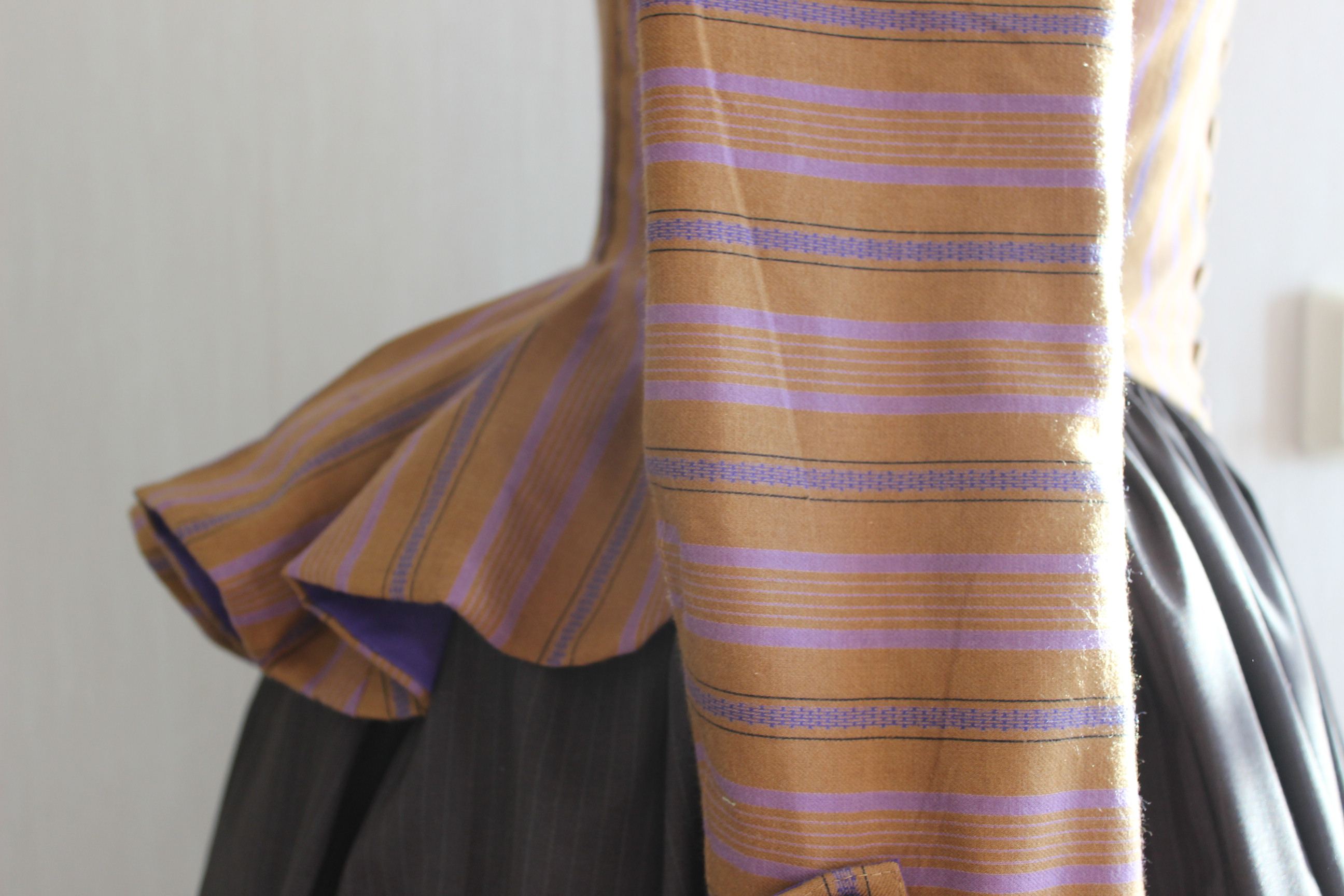
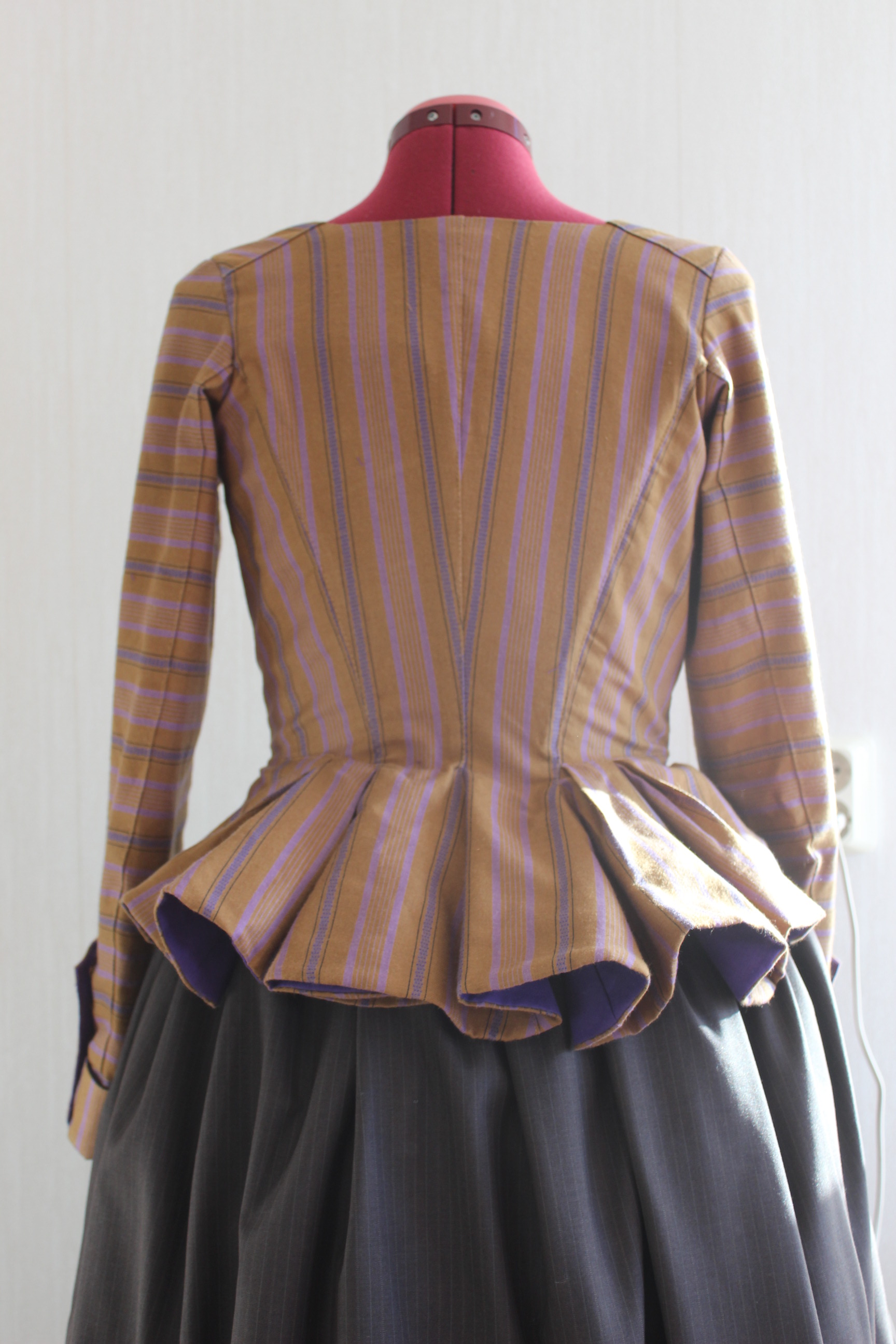
Then I finished the jacket by inserting a few plastic bones in the front and back seams, giving it a good press and putting it on the dressform for pictures. IMG_5496The purple lining makes me so happy.

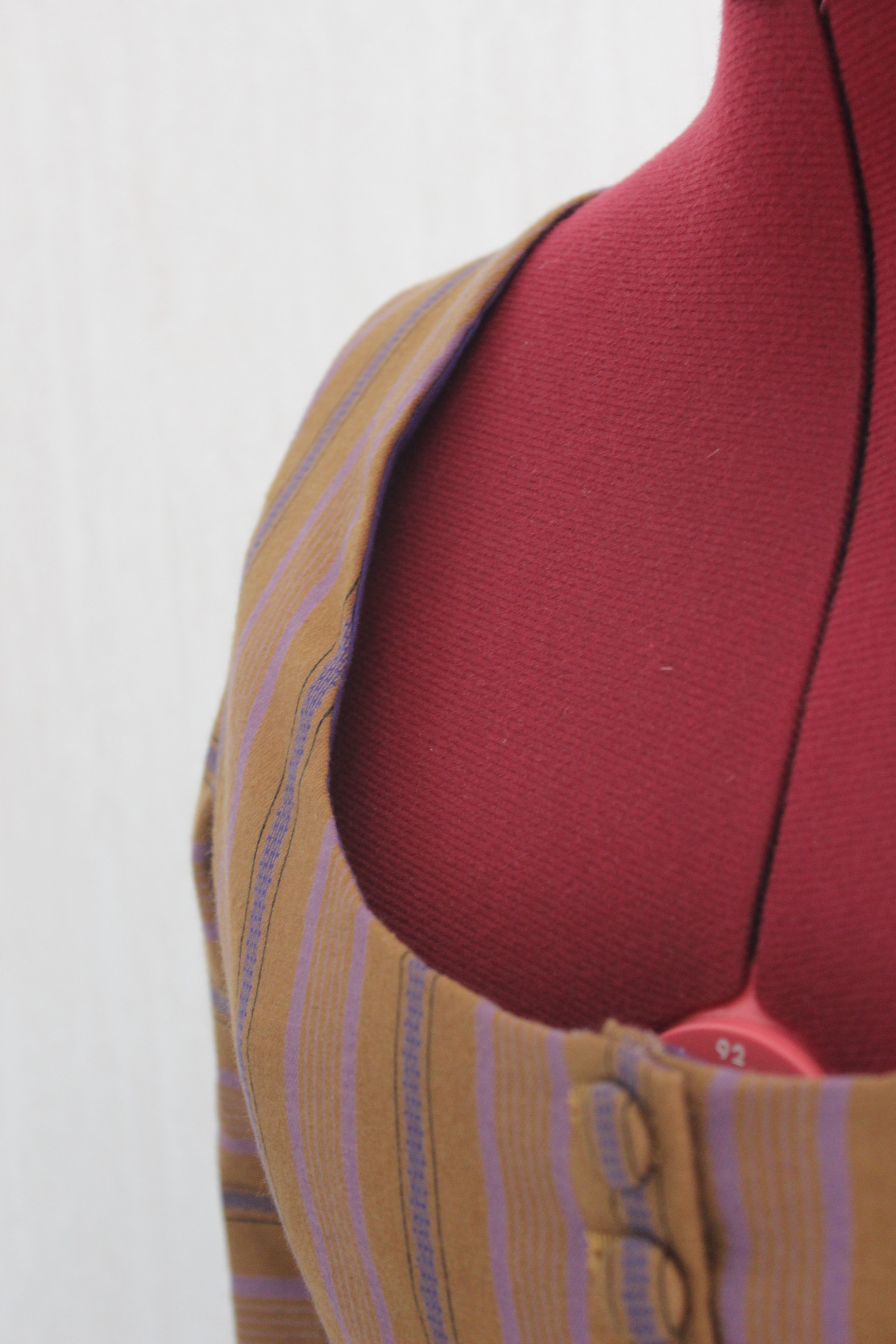
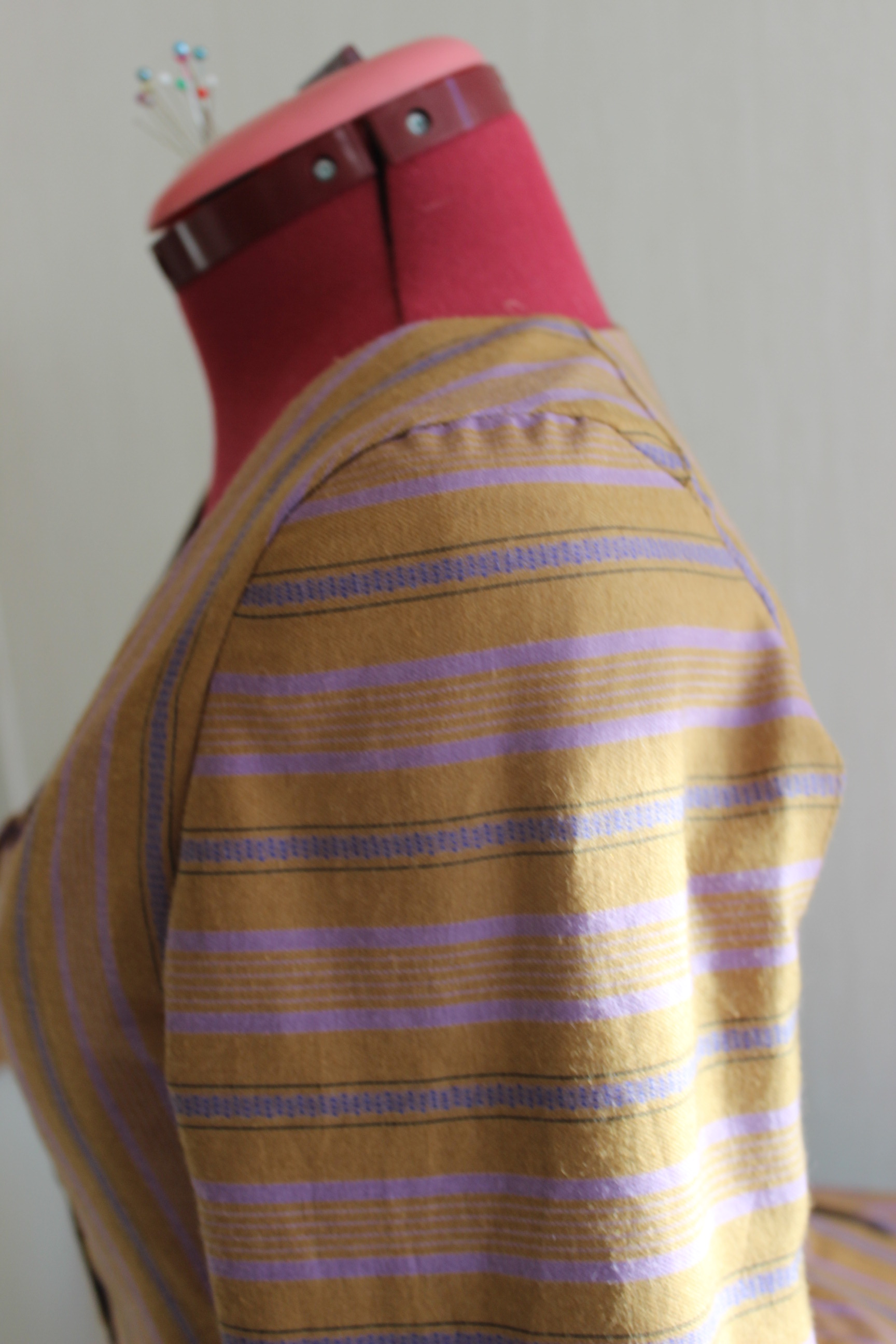
Finished:IMG_5455

IMG_5481

IMG_5460

IMG_5458

IMG_5461

IMG_5486

IMG_5464

IMG_5462

IMG_5465

IMG_5466

IMG_5475

IMG_5468

IMG_5474

IMG_5478

Just the facts:

Challenge: nr 3/2015 Stash-busting

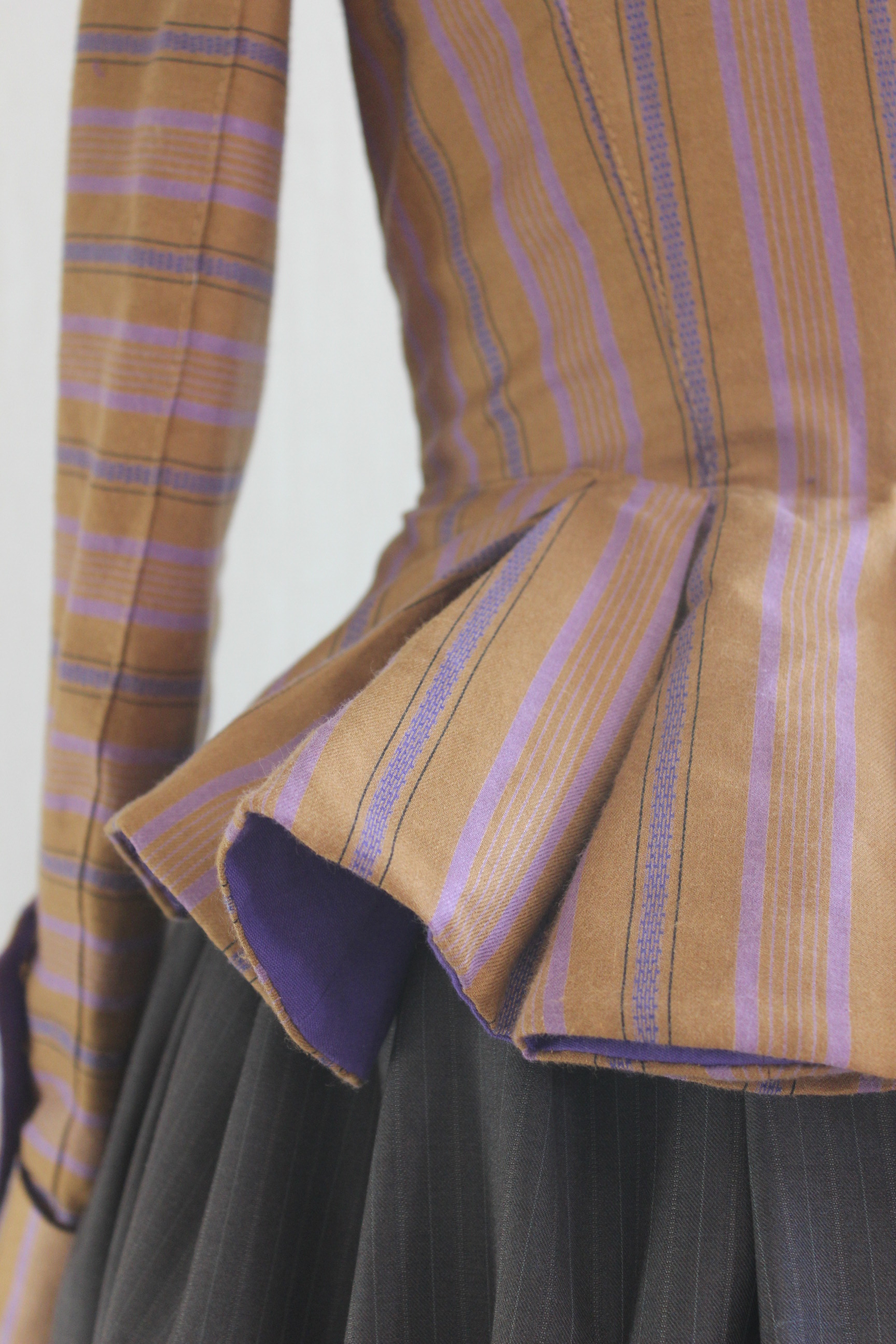
What: A 1780-1790s working class jacket

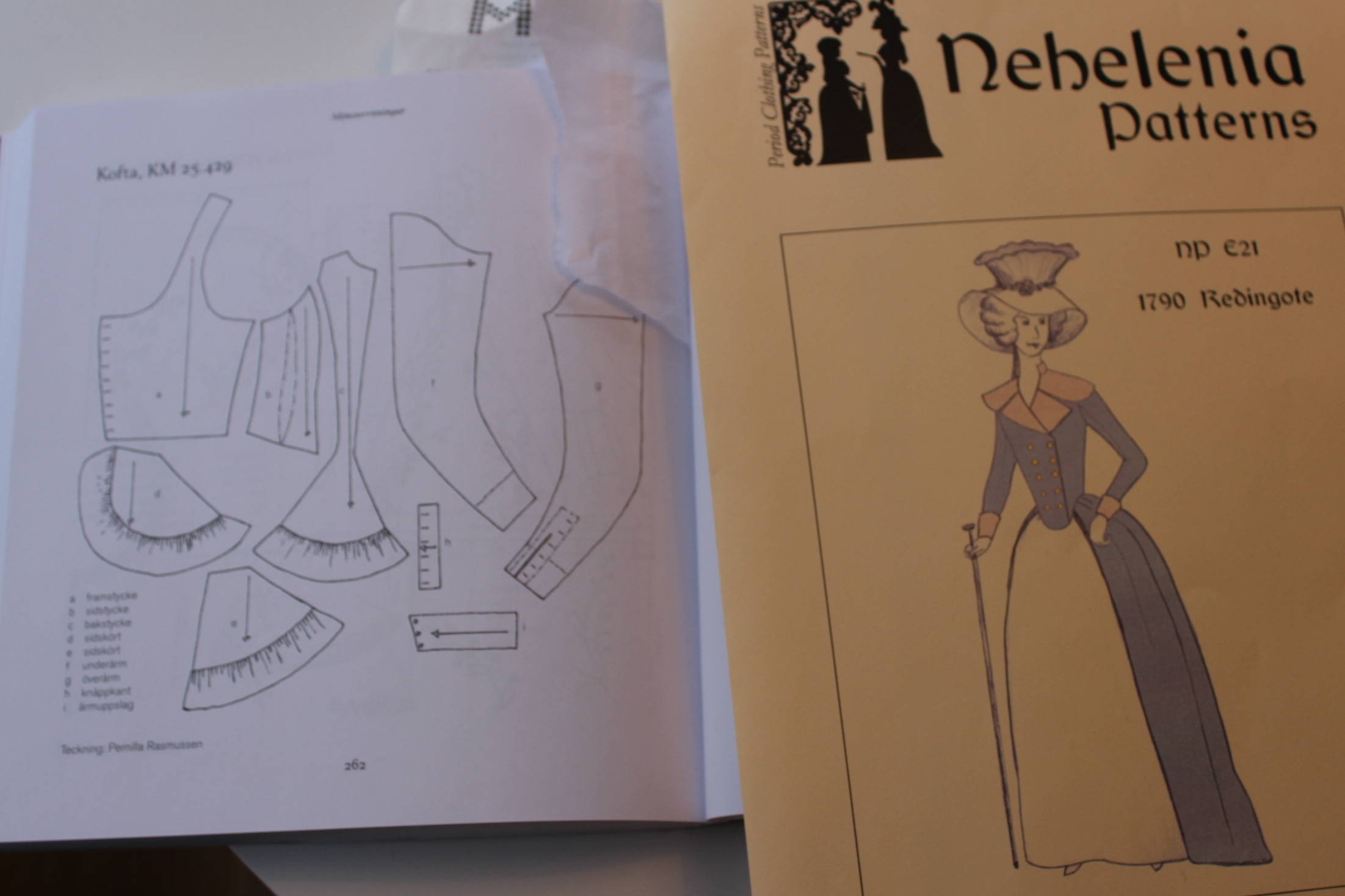
Pattern: A combination of the “Kofta KM 25.429 (jacket) pattern from “Skräddaren, sömmerskna och modet” (“the Tailor, the Seamstress and the Fashion”) and Nehelenia patterns nr E21 1790s Redingote.

Fabric: 1,5m of yellow/lilac striped cotton, 2 m of purple cotton for lining and interlining.

Notions: Thread (purple and yellow), yellow buttonhole thread, 4 cable ties for boning and 10 buttons.

How historical accurate: As much as I could, and to the best of my abilities. The fabric and colors are plausible, the patterns and construction are accurate and came from good sources. I hand stitched the whole garment using period techniques. The only thing I can think of that not right are the use of plastic boning and polyester thread for the buttonholes. I give it 8/10.

Cost: 10 Sek (1,6 Usd) since almost everything came from stash and was leftovers from previous projects. The only thing I bought was the yellow buttonhole thread.
But if you would buy it all anew I’d say about 250 Sek (36 Usd).

Time: It went pretty fast considering it is all hand sewn. About 10-15 hours I think.

First Worn: on February 28 for photos. I started the jacket with the intention of wearing it to a 18th century Tavern Event in beginning of February. But as it happened I newer went. Hopefully I will get another chance later this spring.

Motivation/ How It fit into the Challenge: Even though it did not use up a lot of fabric, I think the jacket serves the challenge both in using leftover stash fabrics and notions, and in helping me re-discover all the little pieces of left over fabrics I already own.
I also think the garment itself is suitable as the women who wore such jackets would not be splurging on new fabrics.

Final Thoughts: I really loved making this jacket. It was such a joy how fast and easy it came together, and I think it looks adorable. I want to make lots more of these jackets.
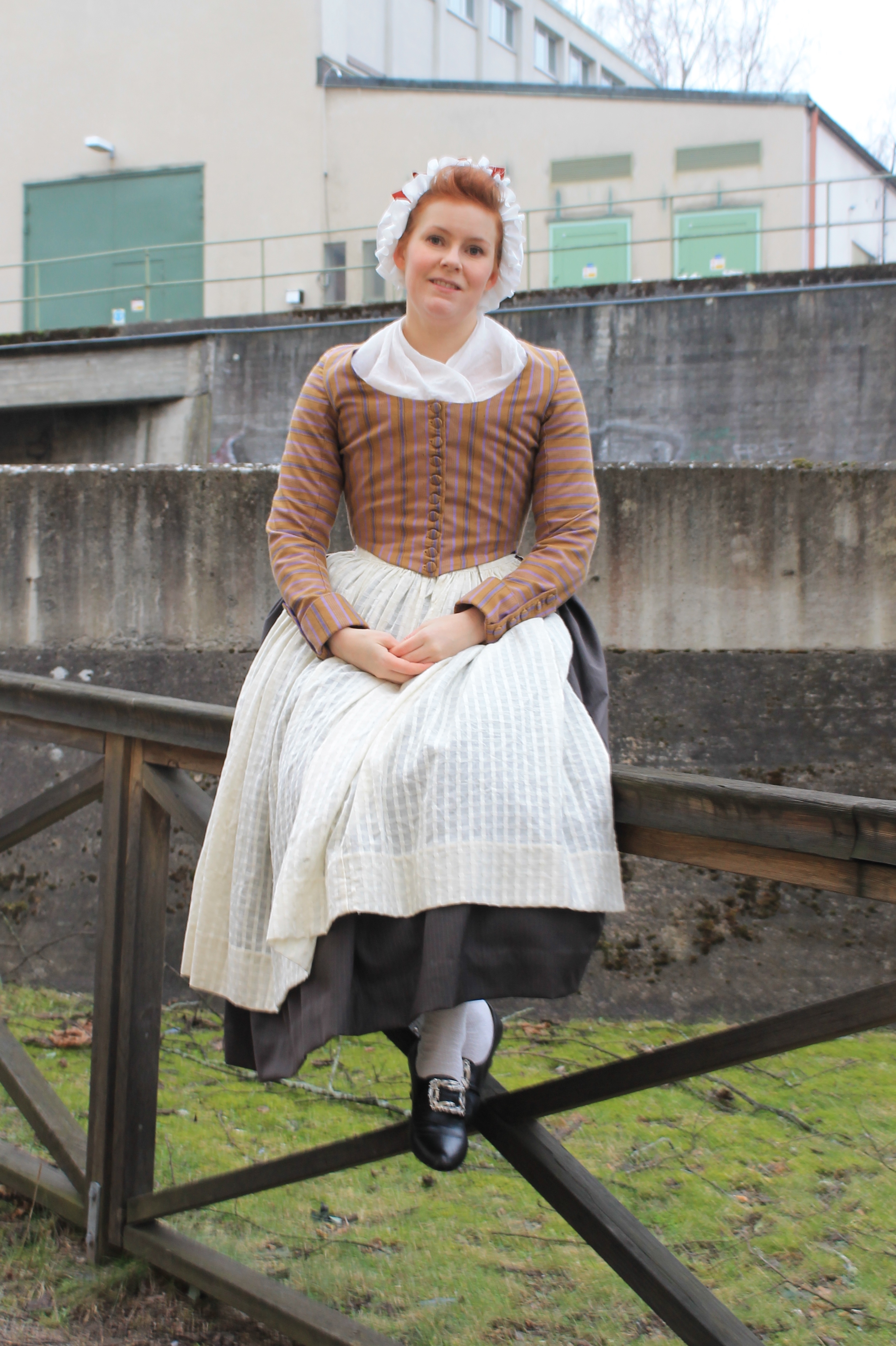
IMG_5489Accessorized and ready for more pictures.

Stash-busting 18th century Caraco (part 1)

I found this fashion plate on Pinerest in early January an knew immediately I wanted to make something similar for an 18th century Tavern event I planed to attending in early February (unfortunately life happened and I ended up not going, but at least now I have a costume if the opportunity arises again).

German maid, evidence of patterned jacket worn with solid skirt - kopiaI made the skirt and shortened my apron to match.

Then it was on to the jacket.

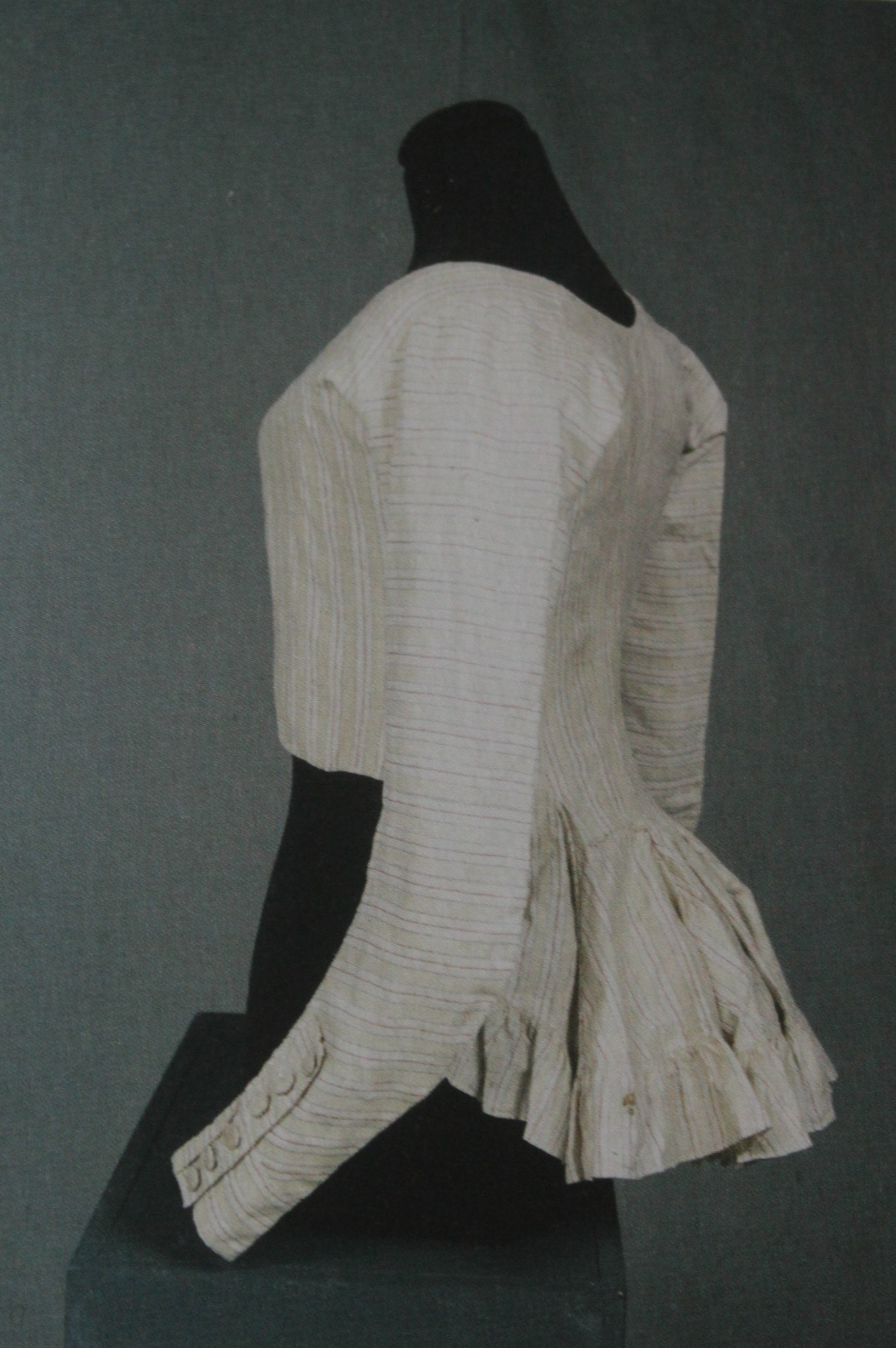
In the book “Skräddaren sömmerskan och modet” by Rasmussen, I found the description and pattern for this jacket called a “Kofta” which translates to “a kind of soft jacket”. IMG_5036With it’s short front, tails/peplum at the back and long sleeves, it was perfect!

For pattern I used the “Kofta”-pattern combined with my new favorite 18th century pattern, the “1790s Redingote” from Nehelenia Patterns.IMG_5030

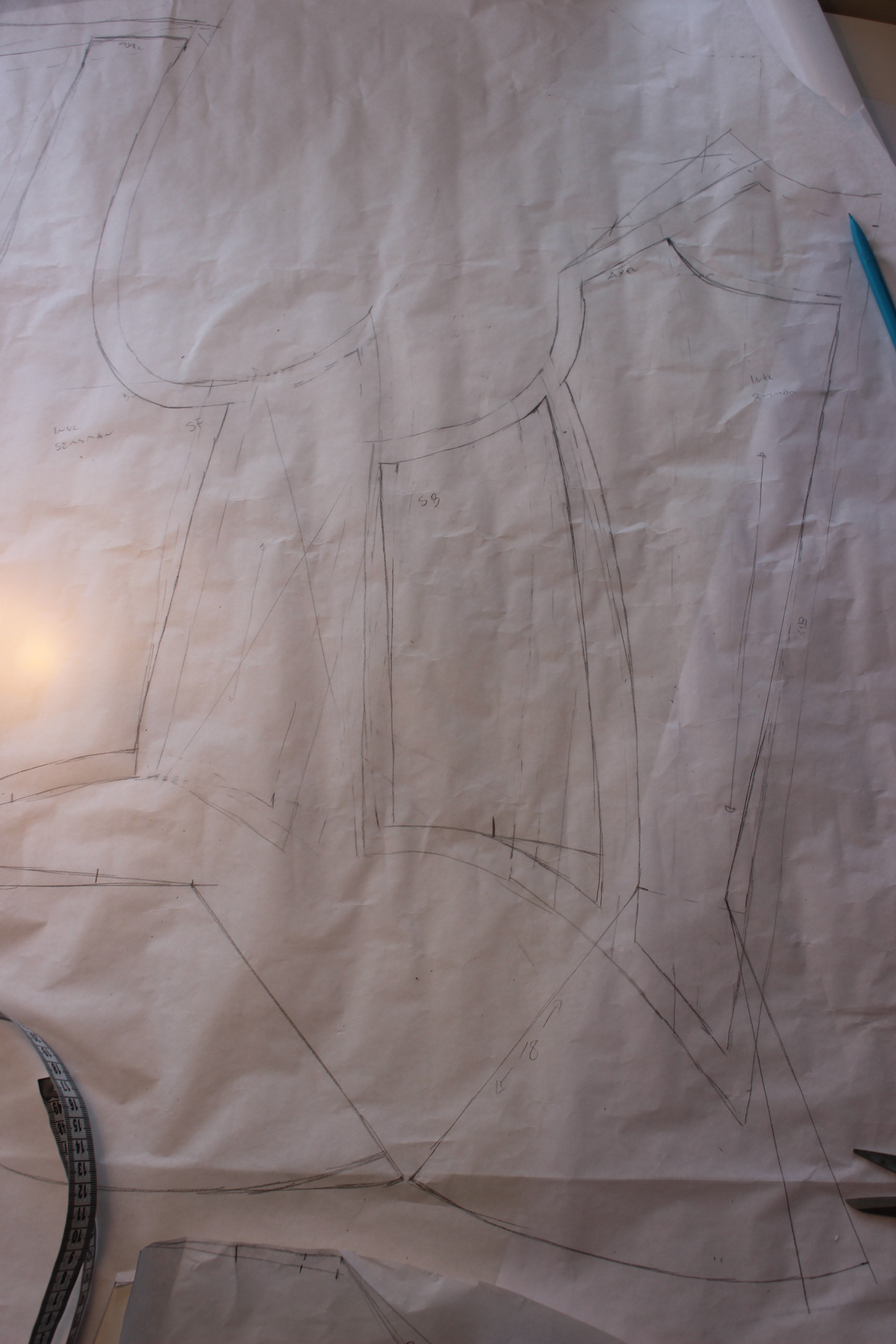
I made a franken-pattern, using parts of this and parts of that to get the shape as I wanted. IMG_5039

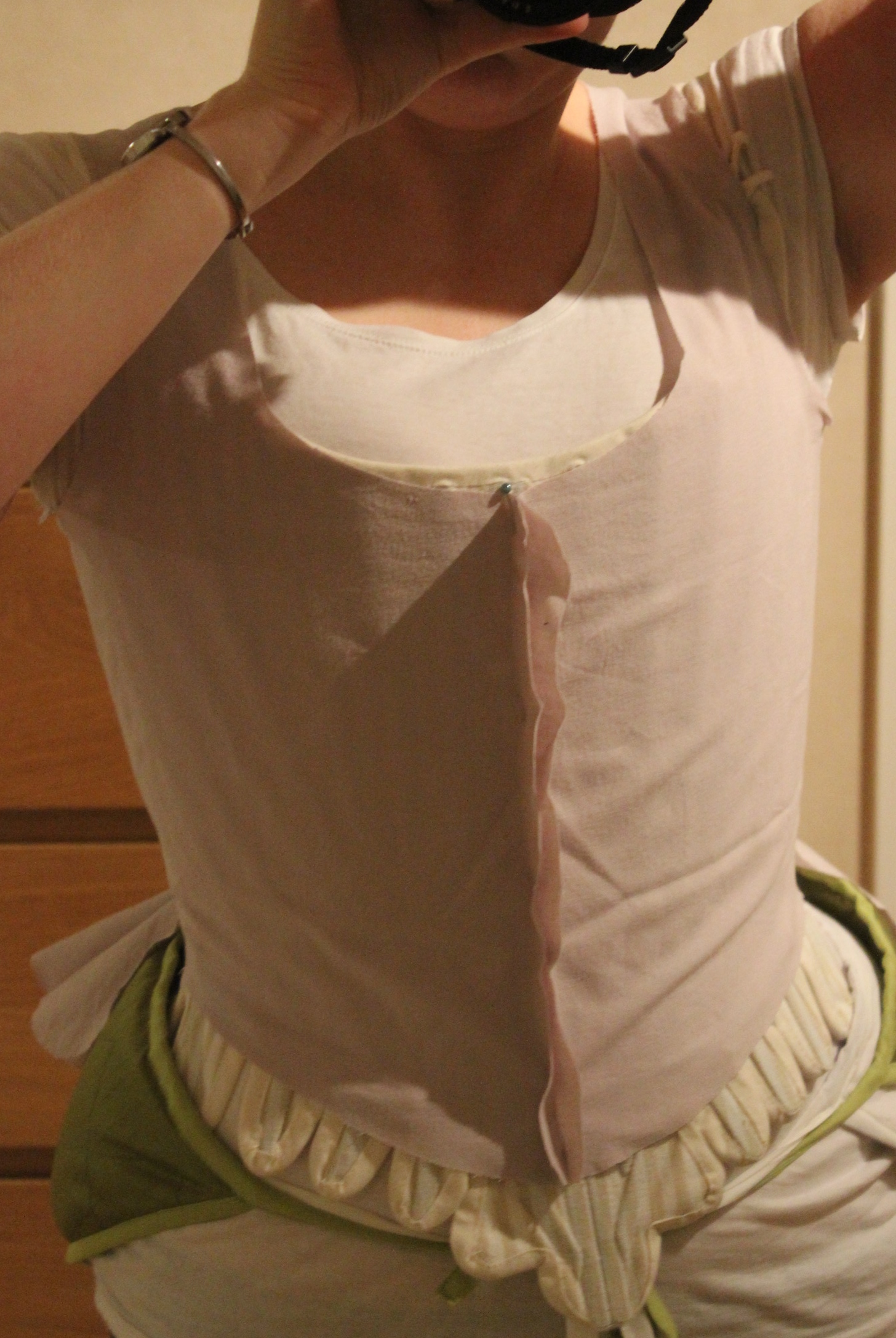
Then I cut and made a mock-up.
IMG_5063 IMG_5069
IMG_5061The fit was surprisingly good, and all I needed to do was to lower the neckline a bit (I made the decision to make a wide neckline instead of the high one from the fashion plate), and trim the peplum a bit.

Then it was on to the fabric.
Keeping in with my New years resolution, I decided to go through the stash before heading to the store.
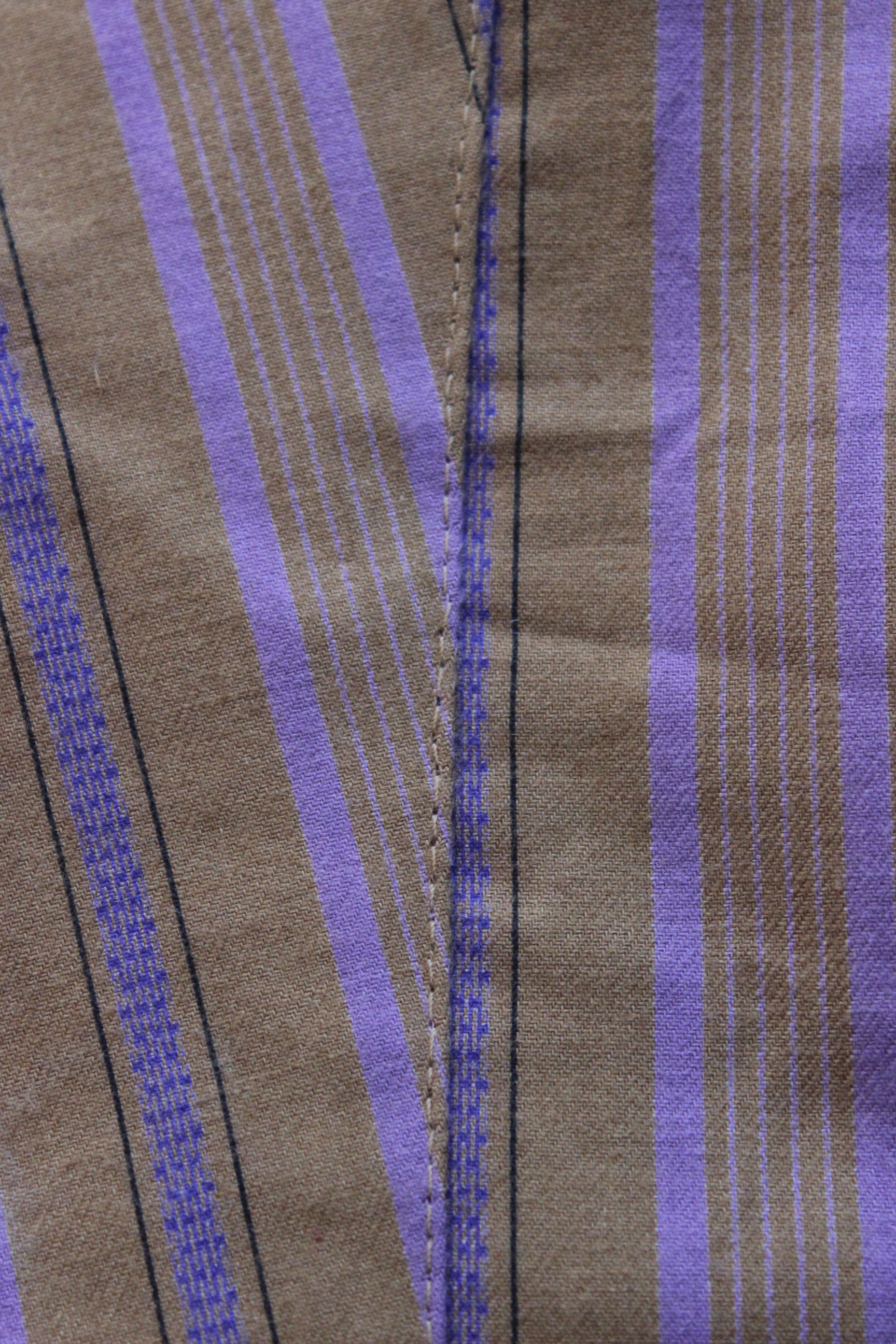
That turned out to be a really good thing, since I found exactly what I needed – A soft yellow cotton with purple stripes in a odd (left over) length, that would be on exactly enough for his project. And a purple cotton lawn I previously used for mock-ups, which would be great for lining and interlining. IMG_5044Then I realized that this project would fit perfectly into the HSM/15 nr 3 – Stashbusting, and did a little happy dance (to my hubby’s surprise).

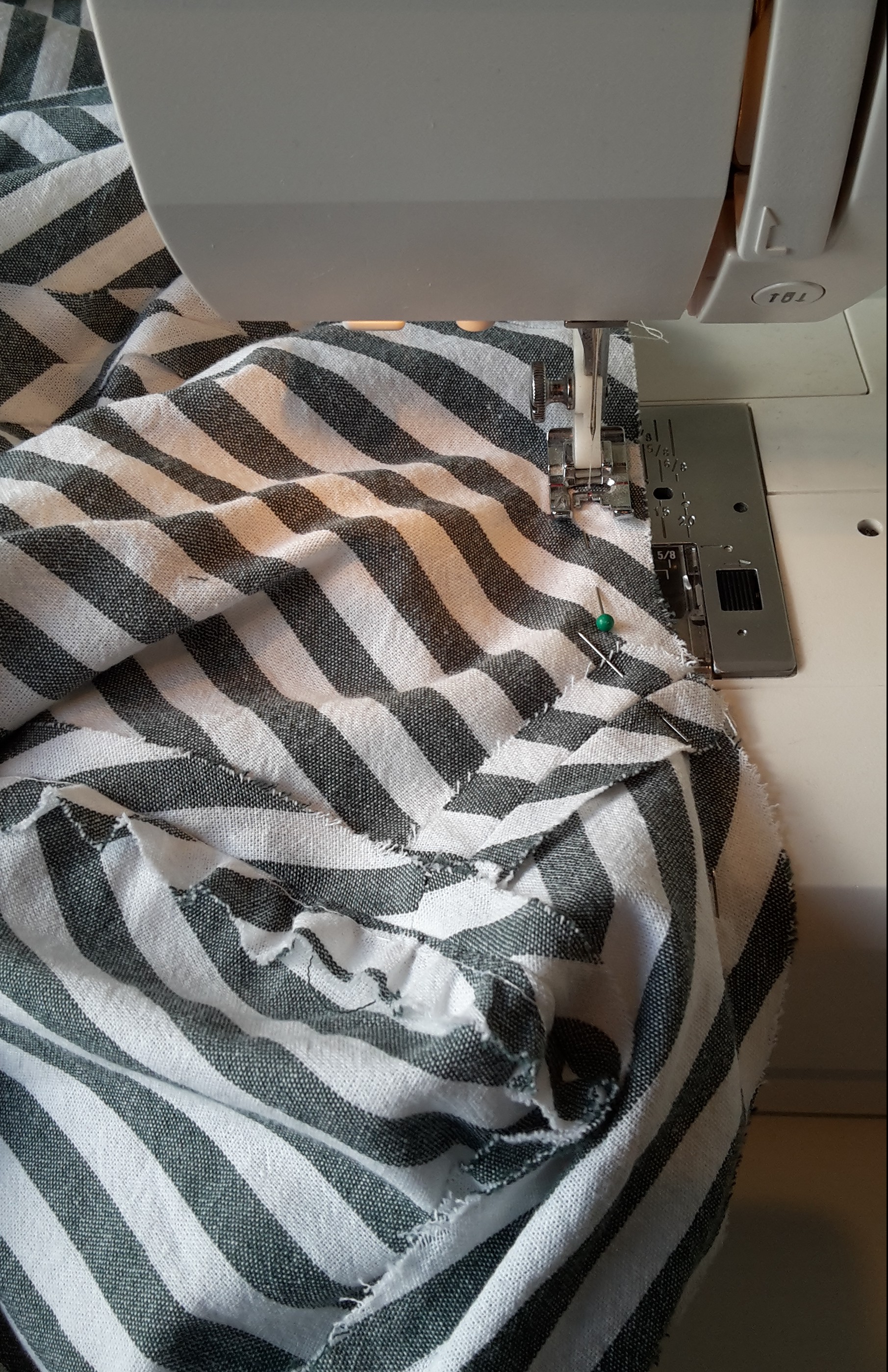
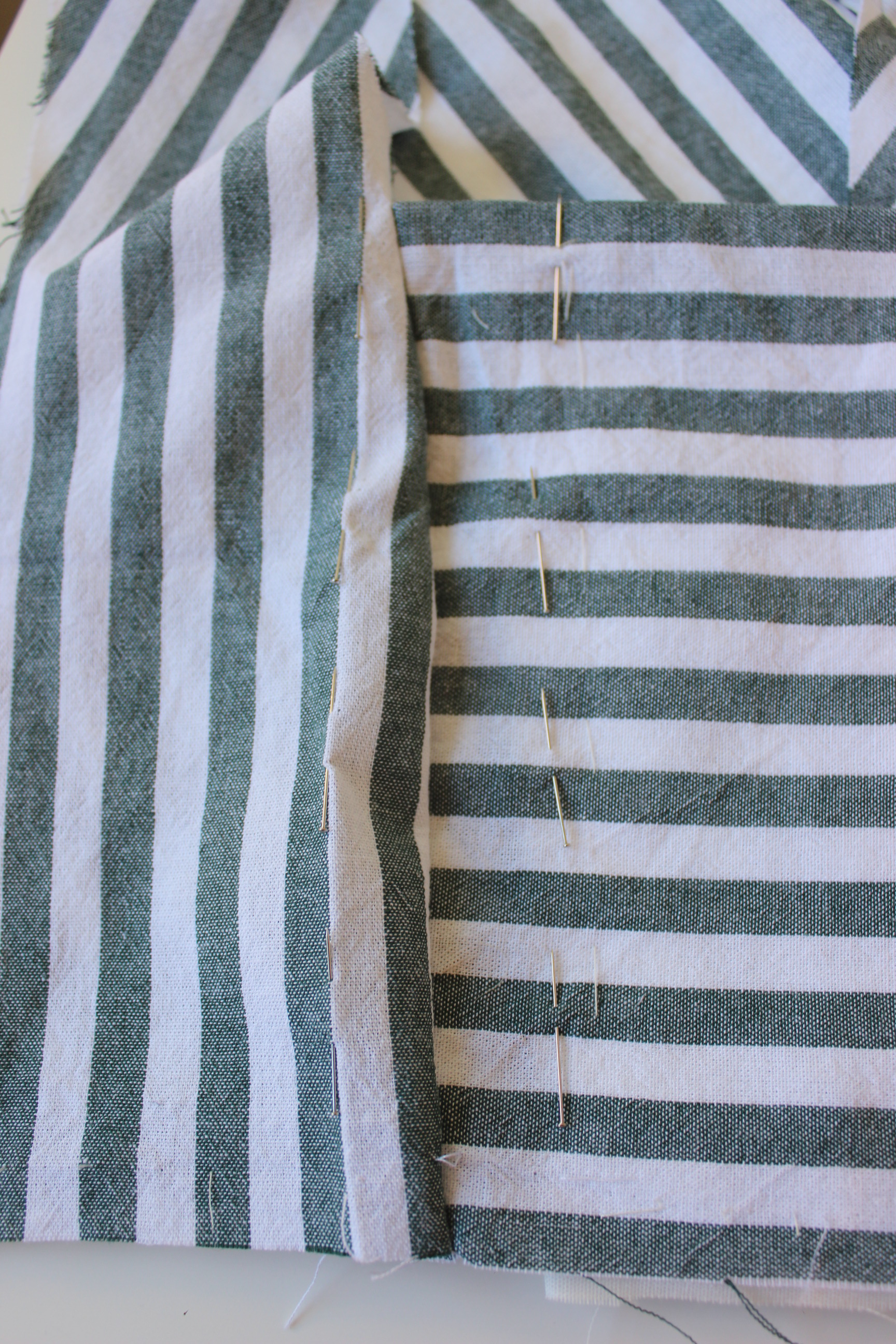
I cut the pieces one layer at the time, to make sure to line all the stripes perfectly. IMG_5079Laying the first layer up side down on the second layer makes it possible to perfectly match everything.IMG_5082

I basted the whole garment together for a first try on.
IMG_5142 IMG_5134
Some minor alterations like shortening the sleeves and lower the neckline a bit more was all that needed to be made.

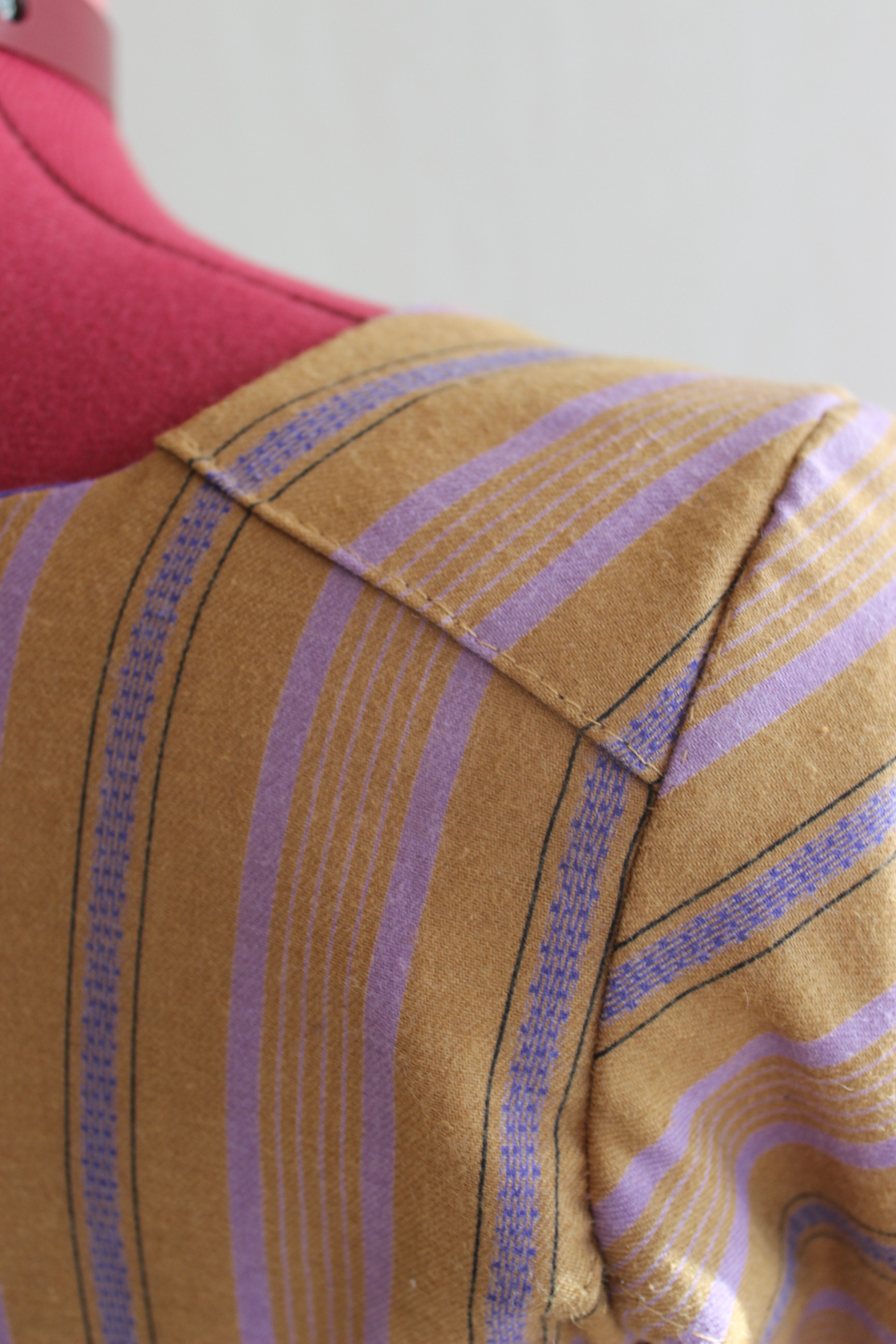
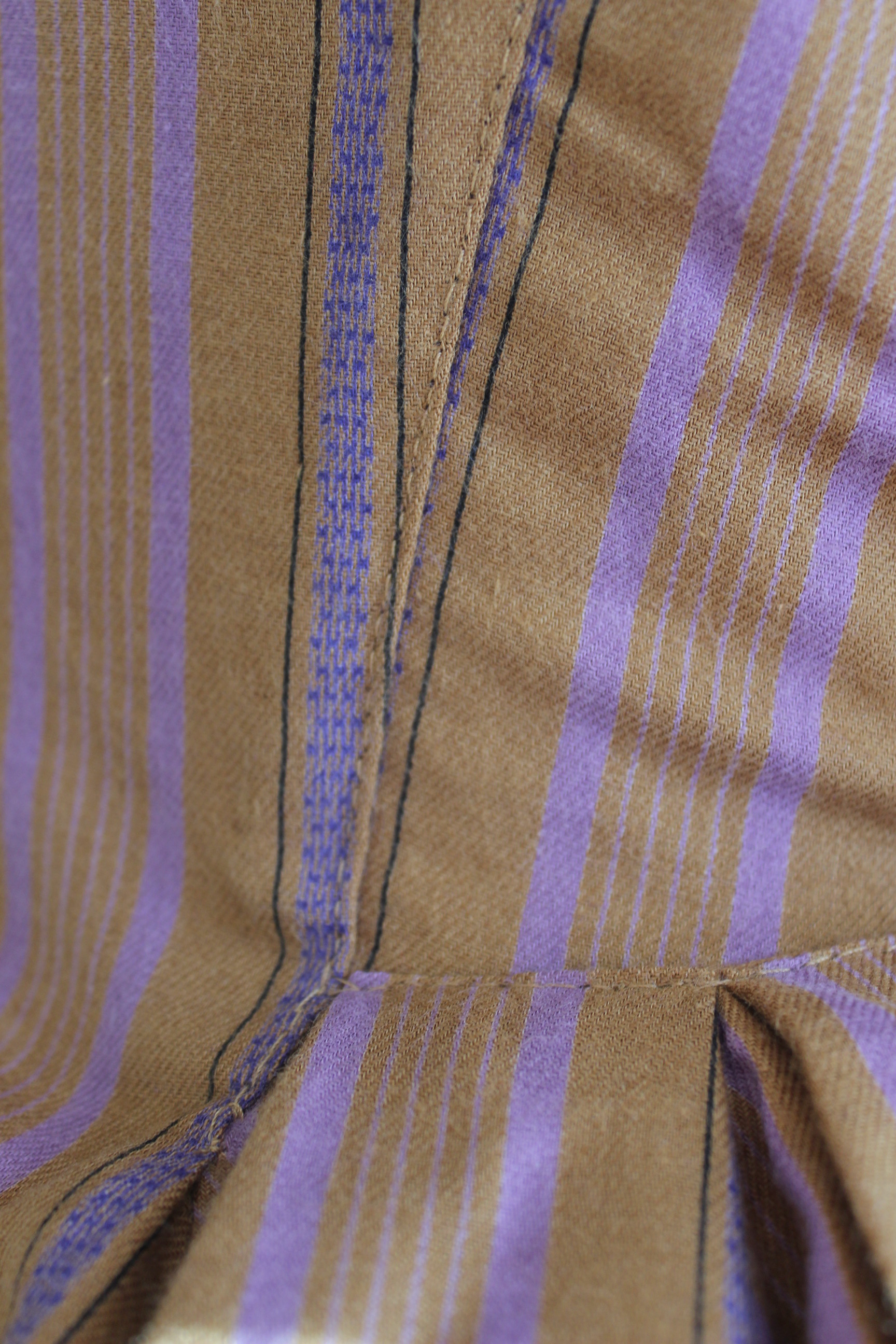
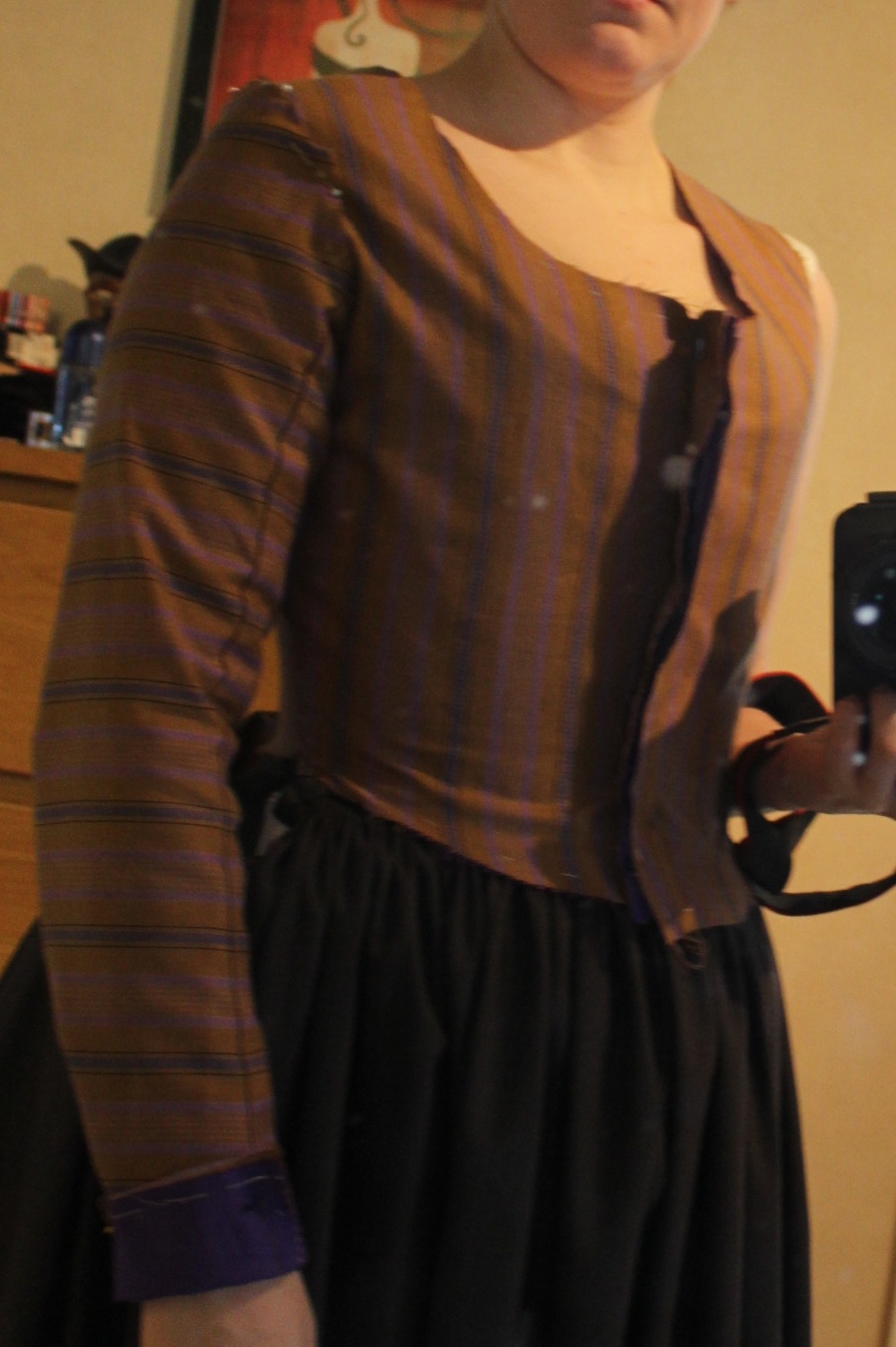
I stitched the pieces together using period techniques (stitching from the outside),IMG_5148 making sure to line the stripes properly.

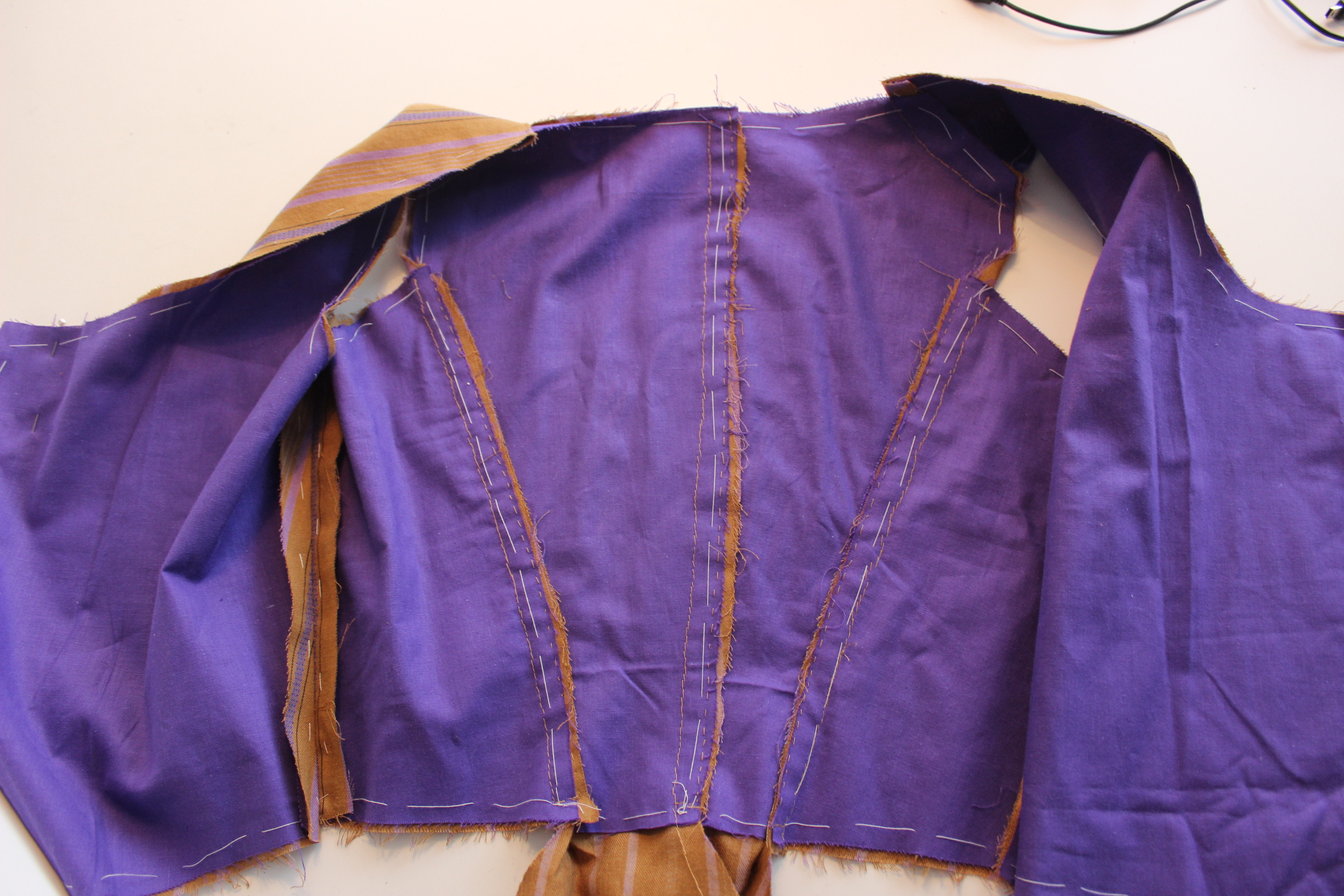
IMG_5150From the inside you can see the purple interning and boning channels sewn into the seam allowance.

IMG_5147I love the look of the bodice like this – perhaps I need to make a waistcoat from this pattern.

To be continued…